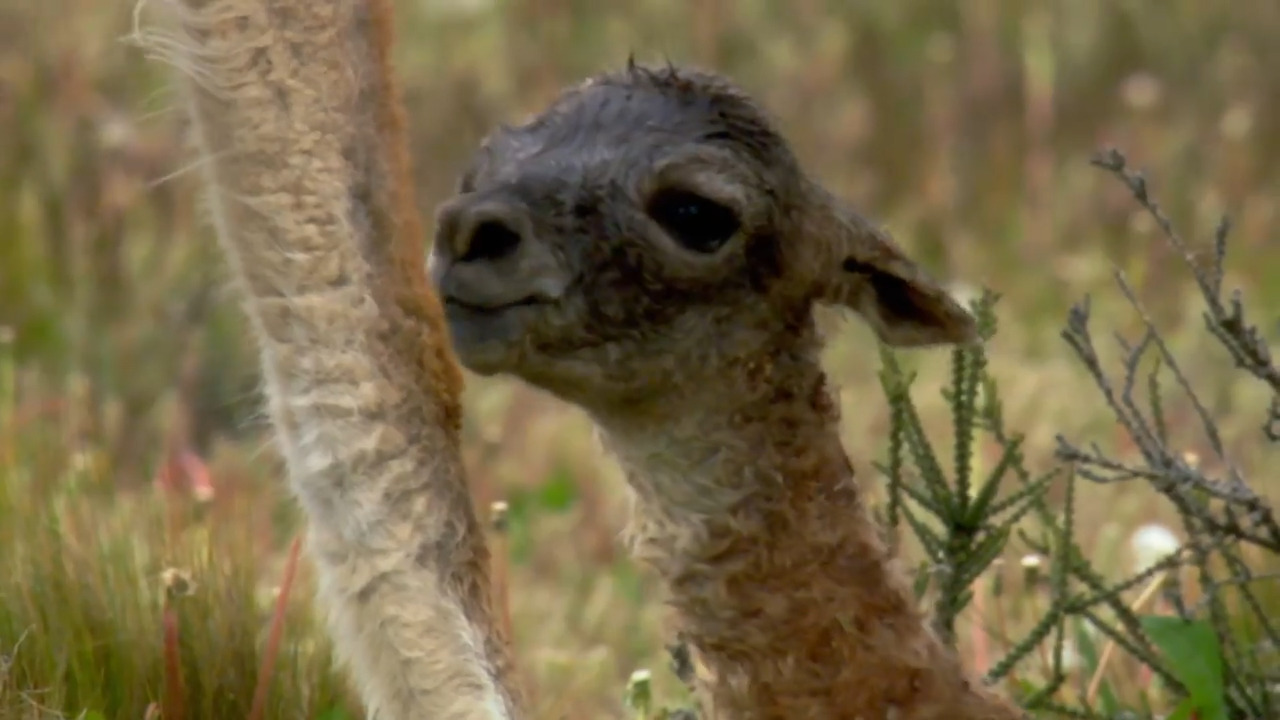
In Guanaco Calves Learn to Walk, narrator Gordon Buchanan explains how calves must learn quickly to stand, walk, and run as predators, like the puma, lurk near where they are born on the open grasslands of Patagonia. Their long legs make this difficult at first, but playing chase helps them build the skills needed to escape predators. This video is excerpted from BBC's Animal Babies, a heartwarming show that follows the first breaths, first steps, and first feeds of some adorable baby animals, revealing the challenges they face to survive in some of the toughest but most beautiful places on the planet.
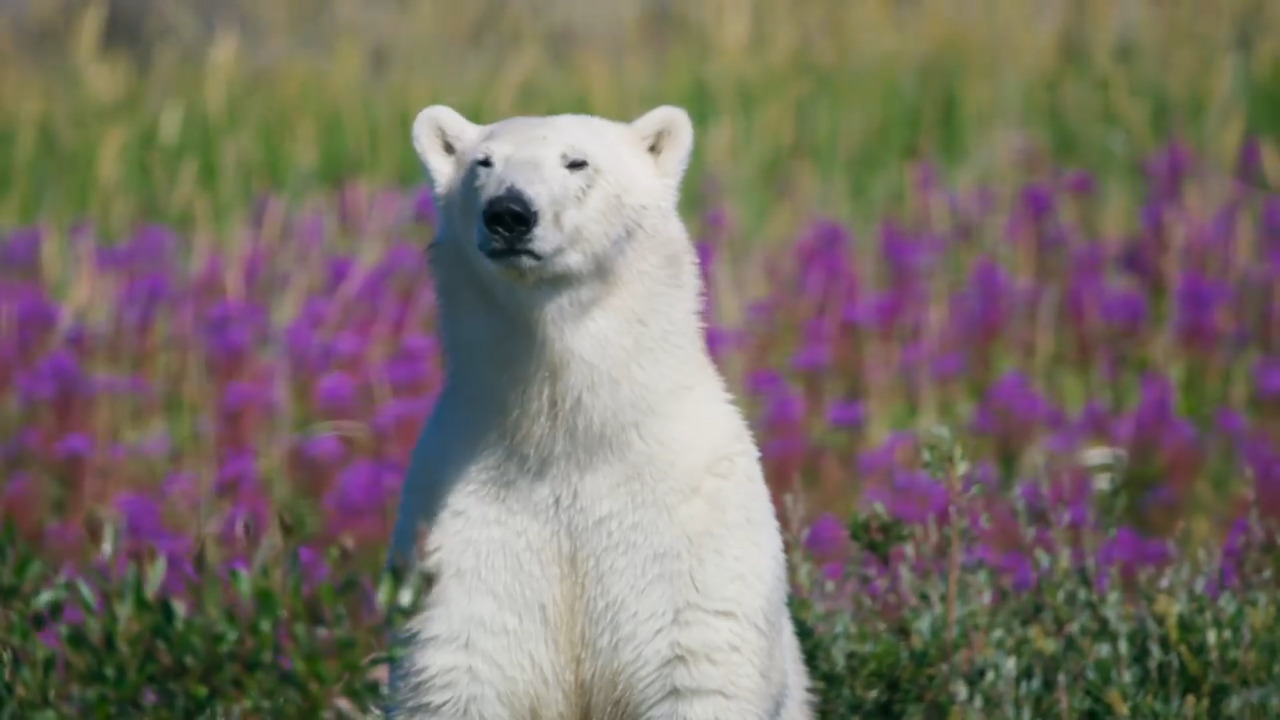
In Climate Change and Polar Bears, learn how human impacts are causing Canada to warm faster than any country on Earth. Lack of sea ice is now causing major problems for polar bears, and they have had to find a new source of food — beluga whale calves. This video is excerpted from BBC’s Seven Worlds, One Planet, a series featuring remarkable animal behavior from all seven continents.
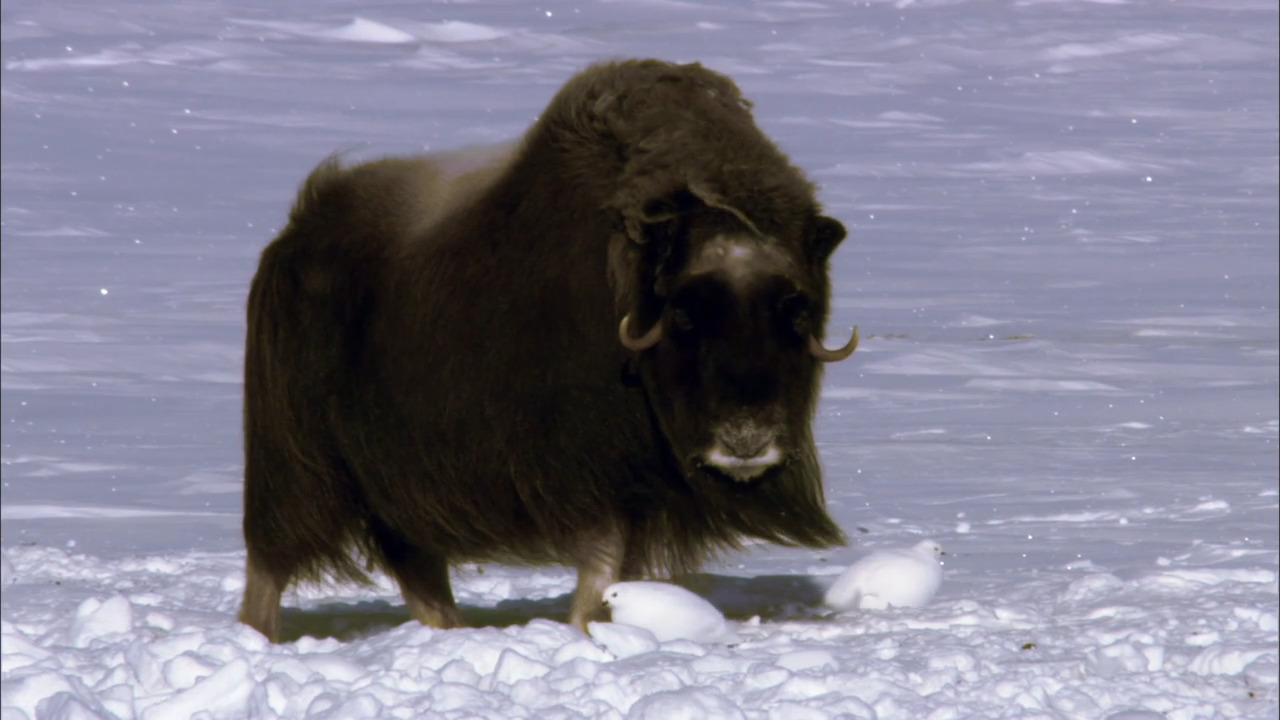
In How Musk Oxen Survive in the Arctic, narrator Sir David Attenborough showcases musk oxen in the Arctic and their adaptations for survival in harsh conditions. The musk oxen can break through the frozen ground to access vegetation, creating opportunities for other animals like Arctic foxes and various birds. Calves are birthed early, allowing them to acclimate to their environment before summer arrives. This video is excerpted from BBC’s Planet Earth, a breathtaking documentary series that highlights the natural wonders of our planet.
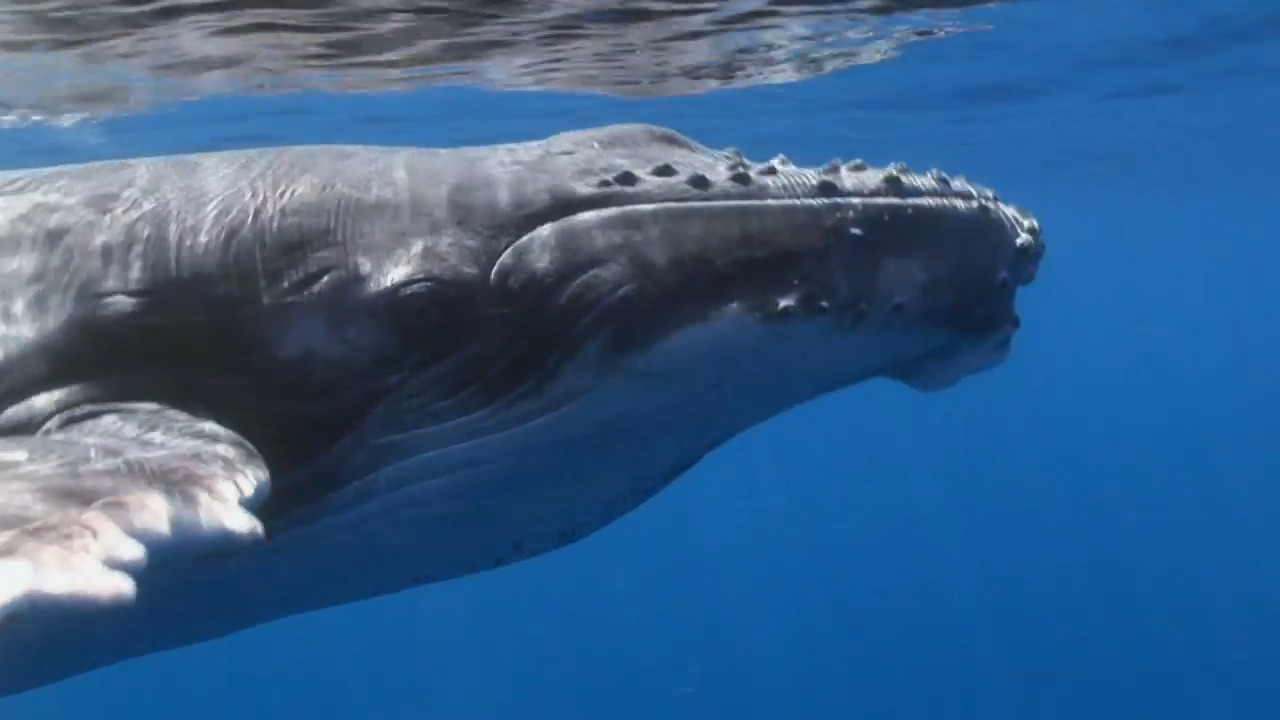
In Inside a Humpback Whale Nursery, narrator Sir David Attenborough discovers what a whale nursery is like. Explore the shallow seas where humpback whales sing to attract a mate, birth calves, and teach them to swim. This video is excerpted from BBC's Planet Earth, a breathtaking documentary series that highlights the natural wonders of our planet.
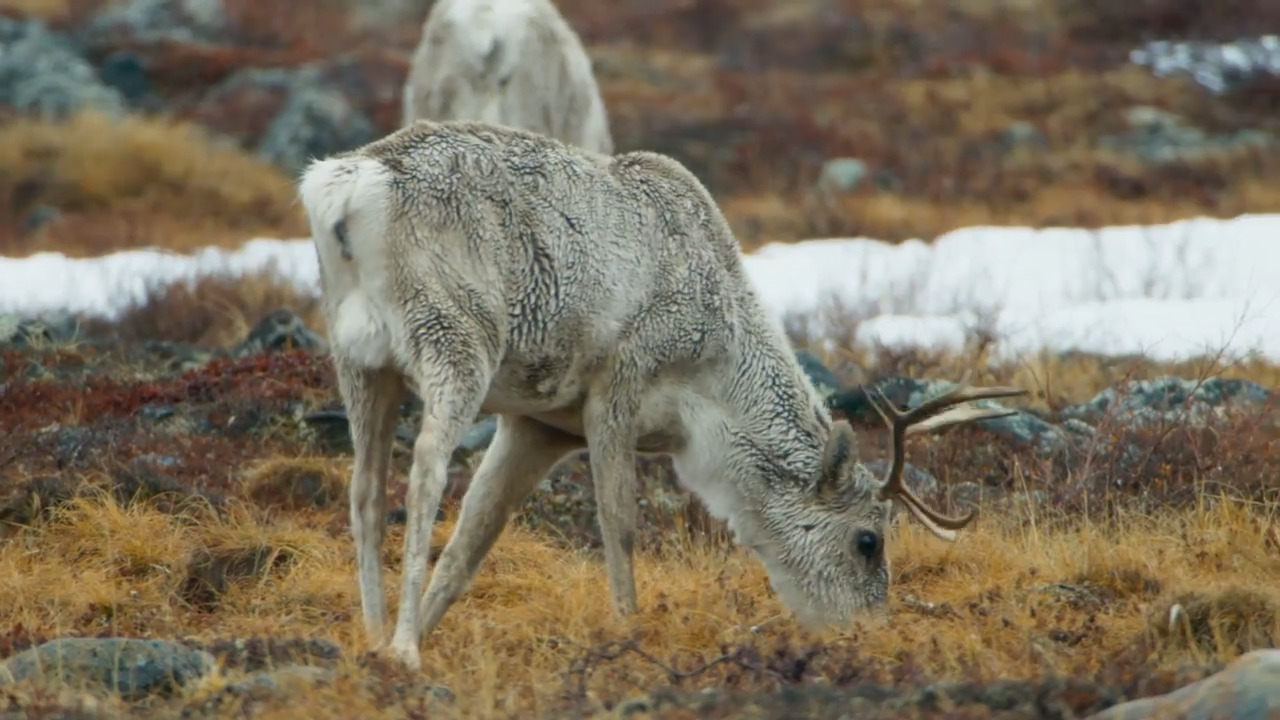
In A Caribou Migration Across the Tundra, follow narrator Sir David Attenborough on an incredible journey as caribou calves embark on their first migration across the Arctic tundra. Watch their determination and resilience as they encounter predators and navigate the difficulties of their surroundings. This video is excerpted from BBC’s Planet Earth II, a breathtaking documentary series that highlights the natural wonders of our planet.
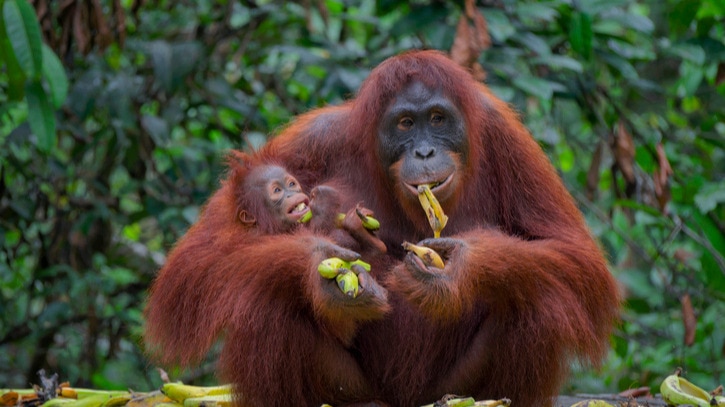
With Mother’s Day coming up in the U.S., what better way to celebrate than by spotlighting some of nature’s most devoted moms?
This fun, feel‑good eight‑video BBC playlist dives into the incredible bond between animal moms and their babies — and the wild ways they raise them. Watch puma cubs practice their hunting skills, a baby orangutan learn the ropes high in the treetops, humpback whale calves set off on their first epic journeys, and prairie dog pups turn playtime into survival training.
From feeding and protection to movement and life lessons, these clips show just how much it takes to grow up in the wild — and how moms make it all possible.
Featuring favorites like prairie dogs, orangutans, polar bears, and humpback whales, this playlist pulls from iconic BBC series like Animal Babies and Planet Earth.
Because mom love? It’s everywhere in the animal kingdom!

Get ready for cuteness overload with this heartwarming playlist of baby animal videos! Watch ducklings wobble, elephants splash, wildebeests race, seals snooze, and otters play with endless charm. Perfect for captivating your class while sneaking in a little science, these clips will have your students saying “aww” while you say, “This totally counts as learning!”
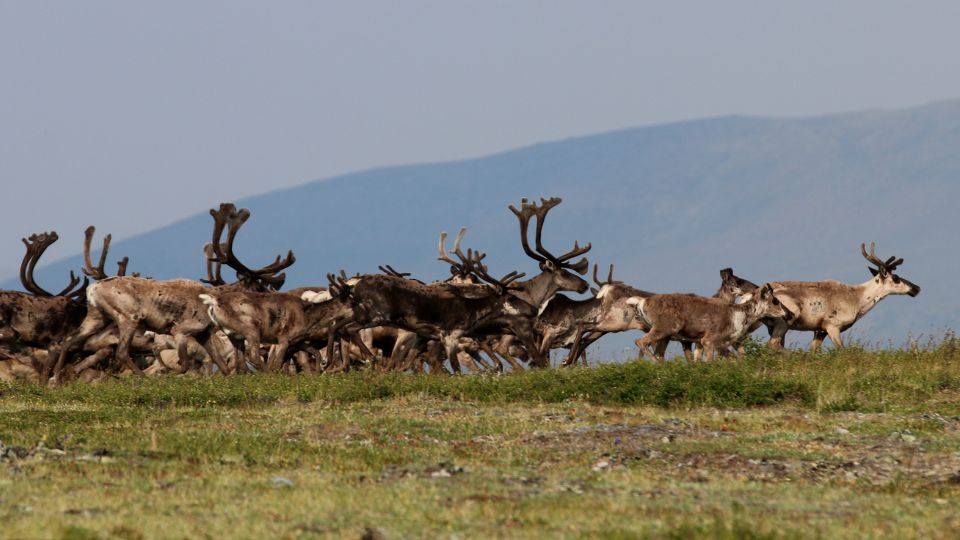
Join one of the greatest gatherings on Planet Earth! First watch The Desert Locust Finds New Feeding Grounds, a short clip from the award-winning BBC series Planet Earth. Sir David Attenborough takes you on an incredible journey as caribou calves embark on their first migration across the Arctic tundra. Watch their determination and resilience as they encounter predators and navigate the difficulties of their surroundings.
Once your students have watched the video, invite them to check for understanding with this quick, 8-question quiz!
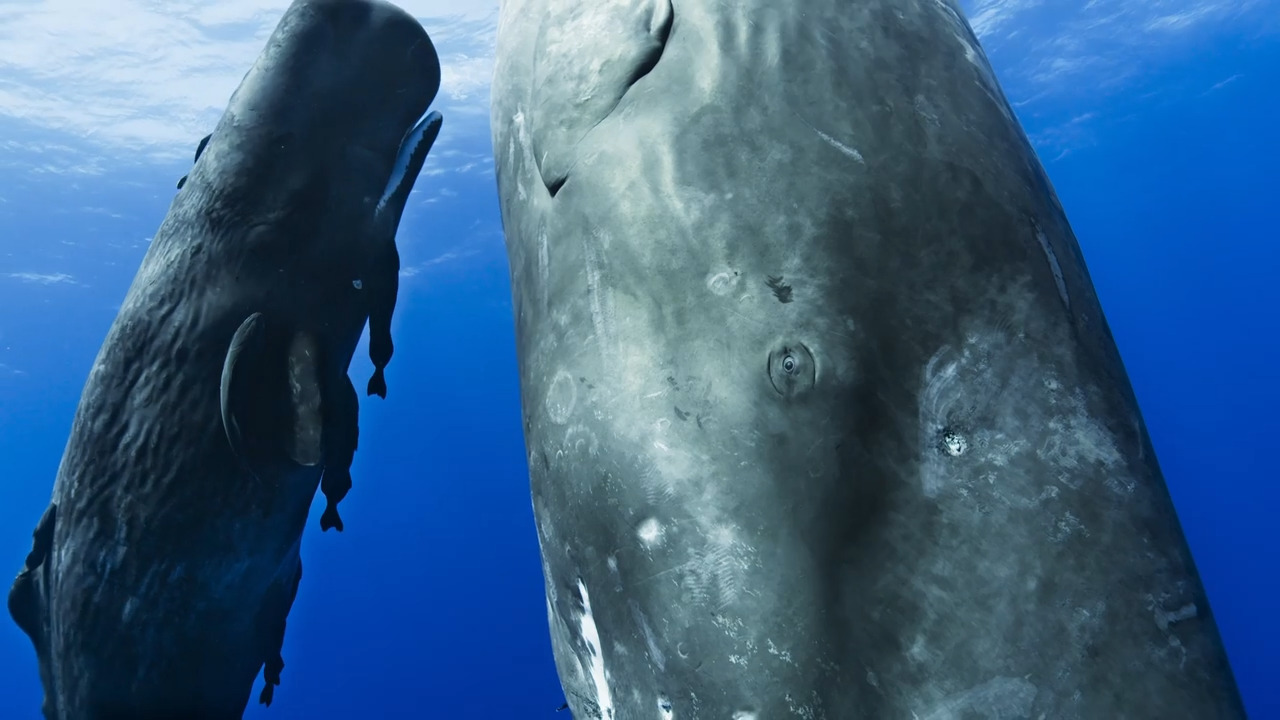
In The Sperm Whale Mother and Calf, narrator Sir David Attenborough observes a sperm whale and her calf, resting, communicating, and feeding. The calf won’t be able to dive deep enough to hunt for squid for the first six years of life, but the mother dives and hunts and returns with a store of milk for the waiting calf. This video is excerpted from BBC’s Blue Planet II, a natural history series that explores the world's oceans, the animals that live in them, and the threats they face, using modern filming techniques and equipment to capture previously unseen areas of the ocean.
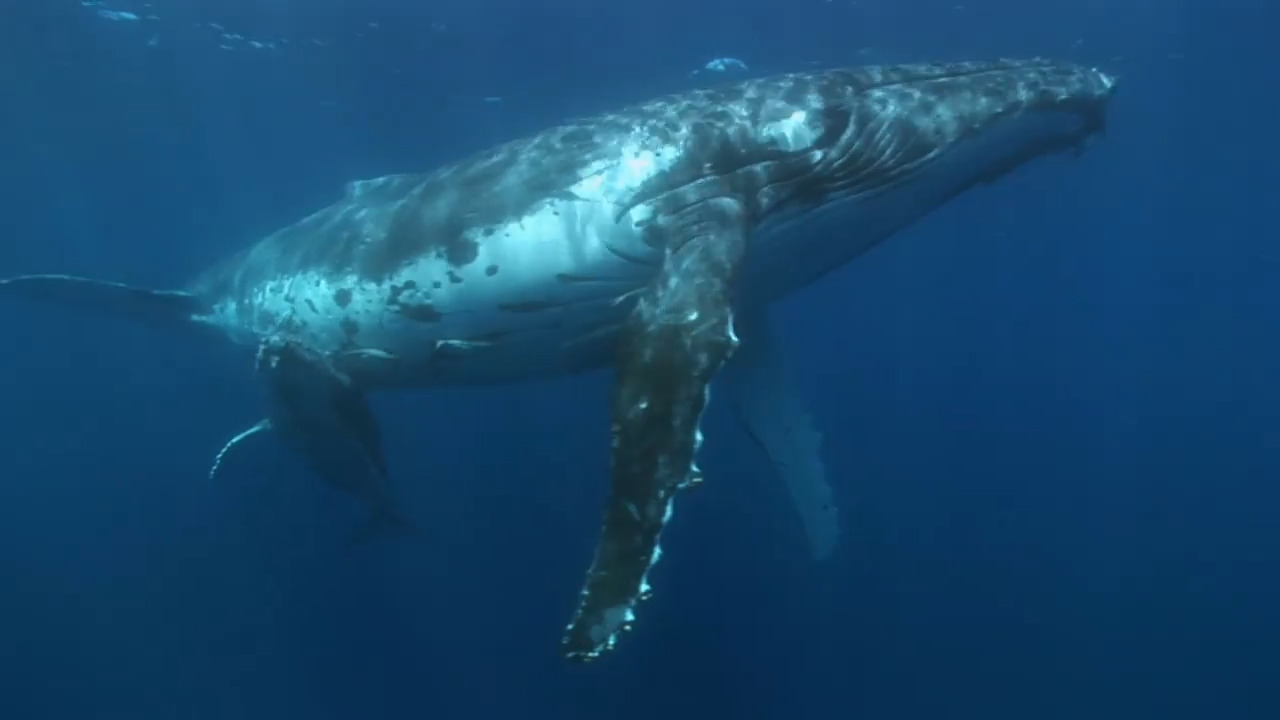
In A Humpback Whale Baby Leaves the Nursery, narrator Sir David Attenborough follows a mother and baby humpback whale as they embark on a dangerous journey. The young calf and starving mother leave the safety of the shallow seas in search of deeper water, where the mother can eat. Along the way, they communicate by slapping their tails and fins against the surface of the water. This video is excerpted from BBC's Planet Earth, a breathtaking documentary series that highlights the natural wonders of our planet.
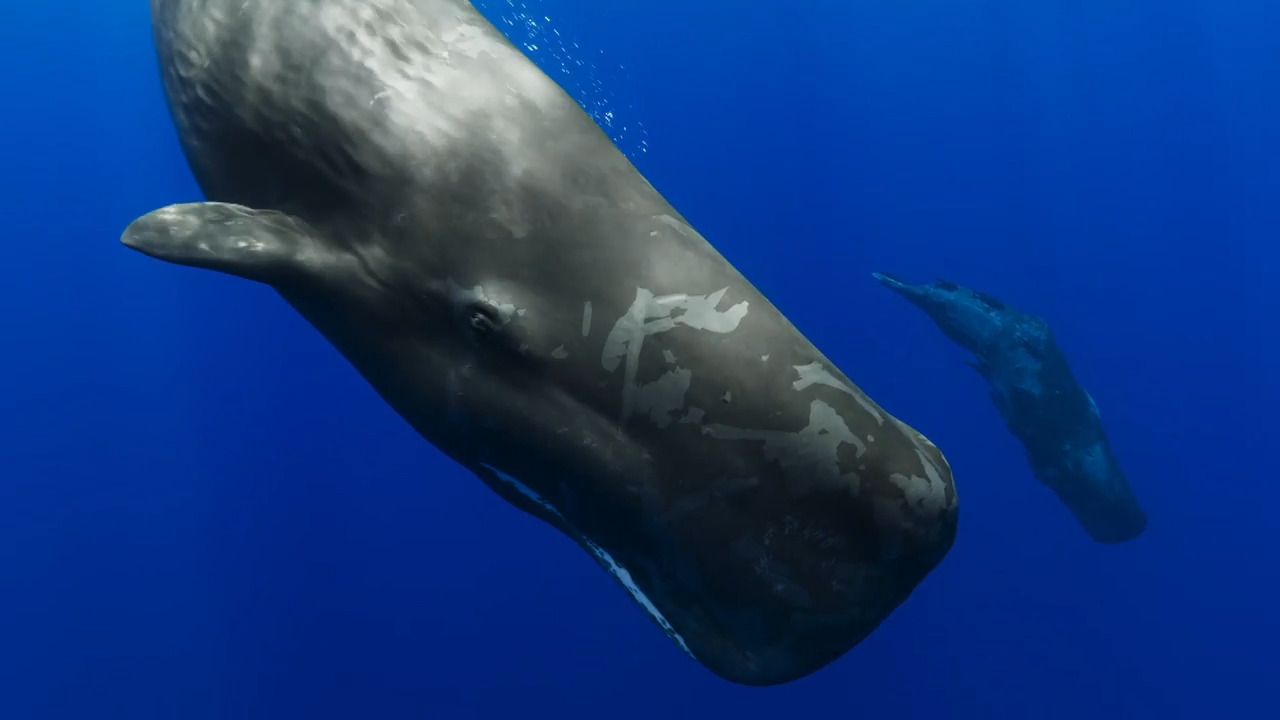
In Sperm Whales: Giants of the Ocean, narrator Sir David Attenborough follows one mother sperm whale and her calf. This video is excerpted from BBC’s Blue Planet II, a natural history series that explores the world's oceans, the animals that live in them, and the threats they face, using modern filming techniques and equipment to capture previously unseen areas of the ocean.
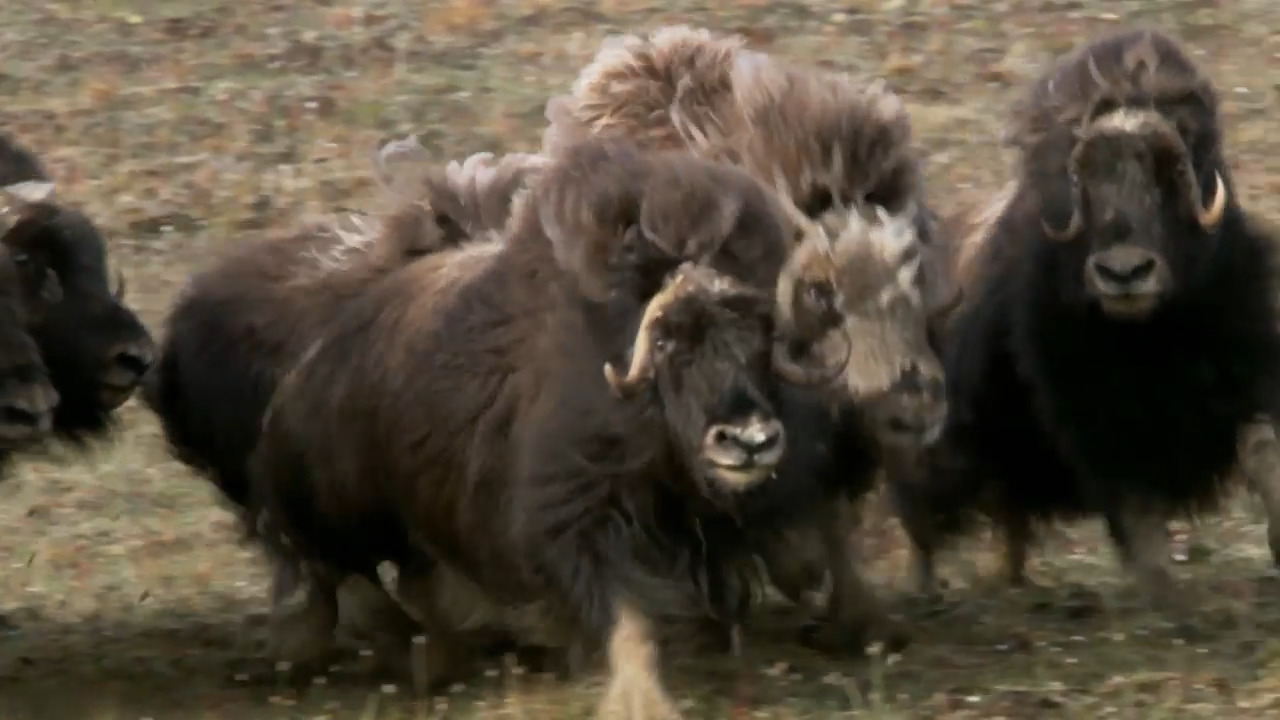
In Musk Oxen Create a Circle of Safety, narrator Gordon Buchanan describes how white wolves separate a young musk ox calf from the herd, but it manages to stay on its feet long enough for the adults to come to its rescue. By forming a tight ring around the calf, the adult oxen scare off the wolves with their size and horns. This video is excerpted from BBC's Animal Babies, a heartwarming show that follows the first breaths, first steps, and first feeds of some adorable baby animals, revealing the challenges they face to survive in some of the toughest but most beautiful places on the planet.
In Guanaco Calves Learn to Walk, narrator Gordon Buchanan explains how calves must learn quickly to stand, walk, and run as predators, like the puma, lurk near where they are born on the open grasslands of Patagonia. Their long legs make this difficult at first, but playing chase helps them build the skills needed to escape predators. This video is excerpted from BBC's Animal Babies, a heartwarming show that follows the first breaths, first steps, and first feeds of some adorable baby animals, revealing the challenges they face to survive in some of the toughest but most beautiful places on the planet.
In Climate Change and Polar Bears, learn how human impacts are causing Canada to warm faster than any country on Earth. Lack of sea ice is now causing major problems for polar bears, and they have had to find a new source of food — beluga whale calves. This video is excerpted from BBC’s Seven Worlds, One Planet, a series featuring remarkable animal behavior from all seven continents.
In How Musk Oxen Survive in the Arctic, narrator Sir David Attenborough showcases musk oxen in the Arctic and their adaptations for survival in harsh conditions. The musk oxen can break through the frozen ground to access vegetation, creating opportunities for other animals like Arctic foxes and various birds. Calves are birthed early, allowing them to acclimate to their environment before summer arrives. This video is excerpted from BBC’s Planet Earth, a breathtaking documentary series that highlights the natural wonders of our planet.
In Inside a Humpback Whale Nursery, narrator Sir David Attenborough discovers what a whale nursery is like. Explore the shallow seas where humpback whales sing to attract a mate, birth calves, and teach them to swim. This video is excerpted from BBC's Planet Earth, a breathtaking documentary series that highlights the natural wonders of our planet.
In A Caribou Migration Across the Tundra, follow narrator Sir David Attenborough on an incredible journey as caribou calves embark on their first migration across the Arctic tundra. Watch their determination and resilience as they encounter predators and navigate the difficulties of their surroundings. This video is excerpted from BBC’s Planet Earth II, a breathtaking documentary series that highlights the natural wonders of our planet.
With Mother’s Day coming up in the U.S., what better way to celebrate than by spotlighting some of nature’s most devoted moms?
This fun, feel‑good eight‑video BBC playlist dives into the incredible bond between animal moms and their babies — and the wild ways they raise them. Watch puma cubs practice their hunting skills, a baby orangutan learn the ropes high in the treetops, humpback whale calves set off on their first epic journeys, and prairie dog pups turn playtime into survival training.
From feeding and protection to movement and life lessons, these clips show just how much it takes to grow up in the wild — and how moms make it all possible.
Featuring favorites like prairie dogs, orangutans, polar bears, and humpback whales, this playlist pulls from iconic BBC series like Animal Babies and Planet Earth.
Because mom love? It’s everywhere in the animal kingdom!
Get ready for cuteness overload with this heartwarming playlist of baby animal videos! Watch ducklings wobble, elephants splash, wildebeests race, seals snooze, and otters play with endless charm. Perfect for captivating your class while sneaking in a little science, these clips will have your students saying “aww” while you say, “This totally counts as learning!”
Join one of the greatest gatherings on Planet Earth! First watch The Desert Locust Finds New Feeding Grounds, a short clip from the award-winning BBC series Planet Earth. Sir David Attenborough takes you on an incredible journey as caribou calves embark on their first migration across the Arctic tundra. Watch their determination and resilience as they encounter predators and navigate the difficulties of their surroundings.
Once your students have watched the video, invite them to check for understanding with this quick, 8-question quiz!
In The Sperm Whale Mother and Calf, narrator Sir David Attenborough observes a sperm whale and her calf, resting, communicating, and feeding. The calf won’t be able to dive deep enough to hunt for squid for the first six years of life, but the mother dives and hunts and returns with a store of milk for the waiting calf. This video is excerpted from BBC’s Blue Planet II, a natural history series that explores the world's oceans, the animals that live in them, and the threats they face, using modern filming techniques and equipment to capture previously unseen areas of the ocean.
In A Humpback Whale Baby Leaves the Nursery, narrator Sir David Attenborough follows a mother and baby humpback whale as they embark on a dangerous journey. The young calf and starving mother leave the safety of the shallow seas in search of deeper water, where the mother can eat. Along the way, they communicate by slapping their tails and fins against the surface of the water. This video is excerpted from BBC's Planet Earth, a breathtaking documentary series that highlights the natural wonders of our planet.
In Sperm Whales: Giants of the Ocean, narrator Sir David Attenborough follows one mother sperm whale and her calf. This video is excerpted from BBC’s Blue Planet II, a natural history series that explores the world's oceans, the animals that live in them, and the threats they face, using modern filming techniques and equipment to capture previously unseen areas of the ocean.
In Musk Oxen Create a Circle of Safety, narrator Gordon Buchanan describes how white wolves separate a young musk ox calf from the herd, but it manages to stay on its feet long enough for the adults to come to its rescue. By forming a tight ring around the calf, the adult oxen scare off the wolves with their size and horns. This video is excerpted from BBC's Animal Babies, a heartwarming show that follows the first breaths, first steps, and first feeds of some adorable baby animals, revealing the challenges they face to survive in some of the toughest but most beautiful places on the planet.