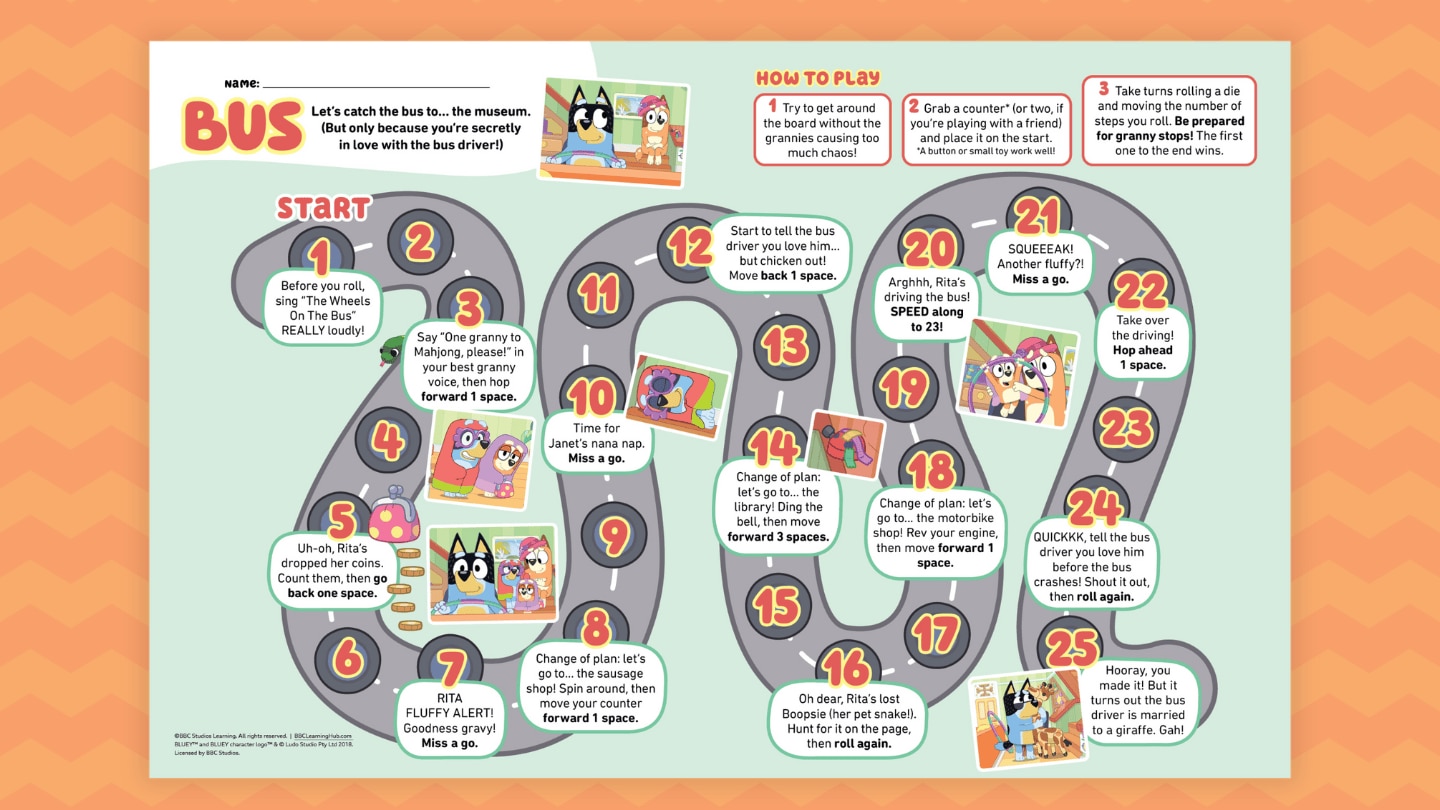
Let’s catch the bus to... the museum. (But only because you’re secretly in love with the bus driver!) Here's how to play:
- Try to get around the board without the grannies causing too much chaos!
- Grab a counter* (or two, if you’re playing with a friend) and place it on the start. *A button or small toy work well!
- Take turns rolling a die and moving the number of steps you roll. Be prepared for granny stops! The first one to the end wins.
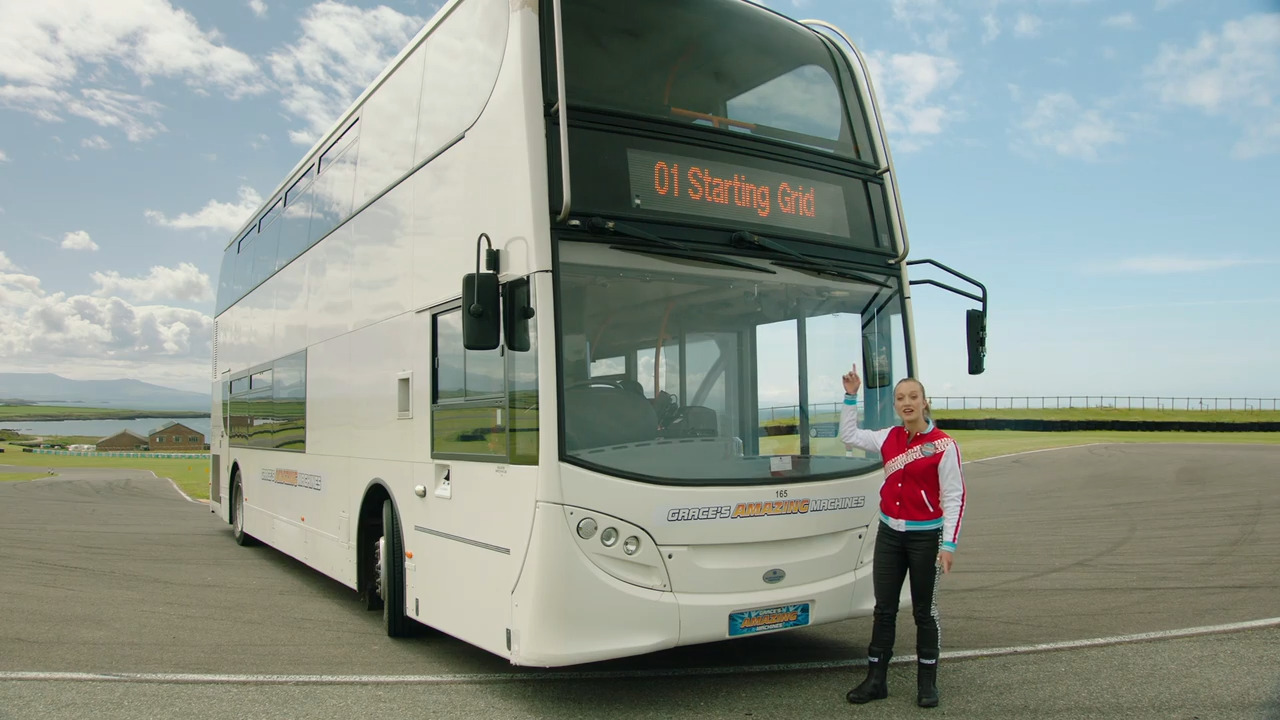
In Double Decker Buses Mean Double the Fun!, presenter and motorbike racer Grace Webb explores the features of a double decker bus and even tries her hand at driving some passengers around on the track. This video is excerpted from BBC’s Grace’s Amazing Machines, a children’s show that introduces kids to some of the biggest, fastest, and most amazing machines in the world.
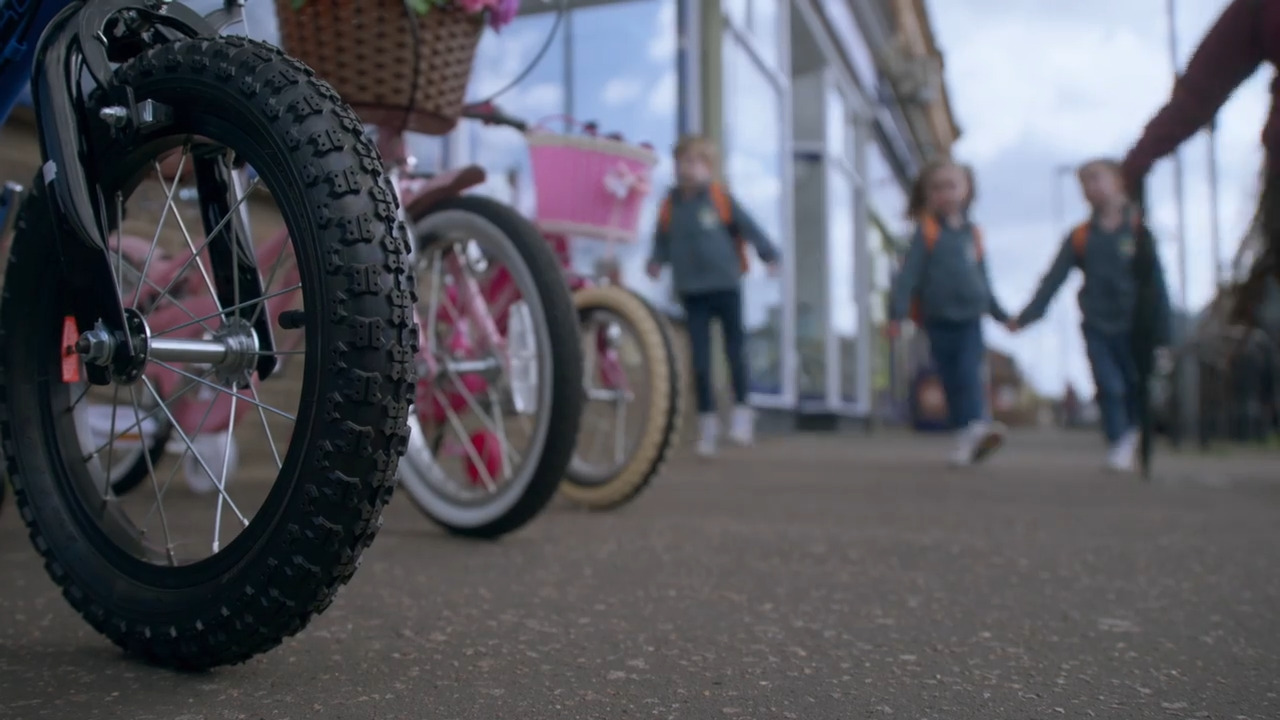
In Sustainable Transportation in the City, Ranger Hamza and the Ramblers brainstorm ways to move around the city without producing pollution. Learn how sustainable transportation helps our environment. This video is excerpted from BBC's Ranger Hamza’s Eco Quest, a nature exploration show in which Ranger Hamza and the Ramblers go on quests to discover nature’s wonders and the important role they play in our environment.
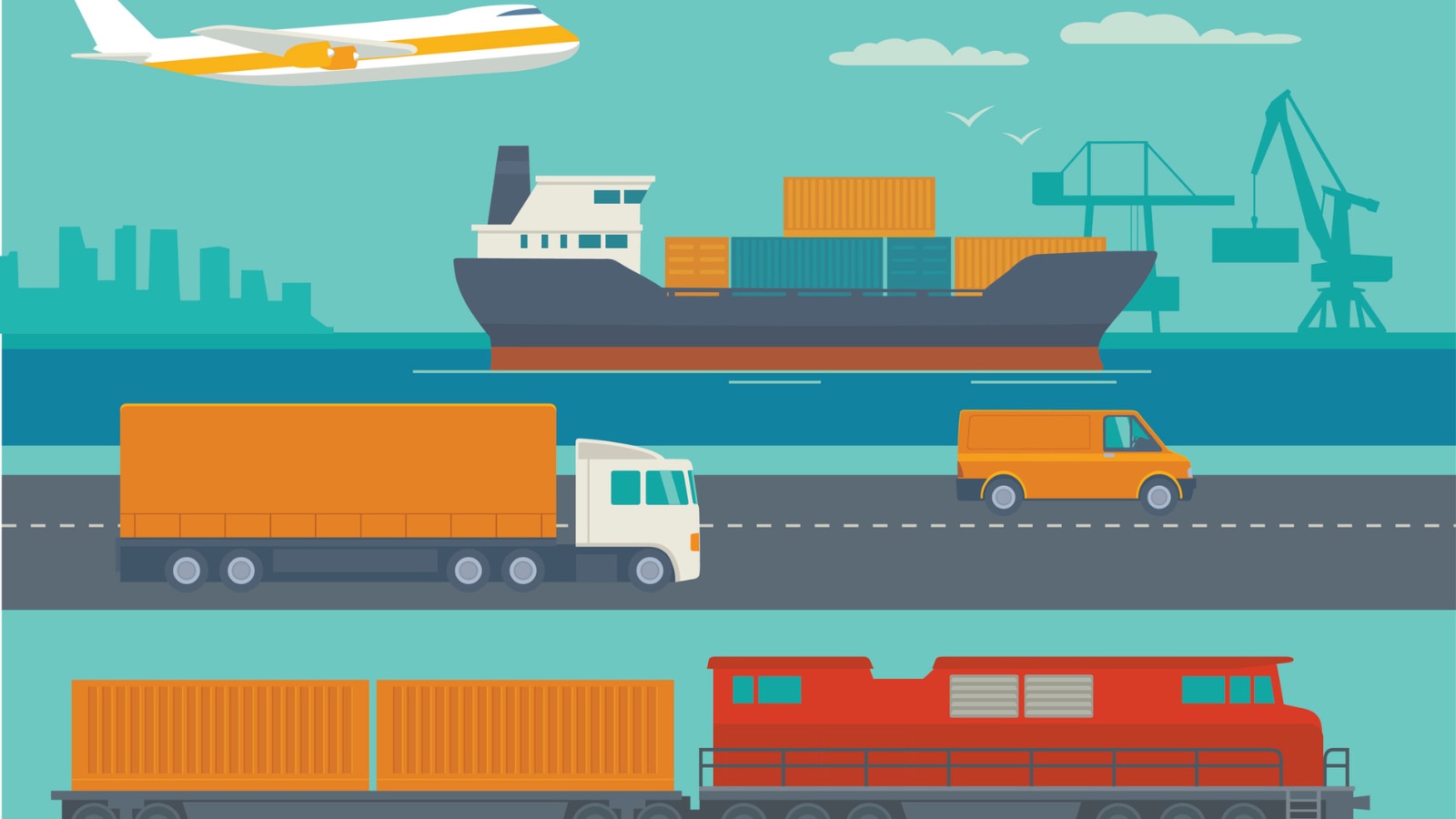
Get ready for a speedy adventure! This BBC Learning Hub playlist, packed with clips from Grace’s Amazing Machines, takes students on a high-octane journey through land, sea, and sky. From gyrocopters and tugboats to superbikes and supercars, each video introduces a powerful machine — and the science that makes it move.
Perfect for teaching concepts like forces and motion, energy, friction, and transportation technology, these clips are a fun, fast-paced way to explore how things go, glide, float, and fly. Each video comes with discussion questions, hands-on activities, and more to help kids think, tinker, and learn like real engineers. Buckle up — it’s going to be a wild ride!

Test Your Knowledge of the Civil Rights Movement
The Civil Rights Movement was a pivotal time in American history, when individuals and communities fought for equality, justice, and the basic rights of all people. From the oppressive Jim Crow laws to brave acts of resistance, this movement reshaped the nation.
This quiz will explore key events, influential leaders, and cultural milestones, including Emmett Till, Rosa Parks and the Montgomery bus boycott, the March on Washington, Bloody Sunday, the Voting Rights Act, Martin Luther King Jr., Charlotta Bass, Malcolm X, John Lewis, and Motown.
See how much you know about the struggle, the leaders, and the victories that helped create a more just society.
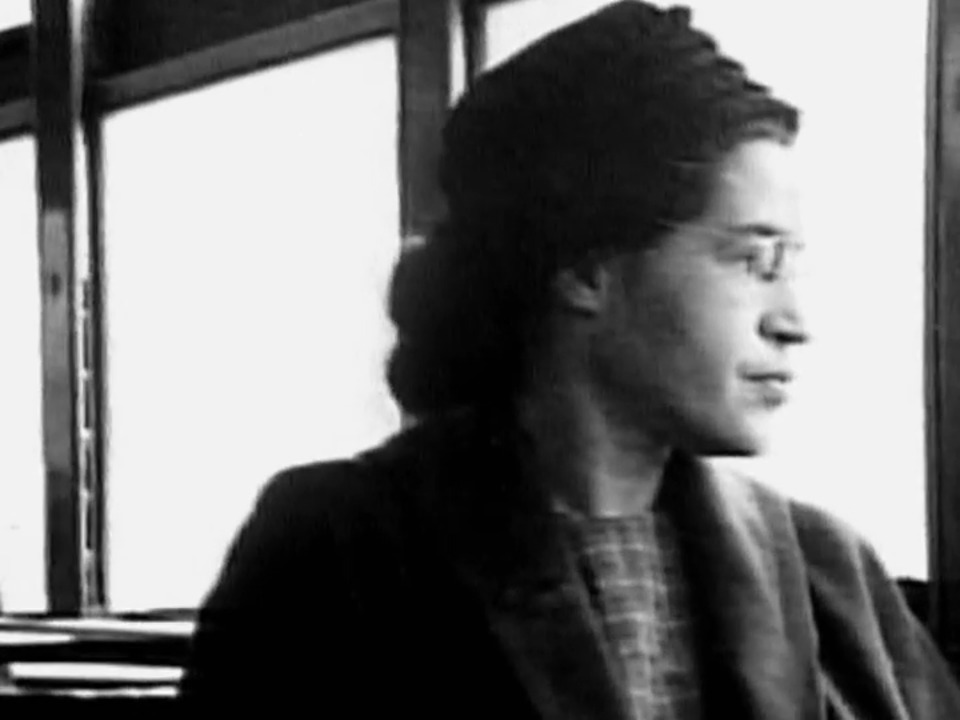
In The Rosa Parks Effect, Rosa Parks’s arrest motivates Martin Luther King Jr. to advance non-violent protests on a larger scale, making him a prominent figure in the Civil Rights Movement in the United States. This video is excerpted from BBC’s Infamous Assassinations, a documentary series about high-profile murders and attempted murders of public figures, narrated by actor Robert Powell.
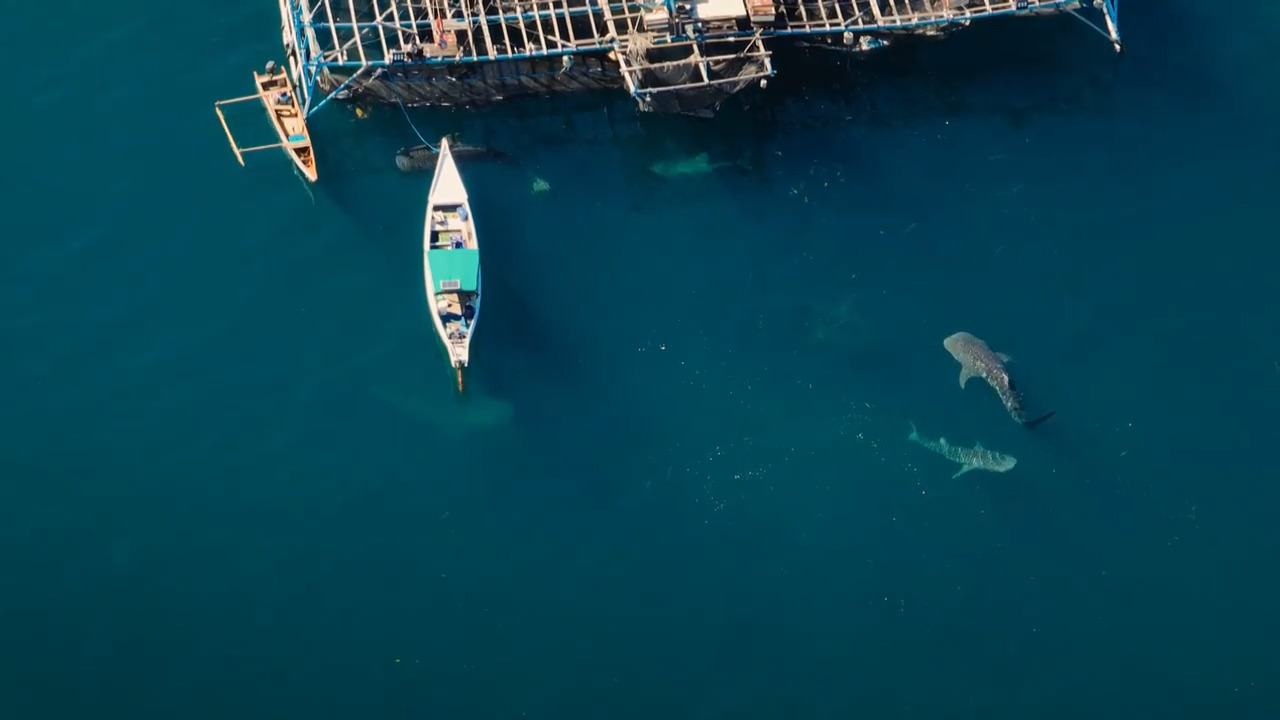
In The Majestic Whale Shark host Simon Reeve sails through Indonesia’s Cenderawasih Bay, searching for the elusive whale shark. These gentle giants can grow as long as a bus and weigh up to 30 tons, yet much about them, like where they breed, remains unknown. At a fishing platform called a bagan, Simon spots one and marvels at its size and grace. He discovers how this area helps scientists study and protect these mysterious creatures. This video is excerpted from BBC’s Wilderness With Simon Reeve, an epic adventure into the heart of Earth’s last great wild areas, where nature is at its most beautiful and fragile.
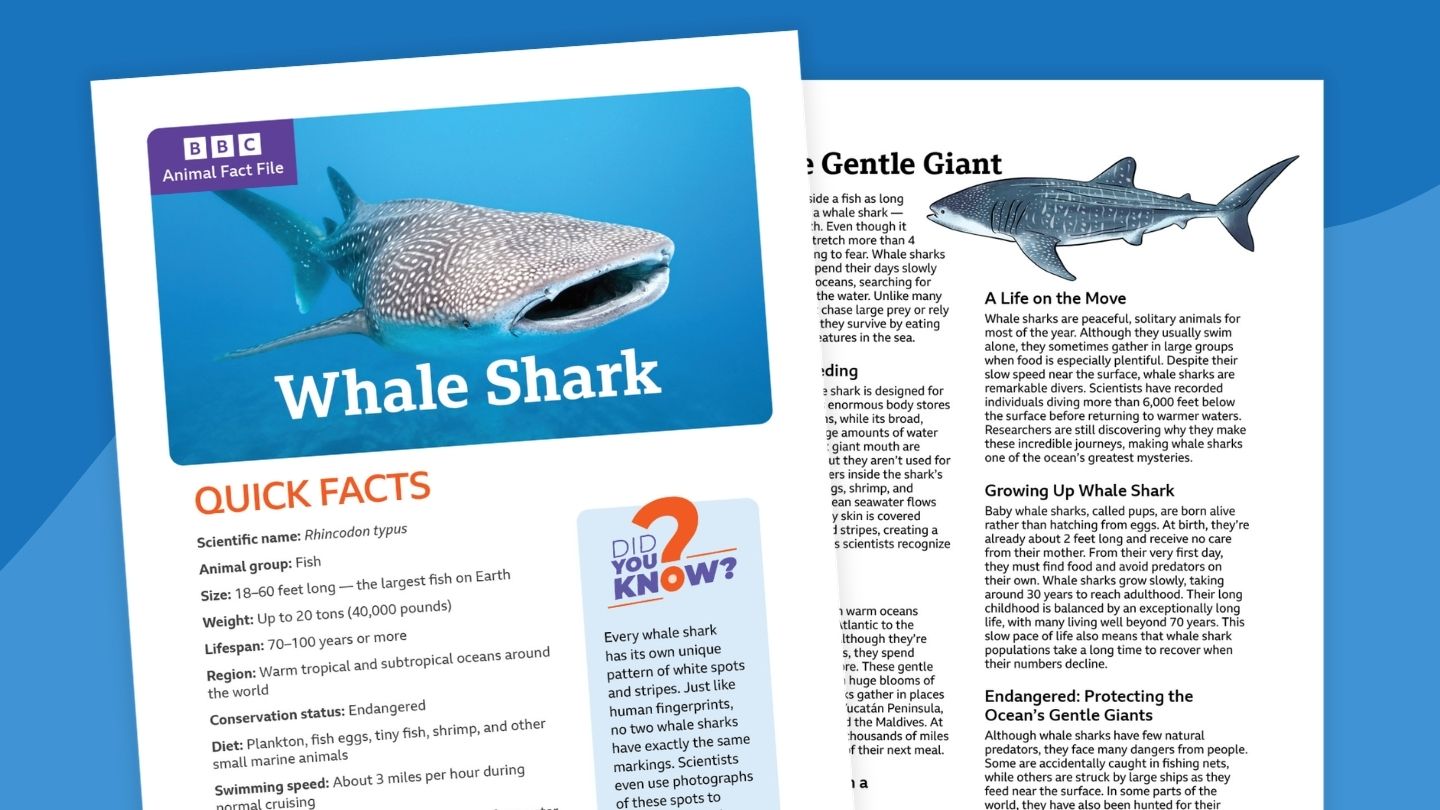
What fish can grow longer than a school bus but feeds on tiny plankton? The whale shark is the largest fish on Earth — and one of its gentlest.
From tropical coastlines to the open ocean, these enormous fish spend their lives searching for tiny creatures drifting through the water. Discover how whale sharks use filter feeding instead of hunting, dive thousands of feet beneath the surface, and migrate incredible distances across the globe. You'll also learn why these gentle giants are endangered and how scientists are working to protect them for generations to come.
Teachers and parents, you can use this fact file to:
- Introduce an animal, wildlife, or life science unit
- Support nonfiction reading and vocabulary practice
- Explore animal adaptations, behaviors, and habitats
- Compare animals and the ecosystems they live in
- Practice finding and organizing information from nonfiction texts
- Prepare students for animal research projects or presentations (use our animal report templates!)
- Connect science learning to conservation and environmental issues
- Pair with videos, articles, or other informational texts (see Related Resources below)
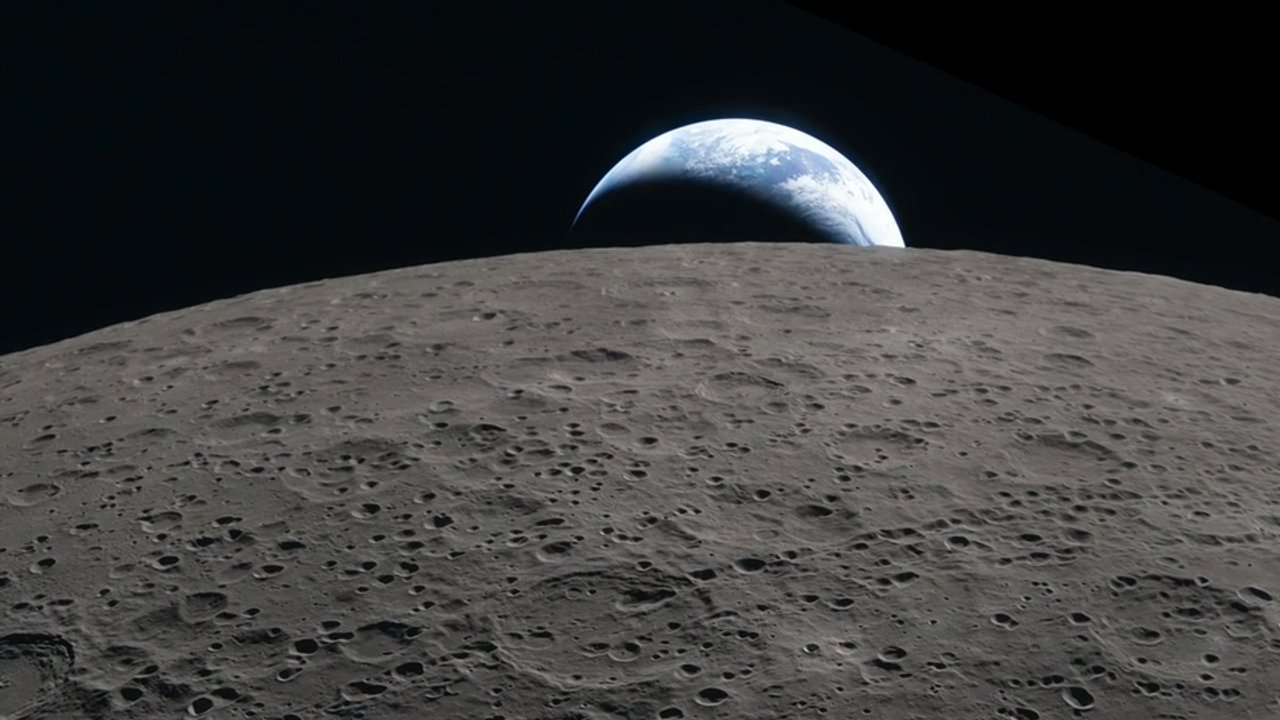
After a historic 10-day mission around the Moon — the first time humans have traveled so far into space since the 70s — the Artemis II crew came away with crucial knowledge: appreciate doors on bathrooms.
Commander Reid Wiseman dished on some other reflections about the trip. For example, the crew didn’t even realize what a big deal this was to people on Earth and didn’t hear much of the news until they talked to their families a few days into the mission. We suppose that’s what happens when you literally have your head in the clouds.
Not only was the journey unforgettable for science, but it was also personally significant for the crew members. One of the most powerful moments came when astronaut Jeremy Hansen named a lunar crater after Wiseman’s late wife, Carroll, a pivotal moment that solidified the crew’s bond.
But that bond wasn’t just to make things more fun — getting along in space is actually a matter of safety, and life inside a spacecraft requires serious teamwork. Think about sharing a room with a stinky sibling or living with a roommate who keeps eating your snacks. Now imagine that, in a room one-fifth the size and no way to escape! The astronauts lived, slept, and worked in extremely close quarters, so it was important to deal with disagreements immediately instead of letting tension build.
As exciting as it was to orbit the Moon, the return to Earth may have been just as intense. The crew re-entered the atmosphere at about 39 times the speed of sound. That’s about 30,000 miles per hour. They experienced forces of about four times normal gravity — about what you feel during the most intense parts of a roller coaster, but the astronauts felt this way for about 13 minutes. Nonstop! And that’s all before parachuting into the Pacific Ocean. All that probably makes it just a little more exhilarating than your bus ride to school.
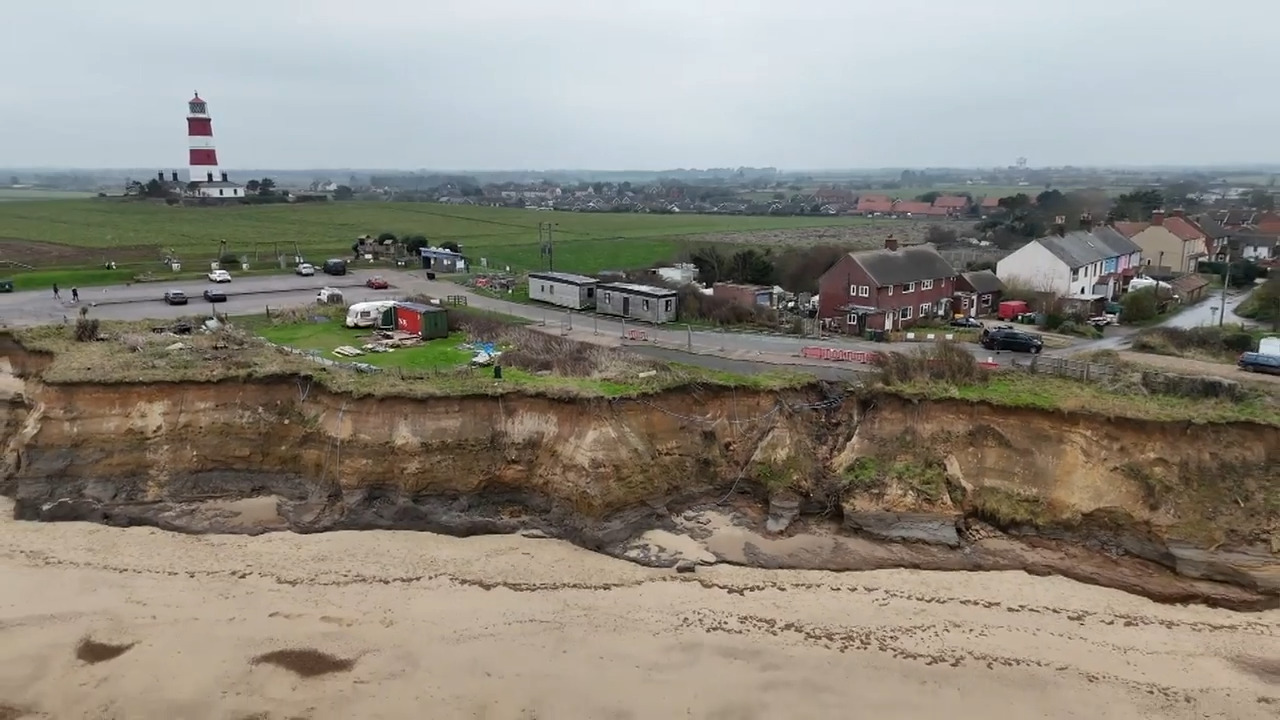
Waking up and looking out the window at the beautiful shoreline is great, until the water gets a little too close for comfort…
Bryony Nierop-Reading is a UK woman who has spent years up close and personal with the effects of coastal erosion — that’s when land is lost or displaced by natural forces like waves, tides, and storms. In 2009, she bought a home on the coast. She thought it was a safe distance from the shore, but it took only 4 years until the water became unlivably close to the house.
In her new home across the road, she sees the same challenges. In fact, in just two weeks, as much as 32 feet of land were lost to the sea. That’s the length of a school bus, or the height of a 3-story building!
It’s no wonder she’s so determined to fight for awareness and action around coastal erosion, especially as task forces meant to deal with the issue are being shut down, leaving counties to handle the problem themselves.
But Bryony the Brave is determined to stay put for as long as possible. She believes living so close to the issue helps her stay informed, motivated, and ready to speak up.
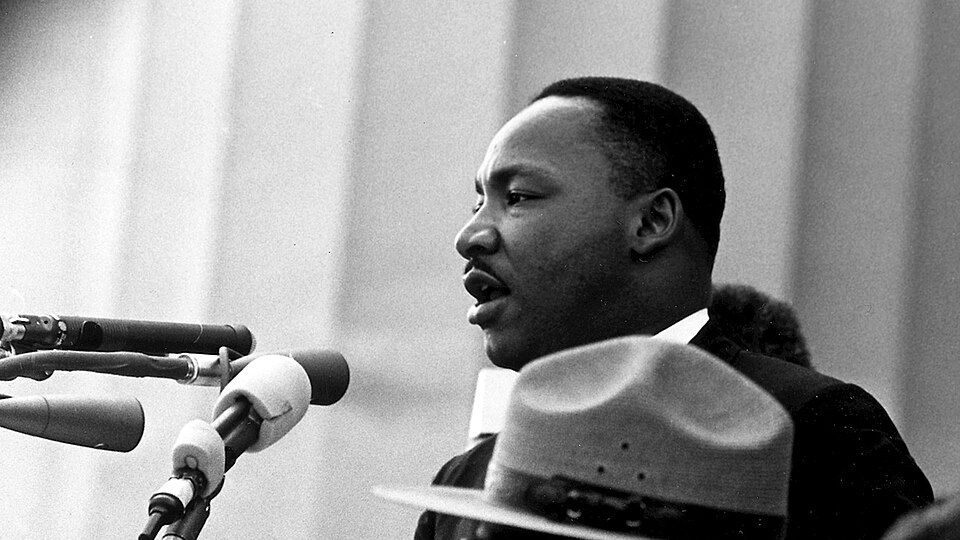
Trace the remarkable journey of Martin Luther King Jr. from his childhood in the segregated South to his rise as one of the most influential leaders in the American Civil Rights Movement. Through peaceful protest, powerful speeches, and unwavering determination, Dr. King inspired millions to challenge injustice and fight for equality.
This Kahoot explores key moments in his life and legacy — including the Montgomery Bus Boycott, the March on Washington, and the lasting impact of his famous “I Have a Dream” speech. Students will discover how nonviolence, courage, and moral leadership helped reshape history and continue to inspire movements for justice around the world today.
Watch the related BBC videos (below), then invite your Grade 3–8 students to test their knowledge and deepen their understanding of this iconic leader and the movement he helped lead.
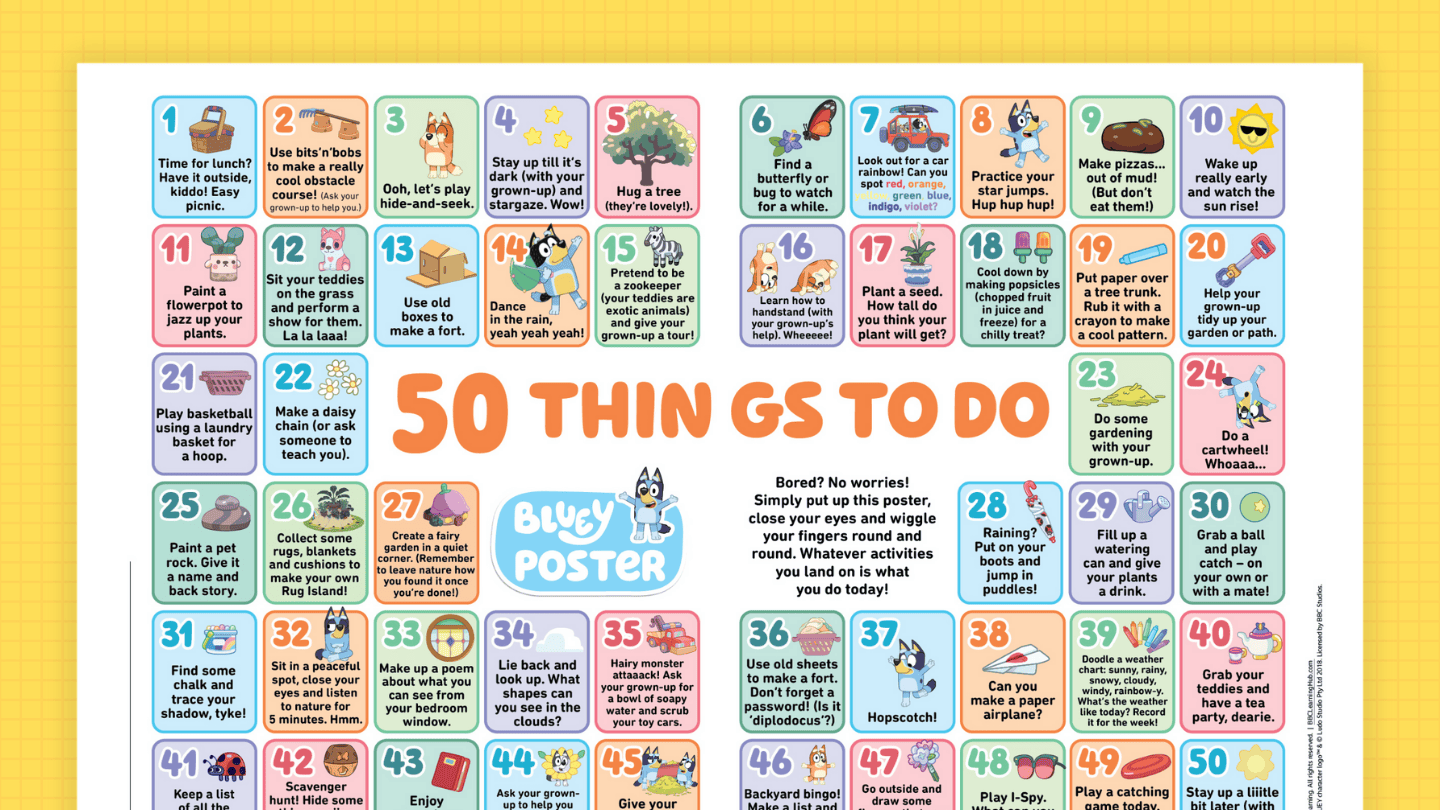
Bored? No worries! Simply put up this poster, close your eyes and wiggle your fingers round and round. Whatever activities you land on is what you do today! Here are some faves:
- Make pizzas... out of mud! (But don't eat them!)
- Pretend to be a zookeeper (your teddies are exotic animals) and give your grown-up a tour!
- Collect some rugs, blankets, and cushions to make your own Rug Island!
- Use old sheets to make a fort. Don't forget a password! (Is it "diplodocus"?)
- Backyard bingo! Make a list and play with a mate. What can you both spot?
Let’s catch the bus to... the museum. (But only because you’re secretly in love with the bus driver!) Here's how to play:
- Try to get around the board without the grannies causing too much chaos!
- Grab a counter* (or two, if you’re playing with a friend) and place it on the start. *A button or small toy work well!
- Take turns rolling a die and moving the number of steps you roll. Be prepared for granny stops! The first one to the end wins.
In Double Decker Buses Mean Double the Fun!, presenter and motorbike racer Grace Webb explores the features of a double decker bus and even tries her hand at driving some passengers around on the track. This video is excerpted from BBC’s Grace’s Amazing Machines, a children’s show that introduces kids to some of the biggest, fastest, and most amazing machines in the world.
In Sustainable Transportation in the City, Ranger Hamza and the Ramblers brainstorm ways to move around the city without producing pollution. Learn how sustainable transportation helps our environment. This video is excerpted from BBC's Ranger Hamza’s Eco Quest, a nature exploration show in which Ranger Hamza and the Ramblers go on quests to discover nature’s wonders and the important role they play in our environment.
Get ready for a speedy adventure! This BBC Learning Hub playlist, packed with clips from Grace’s Amazing Machines, takes students on a high-octane journey through land, sea, and sky. From gyrocopters and tugboats to superbikes and supercars, each video introduces a powerful machine — and the science that makes it move.
Perfect for teaching concepts like forces and motion, energy, friction, and transportation technology, these clips are a fun, fast-paced way to explore how things go, glide, float, and fly. Each video comes with discussion questions, hands-on activities, and more to help kids think, tinker, and learn like real engineers. Buckle up — it’s going to be a wild ride!
Test Your Knowledge of the Civil Rights Movement
The Civil Rights Movement was a pivotal time in American history, when individuals and communities fought for equality, justice, and the basic rights of all people. From the oppressive Jim Crow laws to brave acts of resistance, this movement reshaped the nation.
This quiz will explore key events, influential leaders, and cultural milestones, including Emmett Till, Rosa Parks and the Montgomery bus boycott, the March on Washington, Bloody Sunday, the Voting Rights Act, Martin Luther King Jr., Charlotta Bass, Malcolm X, John Lewis, and Motown.
See how much you know about the struggle, the leaders, and the victories that helped create a more just society.
In The Rosa Parks Effect, Rosa Parks’s arrest motivates Martin Luther King Jr. to advance non-violent protests on a larger scale, making him a prominent figure in the Civil Rights Movement in the United States. This video is excerpted from BBC’s Infamous Assassinations, a documentary series about high-profile murders and attempted murders of public figures, narrated by actor Robert Powell.
In The Majestic Whale Shark host Simon Reeve sails through Indonesia’s Cenderawasih Bay, searching for the elusive whale shark. These gentle giants can grow as long as a bus and weigh up to 30 tons, yet much about them, like where they breed, remains unknown. At a fishing platform called a bagan, Simon spots one and marvels at its size and grace. He discovers how this area helps scientists study and protect these mysterious creatures. This video is excerpted from BBC’s Wilderness With Simon Reeve, an epic adventure into the heart of Earth’s last great wild areas, where nature is at its most beautiful and fragile.
What fish can grow longer than a school bus but feeds on tiny plankton? The whale shark is the largest fish on Earth — and one of its gentlest.
From tropical coastlines to the open ocean, these enormous fish spend their lives searching for tiny creatures drifting through the water. Discover how whale sharks use filter feeding instead of hunting, dive thousands of feet beneath the surface, and migrate incredible distances across the globe. You'll also learn why these gentle giants are endangered and how scientists are working to protect them for generations to come.
Teachers and parents, you can use this fact file to:
- Introduce an animal, wildlife, or life science unit
- Support nonfiction reading and vocabulary practice
- Explore animal adaptations, behaviors, and habitats
- Compare animals and the ecosystems they live in
- Practice finding and organizing information from nonfiction texts
- Prepare students for animal research projects or presentations (use our animal report templates!)
- Connect science learning to conservation and environmental issues
- Pair with videos, articles, or other informational texts (see Related Resources below)
After a historic 10-day mission around the Moon — the first time humans have traveled so far into space since the 70s — the Artemis II crew came away with crucial knowledge: appreciate doors on bathrooms.
Commander Reid Wiseman dished on some other reflections about the trip. For example, the crew didn’t even realize what a big deal this was to people on Earth and didn’t hear much of the news until they talked to their families a few days into the mission. We suppose that’s what happens when you literally have your head in the clouds.
Not only was the journey unforgettable for science, but it was also personally significant for the crew members. One of the most powerful moments came when astronaut Jeremy Hansen named a lunar crater after Wiseman’s late wife, Carroll, a pivotal moment that solidified the crew’s bond.
But that bond wasn’t just to make things more fun — getting along in space is actually a matter of safety, and life inside a spacecraft requires serious teamwork. Think about sharing a room with a stinky sibling or living with a roommate who keeps eating your snacks. Now imagine that, in a room one-fifth the size and no way to escape! The astronauts lived, slept, and worked in extremely close quarters, so it was important to deal with disagreements immediately instead of letting tension build.
As exciting as it was to orbit the Moon, the return to Earth may have been just as intense. The crew re-entered the atmosphere at about 39 times the speed of sound. That’s about 30,000 miles per hour. They experienced forces of about four times normal gravity — about what you feel during the most intense parts of a roller coaster, but the astronauts felt this way for about 13 minutes. Nonstop! And that’s all before parachuting into the Pacific Ocean. All that probably makes it just a little more exhilarating than your bus ride to school.
Waking up and looking out the window at the beautiful shoreline is great, until the water gets a little too close for comfort…
Bryony Nierop-Reading is a UK woman who has spent years up close and personal with the effects of coastal erosion — that’s when land is lost or displaced by natural forces like waves, tides, and storms. In 2009, she bought a home on the coast. She thought it was a safe distance from the shore, but it took only 4 years until the water became unlivably close to the house.
In her new home across the road, she sees the same challenges. In fact, in just two weeks, as much as 32 feet of land were lost to the sea. That’s the length of a school bus, or the height of a 3-story building!
It’s no wonder she’s so determined to fight for awareness and action around coastal erosion, especially as task forces meant to deal with the issue are being shut down, leaving counties to handle the problem themselves.
But Bryony the Brave is determined to stay put for as long as possible. She believes living so close to the issue helps her stay informed, motivated, and ready to speak up.
Trace the remarkable journey of Martin Luther King Jr. from his childhood in the segregated South to his rise as one of the most influential leaders in the American Civil Rights Movement. Through peaceful protest, powerful speeches, and unwavering determination, Dr. King inspired millions to challenge injustice and fight for equality.
This Kahoot explores key moments in his life and legacy — including the Montgomery Bus Boycott, the March on Washington, and the lasting impact of his famous “I Have a Dream” speech. Students will discover how nonviolence, courage, and moral leadership helped reshape history and continue to inspire movements for justice around the world today.
Watch the related BBC videos (below), then invite your Grade 3–8 students to test their knowledge and deepen their understanding of this iconic leader and the movement he helped lead.
Bored? No worries! Simply put up this poster, close your eyes and wiggle your fingers round and round. Whatever activities you land on is what you do today! Here are some faves:
- Make pizzas... out of mud! (But don't eat them!)
- Pretend to be a zookeeper (your teddies are exotic animals) and give your grown-up a tour!
- Collect some rugs, blankets, and cushions to make your own Rug Island!
- Use old sheets to make a fort. Don't forget a password! (Is it "diplodocus"?)
- Backyard bingo! Make a list and play with a mate. What can you both spot?