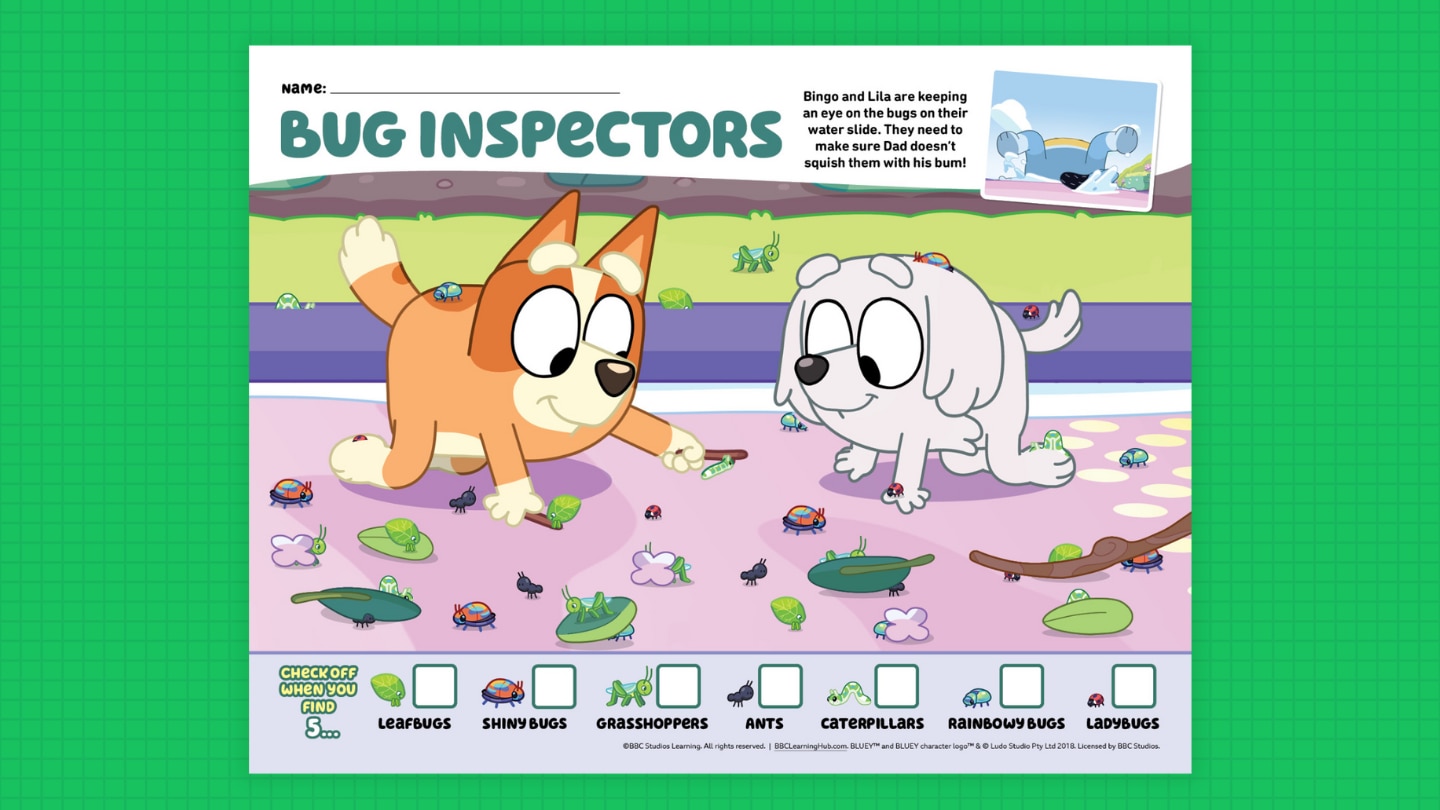
Bug inspectors! Bingo and Lila are keeping an eye on the bugs on their water slide. They need to make sure Dad doesn’t squish them with his bum! Can you find five leaf bugs, shiny bugs, grasshoppers, ants, caterpillars, rainbowy bugs, and ladybugs?
Inspired by Season 3, Episode 46 "Slide": Bingo and Lila are excited to play on their new waterslide, but first they have to make sure they don’t squish any bugs.
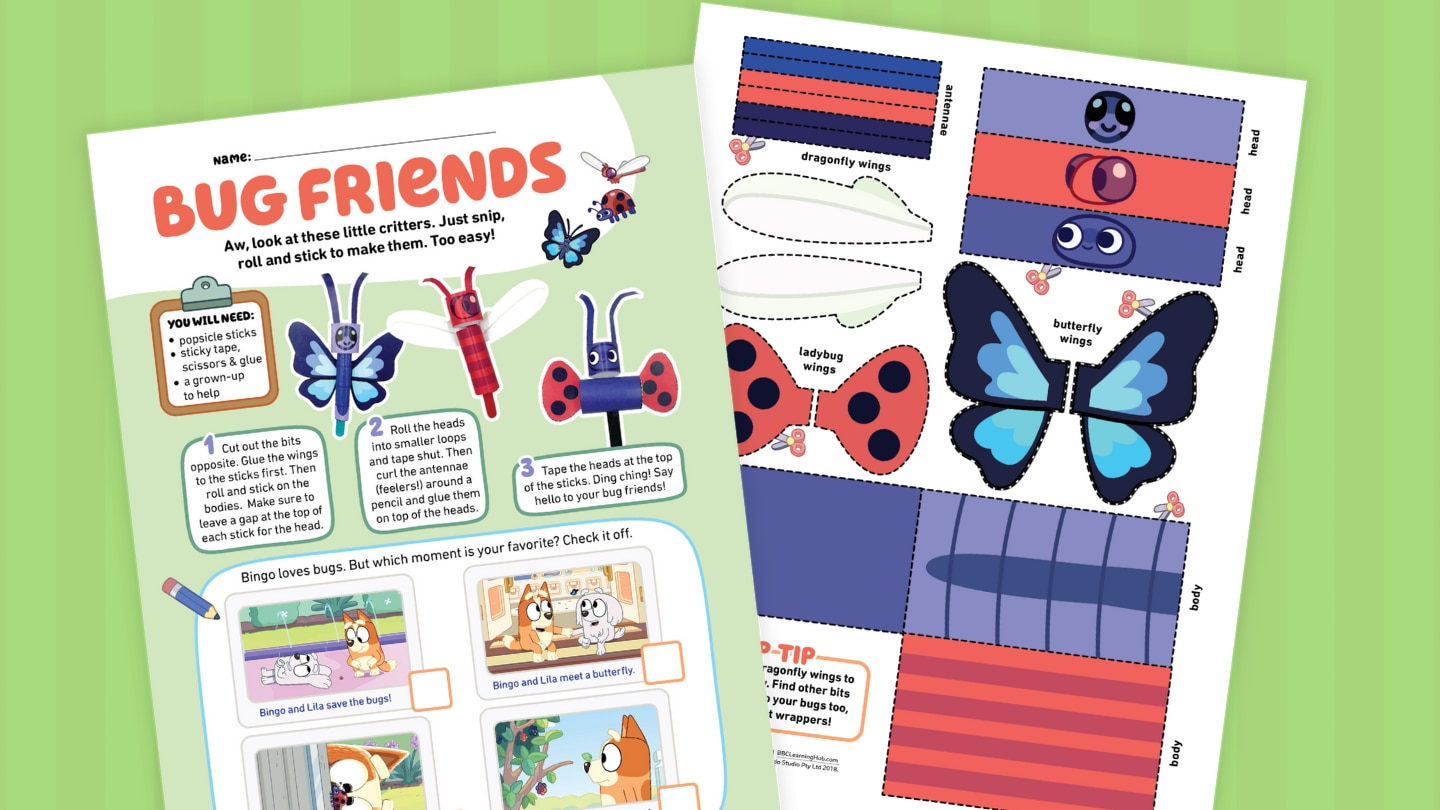
Aw, look at these little critters. Just snip, roll and stick to make a butterfly, dragonfly, or a ladybug. Too easy! You'll need your own popsicles sticks. Here's what you'll do:
- Cut out the bits on the page. Glue the wings to the sticks first! Then roll and stick on the bodies. Make sure to leave a gap at the top of each stick for the head.
- Roll the heads into smaller loops and tape shut. Then curl the antennae (feelers!) around a pencil and glue them on top of the heads.
- Tape the heads at the top of the sticks. Ding ching! Say hello to your bug friends!

Fill this journal with lovely nature things. Start by circling the weather. Is it sunny, cloudy, rainy, or rainbow-y? Next, finish coloring a beautiful rainbow. Name and draw your favorite bug and then circle all the things you like to do in nature. Ask a grown-up to help you make a fruity rainbow with strawberries, mandarins, bananas, sliced grapes, and blueberries.

Join Bluey and Bingo in the great outdoors. Match close-ups to the right bug (walking leaf, dragonfly, and ladybug), put leeches in size order from smallest and biggest, and fill out a fun spotting chart on your next nature walk. Can you find a plant, creature, bird, and stick or pinecone? Draw them!
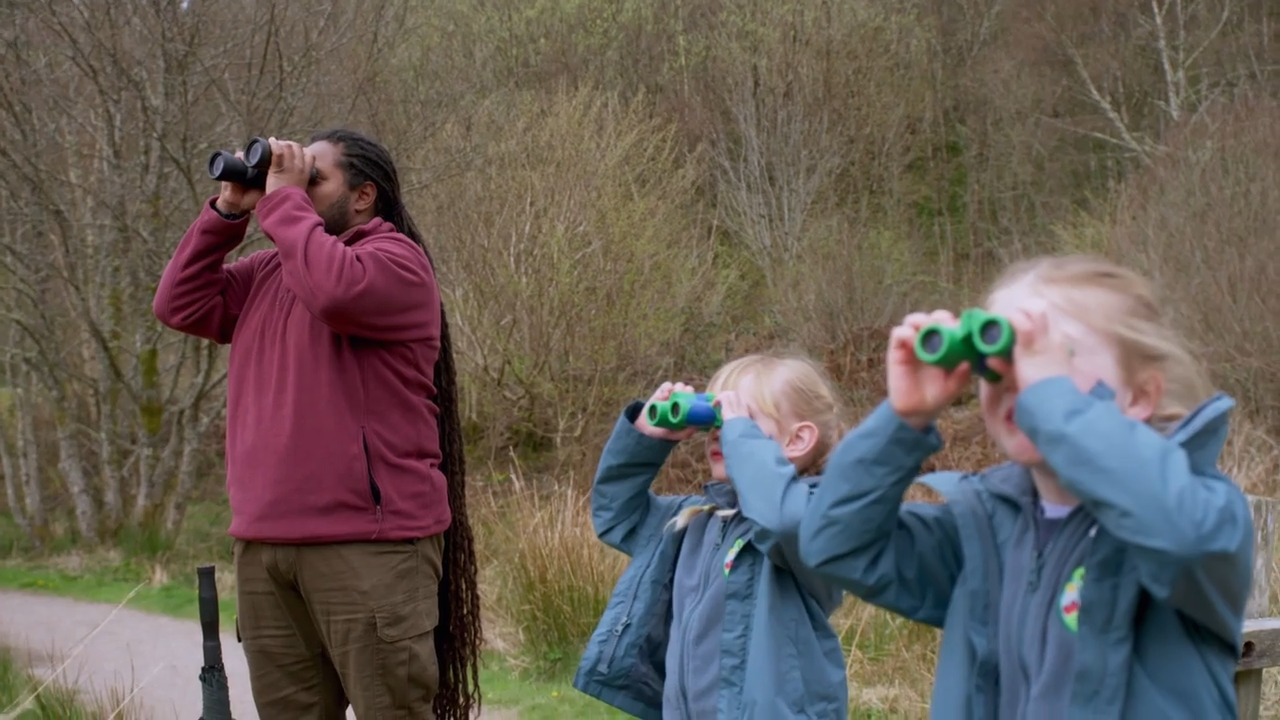
In Into the Woods, Ranger Hamza and the Ramblers explore a woodland habitat. Join them as they spot animals, nests, and lichen. Learn how lichen can help us understand the health of an environment. This video is excerpted from BBC's Ranger Hamza’s Eco Quest, a nature exploration show in which Ranger Hamza and the Ramblers go on quests to discover nature’s wonders and the important role they play in our environment.

The article "Always Bugged By Mosquitoes? Blame Your Body Odor" from BBC's Science Focus explores a unique study using a huge mosquito-testing arena in Zambia. Scientists found that body odor plays a key role in how mosquitoes choose people to bite. The results could lead to better mosquito traps and tools to fight diseases like malaria.
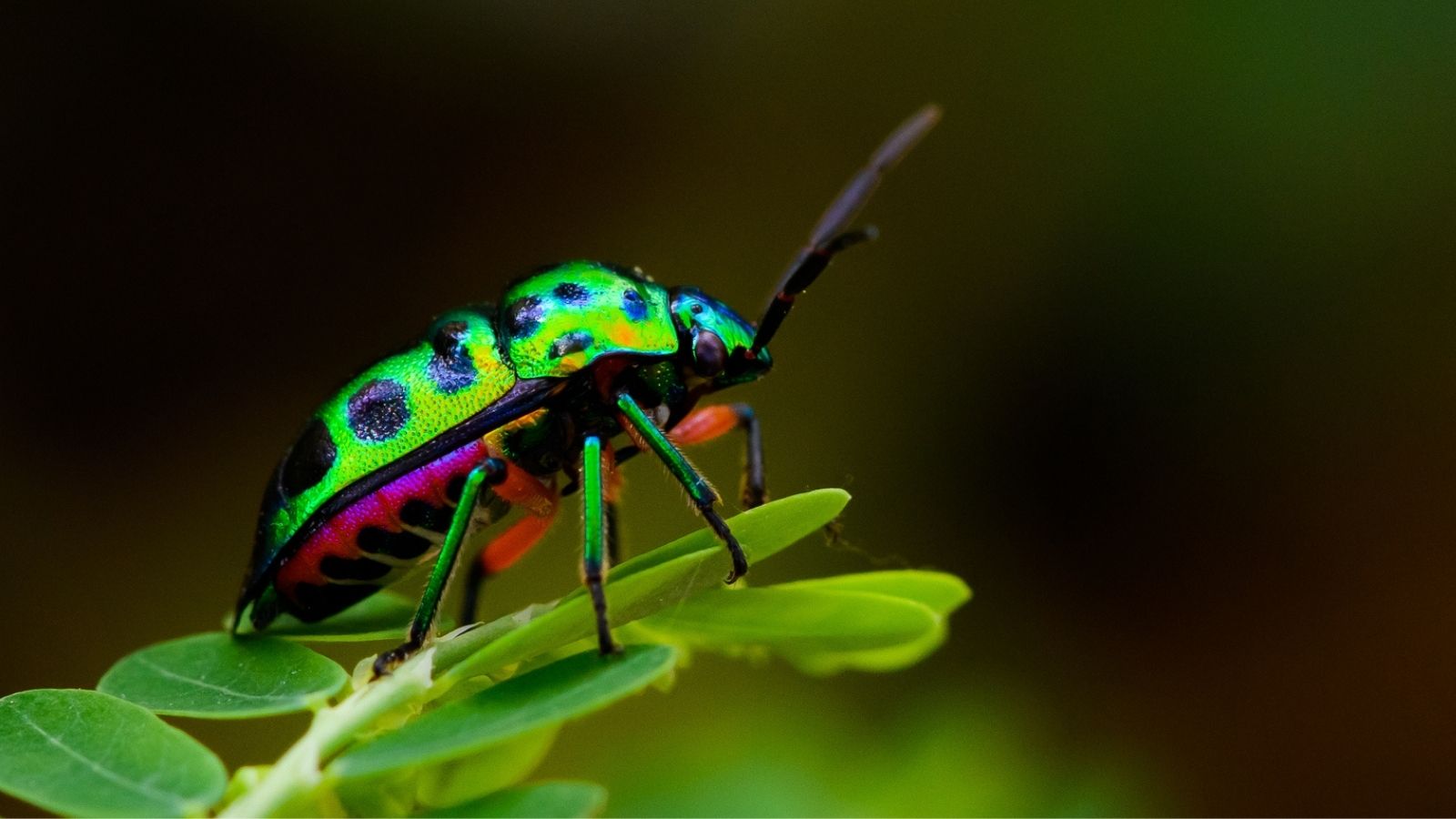
Discover the amazing hunting techniques of cave glow worms, witness the transformation of lake fly midges, and delve into the mysteries of bioluminescence in the jungle night. Prepare for a close-up look at the miniature marvels all around us!
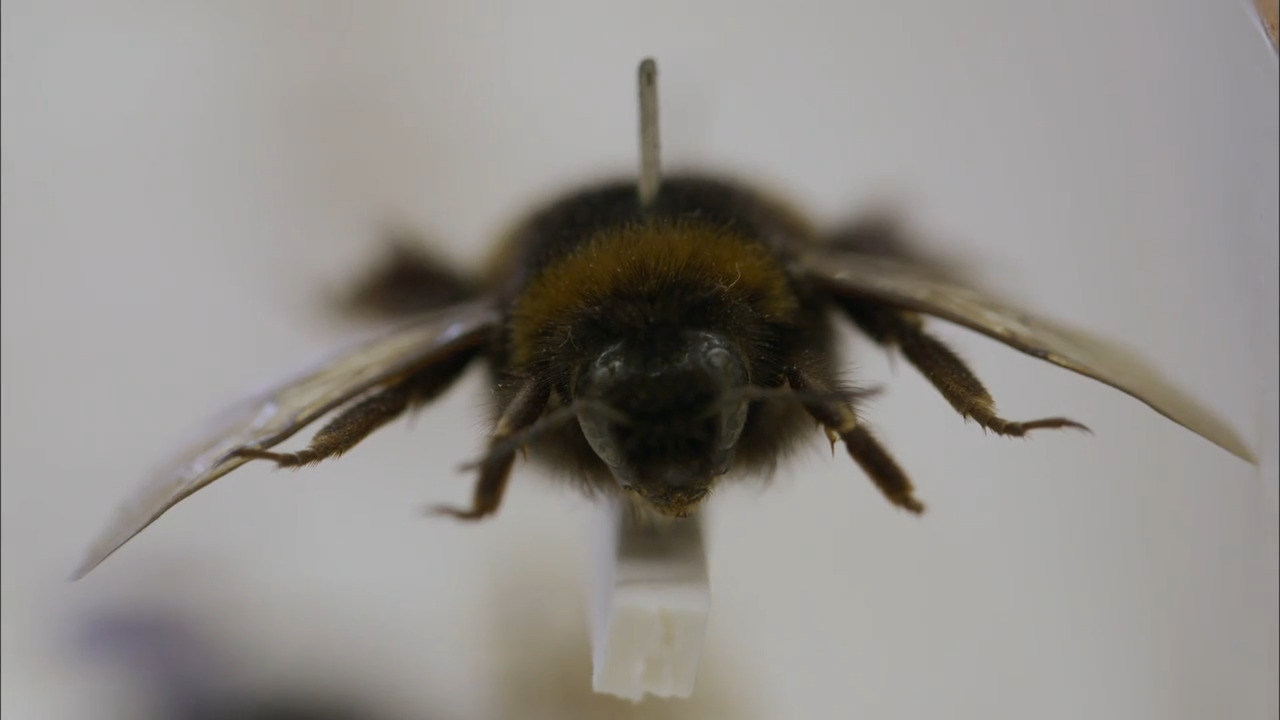
In Bees in Decline, visit a collection of bee specimens at the Oxford University Museum of Natural History. There are more than 250 species of bees, and they help pollinate everything from apples to flowers. But bees are in decline, and one reason is the varroa mite, a tiny bug that causes a big problem.
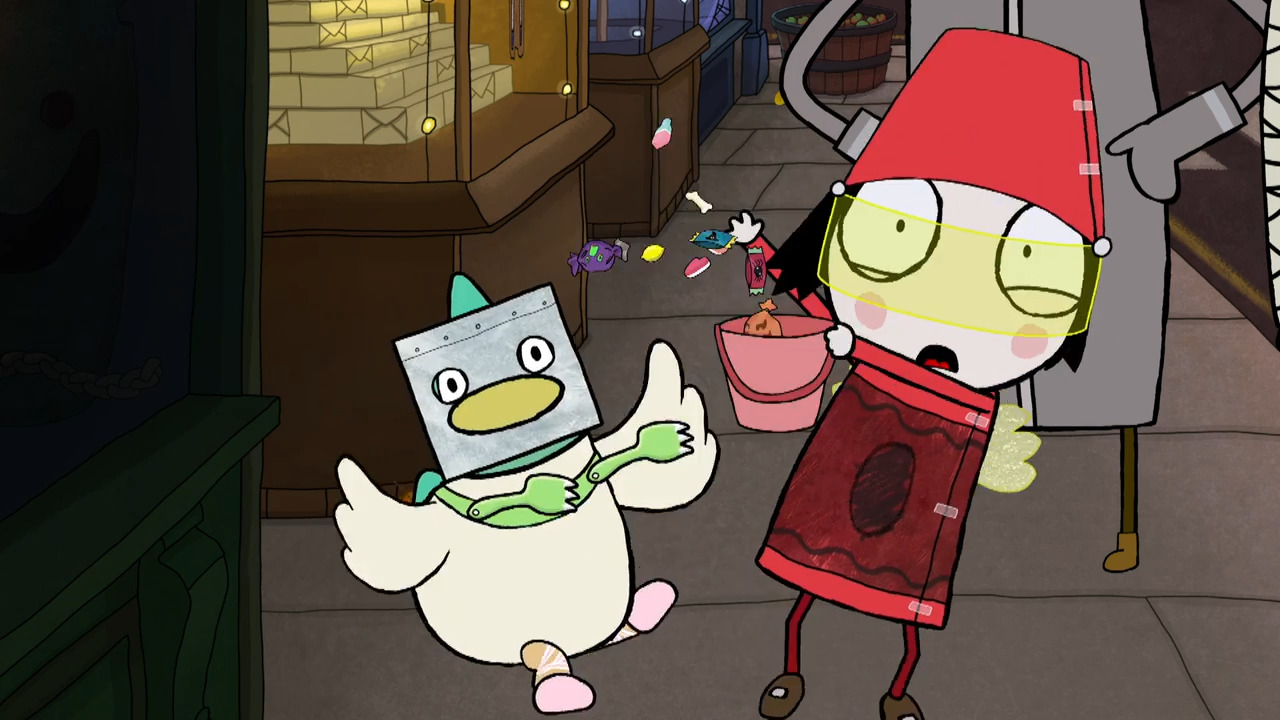
In Sarah and Duck Trick-or-Treat, Sarah and her friends, Duck and Bug, dress up for Boo Night. Will their costumes scare people, earning them Boo Sweets? This video is excerpted from BBC’s Sarah & Duck, a kids' show about the adventures between 7-year-old Sarah and her quacky, flappy best friend, Duck.
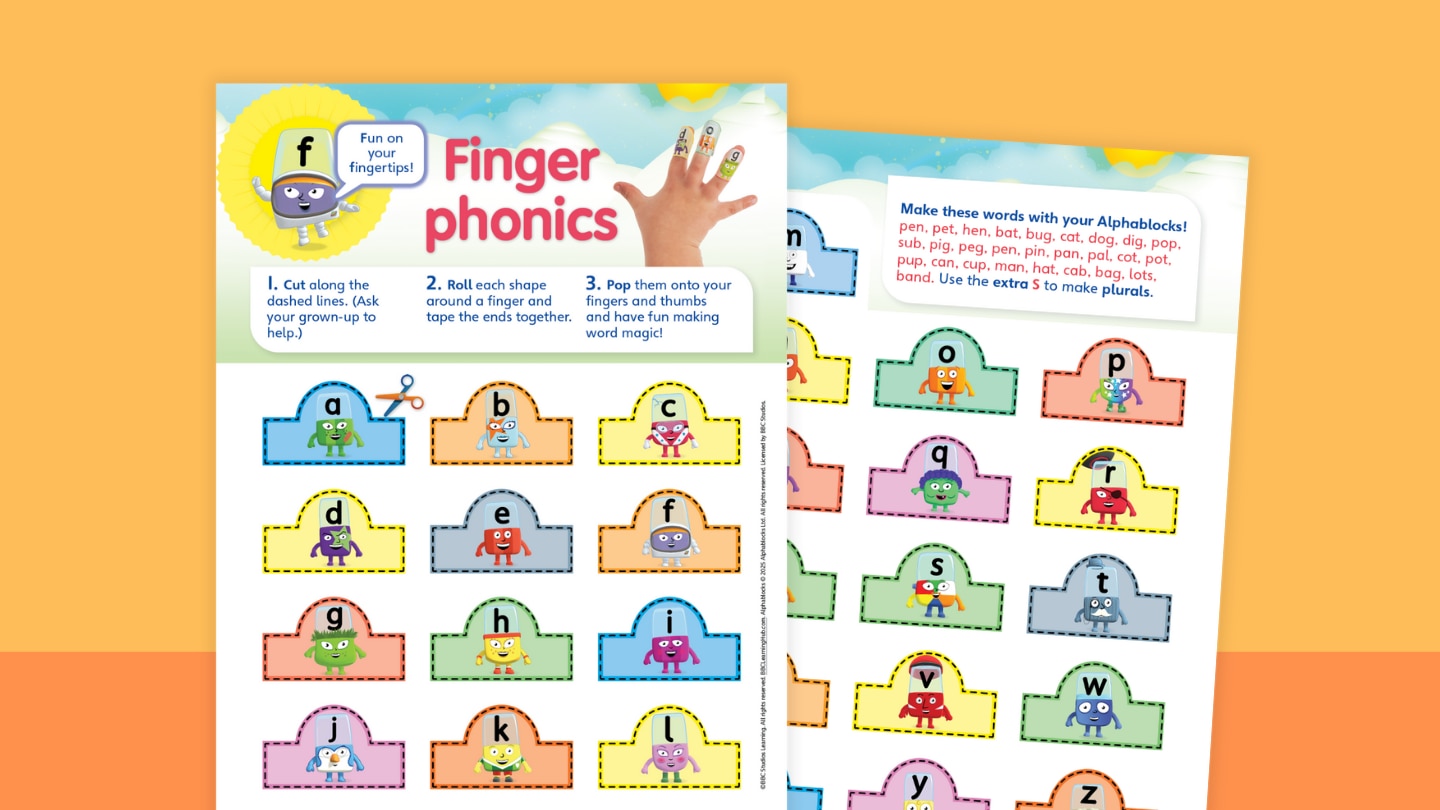
Phonics fun on your fingertips! Cut along the dashed lines. (Ask your grown-up to help.) Roll each shape
around a finger and tape the ends together. Pop them onto your fingers and thumbs and have fun making
word magic!
Make these words with your Alphablocks: pen, pet, hen, bat, bug, cat, dog, dig, pop, sub, pig, peg, pen, pin, pan, pal, cot, pot, pup, can, cup, man, hat, cab, bag, lots, band. Use the extra S to make plurals.
Watch full episodes of Alphablocks on their official YouTube channel!
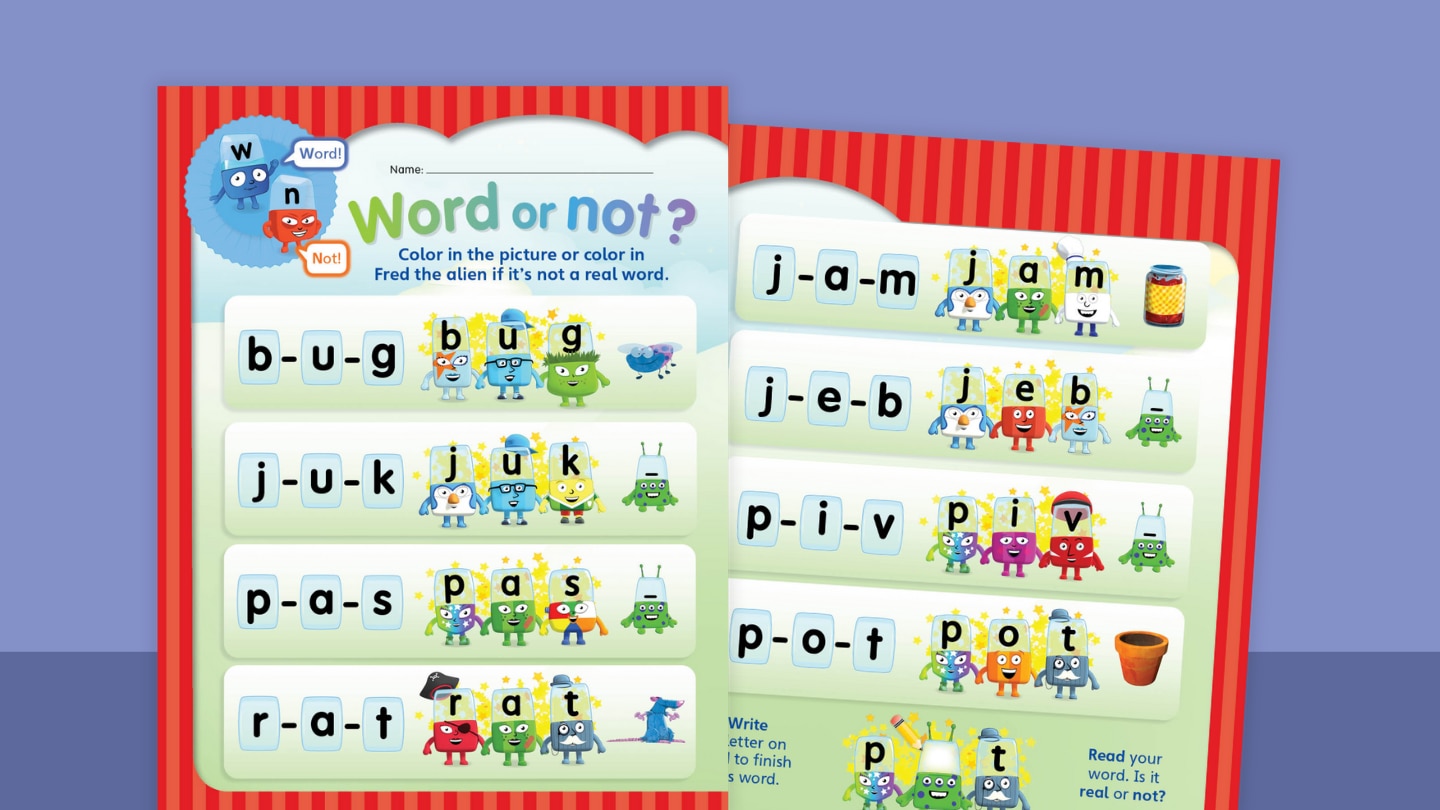
Color in the picture or color in Fred the alien if it's not a real word. Is b-u-g a real word? What about j-u-k? Finally, write a letter on Fred to finish the word. Read your word. Is it real or not?
Watch full episodes of Alphablocks on their official YouTube channel!
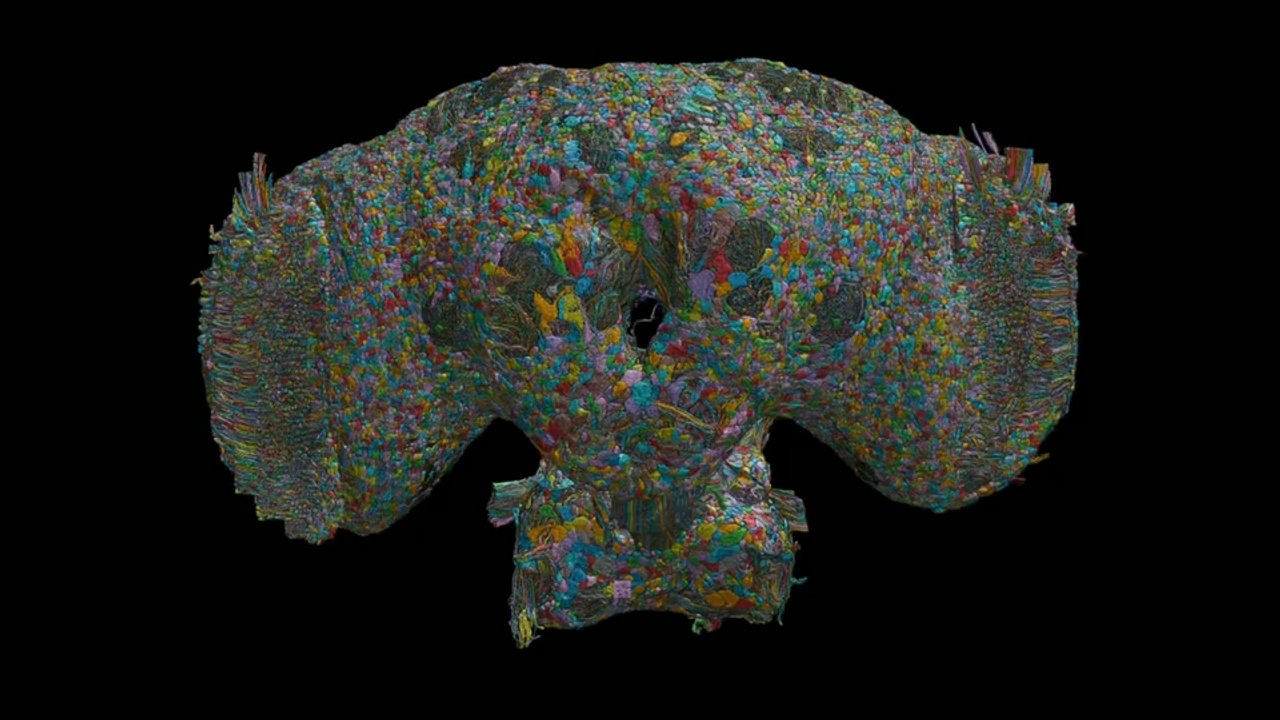
“Beautiful on the inside” may be weirdly appropriate for bugs, considering the 3D map of the male fruit fly brain and nervous system more closely resembles a museum-worthy mosaic or a bowl of fruity cereal than the tiny nuisance you’re used to seeing flying around your apples. Scientists recently created this colorful detailed map by slicing and analyzing every nerve cell with an electron microscope — that’s a microscope that uses accelerated electrons instead of visible light to produce images that can be both extremely magnified and incredibly clear at the same time.
The same team previously mapped a female fly brain a couple of years ago and compared the male and female brains to see that roughly 95% of their brain wiring was similar, while about 5% differed.
But those small differences make for some big differences in behavior, including courtship, aggression, detecting competitors, and producing a “love song” by beating the wings.
It's not news (to these scientists, at least) that just two genes were linked to these behaviors, but comparing these 3D maps helped them learn more about the connection between those genes and the specific brain circuits producing the behavior.
Researchers hope the same logic around connecting genes to brain wiring to behavior can eventually be applied to other animals and maybe even humans! This might help scientists investigate conditions with strong genetic influences, including schizophrenia and autism.
Bug inspectors! Bingo and Lila are keeping an eye on the bugs on their water slide. They need to make sure Dad doesn’t squish them with his bum! Can you find five leaf bugs, shiny bugs, grasshoppers, ants, caterpillars, rainbowy bugs, and ladybugs?
Inspired by Season 3, Episode 46 "Slide": Bingo and Lila are excited to play on their new waterslide, but first they have to make sure they don’t squish any bugs.
Aw, look at these little critters. Just snip, roll and stick to make a butterfly, dragonfly, or a ladybug. Too easy! You'll need your own popsicles sticks. Here's what you'll do:
- Cut out the bits on the page. Glue the wings to the sticks first! Then roll and stick on the bodies. Make sure to leave a gap at the top of each stick for the head.
- Roll the heads into smaller loops and tape shut. Then curl the antennae (feelers!) around a pencil and glue them on top of the heads.
- Tape the heads at the top of the sticks. Ding ching! Say hello to your bug friends!
Fill this journal with lovely nature things. Start by circling the weather. Is it sunny, cloudy, rainy, or rainbow-y? Next, finish coloring a beautiful rainbow. Name and draw your favorite bug and then circle all the things you like to do in nature. Ask a grown-up to help you make a fruity rainbow with strawberries, mandarins, bananas, sliced grapes, and blueberries.
Join Bluey and Bingo in the great outdoors. Match close-ups to the right bug (walking leaf, dragonfly, and ladybug), put leeches in size order from smallest and biggest, and fill out a fun spotting chart on your next nature walk. Can you find a plant, creature, bird, and stick or pinecone? Draw them!
In Into the Woods, Ranger Hamza and the Ramblers explore a woodland habitat. Join them as they spot animals, nests, and lichen. Learn how lichen can help us understand the health of an environment. This video is excerpted from BBC's Ranger Hamza’s Eco Quest, a nature exploration show in which Ranger Hamza and the Ramblers go on quests to discover nature’s wonders and the important role they play in our environment.
The article "Always Bugged By Mosquitoes? Blame Your Body Odor" from BBC's Science Focus explores a unique study using a huge mosquito-testing arena in Zambia. Scientists found that body odor plays a key role in how mosquitoes choose people to bite. The results could lead to better mosquito traps and tools to fight diseases like malaria.
Discover the amazing hunting techniques of cave glow worms, witness the transformation of lake fly midges, and delve into the mysteries of bioluminescence in the jungle night. Prepare for a close-up look at the miniature marvels all around us!
In Bees in Decline, visit a collection of bee specimens at the Oxford University Museum of Natural History. There are more than 250 species of bees, and they help pollinate everything from apples to flowers. But bees are in decline, and one reason is the varroa mite, a tiny bug that causes a big problem.
In Sarah and Duck Trick-or-Treat, Sarah and her friends, Duck and Bug, dress up for Boo Night. Will their costumes scare people, earning them Boo Sweets? This video is excerpted from BBC’s Sarah & Duck, a kids' show about the adventures between 7-year-old Sarah and her quacky, flappy best friend, Duck.
Phonics fun on your fingertips! Cut along the dashed lines. (Ask your grown-up to help.) Roll each shape
around a finger and tape the ends together. Pop them onto your fingers and thumbs and have fun making
word magic!
Make these words with your Alphablocks: pen, pet, hen, bat, bug, cat, dog, dig, pop, sub, pig, peg, pen, pin, pan, pal, cot, pot, pup, can, cup, man, hat, cab, bag, lots, band. Use the extra S to make plurals.
Watch full episodes of Alphablocks on their official YouTube channel!
Color in the picture or color in Fred the alien if it's not a real word. Is b-u-g a real word? What about j-u-k? Finally, write a letter on Fred to finish the word. Read your word. Is it real or not?
Watch full episodes of Alphablocks on their official YouTube channel!
“Beautiful on the inside” may be weirdly appropriate for bugs, considering the 3D map of the male fruit fly brain and nervous system more closely resembles a museum-worthy mosaic or a bowl of fruity cereal than the tiny nuisance you’re used to seeing flying around your apples. Scientists recently created this colorful detailed map by slicing and analyzing every nerve cell with an electron microscope — that’s a microscope that uses accelerated electrons instead of visible light to produce images that can be both extremely magnified and incredibly clear at the same time.
The same team previously mapped a female fly brain a couple of years ago and compared the male and female brains to see that roughly 95% of their brain wiring was similar, while about 5% differed.
But those small differences make for some big differences in behavior, including courtship, aggression, detecting competitors, and producing a “love song” by beating the wings.
It's not news (to these scientists, at least) that just two genes were linked to these behaviors, but comparing these 3D maps helped them learn more about the connection between those genes and the specific brain circuits producing the behavior.
Researchers hope the same logic around connecting genes to brain wiring to behavior can eventually be applied to other animals and maybe even humans! This might help scientists investigate conditions with strong genetic influences, including schizophrenia and autism.