Birdwatching is taking off in a big way among young people. Reports say that around 750,000 people aged 16–29 in the UK and millions in the U.S. now regularly go birdwatching — turning what was once seen as a “quiet” hobby into a fast-growing trend.
Part of the appeal is how simple it is to start. You don’t need expensive gear or special training — just curiosity and a bit of time outdoors. It’s a low-pressure way to take a break from screens, notice what’s around you, and actually tune into sounds and spaces most people scroll past.
Ironically, social media is helping drive the trend. Birdwatching accounts, short videos, and identification apps are making it easier than ever to learn bird calls, spot species, and share discoveries with others. Instead of pulling people away from nature, platforms like TikTok and Instagram are often pushing people back into it.
Conservationists are especially excited because this kind of interest helps more people connect with wildlife and care about protecting it. Birdwatching is becoming less about binoculars and notebooks — and more about curiosity, community, and noticing the world a little differently.
The article "Flamingo Guide: How to Identify Each Species, Where to See Them — and Why Flamingos Are Pink" from BBC's Discover Wildlife is a colorful exploration of one of the world’s most striking birds. It explains the six different flamingo species, how diet affects their bright coloring, and where to find them in the wild. The article also highlights flamingo behavior, nesting, communication, and how they feed their chicks pink "milk."
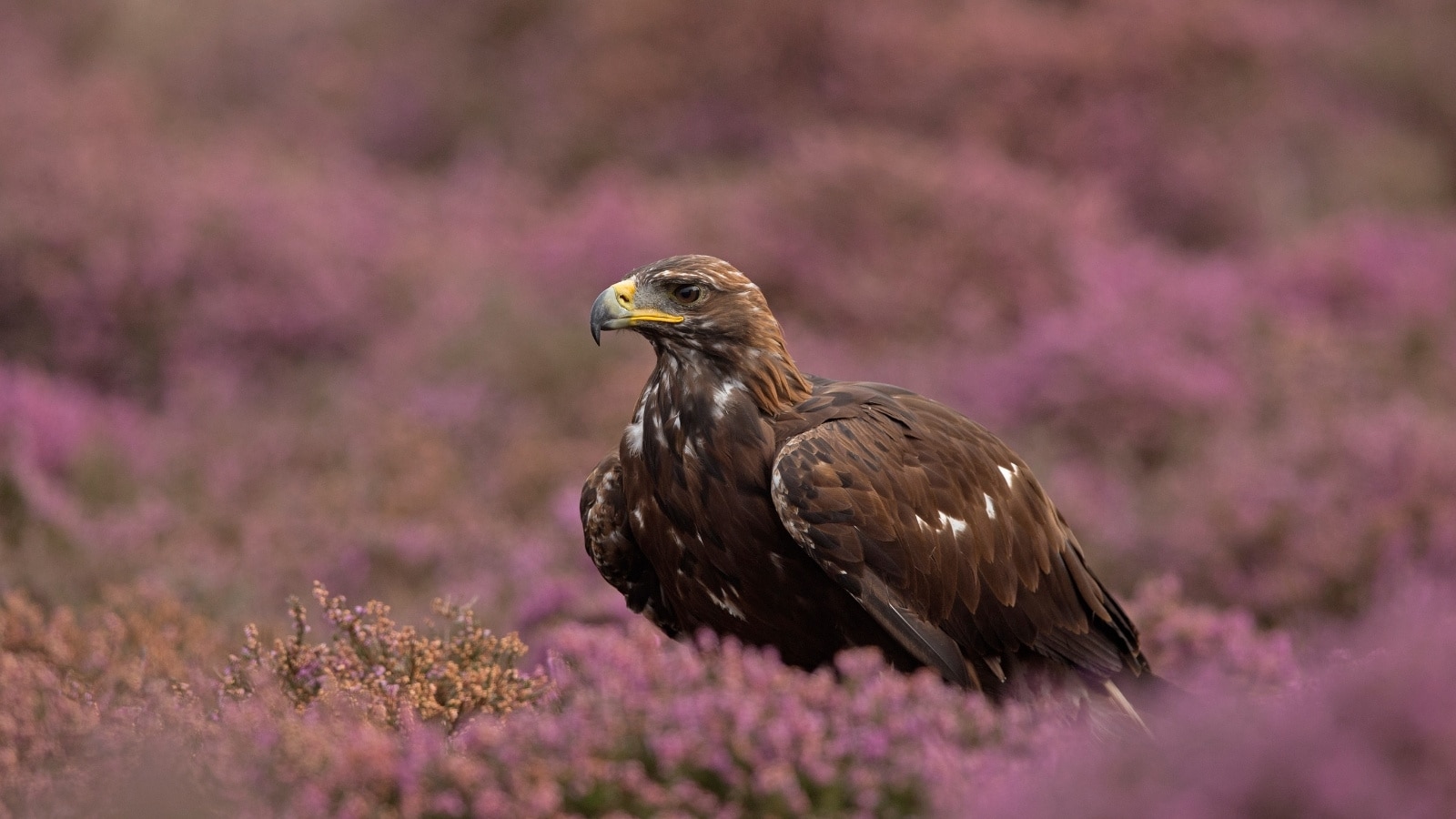
The article "Identification, Habitat, and Diet of the Golden Eagle, UK’s Majestic Raptor" from BBC's Discover Wildlife provides an in-depth look at the golden eagle, the UK's second-largest bird of prey. It details the eagle's physical characteristics, including its dark brown plumage and golden nape, its primary habitats in the Scottish Highlands, and its varied diet consisting mainly of small to medium-sized mammals and birds.
Birdwatching is taking off in a big way among young people. Reports say that around 750,000 people aged 16–29 in the UK and millions in the U.S. now regularly go birdwatching — turning what was once seen as a “quiet” hobby into a fast-growing trend.
Part of the appeal is how simple it is to start. You don’t need expensive gear or special training — just curiosity and a bit of time outdoors. It’s a low-pressure way to take a break from screens, notice what’s around you, and actually tune into sounds and spaces most people scroll past.
Ironically, social media is helping drive the trend. Birdwatching accounts, short videos, and identification apps are making it easier than ever to learn bird calls, spot species, and share discoveries with others. Instead of pulling people away from nature, platforms like TikTok and Instagram are often pushing people back into it.
Conservationists are especially excited because this kind of interest helps more people connect with wildlife and care about protecting it. Birdwatching is becoming less about binoculars and notebooks — and more about curiosity, community, and noticing the world a little differently.
The article "Flamingo Guide: How to Identify Each Species, Where to See Them — and Why Flamingos Are Pink" from BBC's Discover Wildlife is a colorful exploration of one of the world’s most striking birds. It explains the six different flamingo species, how diet affects their bright coloring, and where to find them in the wild. The article also highlights flamingo behavior, nesting, communication, and how they feed their chicks pink "milk."
The article "Identification, Habitat, and Diet of the Golden Eagle, UK’s Majestic Raptor" from BBC's Discover Wildlife provides an in-depth look at the golden eagle, the UK's second-largest bird of prey. It details the eagle's physical characteristics, including its dark brown plumage and golden nape, its primary habitats in the Scottish Highlands, and its varied diet consisting mainly of small to medium-sized mammals and birds.