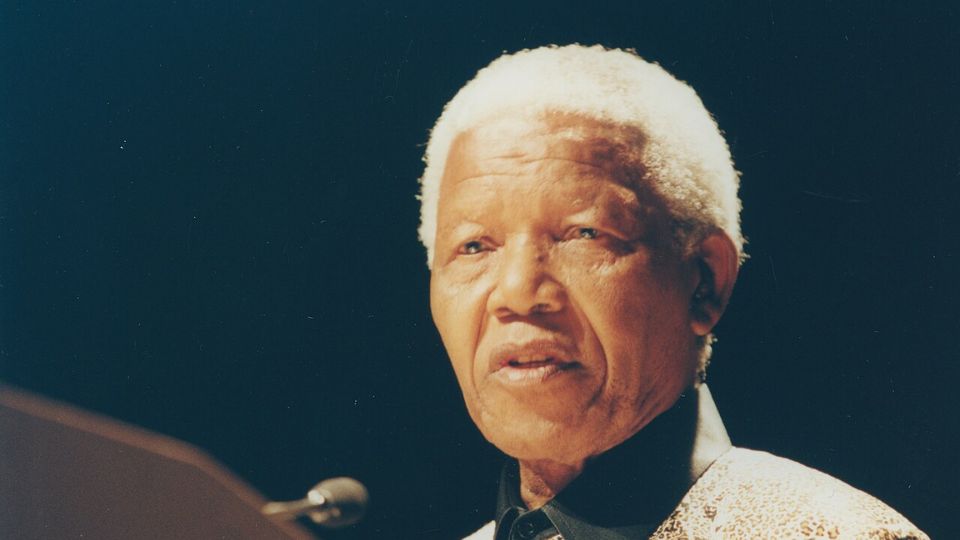
Follow the extraordinary life of Nelson Mandela, from his early fight against apartheid to his role in leading South Africa into a new era of democracy and reconciliation. Students will explore how Mandela stood up against injustice, endured years of imprisonment, and helped unite a divided nation through courage, perseverance, and forgiveness.
This Kahoot! examines key moments in Mandela’s journey, including the struggle against apartheid, his 27 years in prison, his release in 1990, and his election as South Africa’s first Black president. Students will discover how his leadership, resilience, and commitment to equality continue to influence Black history and inspire people around the world today.
Watch the related BBC videos, The Remarkable Life of Nelson Mandela and Nelson Mandela Walks Free, then invite your Grade 6–12 students to test their knowledge and deepen their understanding of this iconic global leader.
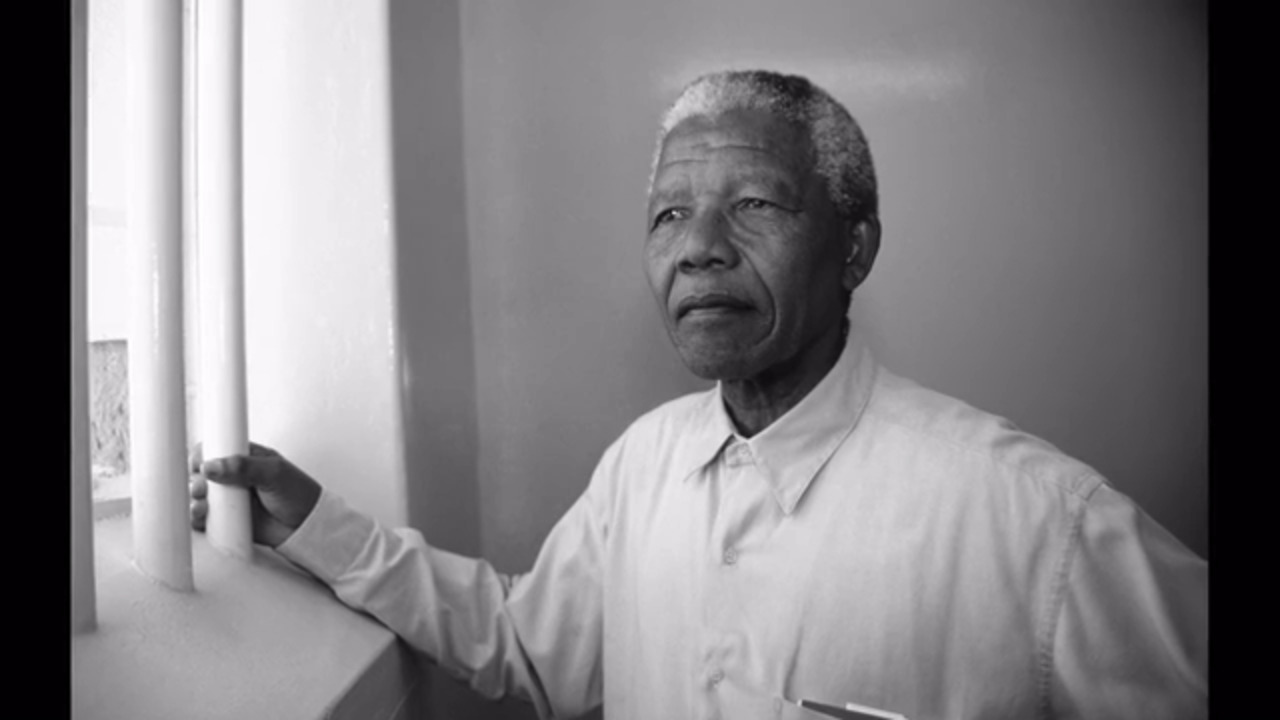
In Nelson Mandela Walks Free, journalist Trevor McDonald reflects on the moment Mandela was released from prison after 27 years and returned to his home in Soweto for the first time in three decades. As the first journalist to interview Mandela upon his release, McDonald discusses this monumental meeting and describes Mandela’s focus on forgiveness, optimism, and the future rather than past suffering. This video is excerpted from BBC’s Icons: The Greatest Person of the 20th Century, a documentary series celebrating the achievements of the most influential figures of the era.
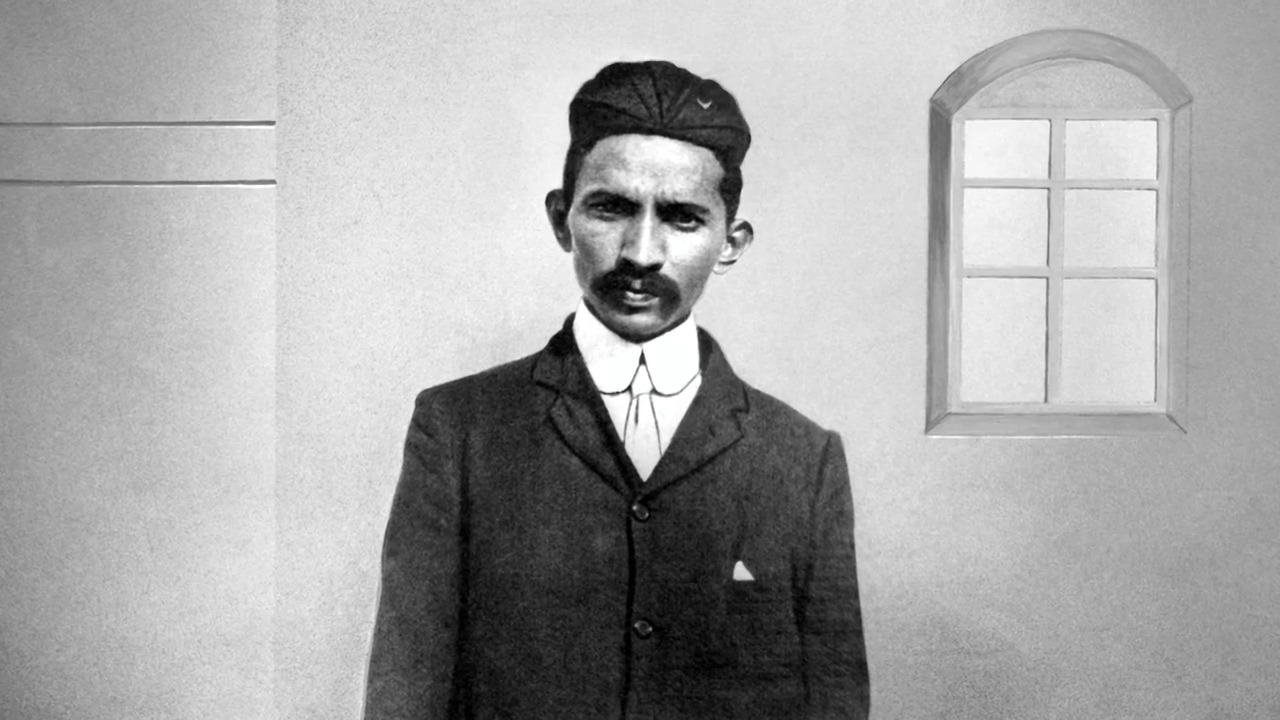
In The Life and Legacy of Mahatma Gandhi, host Sanjeev Bhaskar discusses the life of Mahatma Gandhi, his peaceful protests, and his ability to shake the foundations of the British Empire. This video is excerpted from BBC’s Icons: The Greatest Person of the 20th Century, a documentary series celebrating the achievements of the most influential figures of the era.

In The Remarkable Life of Nelson Mandela, host Trevor McDonald explores the journey of Nelson Mandela from his early days as a revolutionary to his imprisonment and eventual global acclaim as a symbol of peace. Despite his association with peace and harmony today, Mandela's path was marked by conflict and controversy. This video is excerpted from BBC’s Icons: The Greatest Person of the 20th Century, a documentary series celebrating the achievements of the most influential figures of the era.
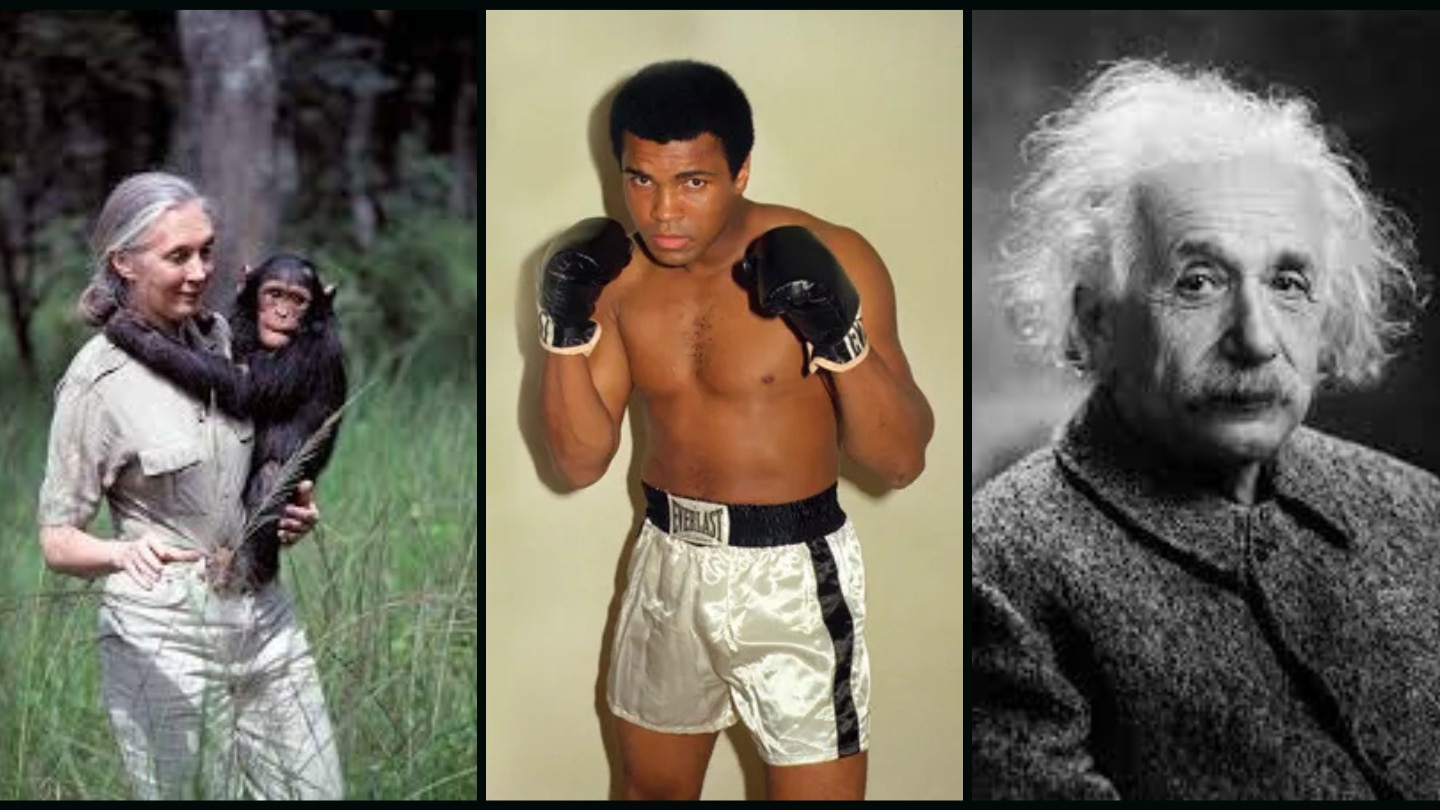
Drawn from the BBC series Icons: The Greatest Person of the 20th Century, this video playlist introduces influential figures from science, politics, civil rights, sports, art, music, exploration, and more. Meet Muhammad Ali, Helen Keller, Albert Einstein, Martin Luther King Jr., Jane Goodall, Pelé, and others whose work challenged conventions, broke barriers, or changed how people understood the world.
Explore the discoveries and ideas that transformed science, the movements that pushed societies toward change, and the creative achievements that reshaped art and culture. Along the way, consider the historical circumstances these figures lived through, the obstacles they faced, and the choices that shaped their public legacies.
What makes someone an icon? Is it achievement, influence, courage, originality — or something more complicated? These BBC videos invite viewers to look beyond famous names and consider how individuals can shape history, as well as how history shapes the way we remember them.

Travel from the busy streets of Jodhpur to the teak forests of central India, encountering a country shaped by thousands of years of history and extraordinary cultural and geographic diversity. Meet langur monkeys adapted to life alongside people, explore the origins and flavors of foods such as samosas, and see how daily life and traditions vary across communities.
Look deeper into India’s past through influential figures including the emperor Ashoka, whose rule helped shape the spread of Buddhism, and Mahatma Gandhi, whose nonviolent resistance became central to India’s independence movement. Other clips examine questions of equality, identity, social expectations, and the ways traditions can persist, adapt, and be challenged over time.
Together, these stories offer multiple perspectives on one of the world’s largest and most diverse countries — connecting its past with the people, places, and ideas shaping India today.
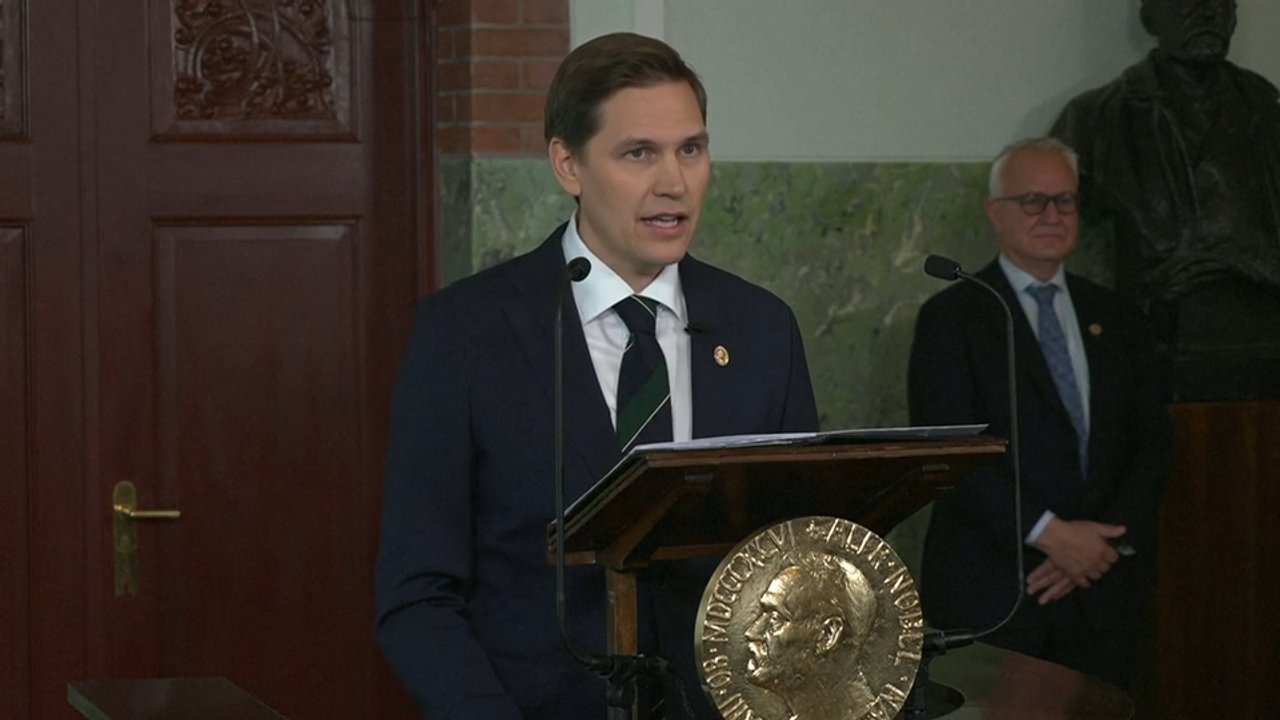
“Sharing is caring” is a good motto, but winning a Nobel Peace Prize takes a lot more. You could ask Navanethem “Navi” Pillay, the South African judge named as the 2026 winner, but she may be too busy to answer. At 85, she is still hearing cases at one of the world’s highest courts.
The Nobel Peace Prize is awarded each year to a person or organization that has made an exceptional contribution to peace. That means more than good manners. Winners have often spent decades helping countries cooperate, ending wars, or defending people’s rights. Pillay’s prize highlights an important idea: peace is more than the end of fighting. It also depends on protecting rights, applying laws fairly, and holding people responsible for the most serious crimes.
Pillay grew up in a family of Indian descent in South Africa under apartheid. Apartheid was a system of laws, in place from 1948 until the early 1990s, that separated people by race and denied non-white South Africans equal rights. Despite facing discrimination, she became a lawyer. In 1995, she became the first non-white woman to serve as a judge on South Africa’s High Court.
She went on to work at the international level. She was a judge on the International Criminal Court, which puts individuals on trial for crimes such as genocide and war crimes. She then served as the United Nations High Commissioner for Human Rights, the UN’s top official responsible for protecting human rights around the world. Throughout her career, she has argued that the same basic legal principles should apply to everyone, everywhere.
Today, she is a judge at the International Court of Justice, the UN’s main court for disputes between countries. She is hearing a case in which Myanmar is accused of genocide.
Follow the extraordinary life of Nelson Mandela, from his early fight against apartheid to his role in leading South Africa into a new era of democracy and reconciliation. Students will explore how Mandela stood up against injustice, endured years of imprisonment, and helped unite a divided nation through courage, perseverance, and forgiveness.
This Kahoot! examines key moments in Mandela’s journey, including the struggle against apartheid, his 27 years in prison, his release in 1990, and his election as South Africa’s first Black president. Students will discover how his leadership, resilience, and commitment to equality continue to influence Black history and inspire people around the world today.
Watch the related BBC videos, The Remarkable Life of Nelson Mandela and Nelson Mandela Walks Free, then invite your Grade 6–12 students to test their knowledge and deepen their understanding of this iconic global leader.
In Nelson Mandela Walks Free, journalist Trevor McDonald reflects on the moment Mandela was released from prison after 27 years and returned to his home in Soweto for the first time in three decades. As the first journalist to interview Mandela upon his release, McDonald discusses this monumental meeting and describes Mandela’s focus on forgiveness, optimism, and the future rather than past suffering. This video is excerpted from BBC’s Icons: The Greatest Person of the 20th Century, a documentary series celebrating the achievements of the most influential figures of the era.
In The Life and Legacy of Mahatma Gandhi, host Sanjeev Bhaskar discusses the life of Mahatma Gandhi, his peaceful protests, and his ability to shake the foundations of the British Empire. This video is excerpted from BBC’s Icons: The Greatest Person of the 20th Century, a documentary series celebrating the achievements of the most influential figures of the era.
In The Remarkable Life of Nelson Mandela, host Trevor McDonald explores the journey of Nelson Mandela from his early days as a revolutionary to his imprisonment and eventual global acclaim as a symbol of peace. Despite his association with peace and harmony today, Mandela's path was marked by conflict and controversy. This video is excerpted from BBC’s Icons: The Greatest Person of the 20th Century, a documentary series celebrating the achievements of the most influential figures of the era.
Drawn from the BBC series Icons: The Greatest Person of the 20th Century, this video playlist introduces influential figures from science, politics, civil rights, sports, art, music, exploration, and more. Meet Muhammad Ali, Helen Keller, Albert Einstein, Martin Luther King Jr., Jane Goodall, Pelé, and others whose work challenged conventions, broke barriers, or changed how people understood the world.
Explore the discoveries and ideas that transformed science, the movements that pushed societies toward change, and the creative achievements that reshaped art and culture. Along the way, consider the historical circumstances these figures lived through, the obstacles they faced, and the choices that shaped their public legacies.
What makes someone an icon? Is it achievement, influence, courage, originality — or something more complicated? These BBC videos invite viewers to look beyond famous names and consider how individuals can shape history, as well as how history shapes the way we remember them.
Travel from the busy streets of Jodhpur to the teak forests of central India, encountering a country shaped by thousands of years of history and extraordinary cultural and geographic diversity. Meet langur monkeys adapted to life alongside people, explore the origins and flavors of foods such as samosas, and see how daily life and traditions vary across communities.
Look deeper into India’s past through influential figures including the emperor Ashoka, whose rule helped shape the spread of Buddhism, and Mahatma Gandhi, whose nonviolent resistance became central to India’s independence movement. Other clips examine questions of equality, identity, social expectations, and the ways traditions can persist, adapt, and be challenged over time.
Together, these stories offer multiple perspectives on one of the world’s largest and most diverse countries — connecting its past with the people, places, and ideas shaping India today.
“Sharing is caring” is a good motto, but winning a Nobel Peace Prize takes a lot more. You could ask Navanethem “Navi” Pillay, the South African judge named as the 2026 winner, but she may be too busy to answer. At 85, she is still hearing cases at one of the world’s highest courts.
The Nobel Peace Prize is awarded each year to a person or organization that has made an exceptional contribution to peace. That means more than good manners. Winners have often spent decades helping countries cooperate, ending wars, or defending people’s rights. Pillay’s prize highlights an important idea: peace is more than the end of fighting. It also depends on protecting rights, applying laws fairly, and holding people responsible for the most serious crimes.
Pillay grew up in a family of Indian descent in South Africa under apartheid. Apartheid was a system of laws, in place from 1948 until the early 1990s, that separated people by race and denied non-white South Africans equal rights. Despite facing discrimination, she became a lawyer. In 1995, she became the first non-white woman to serve as a judge on South Africa’s High Court.
She went on to work at the international level. She was a judge on the International Criminal Court, which puts individuals on trial for crimes such as genocide and war crimes. She then served as the United Nations High Commissioner for Human Rights, the UN’s top official responsible for protecting human rights around the world. Throughout her career, she has argued that the same basic legal principles should apply to everyone, everywhere.
Today, she is a judge at the International Court of Justice, the UN’s main court for disputes between countries. She is hearing a case in which Myanmar is accused of genocide.