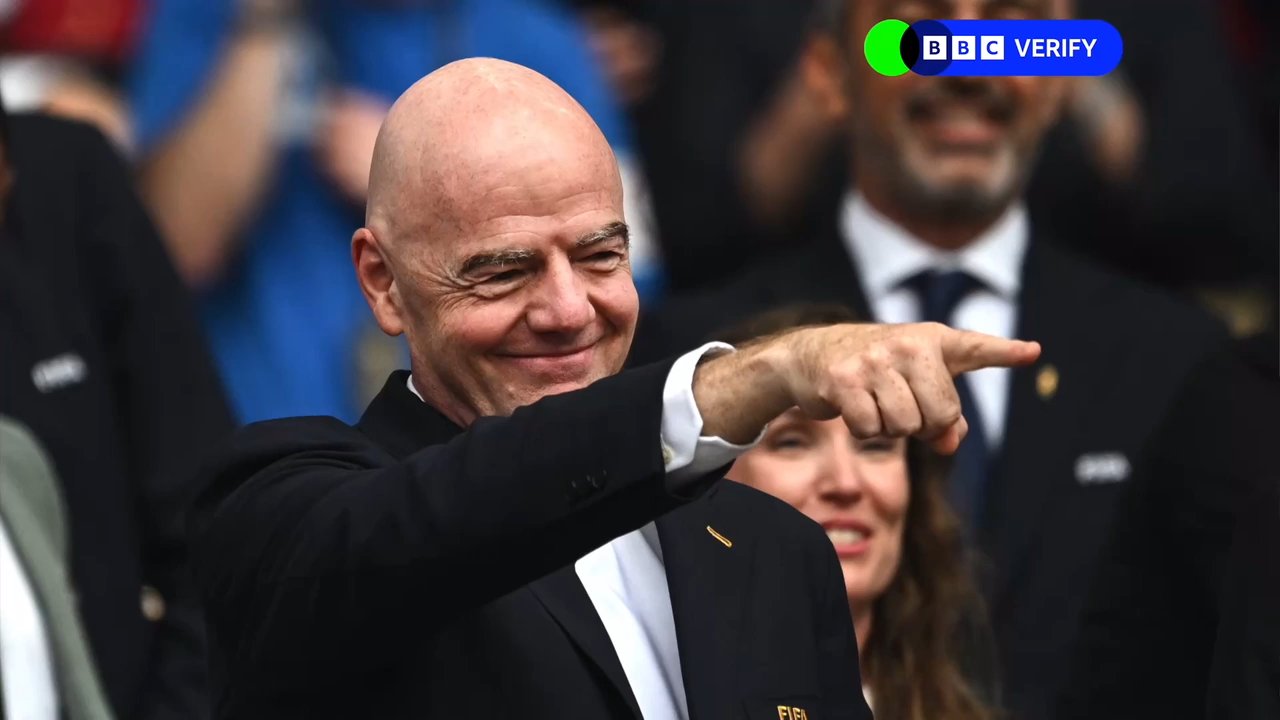
50,000 air miles. That's enough to circle the entire planet twice — and it's how far a private jet reportedly linked to FIFA President Gianni Infantino flew during the 2026 World Cup. In just over a month, Infantino attended 41 matches across North America, sometimes appearing at games in cities hundreds of miles apart on the same day. No, he didn't discover teleportation, and he definitely didn't outrun Messi or Mbappé. The real answer is a lot simpler — and a lot more expensive for the planet.
FIFA wouldn't confirm Infantino was on board, but BBC Verify tracked flight data from a private jet reportedly linked to him. The plane's movements lined up with Infantino's appearances in host cities. Over about a month, that jet flew 46 times — sometimes three flights in a single day.
All that flying comes at a real cost to the climate. Experts estimate the jet's emissions were roughly equal to one year's carbon footprint for 135 average people. That's a striking number, especially since FIFA had made environmental promises for the tournament, including grouping teams regionally — specifically to cut down on long-distance travel.
If you were looking up at the sky during any of the World Cup games in Mexico, you may have seen a few Black Hawk helicopters. You also probably missed some good soccer. Pay attention!
But the helicopters weren’t meant to be a distraction — they were patrolling as part of the efforts to help keep the people of Monterrey, Mexico, and 300,000 visiting fans safe. The area saw a lot of crime earlier this year, so the helicopters were brought in (in addition to the more than 1,500 street cameras that peppered the stadium’s area) to protect mainly against crimes like phone theft and robbery.
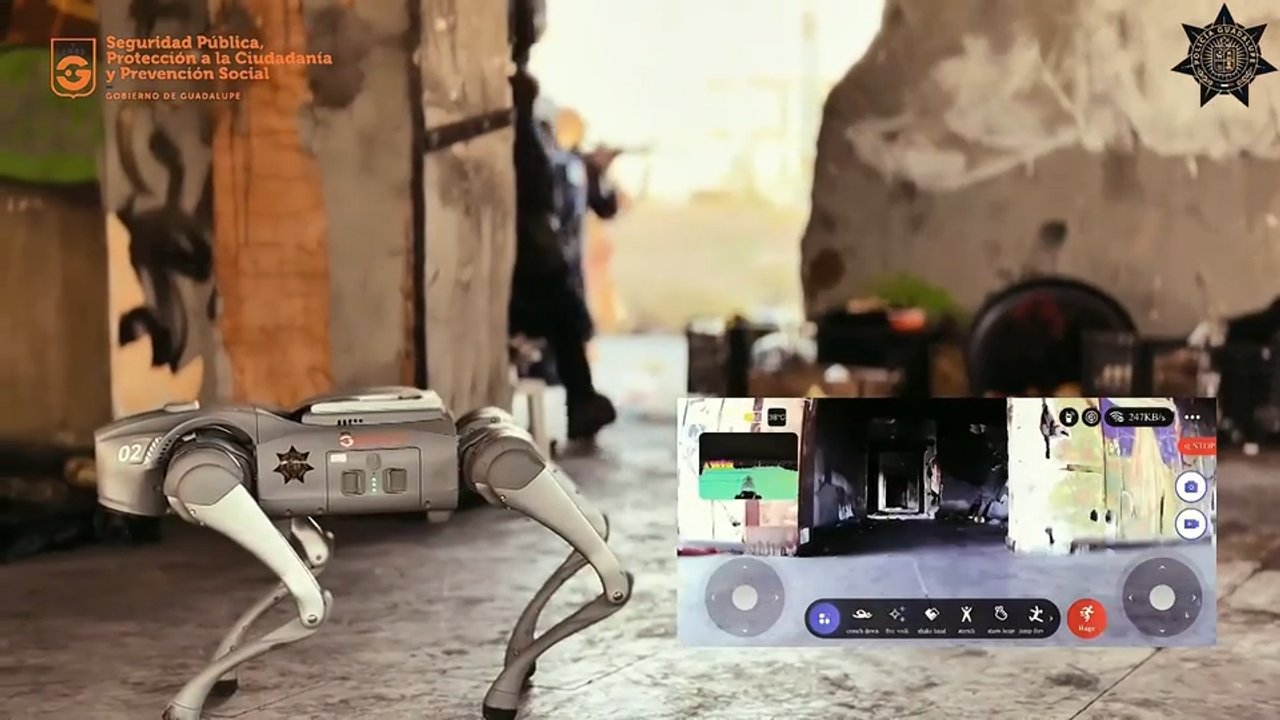
Working with these cameras and helicopters were robot dogs, which patrolled the stadium using facial recognition and could detect early signs of crowd trouble and alert their masters. Some people were skeptical of the robot dogs, but at least there was no danger of them going potty on the pitch.
Are you watching the 2026 World Cup?! We hope so, because it’s a big one. The biggest one, actually. It’s the first with three countries co-hosting (Canada, the U.S., and Mexico), and it’s been expanded to 48 teams (from 32).
But the size of the tournament isn’t where the differences end, not by a long shot! This year, the World Cup is also introducing new rules, like a possible red card for players covering their mouths! If you gasped and covered your own mouth, don’t worry. First because you’re probably not playing in the World Cup (yet), but also because this penalty is only given to players who are being confrontational.
Other additions include the VAR (Video Assistant Referee) getting the power to check second yellow cards and corners, a 5-second countdown on goal kicks and throw-ins, and a rule that players being subbed will have just 10 seconds to leave the pitch. No time for dilly dallying, we’ve got 16 more teams to watch this year!
The greatest show on Earth is happening right now — and it's bigger than ever. The 2026 FIFA World Cup spans three countries (the U.S., Canada, and Mexico), features a record-breaking 48 teams, and runs from June 11 through July 19. The final? It's being played right here — at MetLife Stadium in New Jersey, just outside New York City. No pressure.
Since 1930, the World Cup has produced legendary goals, shocking upsets, and moments that stopped entire nations in their tracks. It's the one tournament where a tiny island nation can send a footballing giant home crying — and usually does.
Think you know your Pelés from your Mbappés? Your golden boots from your offside traps? Whether you're a die-hard who tracks every group stage table or someone who only tunes in for the final — this quiz will put what you know to the test. Let's see if you can go all the way.
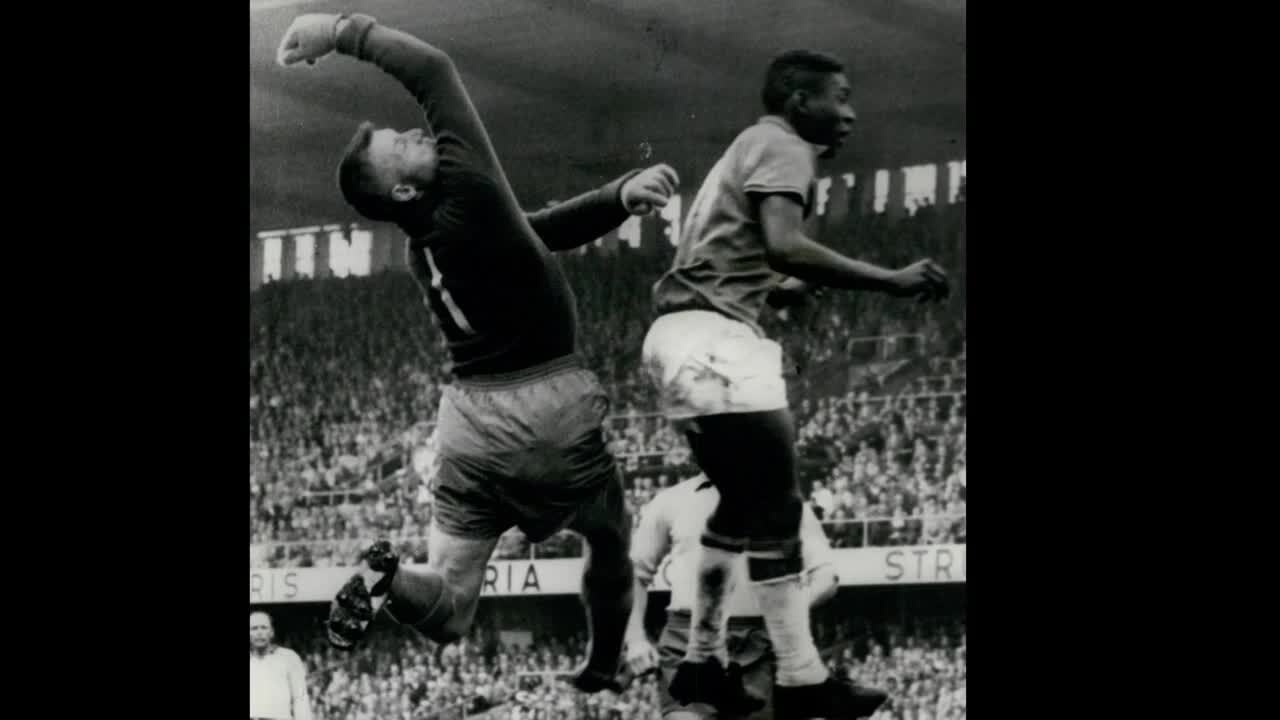
In Pele's Pledge to His Father, sports journalist Clare Balding describes how Pelé pledged to his father that he would help Brazil win the World Cup. She describes his childhood and rise to fame. This video is excerpted from BBC’s Icons: The Greatest Person of the 20th Century, a documentary series celebrating the achievements of the most influential figures of the era.
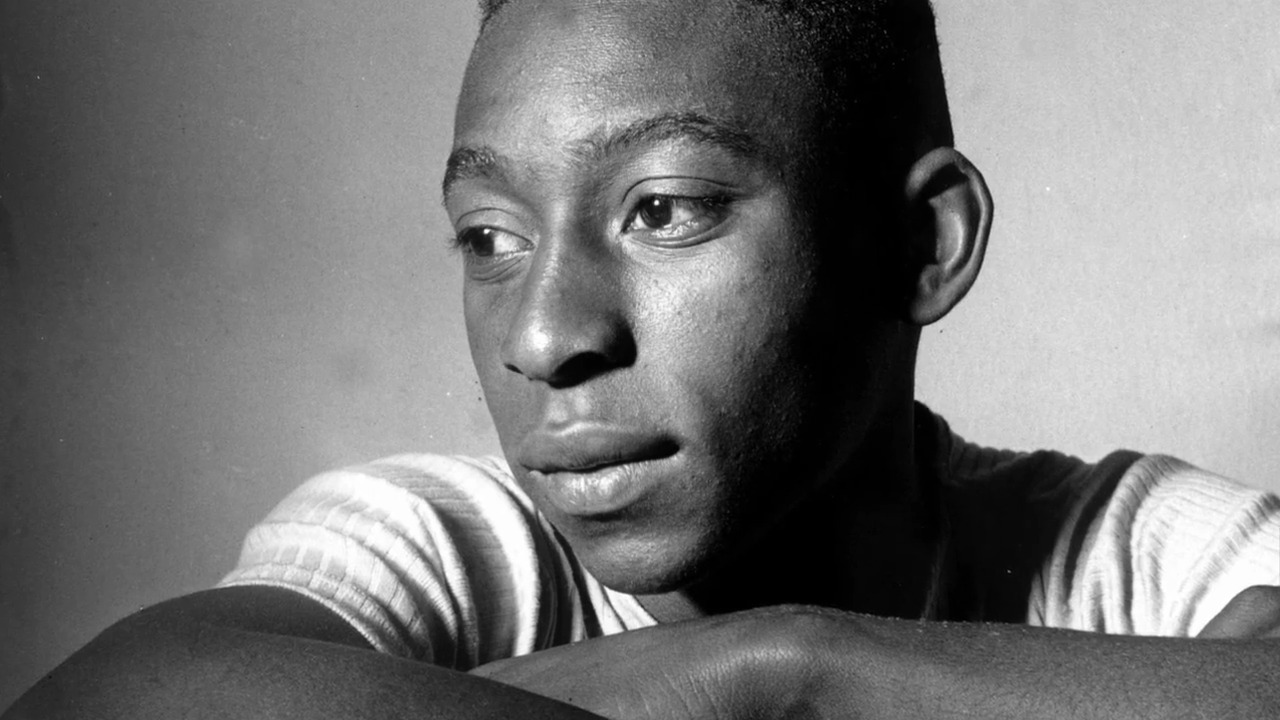
In How Pelé Brought Soccer to the U.S., sports journalist Clare Balding discusses Pelé's contributions to the popularity of soccer. Pelé’s last World Cup match in 1970 helped him emerge as a hero, and in 1971 he brought the game to the United States. This video is excerpted from BBC’s Icons: The Greatest Person of the 20th Century, a documentary series celebrating the achievements of the most influential figures of the era.
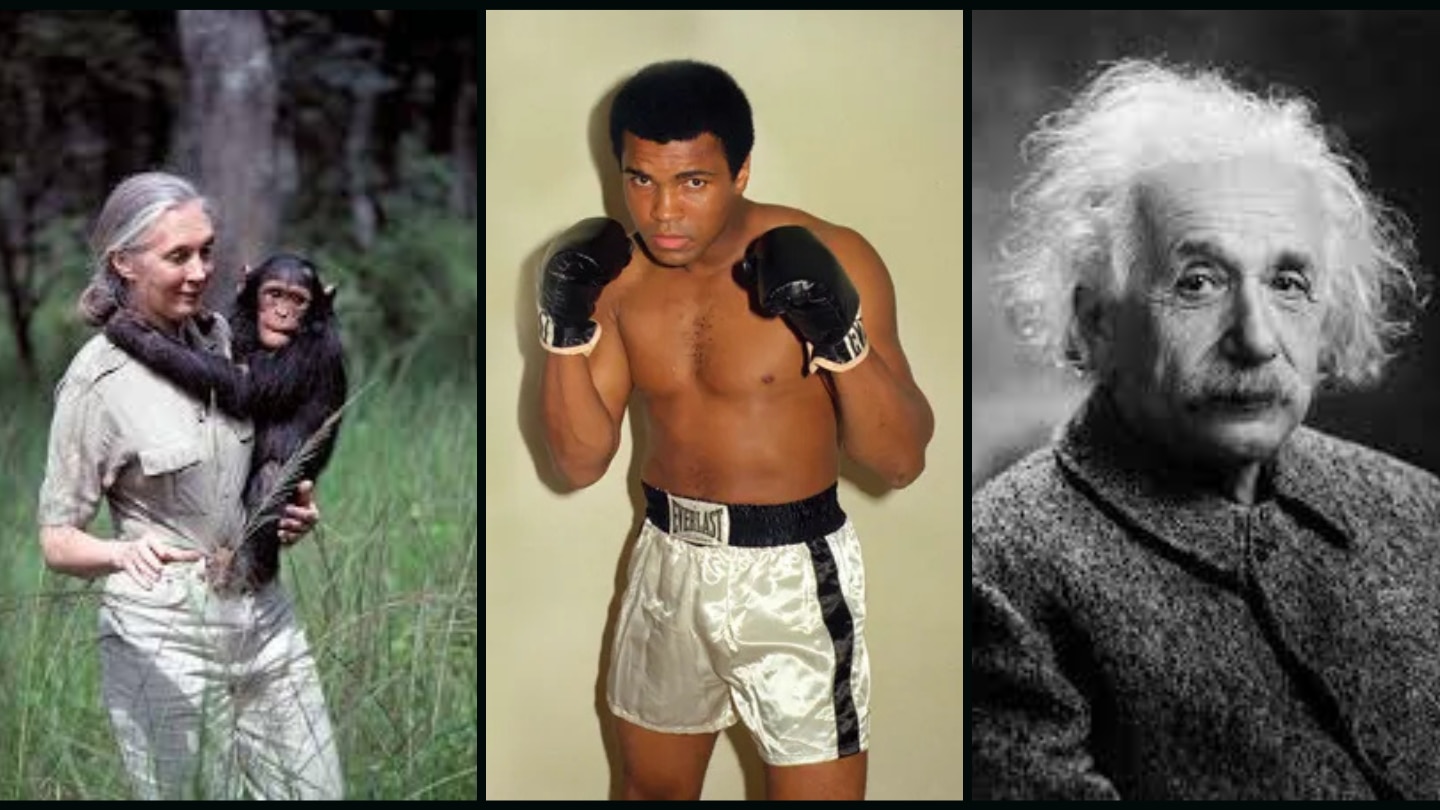
Meet the Icons of the 20th Century. From brilliant scientists and inspiring activists to legendary athletes and artists, these remarkable individuals changed the world in powerful ways. In this video playlist of clips from BBC's Icons: The Greatest Person of the 20th Century, meet Muhammad Ali, Helen Keller, Albert Einstein, Martin Luther King Jr., Pablo Picasso, Jane Goodall, Pelé, Billie Holiday and others — each a trailblazer who shaped history through courage, creativity, and conviction. A perfect playlist to inspire young minds to think big and act boldly!
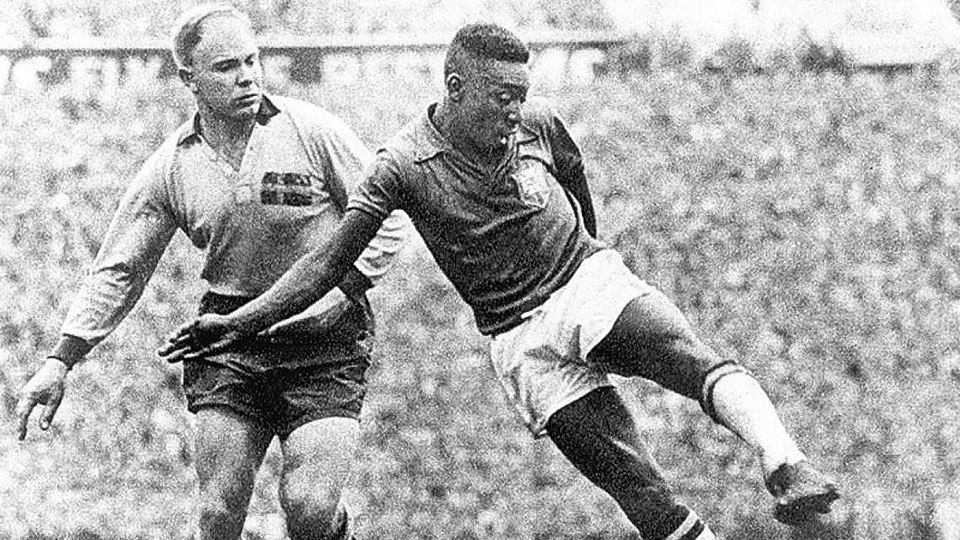
Explore the incredible life and global influence of Pelé, from his rise as a young football star in Brazil to his unforgettable World Cup victories and worldwide fame. Students will discover how Pelé’s extraordinary skill, creativity, and sportsmanship helped transform football into the world’s most popular sport.
This Kahoot examines key moments in Pelé’s career, including his record-breaking achievements, his role in Brazil’s World Cup success, and his impact on the international growth of the game. Students will build listening skills, vocabulary, and historical awareness while exploring how Pelé influenced culture, identity, and the global popularity of football across generations.
Watch the related BBC videos, Pelé's Pledge to His Father and How Pelé Brought Soccer to the U.S., then invite your Grade 6–12 students to test their knowledge and explore the legacy of one of the greatest athletes in sports history.
Football is thousands of years old, but who says there's no room for a little new technology? And there's no better place to explore the advancements in football tech than FIFA’s global headquarters in Zurich, where the research team has been paying special attention to the MVP of every match: the football itself.
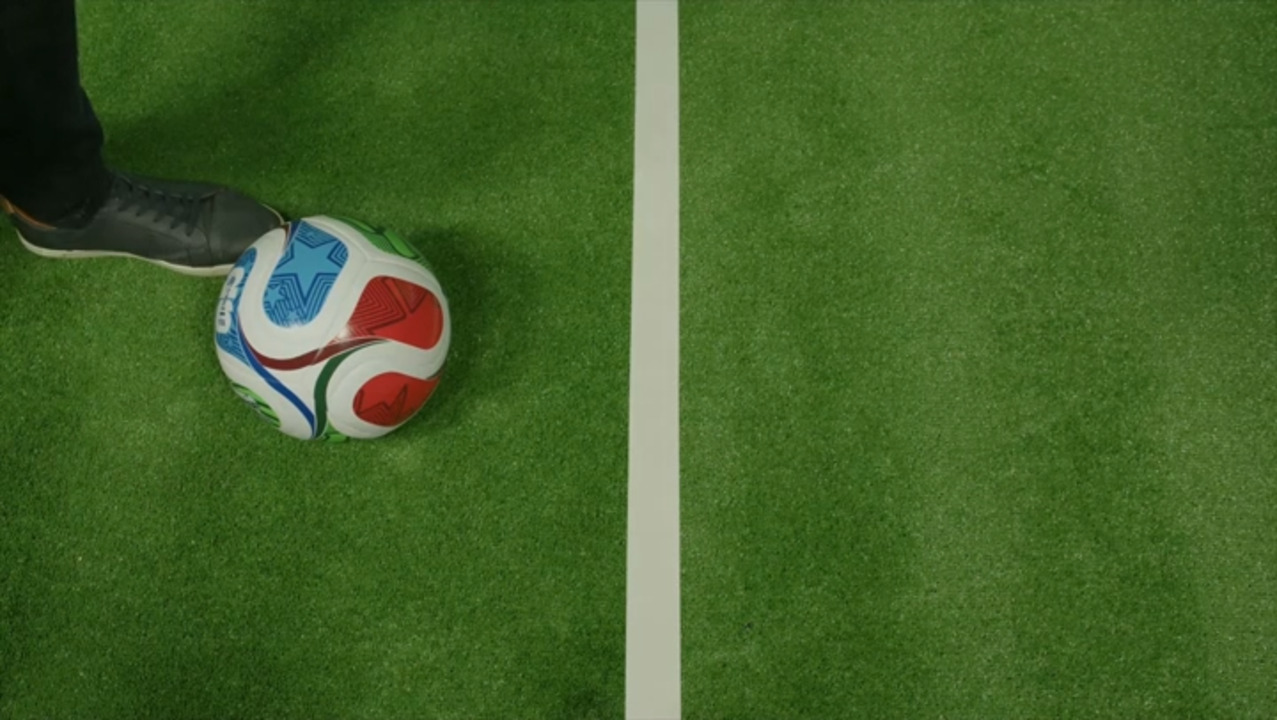
Meet the Trionda ball. It may look like a standard football, until you open it up to reveal a sensor inside the ball. It’s synced to a computer, and tracks the ball’s behavior on a graph that shows when contact is made with the ball — light touches are small peaks, hard hits are big spikes. This will make it easier to see if a player has actually touched the ball, which is sometimes hard to determine with the naked eye.
For those who are always squinting to watch those teeny tiny players on that giant field, FIFA is also introducing a ref cam. The head-mounted technology lets broadcasters record first-person footage, so spectators can see the game from the referee’s point of view. This means they can get an on-field perspective of the action, even if means an up-close look of players getting mad at the refs! Nothing more authentic than that!
50,000 air miles. That's enough to circle the entire planet twice — and it's how far a private jet reportedly linked to FIFA President Gianni Infantino flew during the 2026 World Cup. In just over a month, Infantino attended 41 matches across North America, sometimes appearing at games in cities hundreds of miles apart on the same day. No, he didn't discover teleportation, and he definitely didn't outrun Messi or Mbappé. The real answer is a lot simpler — and a lot more expensive for the planet.
FIFA wouldn't confirm Infantino was on board, but BBC Verify tracked flight data from a private jet reportedly linked to him. The plane's movements lined up with Infantino's appearances in host cities. Over about a month, that jet flew 46 times — sometimes three flights in a single day.
All that flying comes at a real cost to the climate. Experts estimate the jet's emissions were roughly equal to one year's carbon footprint for 135 average people. That's a striking number, especially since FIFA had made environmental promises for the tournament, including grouping teams regionally — specifically to cut down on long-distance travel.
If you were looking up at the sky during any of the World Cup games in Mexico, you may have seen a few Black Hawk helicopters. You also probably missed some good soccer. Pay attention!
But the helicopters weren’t meant to be a distraction — they were patrolling as part of the efforts to help keep the people of Monterrey, Mexico, and 300,000 visiting fans safe. The area saw a lot of crime earlier this year, so the helicopters were brought in (in addition to the more than 1,500 street cameras that peppered the stadium’s area) to protect mainly against crimes like phone theft and robbery.
Working with these cameras and helicopters were robot dogs, which patrolled the stadium using facial recognition and could detect early signs of crowd trouble and alert their masters. Some people were skeptical of the robot dogs, but at least there was no danger of them going potty on the pitch.
Are you watching the 2026 World Cup?! We hope so, because it’s a big one. The biggest one, actually. It’s the first with three countries co-hosting (Canada, the U.S., and Mexico), and it’s been expanded to 48 teams (from 32).
But the size of the tournament isn’t where the differences end, not by a long shot! This year, the World Cup is also introducing new rules, like a possible red card for players covering their mouths! If you gasped and covered your own mouth, don’t worry. First because you’re probably not playing in the World Cup (yet), but also because this penalty is only given to players who are being confrontational.
Other additions include the VAR (Video Assistant Referee) getting the power to check second yellow cards and corners, a 5-second countdown on goal kicks and throw-ins, and a rule that players being subbed will have just 10 seconds to leave the pitch. No time for dilly dallying, we’ve got 16 more teams to watch this year!
The greatest show on Earth is happening right now — and it's bigger than ever. The 2026 FIFA World Cup spans three countries (the U.S., Canada, and Mexico), features a record-breaking 48 teams, and runs from June 11 through July 19. The final? It's being played right here — at MetLife Stadium in New Jersey, just outside New York City. No pressure.
Since 1930, the World Cup has produced legendary goals, shocking upsets, and moments that stopped entire nations in their tracks. It's the one tournament where a tiny island nation can send a footballing giant home crying — and usually does.
Think you know your Pelés from your Mbappés? Your golden boots from your offside traps? Whether you're a die-hard who tracks every group stage table or someone who only tunes in for the final — this quiz will put what you know to the test. Let's see if you can go all the way.
In Pele's Pledge to His Father, sports journalist Clare Balding describes how Pelé pledged to his father that he would help Brazil win the World Cup. She describes his childhood and rise to fame. This video is excerpted from BBC’s Icons: The Greatest Person of the 20th Century, a documentary series celebrating the achievements of the most influential figures of the era.
In How Pelé Brought Soccer to the U.S., sports journalist Clare Balding discusses Pelé's contributions to the popularity of soccer. Pelé’s last World Cup match in 1970 helped him emerge as a hero, and in 1971 he brought the game to the United States. This video is excerpted from BBC’s Icons: The Greatest Person of the 20th Century, a documentary series celebrating the achievements of the most influential figures of the era.
Meet the Icons of the 20th Century. From brilliant scientists and inspiring activists to legendary athletes and artists, these remarkable individuals changed the world in powerful ways. In this video playlist of clips from BBC's Icons: The Greatest Person of the 20th Century, meet Muhammad Ali, Helen Keller, Albert Einstein, Martin Luther King Jr., Pablo Picasso, Jane Goodall, Pelé, Billie Holiday and others — each a trailblazer who shaped history through courage, creativity, and conviction. A perfect playlist to inspire young minds to think big and act boldly!
Explore the incredible life and global influence of Pelé, from his rise as a young football star in Brazil to his unforgettable World Cup victories and worldwide fame. Students will discover how Pelé’s extraordinary skill, creativity, and sportsmanship helped transform football into the world’s most popular sport.
This Kahoot examines key moments in Pelé’s career, including his record-breaking achievements, his role in Brazil’s World Cup success, and his impact on the international growth of the game. Students will build listening skills, vocabulary, and historical awareness while exploring how Pelé influenced culture, identity, and the global popularity of football across generations.
Watch the related BBC videos, Pelé's Pledge to His Father and How Pelé Brought Soccer to the U.S., then invite your Grade 6–12 students to test their knowledge and explore the legacy of one of the greatest athletes in sports history.
Football is thousands of years old, but who says there's no room for a little new technology? And there's no better place to explore the advancements in football tech than FIFA’s global headquarters in Zurich, where the research team has been paying special attention to the MVP of every match: the football itself.
Meet the Trionda ball. It may look like a standard football, until you open it up to reveal a sensor inside the ball. It’s synced to a computer, and tracks the ball’s behavior on a graph that shows when contact is made with the ball — light touches are small peaks, hard hits are big spikes. This will make it easier to see if a player has actually touched the ball, which is sometimes hard to determine with the naked eye.
For those who are always squinting to watch those teeny tiny players on that giant field, FIFA is also introducing a ref cam. The head-mounted technology lets broadcasters record first-person footage, so spectators can see the game from the referee’s point of view. This means they can get an on-field perspective of the action, even if means an up-close look of players getting mad at the refs! Nothing more authentic than that!