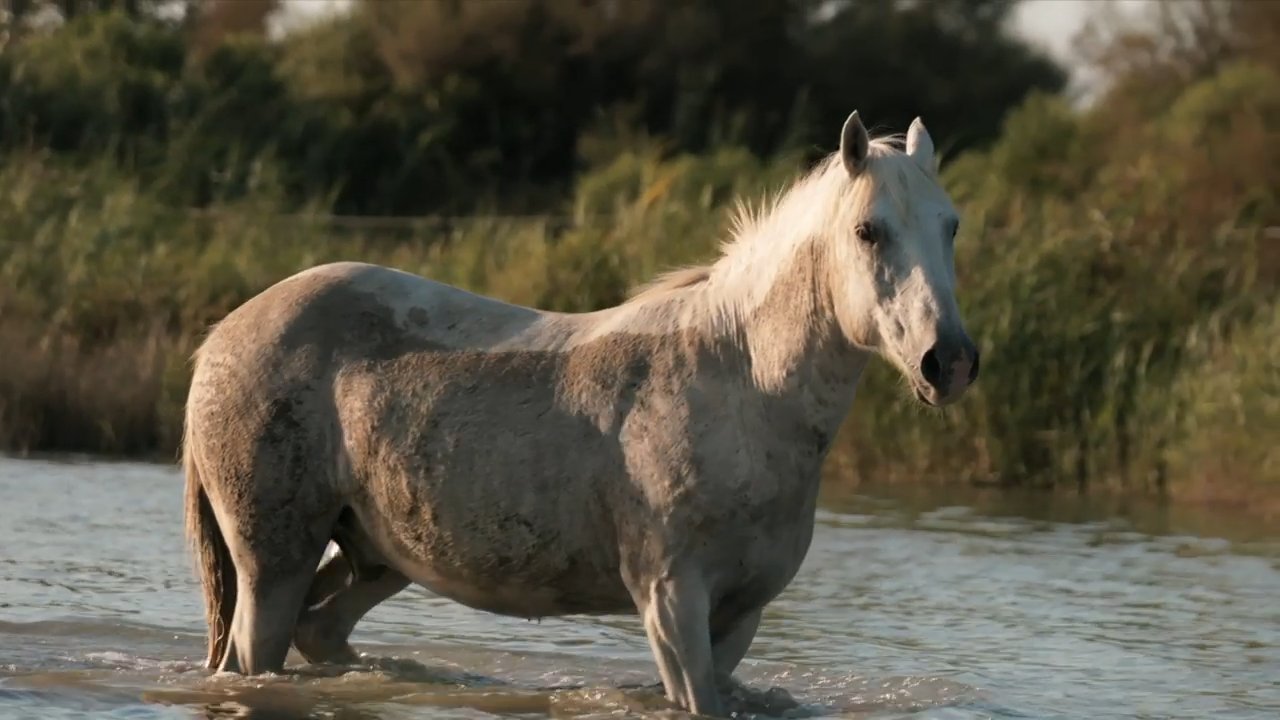
The history of the horse is closely intertwined with our own, and its DNA preserves evidence of how that relationship changed. In this clip from BBC’s Evolution episode "The Horse," scientists examine ancient horse DNA to trace how wild horse populations changed as humans began to domesticate and selectively breed them.
Genetic evidence reveals changes associated with traits such as docility and a body shape better suited to carrying humans. Over generations, human choices favored these characteristics, helping transform wild horses into the domestic horse and demonstrating how selective breeding can influence the course of evolution.
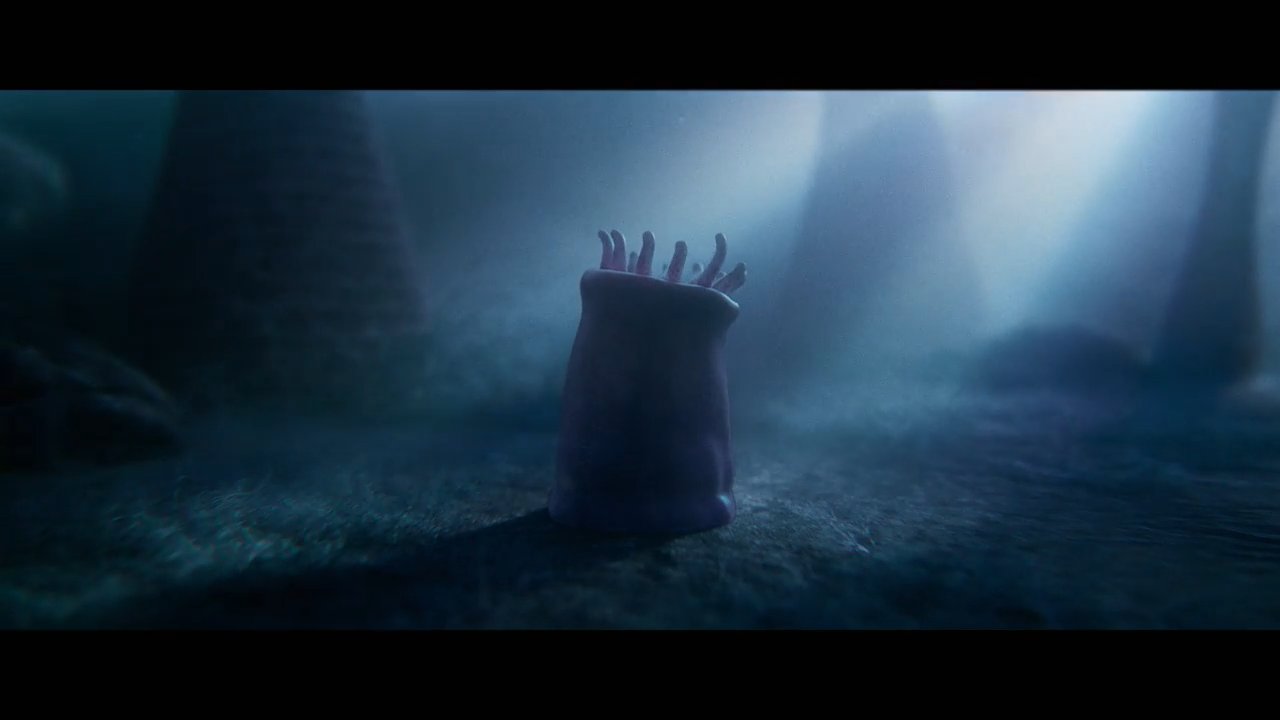
Before horses could gallop across open landscapes, the ability to move had to evolve. This clip from BBC’s Evolution episode "The Horse" travels back more than 500 million years to the Ediacaran Period, when most large animals were stationary and depended on ocean currents to bring them food. Rare fossils, including Auroralumina and an ancient trailway, provide clues to the emergence of muscle and some of the earliest evidence of animal movement.
The video also examines myosin, an ancient protein that powers muscle contraction, showing how this microscopic mechanism helped make coordinated movement possible — and ultimately laid the foundation for the powerful muscles that drive animals like the horse.
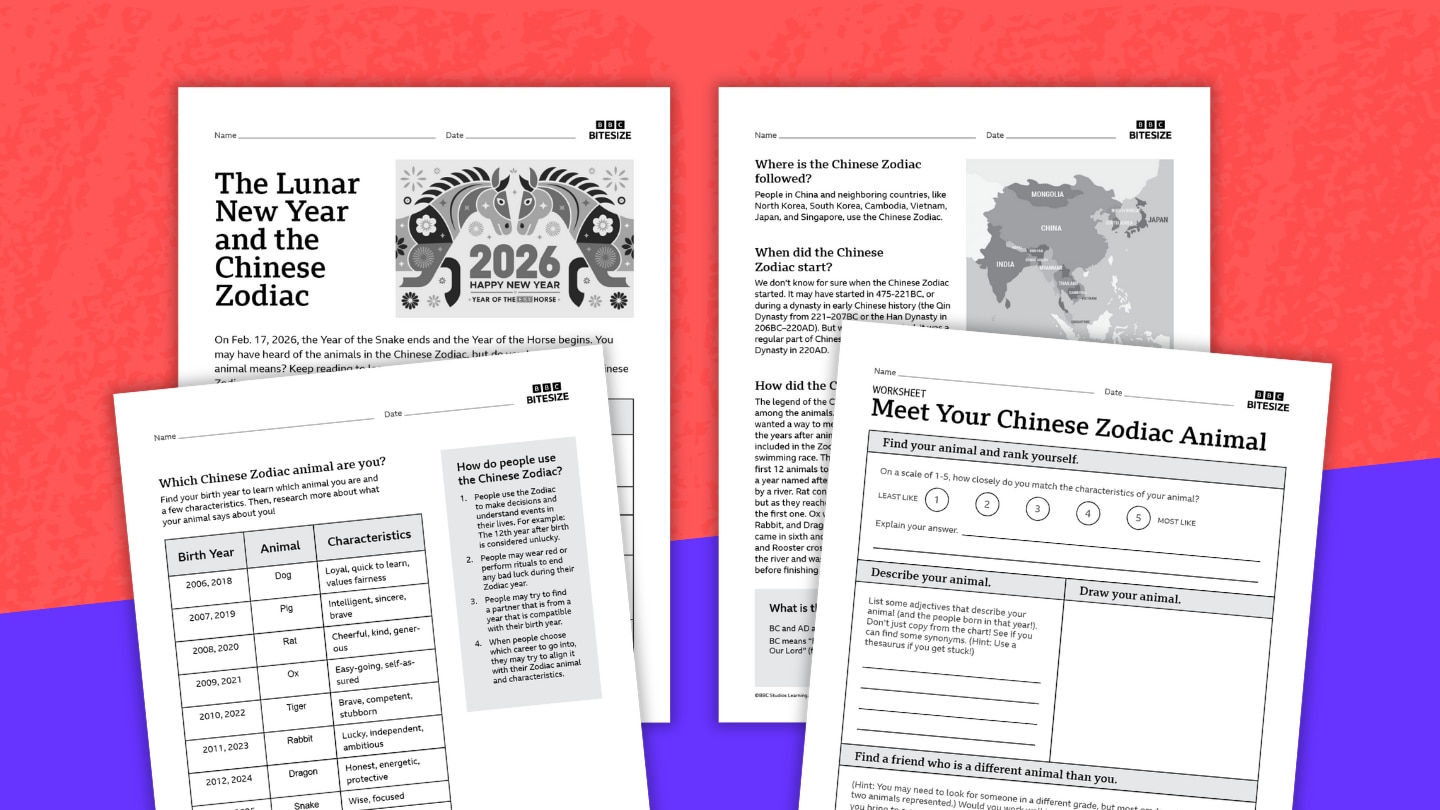
On February 17, 2026, the Lunar New Year begins and the Year of the Horse gallops in! Introduce this holiday — celebrated in East and Southeast Asia and in Asian communities all around the world — to your primary students with a reading passage that explains Lunar New Year and fun Chinese Zodiac activities.
- Lunar New Year and the Chinese Zodiac (reading passage) invites students to explore the origins of the Chinese Zodiac, learn how the lunar calendar works, and discover the legendary animal race that gave each year its zodiac sign. Along the way, students explore how zodiac animals are believed to connect to personality traits and Lunar New Year traditions.
- Meet Your Chinese Zodiac Animal (student activity) has students to put their learning into action by finding their own zodiac sign, reflecting on its characteristics, drawing their animal, and comparing traits with a classmate. Together, these activities encourage students to read, think, and celebrate the Lunar New Year in a fun and meaningful way.

The cousins are over and Uncle Stripe and Dad are in charge. But the kids want to play Horsey Ride! Write the lovely story on the lines provided. In the episode, Mum and Aunt Trixie go out, leaving Bingo, Bluey and the cousins with Dad and Uncle Stripe, whose plans to watch the cricket are cancelled for a game of Horsey Ride instead. But when Bluey forgets to put away her favorite toy, Polly Puppy, and Socks get hold of her, they need a plan to get her back in one piece. In an attempt to distract Socks from Polly, the kids set up a Horsey wedding between Dad (Gallahop) and Uncle Stripe (Sparkles).
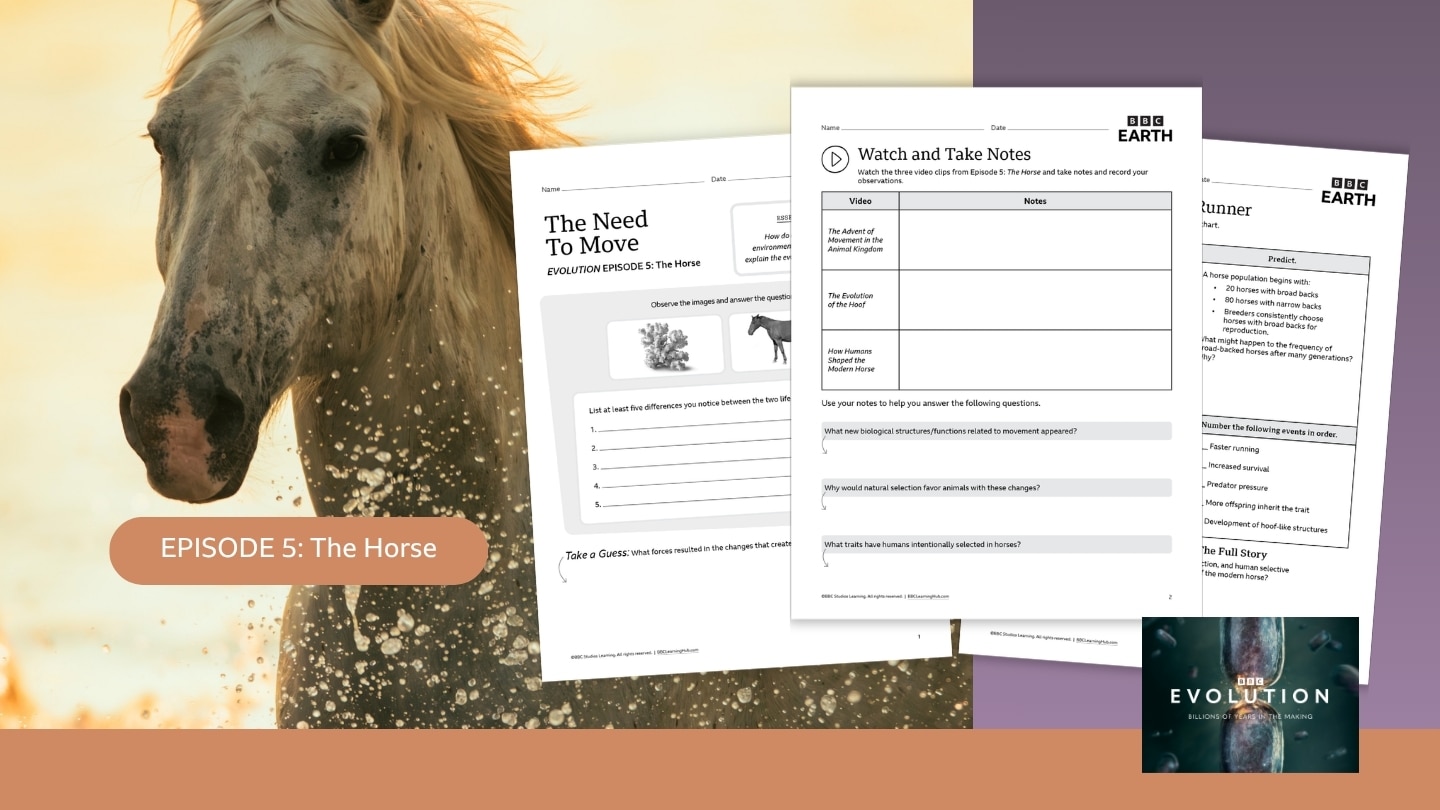
What evolutionary changes allowed the horse to become one of the animal kingdom’s great runners? This lesson for ages 11–18 explores the evolutionary changes that transformed movement, helping organisms become faster, more efficient, and better suited to their environments.
The BBC video clips from Evolution Episode 5: "The Horse" trace the development of movement in the animal kingdom, the evolution of the hoof, and the ways humans have shaped horses through selective breeding. Consider how structures such as muscles, tendons, leg bones, and hooves work together — and why certain traits can become more common when they provide an advantage.
Through observation, prediction, sequencing, and evidence-based activities, you'll examine the roles of environmental change, natural selection, and human intervention in shaping evolutionary outcomes. Then bring these forces together to explain how millions of years of change, followed by thousands of years of selective breeding, produced the modern horse.

In The Go Jetters' Waterfall Rescue in Yosemite, the Go Jetters crew visits the stunning Horsetail Falls in Yosemite. They want to see the Firefall, when the sunset makes the waterfall look like fire, but the conditions aren’t right. The Go Jetters work together to find out what happened to the waterfall to stop it from flowing. This video is excerpted from BBC’s Go Jetters, a series that follows the adventures of four international heroes as they travel the globe visiting landmarks and solving environmental problems with Ubercorn, a disco-dancing unicorn.
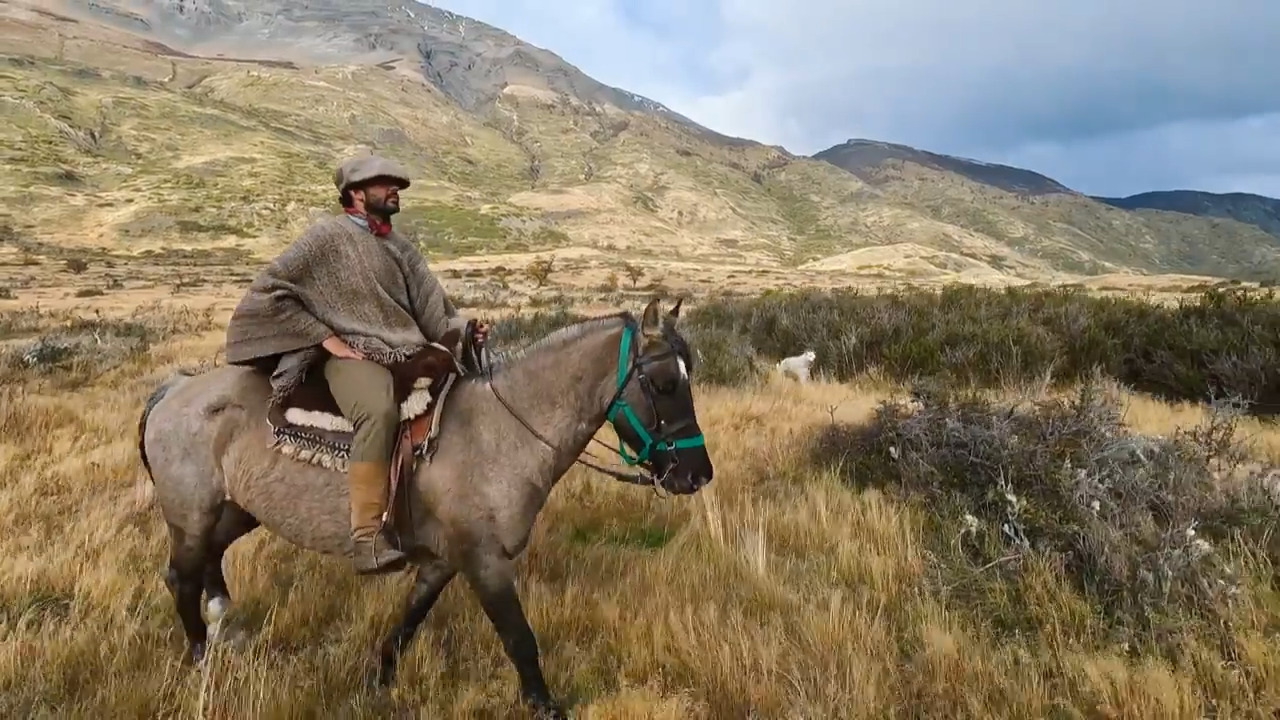
In The Heart of a Gaucho, host Simon Reeve journeys deep into Patagonia to meet Taibo, a gaucho who spends much of his year alone in the wilderness tending animals and braving harsh conditions. Taibo shares how he’s been a gaucho his entire life, living in an outpost with only the basics, like bread and meat, and enduring winters that can drop to nearly -20°F. Simon learns about the gauchos’ legendary horse-riding skills as Taibo teaches him to ride “gaucho style.” This video is excerpted from BBC’s Wilderness With Simon Reeve, an epic adventure into the heart of Earth’s last great wild areas, where nature is at its most beautiful and fragile.
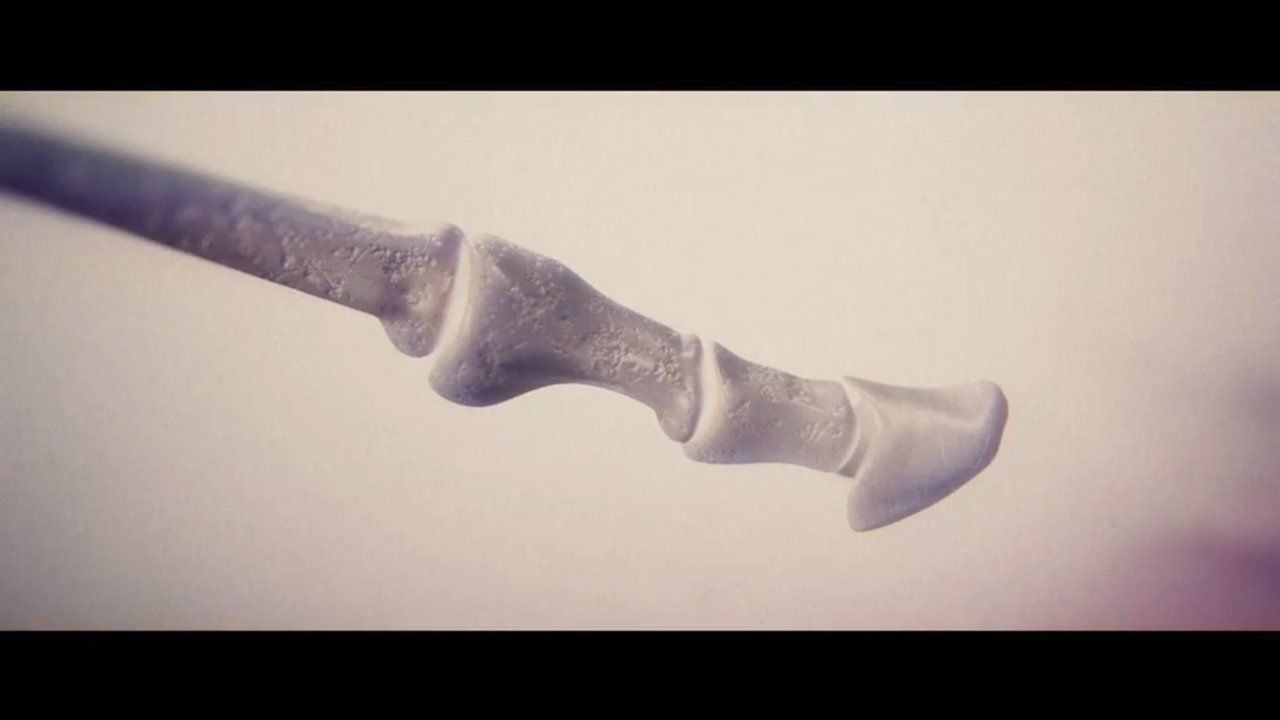
The horse’s remarkable ability to run is the result of millions of years of evolutionary change. In this clip from BBC’s Evolution episode "The Horse," follow the development of specialized running limbs, beginning with early mammals such as Phenacodus, whose digitigrade stance allowed for longer and faster strides.
Over time, bones lengthened, muscles became concentrated higher on the legs, and the feet became increasingly streamlined until Equus evolved a single toe and hard hoof. These adaptations made horses extraordinarily efficient runners, while also creating a trade-off: limbs built almost entirely for speed were far less useful for other tasks.
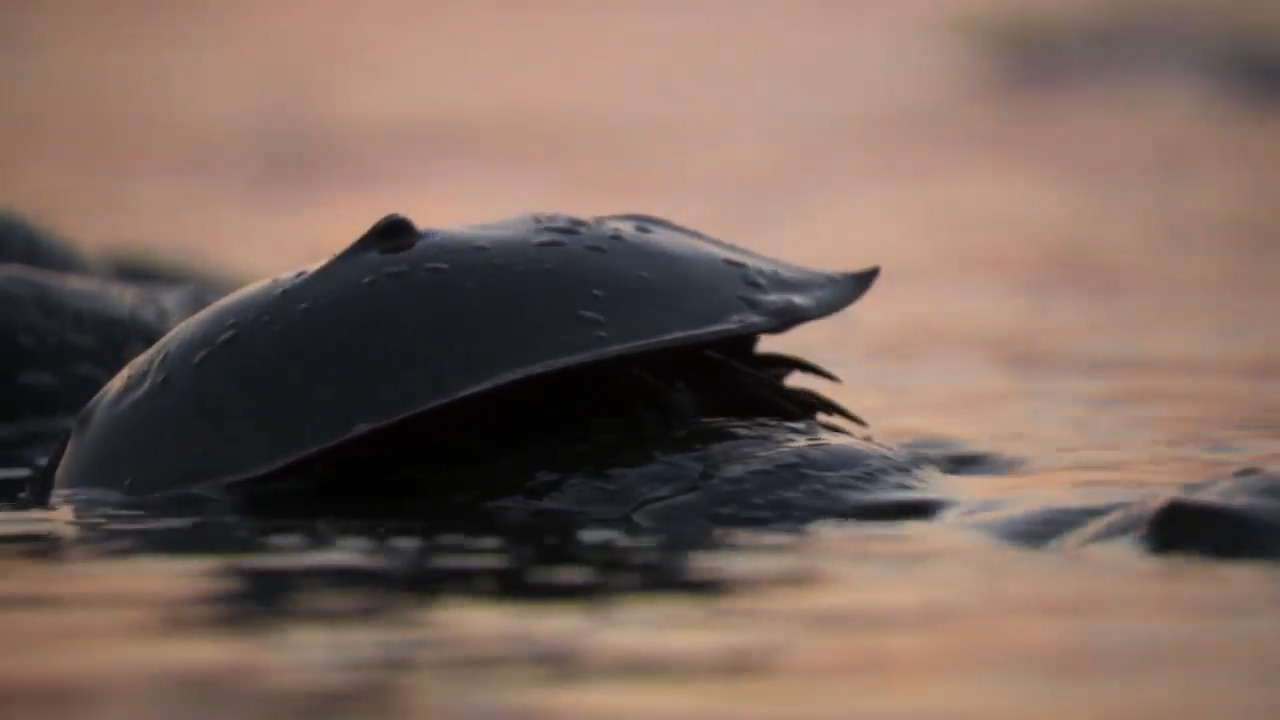
In The Red Knot Bird's Essential Pit Stop, narrator Sir David Attenborough follows red knot birds on their nearly 10,000 mile (16,000 kilometer) journey from Argentina to Canada. They stop in Delaware Bay to feast on horseshoe crab eggs, needing to eat up to 400,000 eggs to double their weight before continuing their journey. But all that feeding makes them easy targets for predators like the peregrine falcon, adding danger to their incredible adventure! This video is excerpted from BBC's Life, a show that explores the remarkable strategies animals and plants use to ensure their survival.
The history of the horse is closely intertwined with our own, and its DNA preserves evidence of how that relationship changed. In this clip from BBC’s Evolution episode "The Horse," scientists examine ancient horse DNA to trace how wild horse populations changed as humans began to domesticate and selectively breed them.
Genetic evidence reveals changes associated with traits such as docility and a body shape better suited to carrying humans. Over generations, human choices favored these characteristics, helping transform wild horses into the domestic horse and demonstrating how selective breeding can influence the course of evolution.
Before horses could gallop across open landscapes, the ability to move had to evolve. This clip from BBC’s Evolution episode "The Horse" travels back more than 500 million years to the Ediacaran Period, when most large animals were stationary and depended on ocean currents to bring them food. Rare fossils, including Auroralumina and an ancient trailway, provide clues to the emergence of muscle and some of the earliest evidence of animal movement.
The video also examines myosin, an ancient protein that powers muscle contraction, showing how this microscopic mechanism helped make coordinated movement possible — and ultimately laid the foundation for the powerful muscles that drive animals like the horse.
On February 17, 2026, the Lunar New Year begins and the Year of the Horse gallops in! Introduce this holiday — celebrated in East and Southeast Asia and in Asian communities all around the world — to your primary students with a reading passage that explains Lunar New Year and fun Chinese Zodiac activities.
- Lunar New Year and the Chinese Zodiac (reading passage) invites students to explore the origins of the Chinese Zodiac, learn how the lunar calendar works, and discover the legendary animal race that gave each year its zodiac sign. Along the way, students explore how zodiac animals are believed to connect to personality traits and Lunar New Year traditions.
- Meet Your Chinese Zodiac Animal (student activity) has students to put their learning into action by finding their own zodiac sign, reflecting on its characteristics, drawing their animal, and comparing traits with a classmate. Together, these activities encourage students to read, think, and celebrate the Lunar New Year in a fun and meaningful way.
The cousins are over and Uncle Stripe and Dad are in charge. But the kids want to play Horsey Ride! Write the lovely story on the lines provided. In the episode, Mum and Aunt Trixie go out, leaving Bingo, Bluey and the cousins with Dad and Uncle Stripe, whose plans to watch the cricket are cancelled for a game of Horsey Ride instead. But when Bluey forgets to put away her favorite toy, Polly Puppy, and Socks get hold of her, they need a plan to get her back in one piece. In an attempt to distract Socks from Polly, the kids set up a Horsey wedding between Dad (Gallahop) and Uncle Stripe (Sparkles).
What evolutionary changes allowed the horse to become one of the animal kingdom’s great runners? This lesson for ages 11–18 explores the evolutionary changes that transformed movement, helping organisms become faster, more efficient, and better suited to their environments.
The BBC video clips from Evolution Episode 5: "The Horse" trace the development of movement in the animal kingdom, the evolution of the hoof, and the ways humans have shaped horses through selective breeding. Consider how structures such as muscles, tendons, leg bones, and hooves work together — and why certain traits can become more common when they provide an advantage.
Through observation, prediction, sequencing, and evidence-based activities, you'll examine the roles of environmental change, natural selection, and human intervention in shaping evolutionary outcomes. Then bring these forces together to explain how millions of years of change, followed by thousands of years of selective breeding, produced the modern horse.
In The Go Jetters' Waterfall Rescue in Yosemite, the Go Jetters crew visits the stunning Horsetail Falls in Yosemite. They want to see the Firefall, when the sunset makes the waterfall look like fire, but the conditions aren’t right. The Go Jetters work together to find out what happened to the waterfall to stop it from flowing. This video is excerpted from BBC’s Go Jetters, a series that follows the adventures of four international heroes as they travel the globe visiting landmarks and solving environmental problems with Ubercorn, a disco-dancing unicorn.
In The Heart of a Gaucho, host Simon Reeve journeys deep into Patagonia to meet Taibo, a gaucho who spends much of his year alone in the wilderness tending animals and braving harsh conditions. Taibo shares how he’s been a gaucho his entire life, living in an outpost with only the basics, like bread and meat, and enduring winters that can drop to nearly -20°F. Simon learns about the gauchos’ legendary horse-riding skills as Taibo teaches him to ride “gaucho style.” This video is excerpted from BBC’s Wilderness With Simon Reeve, an epic adventure into the heart of Earth’s last great wild areas, where nature is at its most beautiful and fragile.
The horse’s remarkable ability to run is the result of millions of years of evolutionary change. In this clip from BBC’s Evolution episode "The Horse," follow the development of specialized running limbs, beginning with early mammals such as Phenacodus, whose digitigrade stance allowed for longer and faster strides.
Over time, bones lengthened, muscles became concentrated higher on the legs, and the feet became increasingly streamlined until Equus evolved a single toe and hard hoof. These adaptations made horses extraordinarily efficient runners, while also creating a trade-off: limbs built almost entirely for speed were far less useful for other tasks.
In The Red Knot Bird's Essential Pit Stop, narrator Sir David Attenborough follows red knot birds on their nearly 10,000 mile (16,000 kilometer) journey from Argentina to Canada. They stop in Delaware Bay to feast on horseshoe crab eggs, needing to eat up to 400,000 eggs to double their weight before continuing their journey. But all that feeding makes them easy targets for predators like the peregrine falcon, adding danger to their incredible adventure! This video is excerpted from BBC's Life, a show that explores the remarkable strategies animals and plants use to ensure their survival.