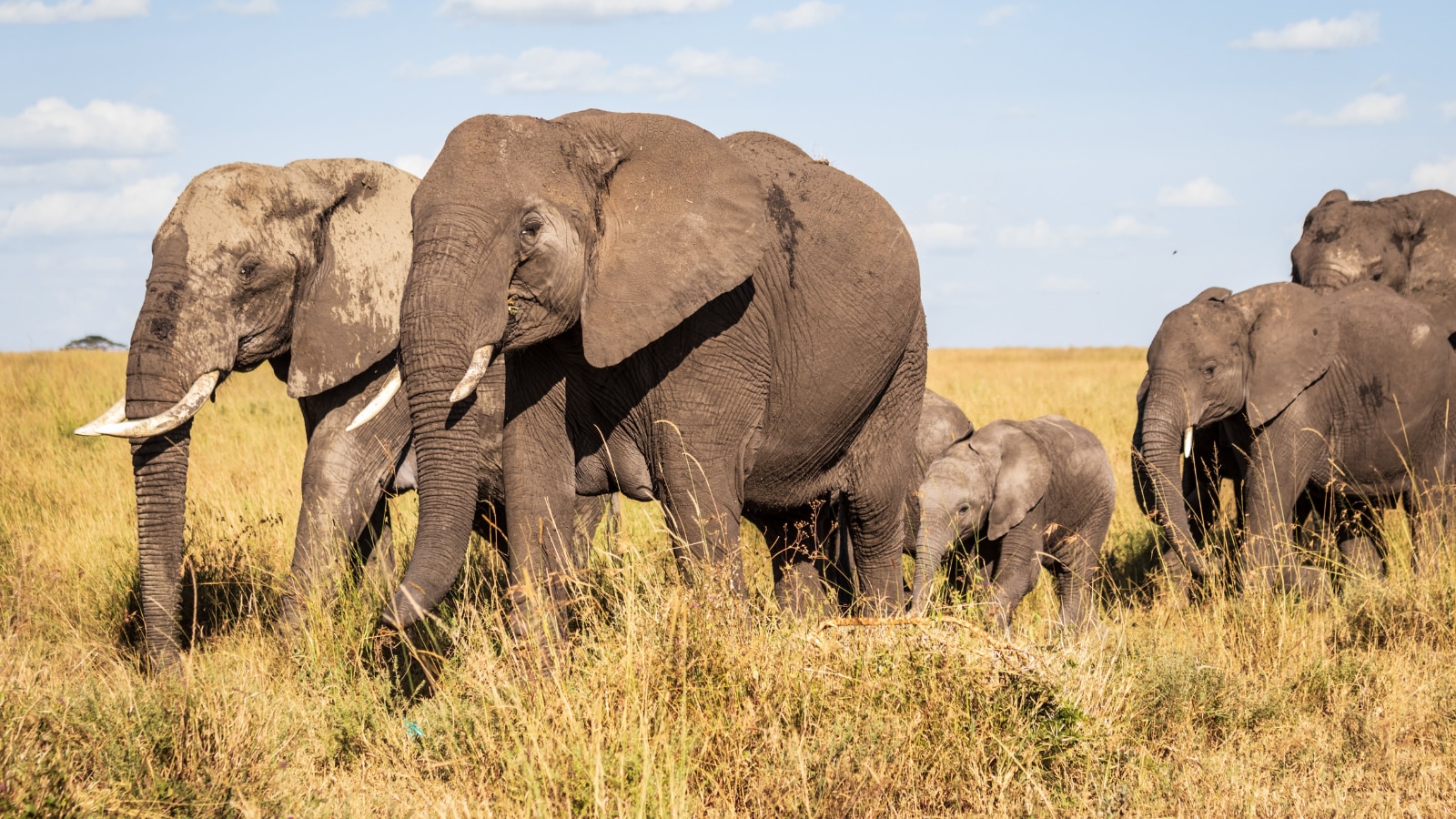
Across seven remarkable BBC videos from Planet Earth, Seven Worlds, One Planet, and Animal Babies, follow elephants through forests, grasslands, and other challenging environments. Watch families journey in search of water, navigate the dense forests of the Congo, communicate with one another, and rely on the experience of their matriarch to help guide the herd.
Discover the powerful family bonds at the heart of elephant society, from the ways adults protect and teach younger elephants to the remarkable methods they use to communicate. See how elephants respond to changing conditions, remember important routes and resources, and work together when their families face challenges.
Elephants don’t just live in their habitats — they can transform them. By moving through landscapes, feeding on vegetation, and dispersing seeds, these enormous animals can shape ecosystems in ways that affect many other species. These BBC elephant videos offer a closer look at the intelligence, adaptability, and extraordinary social lives of one of the world’s most iconic animals.
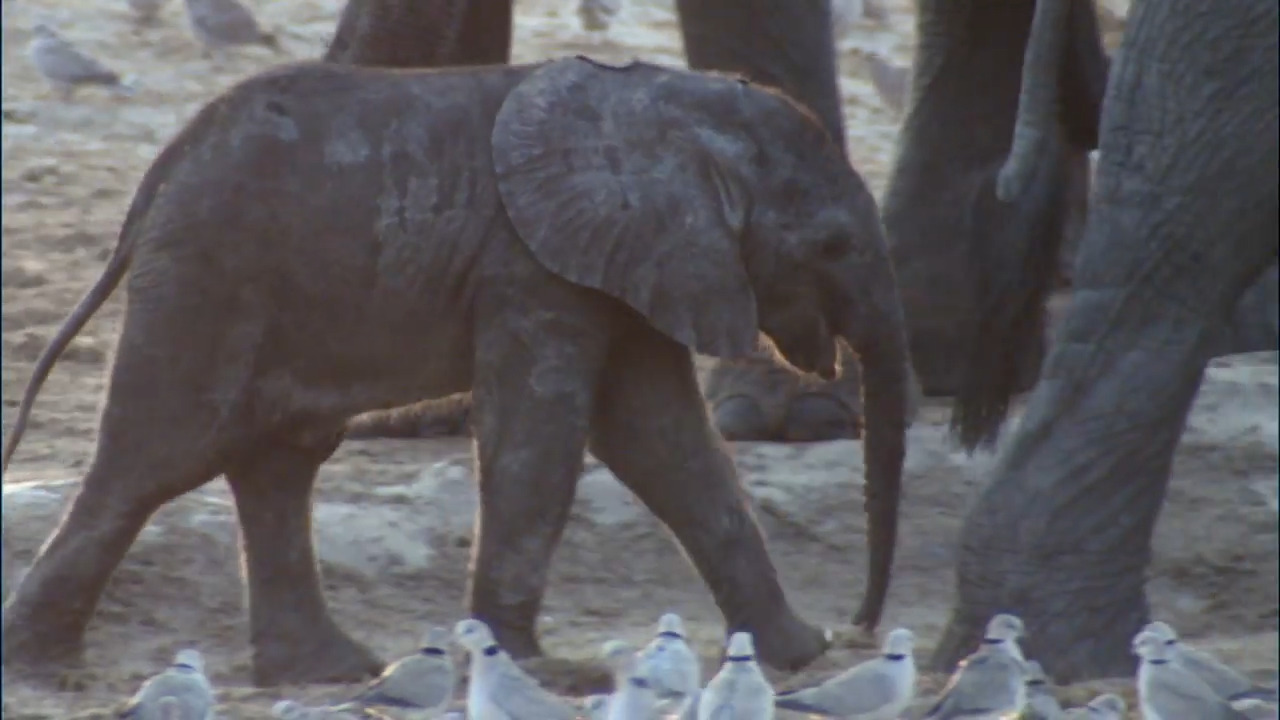
In The African Elephant Marches Towards Water, narrator Sir David Attenborough investigates how African elephants use their memories to find waterholes. The elephants gather in groups and travel during the night, when temperatures are cooler. This video is excerpted from BBC's Planet Earth, a breathtaking documentary series that highlights the natural wonders of our planet.

Watch ducklings take their first wobbly steps, baby elephants splash and explore, young wildebeests race to keep up with the herd, seal pups snooze on the shore, and playful otters discover the world around them. Behind all that cuteness is some fascinating science: every baby animal has its own way of growing, learning, staying safe, and preparing for life as an adult.
These clips offer a closer look at the earliest stages of animal life, from the care young animals receive from their parents to the instincts and behaviors that help them survive. Along the way, explore how different species are born, how quickly they develop, and the challenges they face as they grow.
Come for the tiny paws, fluffy feathers, wobbly legs, and oversized ears. Stay for the science — and plenty of reasons to say “aww.”
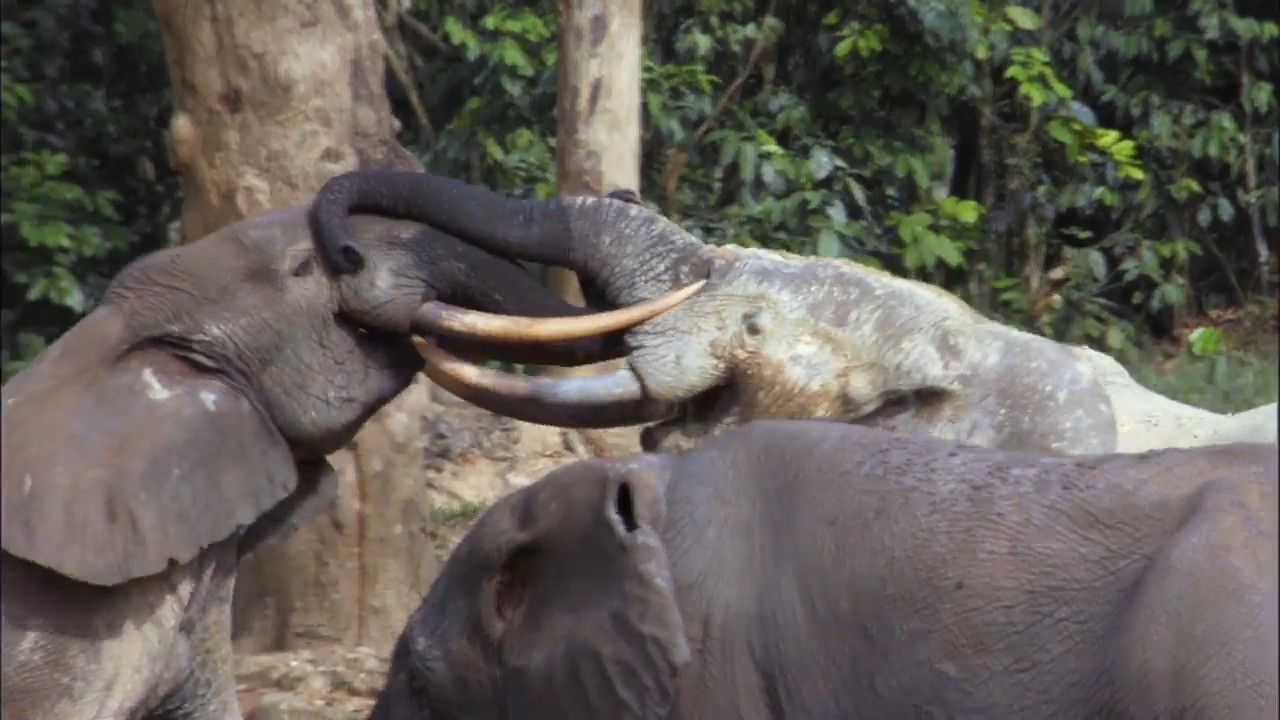
In Elephants in the Congo, narrator Sir David Attenborough follows the elephants in the Congo to a clearing. The elephants roam great distances in their search for food. Learn how they change their environment by creating highways through the Congo and through blowing bubbles in the mud to uncover minerals below the surface. This video is excerpted from BBC's Planet Earth, a breathtaking documentary series that highlights the natural wonders of our planet.
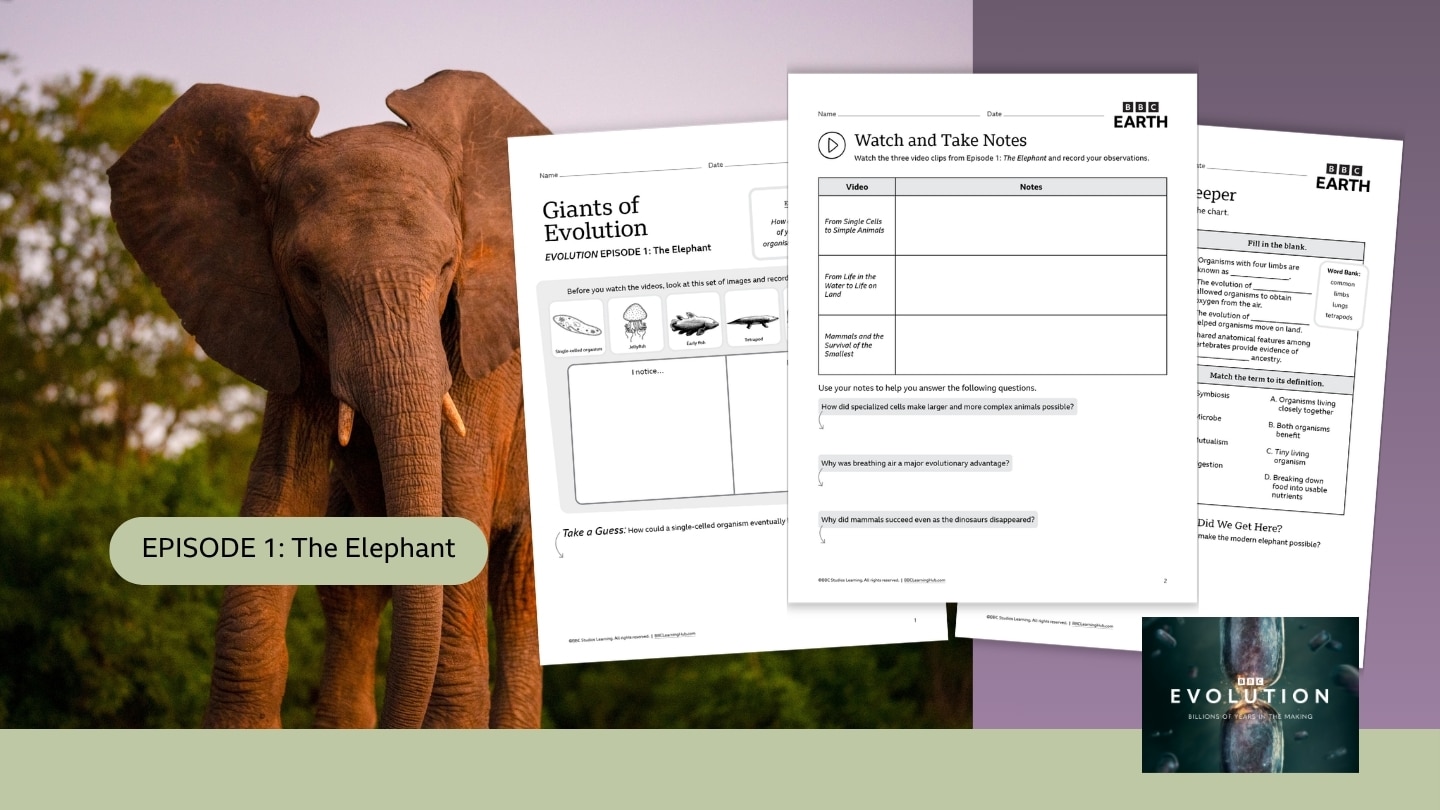
How did a single-celled organism eventually become an elephant? This lesson for ages 11–18 traces the deep evolutionary history of elephants, starting with the earliest forms of life and following the major innovations that made increasingly complex animals possible.
Using BBC video clips from Evolution Episode1: "The Elephant," investigate how specialized cells, organs, gills, lungs, and limbs helped life become more complex and eventually move from water to land. Explore how mammals survived major environmental changes, including the extinction of the dinosaurs, and gained opportunities to spread into new habitats.
Use observations and evidence from the videos to piece together this evolutionary story, practice connecting cause and effect, and revisit predictions. Once you've worked through all the worksheet pages, you'll synthesize what you've learned to explain how billions of years of evolutionary change ultimately led to the modern elephant.
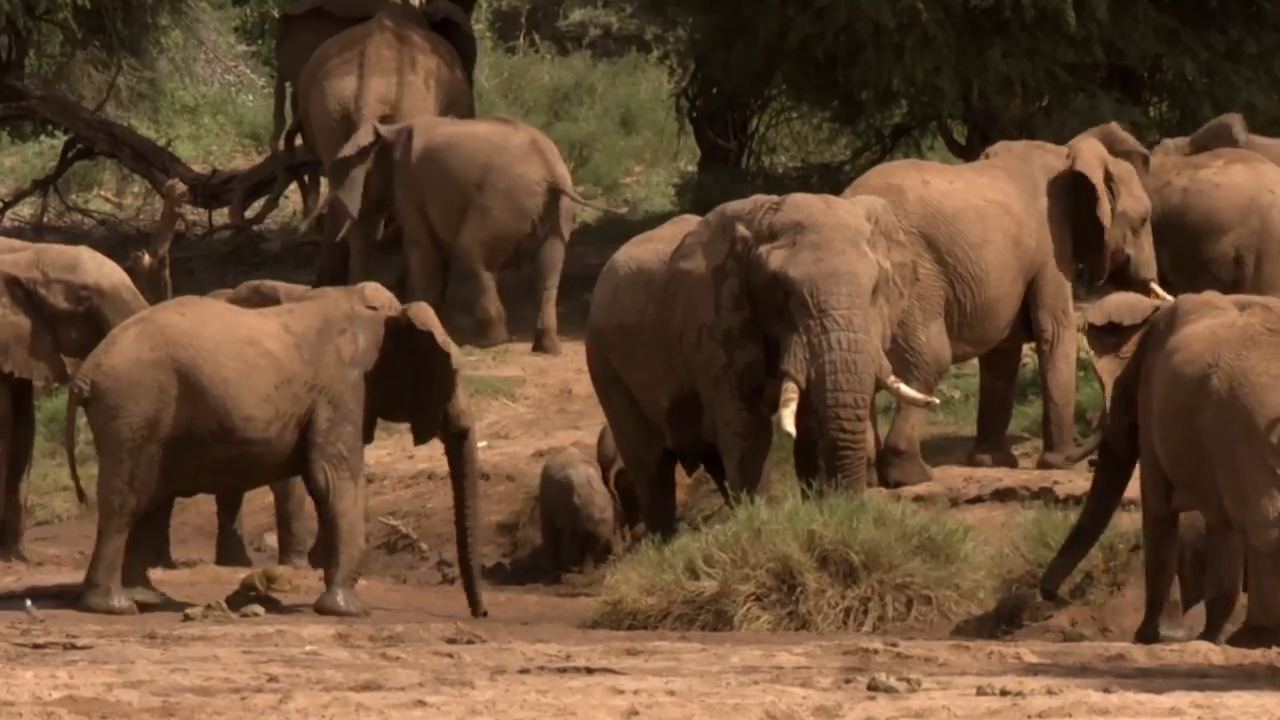
In Elephants Guided by the Matriarch, narrator Gordon Buchanan describes the challenges that African elephants face as they travel over the savannas. Baby elephants have to learn where to go and how to navigate potentially dangerous water crossings as they move from place to place. Since elephants travel great distances, the expertise of the elephant matriarch is critical to their survival. This video is excerpted from BBC's Animal Babies, a heartwarming show that follows the first breaths, first steps and first feeds of some adorable baby animals, revealing the challenges they face to survive in some of the toughest but most beautiful places on the planet.
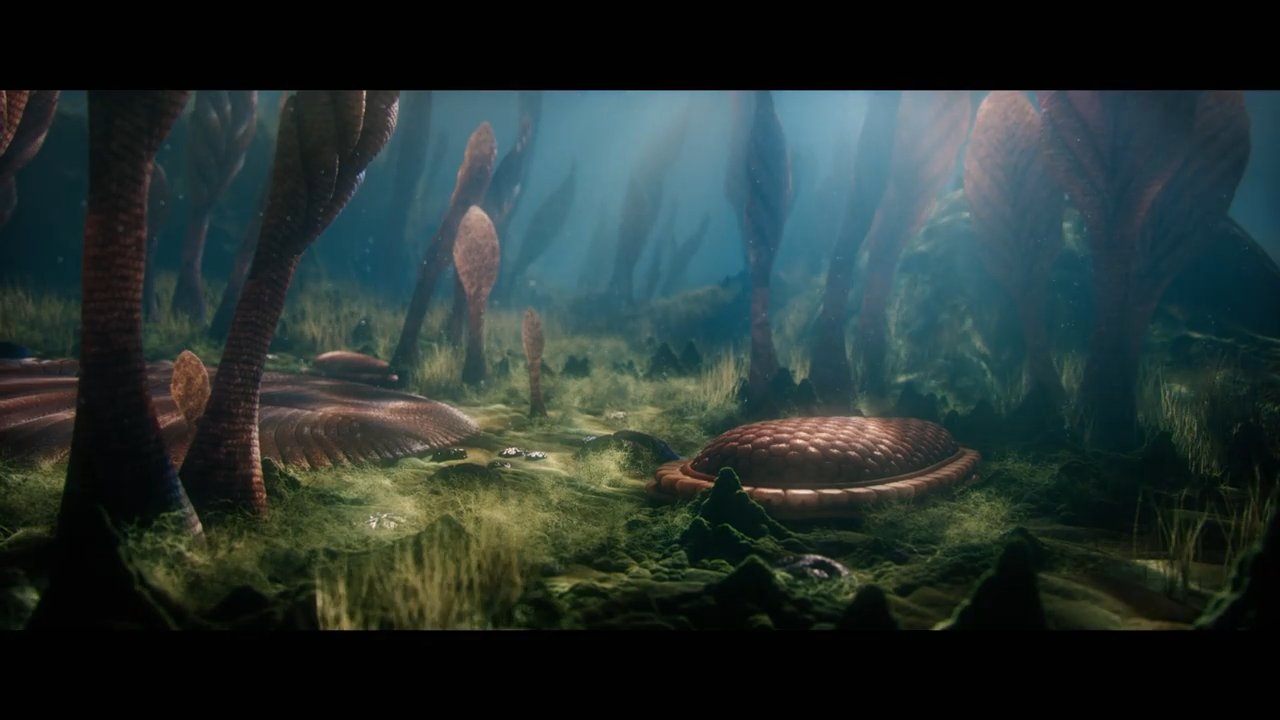
The elephant’s distant ancestors emerged during a major turning point in animal evolution, when cells began specializing and working together to create more complex bodies. This clip from BBC’s Evolution episode "The Elephant" explores how specialization allowed cells to take on different roles, paving the way for tissues, organs, and an explosion of new body shapes — including the tiny ancient ancestor that would eventually give rise to elephants.
The video then examines another evolutionary breakthrough: the development of gills. As early animals adapted structures originally used for feeding to absorb more oxygen, they gained more energy from food and could grow larger and more complex. This innovation helped fuel the evolution of the diverse body forms found in animals today.
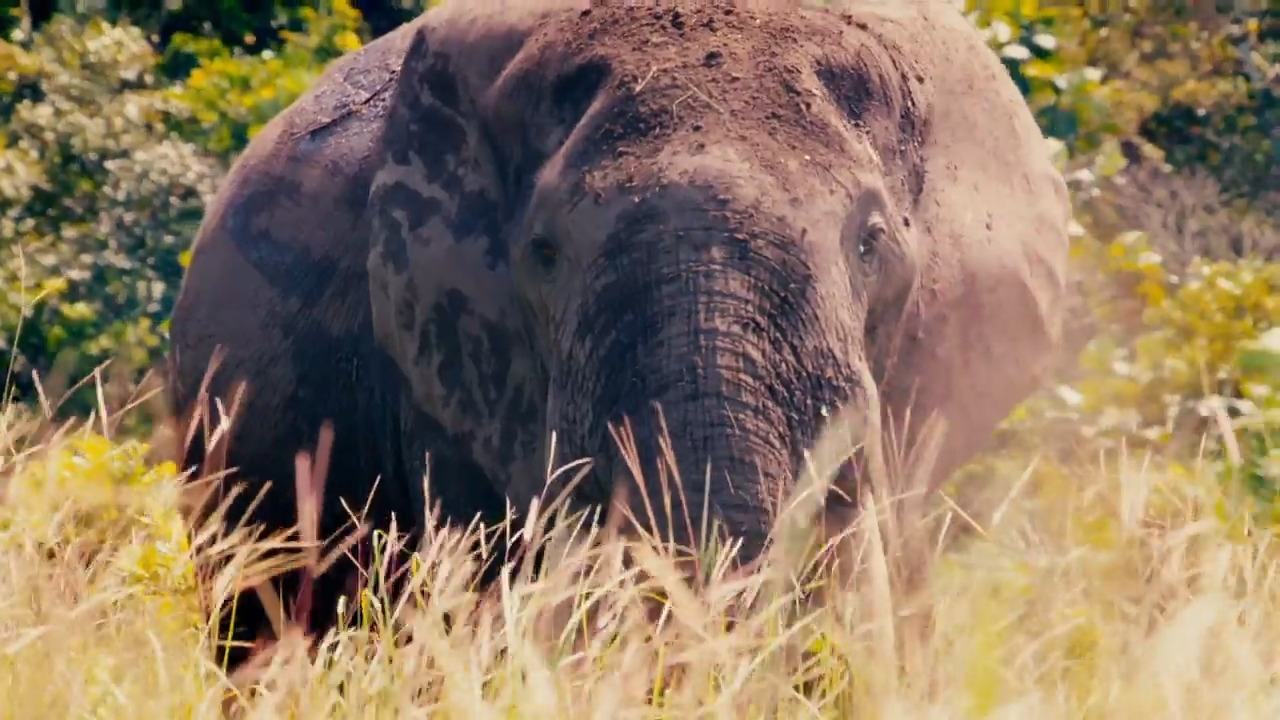
In Tracking Forest Elephants, naturalist Steve Backshall searches for forest elephants in the Loango National Park in Gabon. Together with two guides who are former poachers, they come across a forest elephant in its element. This video is excerpted from BBC's Deadly 60, an award-winning nature and adventure show for kids in which narrator Steve Backshall has one mission: to travel the globe in search of 60 of the world's deadliest animals.
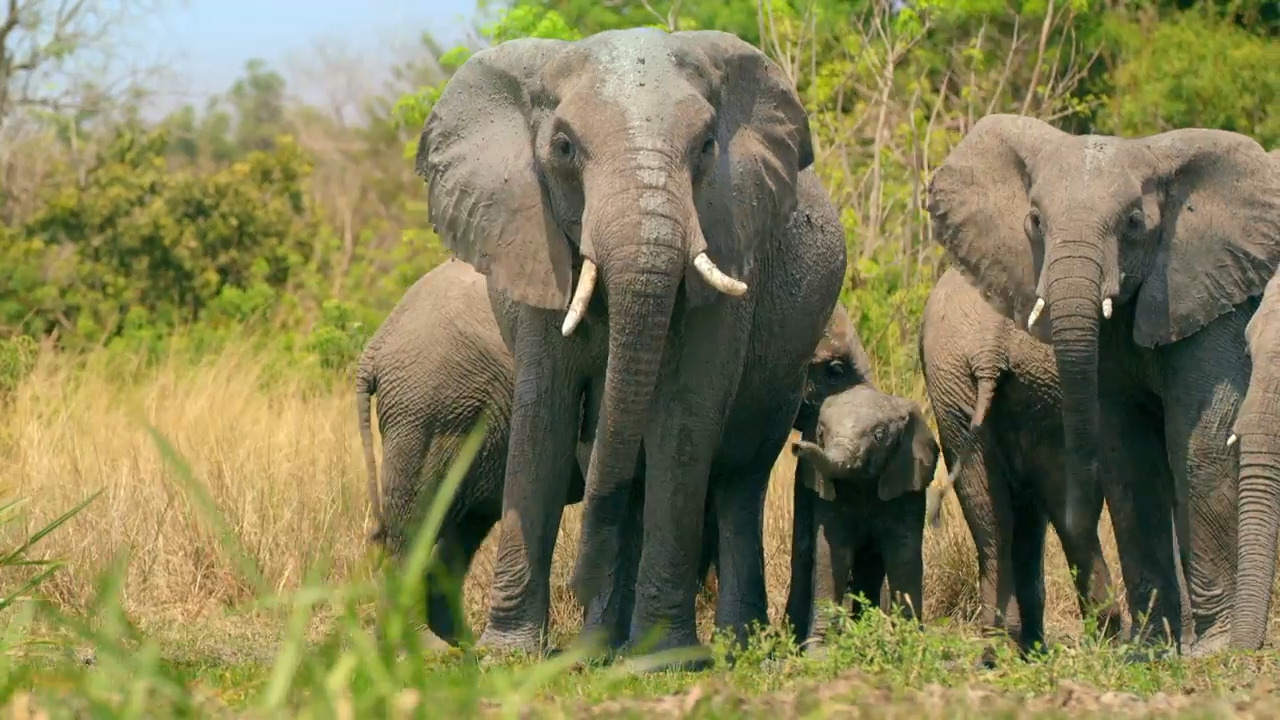
In African Elephant River Crossing, host Andy Day spies a family of African elephants. They’re about to cross a river. Will the elephants, including the baby of the herd, make it through the deep, predator-infested water? This video is excerpted from BBC’s Andy's Aquatic Adventures, in which Andy Day jets all over the world to meet amazing animals living in and nearby water.
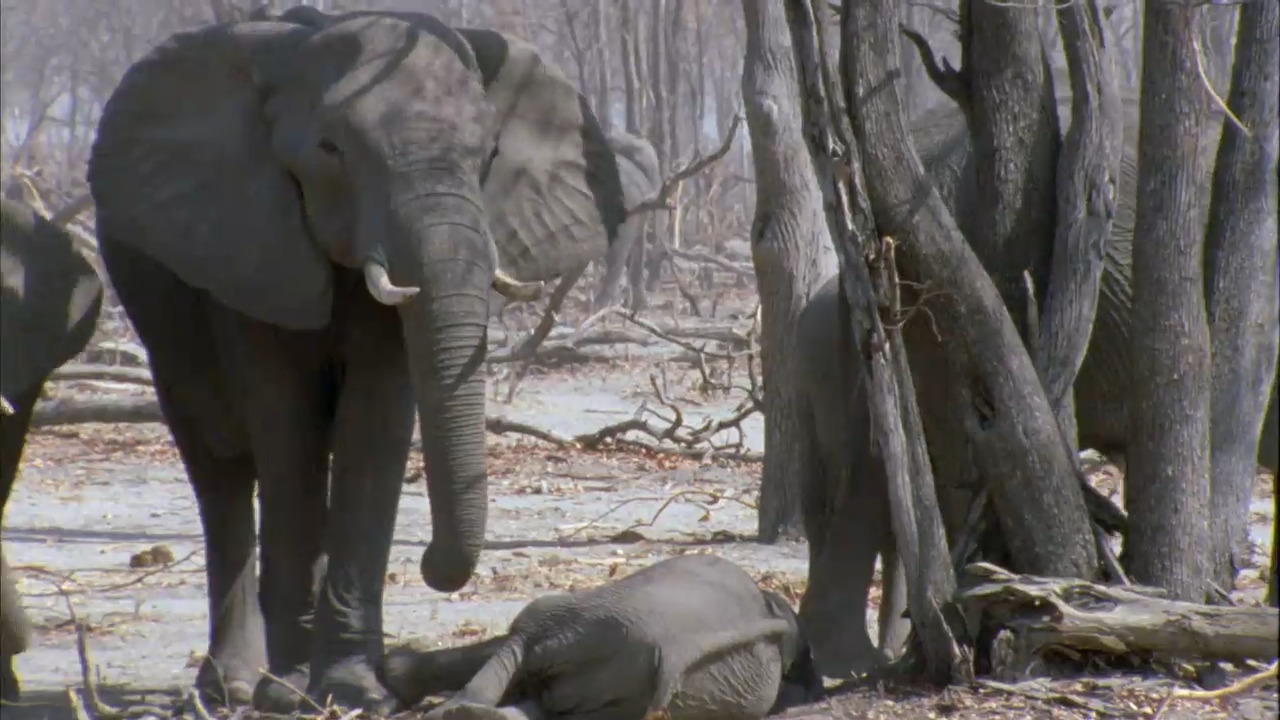
In An Elephant March to Water, narrator Sir David Attenborough follows a herd of tired elephants as they march hundreds of miles to water. If you’ve ever wondered how an elephant plays in deep water, this is your chance to watch the fun! This video is excerpted from BBC's Planet Earth, a breathtaking documentary series that highlights the natural wonders of our planet.
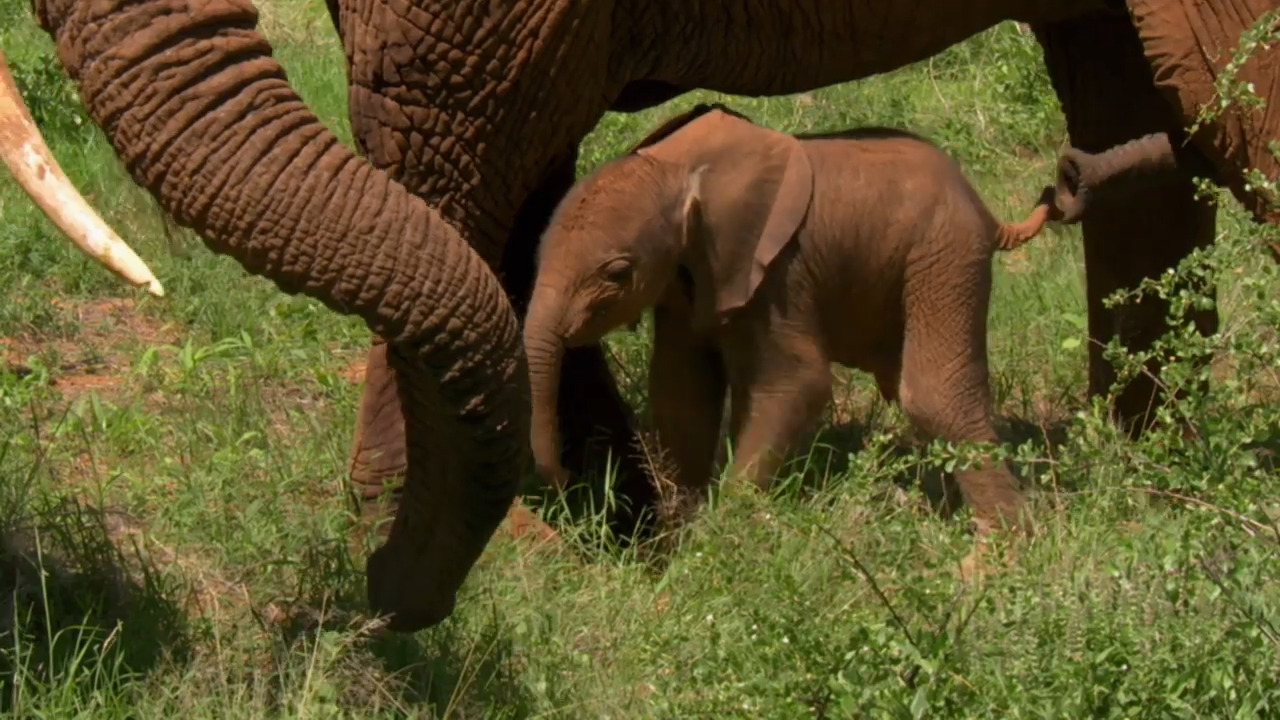
In Elephant Communication, narrator Gordon Buchanan describes how a mother elephant guides her baby back to their herd, using low-frequency communication to call to them. The baby finds protection within the herd and begins to bond with the matriarch. This video is excerpted from BBC's Animal Babies, a heartwarming show that follows the first breaths, first steps, and first feeds of some adorable baby animals, revealing the challenges they face to survive in some of the toughest but most beautiful places on the planet.
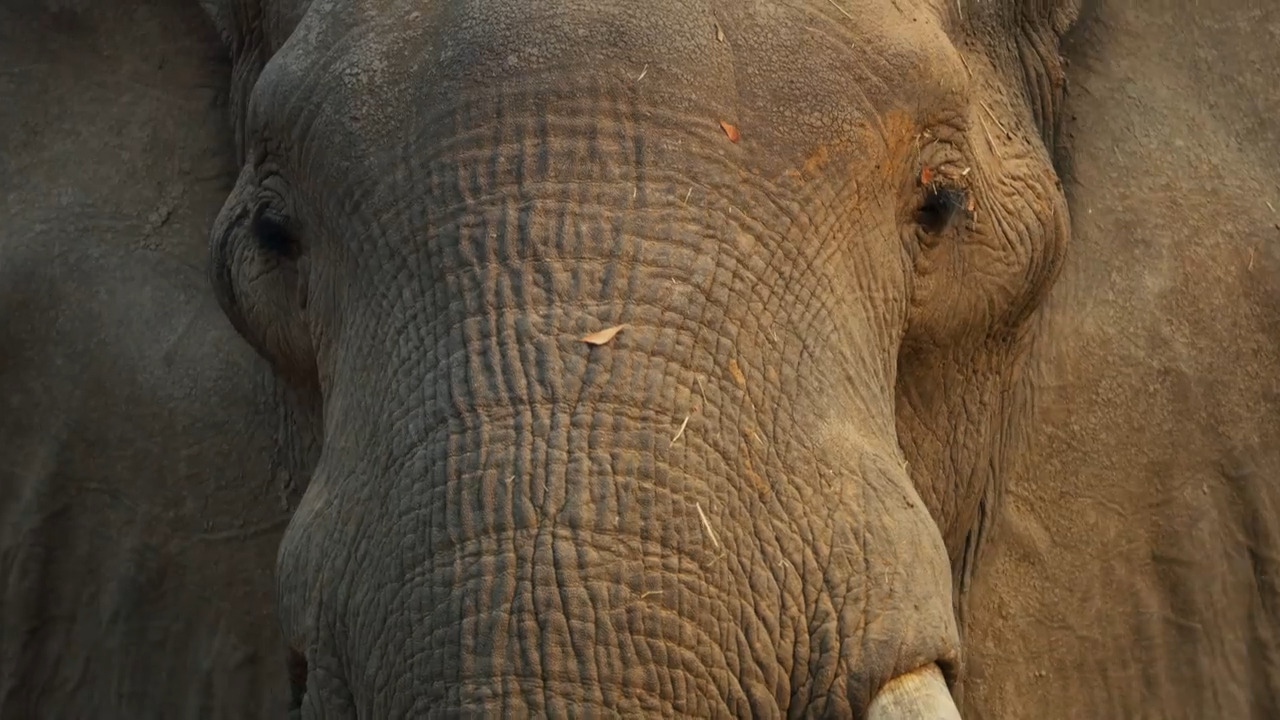
In Elephants Adapt to Climate Change, narrator Sir David Attenborough explains how elephants have adapted to drought in Africa. They have worked out a way of reaching acacia pods from the highest branches. This video is excerpted from BBC’s Seven Worlds, One Planet, a series featuring remarkable animal behavior from all seven continents.
Across seven remarkable BBC videos from Planet Earth, Seven Worlds, One Planet, and Animal Babies, follow elephants through forests, grasslands, and other challenging environments. Watch families journey in search of water, navigate the dense forests of the Congo, communicate with one another, and rely on the experience of their matriarch to help guide the herd.
Discover the powerful family bonds at the heart of elephant society, from the ways adults protect and teach younger elephants to the remarkable methods they use to communicate. See how elephants respond to changing conditions, remember important routes and resources, and work together when their families face challenges.
Elephants don’t just live in their habitats — they can transform them. By moving through landscapes, feeding on vegetation, and dispersing seeds, these enormous animals can shape ecosystems in ways that affect many other species. These BBC elephant videos offer a closer look at the intelligence, adaptability, and extraordinary social lives of one of the world’s most iconic animals.
In The African Elephant Marches Towards Water, narrator Sir David Attenborough investigates how African elephants use their memories to find waterholes. The elephants gather in groups and travel during the night, when temperatures are cooler. This video is excerpted from BBC's Planet Earth, a breathtaking documentary series that highlights the natural wonders of our planet.
Watch ducklings take their first wobbly steps, baby elephants splash and explore, young wildebeests race to keep up with the herd, seal pups snooze on the shore, and playful otters discover the world around them. Behind all that cuteness is some fascinating science: every baby animal has its own way of growing, learning, staying safe, and preparing for life as an adult.
These clips offer a closer look at the earliest stages of animal life, from the care young animals receive from their parents to the instincts and behaviors that help them survive. Along the way, explore how different species are born, how quickly they develop, and the challenges they face as they grow.
Come for the tiny paws, fluffy feathers, wobbly legs, and oversized ears. Stay for the science — and plenty of reasons to say “aww.”
In Elephants in the Congo, narrator Sir David Attenborough follows the elephants in the Congo to a clearing. The elephants roam great distances in their search for food. Learn how they change their environment by creating highways through the Congo and through blowing bubbles in the mud to uncover minerals below the surface. This video is excerpted from BBC's Planet Earth, a breathtaking documentary series that highlights the natural wonders of our planet.
How did a single-celled organism eventually become an elephant? This lesson for ages 11–18 traces the deep evolutionary history of elephants, starting with the earliest forms of life and following the major innovations that made increasingly complex animals possible.
Using BBC video clips from Evolution Episode1: "The Elephant," investigate how specialized cells, organs, gills, lungs, and limbs helped life become more complex and eventually move from water to land. Explore how mammals survived major environmental changes, including the extinction of the dinosaurs, and gained opportunities to spread into new habitats.
Use observations and evidence from the videos to piece together this evolutionary story, practice connecting cause and effect, and revisit predictions. Once you've worked through all the worksheet pages, you'll synthesize what you've learned to explain how billions of years of evolutionary change ultimately led to the modern elephant.
In Elephants Guided by the Matriarch, narrator Gordon Buchanan describes the challenges that African elephants face as they travel over the savannas. Baby elephants have to learn where to go and how to navigate potentially dangerous water crossings as they move from place to place. Since elephants travel great distances, the expertise of the elephant matriarch is critical to their survival. This video is excerpted from BBC's Animal Babies, a heartwarming show that follows the first breaths, first steps and first feeds of some adorable baby animals, revealing the challenges they face to survive in some of the toughest but most beautiful places on the planet.
The elephant’s distant ancestors emerged during a major turning point in animal evolution, when cells began specializing and working together to create more complex bodies. This clip from BBC’s Evolution episode "The Elephant" explores how specialization allowed cells to take on different roles, paving the way for tissues, organs, and an explosion of new body shapes — including the tiny ancient ancestor that would eventually give rise to elephants.
The video then examines another evolutionary breakthrough: the development of gills. As early animals adapted structures originally used for feeding to absorb more oxygen, they gained more energy from food and could grow larger and more complex. This innovation helped fuel the evolution of the diverse body forms found in animals today.
In Tracking Forest Elephants, naturalist Steve Backshall searches for forest elephants in the Loango National Park in Gabon. Together with two guides who are former poachers, they come across a forest elephant in its element. This video is excerpted from BBC's Deadly 60, an award-winning nature and adventure show for kids in which narrator Steve Backshall has one mission: to travel the globe in search of 60 of the world's deadliest animals.
In African Elephant River Crossing, host Andy Day spies a family of African elephants. They’re about to cross a river. Will the elephants, including the baby of the herd, make it through the deep, predator-infested water? This video is excerpted from BBC’s Andy's Aquatic Adventures, in which Andy Day jets all over the world to meet amazing animals living in and nearby water.
In An Elephant March to Water, narrator Sir David Attenborough follows a herd of tired elephants as they march hundreds of miles to water. If you’ve ever wondered how an elephant plays in deep water, this is your chance to watch the fun! This video is excerpted from BBC's Planet Earth, a breathtaking documentary series that highlights the natural wonders of our planet.
In Elephant Communication, narrator Gordon Buchanan describes how a mother elephant guides her baby back to their herd, using low-frequency communication to call to them. The baby finds protection within the herd and begins to bond with the matriarch. This video is excerpted from BBC's Animal Babies, a heartwarming show that follows the first breaths, first steps, and first feeds of some adorable baby animals, revealing the challenges they face to survive in some of the toughest but most beautiful places on the planet.
In Elephants Adapt to Climate Change, narrator Sir David Attenborough explains how elephants have adapted to drought in Africa. They have worked out a way of reaching acacia pods from the highest branches. This video is excerpted from BBC’s Seven Worlds, One Planet, a series featuring remarkable animal behavior from all seven continents.