
The article "The First Rugby Match Between Nations: Scotland vs. England, 1871" from BBC's HistoryExtra explores the events of March 27, 1871, when the very first international rugby game was played in Edinburgh. It covers the background, gameplay, and how the match marked the beginning of one of the sport’s greatest rivalries.
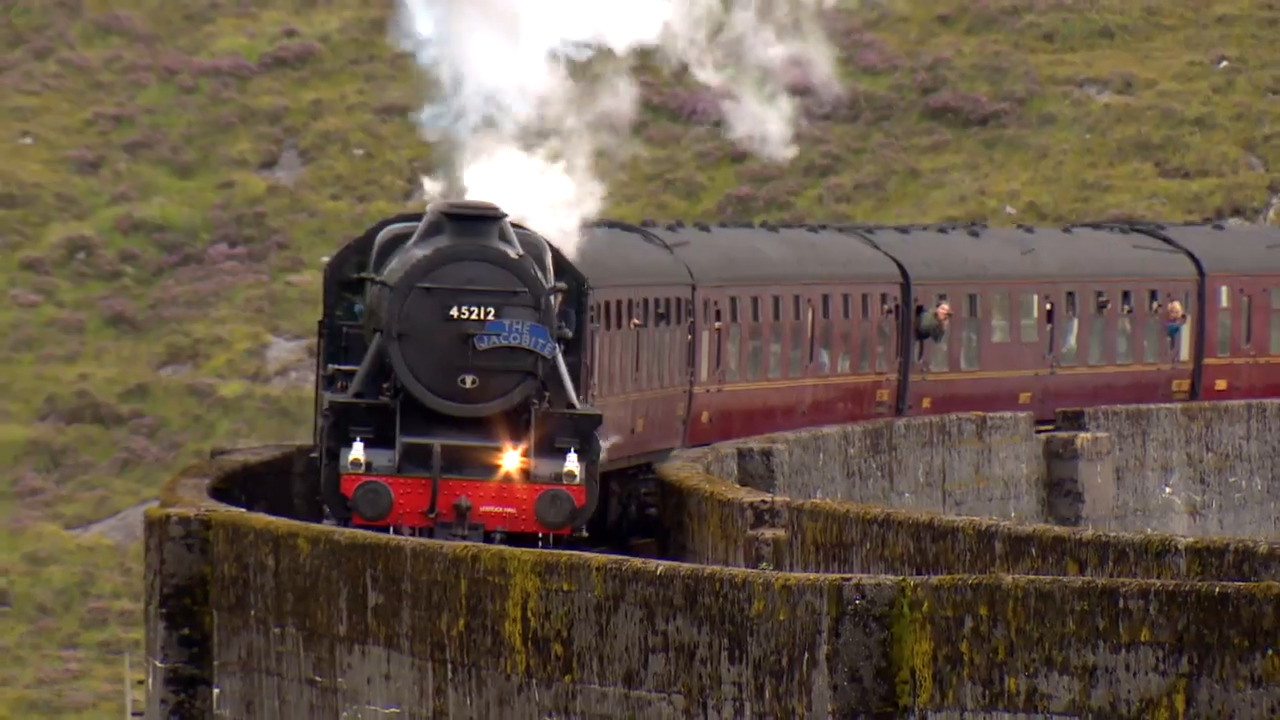
In the hills of Scotland, a real steam train called the Jacobite has become famous around the world because it looks like the Hogwarts Express from Harry Potter. Every day, fans travel to Glenfinnan just to watch it pass and imagine they’re on their way to Hogwarts — no magical brick wall required.
But all that excitement comes with a downside. The huge number of visitors means busy roads, packed parking areas, and lots of traffic in the small nearby village. It can even make walking around more difficult and less safe, since people often have to park far away and walk along roads with cars passing by.
Now the local community is trying to find solutions, including building more parking spaces, to help manage the crowds while still letting fans enjoy the magical experience.
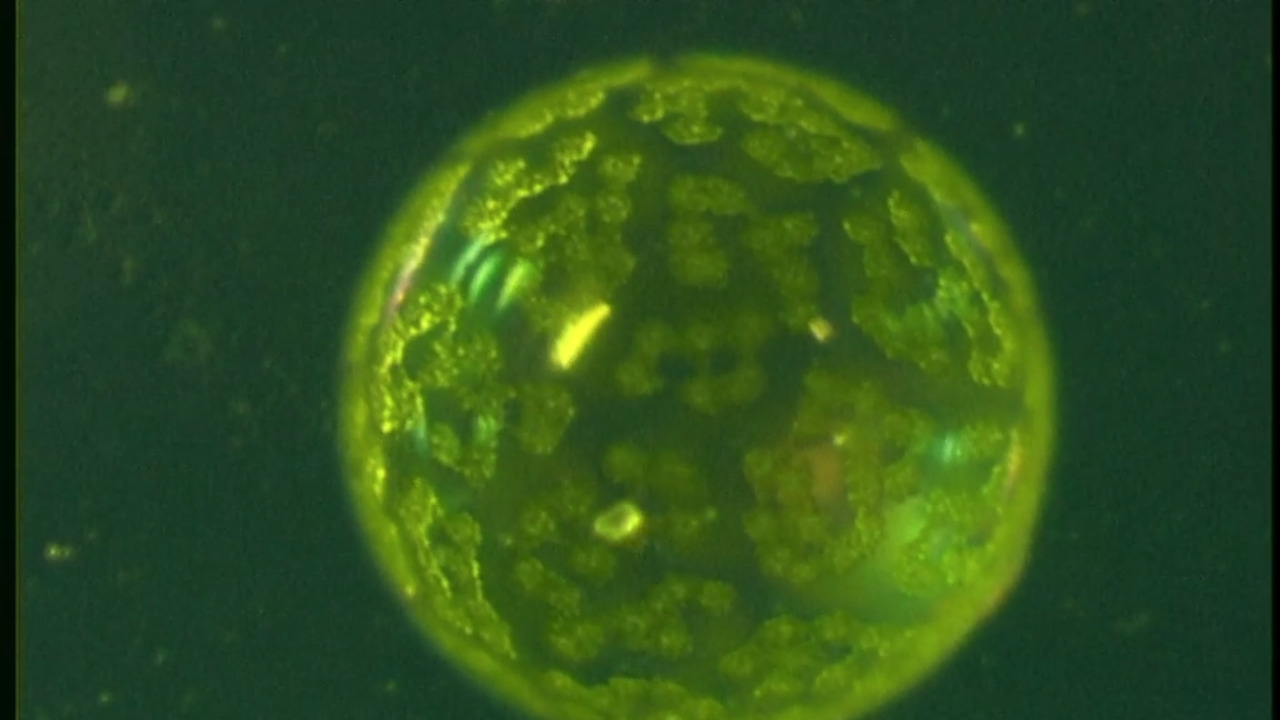
In The Blooming Sea: Animal Life Reacts, narrator Sir David Attenborough describes the scale of the plankton bloom. Learn about how copepods grow and thrive until predators find them. This video is excerpted from BBC’s Blue Planet, a definitive documentary series diving into the mysterious depths of the sea to discover the natural history of the world’s oceans and the rarely seen marine life that reside there.
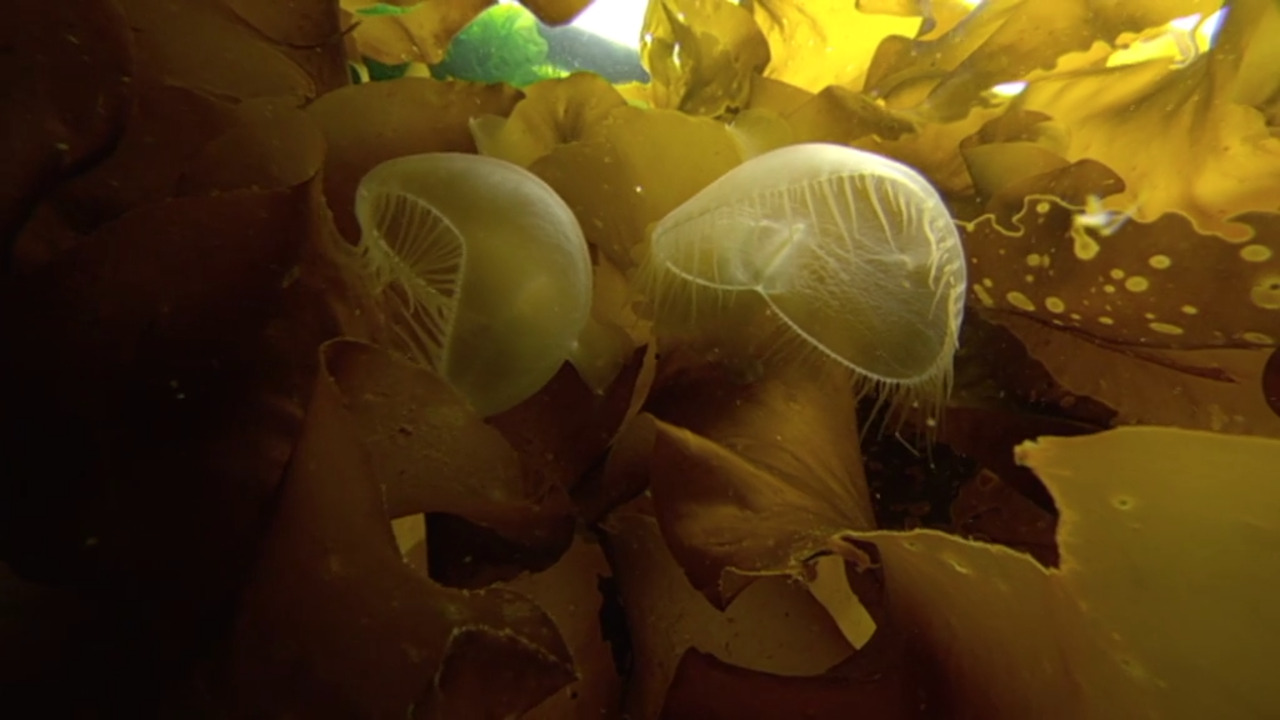
In The Kelp Forest in Late Autumn, narrator Sir David Attenborough describes what happens in a kelp forest in the late fall. Watch the birth of a dogfish shark. Watch a hooded sea slug find food. Watch what happens to kelp as the temperature drops. This video is excerpted from BBC’s Blue Planet, a definitive documentary series diving into the mysterious depths of the sea to discover the natural history
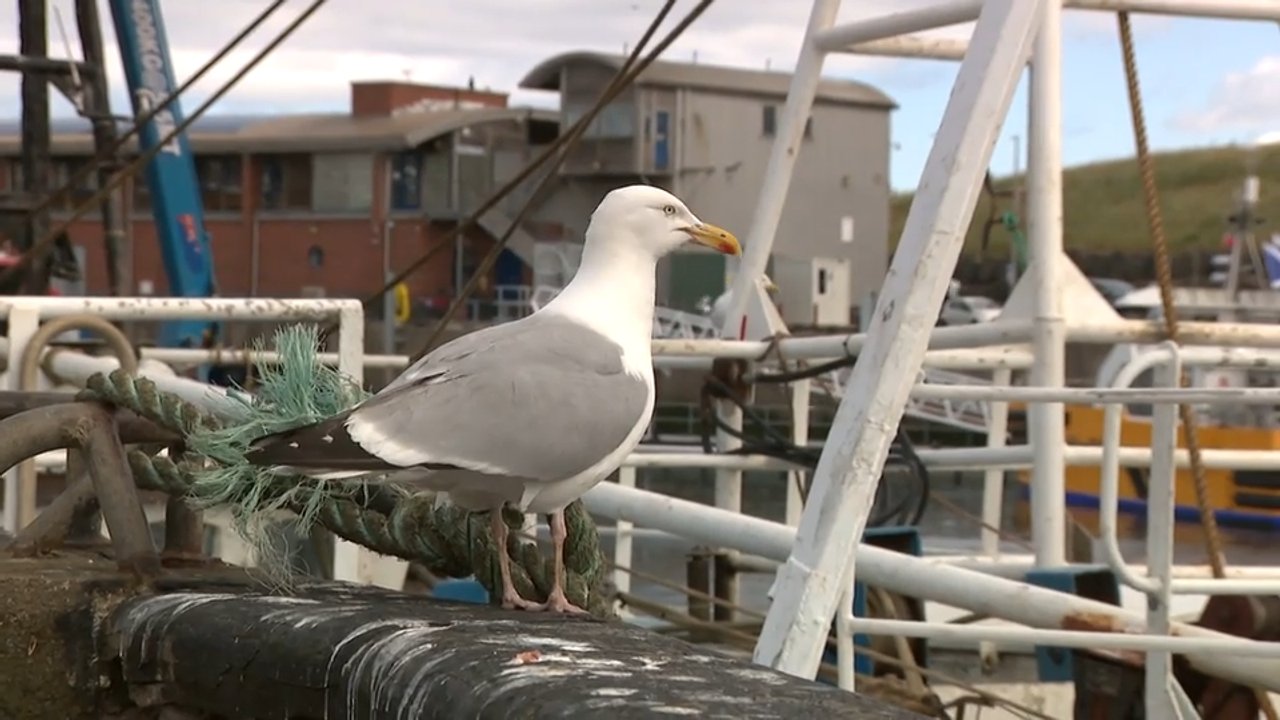
Noisy, messy, and always after your snacks: that's how a lot of people think of seagulls. But Patrick Safford, Scotland's first "gull ranger," says the birds are misunderstood.
Patrick works in Eyemouth, a seaside town in Scotland, which is part of the United Kingdom. His job is to teach residents and visitors how to live alongside gulls. He admits some gulls can be a problem, swooping at people and grabbing food. But he says those birds are a small minority. He estimates only about one in four gulls is bold enough to steal food.
Gulls also need protecting. Some species are now red-listed in the UK, meaning they're among the birds of greatest conservation concern because their numbers are falling fast. Much of that decline is caused by humans.
Patrick's advice for avoiding trouble with gulls is simple: don't feed them, keep food covered, throw trash away properly, and use gull-proof bins. Local leaders have also proposed a bylaw, a rule made by a town or local council, that would make feeding gulls illegal.
Officials in other places are watching to see whether changing how people behave can reduce problems with gulls. If it works, more towns could hire gull rangers of their own.
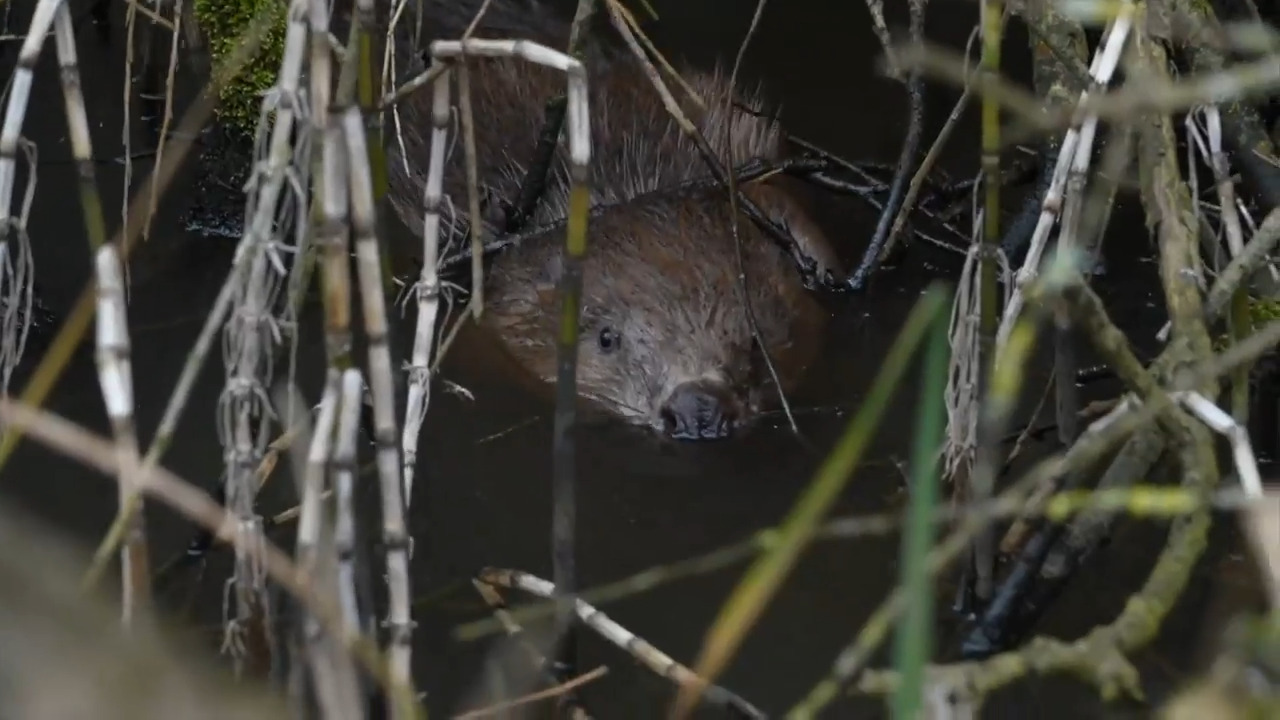
Ever think you would celebrate the return of a dog-sized rodent?! You might, if those rodents were the beavers making their way to the wetlands in Shropshire. Until recently, the area had spent its last 400 years beaver-less, after hunters depleted the beaver population for fur, meat, and scent glands.
Now, the county is excited to welcome a pair of beavers that was transported all the way from Scotland — that’s 300 miles! But why go through all of this trouble just to bring beavers back? Beavers’ list of strengths include helping to control water, creating new habitats for other creatures, managing willow tree scrub that’s drying out the surroundings, and being pretty darn cute.
The article "The First Rugby Match Between Nations: Scotland vs. England, 1871" from BBC's HistoryExtra explores the events of March 27, 1871, when the very first international rugby game was played in Edinburgh. It covers the background, gameplay, and how the match marked the beginning of one of the sport’s greatest rivalries.
In the hills of Scotland, a real steam train called the Jacobite has become famous around the world because it looks like the Hogwarts Express from Harry Potter. Every day, fans travel to Glenfinnan just to watch it pass and imagine they’re on their way to Hogwarts — no magical brick wall required.
But all that excitement comes with a downside. The huge number of visitors means busy roads, packed parking areas, and lots of traffic in the small nearby village. It can even make walking around more difficult and less safe, since people often have to park far away and walk along roads with cars passing by.
Now the local community is trying to find solutions, including building more parking spaces, to help manage the crowds while still letting fans enjoy the magical experience.
In The Blooming Sea: Animal Life Reacts, narrator Sir David Attenborough describes the scale of the plankton bloom. Learn about how copepods grow and thrive until predators find them. This video is excerpted from BBC’s Blue Planet, a definitive documentary series diving into the mysterious depths of the sea to discover the natural history of the world’s oceans and the rarely seen marine life that reside there.
In The Kelp Forest in Late Autumn, narrator Sir David Attenborough describes what happens in a kelp forest in the late fall. Watch the birth of a dogfish shark. Watch a hooded sea slug find food. Watch what happens to kelp as the temperature drops. This video is excerpted from BBC’s Blue Planet, a definitive documentary series diving into the mysterious depths of the sea to discover the natural history
Noisy, messy, and always after your snacks: that's how a lot of people think of seagulls. But Patrick Safford, Scotland's first "gull ranger," says the birds are misunderstood.
Patrick works in Eyemouth, a seaside town in Scotland, which is part of the United Kingdom. His job is to teach residents and visitors how to live alongside gulls. He admits some gulls can be a problem, swooping at people and grabbing food. But he says those birds are a small minority. He estimates only about one in four gulls is bold enough to steal food.
Gulls also need protecting. Some species are now red-listed in the UK, meaning they're among the birds of greatest conservation concern because their numbers are falling fast. Much of that decline is caused by humans.
Patrick's advice for avoiding trouble with gulls is simple: don't feed them, keep food covered, throw trash away properly, and use gull-proof bins. Local leaders have also proposed a bylaw, a rule made by a town or local council, that would make feeding gulls illegal.
Officials in other places are watching to see whether changing how people behave can reduce problems with gulls. If it works, more towns could hire gull rangers of their own.
Ever think you would celebrate the return of a dog-sized rodent?! You might, if those rodents were the beavers making their way to the wetlands in Shropshire. Until recently, the area had spent its last 400 years beaver-less, after hunters depleted the beaver population for fur, meat, and scent glands.
Now, the county is excited to welcome a pair of beavers that was transported all the way from Scotland — that’s 300 miles! But why go through all of this trouble just to bring beavers back? Beavers’ list of strengths include helping to control water, creating new habitats for other creatures, managing willow tree scrub that’s drying out the surroundings, and being pretty darn cute.