
The article "How Lincoln's 1860 Election Sparked the Civil War" from BBC's HistoryExtra explores how Abraham Lincoln’s election as U.S. president in 1860 changed the course of American history. It explains the growing conflict over slavery, the breakdown of political parties, and how Lincoln's victory led to the secession of Southern states and the start of the Civil War.
In the 1820s, disagreements over slavery, regional interests, and political power deepened divisions in the United States. The Missouri Compromise of 1820 attempted to maintain the balance between free and slave states by admitting Missouri as a slave state and Maine as a free state, while restricting slavery in parts of the Louisiana Purchase. These debates revealed growing tensions between Northern and Southern leaders over the future of slavery.
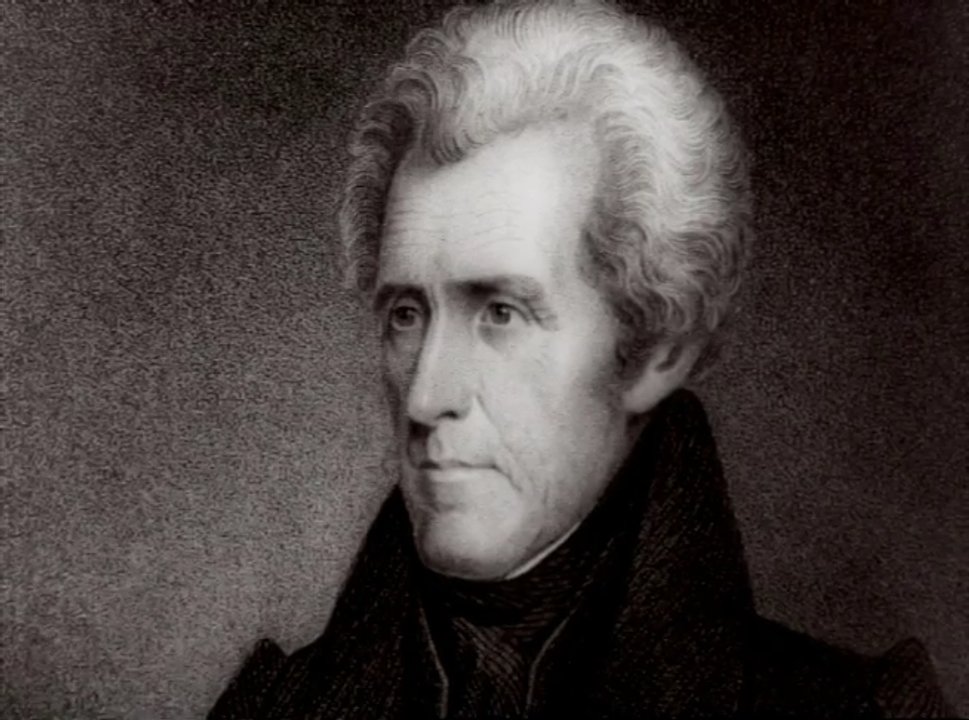
The presidential election of 1824 further divided the nation when the House of Representatives selected John Quincy Adams despite Andrew Jackson winning the most popular and electoral votes, though not an electoral majority. Jackson’s supporters accused Adams and Henry Clay of making a “corrupt bargain.” The dispute helped create a new party system, with Jackson’s Democrats opposing Adams’s National Republicans. Jackson’s victory in 1828 ushered in the era known as the Age of Jackson, marked by expanded political participation for many white men and continued conflict over the nation’s direction.
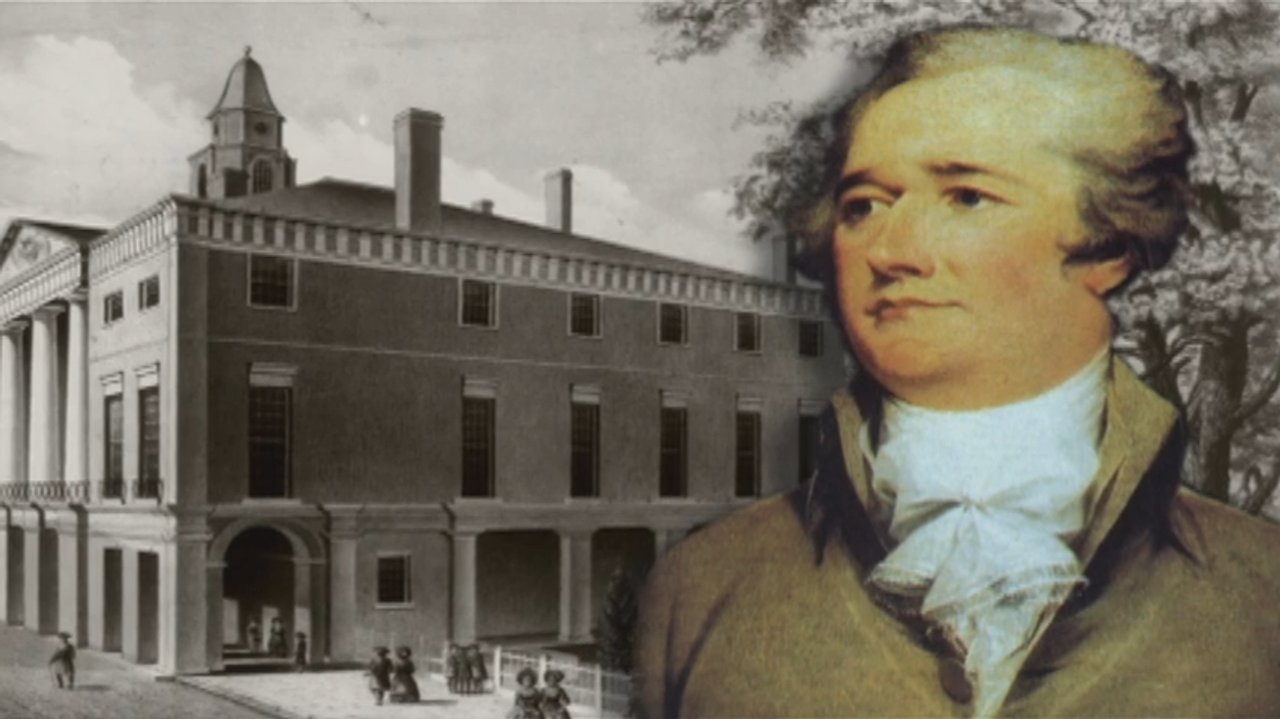
During George Washington’s presidency, disagreements over the nation’s future led to the formation of two political factions: the Federalists, led by Alexander Hamilton, and the Republicans, led by Thomas Jefferson. Federalists supported a strong central government and the growth of manufacturing and trade, while Republicans favored greater power for ordinary citizens and an economy centered on farming.
Despite their differences, the two groups reached compromises on major issues, including the federal government’s assumption of state debts and the location of the national capital. These early debates helped establish the nation’s first political parties and shaped the development of American government.
The article "How Lincoln's 1860 Election Sparked the Civil War" from BBC's HistoryExtra explores how Abraham Lincoln’s election as U.S. president in 1860 changed the course of American history. It explains the growing conflict over slavery, the breakdown of political parties, and how Lincoln's victory led to the secession of Southern states and the start of the Civil War.
In the 1820s, disagreements over slavery, regional interests, and political power deepened divisions in the United States. The Missouri Compromise of 1820 attempted to maintain the balance between free and slave states by admitting Missouri as a slave state and Maine as a free state, while restricting slavery in parts of the Louisiana Purchase. These debates revealed growing tensions between Northern and Southern leaders over the future of slavery.
The presidential election of 1824 further divided the nation when the House of Representatives selected John Quincy Adams despite Andrew Jackson winning the most popular and electoral votes, though not an electoral majority. Jackson’s supporters accused Adams and Henry Clay of making a “corrupt bargain.” The dispute helped create a new party system, with Jackson’s Democrats opposing Adams’s National Republicans. Jackson’s victory in 1828 ushered in the era known as the Age of Jackson, marked by expanded political participation for many white men and continued conflict over the nation’s direction.
During George Washington’s presidency, disagreements over the nation’s future led to the formation of two political factions: the Federalists, led by Alexander Hamilton, and the Republicans, led by Thomas Jefferson. Federalists supported a strong central government and the growth of manufacturing and trade, while Republicans favored greater power for ordinary citizens and an economy centered on farming.
Despite their differences, the two groups reached compromises on major issues, including the federal government’s assumption of state debts and the location of the national capital. These early debates helped establish the nation’s first political parties and shaped the development of American government.