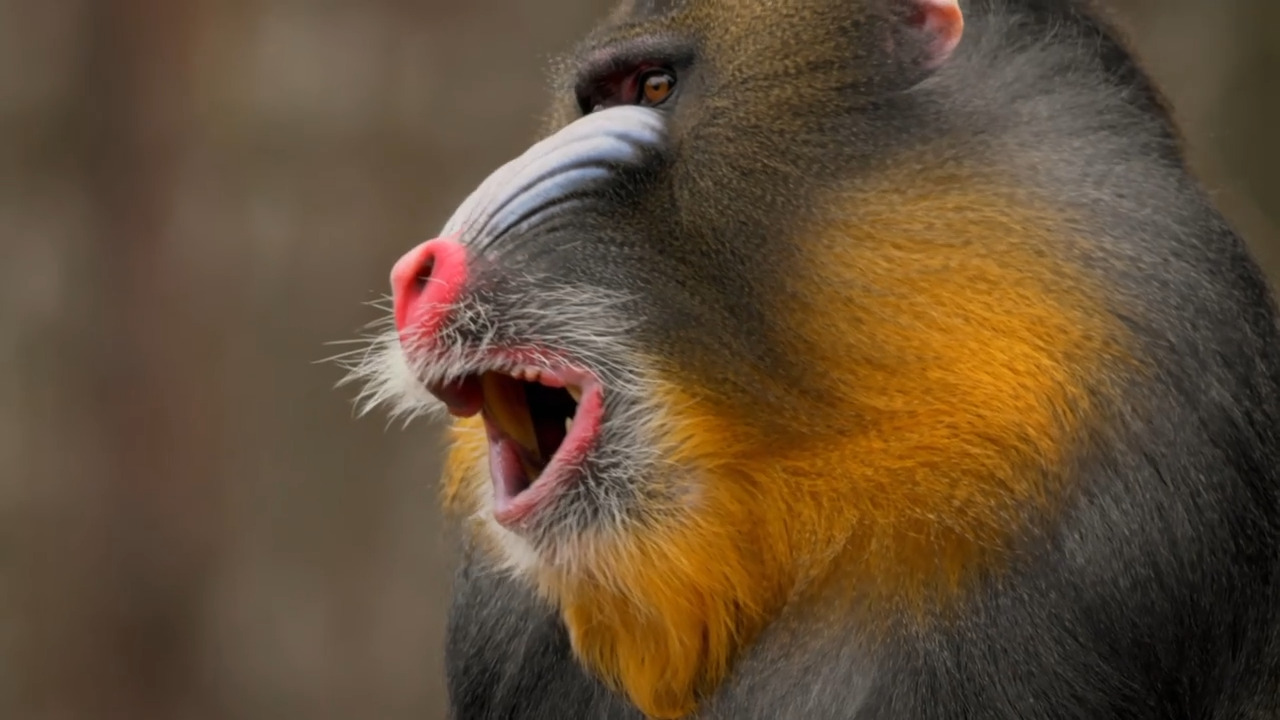
In The Mandrill and Its Bright Red Nose, evolutionary biologist Ben Garrod learns all about the mandrill, focusing on the bright red nose of the species. Find out how this nose helps the mandrill communicate and why it is so important for survival. This video is excerpted from Secrets of Skin, a documentary series exploring the natural history of the body’s largest organ.

The article "The Science of Smell: How Our Nose Understands Odors" from BBC's Science Focus is all about the fascinating world of smell. It explains how odor molecules trigger signals in our brain, why certain scents appeal to us or disgust us, and how losing our sense of smell can affect our daily lives.

Meet 46-year-old horse Roana, and her owner, Cerys. Cerys and her horse grew up together and Cerys considers Roana family. She credits Roana with helping her get well after she was diagnosed with Crohn’s disease. This video is excerpted from BBC News.
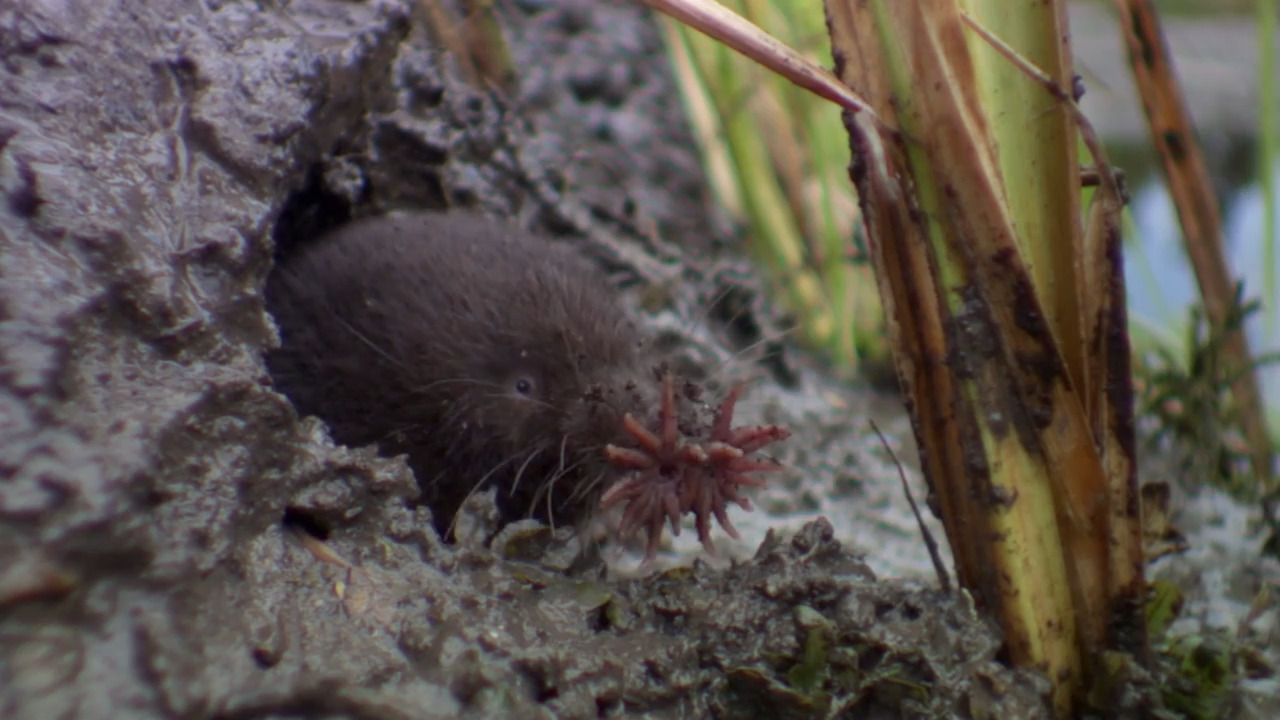
In Meet the Star-Nosed Mole, narrator Sir David Attenborough discovers the star-nosed mole, a creature with the most unique nose on Earth! Its nose has 22 tiny finger-like appendages that help the mole feel and detect food incredibly fast. Not only does this mole live and dig underground, but it can also swim — making it one of the fastest hunters both on land and in water! This video is excerpted from BBC's Life, a show that explores the remarkable strategies animals and plants use to ensure their survival.

The article "Leif Erikson: The Viking Who Sailed to America" from BBC's HistoryExtra explores the Norse explorer’s journey across the Atlantic nearly 500 years before Columbus.
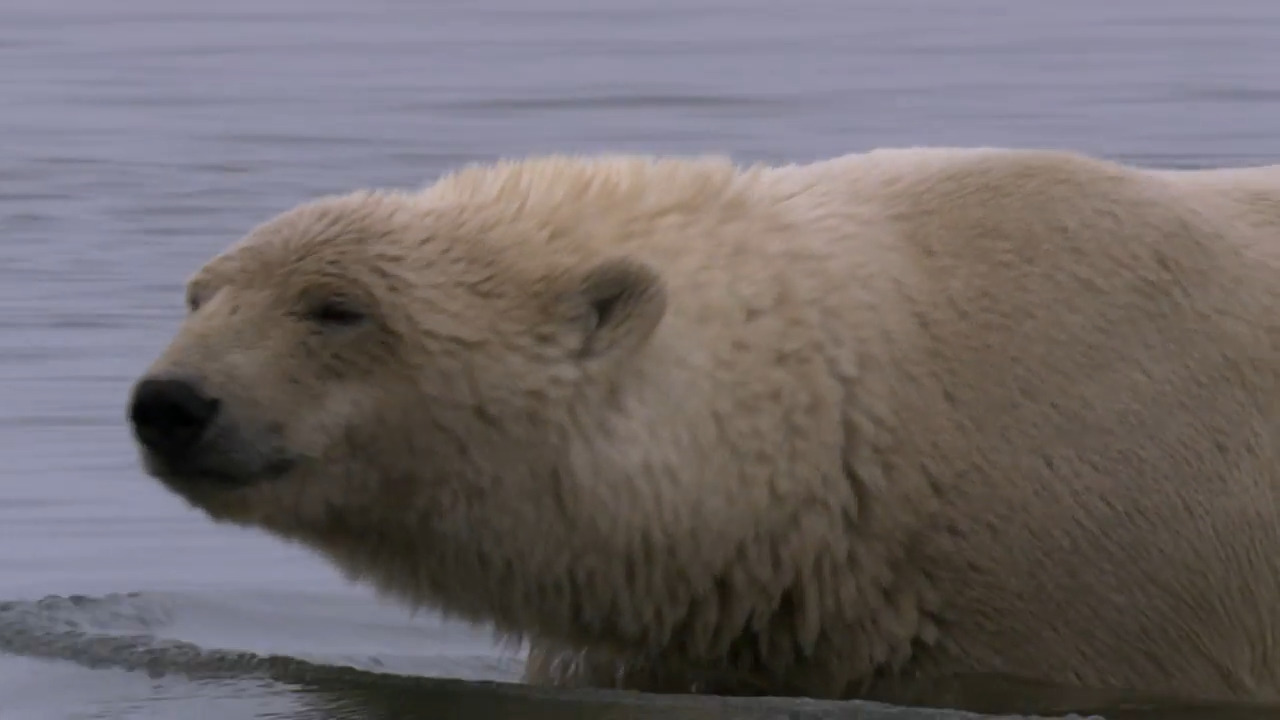
In A Polar Bear Family’s Struggle, narrator Sir David Attenborough describes how a mother polar bear protects and cares for her cubs on a journey through the icy sea and onto dry land. Food is scarce, but with her supersensitive nose, she picks up the scent of a bowhead whale carcass, a rare find with enough meat to feed many bears. While the cubs eat their meal, danger looms as male polar bears and other hungry bears gather at the site. This video is excerpted from BBC's Life, a show that explores the remarkable strategies animals and plants use to ensure their survival.
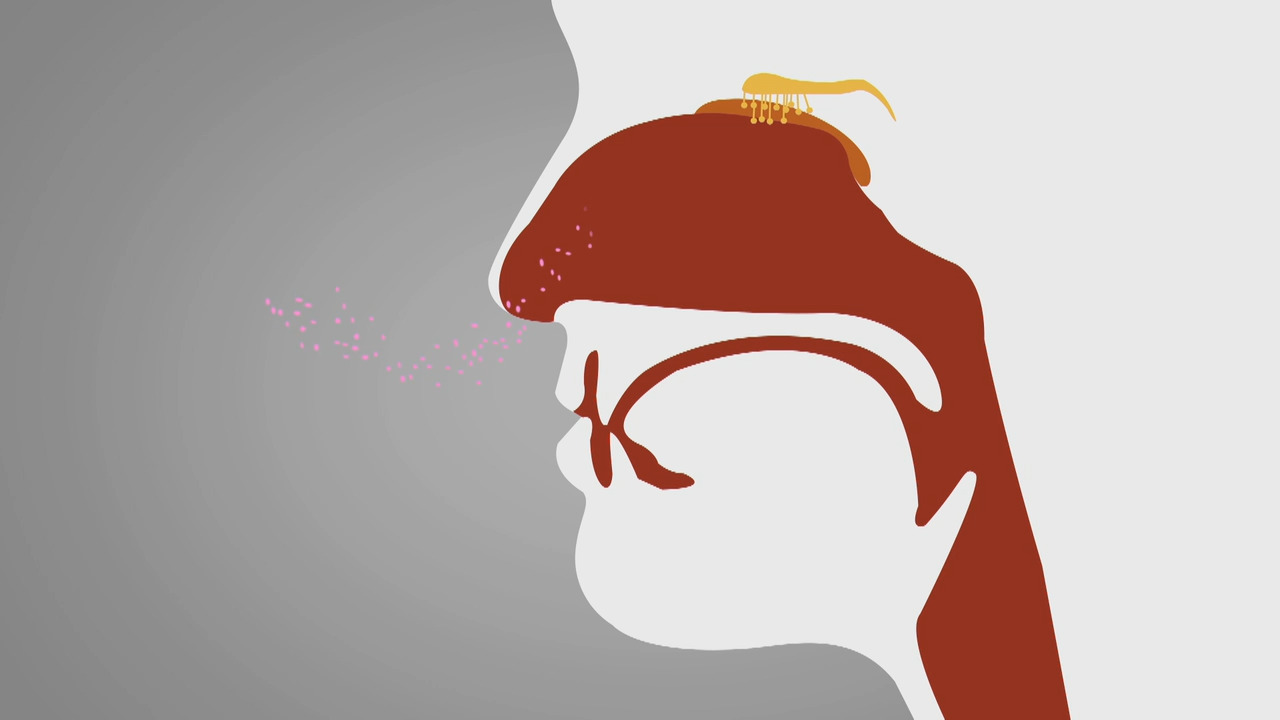
In Smell Receptors, the Hidden Defenders of Your Body, host Harith Iskander explains how our bodies have smell receptors not just in the nose but in surprising places like the kidneys and airways. These receptors help defend us against harmful substances and even assist with healing, especially in the lungs. This video is excerpted from BBC’s Got Science?, a science magazine series that explores and explains science in everyday life.
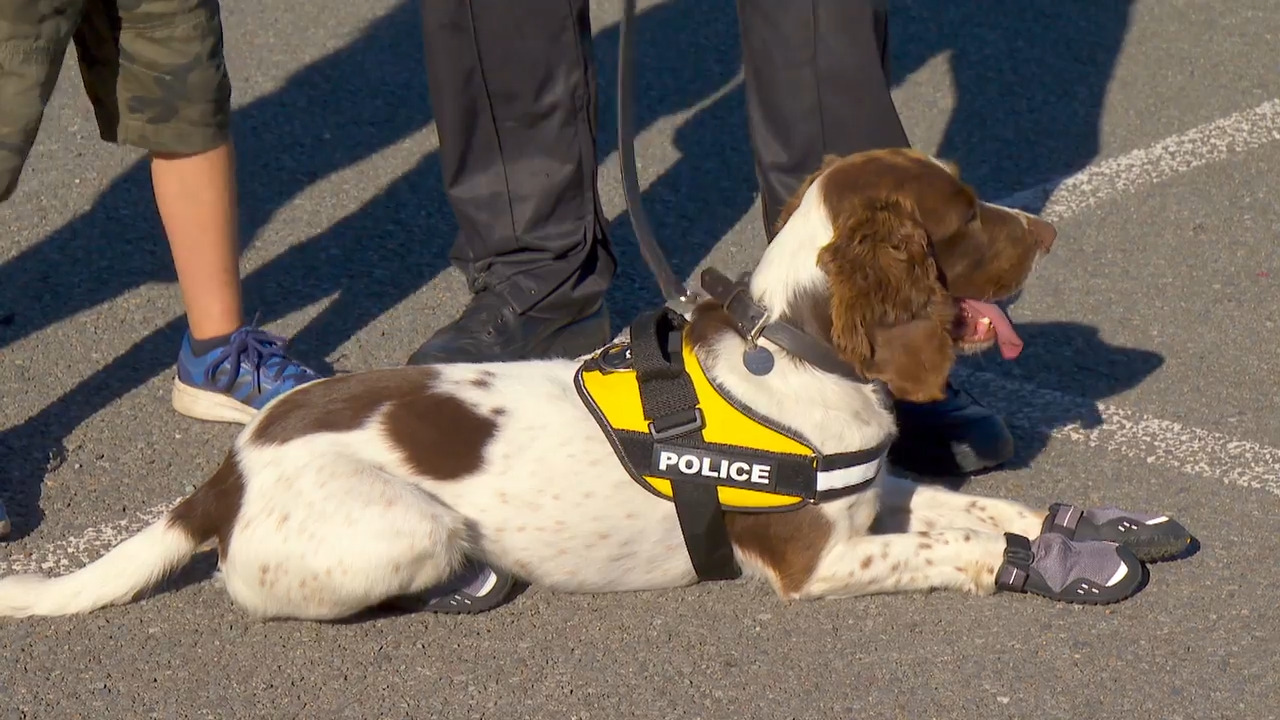
In The Secrets of a Police Dog’s Training, host Ferne Corrigan meets Scooby, the amazing springer spaniel police dog with a nose that's better than any human! Scooby wears a special harness and booties to help keep him safe while working, and to show everyone that he's on the job. Ferne Corrigan gets to watch Scooby at police dog school, where he uses his sniffing skills to find a suitcase with a secret scent hidden inside. This video is excerpted from BBC’s My Pet and Me, a children’s show that introduces kids to the rewards and responsibilities involved when having a pet.
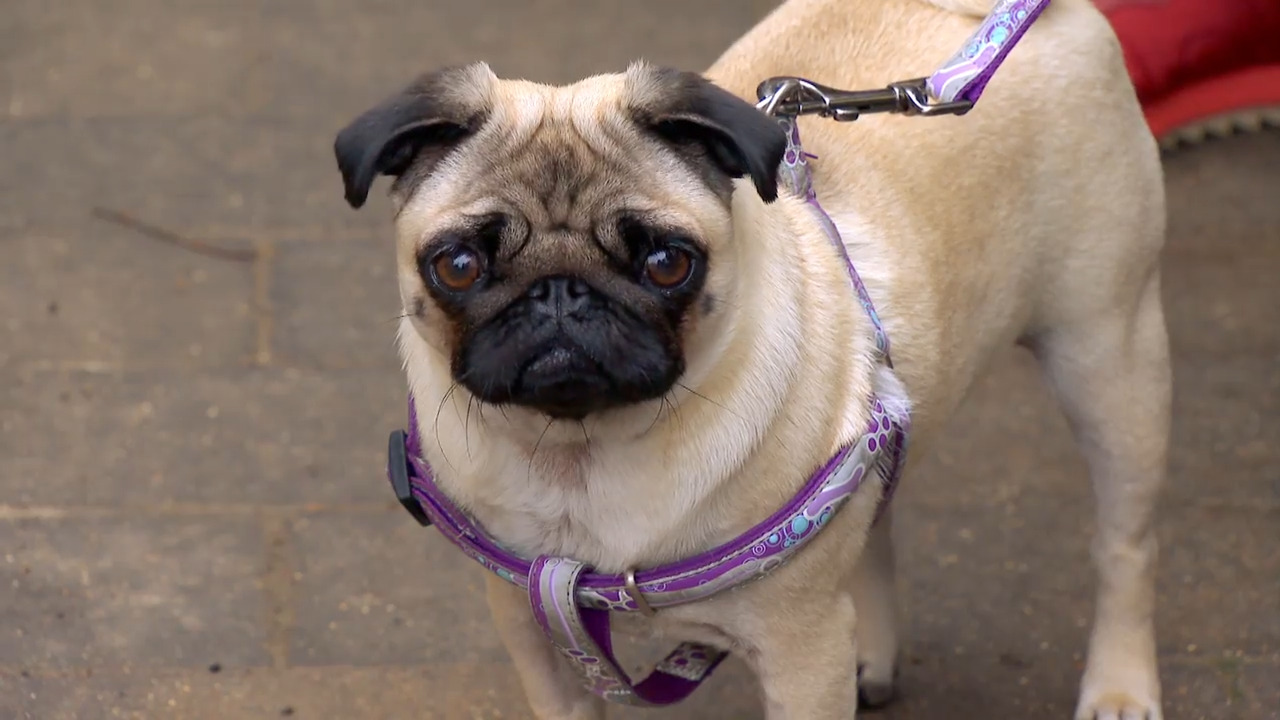
In Caring for Ginger the Pug, host Rory Crawford meets Ginger the pug. Pugs are lively little dogs with clever minds and snuggly personalities, and they come in all sorts of colors — though their noses and mouths are always black! Learn how to care for Ginger, from feeding her the right amount of food to keeping her hydrated with fresh water every day. This video is excerpted from BBC’s My Pet and Me, a children’s show that introduces kids to the rewards and responsibilities involved when having a pet.

It’s officially the “Beijing International Automotive Exhibition,” but its friends call it “Auto China,” and it’s now the largest car show in the world. Nearly 1000 companies flock to the exhibits taking up more than 380,000 square meters, or over 50 football fields! Or 1,246,719 feet and 50 soccer fields, if you’re from America! Or 9,329,989 beep-boop-zoinks and 50 astro-space-ball fields if you’re a Martian from outer space! Any way you spin it, this car show is a big deal, and there were two standout trends.
The first was electric vehicles. There’s always been an issue with charging, as makers have tried to maximize how far cars can travel on single charge while minimizing how long that charge takes. Now, a company called BYD claims to have an ultra-fast charging system that can provide 400 km of range with only 5 minutes of charging. What’s more, it’s designed to operate under extreme weather conditions. Since batteries are usually sensitive to high or low temperatures, addressing this is a major step in making electric vehicles as reliable as gas cars.
The other big topic was also fully autonomous, or self-driving cars. The company Geely developed a self-driving car built specifically for ride-hailing, so there’s no steering wheel or driver’s seat. That means you can pick your nose without fear of the driver judging you! Xpeng’s driverless car uses a combination of lasers, radar, and cameras to build a real time picture of the road, but we hope it works just as well in the clouds, because they may be extending this technology into flying cars as early as next year. It’s a bird! It’s a plane! No, it’s just my Uber! That’s one way to beat traffic.
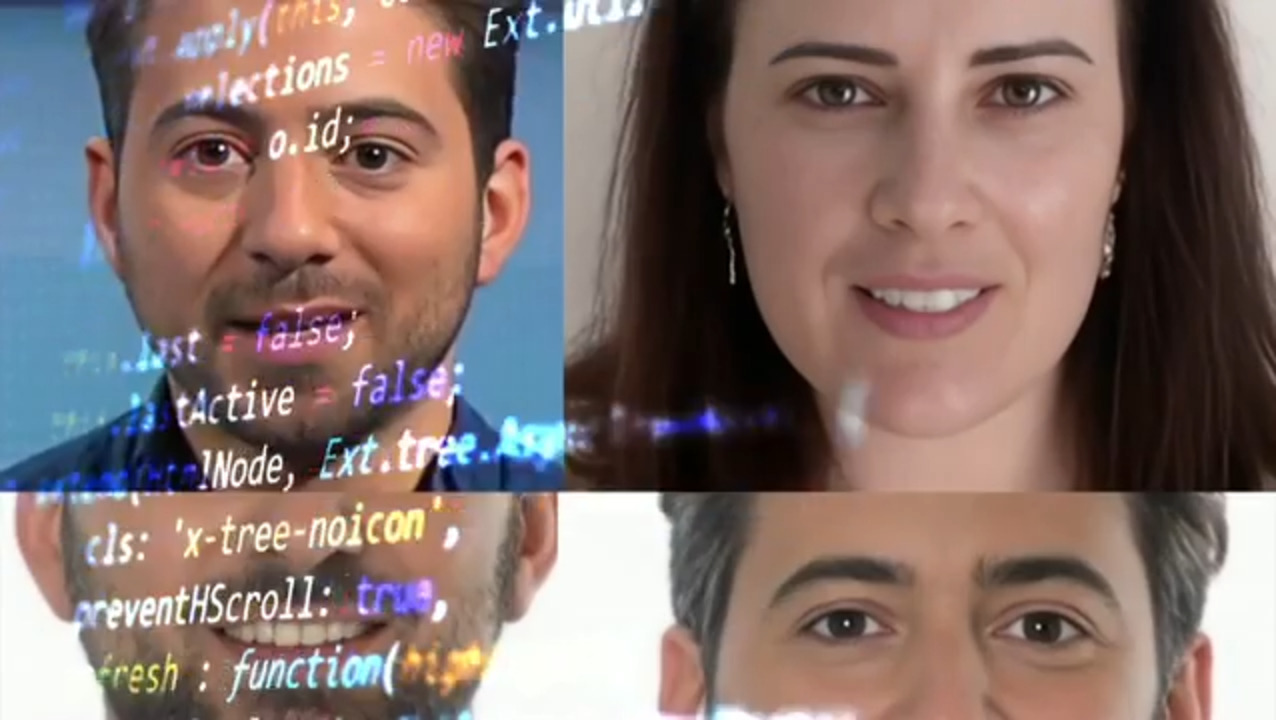
If you’re ever scrolling online and find that you can’t believe your eyes, you might just want to trust your instinct. Deepfakes are AI-generated or AI-manipulated content (such as pictures, videos, or audio clips) that is designed to look or sound real. Nowadays, making them is a lot easier than it used to be, thanks to access to free, public tools online.
To make a deepfake of someone speaking, the AI only needs a picture and about 10 seconds of audio recording. The AI identifies facial landmarks (such as the eyes, nose, and mouth), predicts how those features would move while speaking, then synchronizes those movements with the generated audio to create a pretty realistic-looking video.
The results aren’t perfect. There are often repetitive face movements and mispronunciations, but they’re still close enough to be dangerous and spread misinformation. But, deepfakes can be great if used correctly! For instance, if someone has lost their voice, deepfake technology can recreate it.
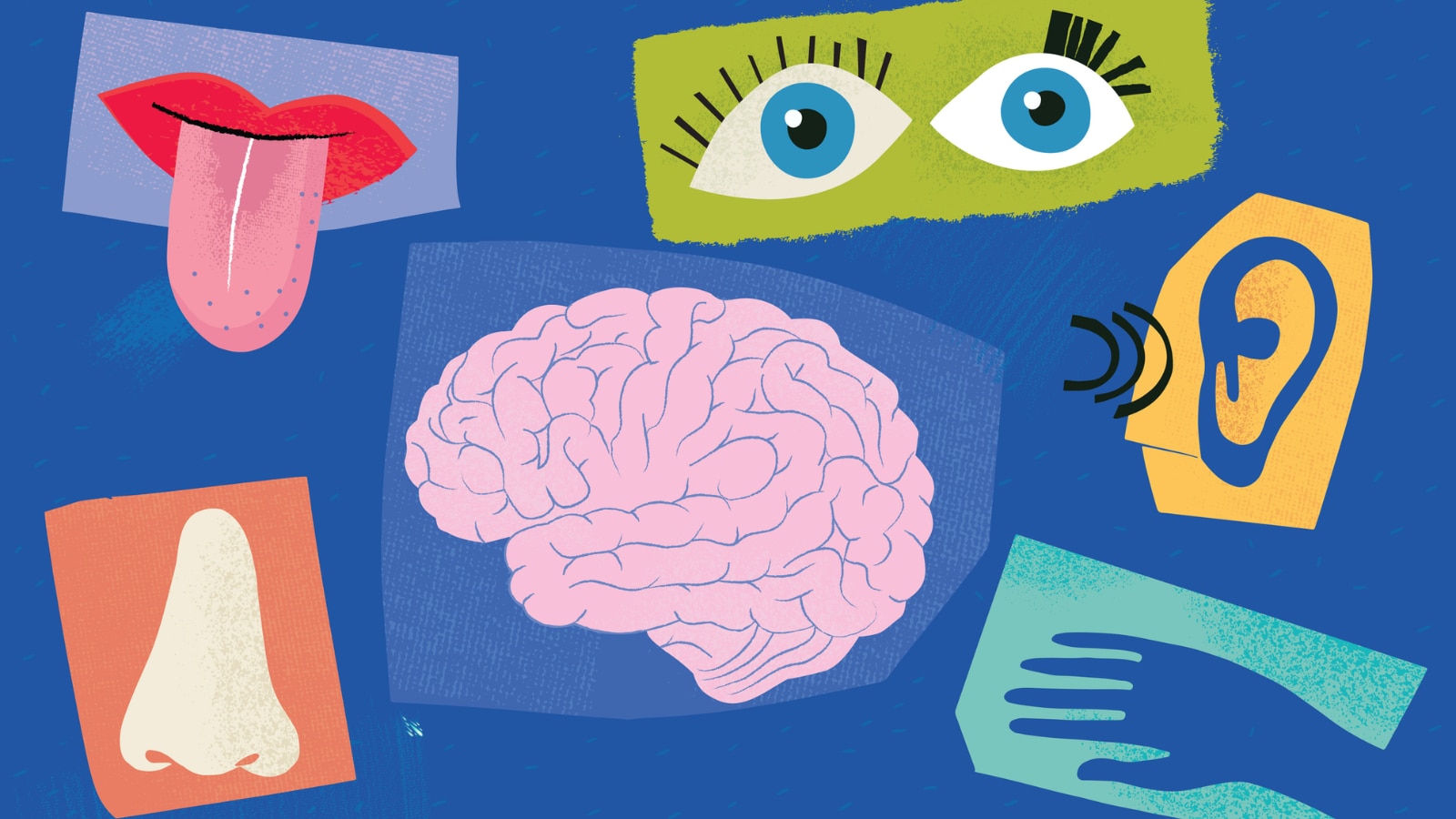
Explore the five senses like never before! Dive into 10 fascinating BBC videos from shows like Got Science? and Secrets of Skin that uncover the amazing science behind how we see, hear, smell, taste, and touch. Students will discover why food tastes different on an airplane, how smell involves more than just the nose, why our eyes make emotional tears, how sound can change flavor, and how fingertips and smell receptors send powerful signals to the brain. It’s a fun, surprising look at the hidden connections between the brain and our everyday experiences.
In The Mandrill and Its Bright Red Nose, evolutionary biologist Ben Garrod learns all about the mandrill, focusing on the bright red nose of the species. Find out how this nose helps the mandrill communicate and why it is so important for survival. This video is excerpted from Secrets of Skin, a documentary series exploring the natural history of the body’s largest organ.
The article "The Science of Smell: How Our Nose Understands Odors" from BBC's Science Focus is all about the fascinating world of smell. It explains how odor molecules trigger signals in our brain, why certain scents appeal to us or disgust us, and how losing our sense of smell can affect our daily lives.
Meet 46-year-old horse Roana, and her owner, Cerys. Cerys and her horse grew up together and Cerys considers Roana family. She credits Roana with helping her get well after she was diagnosed with Crohn’s disease. This video is excerpted from BBC News.
In Meet the Star-Nosed Mole, narrator Sir David Attenborough discovers the star-nosed mole, a creature with the most unique nose on Earth! Its nose has 22 tiny finger-like appendages that help the mole feel and detect food incredibly fast. Not only does this mole live and dig underground, but it can also swim — making it one of the fastest hunters both on land and in water! This video is excerpted from BBC's Life, a show that explores the remarkable strategies animals and plants use to ensure their survival.
The article "Leif Erikson: The Viking Who Sailed to America" from BBC's HistoryExtra explores the Norse explorer’s journey across the Atlantic nearly 500 years before Columbus.
In A Polar Bear Family’s Struggle, narrator Sir David Attenborough describes how a mother polar bear protects and cares for her cubs on a journey through the icy sea and onto dry land. Food is scarce, but with her supersensitive nose, she picks up the scent of a bowhead whale carcass, a rare find with enough meat to feed many bears. While the cubs eat their meal, danger looms as male polar bears and other hungry bears gather at the site. This video is excerpted from BBC's Life, a show that explores the remarkable strategies animals and plants use to ensure their survival.
In Smell Receptors, the Hidden Defenders of Your Body, host Harith Iskander explains how our bodies have smell receptors not just in the nose but in surprising places like the kidneys and airways. These receptors help defend us against harmful substances and even assist with healing, especially in the lungs. This video is excerpted from BBC’s Got Science?, a science magazine series that explores and explains science in everyday life.
In The Secrets of a Police Dog’s Training, host Ferne Corrigan meets Scooby, the amazing springer spaniel police dog with a nose that's better than any human! Scooby wears a special harness and booties to help keep him safe while working, and to show everyone that he's on the job. Ferne Corrigan gets to watch Scooby at police dog school, where he uses his sniffing skills to find a suitcase with a secret scent hidden inside. This video is excerpted from BBC’s My Pet and Me, a children’s show that introduces kids to the rewards and responsibilities involved when having a pet.
In Caring for Ginger the Pug, host Rory Crawford meets Ginger the pug. Pugs are lively little dogs with clever minds and snuggly personalities, and they come in all sorts of colors — though their noses and mouths are always black! Learn how to care for Ginger, from feeding her the right amount of food to keeping her hydrated with fresh water every day. This video is excerpted from BBC’s My Pet and Me, a children’s show that introduces kids to the rewards and responsibilities involved when having a pet.
It’s officially the “Beijing International Automotive Exhibition,” but its friends call it “Auto China,” and it’s now the largest car show in the world. Nearly 1000 companies flock to the exhibits taking up more than 380,000 square meters, or over 50 football fields! Or 1,246,719 feet and 50 soccer fields, if you’re from America! Or 9,329,989 beep-boop-zoinks and 50 astro-space-ball fields if you’re a Martian from outer space! Any way you spin it, this car show is a big deal, and there were two standout trends.
The first was electric vehicles. There’s always been an issue with charging, as makers have tried to maximize how far cars can travel on single charge while minimizing how long that charge takes. Now, a company called BYD claims to have an ultra-fast charging system that can provide 400 km of range with only 5 minutes of charging. What’s more, it’s designed to operate under extreme weather conditions. Since batteries are usually sensitive to high or low temperatures, addressing this is a major step in making electric vehicles as reliable as gas cars.
The other big topic was also fully autonomous, or self-driving cars. The company Geely developed a self-driving car built specifically for ride-hailing, so there’s no steering wheel or driver’s seat. That means you can pick your nose without fear of the driver judging you! Xpeng’s driverless car uses a combination of lasers, radar, and cameras to build a real time picture of the road, but we hope it works just as well in the clouds, because they may be extending this technology into flying cars as early as next year. It’s a bird! It’s a plane! No, it’s just my Uber! That’s one way to beat traffic.
If you’re ever scrolling online and find that you can’t believe your eyes, you might just want to trust your instinct. Deepfakes are AI-generated or AI-manipulated content (such as pictures, videos, or audio clips) that is designed to look or sound real. Nowadays, making them is a lot easier than it used to be, thanks to access to free, public tools online.
To make a deepfake of someone speaking, the AI only needs a picture and about 10 seconds of audio recording. The AI identifies facial landmarks (such as the eyes, nose, and mouth), predicts how those features would move while speaking, then synchronizes those movements with the generated audio to create a pretty realistic-looking video.
The results aren’t perfect. There are often repetitive face movements and mispronunciations, but they’re still close enough to be dangerous and spread misinformation. But, deepfakes can be great if used correctly! For instance, if someone has lost their voice, deepfake technology can recreate it.
Explore the five senses like never before! Dive into 10 fascinating BBC videos from shows like Got Science? and Secrets of Skin that uncover the amazing science behind how we see, hear, smell, taste, and touch. Students will discover why food tastes different on an airplane, how smell involves more than just the nose, why our eyes make emotional tears, how sound can change flavor, and how fingertips and smell receptors send powerful signals to the brain. It’s a fun, surprising look at the hidden connections between the brain and our everyday experiences.