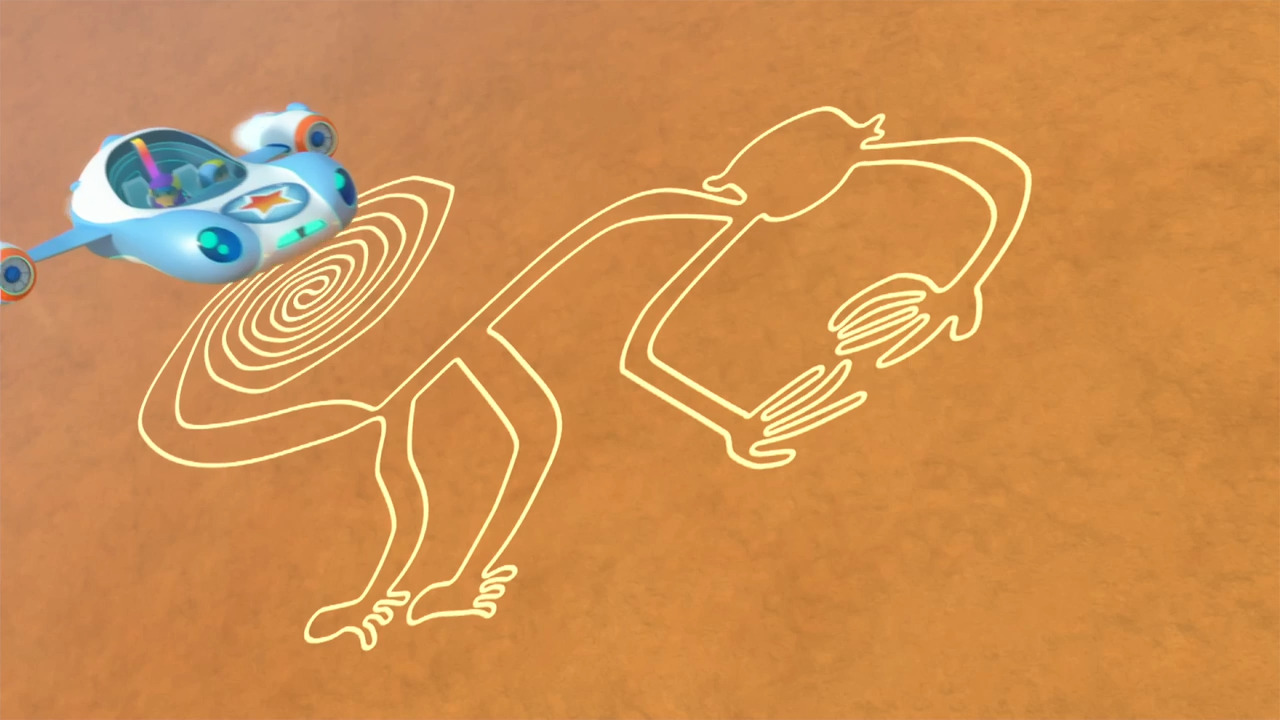
In The Go Jetters Fly High Over the Nazca Lines, the Go Jetters crew is flying high in the sky and sees giant pictures on the ground below. These pictures, called the Nazca lines, are in the Nazca Desert in Peru. The pictures, or "geoglyphs," were made by people long ago who carefully moved stones and sand to reveal lighter-colored sand beneath. Because there is little wind or rain here, the pictures have stayed the same for hundreds of years! This video is excerpted from BBC’s Go Jetters, a series that follows the adventures of four plucky international heroes as they travel the globe visiting the world’s most famous landmarks with their friend and mentor, Ubercorn, a disco-dancing unicorn.
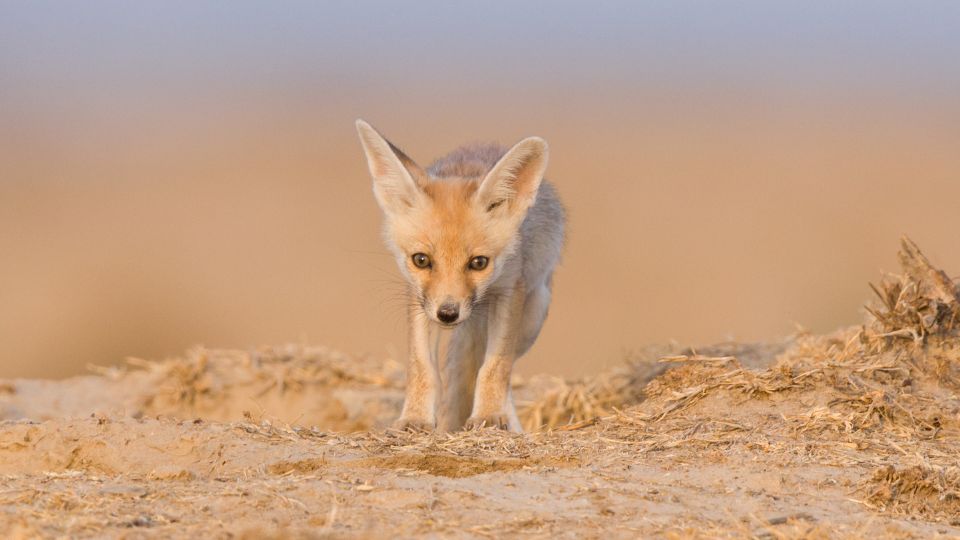
Explore the fascinating world of deserts and discover how plants, animals, and people adapt to survive in some of the hottest and driest places on Earth. From towering cacti and clever nocturnal animals to sudden sandstorms and scarce water sources, students will learn how life continues to thrive in these extreme environments.
This Kahoot investigates the unique features of desert ecosystems, including climate, habitats, food chains, and the special adaptations that help living things conserve water and stay cool. Students will also explore how deserts change over time and why these harsh landscapes are an important part of our planet’s natural systems.
Watch the related BBC videos (below), then invite your Grade 3–8 students to test their knowledge and uncover the surprising diversity and resilience of life in the desert.
In The Go Jetters Fly High Over the Nazca Lines, the Go Jetters crew is flying high in the sky and sees giant pictures on the ground below. These pictures, called the Nazca lines, are in the Nazca Desert in Peru. The pictures, or "geoglyphs," were made by people long ago who carefully moved stones and sand to reveal lighter-colored sand beneath. Because there is little wind or rain here, the pictures have stayed the same for hundreds of years! This video is excerpted from BBC’s Go Jetters, a series that follows the adventures of four plucky international heroes as they travel the globe visiting the world’s most famous landmarks with their friend and mentor, Ubercorn, a disco-dancing unicorn.
Explore the fascinating world of deserts and discover how plants, animals, and people adapt to survive in some of the hottest and driest places on Earth. From towering cacti and clever nocturnal animals to sudden sandstorms and scarce water sources, students will learn how life continues to thrive in these extreme environments.
This Kahoot investigates the unique features of desert ecosystems, including climate, habitats, food chains, and the special adaptations that help living things conserve water and stay cool. Students will also explore how deserts change over time and why these harsh landscapes are an important part of our planet’s natural systems.
Watch the related BBC videos (below), then invite your Grade 3–8 students to test their knowledge and uncover the surprising diversity and resilience of life in the desert.