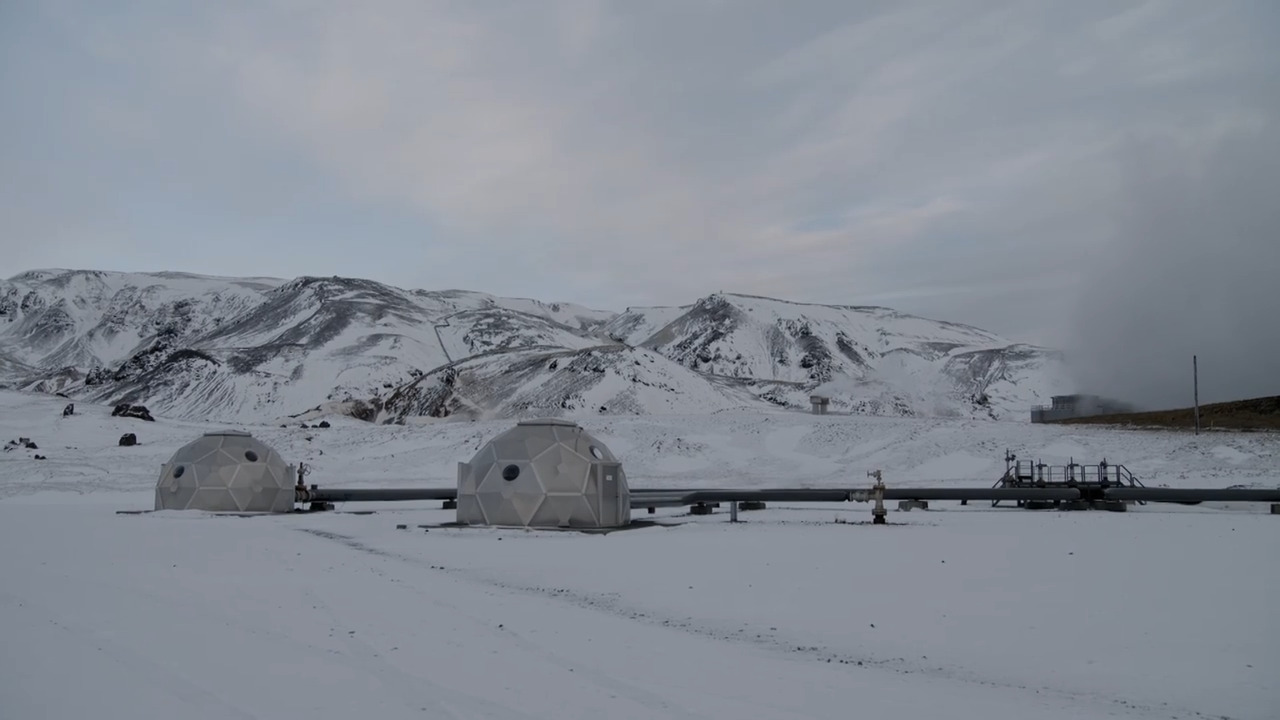
In How Iceland Is Addressing Climate Change, see how Iceland is home to one of the world’s first carbon collectors. This technology aims to reduce the amount of carbon in the atmosphere by capturing it and pumping it into the bedrock. This video is excerpted from BBC’s Climate Change - The Facts, a documentary that delves into the science of climate change and its far-reaching consequences.
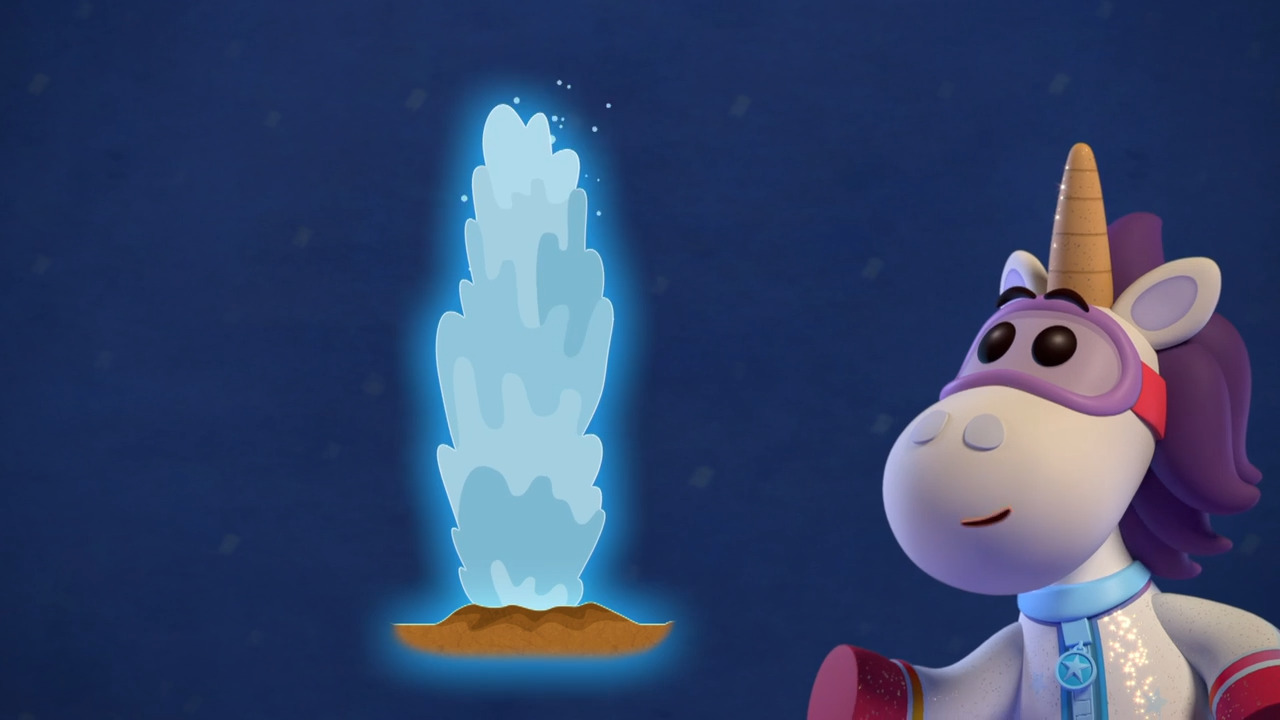
In The Go Jetters Explore Iceland, The Land of Ice and Fire, the Go Jetters crew heads to see the amazing Strokkur Geyser! Even though Iceland is icy, it has fiery volcanoes and super-hot magma under the ground that heats water until it bursts into the air as a geyser. The Strokkur Geyser shoots water as high as ten elephants stacked up, and people from all over the world come to see it! This video is excerpted from BBC’s Go Jetters, a series that follows the adventures of four plucky international heroes as they travel the globe visiting the world’s most famous landmarks with their friend and mentor, Ubercorn, a disco-dancing unicorn.
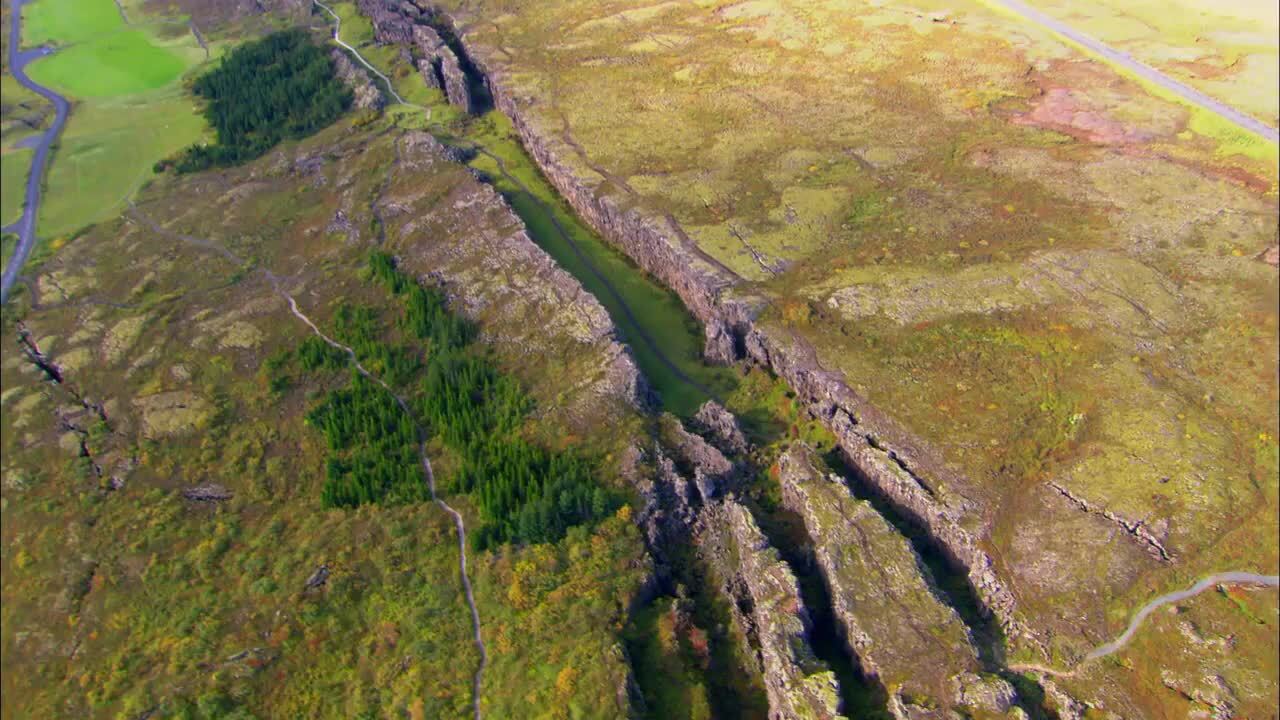
In The Story of Tectonic Plates Is the Story of Our Planet, geologist Iain Stewart explains how hot rock below the Earth’s surface causes tectonic plates and continents to both diverge and collide, creating landscapes like the bold rock face of the Thingvellir fissure in Iceland, and the 5-million-year-old mountains of New Zealand. Over millions of years, our continents have drifted apart from the supercontinent known as Pangaea, but the plates continue moving and the continents will once again converge in the future. This video is excerpted from BBC’s Earth: The Power of the Planet, a documentary series in which Dr. Iain Stewart discovers how Earth's forces can shape nature, species, and even the climate.
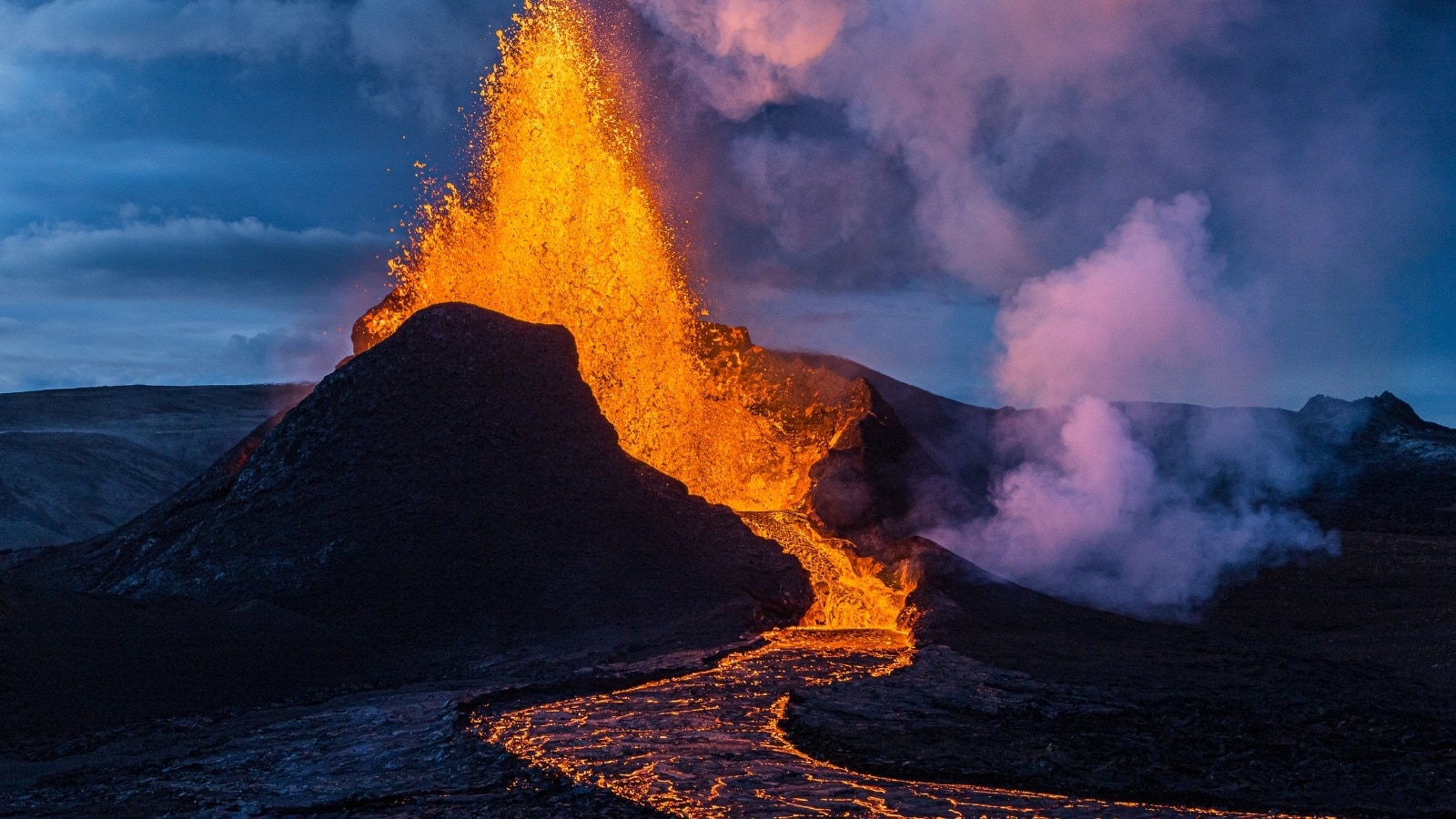
The article "Volcanic Activity Around the Globe: Earthquakes, Eruptions, and the Threats They Pose" from BBC's Science Focus explores the recent volcanic activity across the globe. It covers the earthquakes in Iceland's Svartsengi geothermal plant, the eruption of Mount Etna in Sicily, and the ongoing rumbling of 45 other volcanoes, including Mayon and Krakatau.
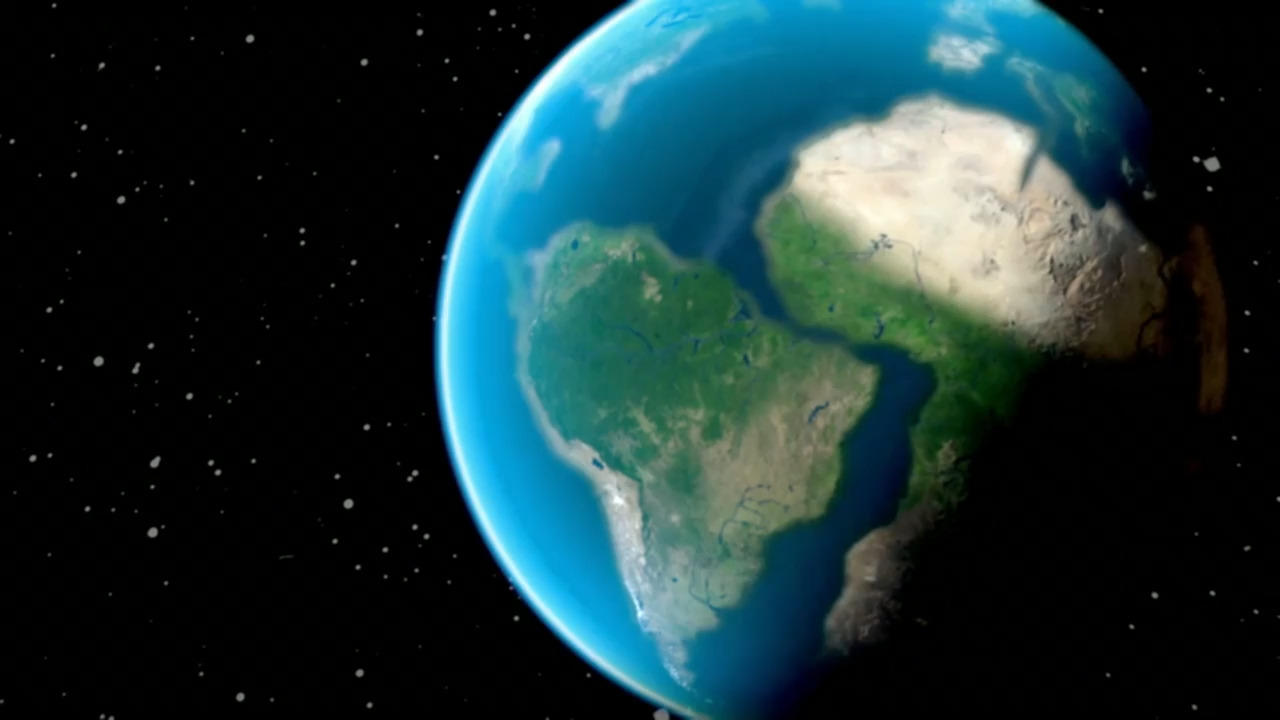
In The Theory of a Supercontinent and the Cold War Discovery That Proved It, narrator Michael Mosley shares how German meteorologist Alfred Wegener proposed a radical new theory — that all of the continents had once fit together as one supercontinent that he called Pangaea. It wasn’t until the Cold War that the oceans were mapped, and scientists discovered the interlocking plates of the seafloor that could provide evidence for Wegener’s theory. This video is excerpted from BBC's The Story of Science, in which Michael Mosley takes an informative and ambitious journey exploring how the evolution of scientific understanding is intimately interwoven with society's historical path.
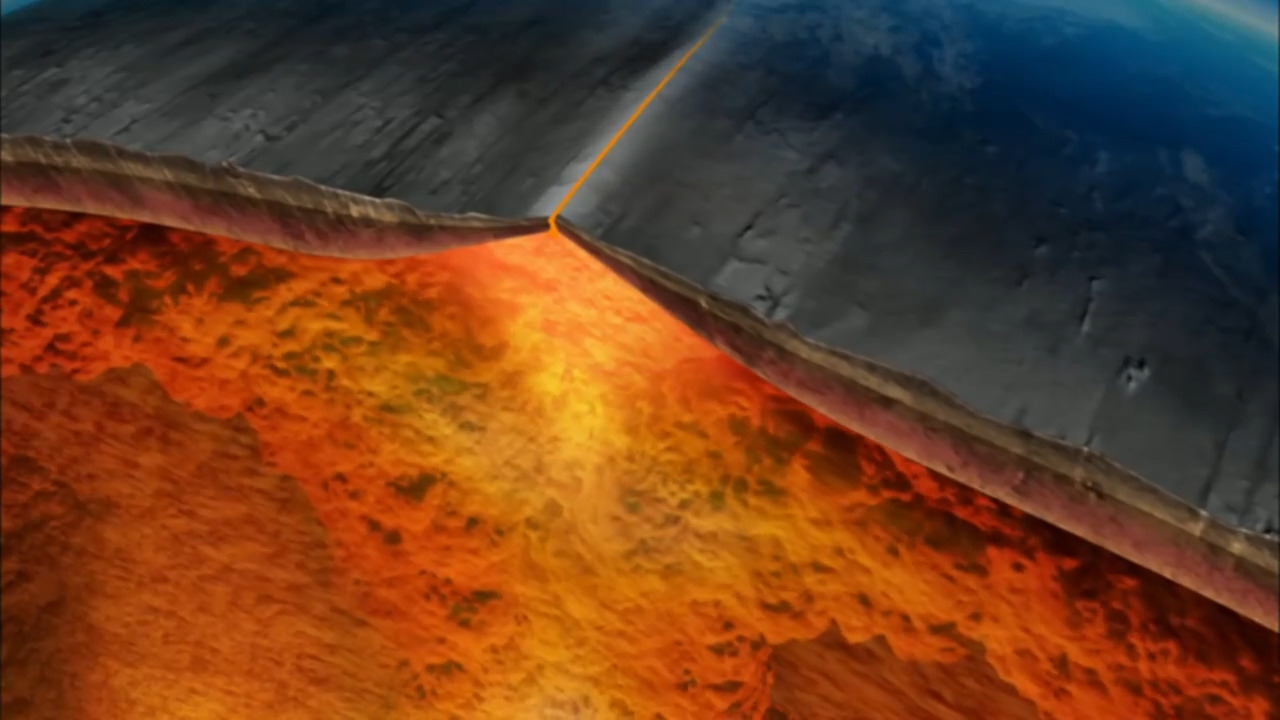
In Continental Drift in Action, narrator Michael Mosley discovers that over millions of years, ongoing continental drift has transformed our planet. Today, the gap between North America and Eurasia is getting wider as the currents in the mantle of the earth drive the plates apart. Scientists like Pete LaFemina are able to measure and monitor this movement using GPS. This video is excerpted from BBC's The Story of Science, in which Michael Mosley takes an informative and ambitious journey exploring how the evolution of scientific understanding is intimately interwoven with society's historical path.
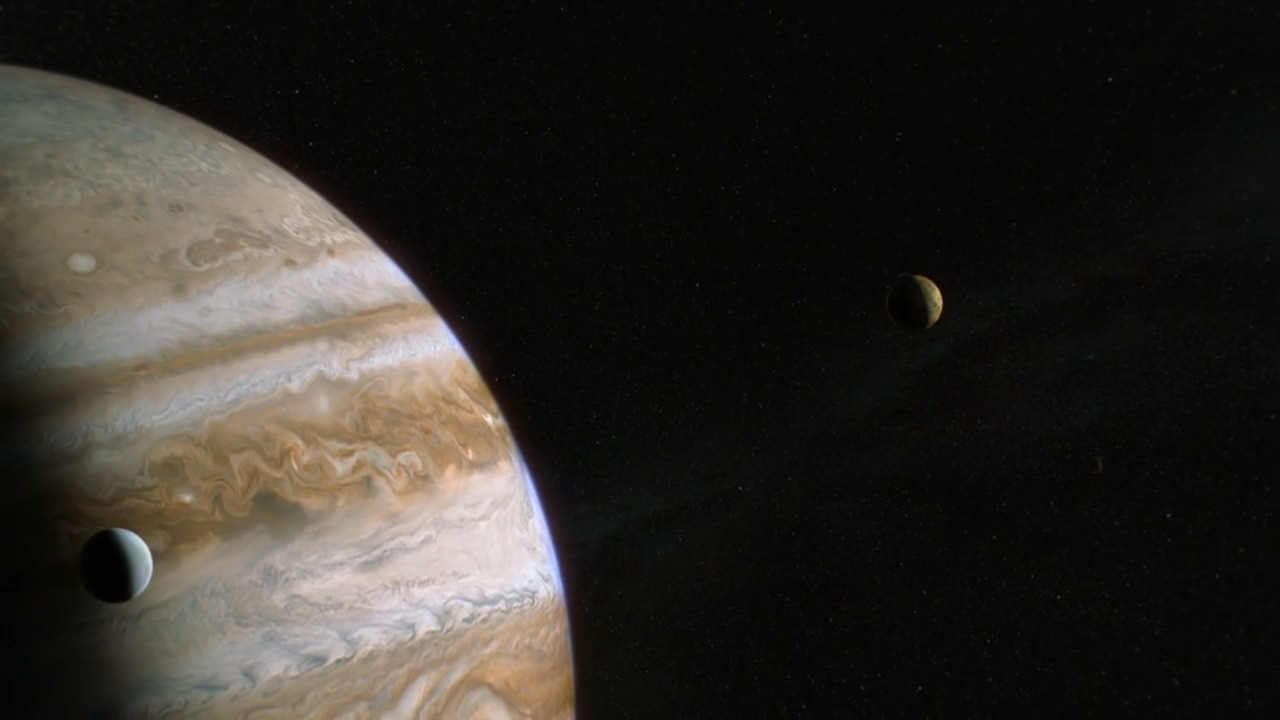
In Europa and Life on Moons, Professor Brian Cox explains how the geological discoveries on faraway moons have impacted what scientists think about them. Then he visits an ice cave in Iceland to discuss how the ice cave can teach us about Europa, Jupiter’s moon. This video is excerpted from BBC’s The Planets, a series that explores the dramatic lives of the eight planets in our Solar System.
They say “it’s always darkest before dawn,” but that may just have a nicer ring than “it suddenly gets really dark if you’re in the path of totality during a solar eclipse, which happens somewhere on Earth about once every 18 months.” Yup, first one definitely stitches better onto a decorative pillow.
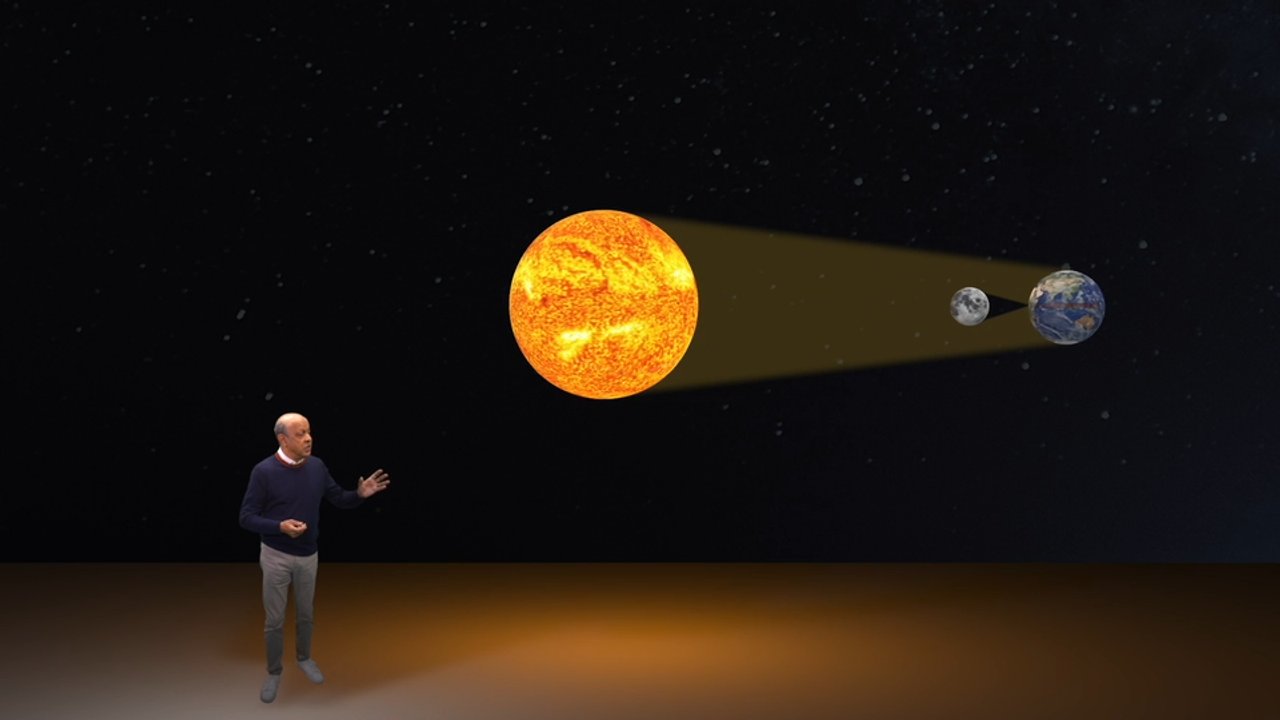
A total solar eclipse happens when the Moon completely blocks the Sun. Although a total eclipse occurs somewhere on Earth roughly every year and a half, only people inside a narrow strip called the “path of totality” get to see the Sun completely covered. This path is created as the Moon’s shadow moves across Earth while both Earth and the Moon change position.
This mid-August eclipse started off over northern Siberia at sunrise, then crossed the Arctic Ocean, Greenland, Iceland, northern Spain, and a small part of Portugal before ending near the Balearic Islands at sunset. Those outside of the path could see a partial eclipse, but a lot of the world missed out on the full experience.
Eclipses are amazing to watch, but partial eclipses can be especially dangerous! Even as much as 95% coverage of the Sun is not close enough when it comes to eye safety. If any bright part of the Sun is still visible, you should use certified eclipse glasses, since looking directly at the Sun can permanently damage your eyes.
In How Iceland Is Addressing Climate Change, see how Iceland is home to one of the world’s first carbon collectors. This technology aims to reduce the amount of carbon in the atmosphere by capturing it and pumping it into the bedrock. This video is excerpted from BBC’s Climate Change - The Facts, a documentary that delves into the science of climate change and its far-reaching consequences.
In The Go Jetters Explore Iceland, The Land of Ice and Fire, the Go Jetters crew heads to see the amazing Strokkur Geyser! Even though Iceland is icy, it has fiery volcanoes and super-hot magma under the ground that heats water until it bursts into the air as a geyser. The Strokkur Geyser shoots water as high as ten elephants stacked up, and people from all over the world come to see it! This video is excerpted from BBC’s Go Jetters, a series that follows the adventures of four plucky international heroes as they travel the globe visiting the world’s most famous landmarks with their friend and mentor, Ubercorn, a disco-dancing unicorn.
In The Story of Tectonic Plates Is the Story of Our Planet, geologist Iain Stewart explains how hot rock below the Earth’s surface causes tectonic plates and continents to both diverge and collide, creating landscapes like the bold rock face of the Thingvellir fissure in Iceland, and the 5-million-year-old mountains of New Zealand. Over millions of years, our continents have drifted apart from the supercontinent known as Pangaea, but the plates continue moving and the continents will once again converge in the future. This video is excerpted from BBC’s Earth: The Power of the Planet, a documentary series in which Dr. Iain Stewart discovers how Earth's forces can shape nature, species, and even the climate.
The article "Volcanic Activity Around the Globe: Earthquakes, Eruptions, and the Threats They Pose" from BBC's Science Focus explores the recent volcanic activity across the globe. It covers the earthquakes in Iceland's Svartsengi geothermal plant, the eruption of Mount Etna in Sicily, and the ongoing rumbling of 45 other volcanoes, including Mayon and Krakatau.
In The Theory of a Supercontinent and the Cold War Discovery That Proved It, narrator Michael Mosley shares how German meteorologist Alfred Wegener proposed a radical new theory — that all of the continents had once fit together as one supercontinent that he called Pangaea. It wasn’t until the Cold War that the oceans were mapped, and scientists discovered the interlocking plates of the seafloor that could provide evidence for Wegener’s theory. This video is excerpted from BBC's The Story of Science, in which Michael Mosley takes an informative and ambitious journey exploring how the evolution of scientific understanding is intimately interwoven with society's historical path.
In Continental Drift in Action, narrator Michael Mosley discovers that over millions of years, ongoing continental drift has transformed our planet. Today, the gap between North America and Eurasia is getting wider as the currents in the mantle of the earth drive the plates apart. Scientists like Pete LaFemina are able to measure and monitor this movement using GPS. This video is excerpted from BBC's The Story of Science, in which Michael Mosley takes an informative and ambitious journey exploring how the evolution of scientific understanding is intimately interwoven with society's historical path.
In Europa and Life on Moons, Professor Brian Cox explains how the geological discoveries on faraway moons have impacted what scientists think about them. Then he visits an ice cave in Iceland to discuss how the ice cave can teach us about Europa, Jupiter’s moon. This video is excerpted from BBC’s The Planets, a series that explores the dramatic lives of the eight planets in our Solar System.
They say “it’s always darkest before dawn,” but that may just have a nicer ring than “it suddenly gets really dark if you’re in the path of totality during a solar eclipse, which happens somewhere on Earth about once every 18 months.” Yup, first one definitely stitches better onto a decorative pillow.
A total solar eclipse happens when the Moon completely blocks the Sun. Although a total eclipse occurs somewhere on Earth roughly every year and a half, only people inside a narrow strip called the “path of totality” get to see the Sun completely covered. This path is created as the Moon’s shadow moves across Earth while both Earth and the Moon change position.
This mid-August eclipse started off over northern Siberia at sunrise, then crossed the Arctic Ocean, Greenland, Iceland, northern Spain, and a small part of Portugal before ending near the Balearic Islands at sunset. Those outside of the path could see a partial eclipse, but a lot of the world missed out on the full experience.
Eclipses are amazing to watch, but partial eclipses can be especially dangerous! Even as much as 95% coverage of the Sun is not close enough when it comes to eye safety. If any bright part of the Sun is still visible, you should use certified eclipse glasses, since looking directly at the Sun can permanently damage your eyes.