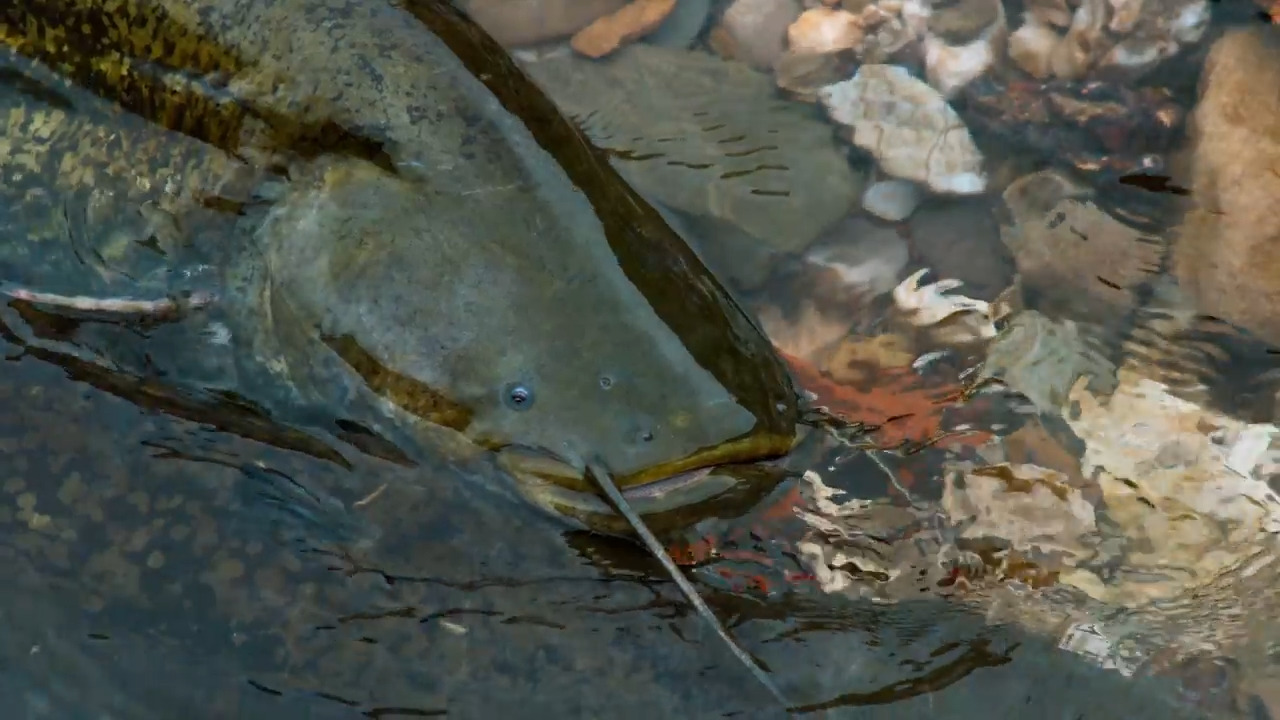
In Pigeons vs. Catfish, narrator Sir David Attenborough explores the unusual predator-prey relationship between urban pigeons and an invasive catfish that uses its whiskery barbels to sense the movements of its victims. Learn more about the interaction between the pigeons and the catfish, including the catfish's unique predatory behavior. This video is excerpted from BBC’s Planet Earth II, a breathtaking documentary series that highlights the natural wonders of our planet.
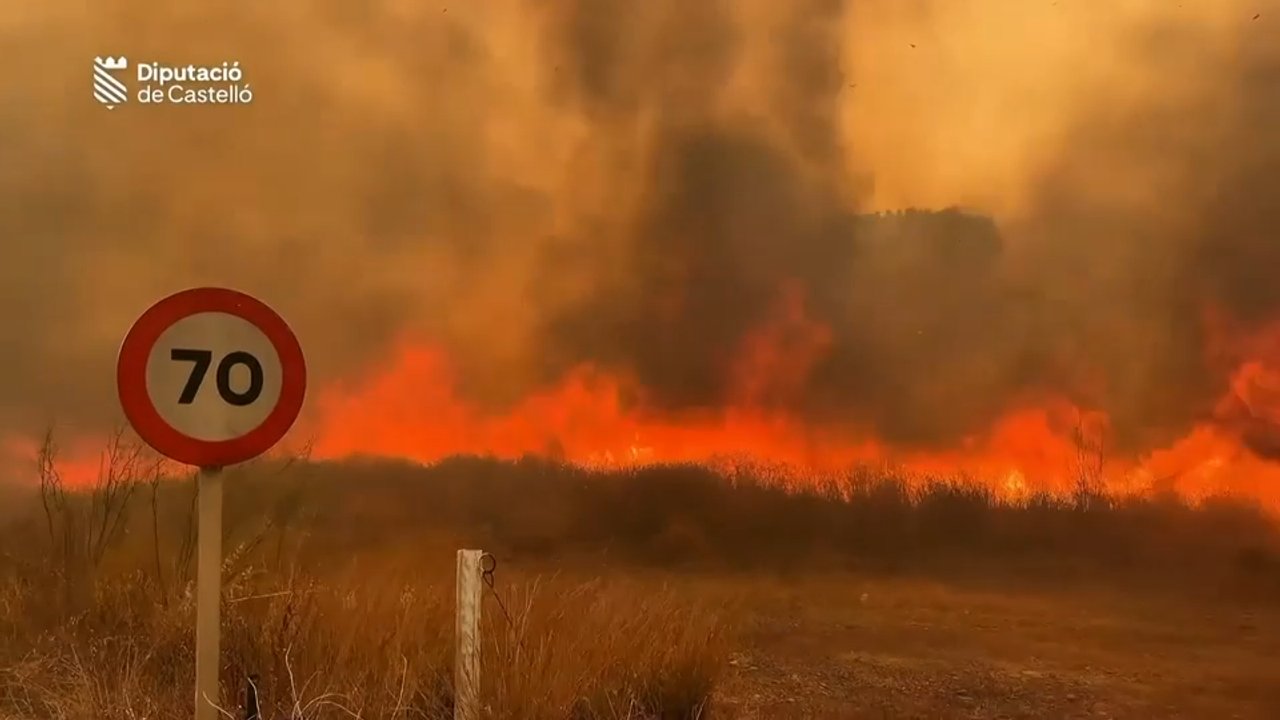
This summer has been brutal in parts of France and Spain due to raging fires.
Near Bordeaux, France is experiencing its worst wildfires in decades. Despite the efforts of hundreds of firefighters working day and night, changing winds have kept changing the direction of the fires, making them hard to contain. Fields and forests have burned, villages have been evacuated, businesses have closed, and traffic has been diverted to keep people away from the danger.
Bordeaux’s mayor says the city itself is not being evacuated. That’s a good sign, but that doesn’t mean everything is all better. Tens of thousands of displaced people are staying in temporary shelters, such as schools and sports centers, while tourists are being urged to stay away until the fires can be contained.
Spain is also fighting to contain its blazes. One fire near Madrid was described by Spain’s Interior Ministry as “the most aggressive that Spain has ever seen.” The fires drove people to flee, abandoning their homes and even their pets (some of whom have been found and fed by rescuers.) Spain's prime minister described the situation as a “climate emergency” — six times more land burned during the hot, dry summer than during the previous year.
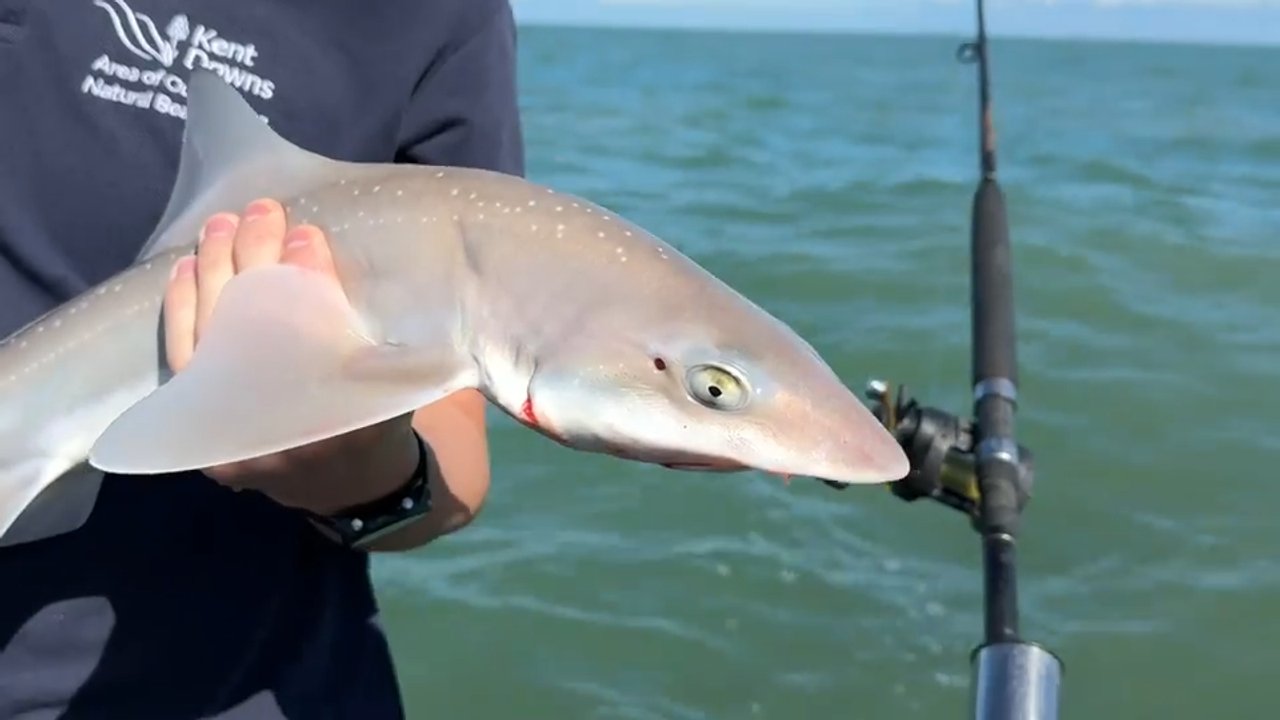
There are sharks swimming off the coast of Kent, a county in the southeast corner of England. Scientists say that’s good news. Sharks have been around for more than 400 million years, and as predators, they help keep the ocean food chain in balance. The UK has more than 40 shark species, but about half of them are at risk of extinction.
A new project called Sharks of Kent is studying the starry smoothhound, a small shark that’s harmless to people. Researchers think Kent’s waters may be a nursery where young sharks grow up before they head out to sea. The team catches a shark, weighs it, and if it’s big enough, attaches a tag before letting it go. If the shark is caught again, the tag shows how much it has grown and where it has been.
Scientists can’t be out on the water every day, so they’ve trained local fishing crews and anglers to tag sharks too. They’ve tagged more than 30 so far. One angler says shark numbers and sizes dropped this year, maybe because of overfishing or warmer water. The project could also help the region earn UNESCO Global Geopark status. That’s a United Nations label for places with internationally important natural features, and this area stretches across the English Channel to France.

The article "Millions of Insects Squeeze Through a Narrow Mountain Pass in the Pyrenees Each Year!" from BBC's Discover Wildlife reveals how over 17 million insects migrate through a narrow mountain pass in the Pyrenees each autumn.
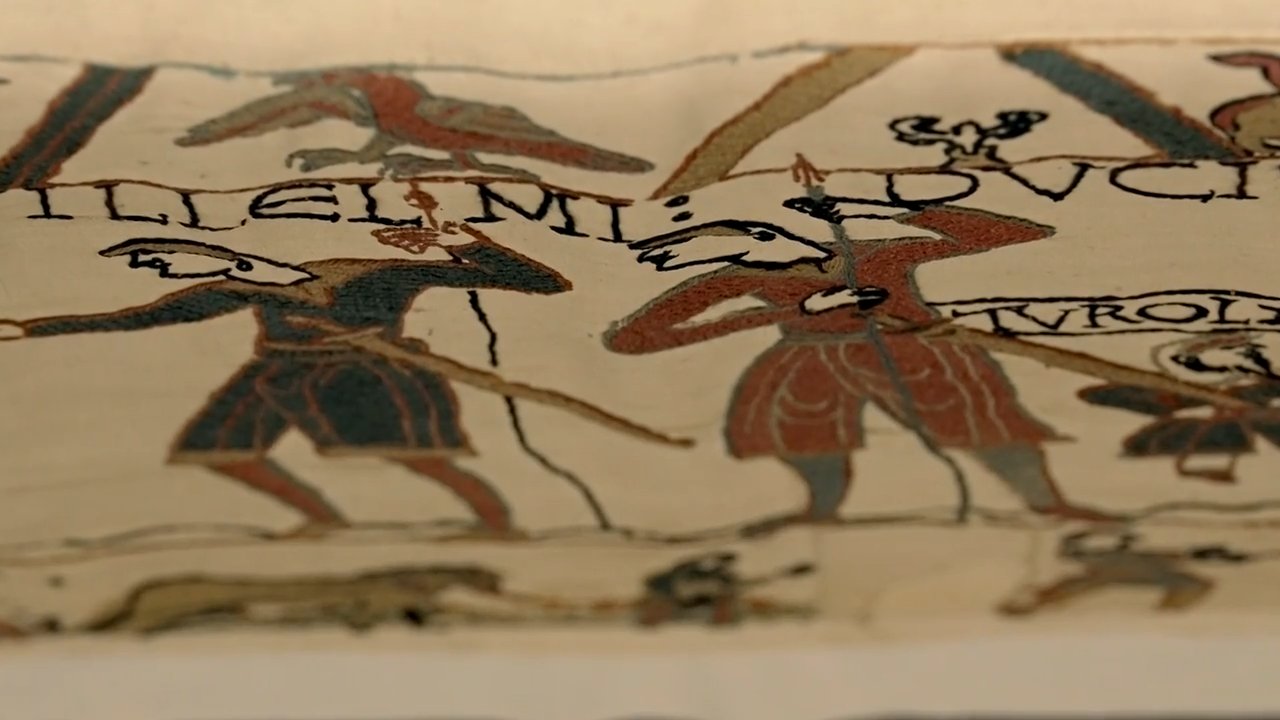
After almost 1,000 years, the historic Bayeux Tapestry is back where it began.
The 11th Century artwork is thought to have been made in Britain, and it's now on display at the British Museum — one of the UK's largest national museums, located in London — while on loan from France until summer 2027. Think of it as the original comic strip: instead of panels, it uses a continuous, nearly 70-meter-long strip of embroidered fabric (about the length of a football field) to tell the story frame by frame, image after image, all the way across.
The story it tells is the Norman Conquest of 1066: the year William the Conqueror, a duke from Normandy in modern-day France, invaded England and took the throne. Like a comic laid end to end, the tapestry shows the buildup, the battle, and the aftermath — soldiers, ships, horses, and even Halley's Comet all stitched into the sequence. That invasion permanently changed England's ruling family, language, and culture, and is often seen as the starting point of the modern British monarchy.
Moving the tapestry took hours of extremely careful work, since it's so old and delicate. Even people standing near it had to wear protective clothing so stray fibers wouldn't end up on the fabric. It's now displayed flat, inside a protective glass case. Safe to say, it may look like a large piece of fabric, but it's definitely not something you'd want to wipe your hands on if you're missing a napkin.
The loan is also part of a bigger cultural exchange between France and Britain — two neighboring countries separated by the narrow English Channel, with a long and sometimes tense shared history. In exchange for the tapestry, Britain is lending important historical objects of its own back to France.
In Pigeons vs. Catfish, narrator Sir David Attenborough explores the unusual predator-prey relationship between urban pigeons and an invasive catfish that uses its whiskery barbels to sense the movements of its victims. Learn more about the interaction between the pigeons and the catfish, including the catfish's unique predatory behavior. This video is excerpted from BBC’s Planet Earth II, a breathtaking documentary series that highlights the natural wonders of our planet.
This summer has been brutal in parts of France and Spain due to raging fires.
Near Bordeaux, France is experiencing its worst wildfires in decades. Despite the efforts of hundreds of firefighters working day and night, changing winds have kept changing the direction of the fires, making them hard to contain. Fields and forests have burned, villages have been evacuated, businesses have closed, and traffic has been diverted to keep people away from the danger.
Bordeaux’s mayor says the city itself is not being evacuated. That’s a good sign, but that doesn’t mean everything is all better. Tens of thousands of displaced people are staying in temporary shelters, such as schools and sports centers, while tourists are being urged to stay away until the fires can be contained.
Spain is also fighting to contain its blazes. One fire near Madrid was described by Spain’s Interior Ministry as “the most aggressive that Spain has ever seen.” The fires drove people to flee, abandoning their homes and even their pets (some of whom have been found and fed by rescuers.) Spain's prime minister described the situation as a “climate emergency” — six times more land burned during the hot, dry summer than during the previous year.
There are sharks swimming off the coast of Kent, a county in the southeast corner of England. Scientists say that’s good news. Sharks have been around for more than 400 million years, and as predators, they help keep the ocean food chain in balance. The UK has more than 40 shark species, but about half of them are at risk of extinction.
A new project called Sharks of Kent is studying the starry smoothhound, a small shark that’s harmless to people. Researchers think Kent’s waters may be a nursery where young sharks grow up before they head out to sea. The team catches a shark, weighs it, and if it’s big enough, attaches a tag before letting it go. If the shark is caught again, the tag shows how much it has grown and where it has been.
Scientists can’t be out on the water every day, so they’ve trained local fishing crews and anglers to tag sharks too. They’ve tagged more than 30 so far. One angler says shark numbers and sizes dropped this year, maybe because of overfishing or warmer water. The project could also help the region earn UNESCO Global Geopark status. That’s a United Nations label for places with internationally important natural features, and this area stretches across the English Channel to France.
The article "Millions of Insects Squeeze Through a Narrow Mountain Pass in the Pyrenees Each Year!" from BBC's Discover Wildlife reveals how over 17 million insects migrate through a narrow mountain pass in the Pyrenees each autumn.
After almost 1,000 years, the historic Bayeux Tapestry is back where it began.
The 11th Century artwork is thought to have been made in Britain, and it's now on display at the British Museum — one of the UK's largest national museums, located in London — while on loan from France until summer 2027. Think of it as the original comic strip: instead of panels, it uses a continuous, nearly 70-meter-long strip of embroidered fabric (about the length of a football field) to tell the story frame by frame, image after image, all the way across.
The story it tells is the Norman Conquest of 1066: the year William the Conqueror, a duke from Normandy in modern-day France, invaded England and took the throne. Like a comic laid end to end, the tapestry shows the buildup, the battle, and the aftermath — soldiers, ships, horses, and even Halley's Comet all stitched into the sequence. That invasion permanently changed England's ruling family, language, and culture, and is often seen as the starting point of the modern British monarchy.
Moving the tapestry took hours of extremely careful work, since it's so old and delicate. Even people standing near it had to wear protective clothing so stray fibers wouldn't end up on the fabric. It's now displayed flat, inside a protective glass case. Safe to say, it may look like a large piece of fabric, but it's definitely not something you'd want to wipe your hands on if you're missing a napkin.
The loan is also part of a bigger cultural exchange between France and Britain — two neighboring countries separated by the narrow English Channel, with a long and sometimes tense shared history. In exchange for the tapestry, Britain is lending important historical objects of its own back to France.