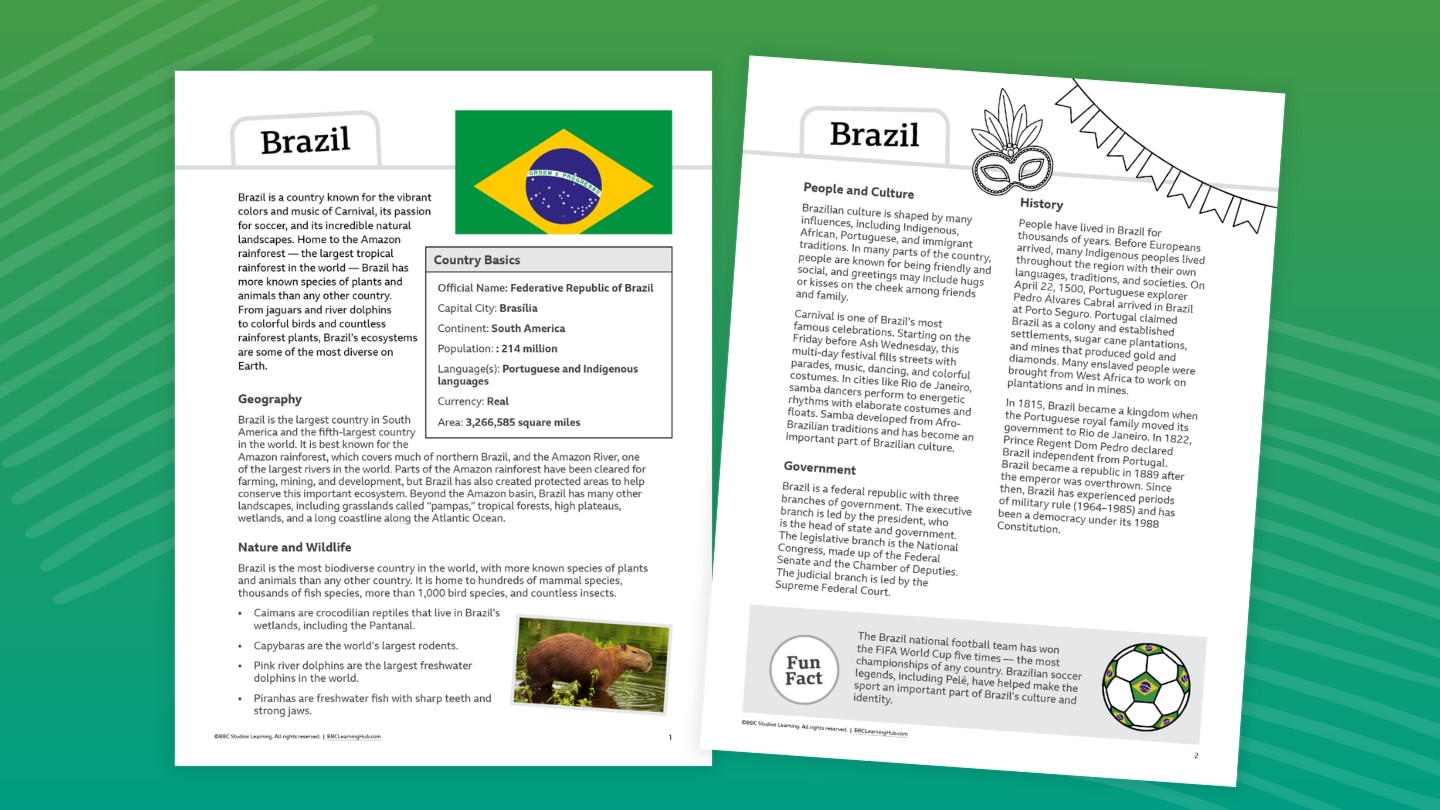
What country is home to the world’s largest tropical rainforest, the greatest biodiversity on Earth, and a culture famous for Carnival and soccer? Meet Brazil, the largest country in South America and a place where natural and cultural wonders stretch across an enormous landscape.
From capybaras and pink river dolphins to the mighty Amazon River and the wetlands of the Pantanal, Brazil is bursting with life. Explore the Indigenous, African, Portuguese, and immigrant influences that shaped Brazilian culture, learn about the country’s history and government, and discover the foods, music, and celebrations that bring people together. You’ll also explore Brazil’s incredible ecosystem.
Teachers and parents, you can use this fact file to:
- Introduce a geography or social studies unit
- Support nonfiction reading practice
- Compare countries and cultures
- Complete map and research activities
- Prepare students for projects or presentations (use our country report template!)
- Pair with videos, articles, or other informational texts (see Related Resources below)
You don’t often hear good news about the environment, but here is some. Three very different wildlife projects around the world show that there’s more than one way to protect nature, and that the effort is paying off.
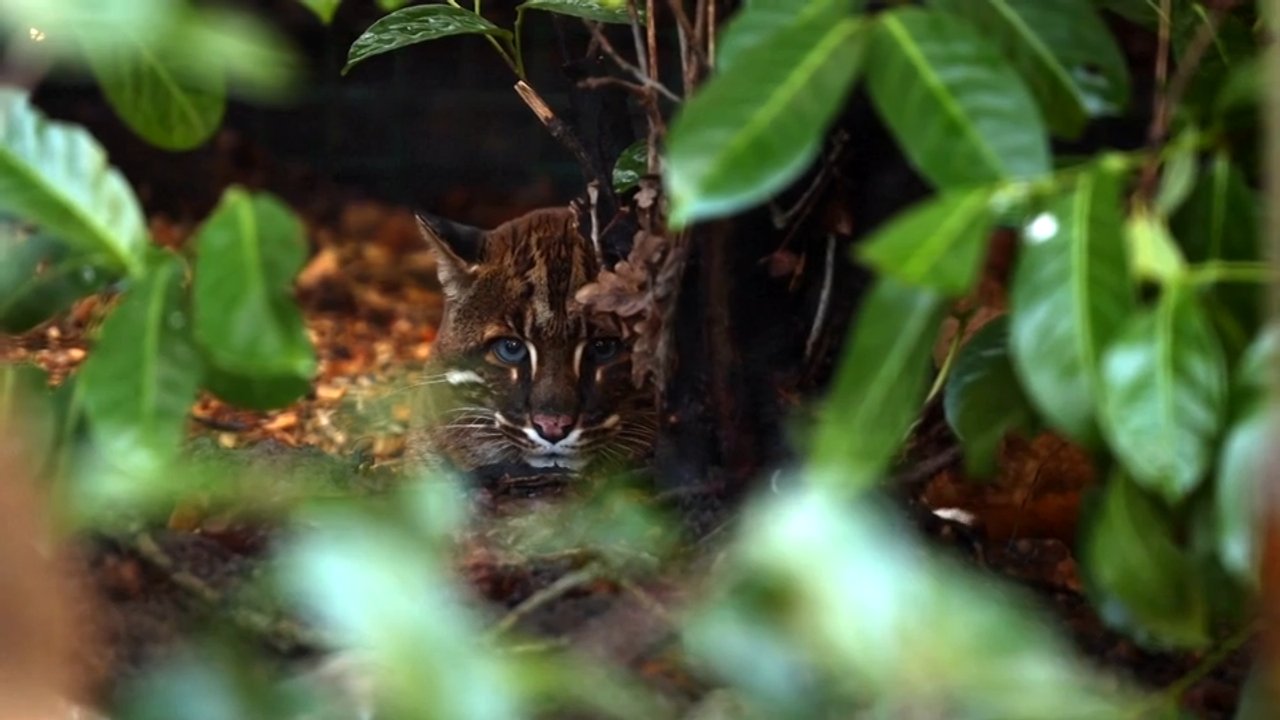
In the UK, a cat named Frank is moving to a new home. He’s the only Asian golden cat in the country, a medium-sized wild cat from the forests of Southeast Asia. Frank is leaving the sanctuary where he’s lived and moving to a habitat built for his species. The difference matters. A sanctuary’s main job is caring for the animals it already has. A purpose-built habitat does that too, but it also works to help the species survive in the future, through research and breeding. At his new home, Frank will join a breeding program. That’s important, because Asian golden cats are listed as Near Threatened, which means they could become endangered soon. In the wild, they’re losing their forest homes and are hunted illegally.
Next stop is Brazil, where about 35,000 humpback whales now swim in the South Atlantic Ocean. That number would have seemed impossible not long ago. Hunting pushed humpbacks close to extinction, and in the 1980s, countries around the world agreed to stop commercial whaling. Four decades later, the whales have made a remarkable comeback. Every year they return to the warm waters off Brazil’s coast to breed and raise their calves, and scientists come back each year to study them.
Finally, in Tasmania, an island state off the south coast of Australia, volunteers are restoring wetlands. They’re pulling out willow trees, which settlers brought from Europe long ago. The willows spread quickly and crowd out local plants, which is what makes them an invasive species. In their place, volunteers are planting native species. Over time, these plants should keep the water cleaner, hold riverbanks in place, and shade the water.
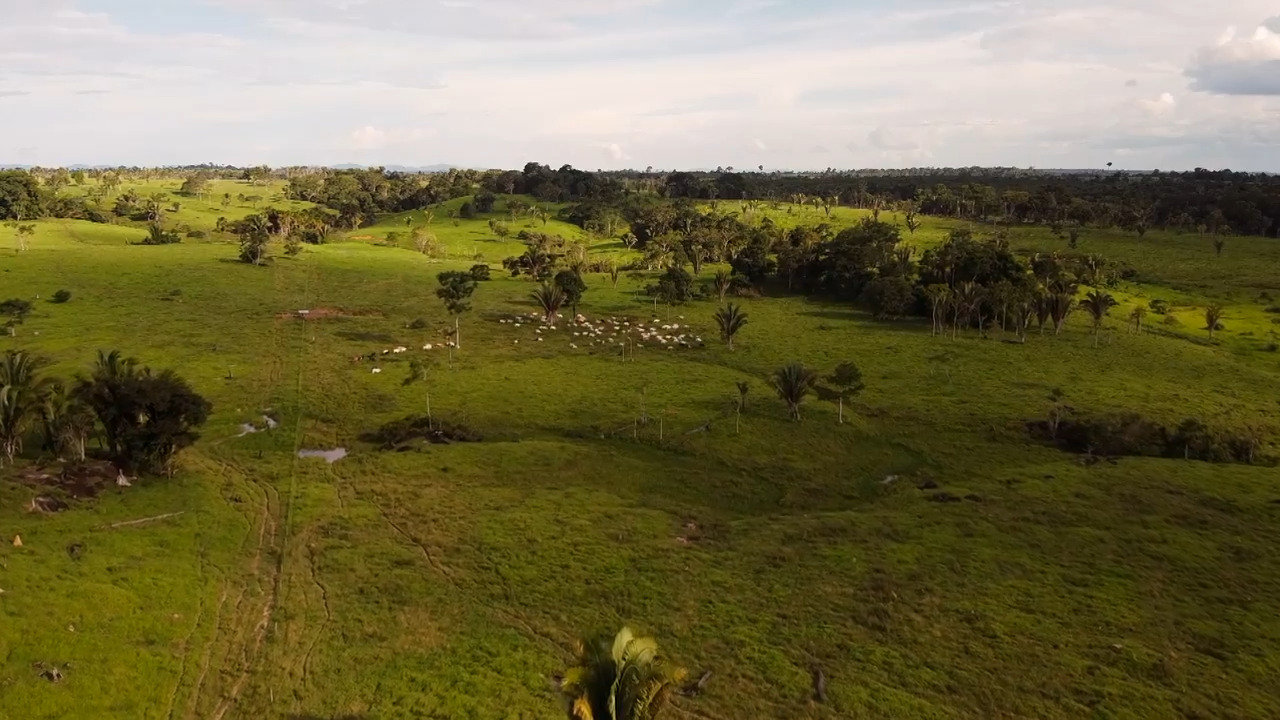
In The Effects of Deregulation, host Radzi Chinyanganya explains how Brazil's deregulation policies have led to rapid deforestation in the Amazon. The government’s decision to lift restrictions on land use has allowed for the clearing of forests for agricultural expansion, logging, mining, and ranching. This video highlights the environmental consequences of this deregulation, focusing on the struggle between different groups, such as ranchers seeking land for cattle grazing and Indigenous populations fighting to protect their ancestral forests. This video is excerpted from BBC’s My World, a program created for teenagers eager to learn more about the important stories shaping our world.
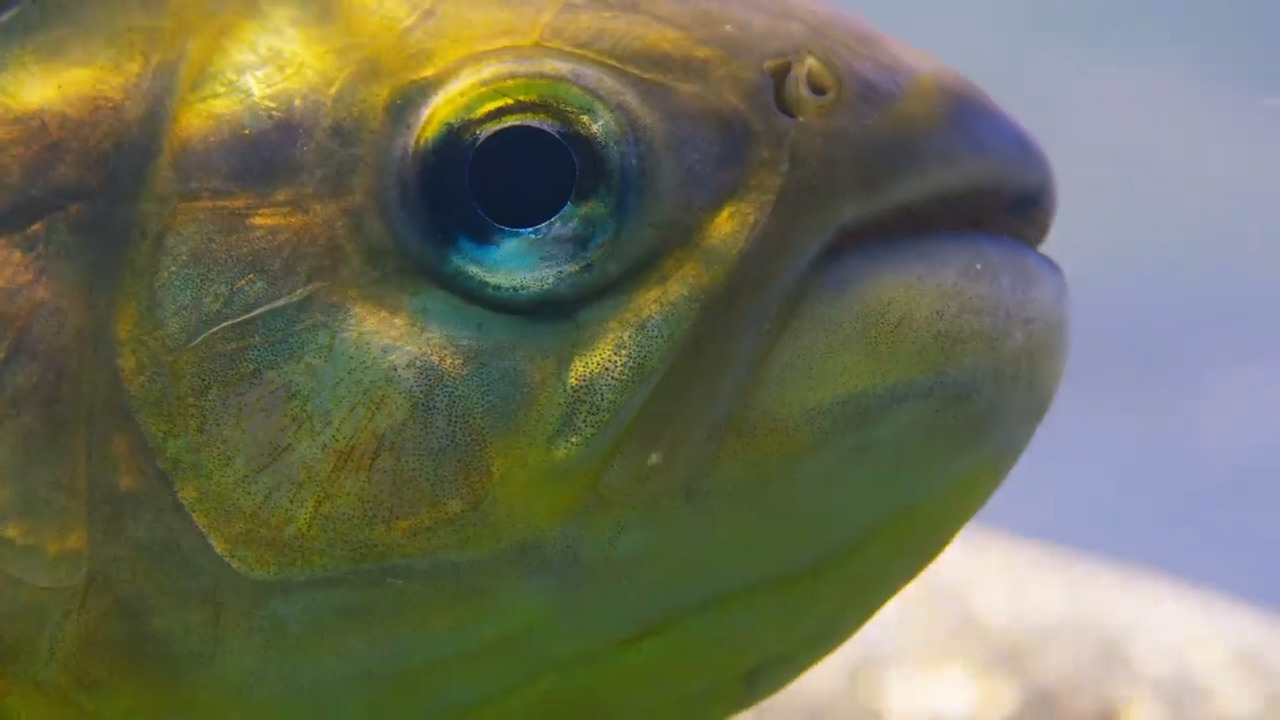
In The Crystal Clear Waters of Bonito, explore the many types of fish that swim in the crystal clear waters of Bonito, a region in Brazil. The fish can see the monkeys above, feeding on berries, and wait for them to accidentally drop them into the water. This video is excerpted from BBC’s Seven Worlds, One Planet, a series featuring remarkable animal behavior from all seven continents.

In Pele's Pledge to His Father, sports journalist Clare Balding describes how Pelé pledged to his father that he would help Brazil win the World Cup. She describes his childhood and rise to fame. This video is excerpted from BBC’s Icons: The Greatest Person of the 20th Century, a documentary series celebrating the achievements of the most influential figures of the era.
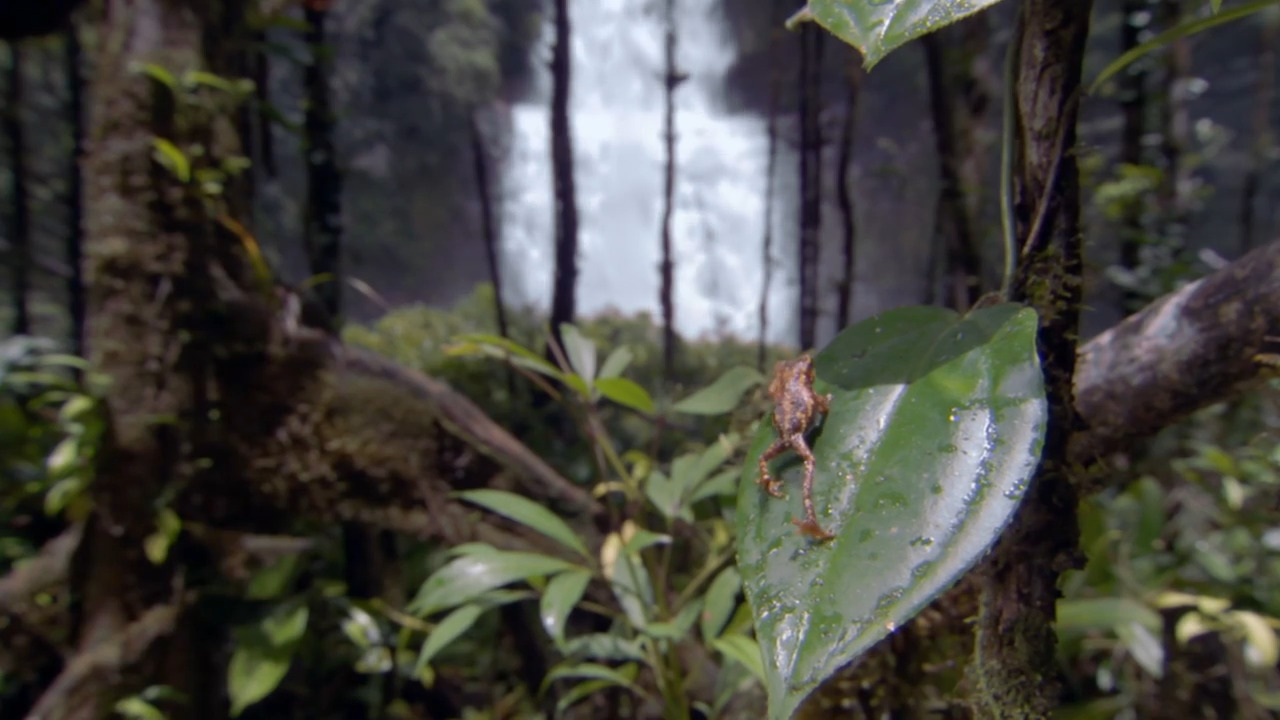
In The Amazing Waterfall Toad, narrator Sir David Attenborough introduces the amazing waterfall toad, a tiny creature that lives in the jungles where Brazil and Venezuela meet. About the size of a postage stamp, this toad has super gripping hands that help it cling to trees and wet leaves in the treetops. While other frogs might hop away from danger, the waterfall toad has a unique strategy that protects it from hungry snakes below. This video is excerpted from BBC's Life, a show that explores the remarkable strategies animals and plants use to ensure their survival.
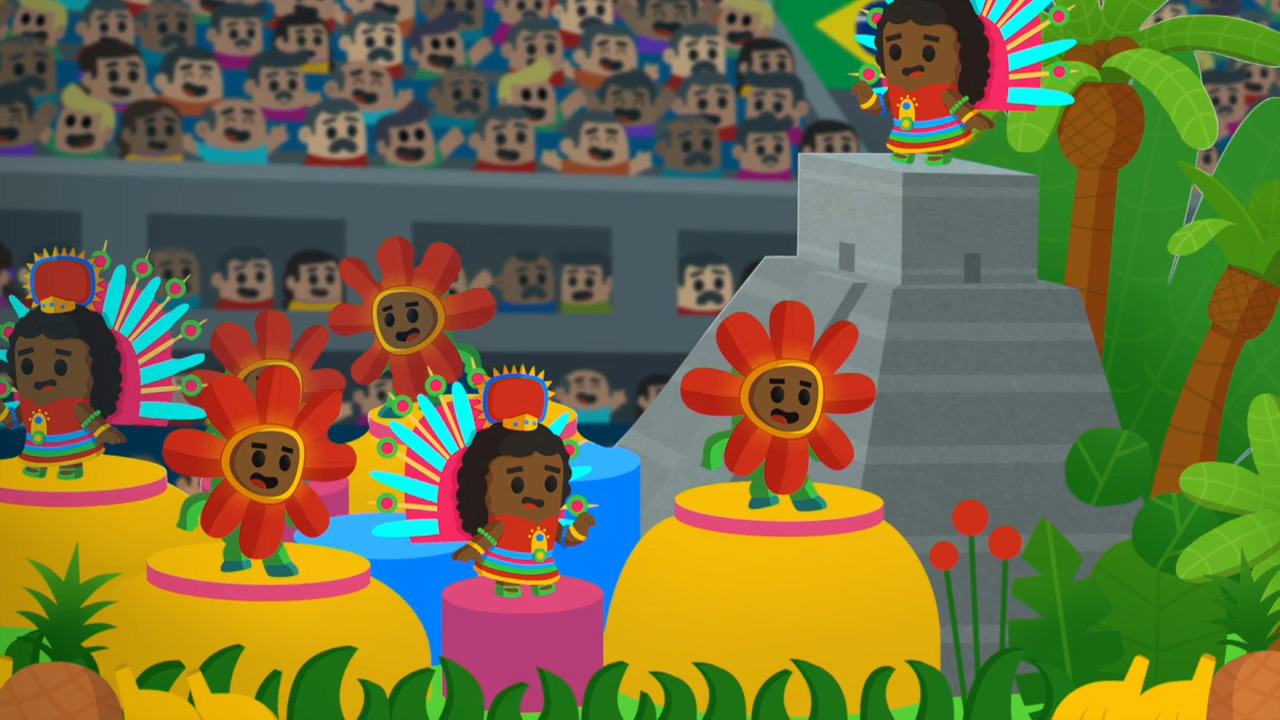
In The Go Jetters Join the Carnival Parade, the Go Jetters crew goes dancing in Brazil for the Rio Carnival, a big celebration that has been happening every year for over 250 years! The Carnival is filled with music, dancing, and colorful floats that are made by samba schools. People come from all over the world to join the fun and see the amazing parade! This video is excerpted from BBC’s Go Jetters, a series that follows the adventures of four plucky international heroes as they travel the globe visiting the world’s most famous landmarks with their friend and mentor, Ubercorn, a disco-dancing unicorn.
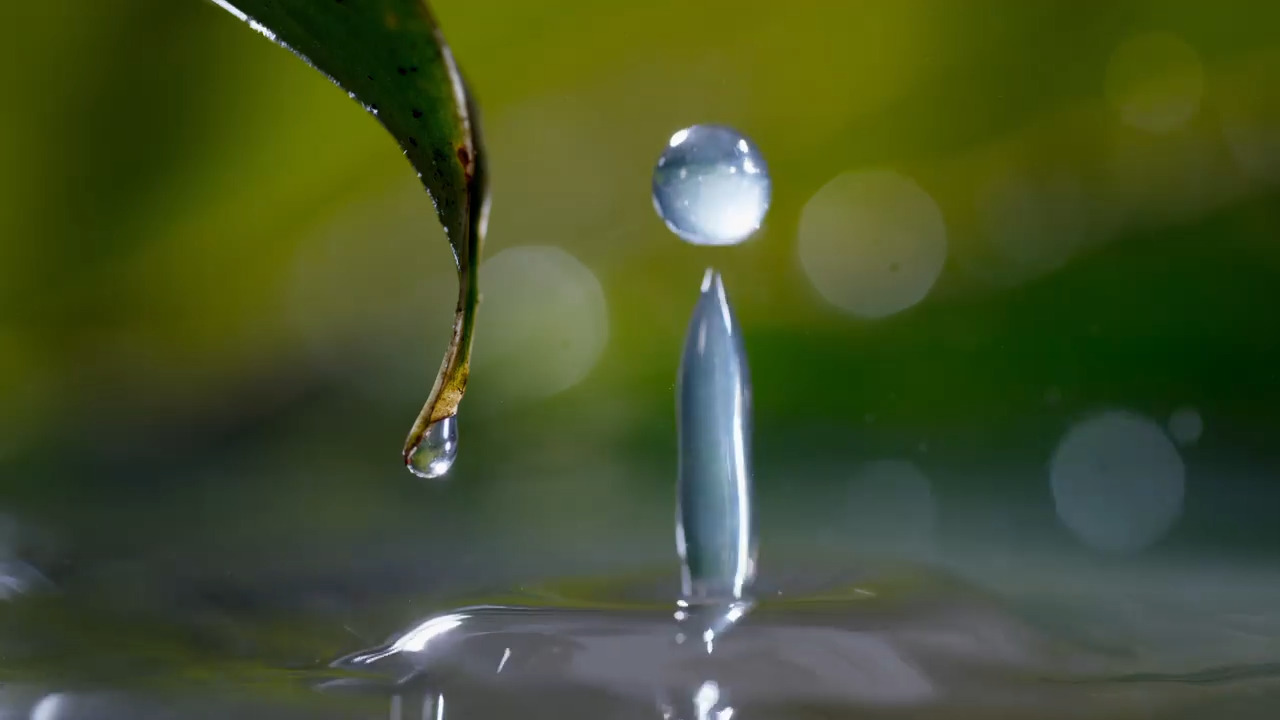
In Life in the Flooded Jungles of Brazil, narrator Sir David Attenborough takes us into the flooded Amazon rainforest, showing how jungle trees release moisture into the air to create their own rainfall. Marvel at the diverse range of animals that live in this watery environment, including river dolphins, capybaras, giant otters, and caimans. This video is excerpted from BBC’s Planet Earth II, a breathtaking documentary series that highlights the natural wonders of our planet.
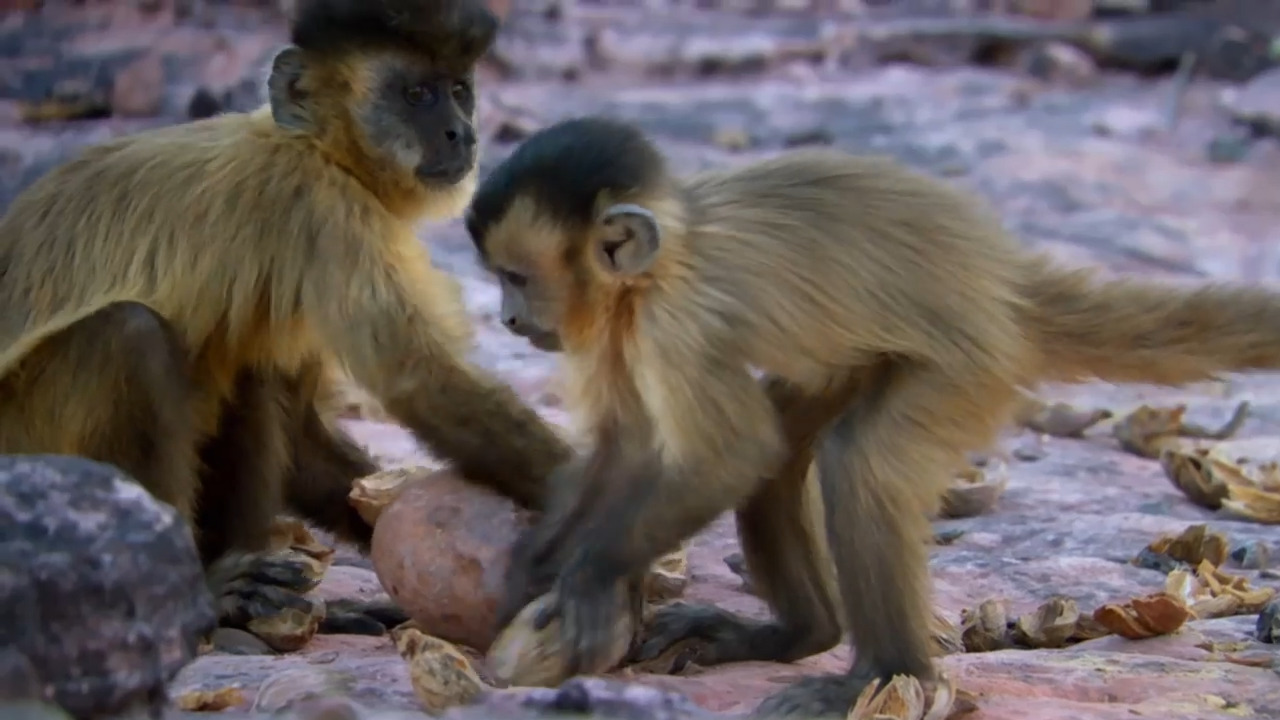
In Young Animals Learn To Find Food, narrator Gordon Buchanan explains how young animals must learn to provide their own food to become independent. Grizzly bear cubs in British Columbia learn to fish for salmon by watching their mother. Capuchin monkeys in Brazil use rocks to smash palm nuts and sticks to pull sap from inside trees. This video is excerpted from BBC's Animal Babies, a heartwarming show that follows the first breaths, first steps and first feeds of some adorable baby animals, revealing the challenges they face to survive in some of the toughest but most beautiful places on the planet.
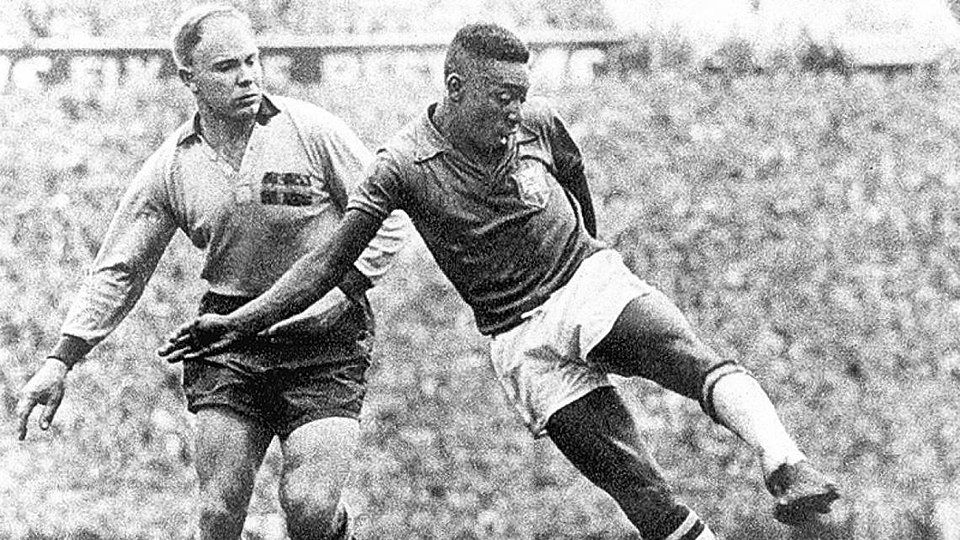
Explore the incredible life and global influence of Pelé, from his rise as a young football star in Brazil to his unforgettable World Cup victories and worldwide fame. Students will discover how Pelé’s extraordinary skill, creativity, and sportsmanship helped transform football into the world’s most popular sport.
This Kahoot! examines key moments in Pelé’s career, including his record-breaking achievements, his role in Brazil’s World Cup success, and his impact on the international growth of the game. Students will build listening skills, vocabulary, and historical awareness while exploring how Pelé influenced culture, identity, and the global popularity of football across generations.
Watch the related BBC videos, Pelé's Pledge to His Father and How Pelé Brought Soccer to the U.S., then invite your Grade 6–12 students to test their knowledge and explore the legacy of one of the greatest athletes in sports history.
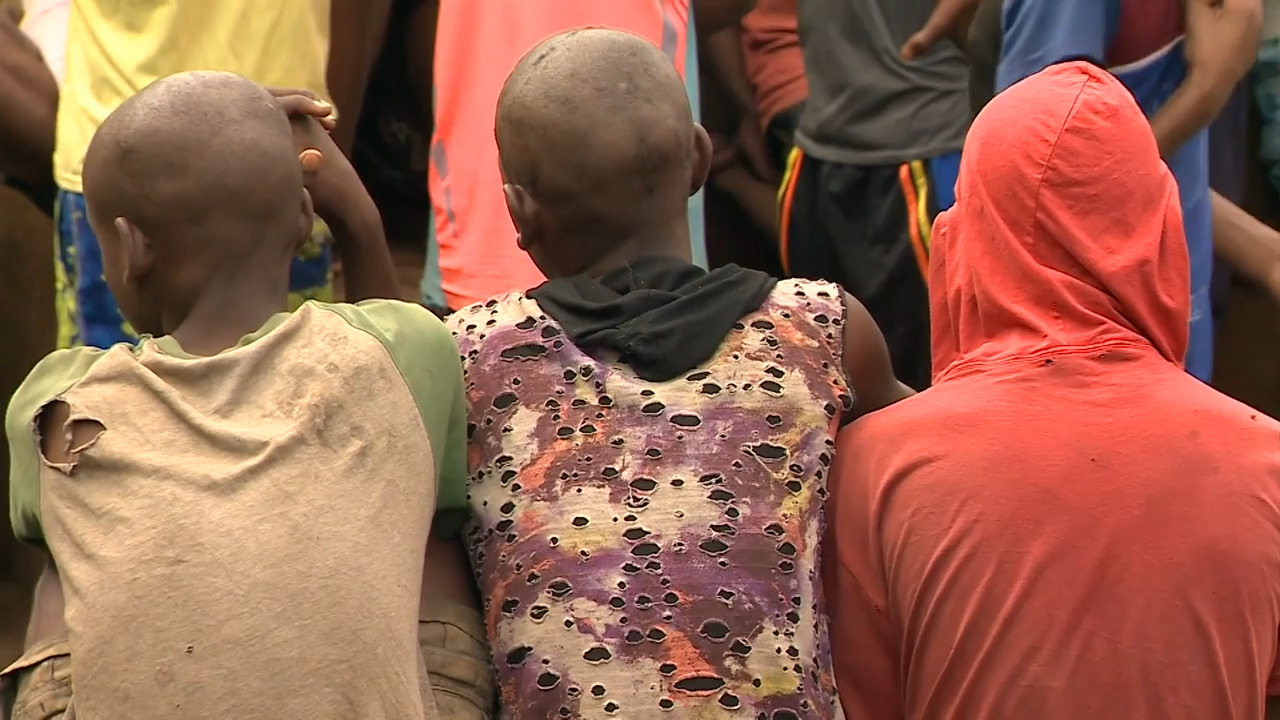
In The World's Incarcerated Children, host Radzi Chinyanganya highlights how child inmates in Madagascar make up part of the 1.5 million children who are currently imprisoned, held in immigration detention, or placed in institutions around the world. The episode delves into the harsh realities these children face and explores how their lack of freedom impacts their lives and futures. It raises important questions about justice, human rights, and the impact of systemic issues on young lives. This video is excerpted from BBC’s My World, a program created for teenagers eager to learn more about the important stories shaping our world.
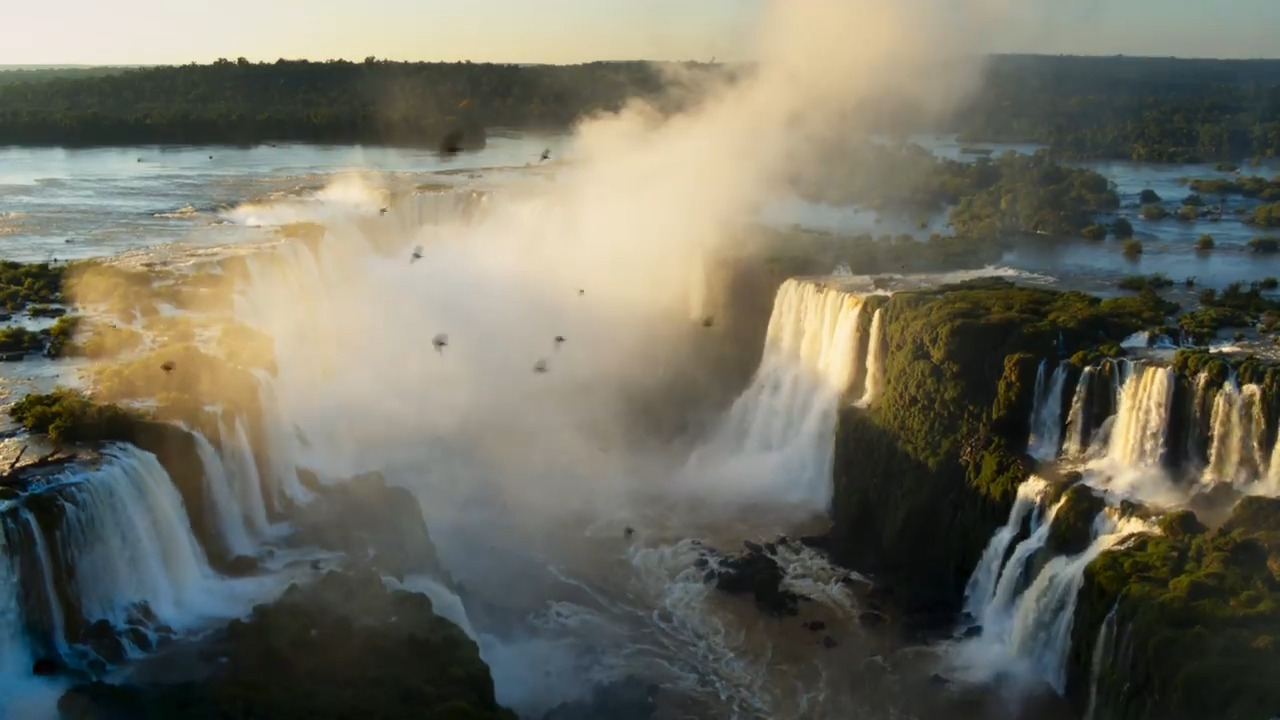
In Iguazu Falls and Human Interference, learn how piraputanga leap out of the clear waters to feed on berries growing on the branches above. However, the future of animals in this area may be at risk from humans using nearby waters for hydroelectric power. This video is excerpted from BBC’s Seven Worlds, One Planet, a series featuring remarkable animal behavior from all seven continents.
What country is home to the world’s largest tropical rainforest, the greatest biodiversity on Earth, and a culture famous for Carnival and soccer? Meet Brazil, the largest country in South America and a place where natural and cultural wonders stretch across an enormous landscape.
From capybaras and pink river dolphins to the mighty Amazon River and the wetlands of the Pantanal, Brazil is bursting with life. Explore the Indigenous, African, Portuguese, and immigrant influences that shaped Brazilian culture, learn about the country’s history and government, and discover the foods, music, and celebrations that bring people together. You’ll also explore Brazil’s incredible ecosystem.
Teachers and parents, you can use this fact file to:
- Introduce a geography or social studies unit
- Support nonfiction reading practice
- Compare countries and cultures
- Complete map and research activities
- Prepare students for projects or presentations (use our country report template!)
- Pair with videos, articles, or other informational texts (see Related Resources below)
You don’t often hear good news about the environment, but here is some. Three very different wildlife projects around the world show that there’s more than one way to protect nature, and that the effort is paying off.
In the UK, a cat named Frank is moving to a new home. He’s the only Asian golden cat in the country, a medium-sized wild cat from the forests of Southeast Asia. Frank is leaving the sanctuary where he’s lived and moving to a habitat built for his species. The difference matters. A sanctuary’s main job is caring for the animals it already has. A purpose-built habitat does that too, but it also works to help the species survive in the future, through research and breeding. At his new home, Frank will join a breeding program. That’s important, because Asian golden cats are listed as Near Threatened, which means they could become endangered soon. In the wild, they’re losing their forest homes and are hunted illegally.
Next stop is Brazil, where about 35,000 humpback whales now swim in the South Atlantic Ocean. That number would have seemed impossible not long ago. Hunting pushed humpbacks close to extinction, and in the 1980s, countries around the world agreed to stop commercial whaling. Four decades later, the whales have made a remarkable comeback. Every year they return to the warm waters off Brazil’s coast to breed and raise their calves, and scientists come back each year to study them.
Finally, in Tasmania, an island state off the south coast of Australia, volunteers are restoring wetlands. They’re pulling out willow trees, which settlers brought from Europe long ago. The willows spread quickly and crowd out local plants, which is what makes them an invasive species. In their place, volunteers are planting native species. Over time, these plants should keep the water cleaner, hold riverbanks in place, and shade the water.
In The Effects of Deregulation, host Radzi Chinyanganya explains how Brazil's deregulation policies have led to rapid deforestation in the Amazon. The government’s decision to lift restrictions on land use has allowed for the clearing of forests for agricultural expansion, logging, mining, and ranching. This video highlights the environmental consequences of this deregulation, focusing on the struggle between different groups, such as ranchers seeking land for cattle grazing and Indigenous populations fighting to protect their ancestral forests. This video is excerpted from BBC’s My World, a program created for teenagers eager to learn more about the important stories shaping our world.
In The Crystal Clear Waters of Bonito, explore the many types of fish that swim in the crystal clear waters of Bonito, a region in Brazil. The fish can see the monkeys above, feeding on berries, and wait for them to accidentally drop them into the water. This video is excerpted from BBC’s Seven Worlds, One Planet, a series featuring remarkable animal behavior from all seven continents.
In Pele's Pledge to His Father, sports journalist Clare Balding describes how Pelé pledged to his father that he would help Brazil win the World Cup. She describes his childhood and rise to fame. This video is excerpted from BBC’s Icons: The Greatest Person of the 20th Century, a documentary series celebrating the achievements of the most influential figures of the era.
In The Amazing Waterfall Toad, narrator Sir David Attenborough introduces the amazing waterfall toad, a tiny creature that lives in the jungles where Brazil and Venezuela meet. About the size of a postage stamp, this toad has super gripping hands that help it cling to trees and wet leaves in the treetops. While other frogs might hop away from danger, the waterfall toad has a unique strategy that protects it from hungry snakes below. This video is excerpted from BBC's Life, a show that explores the remarkable strategies animals and plants use to ensure their survival.
In The Go Jetters Join the Carnival Parade, the Go Jetters crew goes dancing in Brazil for the Rio Carnival, a big celebration that has been happening every year for over 250 years! The Carnival is filled with music, dancing, and colorful floats that are made by samba schools. People come from all over the world to join the fun and see the amazing parade! This video is excerpted from BBC’s Go Jetters, a series that follows the adventures of four plucky international heroes as they travel the globe visiting the world’s most famous landmarks with their friend and mentor, Ubercorn, a disco-dancing unicorn.
In Life in the Flooded Jungles of Brazil, narrator Sir David Attenborough takes us into the flooded Amazon rainforest, showing how jungle trees release moisture into the air to create their own rainfall. Marvel at the diverse range of animals that live in this watery environment, including river dolphins, capybaras, giant otters, and caimans. This video is excerpted from BBC’s Planet Earth II, a breathtaking documentary series that highlights the natural wonders of our planet.
In Young Animals Learn To Find Food, narrator Gordon Buchanan explains how young animals must learn to provide their own food to become independent. Grizzly bear cubs in British Columbia learn to fish for salmon by watching their mother. Capuchin monkeys in Brazil use rocks to smash palm nuts and sticks to pull sap from inside trees. This video is excerpted from BBC's Animal Babies, a heartwarming show that follows the first breaths, first steps and first feeds of some adorable baby animals, revealing the challenges they face to survive in some of the toughest but most beautiful places on the planet.
Explore the incredible life and global influence of Pelé, from his rise as a young football star in Brazil to his unforgettable World Cup victories and worldwide fame. Students will discover how Pelé’s extraordinary skill, creativity, and sportsmanship helped transform football into the world’s most popular sport.
This Kahoot! examines key moments in Pelé’s career, including his record-breaking achievements, his role in Brazil’s World Cup success, and his impact on the international growth of the game. Students will build listening skills, vocabulary, and historical awareness while exploring how Pelé influenced culture, identity, and the global popularity of football across generations.
Watch the related BBC videos, Pelé's Pledge to His Father and How Pelé Brought Soccer to the U.S., then invite your Grade 6–12 students to test their knowledge and explore the legacy of one of the greatest athletes in sports history.
In The World's Incarcerated Children, host Radzi Chinyanganya highlights how child inmates in Madagascar make up part of the 1.5 million children who are currently imprisoned, held in immigration detention, or placed in institutions around the world. The episode delves into the harsh realities these children face and explores how their lack of freedom impacts their lives and futures. It raises important questions about justice, human rights, and the impact of systemic issues on young lives. This video is excerpted from BBC’s My World, a program created for teenagers eager to learn more about the important stories shaping our world.
In Iguazu Falls and Human Interference, learn how piraputanga leap out of the clear waters to feed on berries growing on the branches above. However, the future of animals in this area may be at risk from humans using nearby waters for hydroelectric power. This video is excerpted from BBC’s Seven Worlds, One Planet, a series featuring remarkable animal behavior from all seven continents.