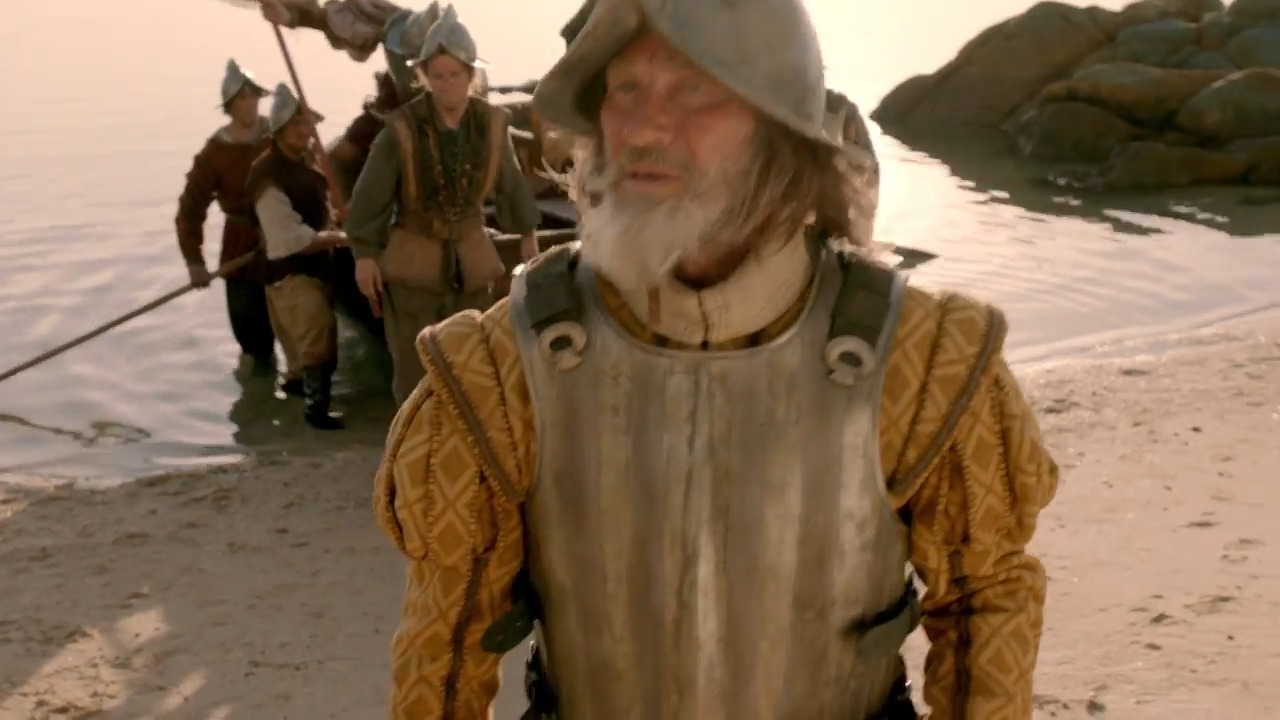
In Columbus in the New World, host Andrew Marr recounts how Christopher Columbus lands on the Bahamian island of Guanahani and decides to name it San Salvador. After meeting with the Indigenous people on the island, Columbus describes how he thinks he can claim the land for Spain, enslave the people, and convert them to Christianity. This kicks off a global gold rush. This video is excerpted from BBC’s Andrew Marr's History of the World, a story of human history that uses reenactments, modern footage, and storytelling to explain history’s greatest achievements.
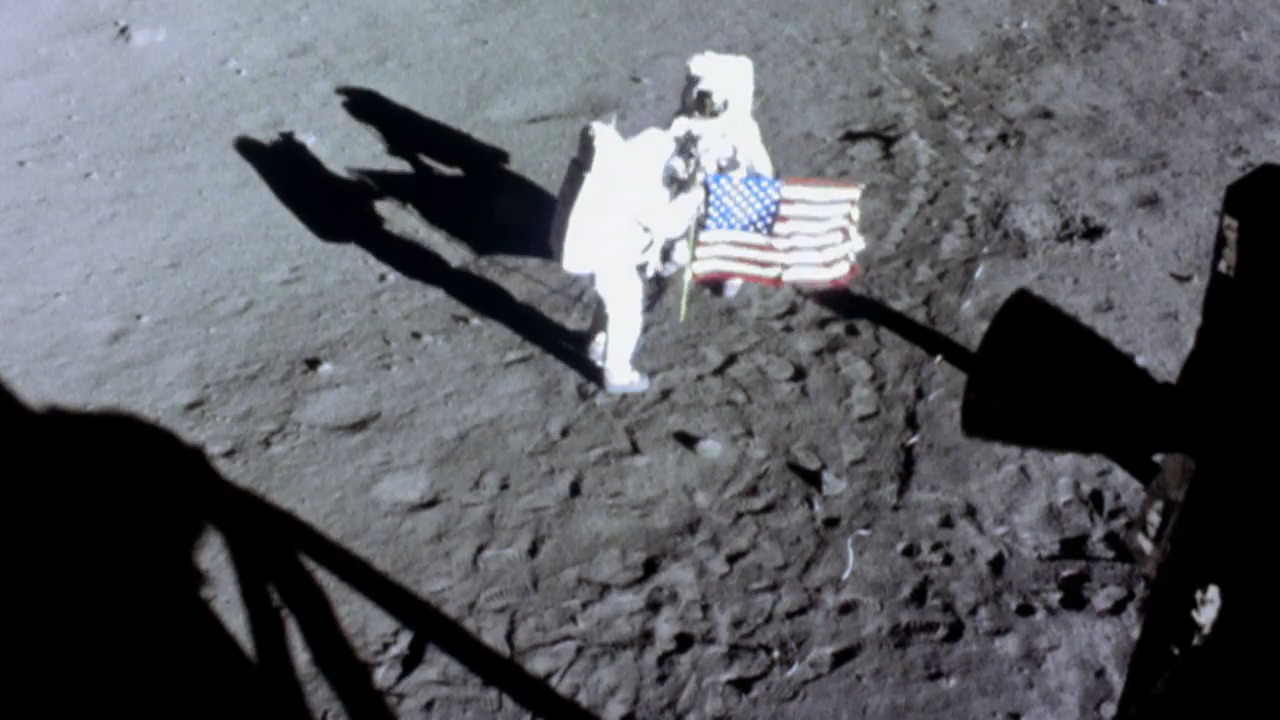
In Communism vs. Capitalism During the Cold War Years, host Andrew Marr describes the post-World War II world, in which the United States and Soviet Union were in competition, as each country sought supremacy. While the U.S. capitalized on economic prosperity, space exploration and the arms race defined the Cold War era. This video is excerpted from BBC’s Andrew Marr's History of the World, a story of human history that uses reenactments, modern footage, and storytelling to explain history’s greatest achievements.
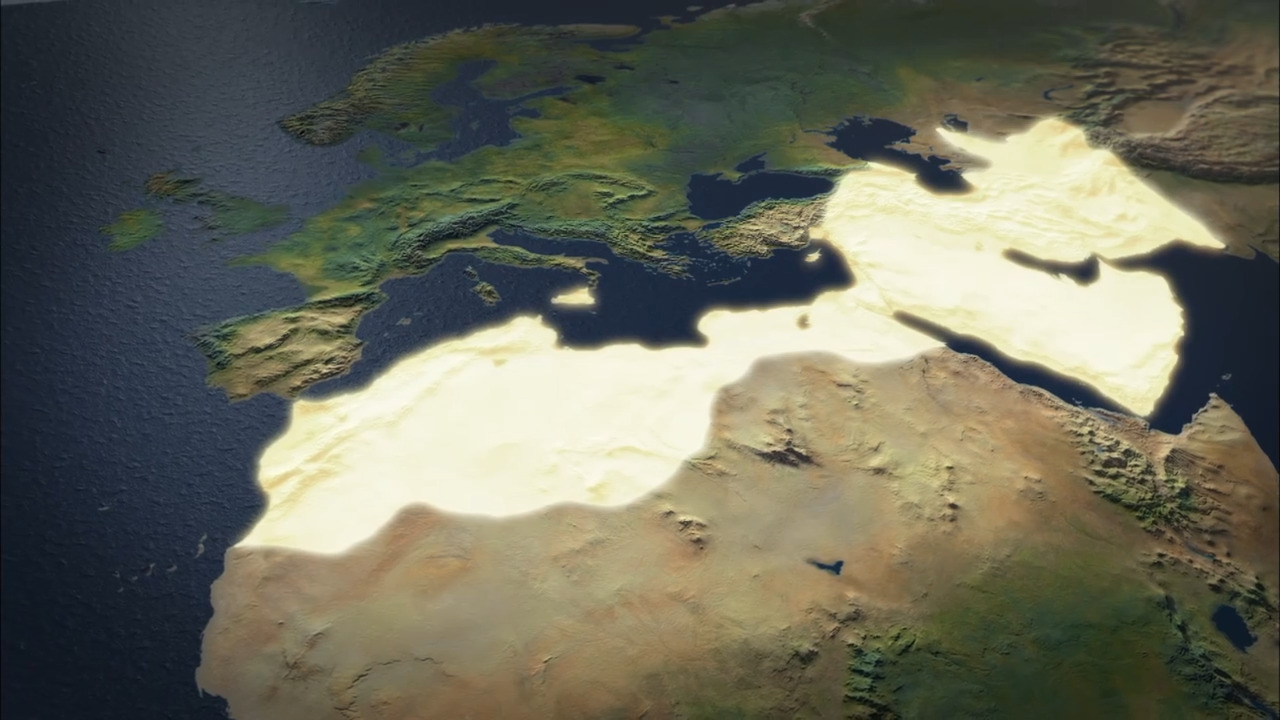
In Islamic Advances in Math and Science Helped Update the Math of the World, host Andrew Marr takes us back to the 9th Century. The Islamic scholar Muhammad al-Khwarizmi and other scholars are using measurements and calculations to calculate the Earth’s circumference and create an updated map the Earth. Learn how the work of the Islamic scholars impacts today’s technology and mathematics. This video is excerpted from BBC’s Andrew Marr's History of the World, a story of human history that uses reenactments, modern footage, and storytelling to explain history’s greatest achievements.

In The Life of Ashoka, From Bloodshed to Buddhism, host Andrew Marr describes how Ashoka started his reign of the Mauryan Empire in India with a brutal conquest that killed 100,000 people. But after that bloodshed, Ashoka embraced Buddhism and worked to spread the peaceful philosophy across the ancient world. This included writing and sharing his Edicts, which have been called the first declaration of human rights. This video is excerpted from BBC’s Andrew Marr's History of the World, a story of human history that uses reenactments, modern footage, and storytelling to explain history’s greatest achievements.
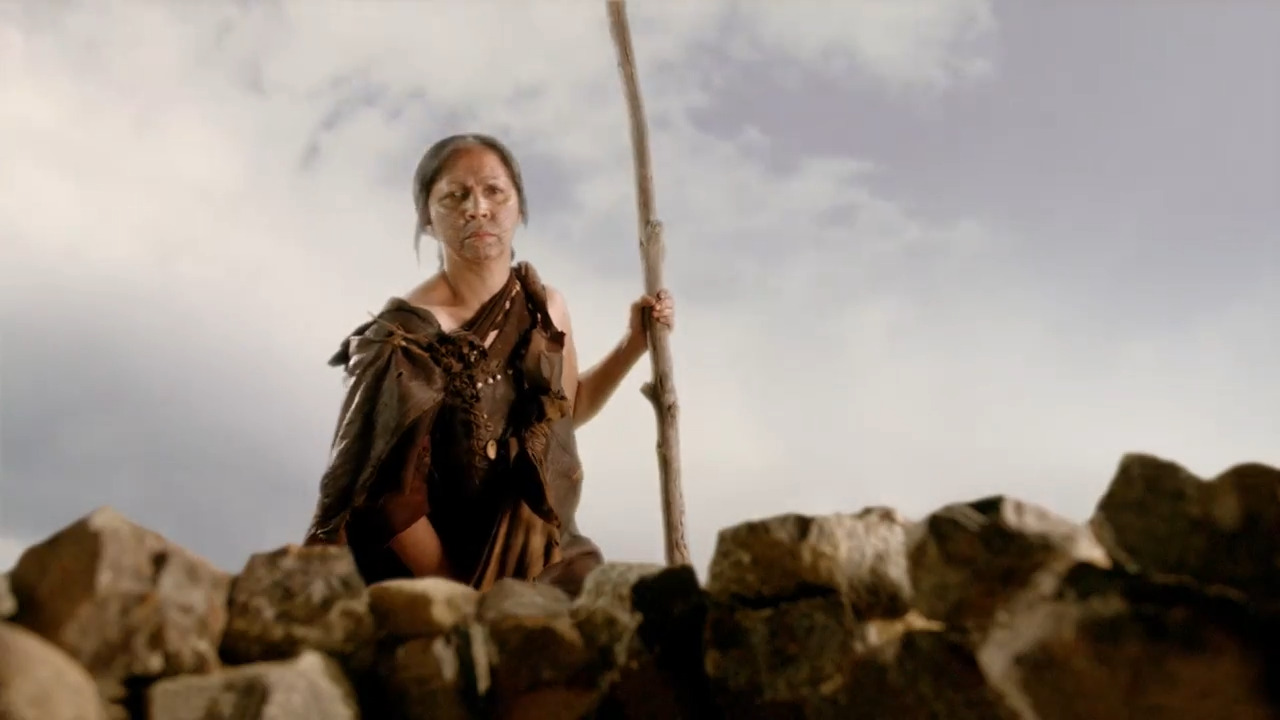
In Life in the Fertile Crescent, host Andrew Marr takes us back 16,000 years. The Earth is warming and modern life starts to take shape as people shift from hunting and gathering to farming. The first farmers in the Fertile Crescent figured out how to grow grains for food, which changed how they lived and what was possible for population growth. This video is excerpted from BBC’s Andrew Marr's History of the World, a story of human history that uses reenactments, modern footage, and storytelling to explain history’s greatest achievements.
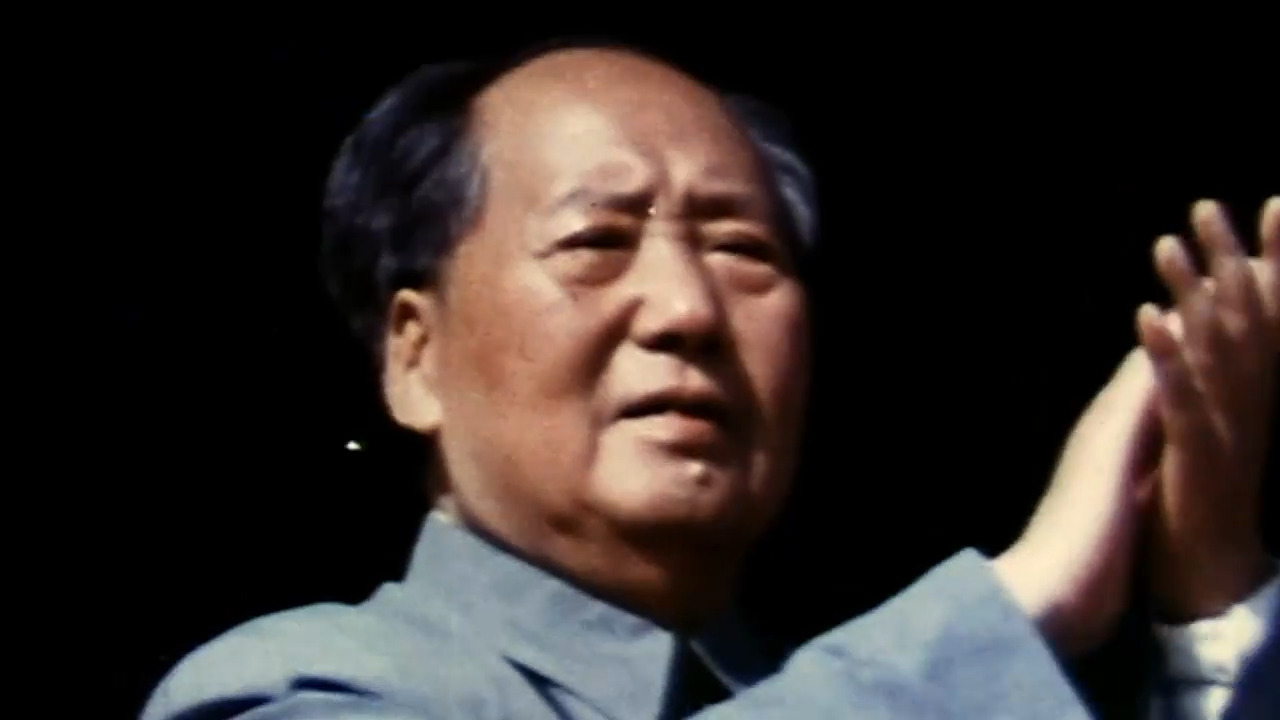
In Mao Zedong’s Policies Devastated China During the Cultural Revolution, host Andrew Marr explains reveals that millions of people were targeted, killed, or “re-educated” during this time. One resistor, Deng Xiaoping, was exiled and his son tortured and disabled under Mao. They returned to China later to rise to power and merge capitalism and communism to reshape China’s future. This video is excerpted from BBC’s Andrew Marr's History of the World, a story of human history that uses reenactments, modern footage, and storytelling to explain history’s greatest achievements.
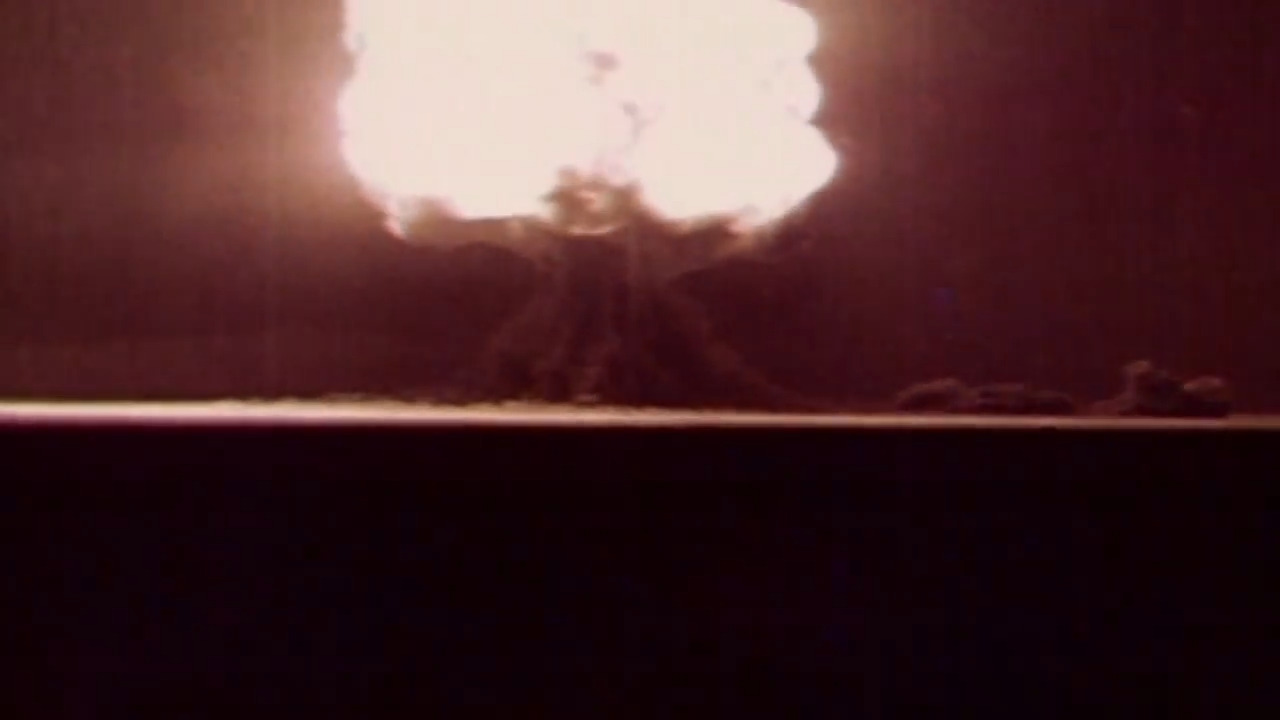
In Oppenheimer’s Atomic Bombs and the End of World War II, host Andrew Marr describes how J. Robert Oppenheimer developed the technology to end World War II with two atomic bombs dropped on the Japanese cities of Hiroshima and Nagasaki. Before the bombs were dropped, Oppenheimer calculated how to drop them to create the most damage. After the war was over, Oppenheimer felt conflicted about the creation of the bombs. This video is excerpted from BBC’s Andrew Marr's History of the World, a story of human history that uses reenactments, modern footage, and storytelling to explain history’s greatest achievements.
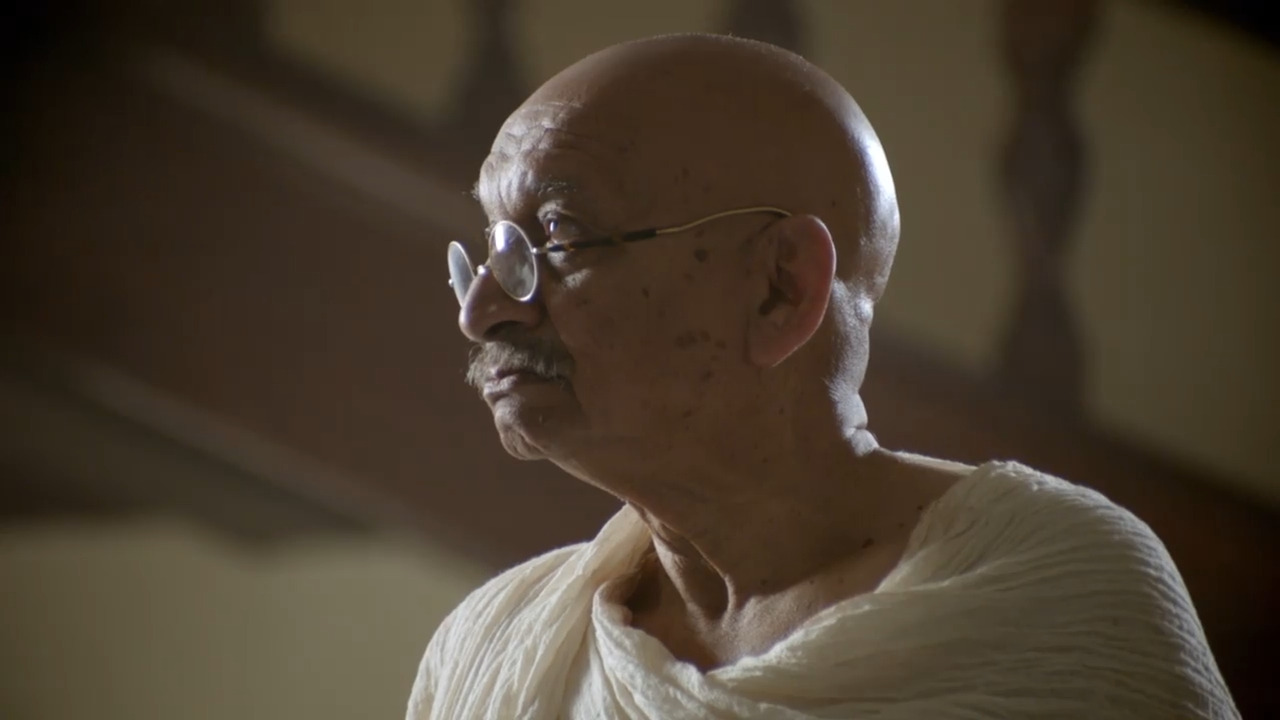
In Gandhi’s Campaign and the Fall of an Empire, host Andrew Marr details how Gandhi sent a letter to the Viceroy demanding freedom from British rule. When the letter was ignored, Gandhi began his campaign for Indian freedom. Inspired by the Boston Tea Party, and using the media to garner support, Gandhi engaged in protests that led to India’s independence. This video is excerpted from BBC’s Andrew Marr's History of the World, a story of human history that uses reenactments, modern footage, and storytelling to explain history’s greatest achievements.
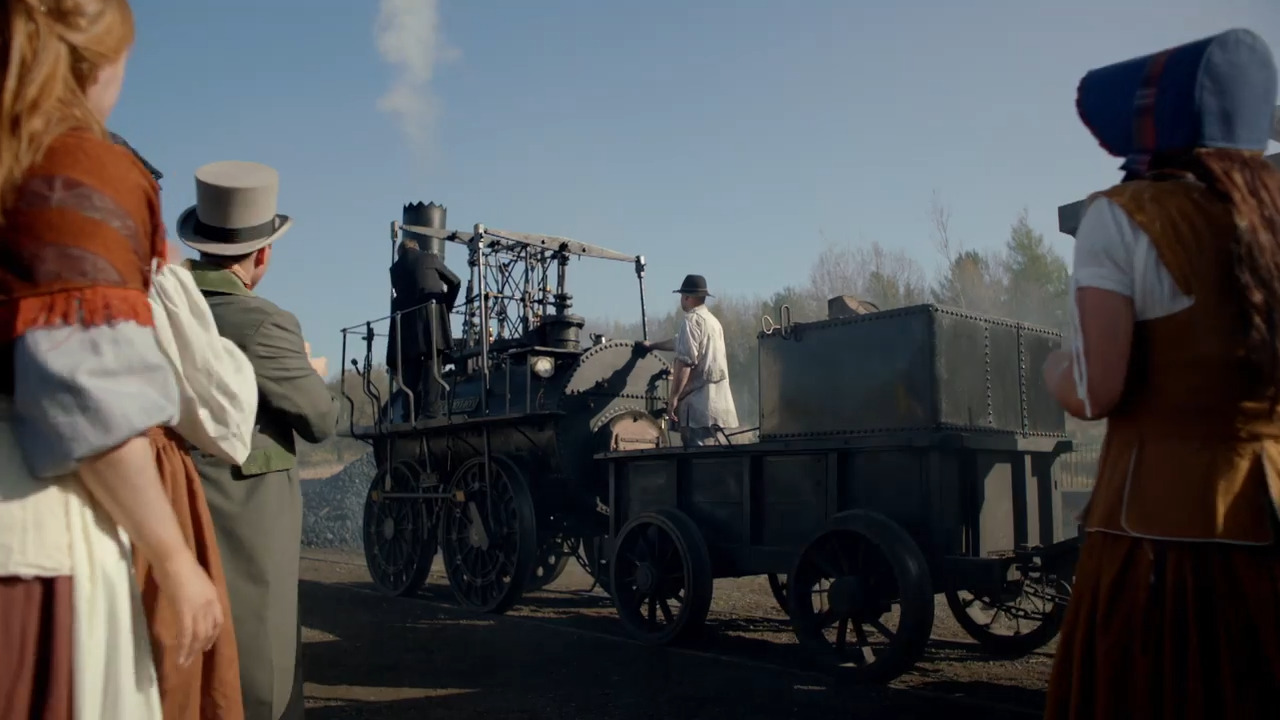
In How Railways Powered the Industrial Revolution, host Andrew Marr describes how when the first locomotive went for a test run it drove for 26 miles. But by the end of the Industrial Revolution, locomotion and trains had reshaped transportation, industry, and the world. This video is excerpted from BBC’s Andrew Marr's History of the World, a story of human history that uses reenactments, modern footage, and storytelling to explain history’s greatest achievements.
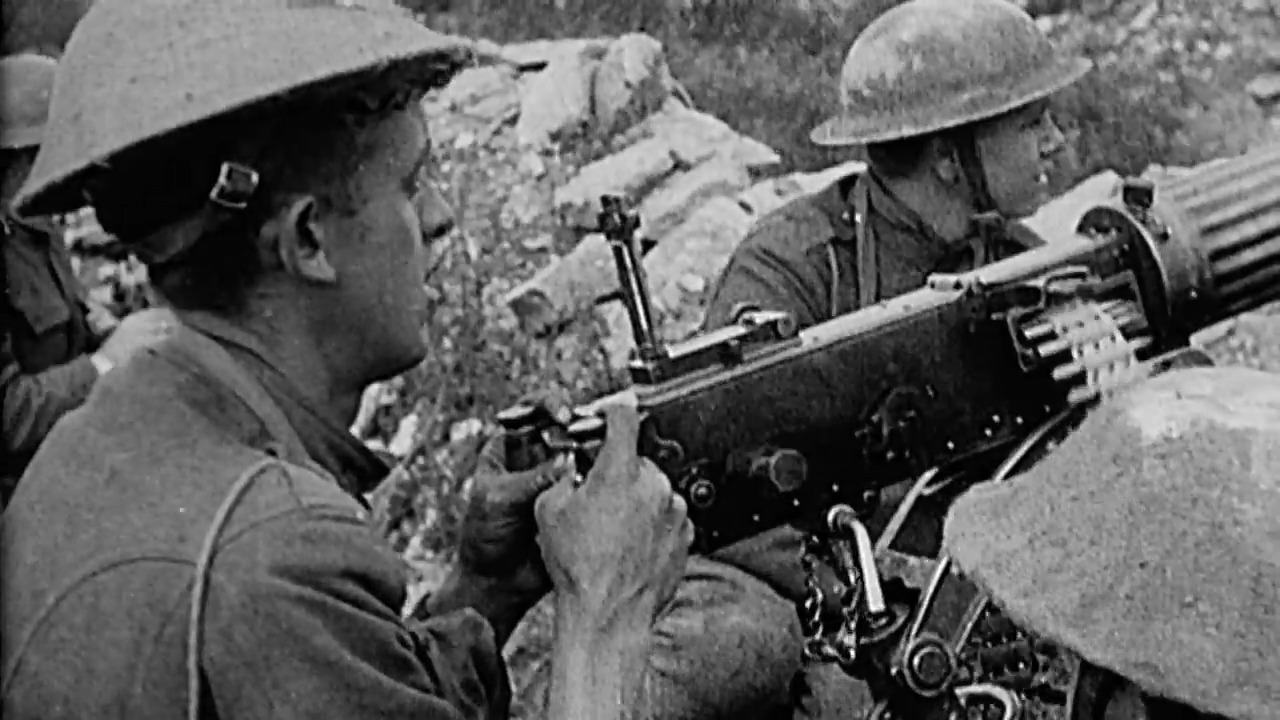
In The Zimmerman Telegram and America’s Entry into WWI, host Andrew Marr takes us back to when the Great War was raging but the Americans hadn’t yet entered the fighting. The Germans attempted to keep America out of the war by getting Mexico to reclaim the territory it lost to the U.S., but this backfired when their telegram was intercepted by the British, ultimately pulling the Americans into the First World War. This video is excerpted from BBC’s Andrew Marr's History of the World, a story of human history that uses reenactments, modern footage, and storytelling to explain history’s greatest achievements.
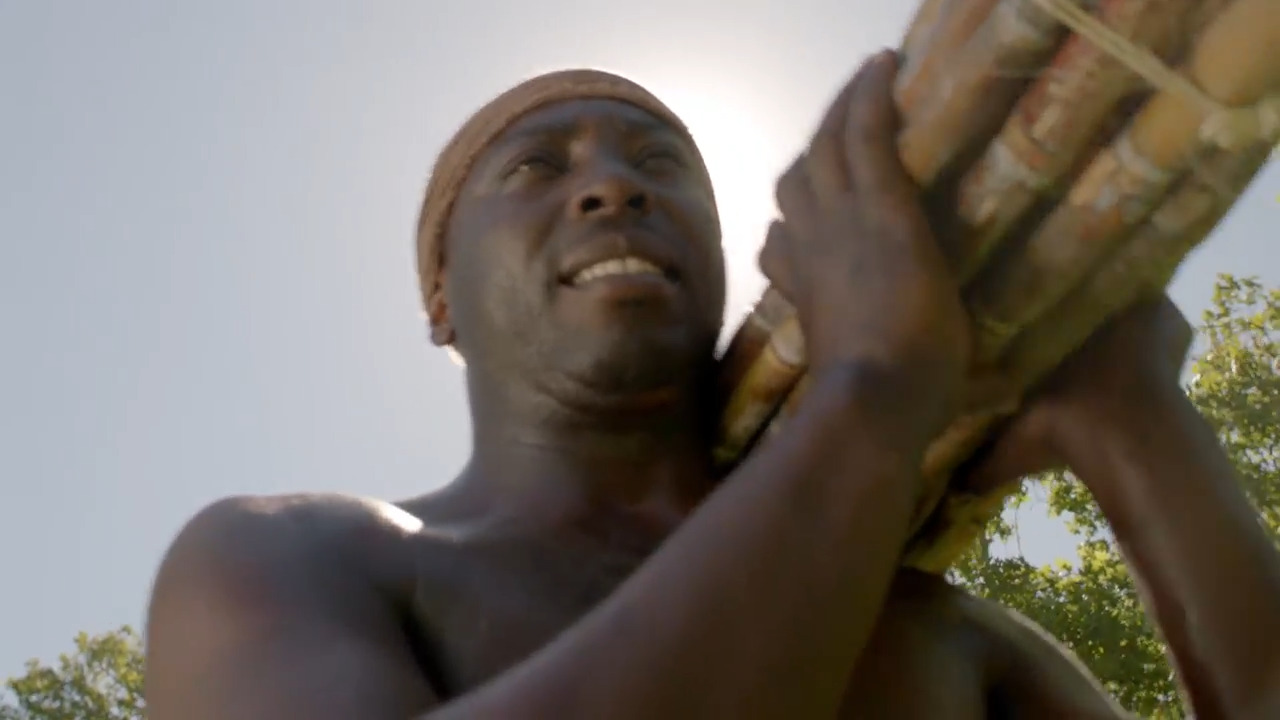
In The Fight for Freedom and Democracy in Haiti, host Andrew Marr describes how enslaved people in the French colony of Saint-Domingue learned about the ideals of the French Revolution. The idea of freedom and democracy spread from plantation to plantation through voodoo ceremonies. One leader, Dutty Boukman, was instrumental in inspiring Haitians to revolt, which led to the creation of the first Black republic. This video is excerpted from BBC’s A History of the World, a story of human history that uses reenactments, modern footage, and storytelling to explain history’s greatest achievements.
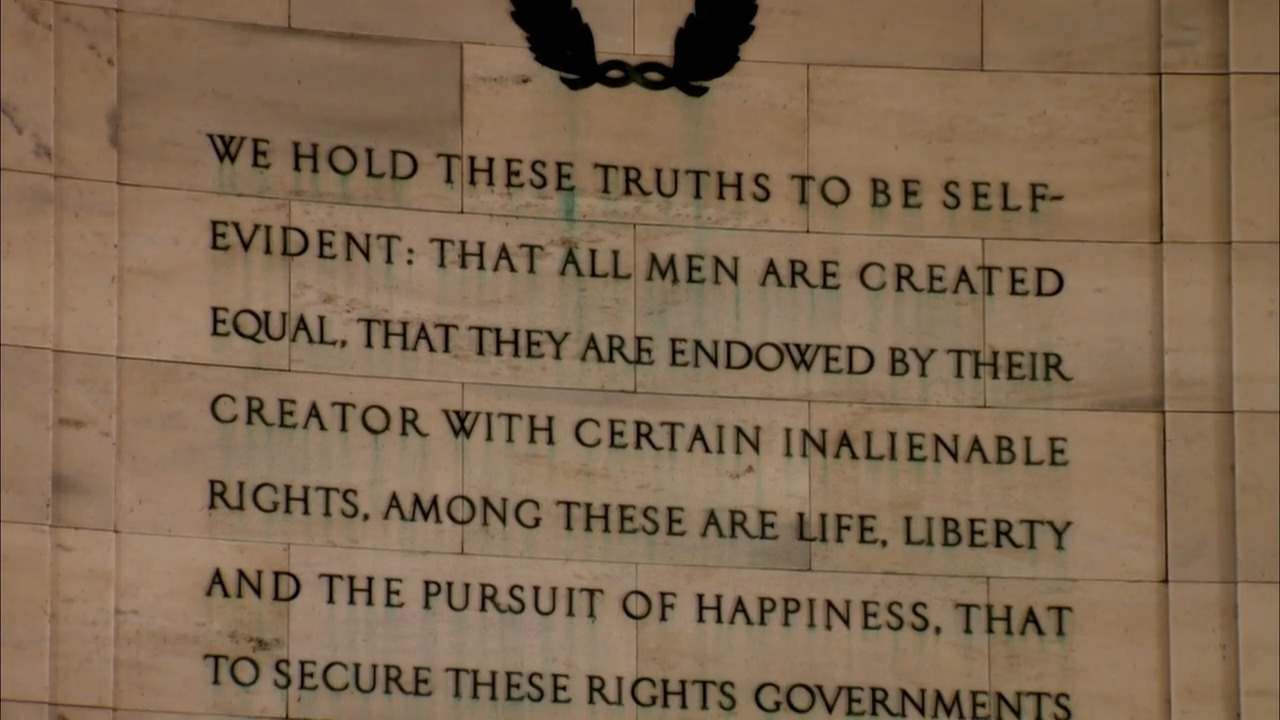
In The Boston Tea Party Ignites the Revolutionary War, host Andrew Marr describes how Samuel Adams and fellow colonists rebelled against British rule by destroying a shipment of tea in Boston Harbor. This act of defiance would ignite the Revolutionary War and set the stage for the birth of a new nation governed by revolutionary ideals. This video is excerpted from BBC’s Andrew Marr's History of the World, a story of human history that uses reenactments, modern footage, and storytelling to explain history’s greatest achievements.
In Columbus in the New World, host Andrew Marr recounts how Christopher Columbus lands on the Bahamian island of Guanahani and decides to name it San Salvador. After meeting with the Indigenous people on the island, Columbus describes how he thinks he can claim the land for Spain, enslave the people, and convert them to Christianity. This kicks off a global gold rush. This video is excerpted from BBC’s Andrew Marr's History of the World, a story of human history that uses reenactments, modern footage, and storytelling to explain history’s greatest achievements.
In Communism vs. Capitalism During the Cold War Years, host Andrew Marr describes the post-World War II world, in which the United States and Soviet Union were in competition, as each country sought supremacy. While the U.S. capitalized on economic prosperity, space exploration and the arms race defined the Cold War era. This video is excerpted from BBC’s Andrew Marr's History of the World, a story of human history that uses reenactments, modern footage, and storytelling to explain history’s greatest achievements.
In Islamic Advances in Math and Science Helped Update the Math of the World, host Andrew Marr takes us back to the 9th Century. The Islamic scholar Muhammad al-Khwarizmi and other scholars are using measurements and calculations to calculate the Earth’s circumference and create an updated map the Earth. Learn how the work of the Islamic scholars impacts today’s technology and mathematics. This video is excerpted from BBC’s Andrew Marr's History of the World, a story of human history that uses reenactments, modern footage, and storytelling to explain history’s greatest achievements.
In The Life of Ashoka, From Bloodshed to Buddhism, host Andrew Marr describes how Ashoka started his reign of the Mauryan Empire in India with a brutal conquest that killed 100,000 people. But after that bloodshed, Ashoka embraced Buddhism and worked to spread the peaceful philosophy across the ancient world. This included writing and sharing his Edicts, which have been called the first declaration of human rights. This video is excerpted from BBC’s Andrew Marr's History of the World, a story of human history that uses reenactments, modern footage, and storytelling to explain history’s greatest achievements.
In Life in the Fertile Crescent, host Andrew Marr takes us back 16,000 years. The Earth is warming and modern life starts to take shape as people shift from hunting and gathering to farming. The first farmers in the Fertile Crescent figured out how to grow grains for food, which changed how they lived and what was possible for population growth. This video is excerpted from BBC’s Andrew Marr's History of the World, a story of human history that uses reenactments, modern footage, and storytelling to explain history’s greatest achievements.
In Mao Zedong’s Policies Devastated China During the Cultural Revolution, host Andrew Marr explains reveals that millions of people were targeted, killed, or “re-educated” during this time. One resistor, Deng Xiaoping, was exiled and his son tortured and disabled under Mao. They returned to China later to rise to power and merge capitalism and communism to reshape China’s future. This video is excerpted from BBC’s Andrew Marr's History of the World, a story of human history that uses reenactments, modern footage, and storytelling to explain history’s greatest achievements.
In Oppenheimer’s Atomic Bombs and the End of World War II, host Andrew Marr describes how J. Robert Oppenheimer developed the technology to end World War II with two atomic bombs dropped on the Japanese cities of Hiroshima and Nagasaki. Before the bombs were dropped, Oppenheimer calculated how to drop them to create the most damage. After the war was over, Oppenheimer felt conflicted about the creation of the bombs. This video is excerpted from BBC’s Andrew Marr's History of the World, a story of human history that uses reenactments, modern footage, and storytelling to explain history’s greatest achievements.
In Gandhi’s Campaign and the Fall of an Empire, host Andrew Marr details how Gandhi sent a letter to the Viceroy demanding freedom from British rule. When the letter was ignored, Gandhi began his campaign for Indian freedom. Inspired by the Boston Tea Party, and using the media to garner support, Gandhi engaged in protests that led to India’s independence. This video is excerpted from BBC’s Andrew Marr's History of the World, a story of human history that uses reenactments, modern footage, and storytelling to explain history’s greatest achievements.
In How Railways Powered the Industrial Revolution, host Andrew Marr describes how when the first locomotive went for a test run it drove for 26 miles. But by the end of the Industrial Revolution, locomotion and trains had reshaped transportation, industry, and the world. This video is excerpted from BBC’s Andrew Marr's History of the World, a story of human history that uses reenactments, modern footage, and storytelling to explain history’s greatest achievements.
In The Zimmerman Telegram and America’s Entry into WWI, host Andrew Marr takes us back to when the Great War was raging but the Americans hadn’t yet entered the fighting. The Germans attempted to keep America out of the war by getting Mexico to reclaim the territory it lost to the U.S., but this backfired when their telegram was intercepted by the British, ultimately pulling the Americans into the First World War. This video is excerpted from BBC’s Andrew Marr's History of the World, a story of human history that uses reenactments, modern footage, and storytelling to explain history’s greatest achievements.
In The Fight for Freedom and Democracy in Haiti, host Andrew Marr describes how enslaved people in the French colony of Saint-Domingue learned about the ideals of the French Revolution. The idea of freedom and democracy spread from plantation to plantation through voodoo ceremonies. One leader, Dutty Boukman, was instrumental in inspiring Haitians to revolt, which led to the creation of the first Black republic. This video is excerpted from BBC’s A History of the World, a story of human history that uses reenactments, modern footage, and storytelling to explain history’s greatest achievements.
In The Boston Tea Party Ignites the Revolutionary War, host Andrew Marr describes how Samuel Adams and fellow colonists rebelled against British rule by destroying a shipment of tea in Boston Harbor. This act of defiance would ignite the Revolutionary War and set the stage for the birth of a new nation governed by revolutionary ideals. This video is excerpted from BBC’s Andrew Marr's History of the World, a story of human history that uses reenactments, modern footage, and storytelling to explain history’s greatest achievements.