Mao Zedong’s Policies Devastated China During the Cultural Revolution
In Mao Zedong’s Policies Devastated China During the Cultural Revolution, host Andrew Marr explains reveals that millions of people were targeted, killed, or “re-educated” during this time. One resistor, Deng Xiaoping, was exiled and his son tortured and disabled under Mao. They returned to China later to rise to power and merge capitalism and communism to reshape China’s future. This video is excerpted from BBC’s Andrew Marr's History of the World, a story of human history that uses reenactments, modern footage, and storytelling to explain history’s greatest achievements.
 Advisory: Contains scenes of moderate violence.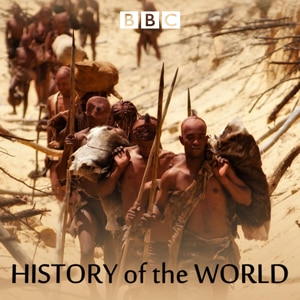
Andrew Marr goes on an epic journey through 70,000 years of human history, telling the story of how great forces of nature and individual genius shaped the world we live in today. Learn more.
Lesson Express
Q: What happened in China in the 1950s?
A: Millions of people died in a famine when Chairman Mao tried to turn rural China into an industrial powerhouse.
Q: What happened during the Cultural Revolution?
A: Fanatical Red Guards targeted those suspected of being right-wing capitalists, and millions of people died or were placed into forced re-education.
Q: How did Deng Xiaoping change China?
A: He became the most powerful man in China by introducing capitalist reforms to help revive the economy.
You Might Also Like
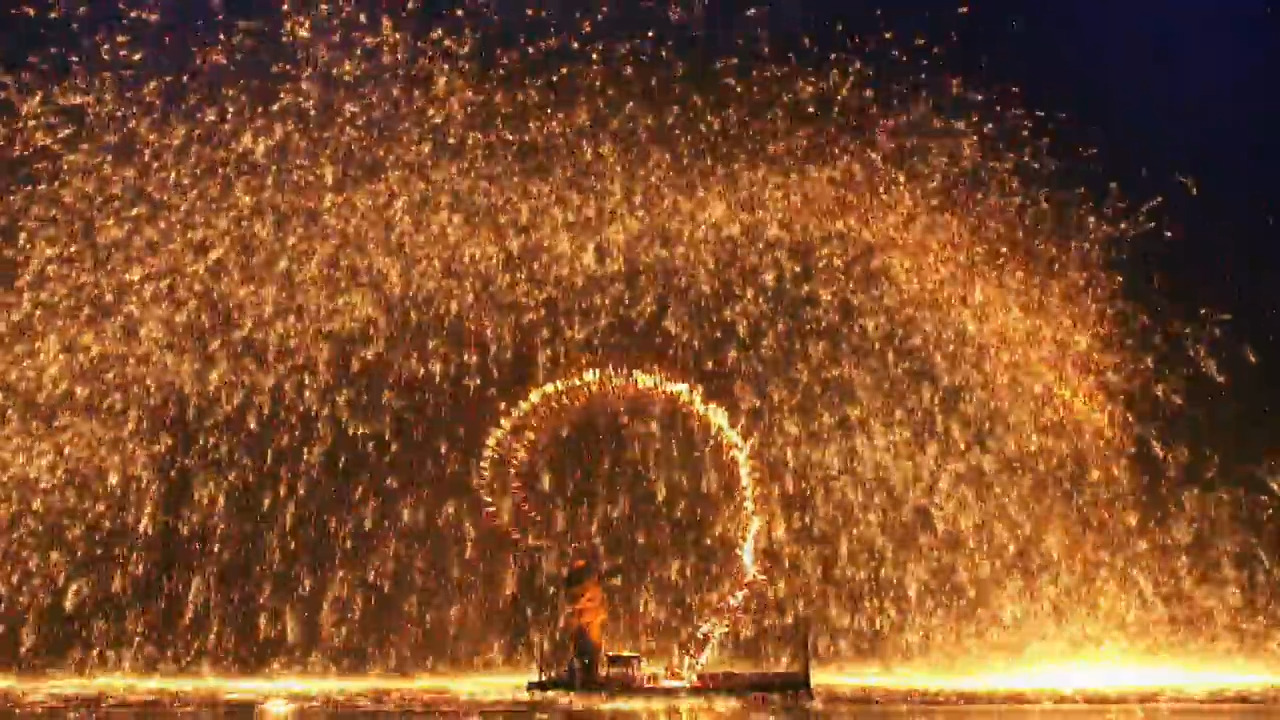
In Throwing Fire for Chinese New Year, iron metal workers in Nanquan, China, create amazing, glowing art with molten metal. Today, they perform nightly, but the tradition goes back hundreds of years. This video is excerpted from BBC’s Chinese New Year: The Biggest Celebration on Earth, a documentary series detailing the world's largest annual human migration (Chunyun), where over 1.5 billion people celebrate the Lunar New Year.
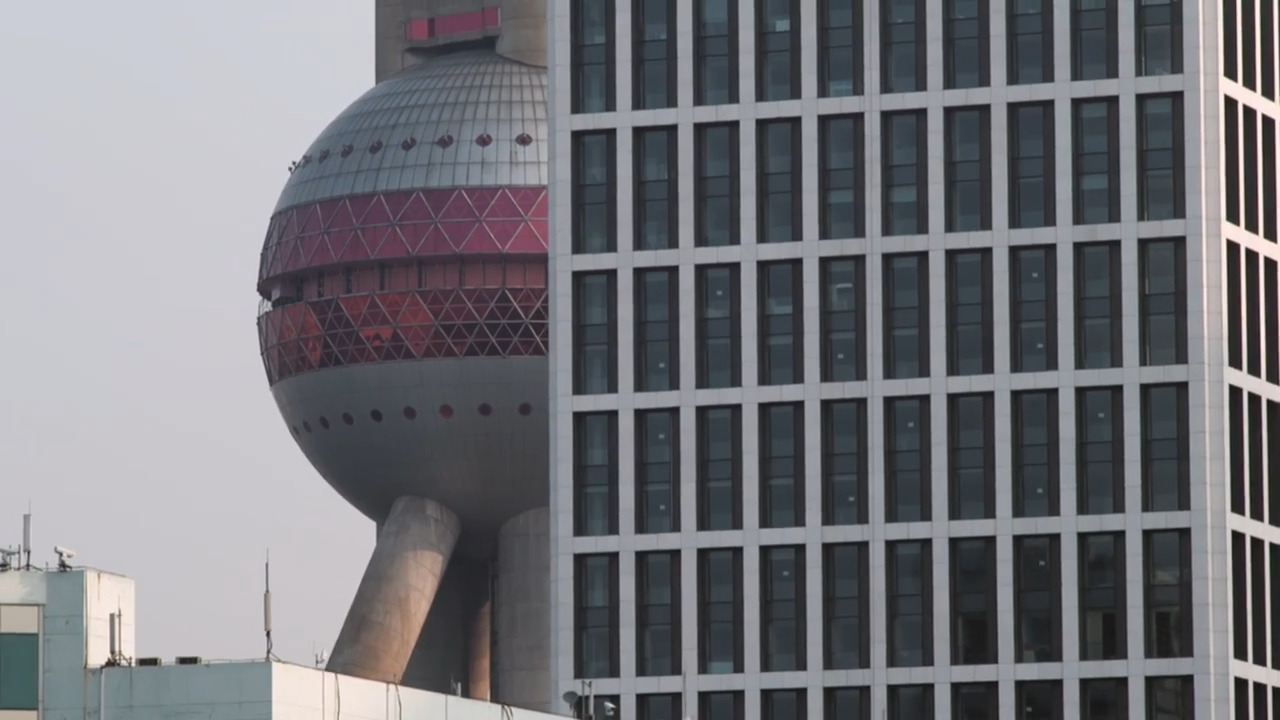
In A Shifting Skyline in Shanghai, a photographer describes his photography project that captures the dramatic change in the Shanghai skyline over the last 20 years. This video is excerpted from BBC's Generation Earth, in which presenter Dallas Campbell explores how humans have changed Earth in one generation.
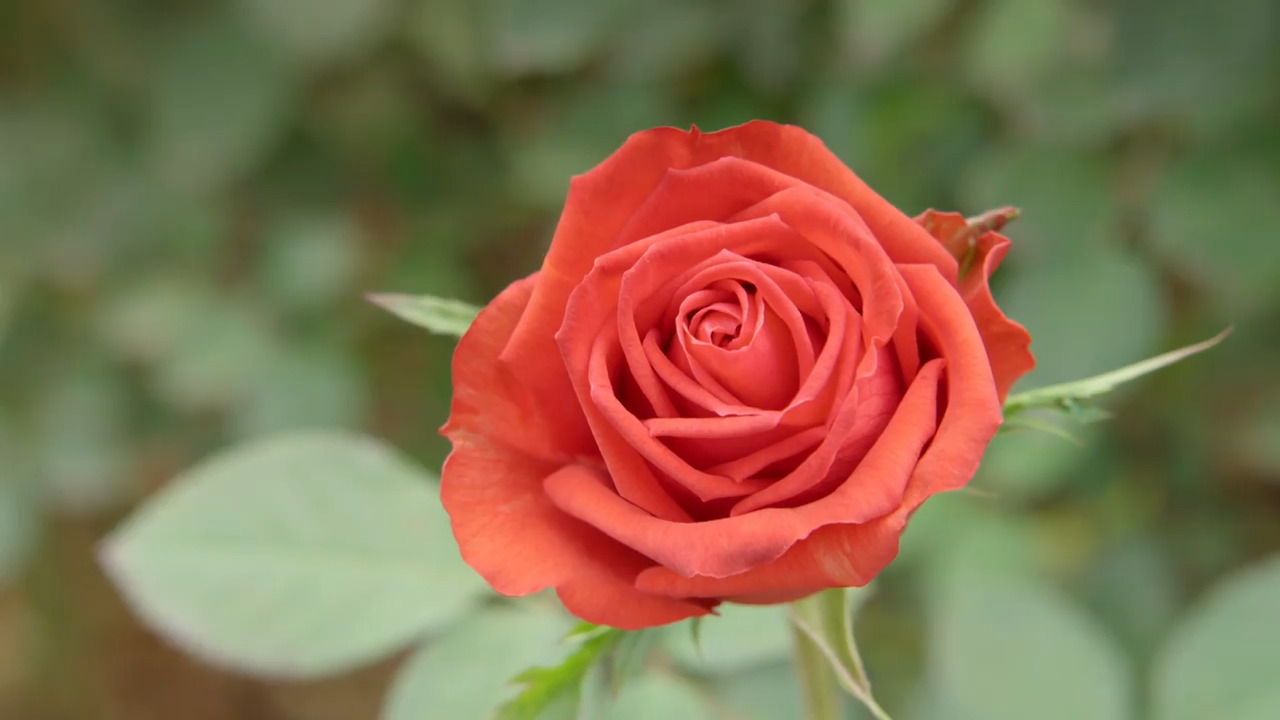
In Preparing Flowers for Chinese New Year, a farm in Kunming, China’s Spring City, prepares flowers for the busy Chinese New Year season. Flowers travel from farm to auction, where buyers purchase them for shops. This video is excerpted from BBC’s Chinese New Year: The Biggest Celebration on Earth, a documentary series detailing the world's largest annual human migration (Chunyun), where over 1.5 billion people celebrate the Lunar New Year.
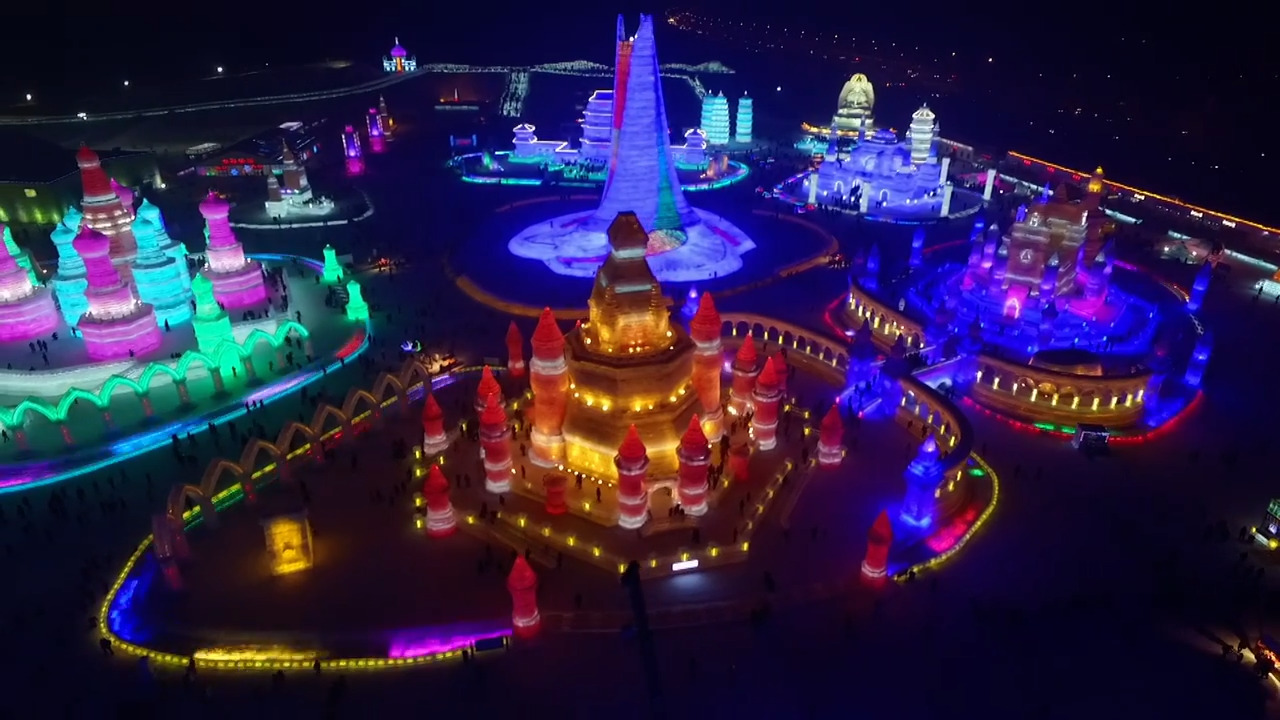
In Inside the Harbin Ice Festival, the Harbin Ice Festival lights up the night sky in Harbin, China for a few weeks each winter. Huge ice buildings are created and lit for tourists to visit before they melt in the spring. This video is excerpted from BBC’s Chinese New Year: The Biggest Celebration on Earth, a documentary series detailing the world's largest annual human migration (Chunyun), where over 1.5 billion people celebrate the Lunar New Year.
In Throwing Fire for Chinese New Year, iron metal workers in Nanquan, China, create amazing, glowing art with molten metal. Today, they perform nightly, but the tradition goes back hundreds of years. This video is excerpted from BBC’s Chinese New Year: The Biggest Celebration on Earth, a documentary series detailing the world's largest annual human migration (Chunyun), where over 1.5 billion people celebrate the Lunar New Year.
In A Shifting Skyline in Shanghai, a photographer describes his photography project that captures the dramatic change in the Shanghai skyline over the last 20 years. This video is excerpted from BBC's Generation Earth, in which presenter Dallas Campbell explores how humans have changed Earth in one generation.
In Preparing Flowers for Chinese New Year, a farm in Kunming, China’s Spring City, prepares flowers for the busy Chinese New Year season. Flowers travel from farm to auction, where buyers purchase them for shops. This video is excerpted from BBC’s Chinese New Year: The Biggest Celebration on Earth, a documentary series detailing the world's largest annual human migration (Chunyun), where over 1.5 billion people celebrate the Lunar New Year.
In Inside the Harbin Ice Festival, the Harbin Ice Festival lights up the night sky in Harbin, China for a few weeks each winter. Huge ice buildings are created and lit for tourists to visit before they melt in the spring. This video is excerpted from BBC’s Chinese New Year: The Biggest Celebration on Earth, a documentary series detailing the world's largest annual human migration (Chunyun), where over 1.5 billion people celebrate the Lunar New Year.