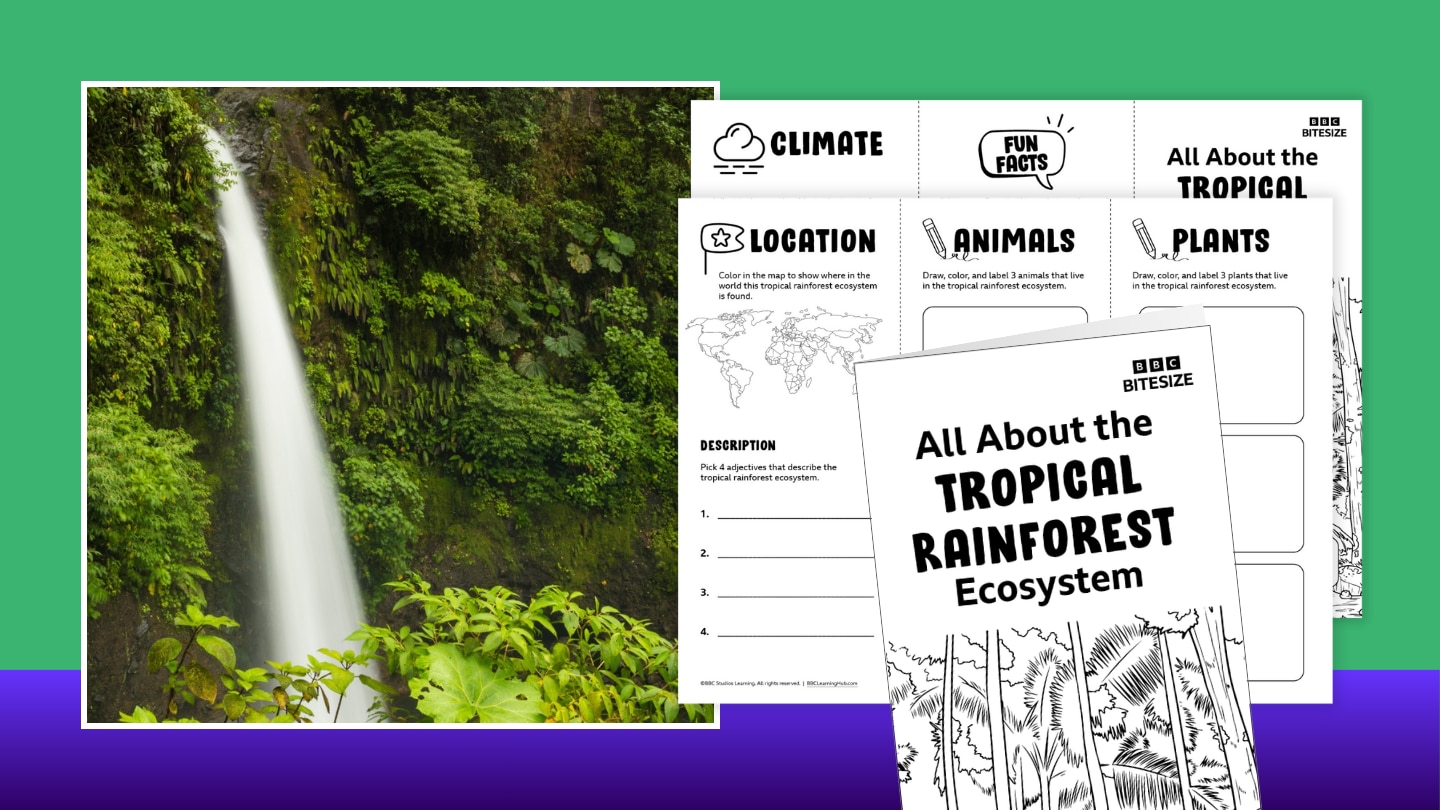
Guide your students on a hike through the tropical rainforest ecosystem! From the Amazon in South America to the jungles of Southeast Asia, rainforests are full of unique and amazing species.
✨ Perfect for grades 3–8, here’s what you need to bring ecosystems to life:
- Iconic BBC Videos: Share the clips on this page to introduce the location, plants, animals, and climate of the rainforest. (Don't miss the spider monkeys and waterfall toads!) Brought to you by world-class BBC programs like Planet Earth, Deadly 60, Seven Worlds, One Planet, and Life.
- Free Printable: Use the Tropical Rainforest Brochure Template to help students pull it all together in an ecosystem report with facts they’ve learned (and a little extra research).
It’s everything you need to make ecosystems easy to teach and truly memorable for your students.

Shhh! We're going inside Amazon's super-secret chip design lab! But not the kind where they invent new potato chips. Amazon gave the BBC a rare look inside Annapurna Labs, where engineers design custom computer chips that power artificial intelligence.
Their teams oversee the entire process, from testing newly built silicon chips to making sure they're ready to be installed in massive data centers. These chips are the brains behind AI tools that millions of people use every day — from chatbots and translation apps to online shopping recommendations and voice assistants. Each chip can perform more than 1,000 trillion calculations every second. If you solved just one calculation every second without ever stopping, it would take about 80 million years to do the same amount of work!
There are companies that specialize in making chips, but Amazon designs its own to help make AI systems faster, more energy-efficient, and less expensive to operate. As AI becomes more powerful and more common, Amazon is competing with companies like Google, Microsoft, and Nvidia to build the chips that will power the next generation of AI.
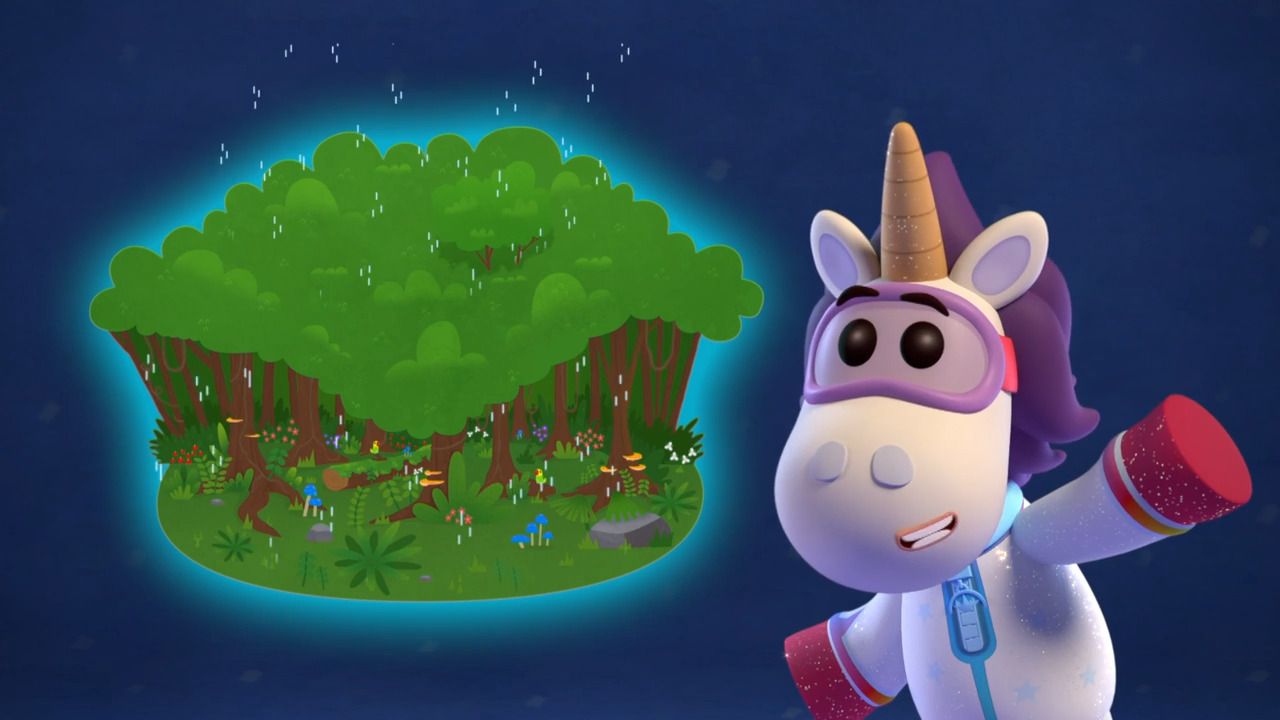
In The Go Jetters Travel to the Amazon Rainforest, Ubercorn and friends explore the magical Amazon rainforest! This rainforest is the largest in the world, with tall trees, warm weather, and rain all year long. It’s home to millions of animals and plants, all living together in a special way! This video is excerpted from BBC’s Go Jetters, a series that follows the adventures of four plucky international heroes as they travel the globe visiting the world’s most famous landmarks with their friend and mentor, Ubercorn, a disco-dancing unicorn.
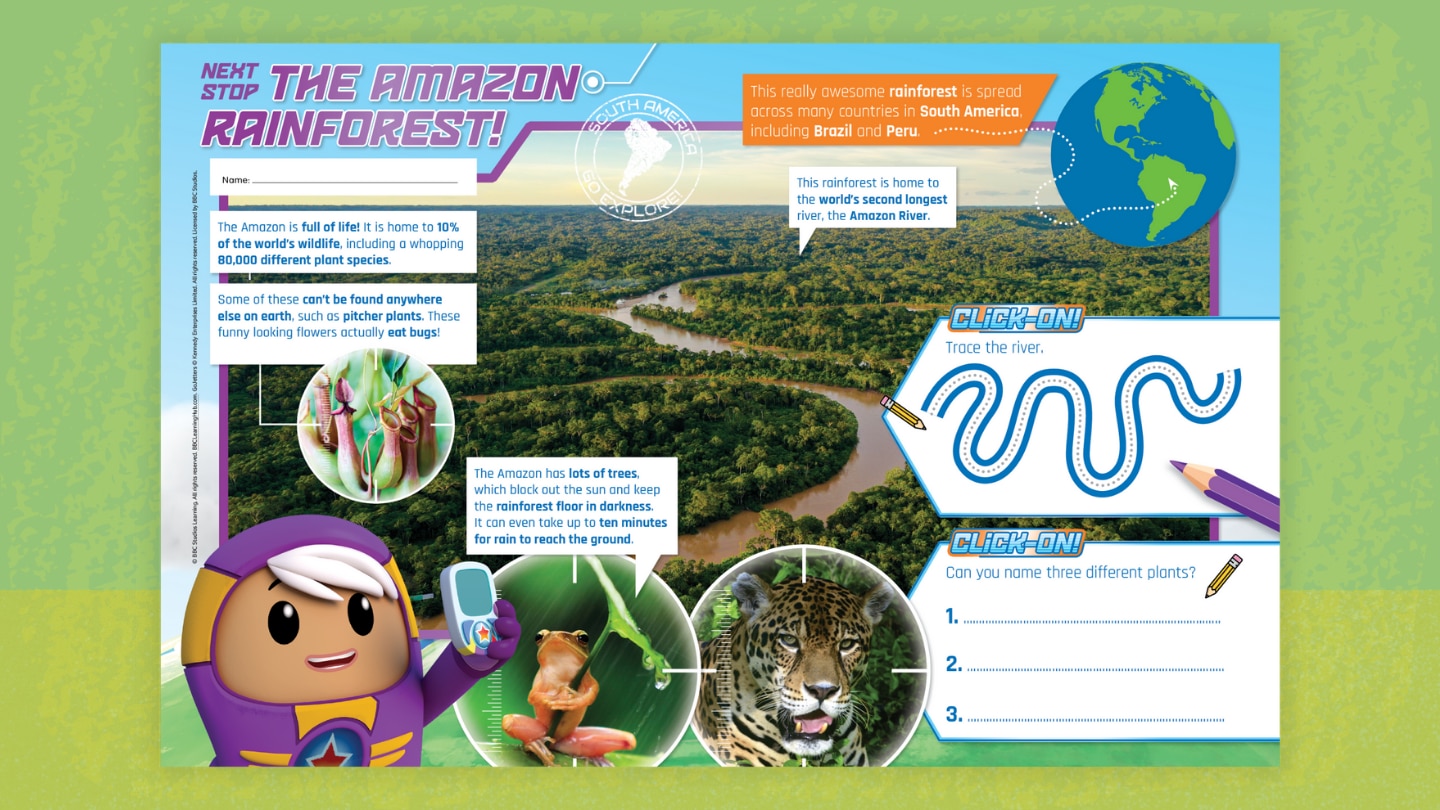
Join the Go Jetters in learning about the wonders of the Amazon rainforest. In this fun worksheet, you'll:
- Discover fascinating facts about rainforest habitats and biodiversity.
- Locate the Amazon rainforest on a map.
- Trace the Mighty Amazon River.
- Try to name three different plants.
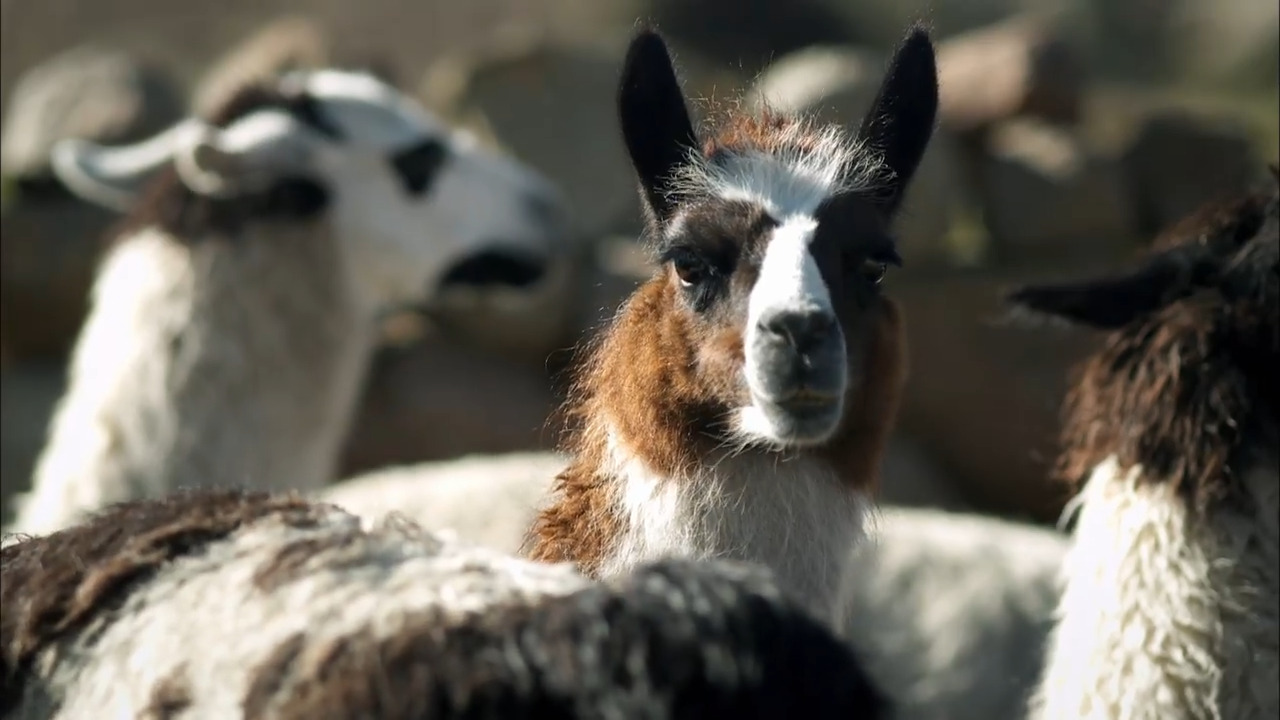
In How the Andes Shaped Life in South America, narrator Iain Stewart explains how the Andes have shaped South America in incredible ways, creating the Amazon River and its rainforest. One of the Andes’ most amazing residents is the llama, built for high-altitude life. But llamas didn’t originate in South America — they came from North America and crossed over millions of years ago when the continents connected. Today, just like the llamas once did, people bring new foods, technology, and ideas to the Andes, showing the world is more connected than ever! This video is excerpted from BBC’s Rise of the Continents, which uncovers how Earth’s continents formed and shaped life over millions of years.

In Life in the Flooded Jungles of Brazil, narrator Sir David Attenborough takes us into the flooded Amazon rainforest, showing how jungle trees release moisture into the air to create their own rainfall. Marvel at the diverse range of animals that live in this watery environment, including river dolphins, capybaras, giant otters, and caimans. This video is excerpted from BBC’s Planet Earth II, a breathtaking documentary series that highlights the natural wonders of our planet.
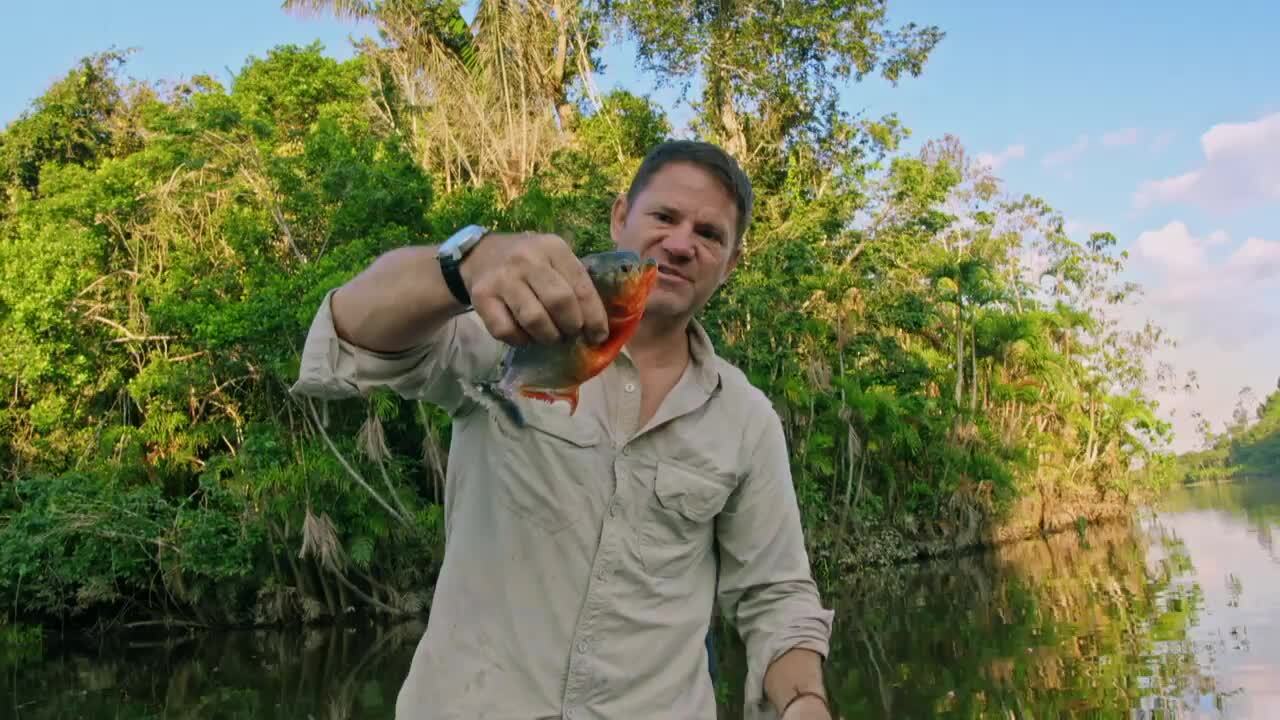
In The Notorious Piranha, naturalist Steve Backshall is on the Amazon River trying to catch a piranha. The piranha has an extended lower jaw and sharp teeth to catch prey. This video is excerpted from BBC's Deadly 60, an award-winning nature and adventure show for kids in which narrator Steve Backshall has one mission: to travel the globe in search of 60 of the world's deadliest animals.
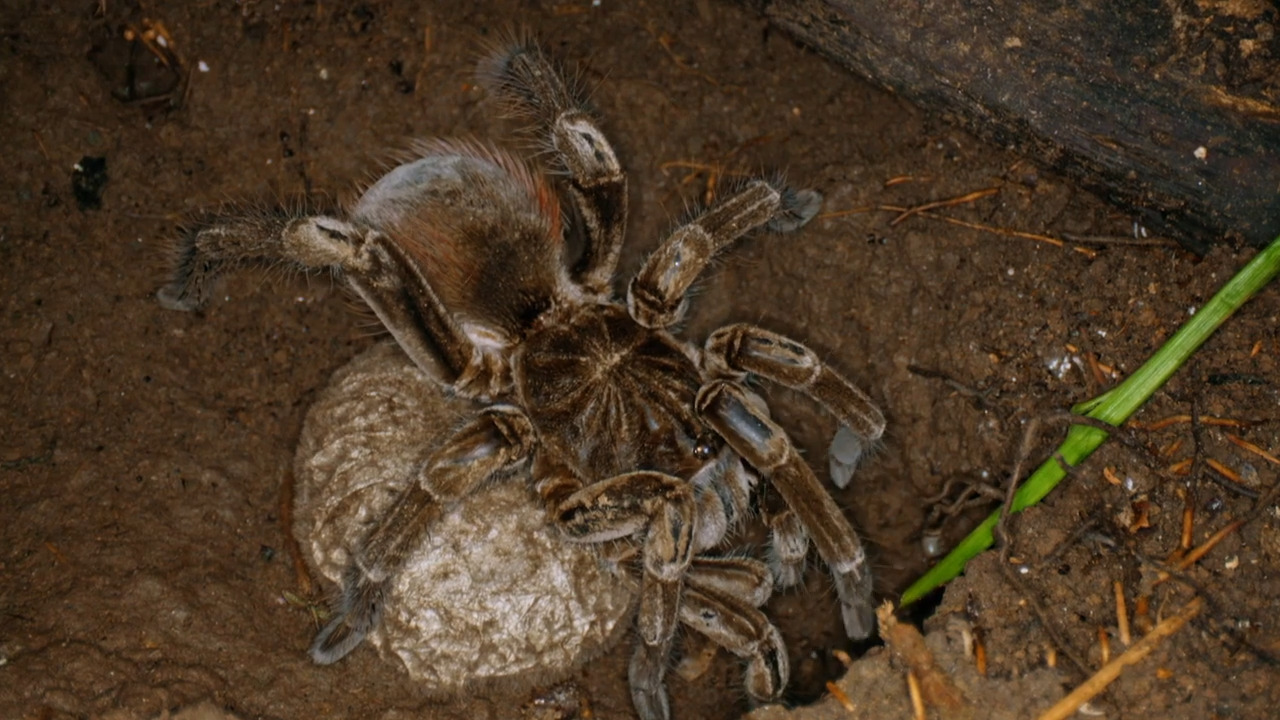
In The Goliath Bird-Eating Spider, naturalist Steve Backshall is in the Amazon rainforest at night. He uncovers a Goliath bird-eating spider, the largest spider in the world, and it’s sitting on top of an egg sac. This video is excerpted from BBC's Deadly 60, an award-winning nature and adventure show for kids in which narrator Steve Backshall has one mission: to travel the globe in search of 60 of the world's deadliest animals.
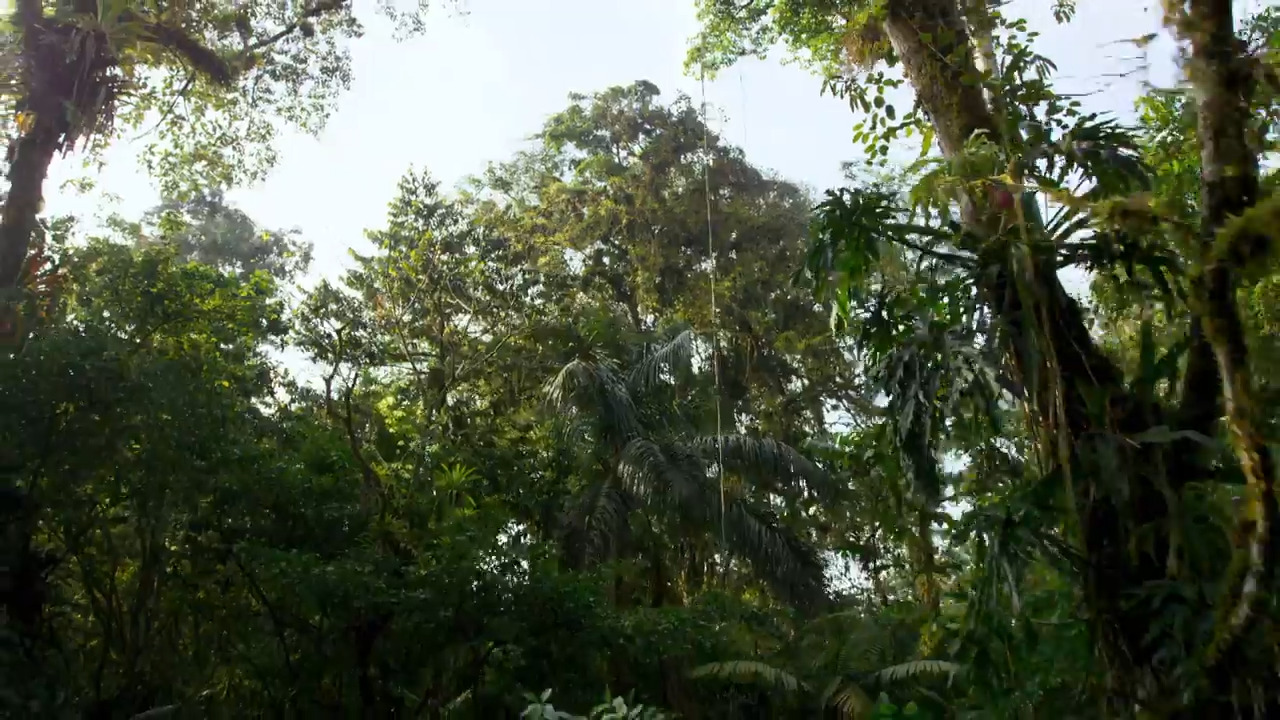
In A Battle for Sunlight in the Jungle, narrator Sir David Attenborough presents the fierce competition for sunlight amongst jungle plants and how the 300-year-old Hura tree has thrived, supporting a diverse range of wildlife. This video is excerpted from BBC’s Planet Earth II, a breathtaking documentary series that highlights the natural wonders of our planet.
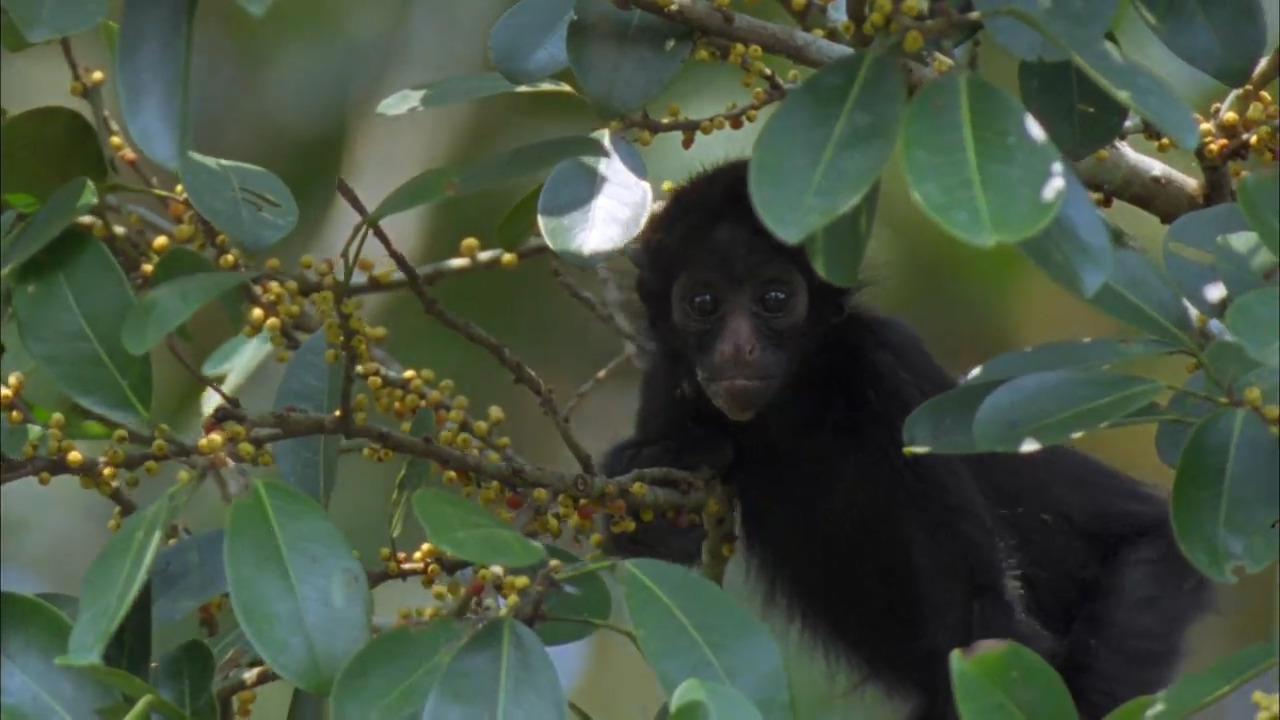
In Everyone Loves a Fig, narrator Sir David Attenborough explores the popularity of the fig tree. Up to 44 different kinds of birds and monkeys have been seen feeding from a single fig tree. Learn how different species interact with one another to gain access to the fruit. This video is excerpted from BBC's Planet Earth, a breathtaking documentary series that highlights the natural wonders of our planet.
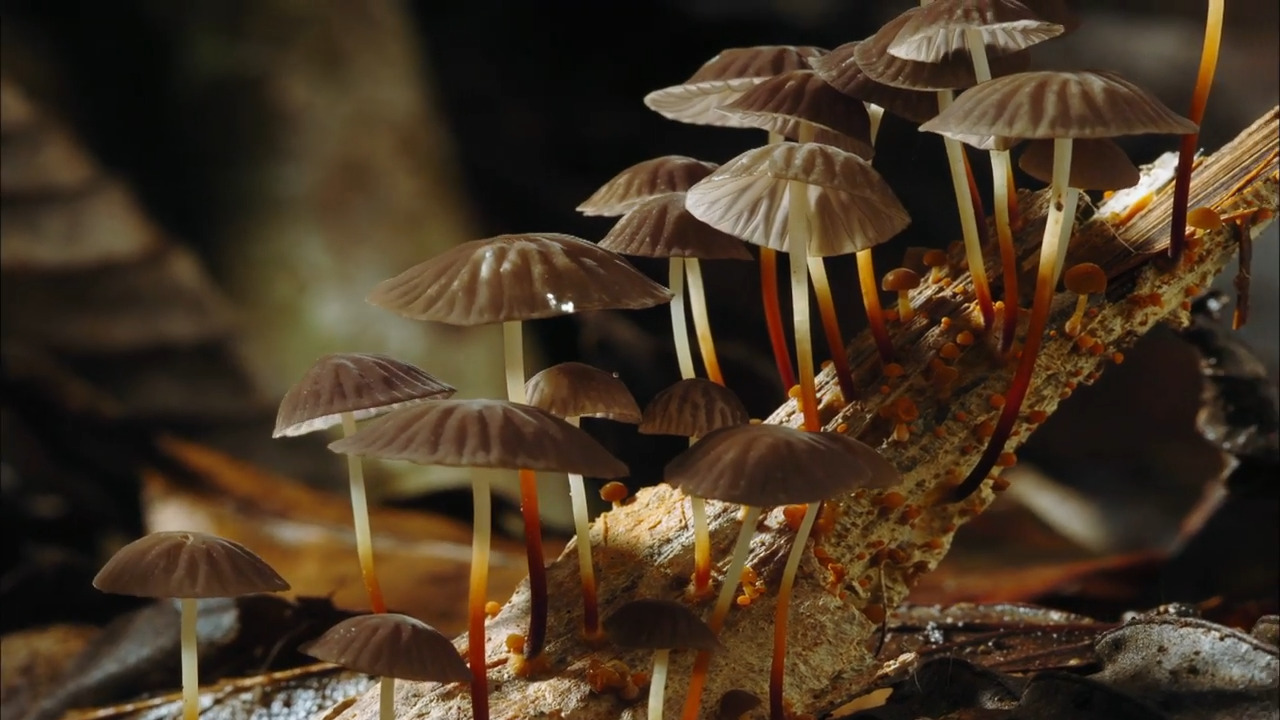
In Watch a Life Built on Decay in the Rainforests, narrator Sir David Attenborough notes that the nutrient recycling rate in rainforests happens faster than anywhere else. Learn how slime mold, fungi, and beetle larvae interact to decompose leaf litter. This video is excerpted from BBC's Planet Earth, a breathtaking documentary series that highlights the natural wonders of our planet.
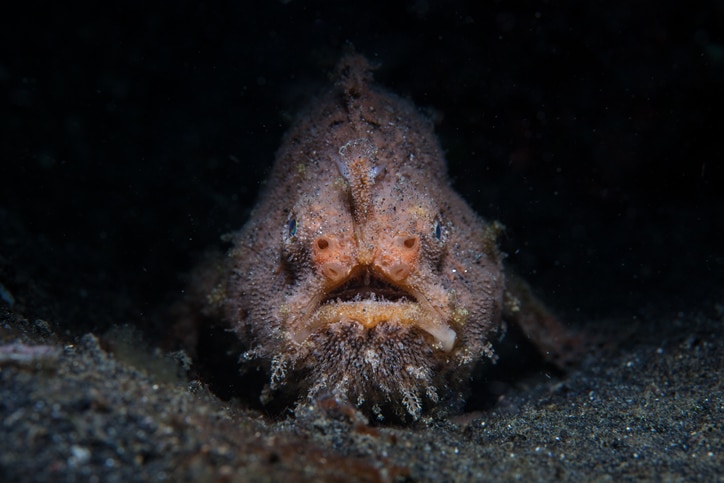
Discover the wild side of the underwater world in this video playlist! Meet the ocean's most unusual characters — from glowing anglerfish and toothy piranhas to spiky lionfish and balloon-like pufferfish. These 10 short clips from BBC favorites like Deadly 60 and Blue Planet reveal the surprising ways these strange fish hunt, hide, and survive. Packed with fun facts and jaw-dropping moments, it’s perfect for curious kids and adults alike!
Guide your students on a hike through the tropical rainforest ecosystem! From the Amazon in South America to the jungles of Southeast Asia, rainforests are full of unique and amazing species.
✨ Perfect for grades 3–8, here’s what you need to bring ecosystems to life:
- Iconic BBC Videos: Share the clips on this page to introduce the location, plants, animals, and climate of the rainforest. (Don't miss the spider monkeys and waterfall toads!) Brought to you by world-class BBC programs like Planet Earth, Deadly 60, Seven Worlds, One Planet, and Life.
- Free Printable: Use the Tropical Rainforest Brochure Template to help students pull it all together in an ecosystem report with facts they’ve learned (and a little extra research).
It’s everything you need to make ecosystems easy to teach and truly memorable for your students.
Shhh! We're going inside Amazon's super-secret chip design lab! But not the kind where they invent new potato chips. Amazon gave the BBC a rare look inside Annapurna Labs, where engineers design custom computer chips that power artificial intelligence.
Their teams oversee the entire process, from testing newly built silicon chips to making sure they're ready to be installed in massive data centers. These chips are the brains behind AI tools that millions of people use every day — from chatbots and translation apps to online shopping recommendations and voice assistants. Each chip can perform more than 1,000 trillion calculations every second. If you solved just one calculation every second without ever stopping, it would take about 80 million years to do the same amount of work!
There are companies that specialize in making chips, but Amazon designs its own to help make AI systems faster, more energy-efficient, and less expensive to operate. As AI becomes more powerful and more common, Amazon is competing with companies like Google, Microsoft, and Nvidia to build the chips that will power the next generation of AI.
In The Go Jetters Travel to the Amazon Rainforest, Ubercorn and friends explore the magical Amazon rainforest! This rainforest is the largest in the world, with tall trees, warm weather, and rain all year long. It’s home to millions of animals and plants, all living together in a special way! This video is excerpted from BBC’s Go Jetters, a series that follows the adventures of four plucky international heroes as they travel the globe visiting the world’s most famous landmarks with their friend and mentor, Ubercorn, a disco-dancing unicorn.
Join the Go Jetters in learning about the wonders of the Amazon rainforest. In this fun worksheet, you'll:
- Discover fascinating facts about rainforest habitats and biodiversity.
- Locate the Amazon rainforest on a map.
- Trace the Mighty Amazon River.
- Try to name three different plants.
In How the Andes Shaped Life in South America, narrator Iain Stewart explains how the Andes have shaped South America in incredible ways, creating the Amazon River and its rainforest. One of the Andes’ most amazing residents is the llama, built for high-altitude life. But llamas didn’t originate in South America — they came from North America and crossed over millions of years ago when the continents connected. Today, just like the llamas once did, people bring new foods, technology, and ideas to the Andes, showing the world is more connected than ever! This video is excerpted from BBC’s Rise of the Continents, which uncovers how Earth’s continents formed and shaped life over millions of years.
In Life in the Flooded Jungles of Brazil, narrator Sir David Attenborough takes us into the flooded Amazon rainforest, showing how jungle trees release moisture into the air to create their own rainfall. Marvel at the diverse range of animals that live in this watery environment, including river dolphins, capybaras, giant otters, and caimans. This video is excerpted from BBC’s Planet Earth II, a breathtaking documentary series that highlights the natural wonders of our planet.
In The Notorious Piranha, naturalist Steve Backshall is on the Amazon River trying to catch a piranha. The piranha has an extended lower jaw and sharp teeth to catch prey. This video is excerpted from BBC's Deadly 60, an award-winning nature and adventure show for kids in which narrator Steve Backshall has one mission: to travel the globe in search of 60 of the world's deadliest animals.
In The Goliath Bird-Eating Spider, naturalist Steve Backshall is in the Amazon rainforest at night. He uncovers a Goliath bird-eating spider, the largest spider in the world, and it’s sitting on top of an egg sac. This video is excerpted from BBC's Deadly 60, an award-winning nature and adventure show for kids in which narrator Steve Backshall has one mission: to travel the globe in search of 60 of the world's deadliest animals.
In A Battle for Sunlight in the Jungle, narrator Sir David Attenborough presents the fierce competition for sunlight amongst jungle plants and how the 300-year-old Hura tree has thrived, supporting a diverse range of wildlife. This video is excerpted from BBC’s Planet Earth II, a breathtaking documentary series that highlights the natural wonders of our planet.
In Everyone Loves a Fig, narrator Sir David Attenborough explores the popularity of the fig tree. Up to 44 different kinds of birds and monkeys have been seen feeding from a single fig tree. Learn how different species interact with one another to gain access to the fruit. This video is excerpted from BBC's Planet Earth, a breathtaking documentary series that highlights the natural wonders of our planet.
In Watch a Life Built on Decay in the Rainforests, narrator Sir David Attenborough notes that the nutrient recycling rate in rainforests happens faster than anywhere else. Learn how slime mold, fungi, and beetle larvae interact to decompose leaf litter. This video is excerpted from BBC's Planet Earth, a breathtaking documentary series that highlights the natural wonders of our planet.
Discover the wild side of the underwater world in this video playlist! Meet the ocean's most unusual characters — from glowing anglerfish and toothy piranhas to spiky lionfish and balloon-like pufferfish. These 10 short clips from BBC favorites like Deadly 60 and Blue Planet reveal the surprising ways these strange fish hunt, hide, and survive. Packed with fun facts and jaw-dropping moments, it’s perfect for curious kids and adults alike!