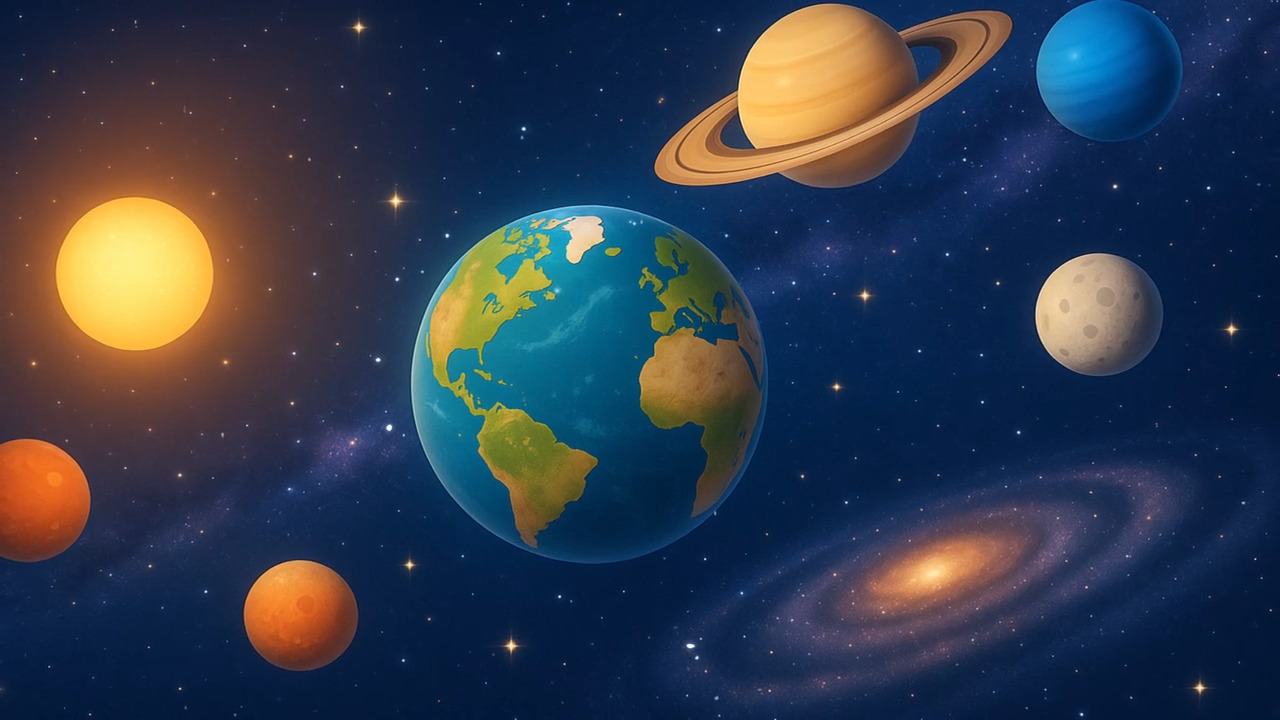
In What Is Outer Space?, learn eight facts about outer space. How many planets are there? Are all stars yellow? Learn that and more in this trip through our Solar System.

In Bees and Food Production, a group gathers around the breakfast table to enjoy a breakfast made of food that isn’t impacted by bees. But, aside from a pot of tea and some toast, the table is bare. What foods do bees help us enjoy? Everything from fruit to dairy!
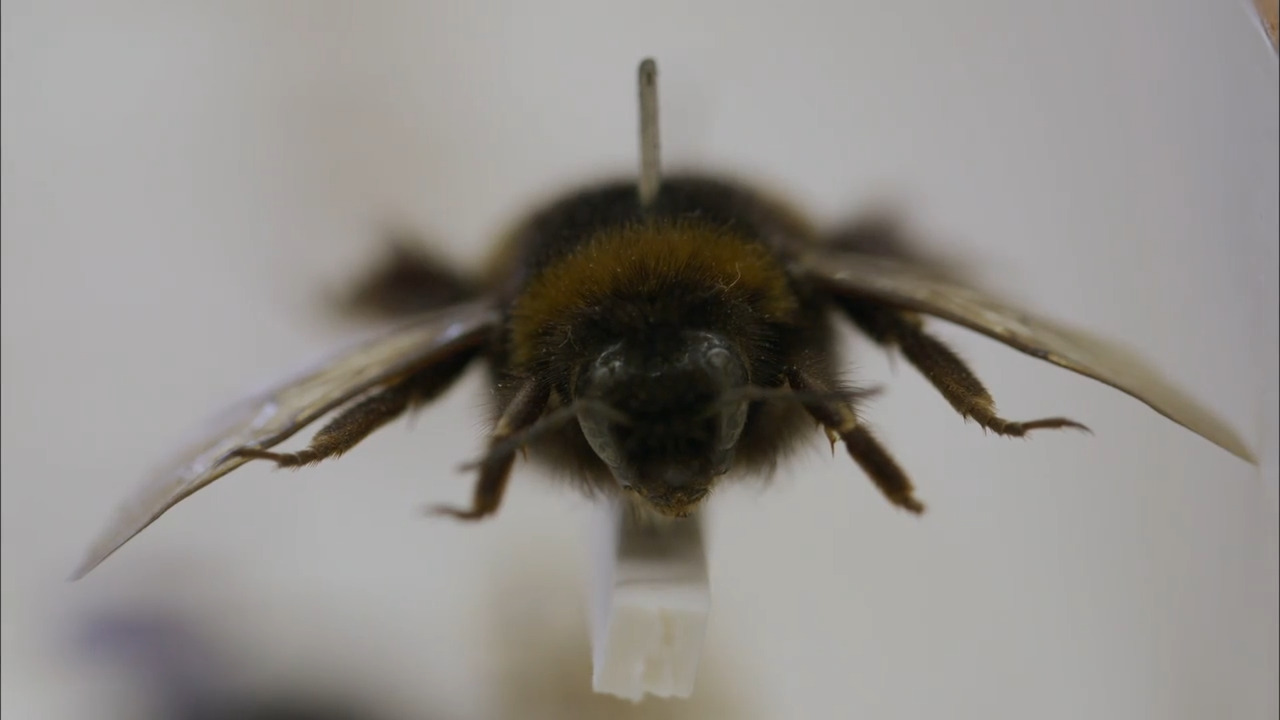
In Bees in Decline, visit a collection of bee specimens at the Oxford University Museum of Natural History. There are more than 250 species of bees, and they help pollinate everything from apples to flowers. But bees are in decline, and one reason is the varroa mite, a tiny bug that causes a big problem.

In Spider Web Design, spiders create amazing webs, but how do they do it? Scientists have learned how spiders create and use multiple types of silk to design webs. Humans are starting to apply the qualities of spiders’ silk to engineering projects.
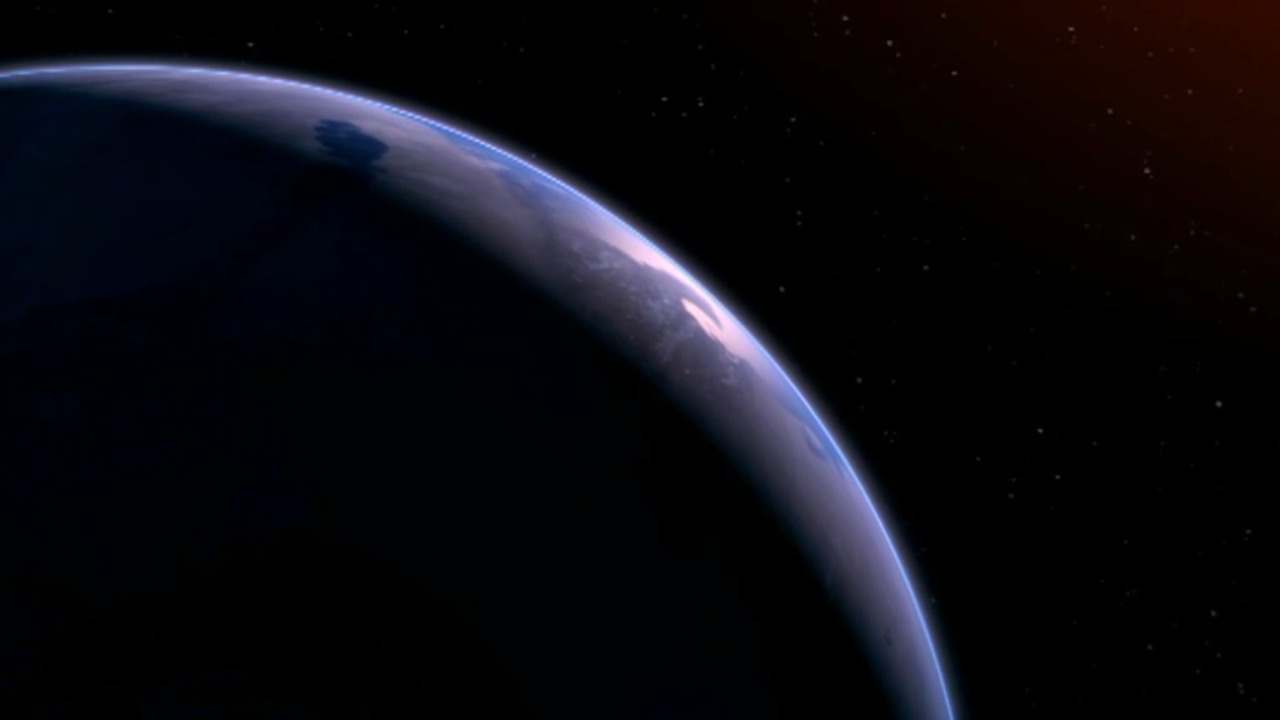
In Discovering a Habitable Planet, Professor Stephane Udry and his team use the most powerful planet detection instrument in the world, located deep in the desert of Chile. By observing distant stars and detecting subtle wobbles caused by the gravitational pull of orbiting planets, they discovered Gliese 581c, a potentially habitable planet similar in some ways to Earth.
In The Key to Finding Life on Other Worlds, Dr. Sean Raymond uses computer simulations to search for the potential of water — and, therefore, life — on other planets. These simulations show how planetary systems evolve over millions of years, often resulting in planets in the habitable zone with water. This discovery not only enhances our understanding of the conditions for extraterrestrial life but also highlights the possibility of finding Earth-like planets in distant star systems.

In Studying the 581 Planetary System, researchers explore the potential habitability of the planets in the Gliese 581 system. Gliese 581c is considered too hot to support life due to a runaway greenhouse effect, but Gliese 581d may have a chance. Its distance from the star and the potential for a warming greenhouse effect give it the possibility of sustaining life. Learn about the factors that make a planet habitable, such as atmosphere, temperature, and distance from its star.
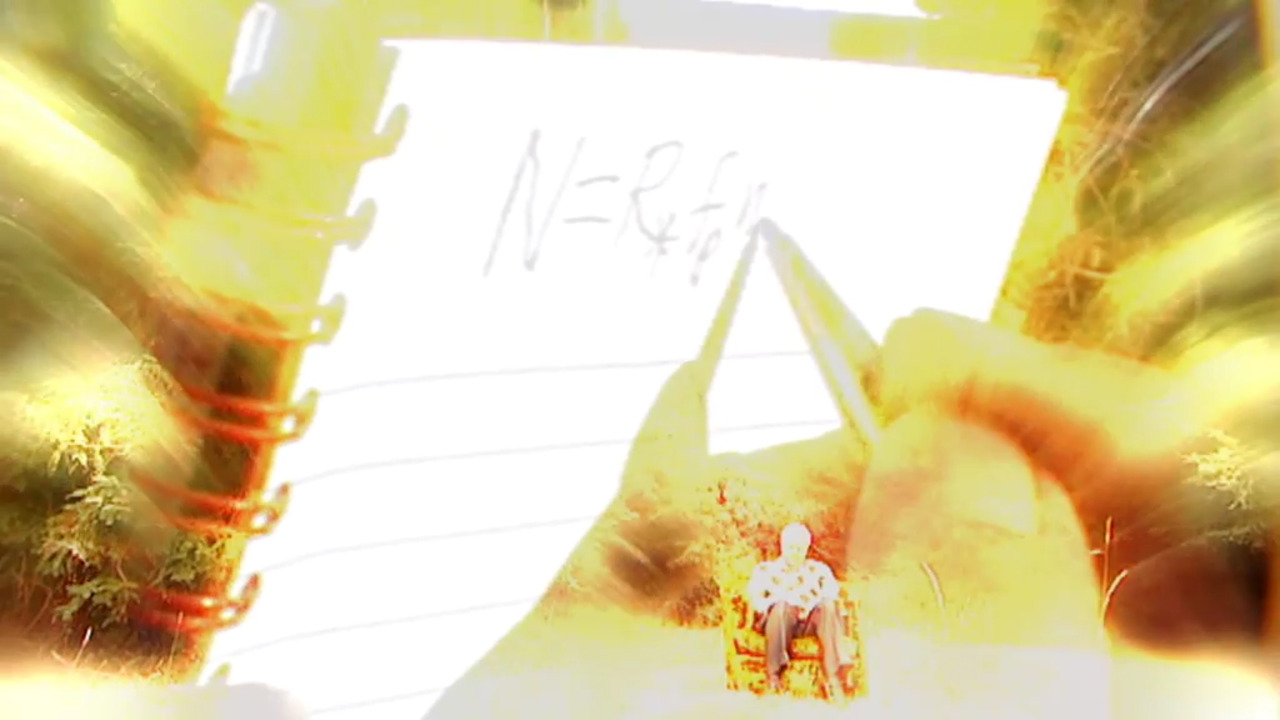
In Searching for Life in Our Universe Using Math, scientists explore how math can be used to estimate the number of intelligent civilizations in our galaxy. Learn about Frank Drake's famous equation, which considers factors such as the rate of star formation, the number of stars with planets, and the potential for life on those planets. Despite the vastness of the Universe, the equation relies on factors that are still largely unknown, making the search for intelligent life a complex and ongoing challenge.
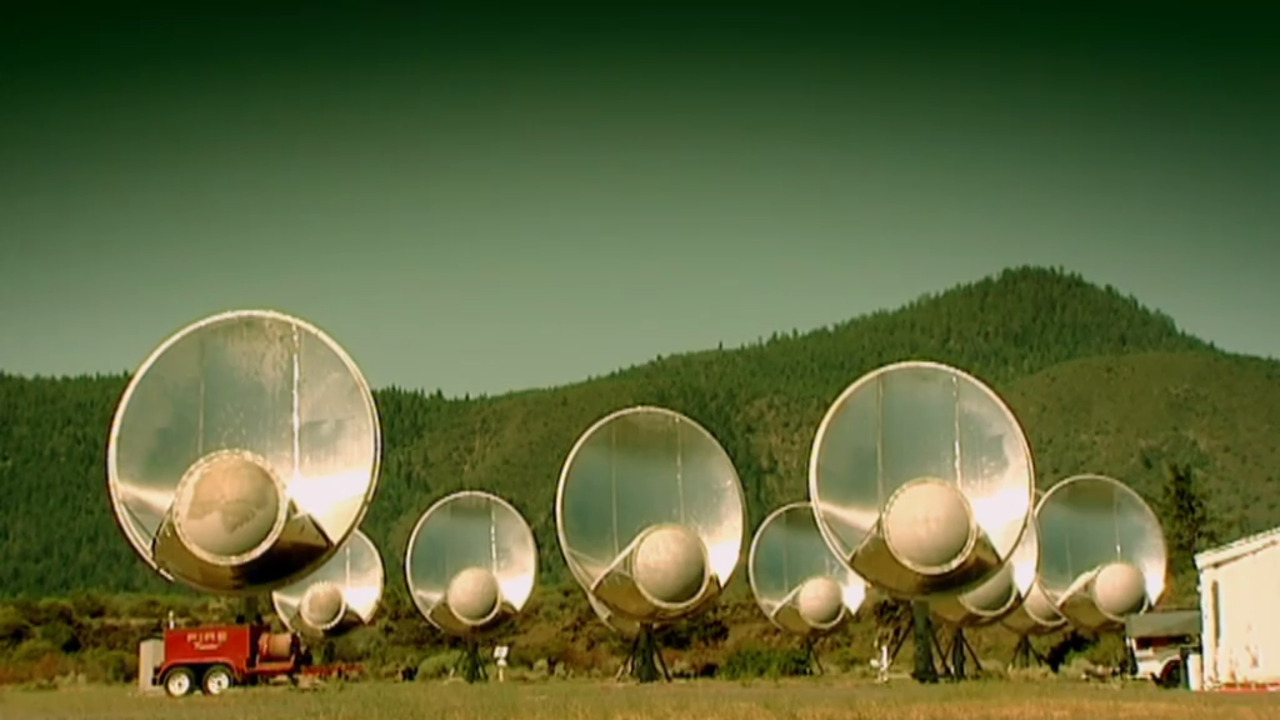
In The Ongoing Quest for Extraterrestrial Life, the SETI (Search for Extraterrestrial Intelligence) project, based in the California desert, listens for signals from alien civilizations. Despite using 42 antennas, SETI has not yet detected any evidence of intelligent life. Watch the ongoing efforts of the SETI project, which has been searching for extraterrestrial signals since the 1950s. The focus is on the scientific methods of listening for alien radio signals, rather than transmitting messages, and the challenges researchers face in their quest to detect extraterrestrial intelligence.

In The Global Race to Discover New Worlds, learn how the Kepler telescope, launched in 2009, revolutionized the search for exoplanets by detecting a “wink” of light when a planet passes in front of its star. Despite the challenges of detecting distant planets, scientists work together, competing to be the first to discover intelligent life on another planet.
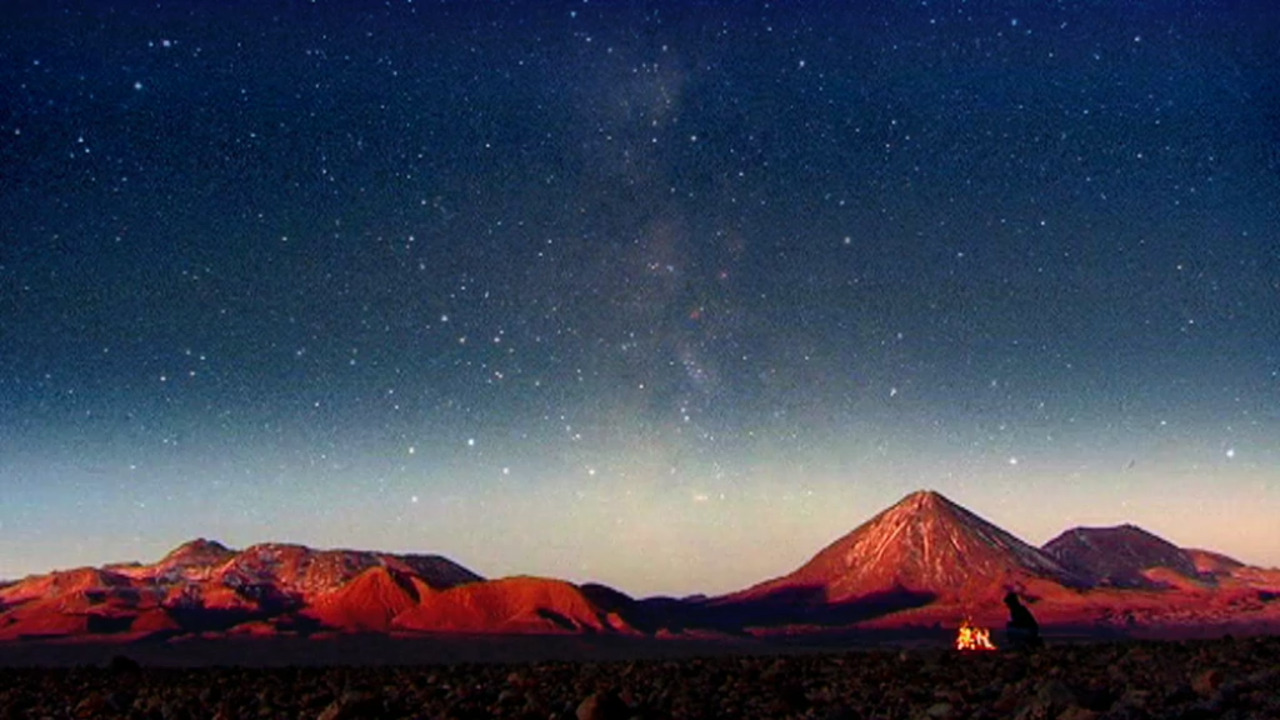
In How Rare Is Our Planet?, Dr. Lynn Rothschild explains the delicate balance that makes Earth unique. She focuses on the habitable zone — the perfect distance from the Sun that allows liquid water to exist allowing life to thrive. This exact positioning results in a tiny wobble in the star, which makes it extremely challenging to find another planet with conditions similar to Earth’s.
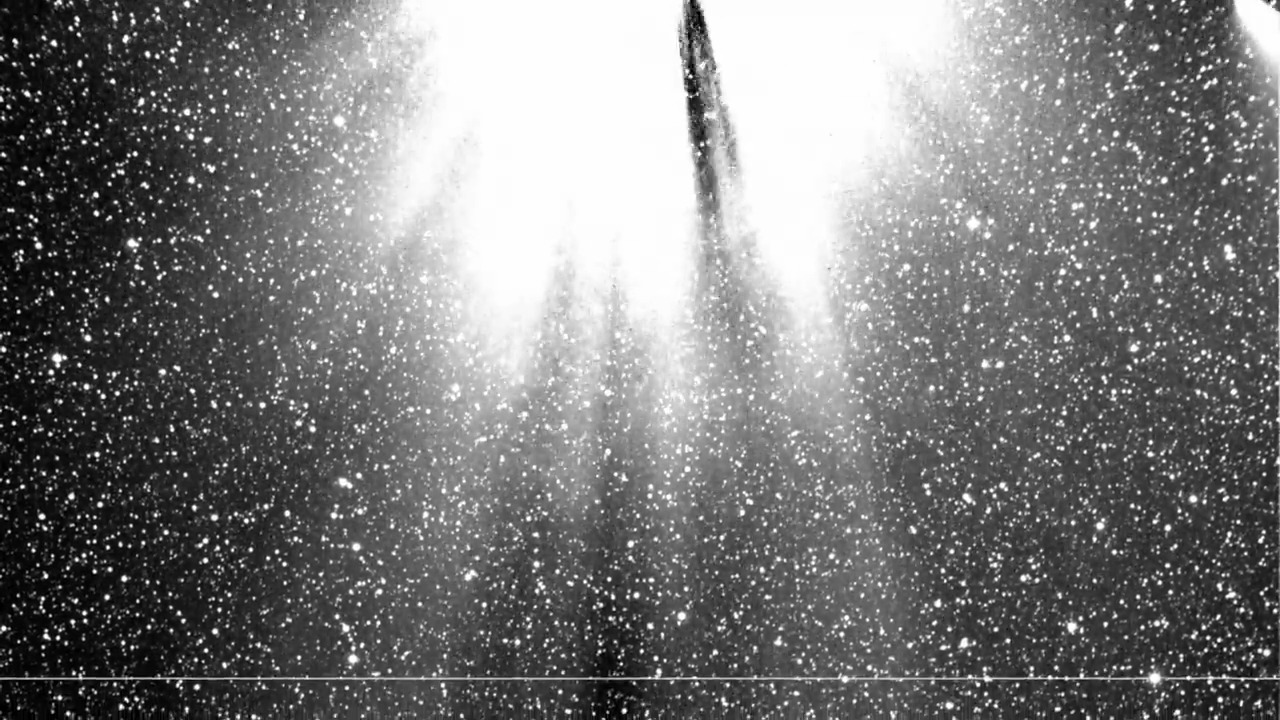
In The Grand Tour of Voyager 1, Professor Brian Cox discusses how the Voyager 1 spacecraft, launched in 1977, continues to send signals back to Earth from its journey to the outer reaches of our Solar System. Learn about the groundbreaking space exploration efforts of the Voyager missions, especially its role in mapping the solar wind’s reach and helping scientists understand the auroras occurring on distant planets like Jupiter and Saturn. Using images from the Hubble Space Telescope and data from Voyager 1, scientists are unraveling the mysteries of the Solar System's farthest edges.
In What Is Outer Space?, learn eight facts about outer space. How many planets are there? Are all stars yellow? Learn that and more in this trip through our Solar System.
In Bees and Food Production, a group gathers around the breakfast table to enjoy a breakfast made of food that isn’t impacted by bees. But, aside from a pot of tea and some toast, the table is bare. What foods do bees help us enjoy? Everything from fruit to dairy!
In Bees in Decline, visit a collection of bee specimens at the Oxford University Museum of Natural History. There are more than 250 species of bees, and they help pollinate everything from apples to flowers. But bees are in decline, and one reason is the varroa mite, a tiny bug that causes a big problem.
In Spider Web Design, spiders create amazing webs, but how do they do it? Scientists have learned how spiders create and use multiple types of silk to design webs. Humans are starting to apply the qualities of spiders’ silk to engineering projects.
In Discovering a Habitable Planet, Professor Stephane Udry and his team use the most powerful planet detection instrument in the world, located deep in the desert of Chile. By observing distant stars and detecting subtle wobbles caused by the gravitational pull of orbiting planets, they discovered Gliese 581c, a potentially habitable planet similar in some ways to Earth.
In The Key to Finding Life on Other Worlds, Dr. Sean Raymond uses computer simulations to search for the potential of water — and, therefore, life — on other planets. These simulations show how planetary systems evolve over millions of years, often resulting in planets in the habitable zone with water. This discovery not only enhances our understanding of the conditions for extraterrestrial life but also highlights the possibility of finding Earth-like planets in distant star systems.
In Studying the 581 Planetary System, researchers explore the potential habitability of the planets in the Gliese 581 system. Gliese 581c is considered too hot to support life due to a runaway greenhouse effect, but Gliese 581d may have a chance. Its distance from the star and the potential for a warming greenhouse effect give it the possibility of sustaining life. Learn about the factors that make a planet habitable, such as atmosphere, temperature, and distance from its star.
In Searching for Life in Our Universe Using Math, scientists explore how math can be used to estimate the number of intelligent civilizations in our galaxy. Learn about Frank Drake's famous equation, which considers factors such as the rate of star formation, the number of stars with planets, and the potential for life on those planets. Despite the vastness of the Universe, the equation relies on factors that are still largely unknown, making the search for intelligent life a complex and ongoing challenge.
In The Ongoing Quest for Extraterrestrial Life, the SETI (Search for Extraterrestrial Intelligence) project, based in the California desert, listens for signals from alien civilizations. Despite using 42 antennas, SETI has not yet detected any evidence of intelligent life. Watch the ongoing efforts of the SETI project, which has been searching for extraterrestrial signals since the 1950s. The focus is on the scientific methods of listening for alien radio signals, rather than transmitting messages, and the challenges researchers face in their quest to detect extraterrestrial intelligence.
In The Global Race to Discover New Worlds, learn how the Kepler telescope, launched in 2009, revolutionized the search for exoplanets by detecting a “wink” of light when a planet passes in front of its star. Despite the challenges of detecting distant planets, scientists work together, competing to be the first to discover intelligent life on another planet.
In How Rare Is Our Planet?, Dr. Lynn Rothschild explains the delicate balance that makes Earth unique. She focuses on the habitable zone — the perfect distance from the Sun that allows liquid water to exist allowing life to thrive. This exact positioning results in a tiny wobble in the star, which makes it extremely challenging to find another planet with conditions similar to Earth’s.
In The Grand Tour of Voyager 1, Professor Brian Cox discusses how the Voyager 1 spacecraft, launched in 1977, continues to send signals back to Earth from its journey to the outer reaches of our Solar System. Learn about the groundbreaking space exploration efforts of the Voyager missions, especially its role in mapping the solar wind’s reach and helping scientists understand the auroras occurring on distant planets like Jupiter and Saturn. Using images from the Hubble Space Telescope and data from Voyager 1, scientists are unraveling the mysteries of the Solar System's farthest edges.