The Ink-credible Octopus Playlist
Dive beneath the surface and enter the extraordinary world of the octopus — one of the ocean’s most intelligent and unusual animals.
Across 10 clips from BBC’s Blue Planet and Natural World: The Octopus in My House, watch octopuses explore their surroundings, solve problems, communicate, hunt, hide, and interact with the world in surprisingly complex ways.
Discover the remarkable adaptations behind their success. Octopuses can squeeze their soft bodies through tiny spaces, use their arms to investigate and manipulate objects, and rapidly change their appearance to camouflage themselves or communicate. Explore how these eight-armed animals evolved and see how their intelligence helps them respond to challenges both in the wild and while living alongside humans.
From ingenious escapes to astonishing underwater encounters, these BBC octopus videos reveal an animal that continually challenges what we think we know about life beneath the waves.
Lesson Express
Q: How does Heidi's ability to observe David and Laurel's eyes suggest a high level of awareness in octopuses?
A: Heidi's focused observation of their eyes shows she is not just reacting to her environment, but actively engaging with it. This suggests that octopuses have a deeper level of awareness, as they can pay attention to specific details, like eye movement, which is a sign of intelligence and social interaction.
Q: How might an octopus's ability to simultaneously touch and taste with its suckers contribute to its survival in the wild?
A: The ability to both touch and taste allows octopuses to gather a lot of sensory information quickly. This skill helps them navigate their environment, find food, and detect threats, making them more efficient in their survival strategies.
Q: Why is the act of octopuses playing with objects, like the pill bottle, considered an indication of intelligence?
A: Play is often associated with intelligence in animals because it requires problem solving and creativity. When the octopuses interact with the pill bottle by placing it in front of the jet stream, it demonstrates their ability to experiment and use objects in ways that go beyond basic survival, which shows cognitive complexity.
You Might Also Like

Journey across the world’s oceans to encounter blue whales, orcas, grey whales, and other remarkable cetaceans. Watch them travel vast distances, work together to find food, communicate through sound, and care for their young — revealing complex behaviors that can be difficult to witness from the surface.
Discover how whales are adapted for life in the ocean, from the enormous bodies of blue whales to the sophisticated hunting strategies of orcas. Explore the different ways species feed, migrate, socialize, and raise their calves, and see how their lives are connected to the wider marine ecosystem.
From powerful predators to gentle giants, these spectacular animals offer a glimpse into a world that is still full of mysteries. Dive in and discover what life is really like for some of the ocean’s most impressive inhabitants.

This BBC Learning Hub playlist explores the incredible world of sharks, from the sleek and powerful great white to the enormous whale shark and unmistakable hammerhead. Watch sharks hunt, feed, navigate vast stretches of ocean, and use finely tuned senses to understand the world around them.
Discover the adaptations that have made sharks such successful survivors. See how different species use speed, camouflage, specialized senses, and distinctive body shapes to find food and thrive in their habitats. And while sharks have a reputation as fearsome hunters, there’s much more to these animals than sharp teeth: some travel thousands of miles, some gather in huge groups, and others filter tiny organisms from the water.
Sharks have been swimming through Earth’s oceans for hundreds of millions of years. Dive in to discover what makes these ancient animals some of the most fascinating creatures in the sea.
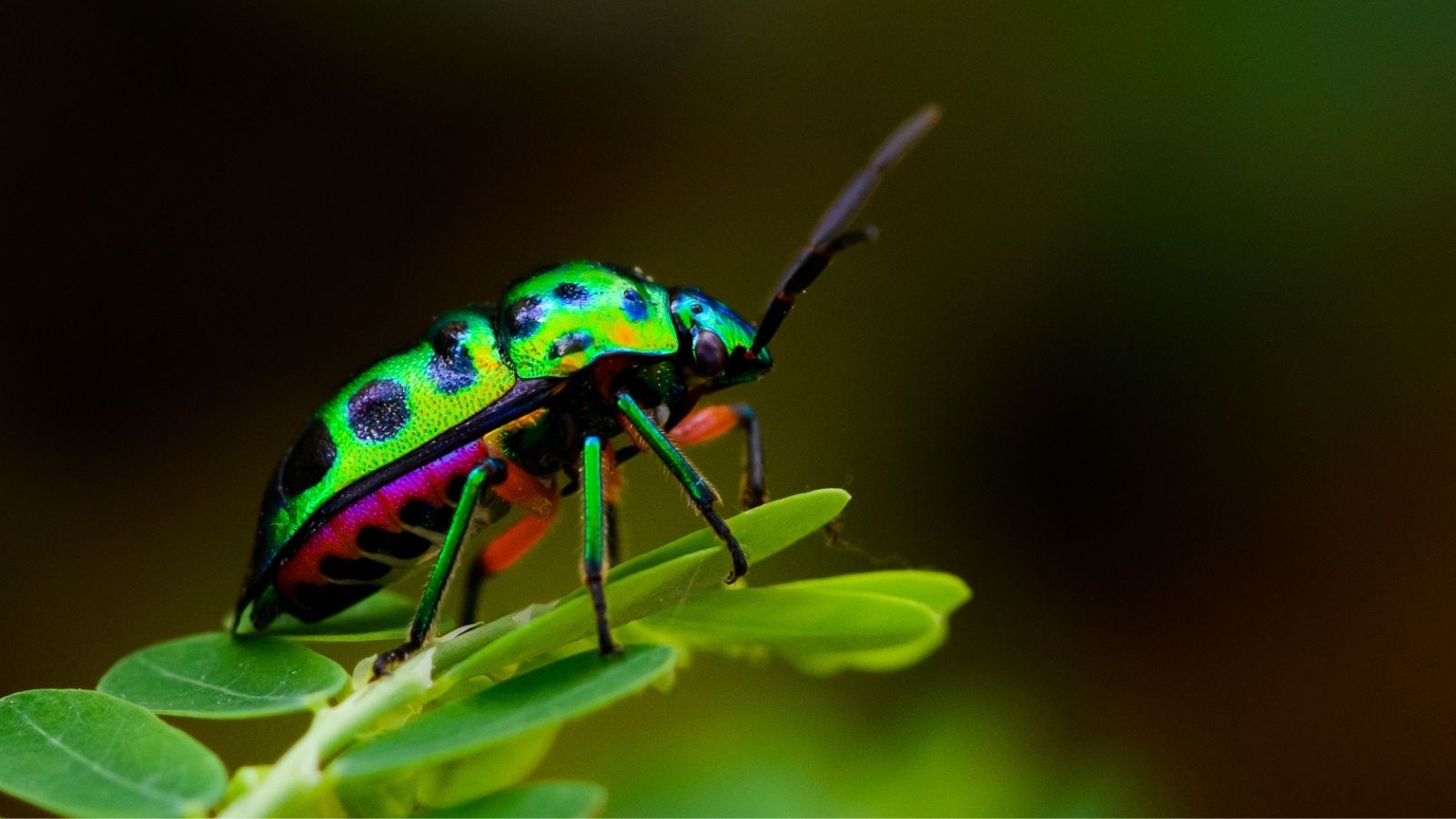
Venture into dark caves where glow worms use light to lure their prey, witness enormous gatherings of lake fly midges as they transform from aquatic larvae into flying adults, and journey into the jungle at night to uncover the science behind bioluminescence.
These BBC videos reveal the remarkable adaptations that help some of the smallest creatures on Earth find food, communicate, reproduce, and survive. Discover how insects and other invertebrates use light, movement, camouflage, and ingenious hunting strategies to thrive in environments ranging from underground caves to freshwater lakes and tropical forests.
They may be small, but their impact — and their survival skills — can be enormous. Get ready for a close-up look at the miniature marvels living all around us.
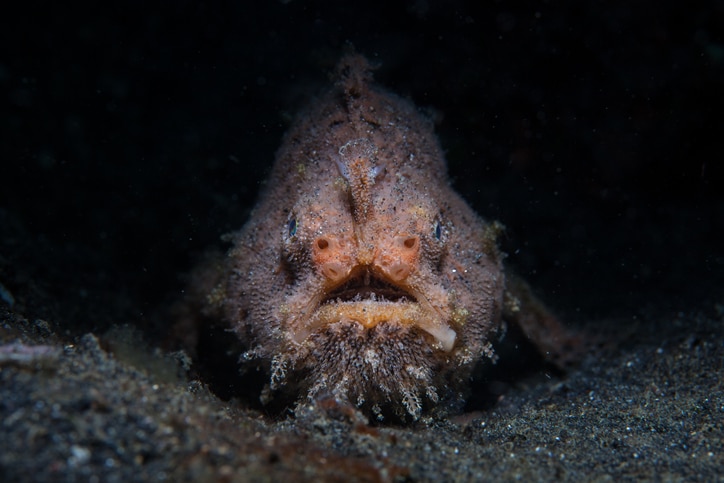
Across 10 fascinating BBC videos from favorites including Deadly 60 and Blue Planet, encounter glowing anglerfish lurking in the deep, sharp-toothed piranhas, venomous lionfish, balloon-like pufferfish, and other extraordinary species.
Discover the surprising adaptations that help these fish hunt, hide, defend themselves, and survive. See how some use light to attract prey, others rely on camouflage or warning colors, and a few transform their appearance when danger gets too close. From tropical reefs and freshwater rivers to the darkest depths of the ocean, fish have evolved remarkable solutions to life underwater.
Strange shapes, startling defenses, clever hunting strategies, and plenty of surprises make these BBC videos a close-up look at just how weird — and wonderfully diverse — the underwater world can be.
Journey across the world’s oceans to encounter blue whales, orcas, grey whales, and other remarkable cetaceans. Watch them travel vast distances, work together to find food, communicate through sound, and care for their young — revealing complex behaviors that can be difficult to witness from the surface.
Discover how whales are adapted for life in the ocean, from the enormous bodies of blue whales to the sophisticated hunting strategies of orcas. Explore the different ways species feed, migrate, socialize, and raise their calves, and see how their lives are connected to the wider marine ecosystem.
From powerful predators to gentle giants, these spectacular animals offer a glimpse into a world that is still full of mysteries. Dive in and discover what life is really like for some of the ocean’s most impressive inhabitants.
This BBC Learning Hub playlist explores the incredible world of sharks, from the sleek and powerful great white to the enormous whale shark and unmistakable hammerhead. Watch sharks hunt, feed, navigate vast stretches of ocean, and use finely tuned senses to understand the world around them.
Discover the adaptations that have made sharks such successful survivors. See how different species use speed, camouflage, specialized senses, and distinctive body shapes to find food and thrive in their habitats. And while sharks have a reputation as fearsome hunters, there’s much more to these animals than sharp teeth: some travel thousands of miles, some gather in huge groups, and others filter tiny organisms from the water.
Sharks have been swimming through Earth’s oceans for hundreds of millions of years. Dive in to discover what makes these ancient animals some of the most fascinating creatures in the sea.
Venture into dark caves where glow worms use light to lure their prey, witness enormous gatherings of lake fly midges as they transform from aquatic larvae into flying adults, and journey into the jungle at night to uncover the science behind bioluminescence.
These BBC videos reveal the remarkable adaptations that help some of the smallest creatures on Earth find food, communicate, reproduce, and survive. Discover how insects and other invertebrates use light, movement, camouflage, and ingenious hunting strategies to thrive in environments ranging from underground caves to freshwater lakes and tropical forests.
They may be small, but their impact — and their survival skills — can be enormous. Get ready for a close-up look at the miniature marvels living all around us.
Across 10 fascinating BBC videos from favorites including Deadly 60 and Blue Planet, encounter glowing anglerfish lurking in the deep, sharp-toothed piranhas, venomous lionfish, balloon-like pufferfish, and other extraordinary species.
Discover the surprising adaptations that help these fish hunt, hide, defend themselves, and survive. See how some use light to attract prey, others rely on camouflage or warning colors, and a few transform their appearance when danger gets too close. From tropical reefs and freshwater rivers to the darkest depths of the ocean, fish have evolved remarkable solutions to life underwater.
Strange shapes, startling defenses, clever hunting strategies, and plenty of surprises make these BBC videos a close-up look at just how weird — and wonderfully diverse — the underwater world can be.