
UK Residents Under 16 Brace for a Social Media Ban
The UK might be looking at 2027 with a lot less scrolling and far fewer TikTok dances, as Prime Minister (at the time) Kier Starmer announced plans to ban people under 16 from using social media, planned for spring.
Many of the ban's strongest supporters are parents who lost children in cases linked to online harms and have been campaigning for this for years. Though they’re happy about the announcement, there’s still some skepticism about how the ban will actually work, the logistics of how it will be enforced, and what sort of pushback there will be.
Even before taking effect, the proposal has sparked debate. Some people argue the ban is too strict and that better guidance, education, and parental controls would be more effective. Others point out that many teenagers use social media to stay in touch with friends and family. Some also worry the ban could give parents a false sense of security if they rely on it instead of staying involved in their children's online lives.
Tech companies argue the ban may not keep children as safe as supporters hope, as a ban on widely-used platforms might push some young people toward less-regulated online spaces that aren’t included in the ban or entice them to find a work-around for the age verification.
Take the Challenge
More News Stories
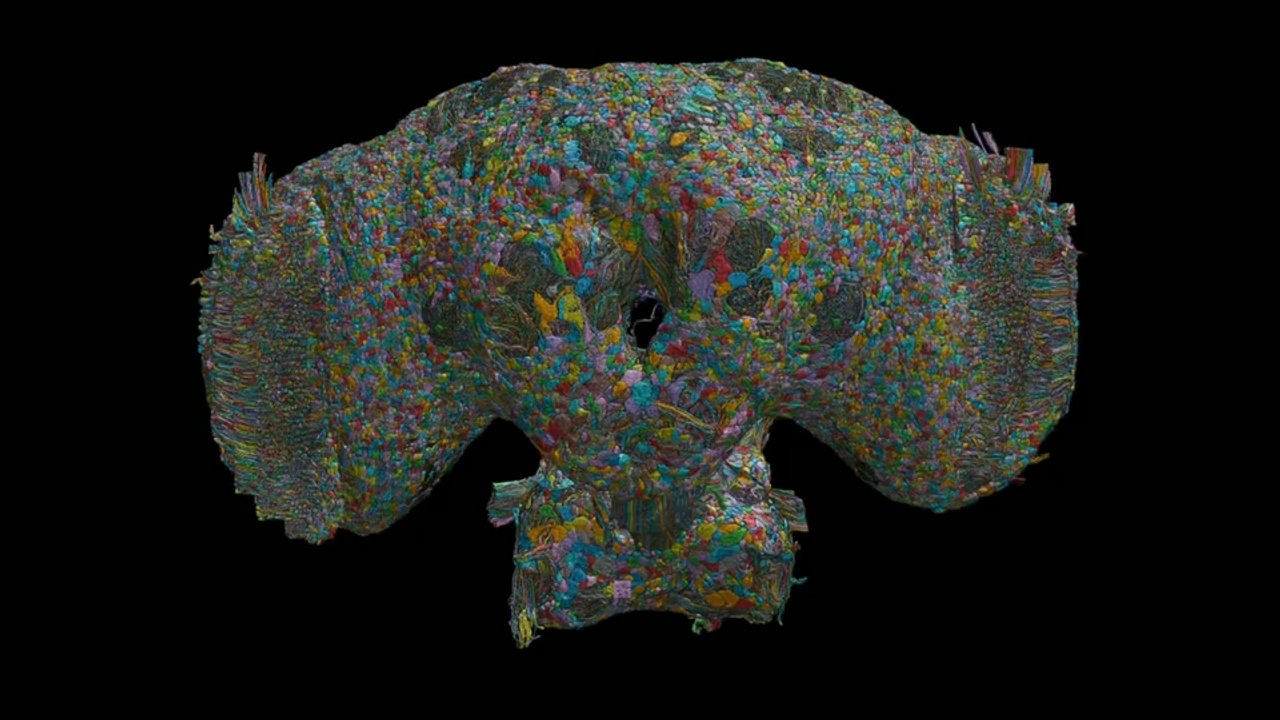
“Beautiful on the inside” may be weirdly appropriate for bugs, considering the 3D map of the male fruit fly brain and nervous system more closely resembles a museum-worthy mosaic or a bowl of fruity cereal than the tiny nuisance you’re used to seeing flying around your apples. Scientists recently created this colorful detailed map by slicing and analyzing every nerve cell with an electron microscope — that’s a microscope that uses accelerated electrons instead of visible light to produce images that can be both extremely magnified and incredibly clear at the same time.
The same team previously mapped a female fly brain a couple of years ago and compared the male and female brains to see that roughly 95% of their brain wiring was similar, while about 5% differed.
But those small differences make for some big differences in behavior, including courtship, aggression, detecting competitors, and producing a “love song” by beating the wings.
It's not news (to these scientists, at least) that just two genes were linked to these behaviors, but comparing these 3D maps helped them learn more about the connection between those genes and the specific brain circuits producing the behavior.
Researchers hope the same logic around connecting genes to brain wiring to behavior can eventually be applied to other animals and maybe even humans! This might help scientists investigate conditions with strong genetic influences, including schizophrenia and autism.
According to the Met Office, the UK's national weather and climate service, people may be getting a little too relaxed about the weather. Conditions that once would have seemed extreme are starting to feel normal.
2025 was the UK's hottest year since records began in 1884. Four of the last five years now rank among the five hottest on record. In southeast England, the hottest day of the year is now about 4.5°C (about 8°F) warmer on average than it was in the 1960s.
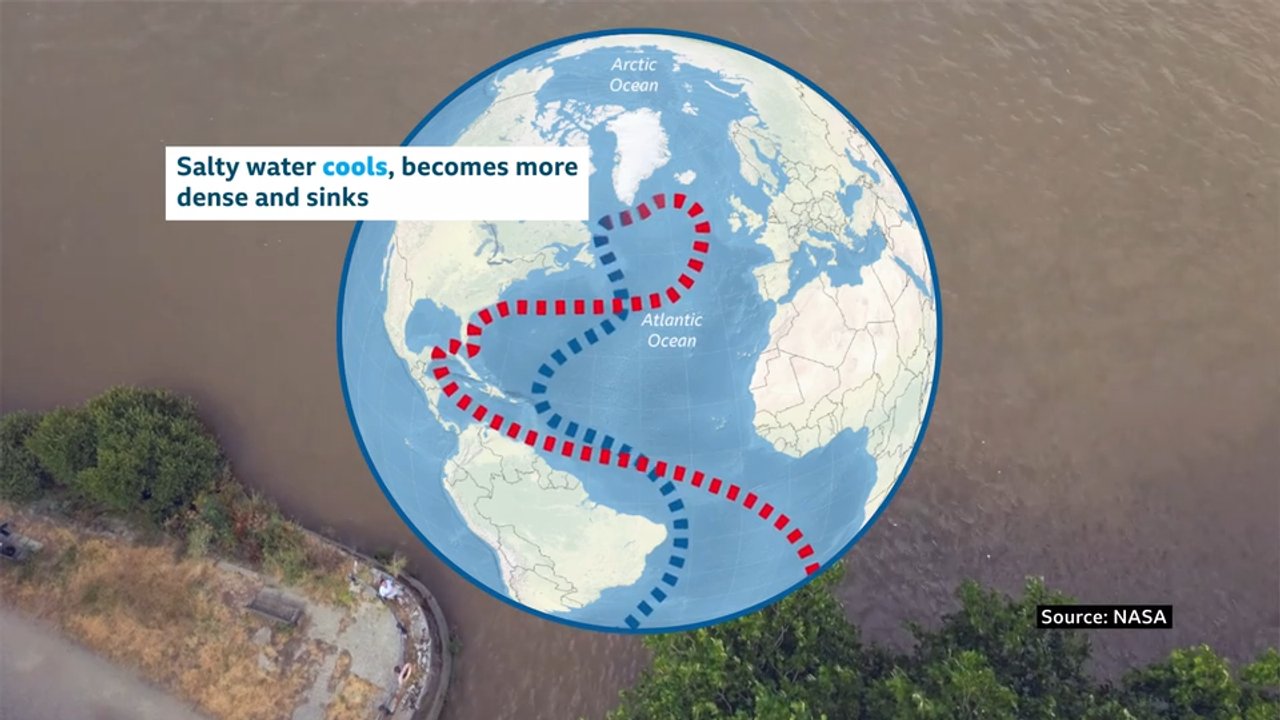
This is about more than buying extra fans. Scientists are also worried about changes in the Atlantic Ocean. Normally, warm, salty water flows north from the tropics — the hot region near the equator — and passes the UK. This keeps the UK's weather milder than you'd expect for a country so far north. Near Greenland, a huge icy island in the North Atlantic, the water cools, gets heavier, sinks, and flows back south.
At least, that's how it's supposed to work. There are signs this current may be slowing down. If it weakens a lot, the UK could lose some of that warmth. That could bring colder winters and even bigger swings in the weather, on top of the heat.
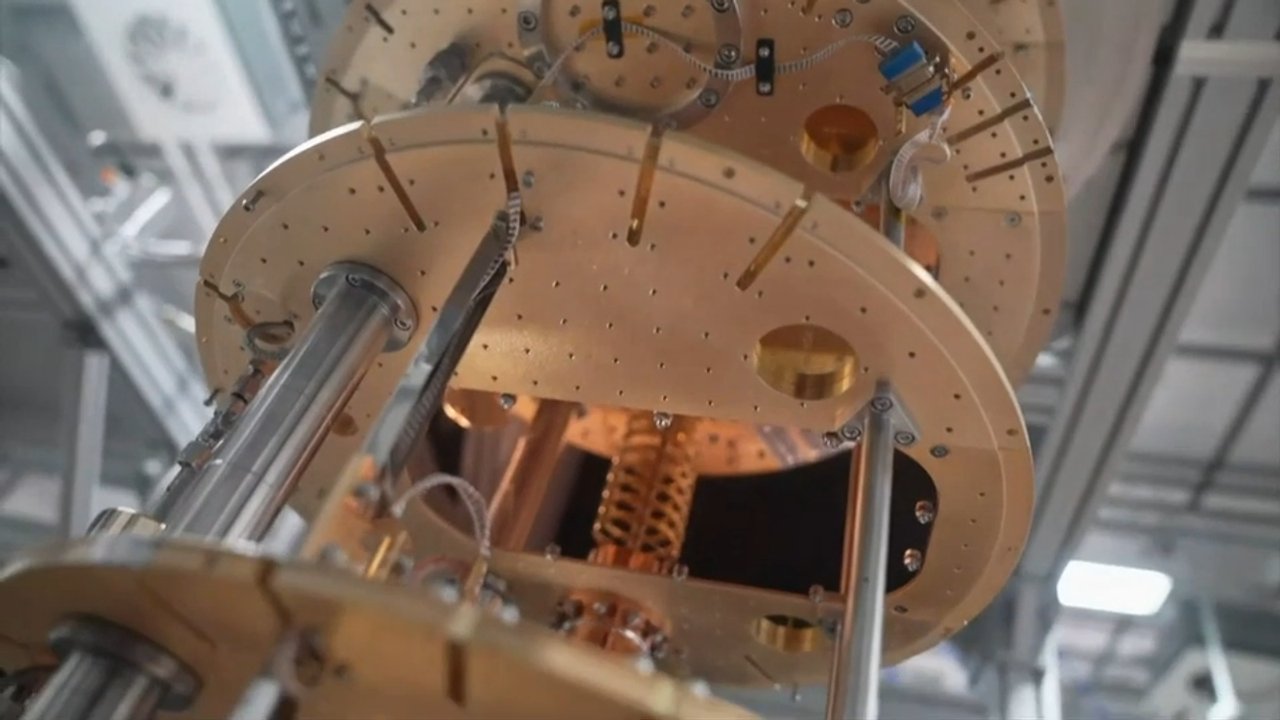
Computer chips (the tech kind, not the potato kind) normally work by moving electrons, tiny particles that carry electricity. Wave Photonics, a company based in Cambridge, England, is designing chips that use photons instead. Photons are particles of light.
Chips that use light can carry more information while using less energy. That makes them especially useful for AI data centers, the huge buildings full of computers that power tools like chatbots, and for quantum computers. They're part of a wider push to make quantum technology smaller and practical enough to build in large numbers. The industry is growing so quickly that Wave Photonics plans to double its staff.
Quantum computers are hard to build, but they could be worth the effort. They use the strange rules of quantum mechanics, the science of how the tiniest particles behave. That lets them tackle certain problems in a completely different way from ordinary computers. For some tasks, they could one day be far faster than even today's most powerful machines.
In the early days of the industry, governments were cautious and mostly bought from companies with a proven track record. Now they're more willing to take chances on newer companies.
If quantum computing keeps growing, it could eventually change fields like medicine, by helping scientists design new drugs, and finance. It could also become a bigger part of the economy.
Forests store huge amounts of carbon, likely hundreds of billions of tons. One metric ton is about 2,200 pounds, so hundreds of billions of tons is... let's just say it's a lot. Because trees pull carbon dioxide out of the air and lock it away, forests play a major role in controlling Earth's climate.
To figure out how much carbon a forest holds, scientists can measure individual trees, like how wide the trunk is and how tall the tree grows. But nobody can take a tape measure to millions of square miles of forest, and "a whole bunch" isn't a scientific measurement.
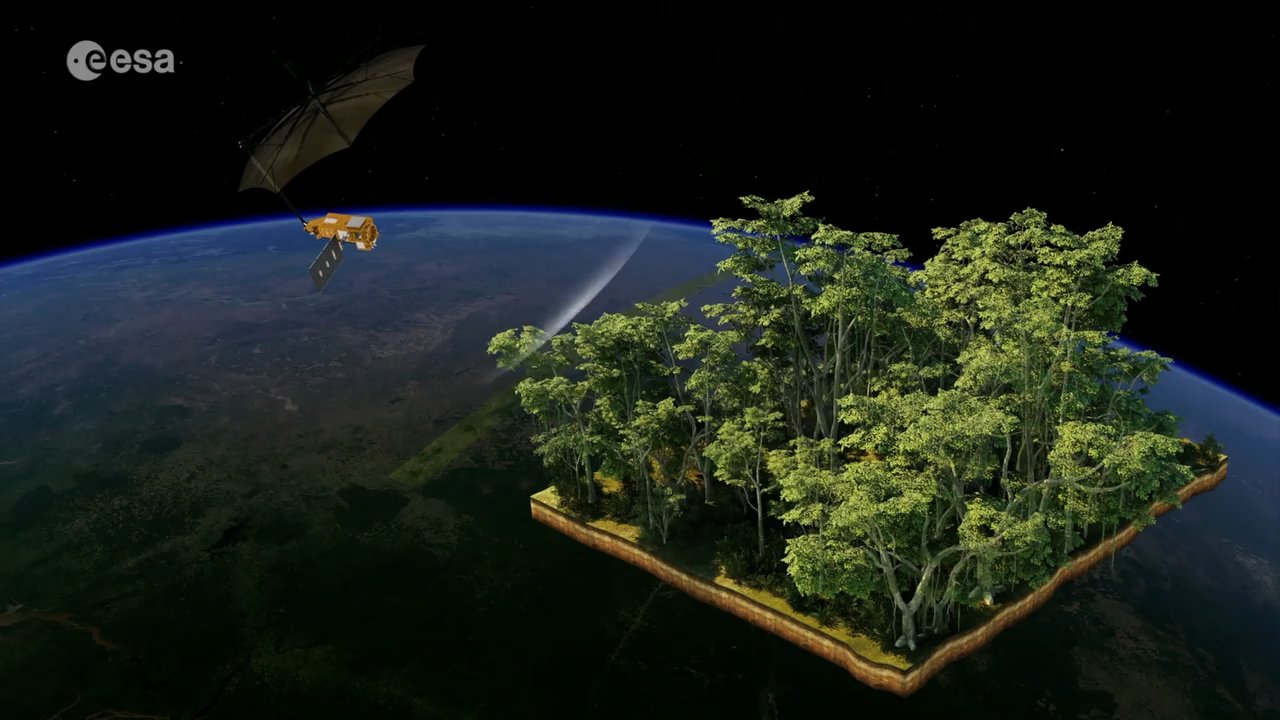
That's where new technology comes in. In 2025, the European Space Agency, which runs space missions for a group of European countries, launched a satellite called Biomass. It uses radar with extra-long wavelengths. The longer the wavelength, the more easily radar can pass through leaves and small branches and pick up bigger things, like trunks and large branches, which hold most of a tree's carbon.
Most earlier satellites, like many launched by NASA, the U.S. space agency, are optical. They work like cameras, capturing sunlight reflected off the treetops. That's useful for seeing where forests are, but it mostly shows the top layer. Radar can reveal what's underneath. It can help scientists estimate how much wood a forest holds, spot deforestation, and study flooded forests that are hard to reach. Scientists then check the satellite data against measurements taken from planes and on the ground.
Another tool is LiDAR, short for Light Detection and Ranging. It sends out pulses of laser light and measures how long they take to bounce back, building detailed 3D maps of forests. Some are precise enough to show individual twigs and leaves. LiDAR isn't new, but it produces enormous amounts of data. Artificial intelligence is now making that data much faster to process, turning LiDAR into a more practical tool for studying forests.
“Beautiful on the inside” may be weirdly appropriate for bugs, considering the 3D map of the male fruit fly brain and nervous system more closely resembles a museum-worthy mosaic or a bowl of fruity cereal than the tiny nuisance you’re used to seeing flying around your apples. Scientists recently created this colorful detailed map by slicing and analyzing every nerve cell with an electron microscope — that’s a microscope that uses accelerated electrons instead of visible light to produce images that can be both extremely magnified and incredibly clear at the same time.
The same team previously mapped a female fly brain a couple of years ago and compared the male and female brains to see that roughly 95% of their brain wiring was similar, while about 5% differed.
But those small differences make for some big differences in behavior, including courtship, aggression, detecting competitors, and producing a “love song” by beating the wings.
It's not news (to these scientists, at least) that just two genes were linked to these behaviors, but comparing these 3D maps helped them learn more about the connection between those genes and the specific brain circuits producing the behavior.
Researchers hope the same logic around connecting genes to brain wiring to behavior can eventually be applied to other animals and maybe even humans! This might help scientists investigate conditions with strong genetic influences, including schizophrenia and autism.
According to the Met Office, the UK's national weather and climate service, people may be getting a little too relaxed about the weather. Conditions that once would have seemed extreme are starting to feel normal.
2025 was the UK's hottest year since records began in 1884. Four of the last five years now rank among the five hottest on record. In southeast England, the hottest day of the year is now about 4.5°C (about 8°F) warmer on average than it was in the 1960s.
This is about more than buying extra fans. Scientists are also worried about changes in the Atlantic Ocean. Normally, warm, salty water flows north from the tropics — the hot region near the equator — and passes the UK. This keeps the UK's weather milder than you'd expect for a country so far north. Near Greenland, a huge icy island in the North Atlantic, the water cools, gets heavier, sinks, and flows back south.
At least, that's how it's supposed to work. There are signs this current may be slowing down. If it weakens a lot, the UK could lose some of that warmth. That could bring colder winters and even bigger swings in the weather, on top of the heat.
Computer chips (the tech kind, not the potato kind) normally work by moving electrons, tiny particles that carry electricity. Wave Photonics, a company based in Cambridge, England, is designing chips that use photons instead. Photons are particles of light.
Chips that use light can carry more information while using less energy. That makes them especially useful for AI data centers, the huge buildings full of computers that power tools like chatbots, and for quantum computers. They're part of a wider push to make quantum technology smaller and practical enough to build in large numbers. The industry is growing so quickly that Wave Photonics plans to double its staff.
Quantum computers are hard to build, but they could be worth the effort. They use the strange rules of quantum mechanics, the science of how the tiniest particles behave. That lets them tackle certain problems in a completely different way from ordinary computers. For some tasks, they could one day be far faster than even today's most powerful machines.
In the early days of the industry, governments were cautious and mostly bought from companies with a proven track record. Now they're more willing to take chances on newer companies.
If quantum computing keeps growing, it could eventually change fields like medicine, by helping scientists design new drugs, and finance. It could also become a bigger part of the economy.
Forests store huge amounts of carbon, likely hundreds of billions of tons. One metric ton is about 2,200 pounds, so hundreds of billions of tons is... let's just say it's a lot. Because trees pull carbon dioxide out of the air and lock it away, forests play a major role in controlling Earth's climate.
To figure out how much carbon a forest holds, scientists can measure individual trees, like how wide the trunk is and how tall the tree grows. But nobody can take a tape measure to millions of square miles of forest, and "a whole bunch" isn't a scientific measurement.
That's where new technology comes in. In 2025, the European Space Agency, which runs space missions for a group of European countries, launched a satellite called Biomass. It uses radar with extra-long wavelengths. The longer the wavelength, the more easily radar can pass through leaves and small branches and pick up bigger things, like trunks and large branches, which hold most of a tree's carbon.
Most earlier satellites, like many launched by NASA, the U.S. space agency, are optical. They work like cameras, capturing sunlight reflected off the treetops. That's useful for seeing where forests are, but it mostly shows the top layer. Radar can reveal what's underneath. It can help scientists estimate how much wood a forest holds, spot deforestation, and study flooded forests that are hard to reach. Scientists then check the satellite data against measurements taken from planes and on the ground.
Another tool is LiDAR, short for Light Detection and Ranging. It sends out pulses of laser light and measures how long they take to bounce back, building detailed 3D maps of forests. Some are precise enough to show individual twigs and leaves. LiDAR isn't new, but it produces enormous amounts of data. Artificial intelligence is now making that data much faster to process, turning LiDAR into a more practical tool for studying forests.