
2,000-Year-Old Roman Shipwreck Found off the Coast of Italy
Off the coast of Italy, divers have found a Roman ship that sank more than 2,000 years ago, still loaded with its cargo. Italy's culture minister called it "one of the most important underwater archaeological discoveries of recent years."
The wreck lies about 150 feet underwater, roughly three miles off the coast of Sicily, the island at the tip of Italy's "boot." Fishermen diving in the area spotted it and reported it to authorities. The ship was covered in hundreds of well-preserved amphorae. These were tall clay jars Romans used to store and ship goods, especially wine.
Specialist divers from a branch of Italy's police that protects historical treasures are now studying and recording the site.
Researchers believe more ancient shipwrecks may still be hidden beneath the Mediterranean Sea. These could offer clues about what people traded, transported, and valued thousands of years ago.
Take the Challenge

More News Stories

Most people hear “getting a license” and think of driving a car. But what if there was another option, with a lot less traffic? Thousands of teens in the UK are getting the chance to learn to fly, thanks to a charity called British Young Pilots (BYP).
Patrick founded it in 2023. Growing up near Heathrow, London’s biggest airport, he never thought flying would be for someone like him. Now he wants to open it up to everyone. Patrick has ADHD, and so does 13-year-old Izzy, who has autism. Her first lesson was more than an exciting ride. It was a chance to find something she might really want to pursue, and her family says that kind of passion matters for her sense of purpose and well-being.
Flying is expensive, so BYP works to bring the price down. It uses microlights, which are very small, light aircraft, and does much of its teaching in schools on flight simulators. That saves money and fuel. About 2,000 students from all backgrounds have enrolled so far, and around 200 get bursaries (grants) that cut their costs by 80%.
Up, up, and away! Then safely back down, of course. These young pilots still have homework to do.
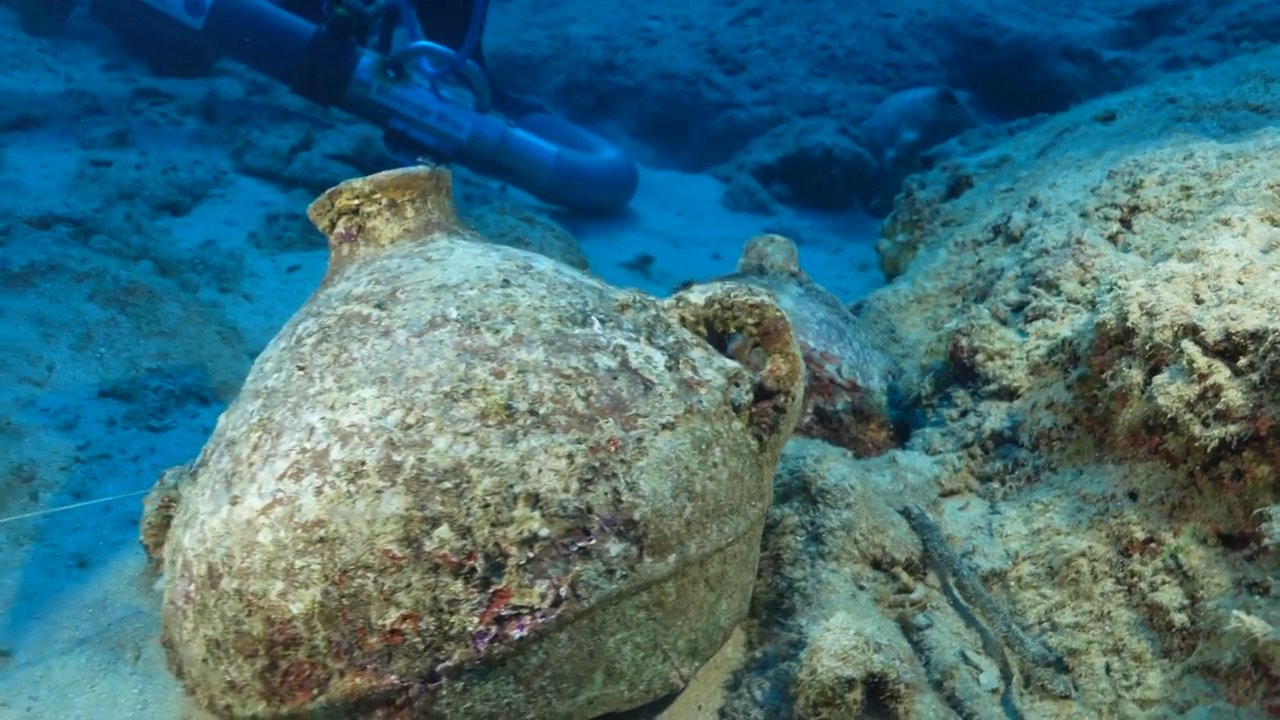
Imagine finding a delivery that’s been waiting on the seabed for more than 4,000 years. Divers off Kekova Island in Turkey have found what experts call the world’s oldest known trade shipwreck. It dates from the Bronze Age, a period about 4,400 to 4,700 years ago when people made tools and weapons from bronze, a metal made by mixing copper and tin.
The ship’s wooden hull rotted away long ago, but its cargo survived. Divers recovered more than 30 amphorae, which are clay jars with two handles that were used like ancient shipping containers. Some still hold traces of what was inside, possibly olive oil, wine, or tree sap. Scientists are now testing them to find out.
The ship was about 10 meters (33 feet) long. It was probably sailing from the Middle East to Troy, a famous ancient city in what’s now Turkey, or to Crete, a Greek island, when it sank. It never got there.
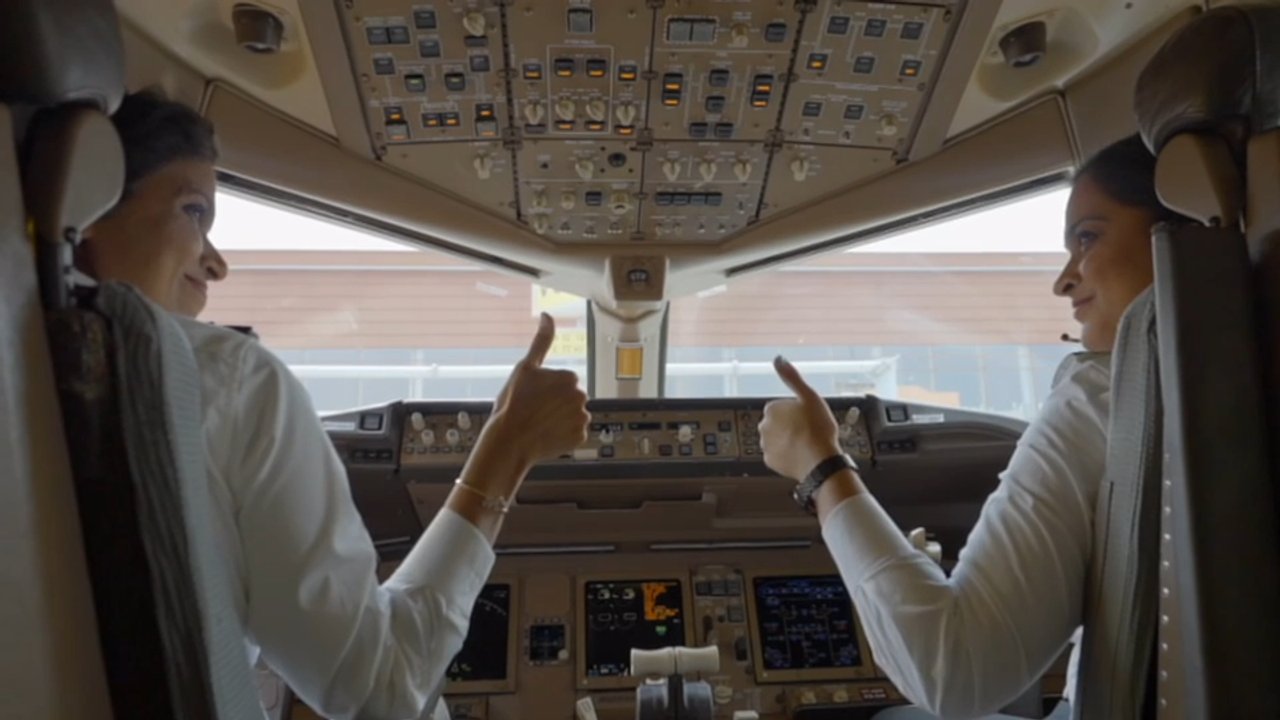
Women have been flying planes since before commercial airlines even existed, so why is it that today, women make up only about 6% of pilots worldwide? Although they account for more than a third of the aviation industry’s workforce, most women work in the cabins or on the ground and are much more rarely in the cockpit.
This low (ahem, abysmal) percentage of female pilots has several possible explanations, but it shouldn’t surprise you that none of them are because women aren’t capable! More likely reasons include a lack of female role models, limited access to science and technical education, gender stereotypes, and the challenge of balancing a demanding career in aviation with family life. These are a lot to work against, but support such as scholarships, cadet programs, flexible working, and family-friendly policies could help more women enter the profession and stay in it.
Think those are too much to ask for? Take a look at India! There, around 15% of airline pilots are women — that’s almost three times the global average. Experts say this is partly because of a smaller gender pay gap and the rapid growth of their aviation industry.
Unfortunately, getting more women into piloting roles isn’t as simple as just hiring more females. Part of it starts in early education, where schools can show young women that a career in aviation is possible for them (not just the boys in their class). Organizations like governments and airlines also need to address pay, safety, and working hours.

“Sharing is caring” is a good motto, but winning a Nobel Peace Prize takes a lot more. You could ask Navanethem “Navi” Pillay, the South African judge named as the 2026 winner, but she may be too busy to answer. At 85, she is still hearing cases at one of the world’s highest courts.
The Nobel Peace Prize is awarded each year to a person or organization that has made an exceptional contribution to peace. That means more than good manners. Winners have often spent decades helping countries cooperate, ending wars, or defending people’s rights. Pillay’s prize highlights an important idea: peace is more than the end of fighting. It also depends on protecting rights, applying laws fairly, and holding people responsible for the most serious crimes.
Pillay grew up in a family of Indian descent in South Africa under apartheid. Apartheid was a system of laws, in place from 1948 until the early 1990s, that separated people by race and denied non-white South Africans equal rights. Despite facing discrimination, she became a lawyer. In 1995, she became the first non-white woman to serve as a judge on South Africa’s High Court.
She went on to work at the international level. She was a judge on the International Criminal Court, which puts individuals on trial for crimes such as genocide and war crimes. She then served as the United Nations High Commissioner for Human Rights, the UN’s top official responsible for protecting human rights around the world. Throughout her career, she has argued that the same basic legal principles should apply to everyone, everywhere.
Today, she is a judge at the International Court of Justice, the UN’s main court for disputes between countries. She is hearing a case in which Myanmar is accused of genocide.
Most people hear “getting a license” and think of driving a car. But what if there was another option, with a lot less traffic? Thousands of teens in the UK are getting the chance to learn to fly, thanks to a charity called British Young Pilots (BYP).
Patrick founded it in 2023. Growing up near Heathrow, London’s biggest airport, he never thought flying would be for someone like him. Now he wants to open it up to everyone. Patrick has ADHD, and so does 13-year-old Izzy, who has autism. Her first lesson was more than an exciting ride. It was a chance to find something she might really want to pursue, and her family says that kind of passion matters for her sense of purpose and well-being.
Flying is expensive, so BYP works to bring the price down. It uses microlights, which are very small, light aircraft, and does much of its teaching in schools on flight simulators. That saves money and fuel. About 2,000 students from all backgrounds have enrolled so far, and around 200 get bursaries (grants) that cut their costs by 80%.
Up, up, and away! Then safely back down, of course. These young pilots still have homework to do.
Imagine finding a delivery that’s been waiting on the seabed for more than 4,000 years. Divers off Kekova Island in Turkey have found what experts call the world’s oldest known trade shipwreck. It dates from the Bronze Age, a period about 4,400 to 4,700 years ago when people made tools and weapons from bronze, a metal made by mixing copper and tin.
The ship’s wooden hull rotted away long ago, but its cargo survived. Divers recovered more than 30 amphorae, which are clay jars with two handles that were used like ancient shipping containers. Some still hold traces of what was inside, possibly olive oil, wine, or tree sap. Scientists are now testing them to find out.
The ship was about 10 meters (33 feet) long. It was probably sailing from the Middle East to Troy, a famous ancient city in what’s now Turkey, or to Crete, a Greek island, when it sank. It never got there.
Women have been flying planes since before commercial airlines even existed, so why is it that today, women make up only about 6% of pilots worldwide? Although they account for more than a third of the aviation industry’s workforce, most women work in the cabins or on the ground and are much more rarely in the cockpit.
This low (ahem, abysmal) percentage of female pilots has several possible explanations, but it shouldn’t surprise you that none of them are because women aren’t capable! More likely reasons include a lack of female role models, limited access to science and technical education, gender stereotypes, and the challenge of balancing a demanding career in aviation with family life. These are a lot to work against, but support such as scholarships, cadet programs, flexible working, and family-friendly policies could help more women enter the profession and stay in it.
Think those are too much to ask for? Take a look at India! There, around 15% of airline pilots are women — that’s almost three times the global average. Experts say this is partly because of a smaller gender pay gap and the rapid growth of their aviation industry.
Unfortunately, getting more women into piloting roles isn’t as simple as just hiring more females. Part of it starts in early education, where schools can show young women that a career in aviation is possible for them (not just the boys in their class). Organizations like governments and airlines also need to address pay, safety, and working hours.
“Sharing is caring” is a good motto, but winning a Nobel Peace Prize takes a lot more. You could ask Navanethem “Navi” Pillay, the South African judge named as the 2026 winner, but she may be too busy to answer. At 85, she is still hearing cases at one of the world’s highest courts.
The Nobel Peace Prize is awarded each year to a person or organization that has made an exceptional contribution to peace. That means more than good manners. Winners have often spent decades helping countries cooperate, ending wars, or defending people’s rights. Pillay’s prize highlights an important idea: peace is more than the end of fighting. It also depends on protecting rights, applying laws fairly, and holding people responsible for the most serious crimes.
Pillay grew up in a family of Indian descent in South Africa under apartheid. Apartheid was a system of laws, in place from 1948 until the early 1990s, that separated people by race and denied non-white South Africans equal rights. Despite facing discrimination, she became a lawyer. In 1995, she became the first non-white woman to serve as a judge on South Africa’s High Court.
She went on to work at the international level. She was a judge on the International Criminal Court, which puts individuals on trial for crimes such as genocide and war crimes. She then served as the United Nations High Commissioner for Human Rights, the UN’s top official responsible for protecting human rights around the world. Throughout her career, she has argued that the same basic legal principles should apply to everyone, everywhere.
Today, she is a judge at the International Court of Justice, the UN’s main court for disputes between countries. She is hearing a case in which Myanmar is accused of genocide.