
A Court Just Told Meta To Change How Instagram Works for Teens
Over the next few months, scrolling on your phone may look a little different. That’s because Meta, the company behind Facebook and Instagram, has been facing more pressure over claims that its platforms harm young people, and both citizens and the legal system have been demanding a change that has landed Meta in a lawsuit.
A judge in New Mexico did not hold back on criticizing harmful content, declaring Meta’s platforms a "public nuisance" and comparing the company to a factory creating toxic pollution. Yikes. The court also called out Meta for design features like infinite scroll, notifications, and recommendation algorithms that encourage people to stay online longer.
Meta was ordered to put a whopping $567 million into a five-year fund addressing harms. That’s on top of $375 million awarded earlier in the same case! But believe it or not, that’s not a ton of money for the company. The important part is not the money itself, but the indication that people are demanding change and getting companies to listen. Meta isn’t just being asked to pay a fine but to actually make changes, like restricting contact with adults, limiting notifications, and placing limits on how long people under 18 can spend on Facebook and Instagram.
Meta strongly disputes the ruling and plans to appeal, but the case has already set a larger question into motion about if tech companies should be held responsible not only for what users post but also how their platforms are designed.
Take the Challenge

More News Stories
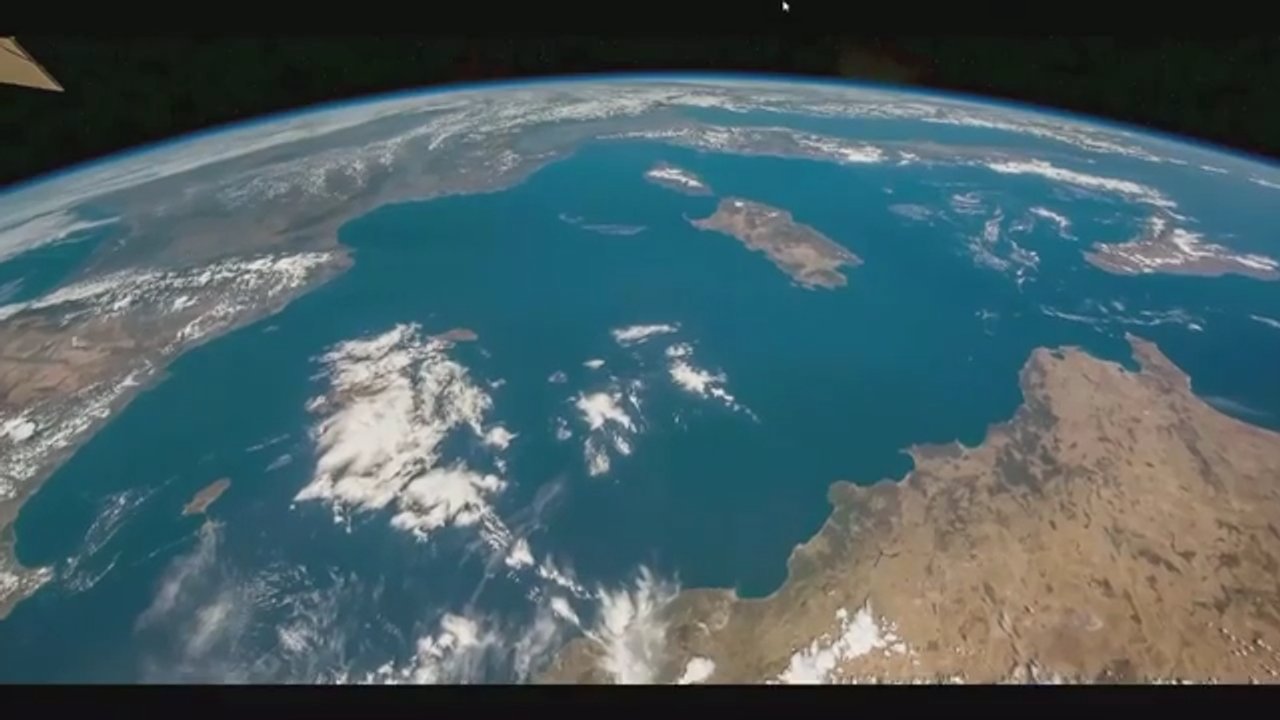
Ring ring! “Hello? Outer space on the line.”
Students at Wick High School in the far north of Scotland recently had a conversation they won’t forget. They spoke directly to an astronaut on the International Space Station, which orbits about 400 kilometers (250 miles) above Earth.
They didn’t have to shout. As the space station passed overhead, the students used an amateur radio to make contact with Joshua Kutryk, an astronaut from Canada. Their school is thought to be the most northerly in the UK ever to reach the space station this way.
The space station travels so fast that the students had only about 10 minutes before it moved out of range. They used every second. One student asked what movies always get wrong about space. Kutryk’s answer: Everything is harder than it looks, even brushing your teeth. Another asked about space food. He said it tastes different up there, even his coffee.
That’s a lot to fit into one short phone call!
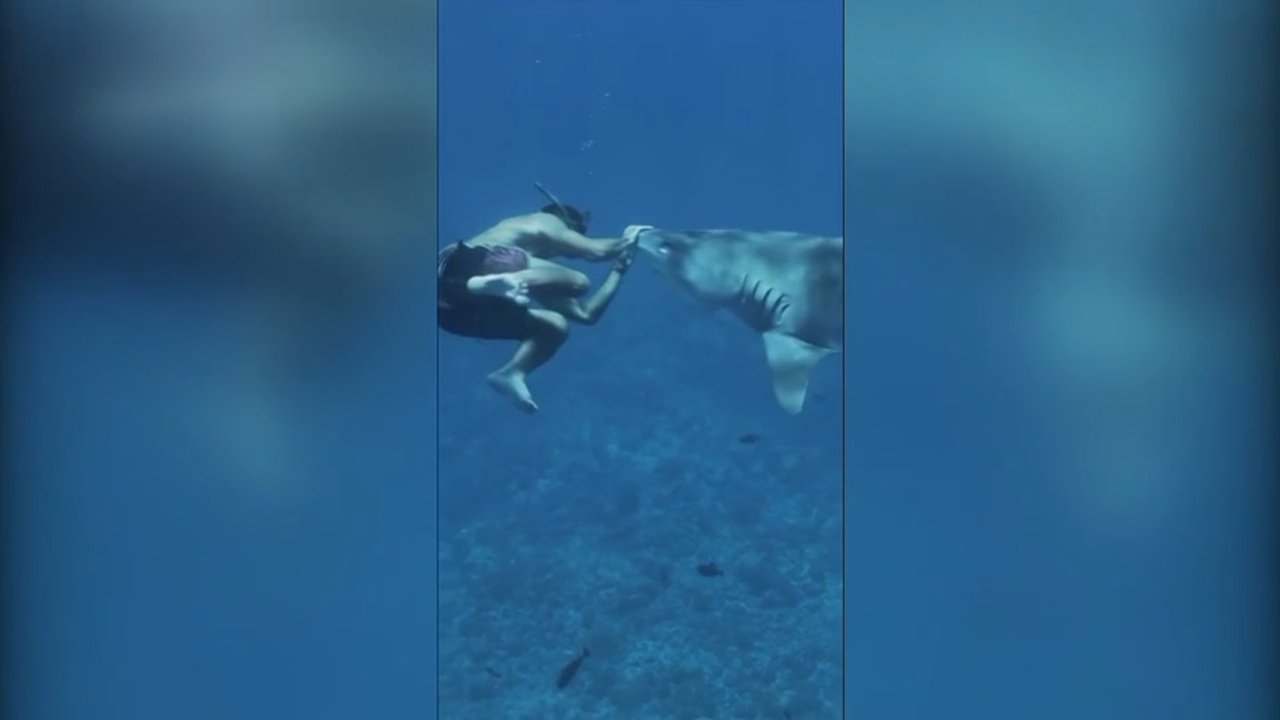
If someone at the beach shouts “Shark!”, you swim away, right? Not everyone does. Videos of people swimming with sharks, touching them, and even hugging them are becoming more popular online. Scientists warn that chasing the perfect shot is risky for the person, and for the shark.
Some shark species are fairly calm, but they’re still wild animals, and they can still bite. Researchers who track shark bites around the world say they’ve seen more people bitten while trying to film or photograph sharks.
The sharks can be harmed, too. Studies show that getting close to a shark or touching it raises its levels of stress hormones. Too much stress can weaken a shark’s immune system, make it more likely to die, and even cause pregnant sharks to lose their young.
To be clear, shark bites are still rare. There are only about 70 recorded each year worldwide. But scientists have simple advice for keeping people and sharks safe: admire sharks from a distance.
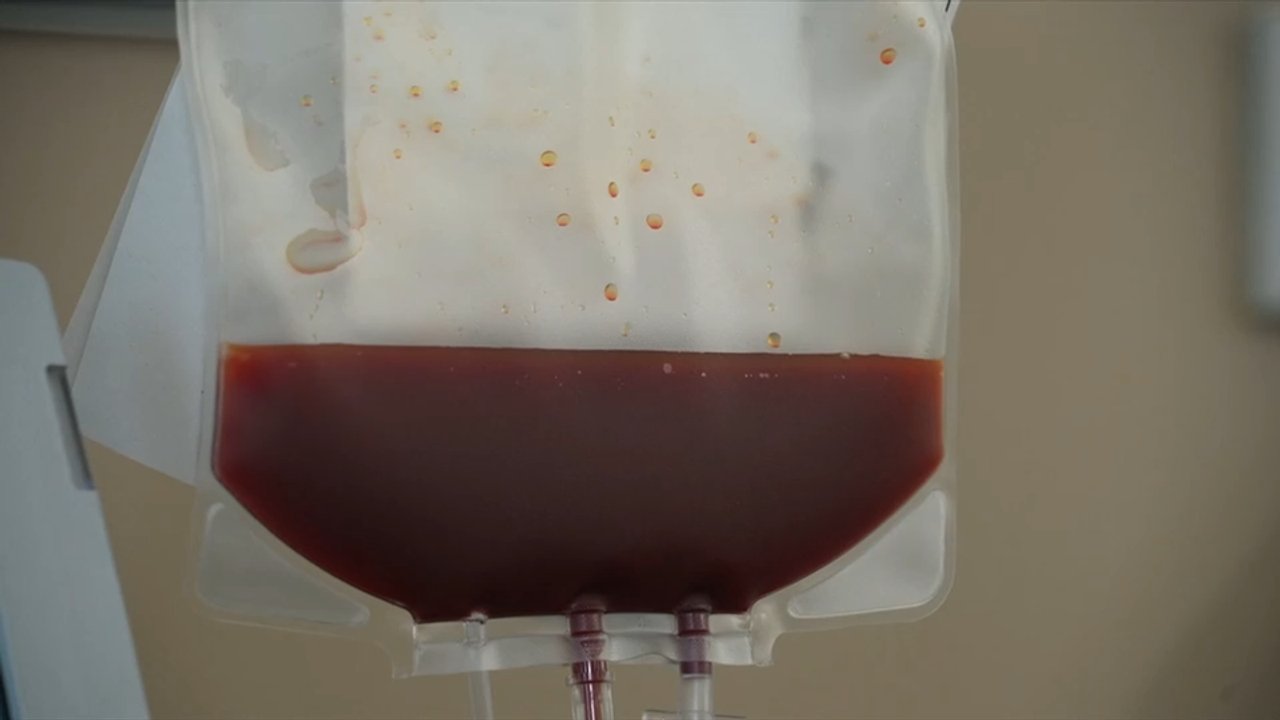
Most of us don’t think much about our blood until we get a paper cut or a scraped knee. 16-year-old Vianne has had to think about hers for most of her life. She has thalassemia, a serious blood disorder. Her body couldn’t make enough healthy hemoglobin, the protein in red blood cells that carries oxygen around the body. She needed blood transfusions every month, and she was often exhausted.
Then she received a new gene-editing treatment.
First, doctors collected some of her stem cells. These are cells that haven’t yet become a particular type, so they can copy themselves and turn into other kinds of cells. In a laboratory, scientists edited the cells’ DNA so they would make more fetal hemoglobin, the kind babies make before they’re born. This extra hemoglobin makes up for the faulty kind that causes thalassemia. Months later, the edited cells were put back into Vianne’s body.
Doctors call the result a “functional cure.” Vianne still has the genetic condition, but its main symptoms have eased so much that she no longer needs transfusions. That means fewer hospital visits and much more energy.
The same treatment is also being used for sickle cell disease. 14-year-old Joel is just starting the process. It isn’t easy: patients need chemotherapy first, to clear space in their bone marrow for the edited cells. But Vianne says it was worth it.
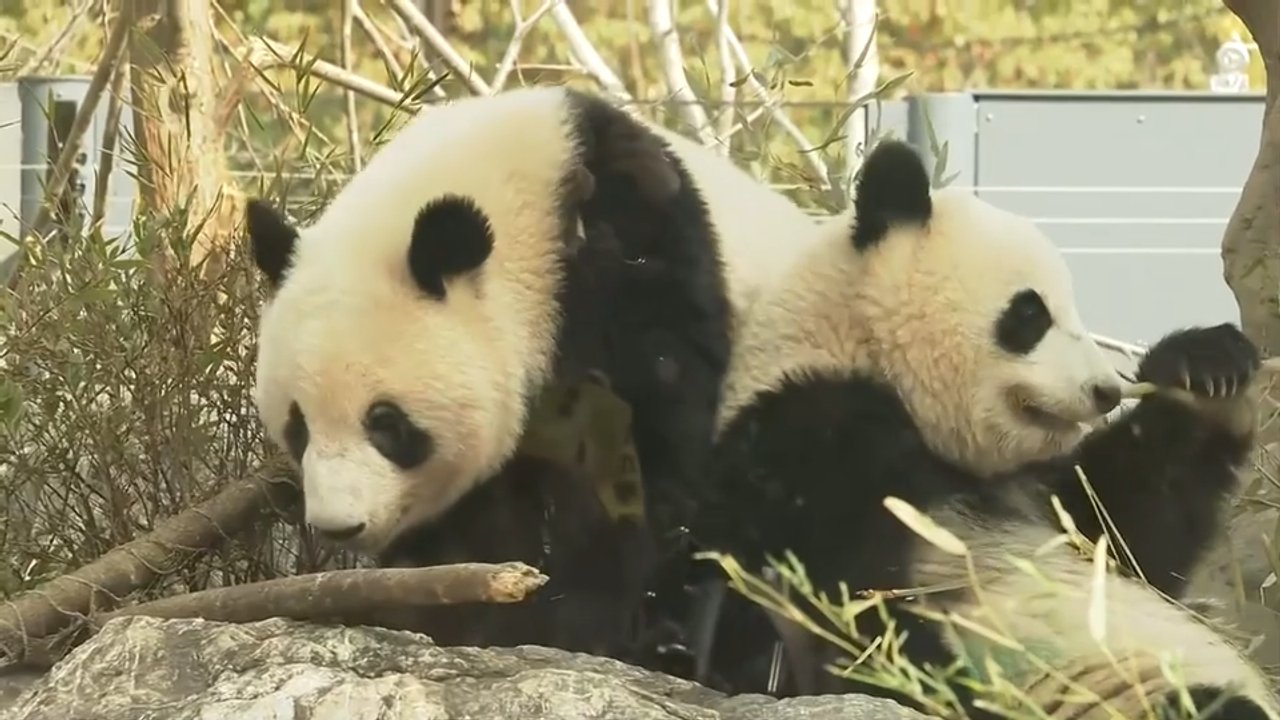
At the start of 2026, Tokyo’s Ueno Zoo said goodbye to two of its most famous residents: twin giant pandas Xiao Xiao and Lei Lei.
The twins were born at the zoo in 2021 and quickly became stars. In their final weeks in Japan, so many families wanted to see them that visitors were picked by lottery.
The pandas were always meant to go back to China. China doesn’t sell or give away its giant pandas. It lends them to other countries, and the loans often depend on how well the two governments get along. This is known as “panda diplomacy.”
The twins left at a tense moment. Relations between China and Japan worsened after Japan’s new prime minister made comments about Taiwan, an island that governs itself but that China claims as part of its territory.
Now, for the first time since 1972, Japan has no giant pandas. That date matters. 1972 was the year Japan and China restored official relations, and China marked it by sending Japan its first pair of pandas. Japan would like more pandas, but officials say a new loan looks unlikely for now.
So the pandas are home in China, and Japan is waiting for a reply.
Ring ring! “Hello? Outer space on the line.”
Students at Wick High School in the far north of Scotland recently had a conversation they won’t forget. They spoke directly to an astronaut on the International Space Station, which orbits about 400 kilometers (250 miles) above Earth.
They didn’t have to shout. As the space station passed overhead, the students used an amateur radio to make contact with Joshua Kutryk, an astronaut from Canada. Their school is thought to be the most northerly in the UK ever to reach the space station this way.
The space station travels so fast that the students had only about 10 minutes before it moved out of range. They used every second. One student asked what movies always get wrong about space. Kutryk’s answer: Everything is harder than it looks, even brushing your teeth. Another asked about space food. He said it tastes different up there, even his coffee.
That’s a lot to fit into one short phone call!
If someone at the beach shouts “Shark!”, you swim away, right? Not everyone does. Videos of people swimming with sharks, touching them, and even hugging them are becoming more popular online. Scientists warn that chasing the perfect shot is risky for the person, and for the shark.
Some shark species are fairly calm, but they’re still wild animals, and they can still bite. Researchers who track shark bites around the world say they’ve seen more people bitten while trying to film or photograph sharks.
The sharks can be harmed, too. Studies show that getting close to a shark or touching it raises its levels of stress hormones. Too much stress can weaken a shark’s immune system, make it more likely to die, and even cause pregnant sharks to lose their young.
To be clear, shark bites are still rare. There are only about 70 recorded each year worldwide. But scientists have simple advice for keeping people and sharks safe: admire sharks from a distance.
Most of us don’t think much about our blood until we get a paper cut or a scraped knee. 16-year-old Vianne has had to think about hers for most of her life. She has thalassemia, a serious blood disorder. Her body couldn’t make enough healthy hemoglobin, the protein in red blood cells that carries oxygen around the body. She needed blood transfusions every month, and she was often exhausted.
Then she received a new gene-editing treatment.
First, doctors collected some of her stem cells. These are cells that haven’t yet become a particular type, so they can copy themselves and turn into other kinds of cells. In a laboratory, scientists edited the cells’ DNA so they would make more fetal hemoglobin, the kind babies make before they’re born. This extra hemoglobin makes up for the faulty kind that causes thalassemia. Months later, the edited cells were put back into Vianne’s body.
Doctors call the result a “functional cure.” Vianne still has the genetic condition, but its main symptoms have eased so much that she no longer needs transfusions. That means fewer hospital visits and much more energy.
The same treatment is also being used for sickle cell disease. 14-year-old Joel is just starting the process. It isn’t easy: patients need chemotherapy first, to clear space in their bone marrow for the edited cells. But Vianne says it was worth it.
At the start of 2026, Tokyo’s Ueno Zoo said goodbye to two of its most famous residents: twin giant pandas Xiao Xiao and Lei Lei.
The twins were born at the zoo in 2021 and quickly became stars. In their final weeks in Japan, so many families wanted to see them that visitors were picked by lottery.
The pandas were always meant to go back to China. China doesn’t sell or give away its giant pandas. It lends them to other countries, and the loans often depend on how well the two governments get along. This is known as “panda diplomacy.”
The twins left at a tense moment. Relations between China and Japan worsened after Japan’s new prime minister made comments about Taiwan, an island that governs itself but that China claims as part of its territory.
Now, for the first time since 1972, Japan has no giant pandas. That date matters. 1972 was the year Japan and China restored official relations, and China marked it by sending Japan its first pair of pandas. Japan would like more pandas, but officials say a new loan looks unlikely for now.
So the pandas are home in China, and Japan is waiting for a reply.