
Fake News, Real Fingers: How AI Slip-Ups Are Giving Away Fake Social Media Posts
It's tempting to think that seeing is believing, but that's not always the case. When scrolling the internet, it's important to put on your skepticism hat. There's a lot of fake stuff out there, and some of it is convincing.
For example, a Facebook post appeared to come from York Council — the local government office for the city of York, England. It asked people with spare rooms to house asylum seekers (people who have fled their home country and are asking a government for protection). The post wasn't real, but it spread quickly across Facebook, Instagram, TikTok, X, and YouTube. BBC Verify, the BBC's fact-checking team, estimated it could have reached more than a million people.
Misinformation like this can cause real problems, especially when it spreads about sensitive subjects like asylum seekers. Repeated exposure to false information can also make people question what's true at all — damaging trust between people and communities.
So how can you tell what's fake? Even careful readers are finding it harder to spot, while fake content is getting easier to make — a dangerous combination. The fake council post looked convincing: it had an official logo, professional-sounding text, and even a real email address. But a few small details gave it away: the logo was slightly distorted, some words were misspelled, parts of the image looked unnatural, and the AI-generated hands had too many fingers.
Those details are easy to miss when scrolling quickly — but learning to spot them is exactly what makes the difference between falling for a fake and catching one.
Take the Challenge

More News Stories
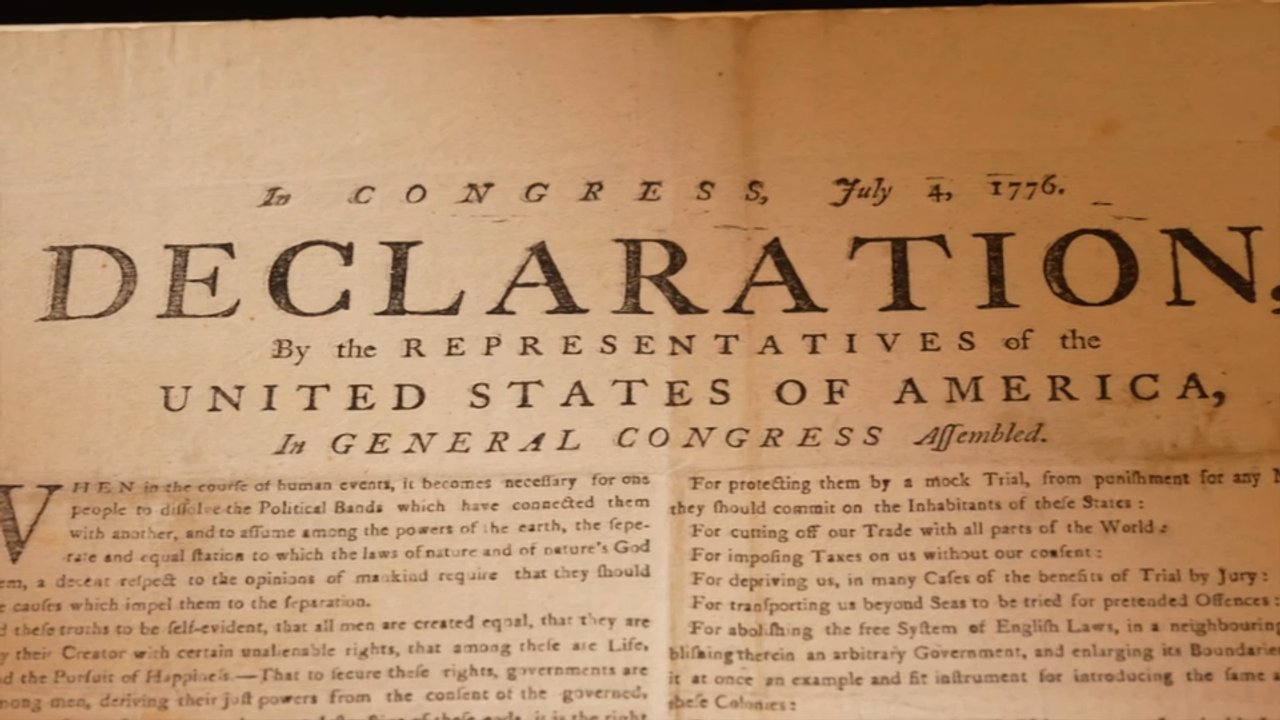
Michael Scurr has spent Thursday mornings volunteering at Britain’s National Archives in London for more than a decade, sorting and labeling old government records. One day, he unfolded a document and saw the word “Declaration” printed in big letters across the top.
He had found a rare 1776 printed copy of the United States Declaration of Independence. We just hope he’d washed off the Cheeto dust first.
The copy has quite a backstory. It was printed in Exeter, New Hampshire, in mid-July 1776, just days after the Declaration was adopted, to spread the news through the colonies. It ended up aboard the Dalton, an American privateer (a privately owned ship allowed to attack enemy ships in wartime). When Britain’s Royal Navy captured the Dalton, the document was taken too. It was filed away with British naval records and sat there for nearly 250 years without anyone realizing what it was.
Only 11 copies of this New Hampshire printing are known to survive, and this is the only one outside the United States. Instead of tucking it back in a box, the archives put it on public display this summer, in time for the 250th anniversary of American independence.
Why all the fuss over an old piece of paper? The Declaration’s ideas, including the right to “life, liberty, and the pursuit of happiness,” went on to inspire independence and rights movements around the world. A copy like this shows that a document’s story can keep going long after the moment it was written.
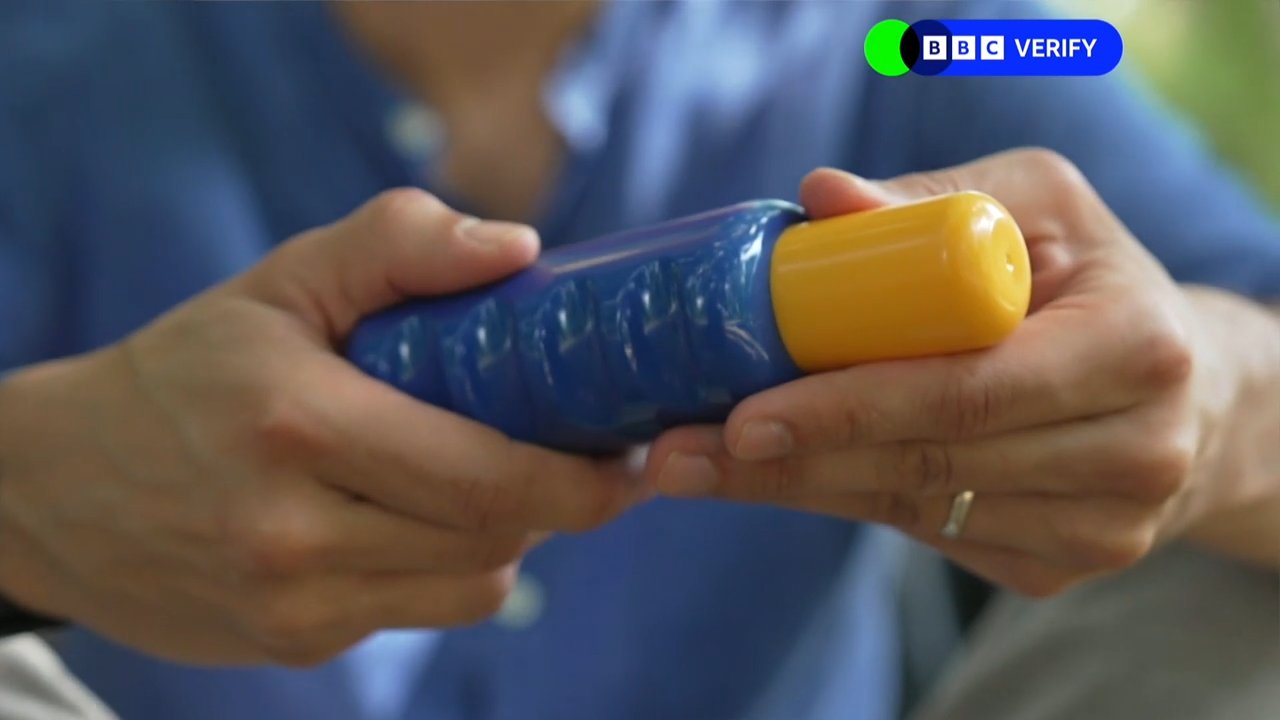
Every summer, the days get longer and the temperatures rise. And every summer, social media posts claiming that sunscreen causes cancer, or is a scam, start spreading again.
Some of these posts point to real scientific research but leave out important context. That twists what the study actually found.
One example is a 2023 study that found people who used sunscreen more often were also more likely to develop melanoma, a dangerous type of skin cancer. That sounds scary, but it doesn't mean sunscreen caused the cancer. When two things happen together, one isn't necessarily causing the other.
The researchers point to something called the "sunscreen paradox." People who use sunscreen a lot may also spend more time in strong sunlight. They may also not put on enough sunscreen or reapply it often enough. So the extra sun exposure, not the sunscreen, is likely what raises their risk.
Sun exposure is a balancing act. A little sunshine helps your body make vitamin D, which you need. Too much can damage the DNA in your skin cells. Sunscreen cuts down on the ultraviolet (UV) rays that reach your skin. These are the invisible rays from the sun that cause sunburns. Experts recommend using sunscreen along with shade and protective clothing. It takes a little more planning before a beach day, but it's worth it.
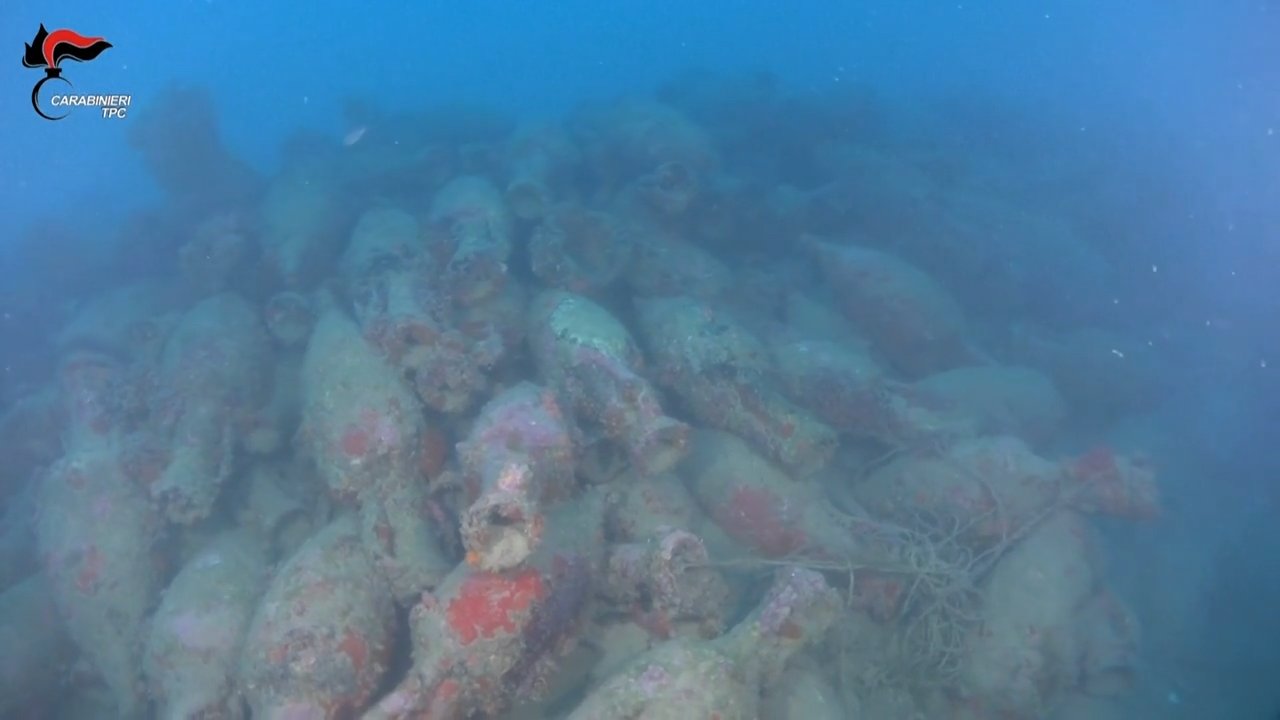
Off the coast of Italy, divers have found a Roman ship that sank more than 2,000 years ago, still loaded with its cargo. Italy's culture minister called it "one of the most important underwater archaeological discoveries of recent years."
The wreck lies about 150 feet underwater, roughly three miles off the coast of Sicily, the island at the tip of Italy's "boot." Fishermen diving in the area spotted it and reported it to authorities. The ship was covered in hundreds of well-preserved amphorae. These were tall clay jars Romans used to store and ship goods, especially wine.
Specialist divers from a branch of Italy's police that protects historical treasures are now studying and recording the site.
Researchers believe more ancient shipwrecks may still be hidden beneath the Mediterranean Sea. These could offer clues about what people traded, transported, and valued thousands of years ago.
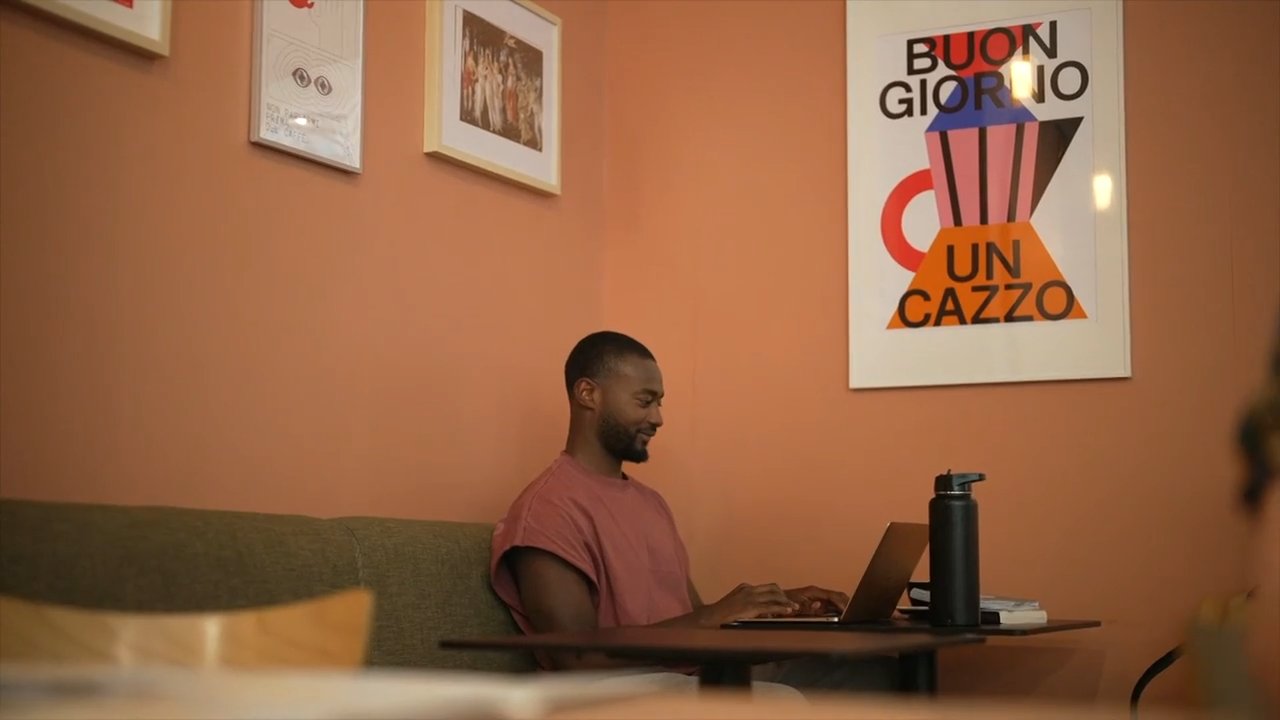
"Study hard! Get a good job! Stop buying avocado toast!" Young adults hear a lot of advice about money. But BBC reporters looking at life for people in their 20s in the UK found it's not that simple. People in their 20s have been saying that for years. Now there's research to back them up.
The Institute for Fiscal Studies, a UK group that studies money and the economy, found that earnings for young people have barely grown in the past 15 to 20 years, once you adjust for rising prices. Today's 25 year-olds do earn more than their parents did at the same age. But they earn about the same as people who started working just before the 2008 financial crisis, when banks and economies around the world crashed.
Meanwhile, everyday costs like rent and food are rising faster than paychecks. Young workers also don't have years of savings to fall back on, so they live off what they earn each month. Working harder doesn't always fix it. Many young people face job rejection after job rejection. Those who do find work often deal with long commutes, multiple jobs, and student debt.
That doesn't mean older generations had it easy. But slow pay growth, high costs, a tough job market, and debt add up to a real challenge for today's young adults. So the next time a relative brags about the house they bought at 25, you'll have some facts ready.
Michael Scurr has spent Thursday mornings volunteering at Britain’s National Archives in London for more than a decade, sorting and labeling old government records. One day, he unfolded a document and saw the word “Declaration” printed in big letters across the top.
He had found a rare 1776 printed copy of the United States Declaration of Independence. We just hope he’d washed off the Cheeto dust first.
The copy has quite a backstory. It was printed in Exeter, New Hampshire, in mid-July 1776, just days after the Declaration was adopted, to spread the news through the colonies. It ended up aboard the Dalton, an American privateer (a privately owned ship allowed to attack enemy ships in wartime). When Britain’s Royal Navy captured the Dalton, the document was taken too. It was filed away with British naval records and sat there for nearly 250 years without anyone realizing what it was.
Only 11 copies of this New Hampshire printing are known to survive, and this is the only one outside the United States. Instead of tucking it back in a box, the archives put it on public display this summer, in time for the 250th anniversary of American independence.
Why all the fuss over an old piece of paper? The Declaration’s ideas, including the right to “life, liberty, and the pursuit of happiness,” went on to inspire independence and rights movements around the world. A copy like this shows that a document’s story can keep going long after the moment it was written.
Every summer, the days get longer and the temperatures rise. And every summer, social media posts claiming that sunscreen causes cancer, or is a scam, start spreading again.
Some of these posts point to real scientific research but leave out important context. That twists what the study actually found.
One example is a 2023 study that found people who used sunscreen more often were also more likely to develop melanoma, a dangerous type of skin cancer. That sounds scary, but it doesn't mean sunscreen caused the cancer. When two things happen together, one isn't necessarily causing the other.
The researchers point to something called the "sunscreen paradox." People who use sunscreen a lot may also spend more time in strong sunlight. They may also not put on enough sunscreen or reapply it often enough. So the extra sun exposure, not the sunscreen, is likely what raises their risk.
Sun exposure is a balancing act. A little sunshine helps your body make vitamin D, which you need. Too much can damage the DNA in your skin cells. Sunscreen cuts down on the ultraviolet (UV) rays that reach your skin. These are the invisible rays from the sun that cause sunburns. Experts recommend using sunscreen along with shade and protective clothing. It takes a little more planning before a beach day, but it's worth it.
Off the coast of Italy, divers have found a Roman ship that sank more than 2,000 years ago, still loaded with its cargo. Italy's culture minister called it "one of the most important underwater archaeological discoveries of recent years."
The wreck lies about 150 feet underwater, roughly three miles off the coast of Sicily, the island at the tip of Italy's "boot." Fishermen diving in the area spotted it and reported it to authorities. The ship was covered in hundreds of well-preserved amphorae. These were tall clay jars Romans used to store and ship goods, especially wine.
Specialist divers from a branch of Italy's police that protects historical treasures are now studying and recording the site.
Researchers believe more ancient shipwrecks may still be hidden beneath the Mediterranean Sea. These could offer clues about what people traded, transported, and valued thousands of years ago.
"Study hard! Get a good job! Stop buying avocado toast!" Young adults hear a lot of advice about money. But BBC reporters looking at life for people in their 20s in the UK found it's not that simple. People in their 20s have been saying that for years. Now there's research to back them up.
The Institute for Fiscal Studies, a UK group that studies money and the economy, found that earnings for young people have barely grown in the past 15 to 20 years, once you adjust for rising prices. Today's 25 year-olds do earn more than their parents did at the same age. But they earn about the same as people who started working just before the 2008 financial crisis, when banks and economies around the world crashed.
Meanwhile, everyday costs like rent and food are rising faster than paychecks. Young workers also don't have years of savings to fall back on, so they live off what they earn each month. Working harder doesn't always fix it. Many young people face job rejection after job rejection. Those who do find work often deal with long commutes, multiple jobs, and student debt.
That doesn't mean older generations had it easy. But slow pay growth, high costs, a tough job market, and debt add up to a real challenge for today's young adults. So the next time a relative brags about the house they bought at 25, you'll have some facts ready.