Got Science?: Hacks to Trick the Body
In Hacks to Trick the Body, host Harith Iskander shares simple tricks to make everyday annoyances like pins and needles, itchy throats, and nosebleeds go away quickly. Learn how the body’s different parts interact and how a few easy hacks can help us feel better fast. This video is excerpted from BBC’s Got Science?, a science magazine series that explores and explains science in everyday life.

A science magazine series that explores and explains the science in everyday life. Learn more.
Lesson Express
Q: Why does your body feel “pins and needles,” and how can you make it stop?
A: Pins and needles happen when a nerve gets pressed, stopping blood from flowing properly. Moving around or shaking that part of your body can help it feel better.
Q: What makes your throat itch and what can you do about it?
A: An itchy throat can happen if your throat’s dry or irritated. Swallowing or gently scratching your ear can help the itch go away!
Q: How can you stop a nosebleed quickly?
A: Pinch your nose and lean forward to stop the bleeding. This works by pressing on the blood vessels in your nose to stop the flow.
You Might Also Like
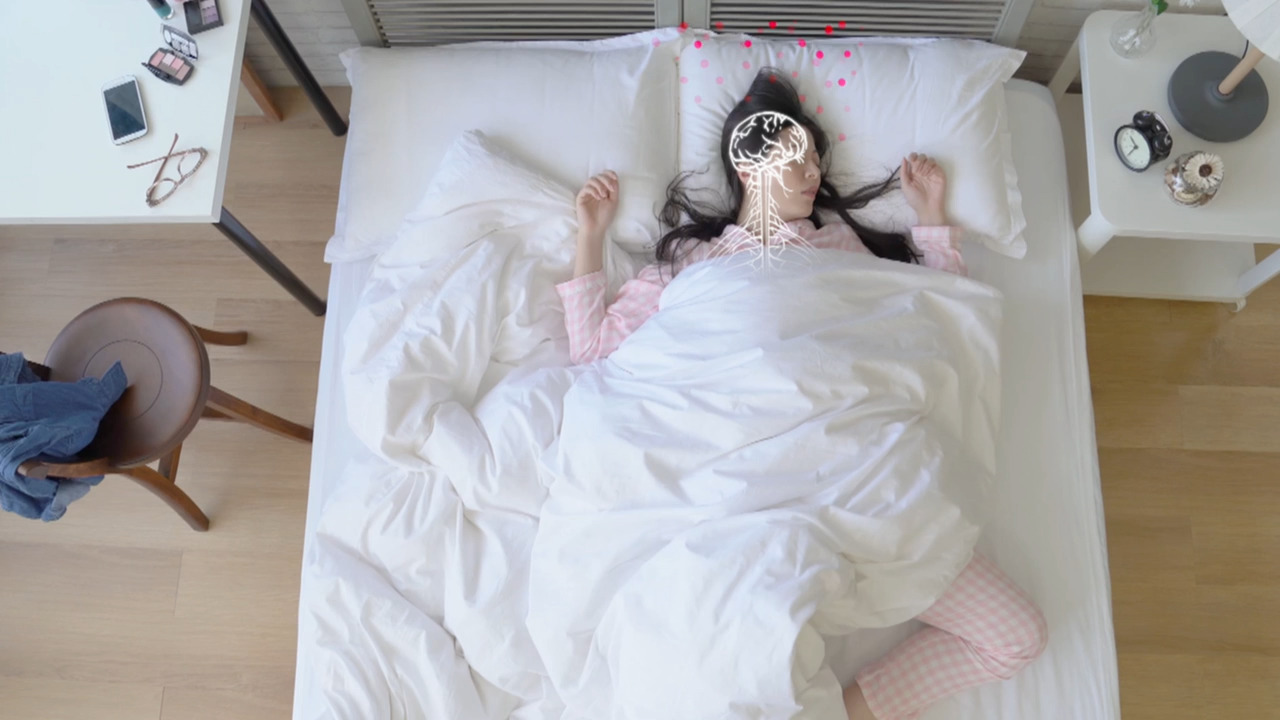
In Understanding Sleep Paralysis, host Harith Iskander explores the phenomenon of sleep paralysis, a condition where the mind wakes up, but the body remains in a state of sleep. Learn how the brain transitions between sleep stages, particularly REM, and why the body remains immobile to prevent us from acting out our dreams. This video is excerpted from BBC’s Got Science?, a science magazine series that explores and explains science in everyday life.
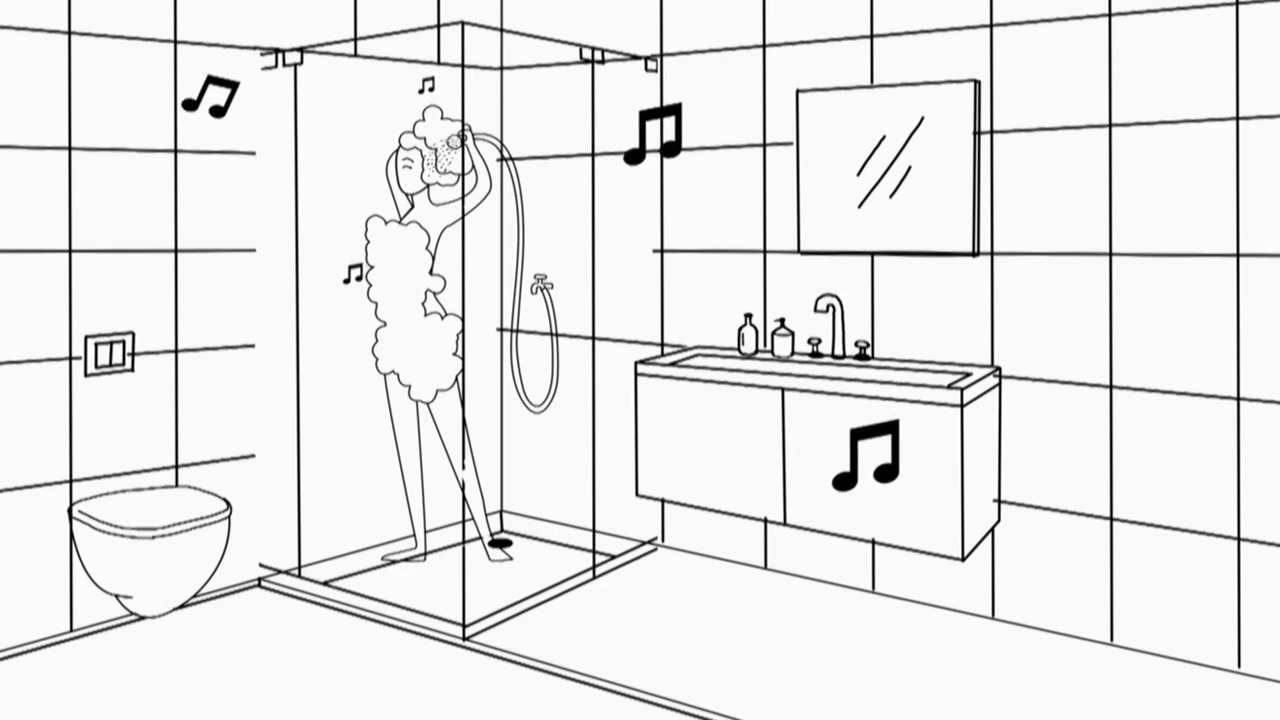
In Why Your Voice Sounds Different in the Shower, host Harith Iskander explains why singing in the shower often sounds better than you might think. This happens because bathrooms have special acoustics. The smooth, hard surfaces like tiles and mirrors reflect sound waves back to you, making your voice sound louder and clearer. This video is excerpted from BBC’s Got Science?, a science magazine series that explores and explains science in everyday life.

In How the Human Body Adjusts to Space Travel, host Harith Iskander explains the challenges astronauts face when traveling in space. These challenges include nausea, dizziness, and disorientation due to the lack of gravity. This video is excerpted from BBC’s Got Science?, a science magazine series that explores and explains science in everyday life.
In Understanding Sleep Paralysis, host Harith Iskander explores the phenomenon of sleep paralysis, a condition where the mind wakes up, but the body remains in a state of sleep. Learn how the brain transitions between sleep stages, particularly REM, and why the body remains immobile to prevent us from acting out our dreams. This video is excerpted from BBC’s Got Science?, a science magazine series that explores and explains science in everyday life.
In Why Your Voice Sounds Different in the Shower, host Harith Iskander explains why singing in the shower often sounds better than you might think. This happens because bathrooms have special acoustics. The smooth, hard surfaces like tiles and mirrors reflect sound waves back to you, making your voice sound louder and clearer. This video is excerpted from BBC’s Got Science?, a science magazine series that explores and explains science in everyday life.
In How the Human Body Adjusts to Space Travel, host Harith Iskander explains the challenges astronauts face when traveling in space. These challenges include nausea, dizziness, and disorientation due to the lack of gravity. This video is excerpted from BBC’s Got Science?, a science magazine series that explores and explains science in everyday life.