Cave Glow Worms and Their Hunting Techniques
In Cave Glow Worms and Their Hunting Techniques, narrator Sir David Attenborough highlights the fascinating hunting tactics of cave glow worms. Living in the darkness of caves, these small insects use sticky silk threads, which they produce along with mucus from their mouths, to trap insects. Glow worms emit a faint blue light from their bodies while they wait in a mucus hammock, attracting insects toward the sticky traps. Once an insect becomes ensnared, the glow worm reels in the thread and devours its prey. This video is excerpted from BBC’s Planet Earth, a breathtaking documentary series that highlights the natural wonders of our planet.

Sir David Attenborough takes you inside the most remote, extreme, and jaw-dropping corners of the planet — filmed over four years across 64 countries. Learn more.
Lesson Express
Q: How do glow worms catch their food?
A: Glow worms catch insects using sticky silk threads that hang from the ceilings of caves.
Q: What happens once an insect gets stuck?
A: The glow worm reels in the silk thread and eats the insect.
Q: Why do glow worms live in caves?
A: Caves are dark, which makes the glow worms’ light more effective in attracting insects to their traps.
You Might Also Like
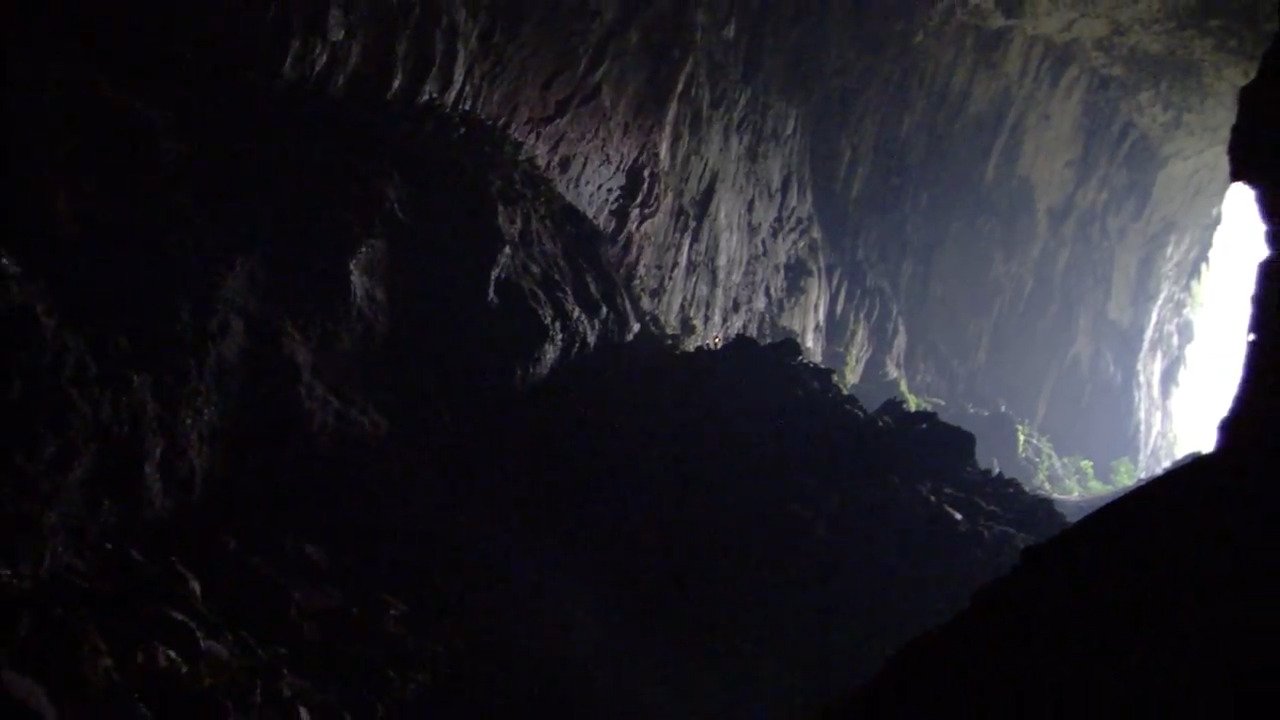
In Life Inside the Sunless Ecosystem of Deer Cave, narrator Sir David Attenborough explores Deer Cave in Borneo, the largest river passage in the world — so vast that a jumbo jet could fly through it. The cave is home to an astonishing 3 million wrinkle-lipped bats, which roost high on the cave walls and ceilings, away from predators. The bats' droppings (guano) form the foundation of a unique food chain within the cave, supporting massive populations of cockroaches, giant cave centipedes, and even crabs. This video is excerpted from BBC’s Planet Earth, a breathtaking documentary series that highlights the natural wonders of our planet.
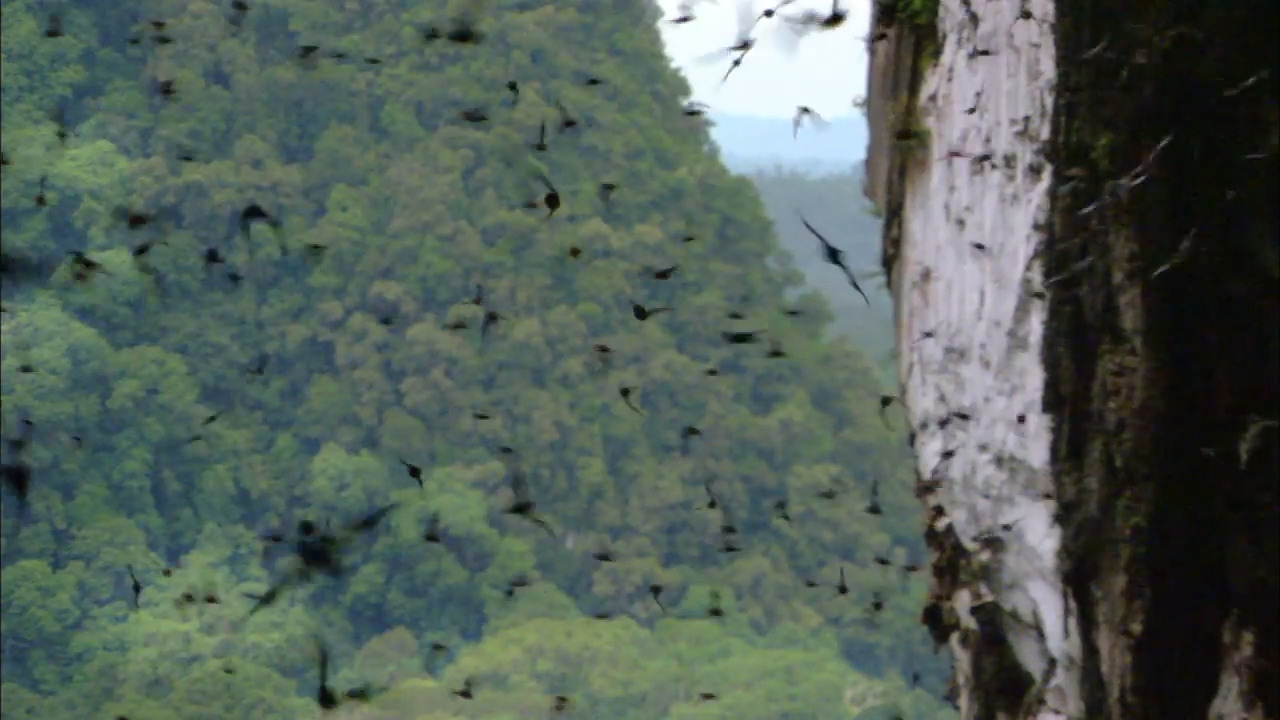
In Bats' A Nightly Journey of Survival, narrator Sir David Attenborough explores the nightly journey of three million bats as they leave their cave to hunt for insects. The bats face many challenges, including evading predatory birds such as rufous-bellied eagles, falcons, and black hawks. Despite these dangers, most bats return safely to their cave by morning. This video is excerpted from BBC’s Planet Earth, a breathtaking documentary series that highlights the natural wonders of our planet.
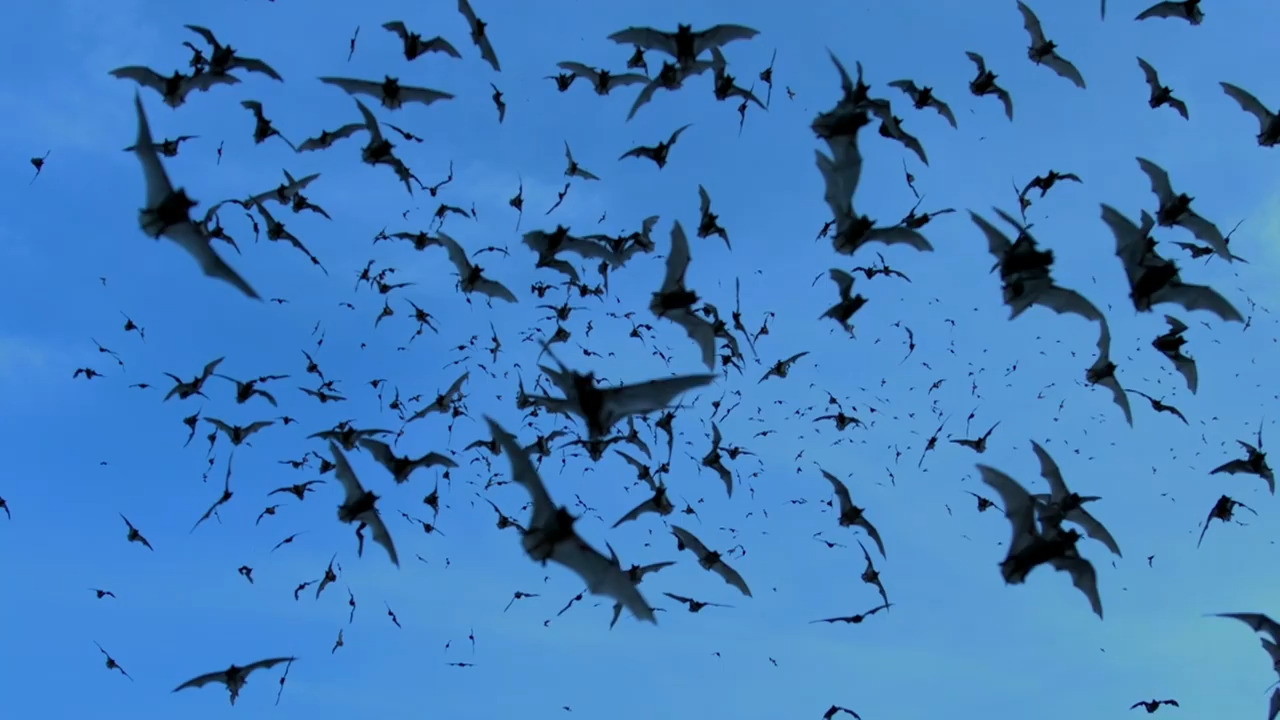
In Bats, Masters of the Sky, narrator Suranne Jones explains that bats live in caves where they are safe from predators, like hawks. But when they have to leave the cave, they use strategies like flying all at once and their nimble flying skills to overwhelm and evade predators. This video is excerpted from BBC’s Life in the Air, a documentary about animals that take to the sky.
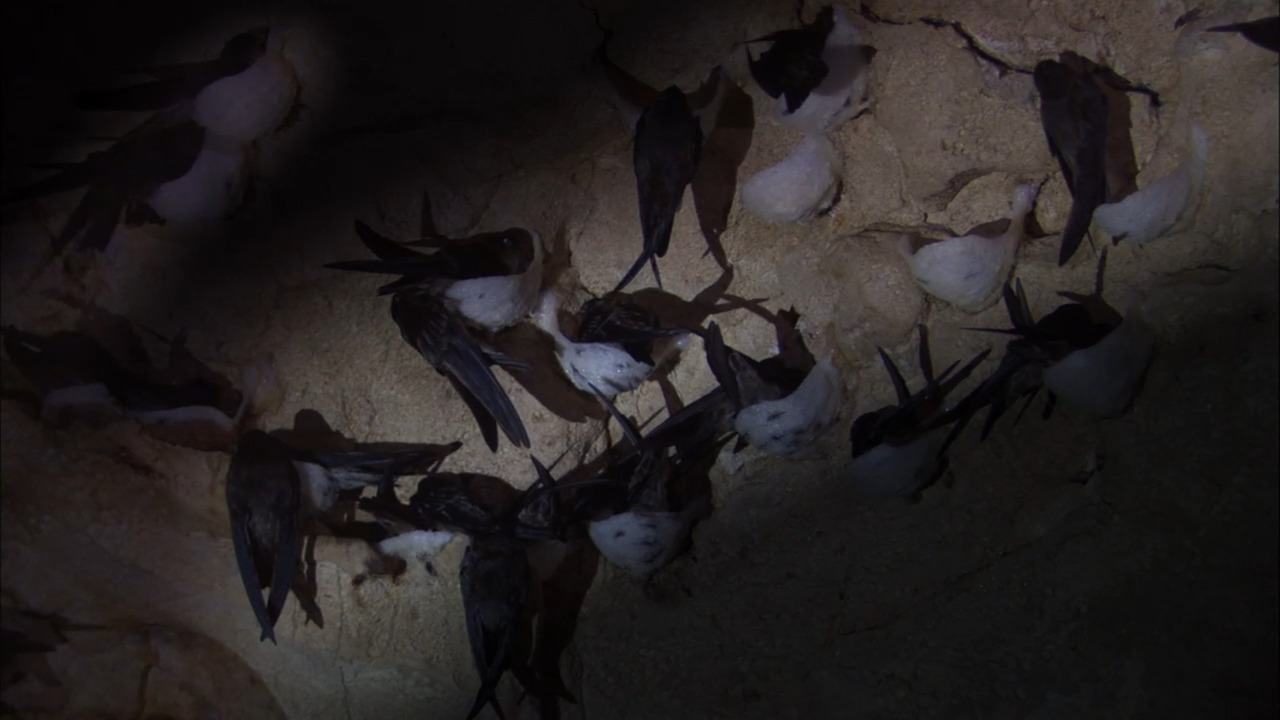
In Cave Swiftlets: Masters of Echolocation, narrator Sir David Attenborough introduces cave swiftlets, birds that, like bats, use echolocation to navigate the dark caves of Borneo. Cave swiftlets rely on clicks to find their way through pitch-black cave passages and locate their small nesting sites. Their nests, made entirely of saliva, take 30 days to build. For centuries, people have harvested these nests, which are the key ingredient in the valuable delicacy, bird’s nest soup. This video is excerpted from BBC’s Planet Earth, a breathtaking documentary series that highlights the natural wonders of our planet.
In Life Inside the Sunless Ecosystem of Deer Cave, narrator Sir David Attenborough explores Deer Cave in Borneo, the largest river passage in the world — so vast that a jumbo jet could fly through it. The cave is home to an astonishing 3 million wrinkle-lipped bats, which roost high on the cave walls and ceilings, away from predators. The bats' droppings (guano) form the foundation of a unique food chain within the cave, supporting massive populations of cockroaches, giant cave centipedes, and even crabs. This video is excerpted from BBC’s Planet Earth, a breathtaking documentary series that highlights the natural wonders of our planet.
In Bats' A Nightly Journey of Survival, narrator Sir David Attenborough explores the nightly journey of three million bats as they leave their cave to hunt for insects. The bats face many challenges, including evading predatory birds such as rufous-bellied eagles, falcons, and black hawks. Despite these dangers, most bats return safely to their cave by morning. This video is excerpted from BBC’s Planet Earth, a breathtaking documentary series that highlights the natural wonders of our planet.
In Bats, Masters of the Sky, narrator Suranne Jones explains that bats live in caves where they are safe from predators, like hawks. But when they have to leave the cave, they use strategies like flying all at once and their nimble flying skills to overwhelm and evade predators. This video is excerpted from BBC’s Life in the Air, a documentary about animals that take to the sky.
In Cave Swiftlets: Masters of Echolocation, narrator Sir David Attenborough introduces cave swiftlets, birds that, like bats, use echolocation to navigate the dark caves of Borneo. Cave swiftlets rely on clicks to find their way through pitch-black cave passages and locate their small nesting sites. Their nests, made entirely of saliva, take 30 days to build. For centuries, people have harvested these nests, which are the key ingredient in the valuable delicacy, bird’s nest soup. This video is excerpted from BBC’s Planet Earth, a breathtaking documentary series that highlights the natural wonders of our planet.