
In How Banded Sea Kraits Team Up to Hunt narrator Sir David Attenborough describes an amazing case of underwater cooperation taking place in Indonesia's coral reefs. The venomous banded sea krait works together with larger fish to hunt smaller fish. Watch their rare, coordinated approach to the hunt! This video is excerpted from BBC's Planet Earth, a breathtaking documentary series that highlights the natural wonders of our planet.
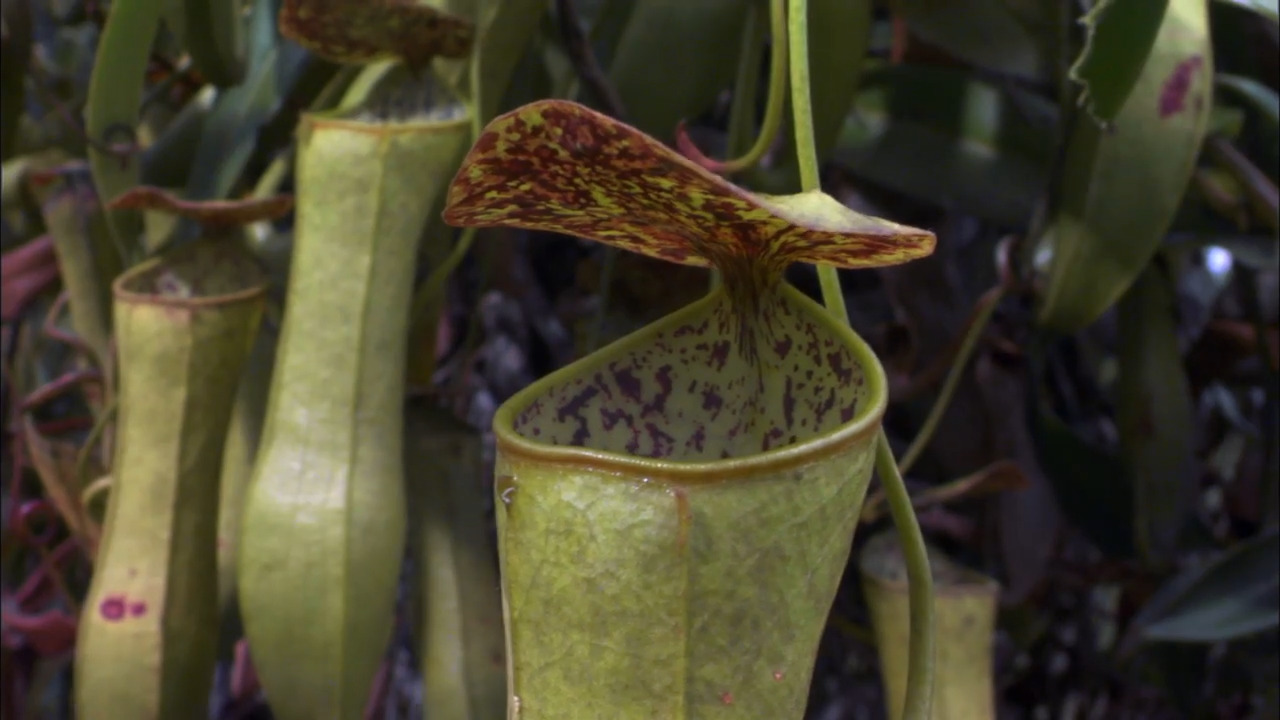
In Meet the Pitcher Plant, narrator Sir David Attenborough explores the pitcher plant. The pitcher plant gets most of its nutrients from insects, which it traps using its waxy sides to prevent insects from escaping. Learn how the red crab spider spends its entire life inside pitcher plants, and can dive down to the bottom of the pitcher by creating a bubble of air around itself. This video is excerpted from BBC's Planet Earth, a breathtaking documentary series that highlights the natural wonders of our planet.
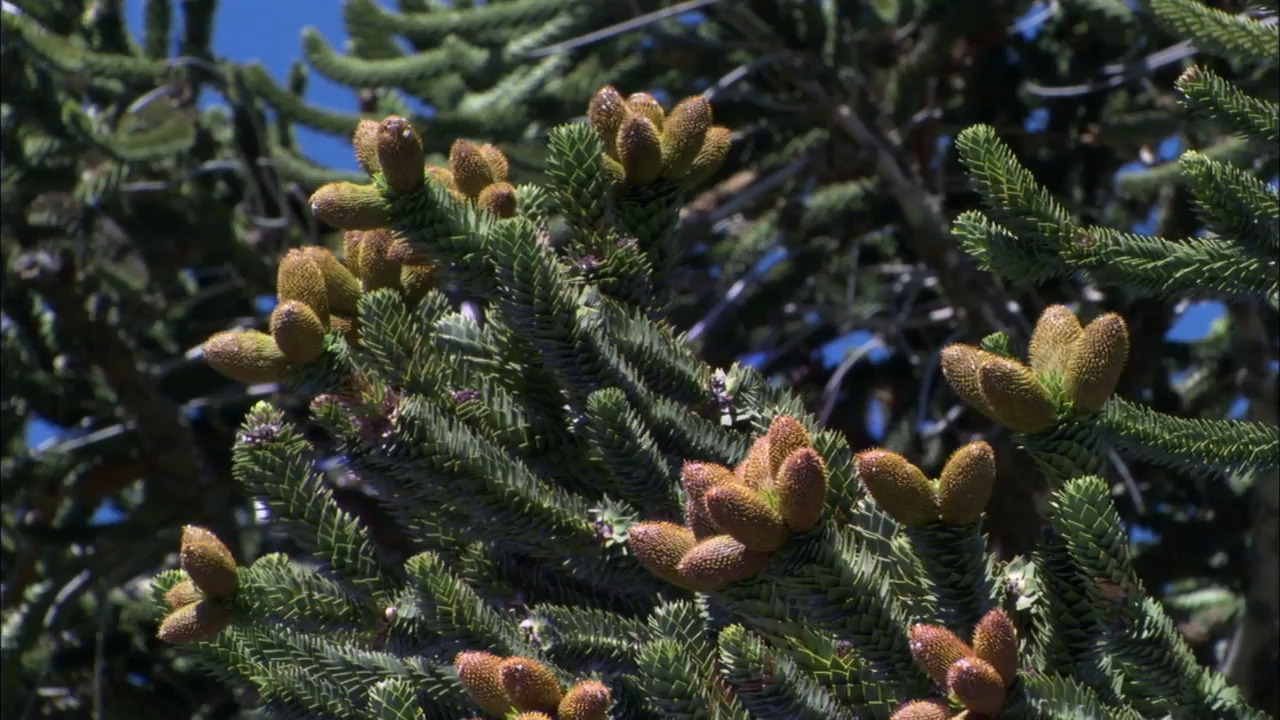
In Unusual Giants of South American Forests, narrator Sir David Attenborough explains that South American trees look different from their North American counterparts. Parakeets use their slender bills to extract seeds from monkey puzzle cones as huge alerce trees tower overhead. This video is excerpted from BBC's Planet Earth, a breathtaking documentary series that highlights the natural wonders of our planet.
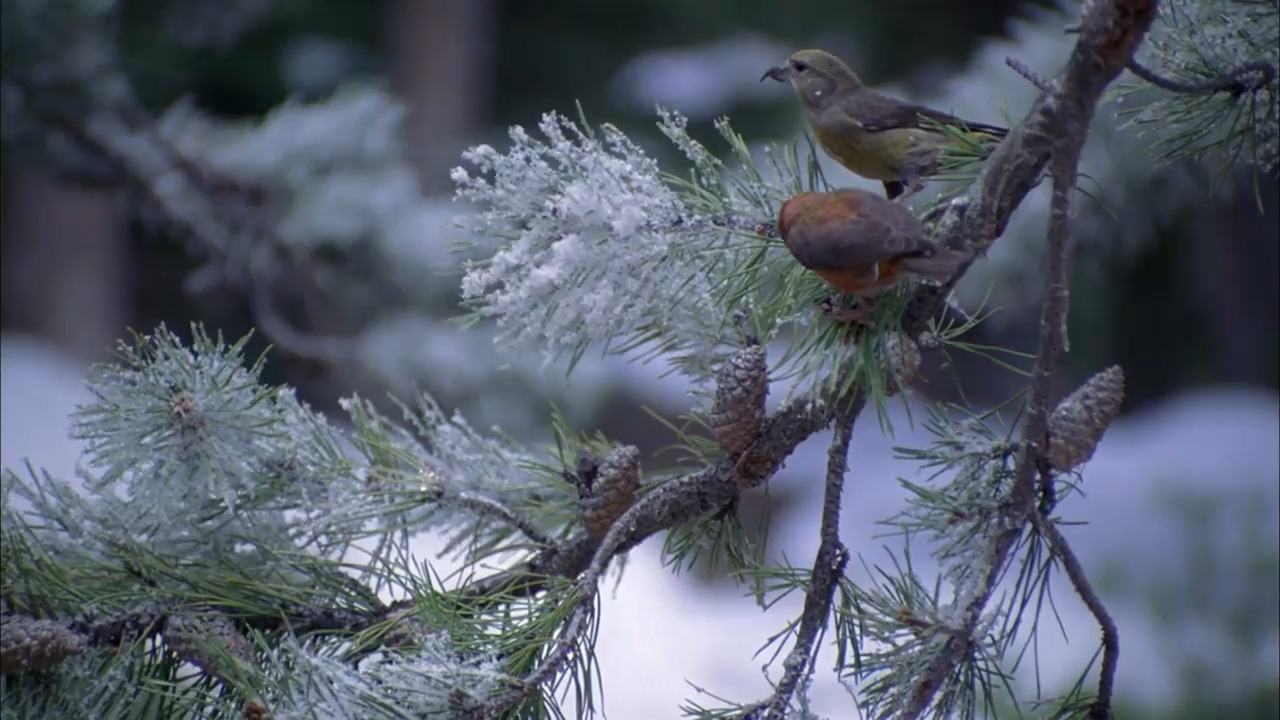
In Why Conifers Aren't So Easy to Eat narrator Sir David Attenborough explains that evergreen trees don’t become food easily. A moose munches on needles full of distasteful resin, while birds pry open cones to eat the seeds. This video is excerpted from BBC's Planet Earth, a breathtaking documentary series that highlights the natural wonders of our planet.
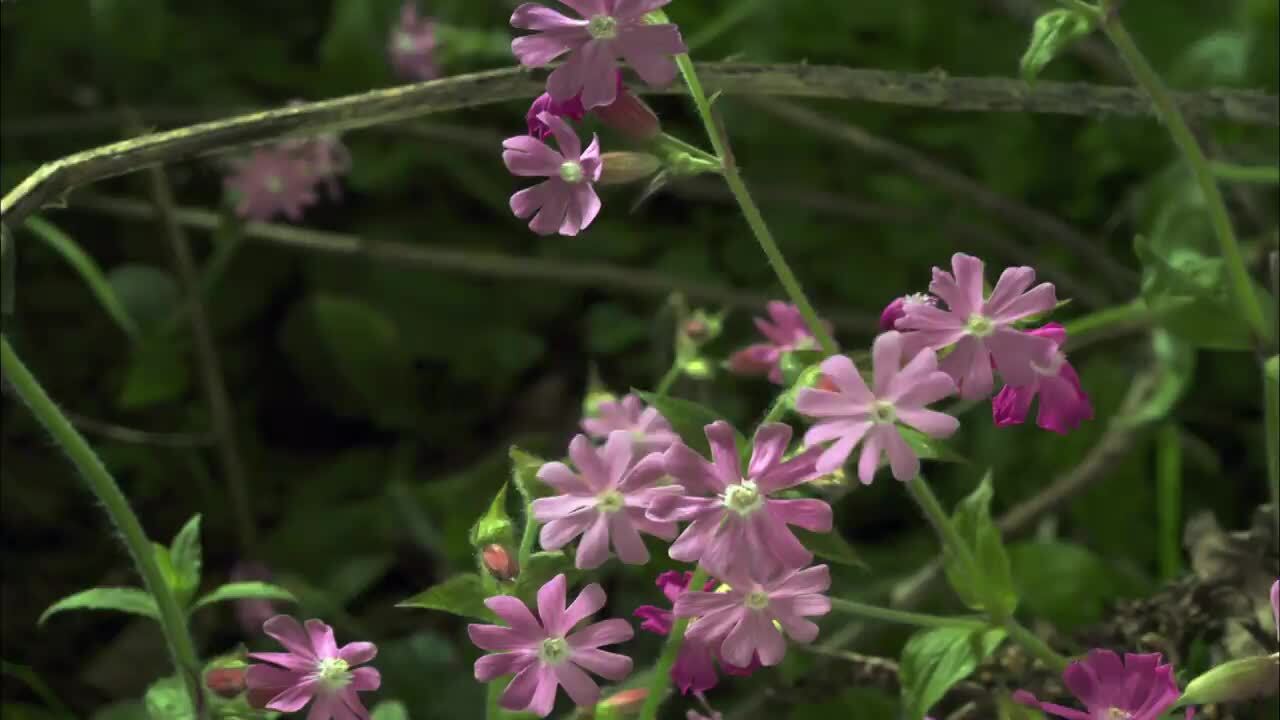
In Seasons in Deciduous Forests, narrator Sir David Attenborough explains how trees and plants respond to the changing seasons. The leaves’ vibrant shift to red can even be seen from space! This video is excerpted from BBC's Planet Earth, a breathtaking documentary series that highlights the natural wonders of our planet.
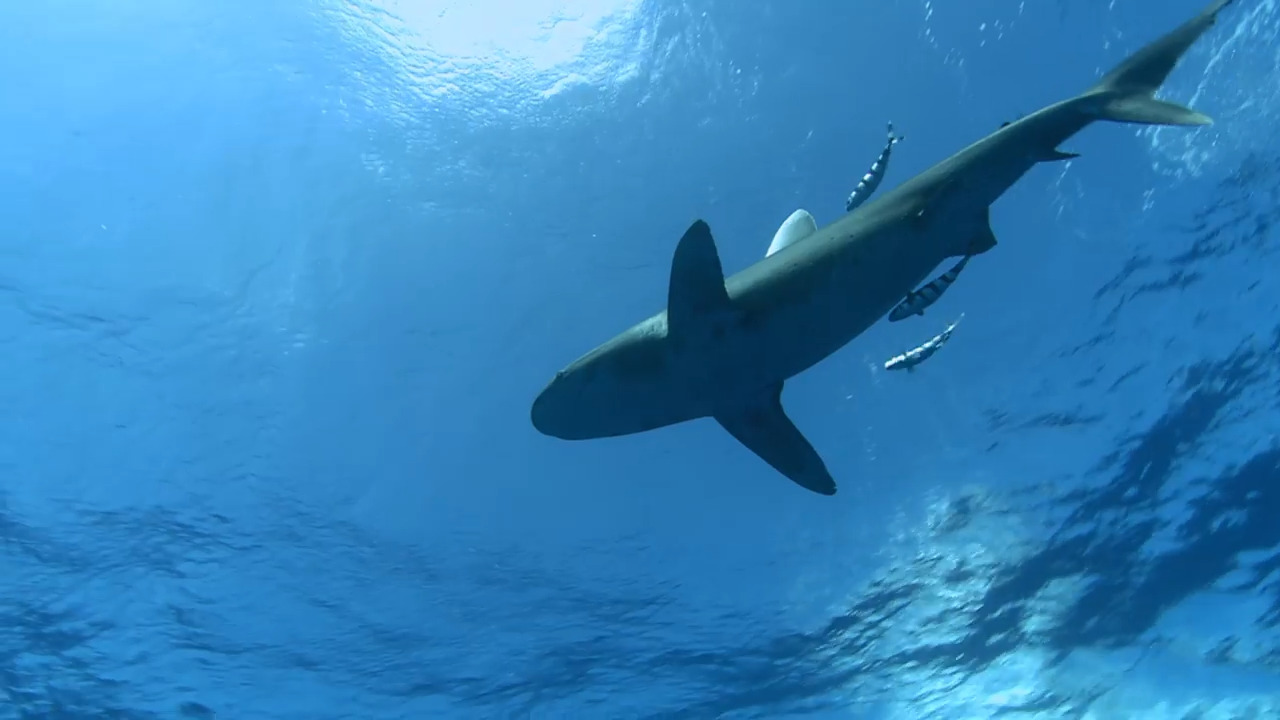
In The Ocean's Patient Predators, narrator Sir David Attenborough highlights the behavior of ocean predators like manta rays and whitetip sharks, and their prey. These predators navigate the vast ocean, using senses like taste to locate food. Smaller fish, like pilot fish, benefit from the shark's hunting efforts. Even predators face challenges when hunting swift and agile prey, such as rainbow runners. This video is excerpted from BBC’s Planet Earth, a breathtaking documentary series that highlights the natural wonders of our planet.
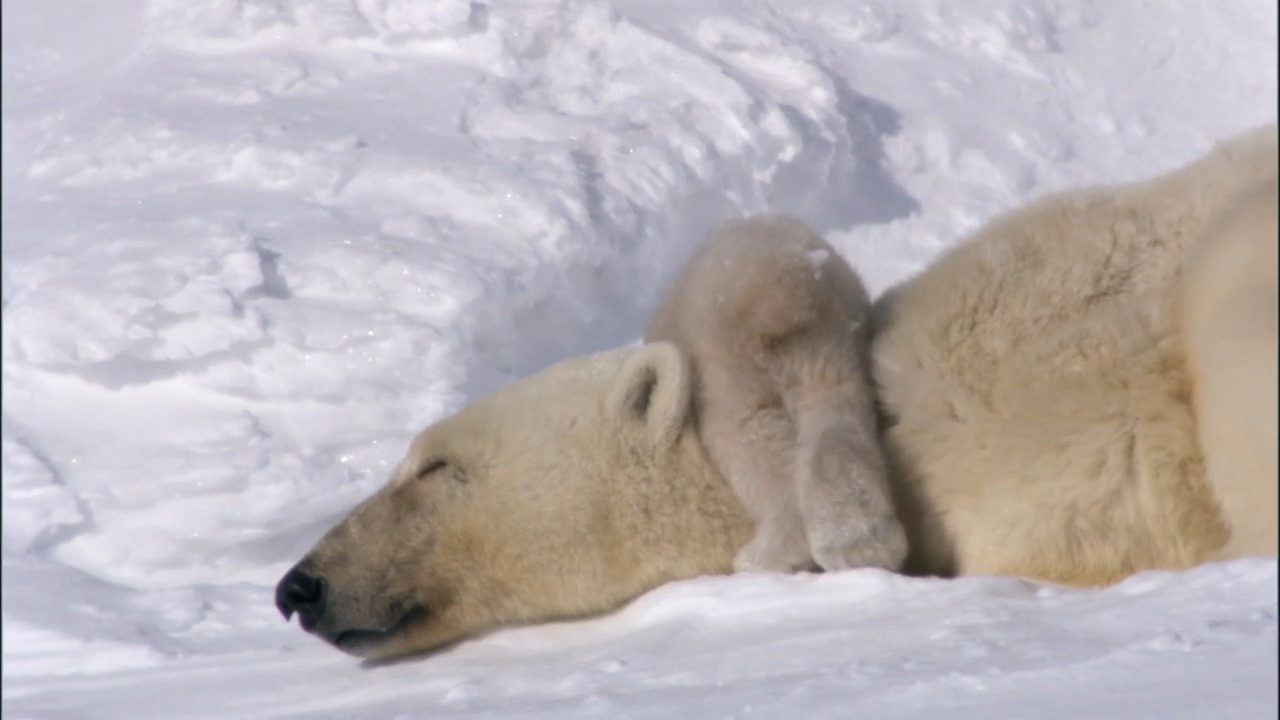
In What Happens When Polar Bears Wake Up Hungry?, narrator Sir David Attenborough explains that a mother polar bear must hunt seals before the spring ice melts. However, a blizzard threatens her two young cubs, and the sea ice is a dangerous place for them. This video is excerpted from BBC's Planet Earth, a breathtaking documentary series that highlights the natural wonders of our planet.
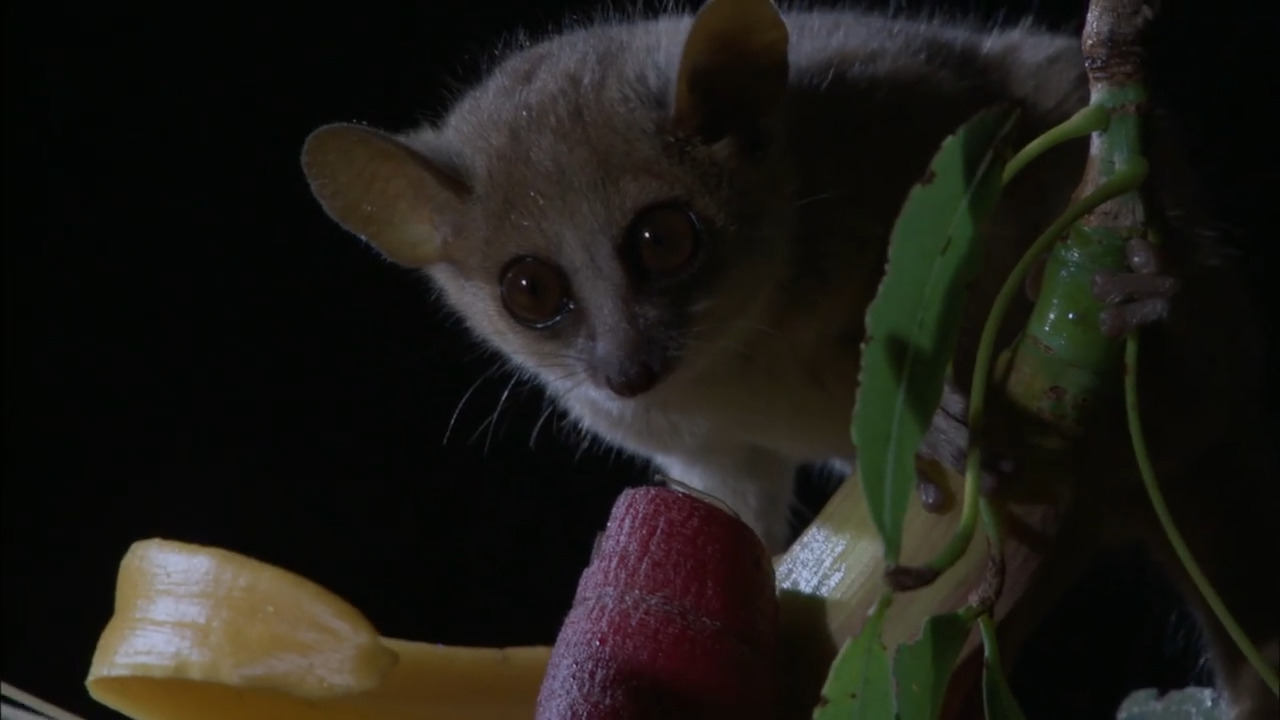
In Mouse Lemurs Are Sneaky Nectar Thieves!, narrator Sir David Attenborough highlights lemurs enjoying a two-course meal in the branches of the baobab tree. First, the lemurs drink nectar meant for pollinating moths; then the lemurs attack the moths! This video is excerpted from BBC's Planet Earth, a breathtaking documentary series that highlights the natural wonders of our planet.
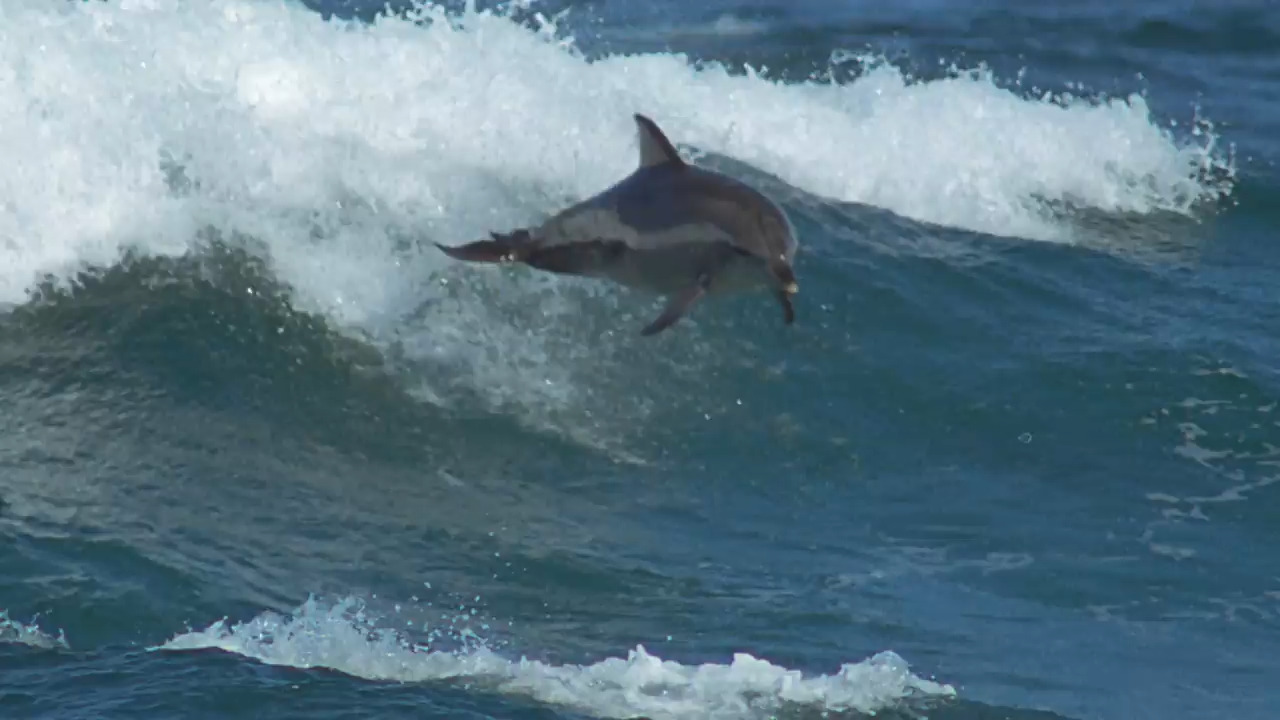
In How Dolphins Hunt in Shallow Water, narrator Sir David Attenborough explains that shallow water is no problem for smart and skilled bottlenose dolphins. See the many strategies they have for hunting fish in just centimeters of water. This video is excerpted from BBC's Planet Earth, a breathtaking documentary series that highlights the natural wonders of our planet.
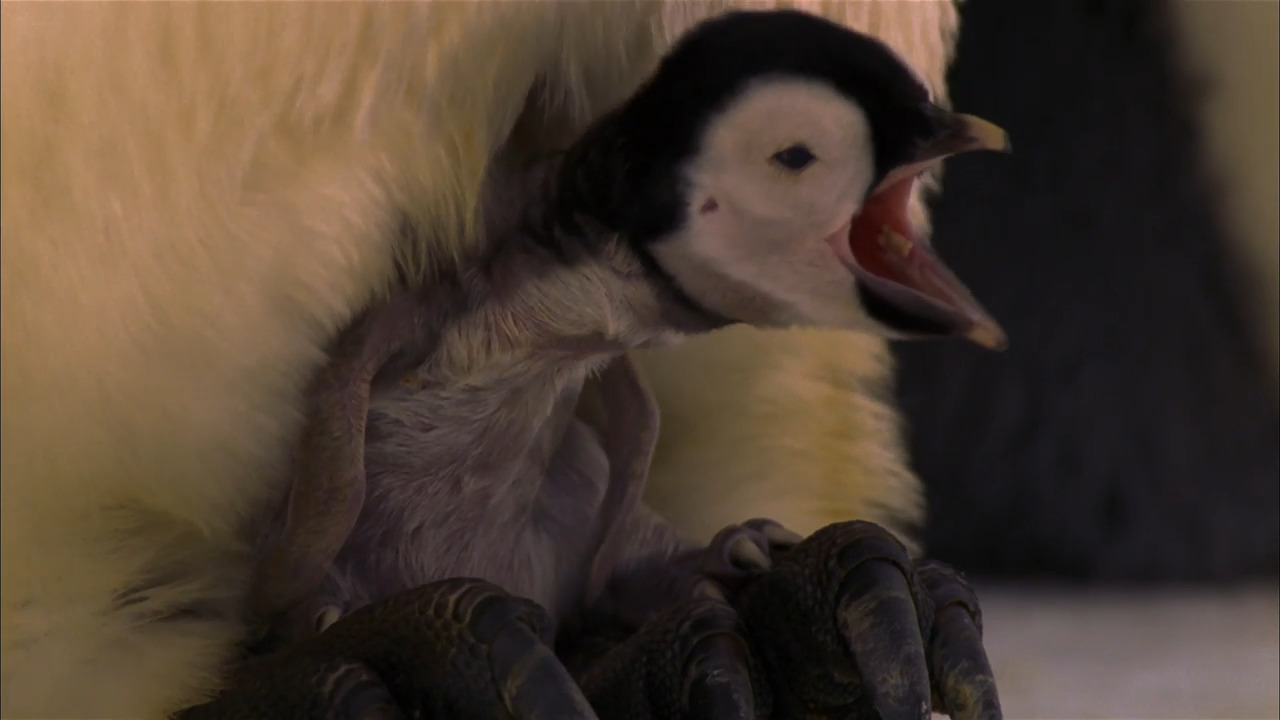
In Hatching Penguin Chicks, narrator Sir David Attenborough visits the southern end of the Earth, where male emperor penguins endure the coldest conditions on the planet while protecting their eggs. The fathers, who have been fasting for months, feed their newly hatched young one last time before the long-awaited return of the females. With bellies full of fish, the mothers call out to identify their mates and reunite with their chicks. The fathers must reluctantly surrender their young, ensuring their survival as the Antarctic winter begins to ease. This video is excerpted from BBC’s Planet Earth, a breathtaking documentary series that highlights the natural wonders of our planet.
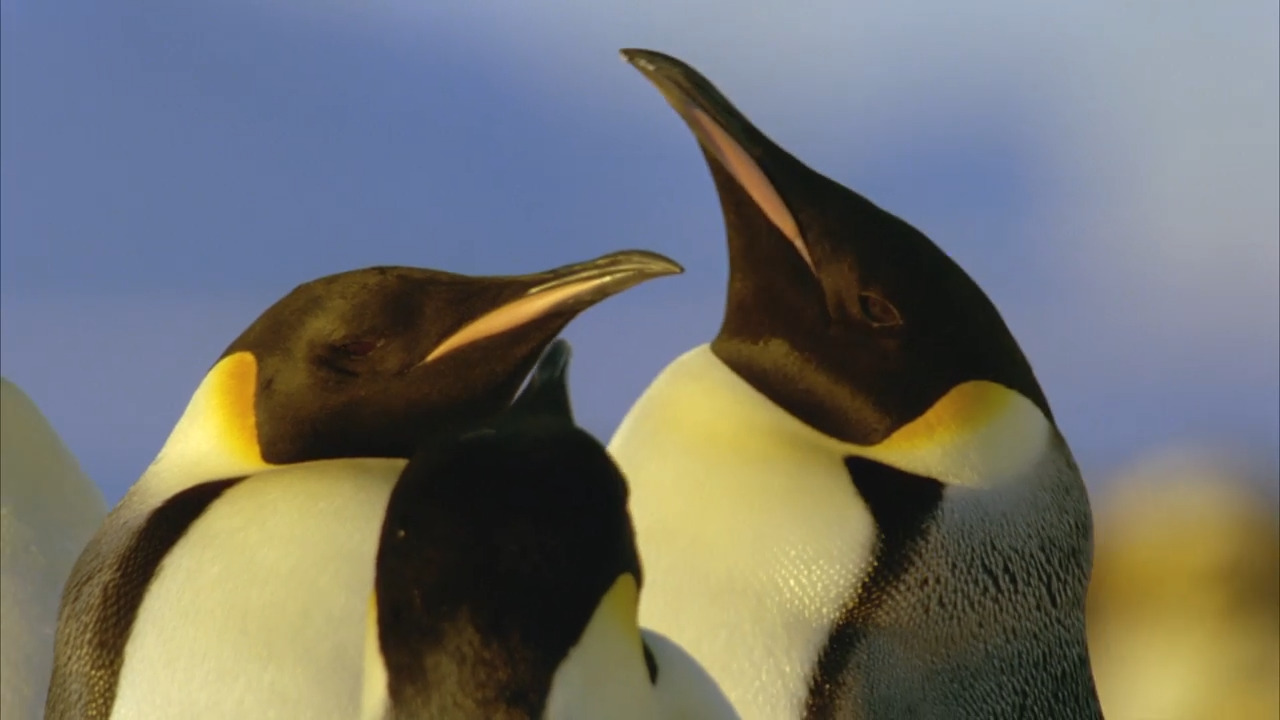
In Emperor Penguins Hatch, narrator Sir David Attenborough describes how the Sun rises for the first time in months when spring arrives in Antarctica. Male emperor penguins leave their winter huddle carrying their precious eggs on their feet. Baby chicks hatch and look to their fathers for food. This video is excerpted from BBC's Planet Earth, a breathtaking documentary series that highlights the natural wonders of our planet.
In How Banded Sea Kraits Team Up to Hunt narrator Sir David Attenborough describes an amazing case of underwater cooperation taking place in Indonesia's coral reefs. The venomous banded sea krait works together with larger fish to hunt smaller fish. Watch their rare, coordinated approach to the hunt! This video is excerpted from BBC's Planet Earth, a breathtaking documentary series that highlights the natural wonders of our planet.
In Meet the Pitcher Plant, narrator Sir David Attenborough explores the pitcher plant. The pitcher plant gets most of its nutrients from insects, which it traps using its waxy sides to prevent insects from escaping. Learn how the red crab spider spends its entire life inside pitcher plants, and can dive down to the bottom of the pitcher by creating a bubble of air around itself. This video is excerpted from BBC's Planet Earth, a breathtaking documentary series that highlights the natural wonders of our planet.
In Unusual Giants of South American Forests, narrator Sir David Attenborough explains that South American trees look different from their North American counterparts. Parakeets use their slender bills to extract seeds from monkey puzzle cones as huge alerce trees tower overhead. This video is excerpted from BBC's Planet Earth, a breathtaking documentary series that highlights the natural wonders of our planet.
In Why Conifers Aren't So Easy to Eat narrator Sir David Attenborough explains that evergreen trees don’t become food easily. A moose munches on needles full of distasteful resin, while birds pry open cones to eat the seeds. This video is excerpted from BBC's Planet Earth, a breathtaking documentary series that highlights the natural wonders of our planet.
In Seasons in Deciduous Forests, narrator Sir David Attenborough explains how trees and plants respond to the changing seasons. The leaves’ vibrant shift to red can even be seen from space! This video is excerpted from BBC's Planet Earth, a breathtaking documentary series that highlights the natural wonders of our planet.
In The Ocean's Patient Predators, narrator Sir David Attenborough highlights the behavior of ocean predators like manta rays and whitetip sharks, and their prey. These predators navigate the vast ocean, using senses like taste to locate food. Smaller fish, like pilot fish, benefit from the shark's hunting efforts. Even predators face challenges when hunting swift and agile prey, such as rainbow runners. This video is excerpted from BBC’s Planet Earth, a breathtaking documentary series that highlights the natural wonders of our planet.
In What Happens When Polar Bears Wake Up Hungry?, narrator Sir David Attenborough explains that a mother polar bear must hunt seals before the spring ice melts. However, a blizzard threatens her two young cubs, and the sea ice is a dangerous place for them. This video is excerpted from BBC's Planet Earth, a breathtaking documentary series that highlights the natural wonders of our planet.
In Mouse Lemurs Are Sneaky Nectar Thieves!, narrator Sir David Attenborough highlights lemurs enjoying a two-course meal in the branches of the baobab tree. First, the lemurs drink nectar meant for pollinating moths; then the lemurs attack the moths! This video is excerpted from BBC's Planet Earth, a breathtaking documentary series that highlights the natural wonders of our planet.
In How Dolphins Hunt in Shallow Water, narrator Sir David Attenborough explains that shallow water is no problem for smart and skilled bottlenose dolphins. See the many strategies they have for hunting fish in just centimeters of water. This video is excerpted from BBC's Planet Earth, a breathtaking documentary series that highlights the natural wonders of our planet.
In Hatching Penguin Chicks, narrator Sir David Attenborough visits the southern end of the Earth, where male emperor penguins endure the coldest conditions on the planet while protecting their eggs. The fathers, who have been fasting for months, feed their newly hatched young one last time before the long-awaited return of the females. With bellies full of fish, the mothers call out to identify their mates and reunite with their chicks. The fathers must reluctantly surrender their young, ensuring their survival as the Antarctic winter begins to ease. This video is excerpted from BBC’s Planet Earth, a breathtaking documentary series that highlights the natural wonders of our planet.
In Emperor Penguins Hatch, narrator Sir David Attenborough describes how the Sun rises for the first time in months when spring arrives in Antarctica. Male emperor penguins leave their winter huddle carrying their precious eggs on their feet. Baby chicks hatch and look to their fathers for food. This video is excerpted from BBC's Planet Earth, a breathtaking documentary series that highlights the natural wonders of our planet.