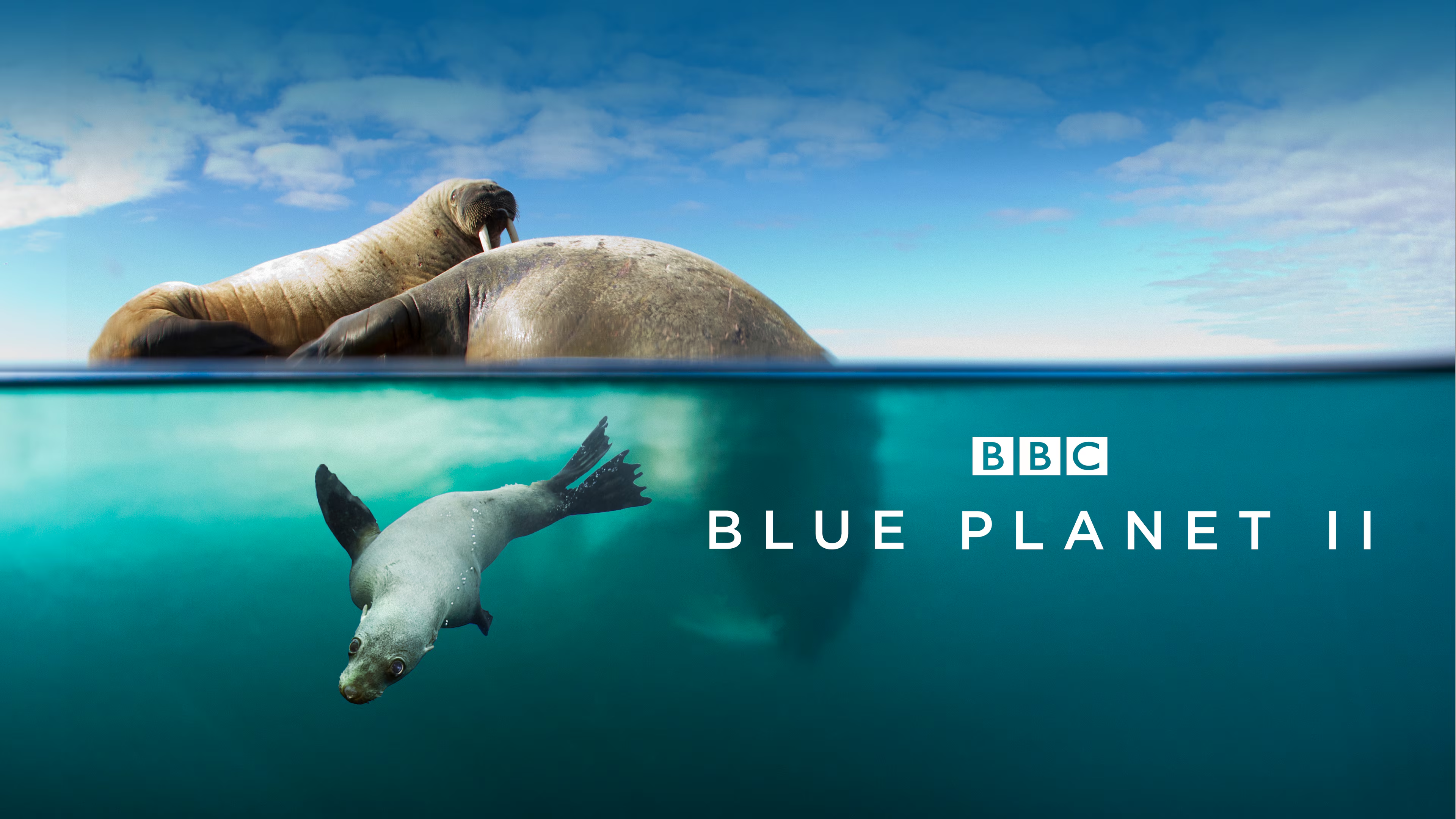
Blue Planet II
Blue Planet II introduces compelling and contemporary stories concerning issues from the parts of our ocean awash with plastics to devastating coral bleaching events and the profound impacts of our warming seas — revealing how the health of our ocean matters to us all.
Blue Planet II is ideal for upper elementary and middle school learners who are ready to explore Earth's oceans through the lens of science and discovery. Stunning footage and real-world conservation challenges encourage curiosity, critical thinking, and a deeper understanding of the connections between healthy oceans, wildlife, and people.
Ages 8–14
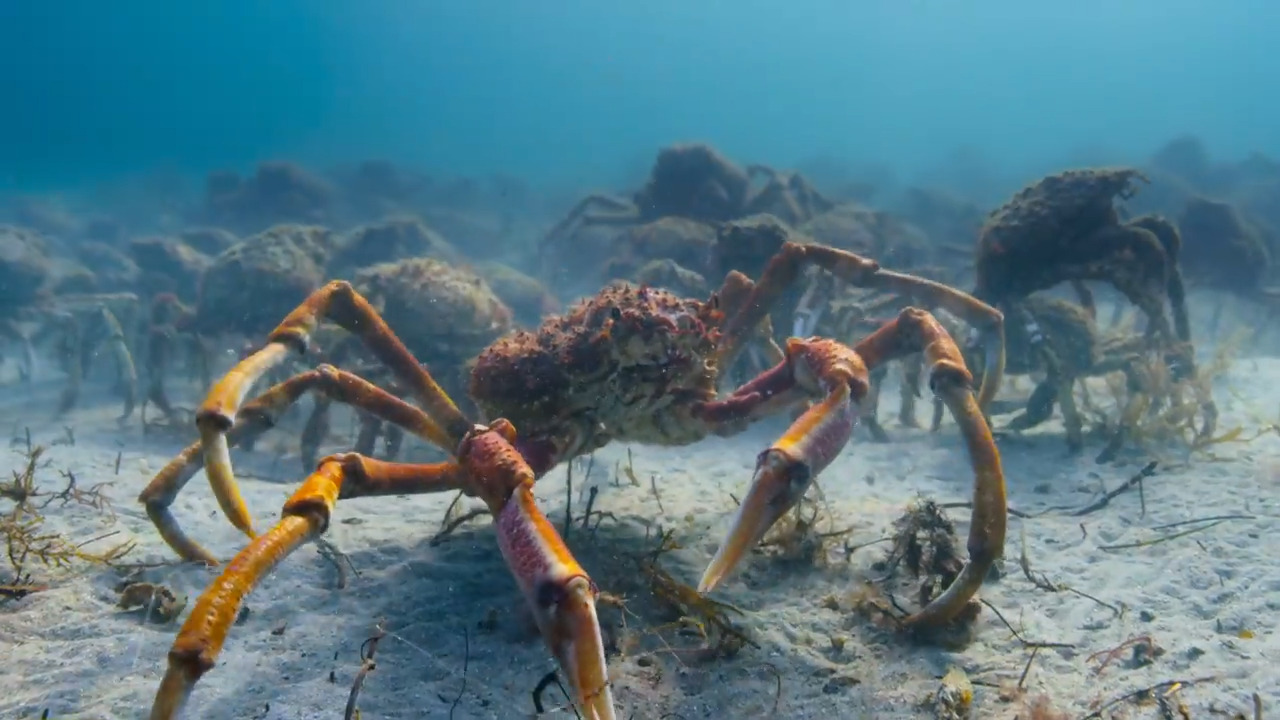
In An Army of Spider Crabs, narrator Sir David Attenborough shows the fascinating journey taken by spider crabs as their giant tribes grow and move through the green seas in Australia. From the hardening of their outer shells to moving in masses, these crabs go through quite the journey. This video is excerpted from BBC’s Blue Planet II, a natural history series that explores the world's oceans, the animals that live in them, and the threats they face, using modern filming techniques and equipment to capture previously unseen areas of the ocean.
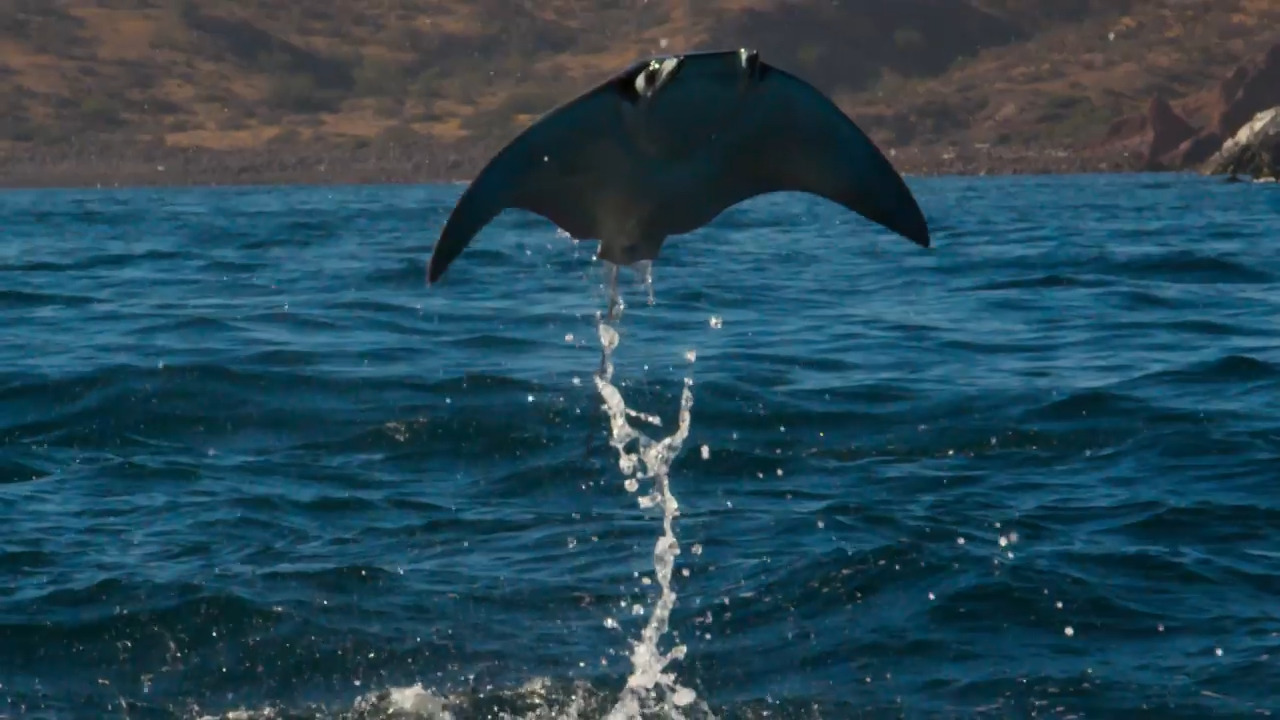
In The Beauty of Stormy Seas, narrator Sir David Attenborough uncovers the extraordinary sight of bioluminescent plankton that light up dark waters as sea life thrives with the change of seasons. This video is excerpted from BBC’s Blue Planet II, a natural history series that explores the world's oceans, the animals that live in them, and the threats they face, using modern filming techniques and equipment to capture previously unseen areas of the ocean.
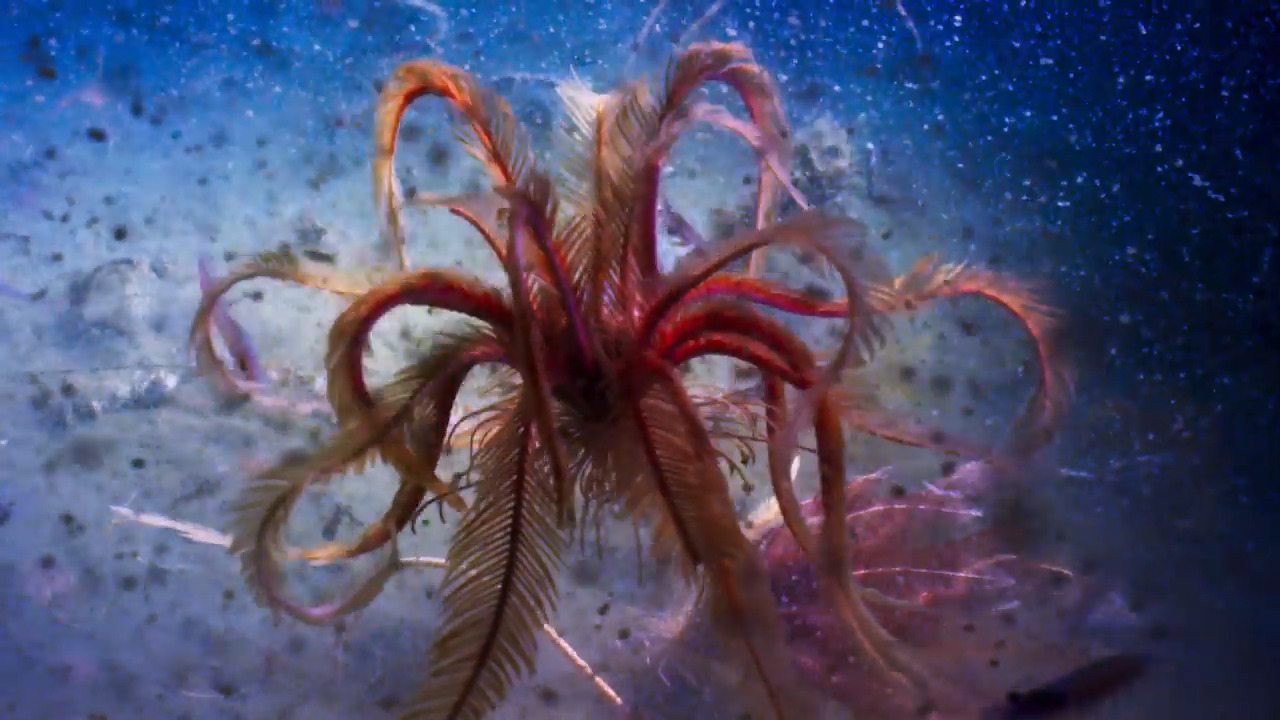
In Diving to the Depths of the Ocean, narrator Sir David Attenborough dives into sea life in one of the most unimaginable places. With no light present and freezing temperatures, it’s simply amazing to see the abundance of species thriving at these depths. This video is excerpted from BBC’s Blue Planet II, a natural history series that explores the world's oceans, the animals that live in them, and the threats they face, using modern filming techniques and equipment to capture previously unseen areas of the ocean.
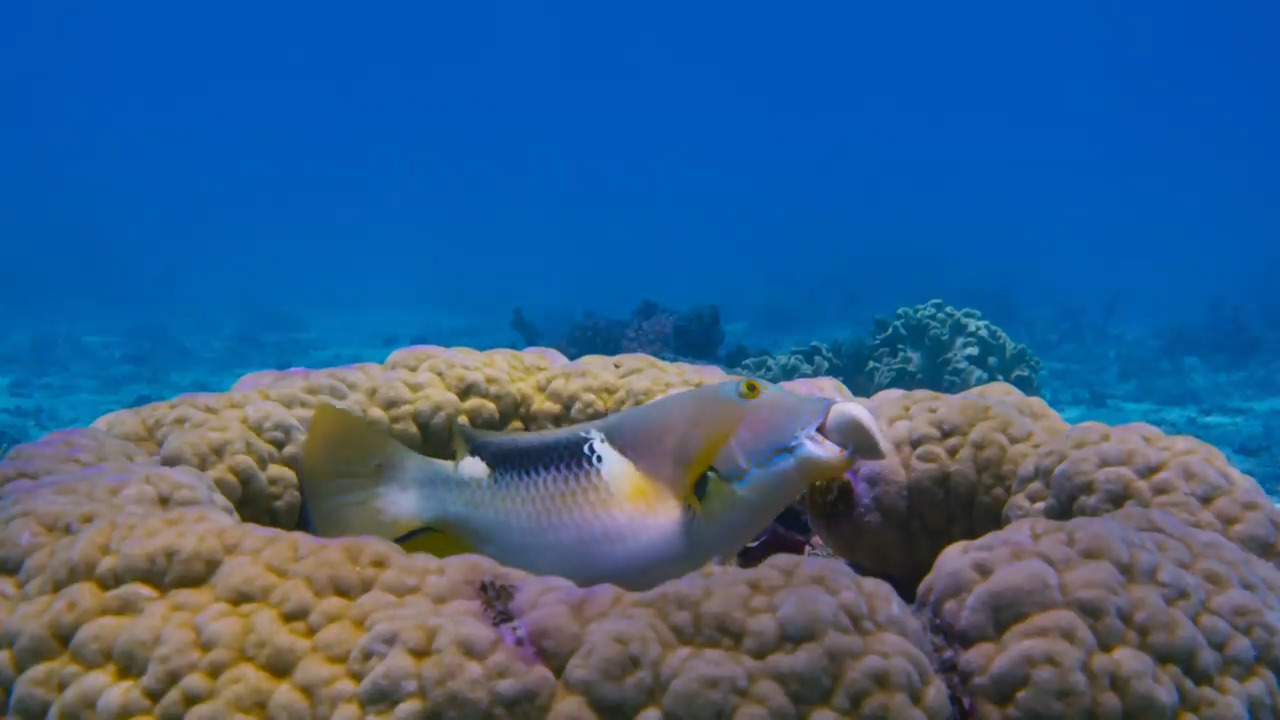
In The Tool-Using Tusk Fish, narrator Sir David Attenborough suggests that tusk fish, and perhaps other fish species, may be more intelligent than people ever thought possible. When the tusk fish finds food, such as a clam, it uses coral as a tool to crack open the clam and feed itself. This video is excerpted from BBC’s Blue Planet II, a natural history series that explores the world's oceans, the animals that live in them, and the threats they face, using modern filming techniques and equipment to capture previously unseen areas of the ocean.
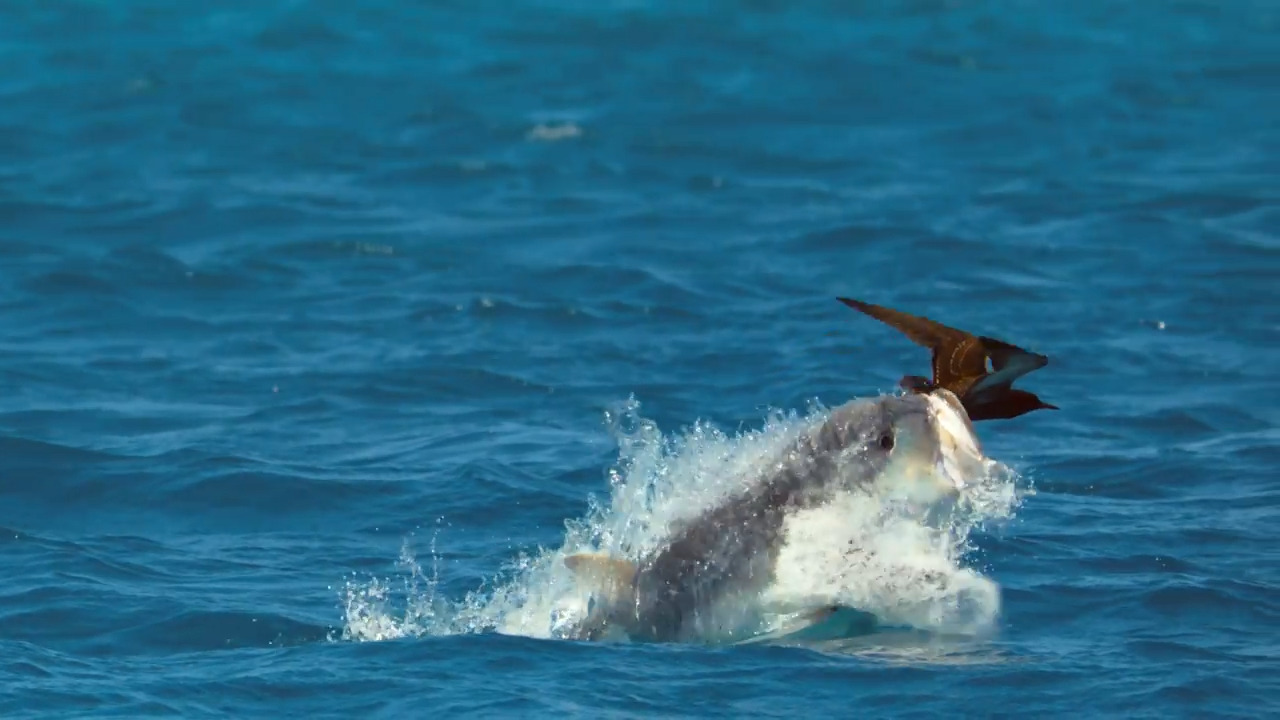
In Terns and the Giant Trevally Fish, narrator Sir David Attenborough explores the relationship between terns, a type of seabird, and the giant trevally fish. As the terns beginning to take flight, the trevally fish display their ability to rise above the water’s surface, in a battle of survival. This video is excerpted from BBC’s Blue Planet II, a natural history series that explores the world's oceans, the animals that live in them, and the threats they face, using modern filming techniques and equipment to capture previously unseen areas of the ocean.
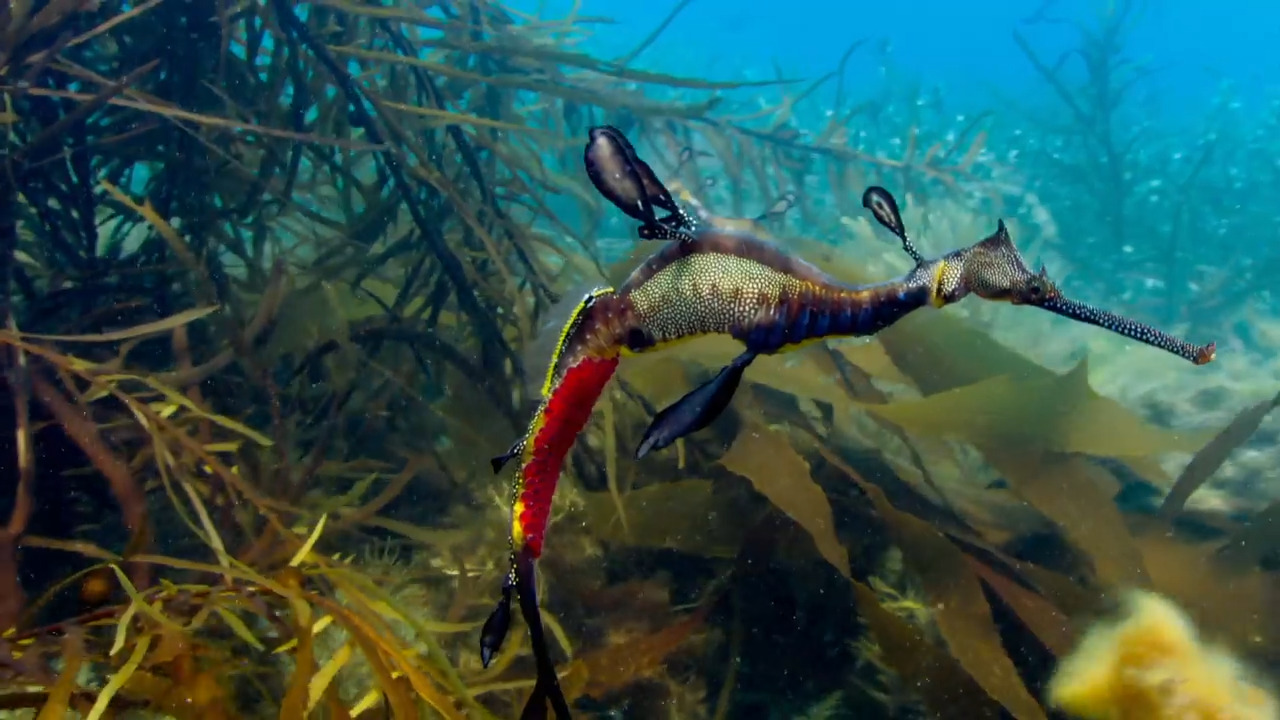
In The Weedy Sea Dragon’s Daddy Daycare, narrator Sir David Attenborough explains how male weedy sea dragons care for their young. This video is excerpted from BBC’s Blue Planet II, a natural history series that explores the world's oceans, the animals that live in them, and the threats they face, using modern filming techniques and equipment to capture previously unseen areas of the ocean.
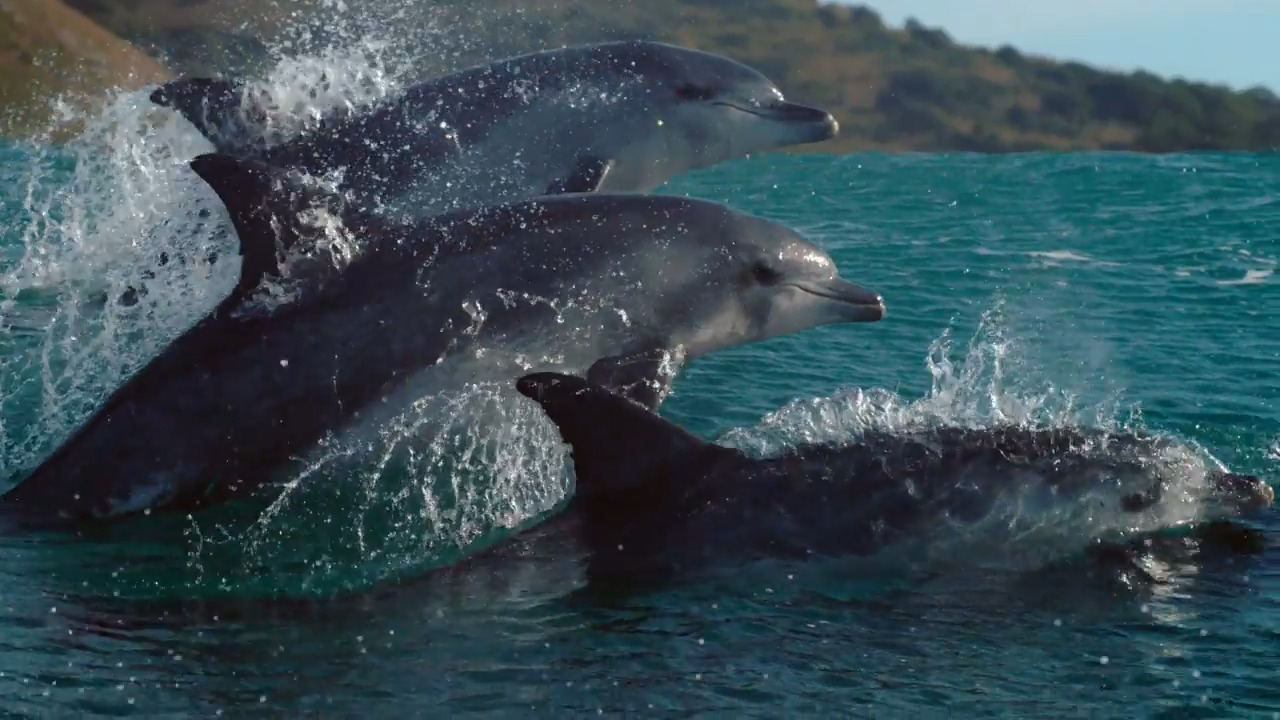
In Surf's Up with Dolphins, narrator Sir David Attenborough shows how adult dolphins teach baby dolphins about their world. This video is excerpted from BBC’s Blue Planet II, a natural history series that explores the world's oceans, the animals that live in them, and the threats they face, using modern filming techniques and equipment to capture previously unseen areas of the ocean.
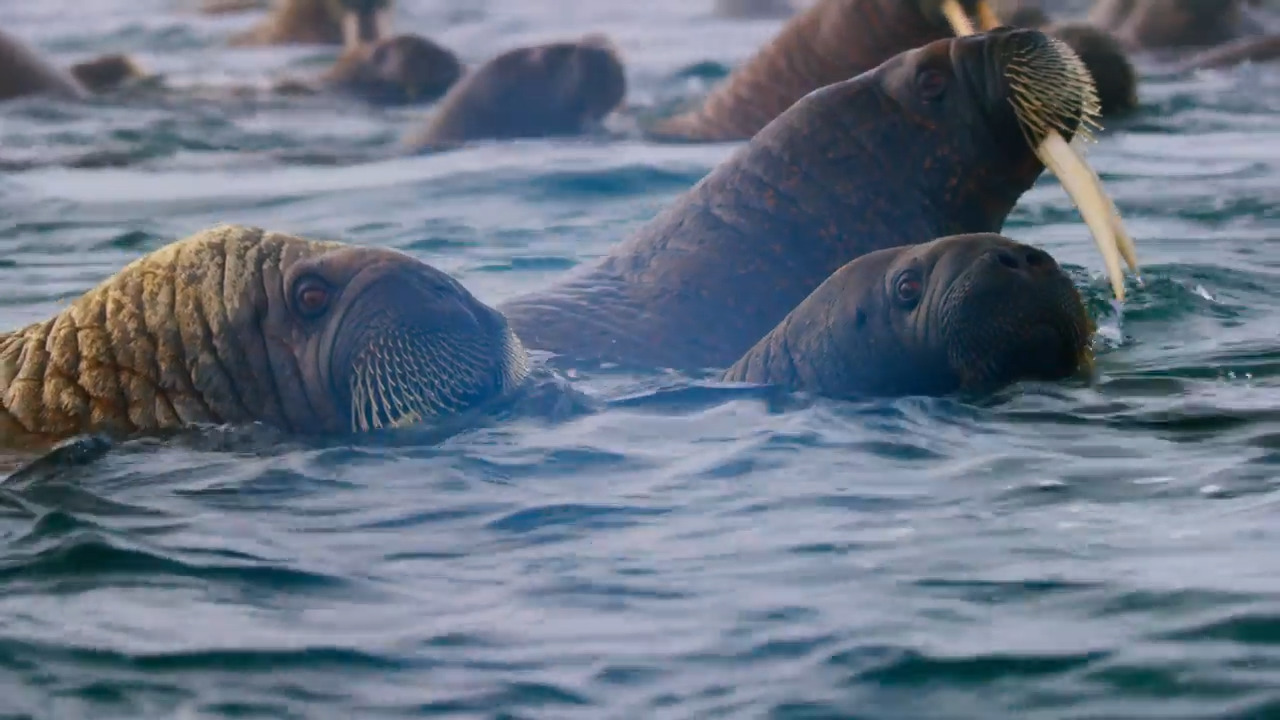
In Warming Seas and Walruses, narrator Sir David Attenborough explains the warming of the planet’s oceans and what it means for one mother walrus and her pup. This video is excerpted from BBC’s Blue Planet II, a natural history series that explores the world's oceans, the animals that live in them, and the threats they face, using modern filming techniques and equipment to capture previously unseen areas of the ocean.
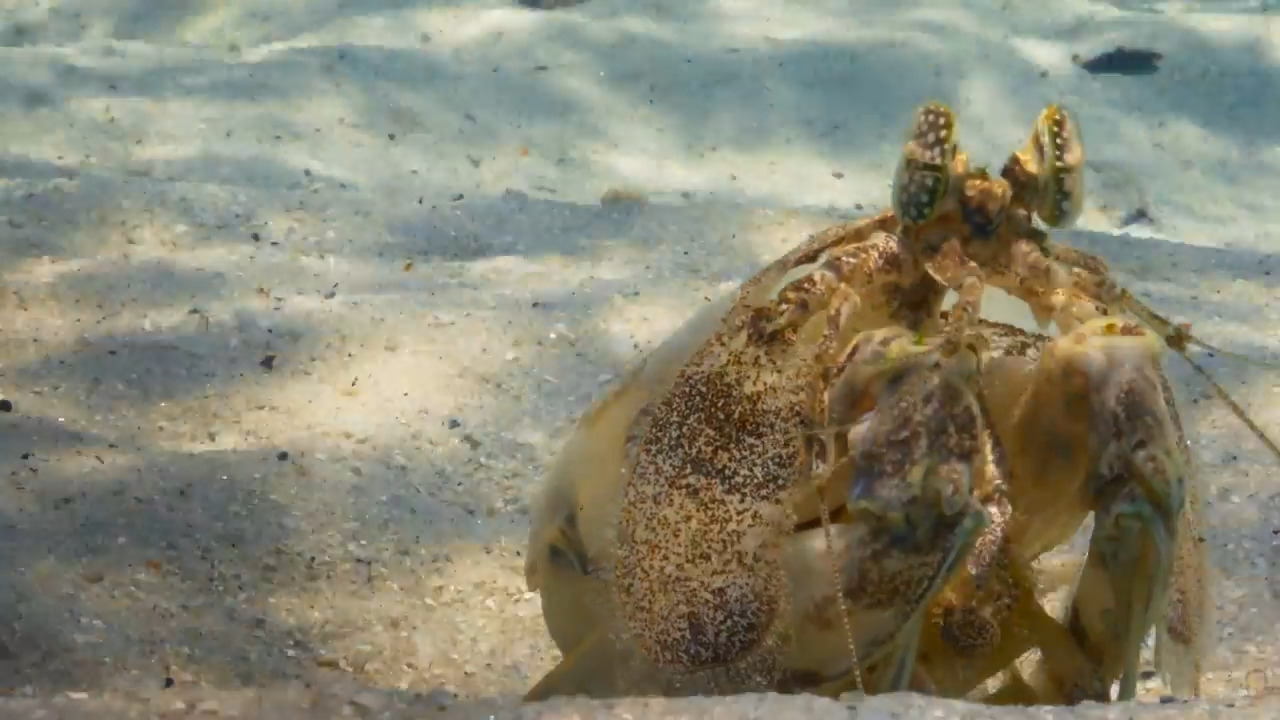
In The Zebra Mantis Fish, narrator Sir David Attenborough describes the hunting and feeding behaviors of the male zebra mantis shrimp, which lives deep in the green seas of Australia. This video is excerpted from BBC’s Blue Planet II, a natural history series that explores the world's oceans, the animals that live in them, and the threats they face, using modern filming techniques and equipment to capture previously unseen areas of the ocean.
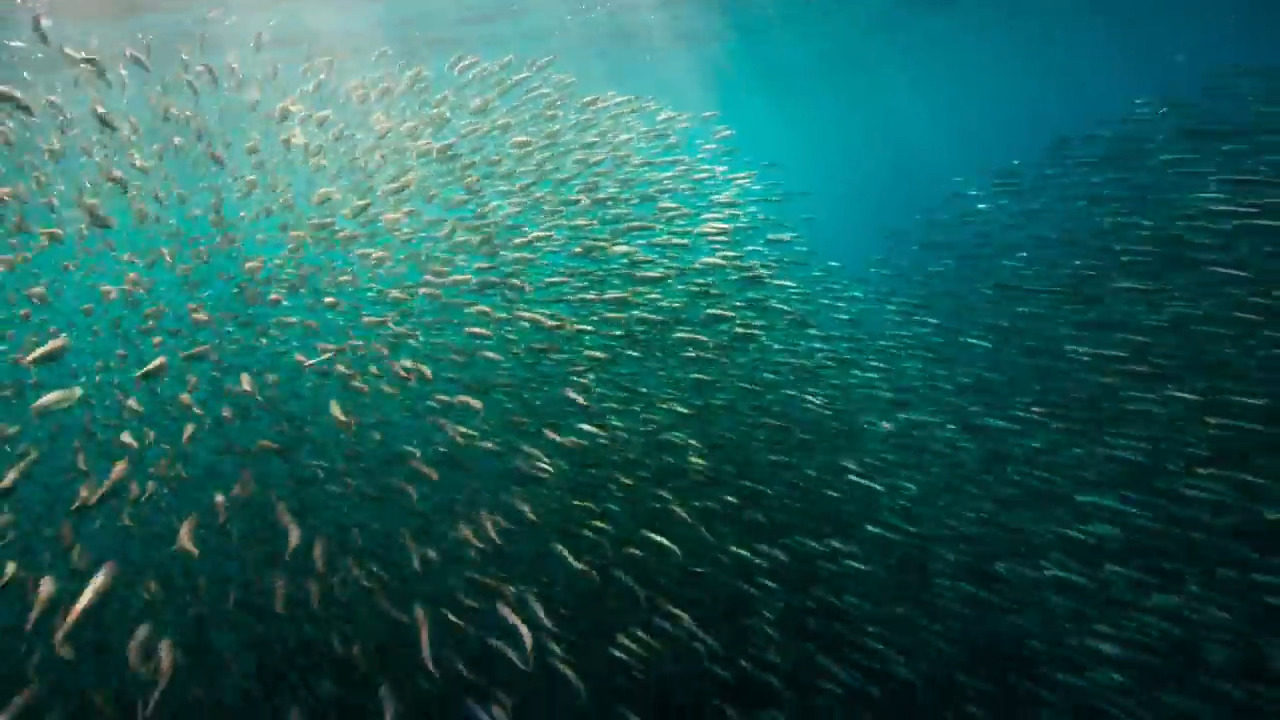
In Feasting on Anchovies, narrator Sir David Attenborough explains the important role that anchovies play in supporting all marine life. These anchovies feed on plankton in and around Monterey Bay, California, where millions are food for sea lions, dolphins, humpback whales, and countless seabirds. This video is excerpted from BBC’s Blue Planet II, a natural history series that explores the world's oceans, the animals that live in them, and the threats they face, using modern filming techniques and equipment to capture previously unseen areas of the ocean.
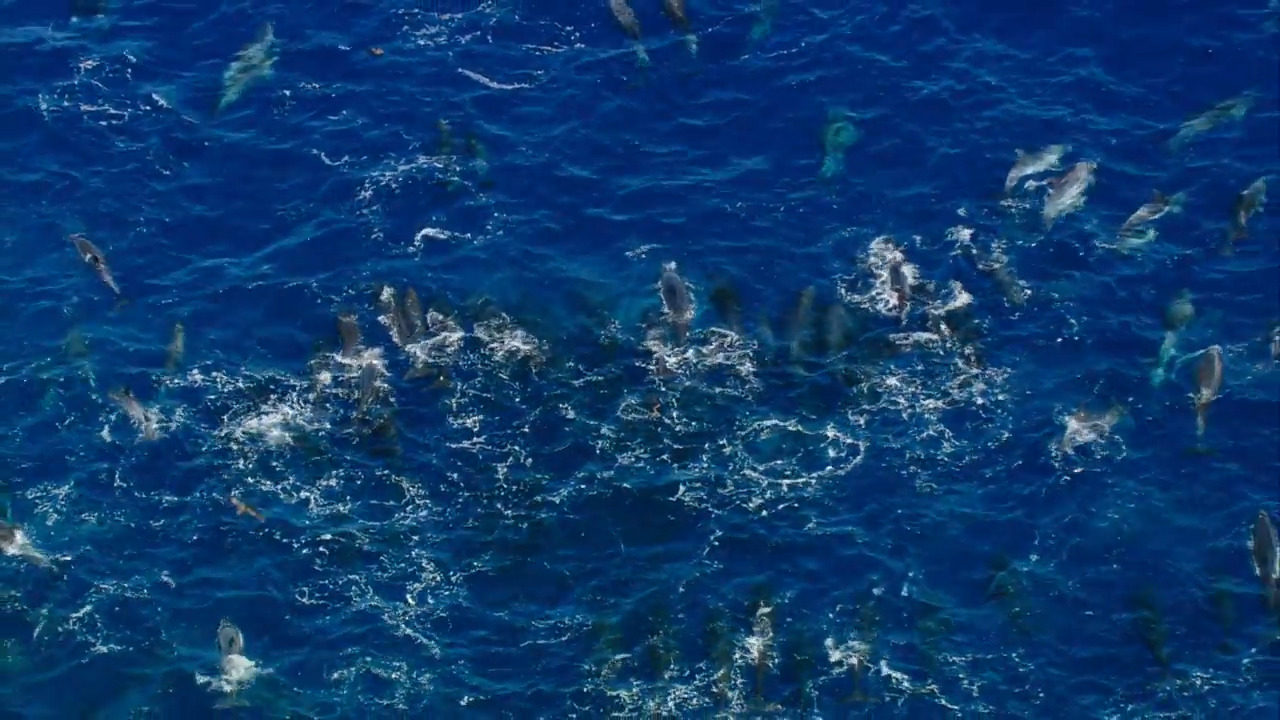
In False Killer Whales and Bottlenose Dolphins, narrator Sir David Attenborough describes what happens when a pod of false killer whales finds a pod of dolphins. This video is excerpted from BBC’s Blue Planet II, a natural history series that explores the world's oceans, the animals that live in them, and the threats they face, using modern filming techniques and equipment to capture previously unseen areas of the ocean.
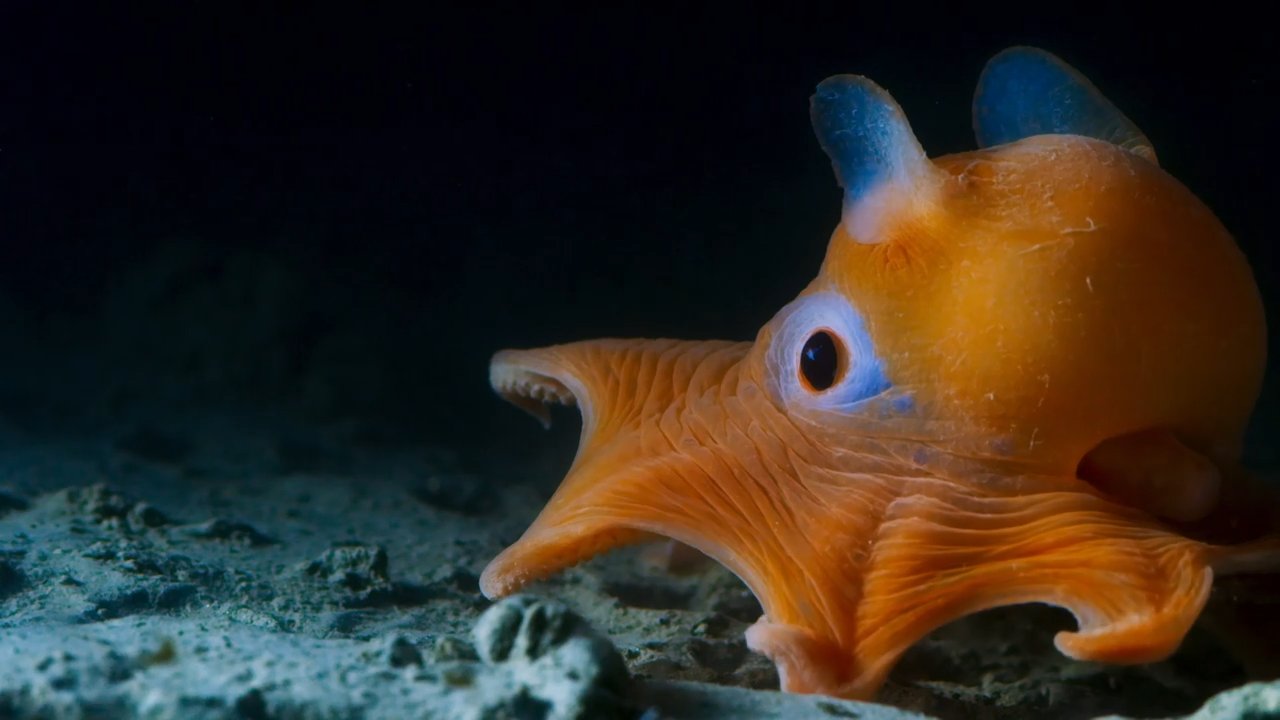
In Down in the Deep Seabed, narrator Sir David Attenborough explores the mud plains of the deep seabed and the animals that live there. This video is excerpted from BBC’s Blue Planet II, a natural history series that explores the world's oceans, the animals that live in them, and the threats they face, using modern filming techniques and equipment to capture previously unseen areas of the ocean.
In An Army of Spider Crabs, narrator Sir David Attenborough shows the fascinating journey taken by spider crabs as their giant tribes grow and move through the green seas in Australia. From the hardening of their outer shells to moving in masses, these crabs go through quite the journey. This video is excerpted from BBC’s Blue Planet II, a natural history series that explores the world's oceans, the animals that live in them, and the threats they face, using modern filming techniques and equipment to capture previously unseen areas of the ocean.
In The Beauty of Stormy Seas, narrator Sir David Attenborough uncovers the extraordinary sight of bioluminescent plankton that light up dark waters as sea life thrives with the change of seasons. This video is excerpted from BBC’s Blue Planet II, a natural history series that explores the world's oceans, the animals that live in them, and the threats they face, using modern filming techniques and equipment to capture previously unseen areas of the ocean.
In Diving to the Depths of the Ocean, narrator Sir David Attenborough dives into sea life in one of the most unimaginable places. With no light present and freezing temperatures, it’s simply amazing to see the abundance of species thriving at these depths. This video is excerpted from BBC’s Blue Planet II, a natural history series that explores the world's oceans, the animals that live in them, and the threats they face, using modern filming techniques and equipment to capture previously unseen areas of the ocean.
In The Tool-Using Tusk Fish, narrator Sir David Attenborough suggests that tusk fish, and perhaps other fish species, may be more intelligent than people ever thought possible. When the tusk fish finds food, such as a clam, it uses coral as a tool to crack open the clam and feed itself. This video is excerpted from BBC’s Blue Planet II, a natural history series that explores the world's oceans, the animals that live in them, and the threats they face, using modern filming techniques and equipment to capture previously unseen areas of the ocean.
In Terns and the Giant Trevally Fish, narrator Sir David Attenborough explores the relationship between terns, a type of seabird, and the giant trevally fish. As the terns beginning to take flight, the trevally fish display their ability to rise above the water’s surface, in a battle of survival. This video is excerpted from BBC’s Blue Planet II, a natural history series that explores the world's oceans, the animals that live in them, and the threats they face, using modern filming techniques and equipment to capture previously unseen areas of the ocean.
In The Weedy Sea Dragon’s Daddy Daycare, narrator Sir David Attenborough explains how male weedy sea dragons care for their young. This video is excerpted from BBC’s Blue Planet II, a natural history series that explores the world's oceans, the animals that live in them, and the threats they face, using modern filming techniques and equipment to capture previously unseen areas of the ocean.
In Surf's Up with Dolphins, narrator Sir David Attenborough shows how adult dolphins teach baby dolphins about their world. This video is excerpted from BBC’s Blue Planet II, a natural history series that explores the world's oceans, the animals that live in them, and the threats they face, using modern filming techniques and equipment to capture previously unseen areas of the ocean.
In Warming Seas and Walruses, narrator Sir David Attenborough explains the warming of the planet’s oceans and what it means for one mother walrus and her pup. This video is excerpted from BBC’s Blue Planet II, a natural history series that explores the world's oceans, the animals that live in them, and the threats they face, using modern filming techniques and equipment to capture previously unseen areas of the ocean.
In The Zebra Mantis Fish, narrator Sir David Attenborough describes the hunting and feeding behaviors of the male zebra mantis shrimp, which lives deep in the green seas of Australia. This video is excerpted from BBC’s Blue Planet II, a natural history series that explores the world's oceans, the animals that live in them, and the threats they face, using modern filming techniques and equipment to capture previously unseen areas of the ocean.
In Feasting on Anchovies, narrator Sir David Attenborough explains the important role that anchovies play in supporting all marine life. These anchovies feed on plankton in and around Monterey Bay, California, where millions are food for sea lions, dolphins, humpback whales, and countless seabirds. This video is excerpted from BBC’s Blue Planet II, a natural history series that explores the world's oceans, the animals that live in them, and the threats they face, using modern filming techniques and equipment to capture previously unseen areas of the ocean.
In False Killer Whales and Bottlenose Dolphins, narrator Sir David Attenborough describes what happens when a pod of false killer whales finds a pod of dolphins. This video is excerpted from BBC’s Blue Planet II, a natural history series that explores the world's oceans, the animals that live in them, and the threats they face, using modern filming techniques and equipment to capture previously unseen areas of the ocean.
In Down in the Deep Seabed, narrator Sir David Attenborough explores the mud plains of the deep seabed and the animals that live there. This video is excerpted from BBC’s Blue Planet II, a natural history series that explores the world's oceans, the animals that live in them, and the threats they face, using modern filming techniques and equipment to capture previously unseen areas of the ocean.