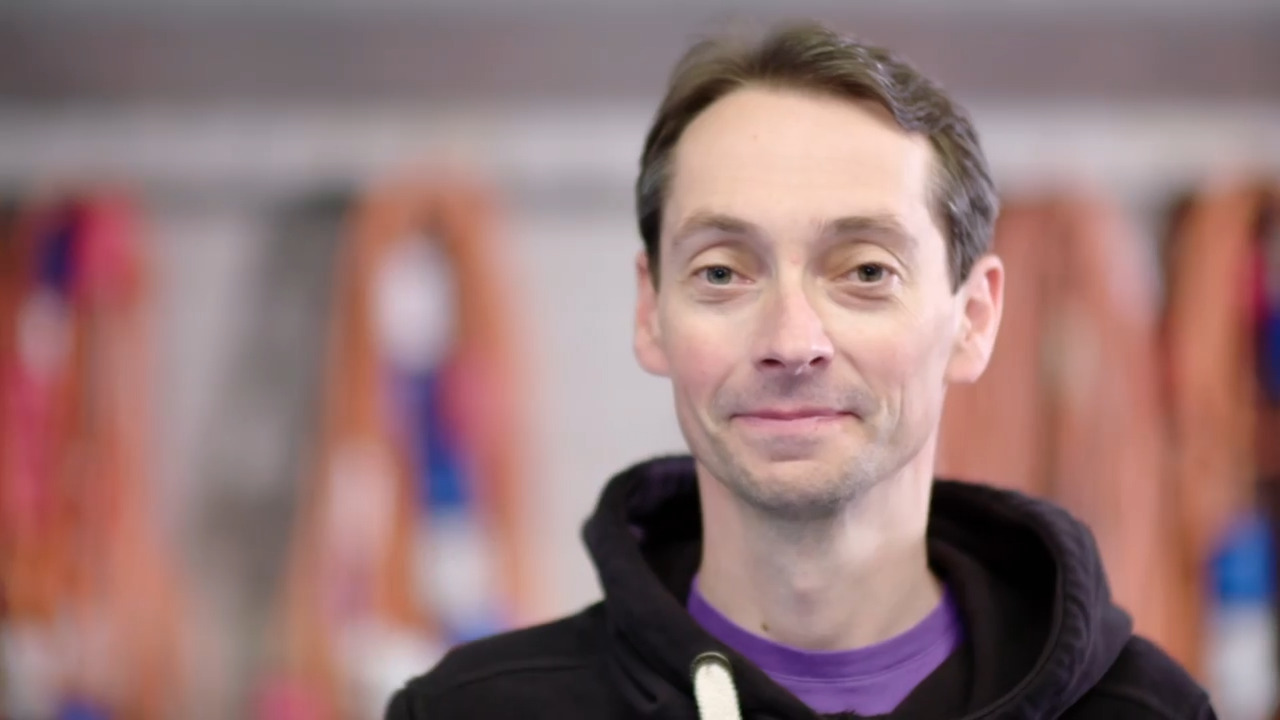
In the video Treating Multiple Sclerosis With Stem Cell Therapy, meet Stephen, a man who lost his ability to move due to multiple sclerosis (MS), an autoimmune disease that attacks the brain and spinal cord. Follow his journey as he undergoes an innovative stem cell treatment to restore his nervous system and regain mobility. Learn about the immune system, autoimmune diseases, and how stem cells can be used to repair damaged systems in the body. This video is excerpted from BBC’s The World’s Most Extraordinary People, a documentary series revealing how rare medical conditions inspire groundbreaking scientific discoveries.

In Understanding the Brain's Unique Sensory Connections, learn how synesthesia occurs in the brain and how it allows people to experience the world in an extraordinary way by connecting senses in unique ways, like seeing colors when hearing sounds. Understanding synesthesia is helping researchers assist individuals with sensory limitations, such as blindness, by expanding our knowledge of how the brain processes stimuli. This insight is leading to advancements in both sensory research and the treatment of sensory disorders. This video is excerpted from BBC’s The World’s Most Extraordinary People, a documentary series revealing how rare medical conditions inspire groundbreaking scientific discoveries.
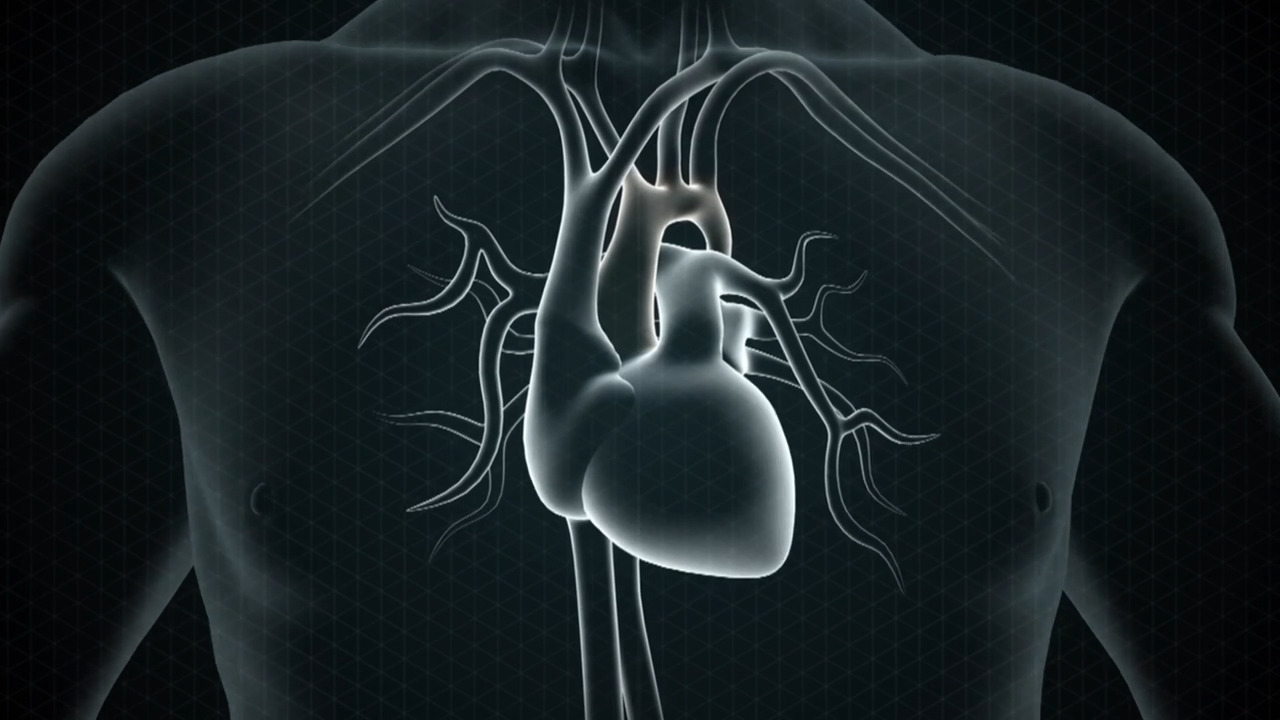
In Engineering Creative Solutions for Living With Marfan Syndrome, meet Cal, a person with Marfan Syndrome, who creatively solves a medical complication by applying engineering knowledge to his condition. Cal’s condition causes his heart and aorta to stretch due to the structural abnormalities that characterize Marfan Syndrome. Instead of undergoing traditional surgery, Cal takes matters into his own hands, using his engineering background to find a more innovative solution. This video demonstrates the intersection of medicine and engineering, as well as how individuals can advocate for themselves and influence their treatment plans. This video is excerpted from BBC’s The World’s Most Extraordinary People, a documentary series revealing how rare medical conditions inspire groundbreaking scientific discoveries.
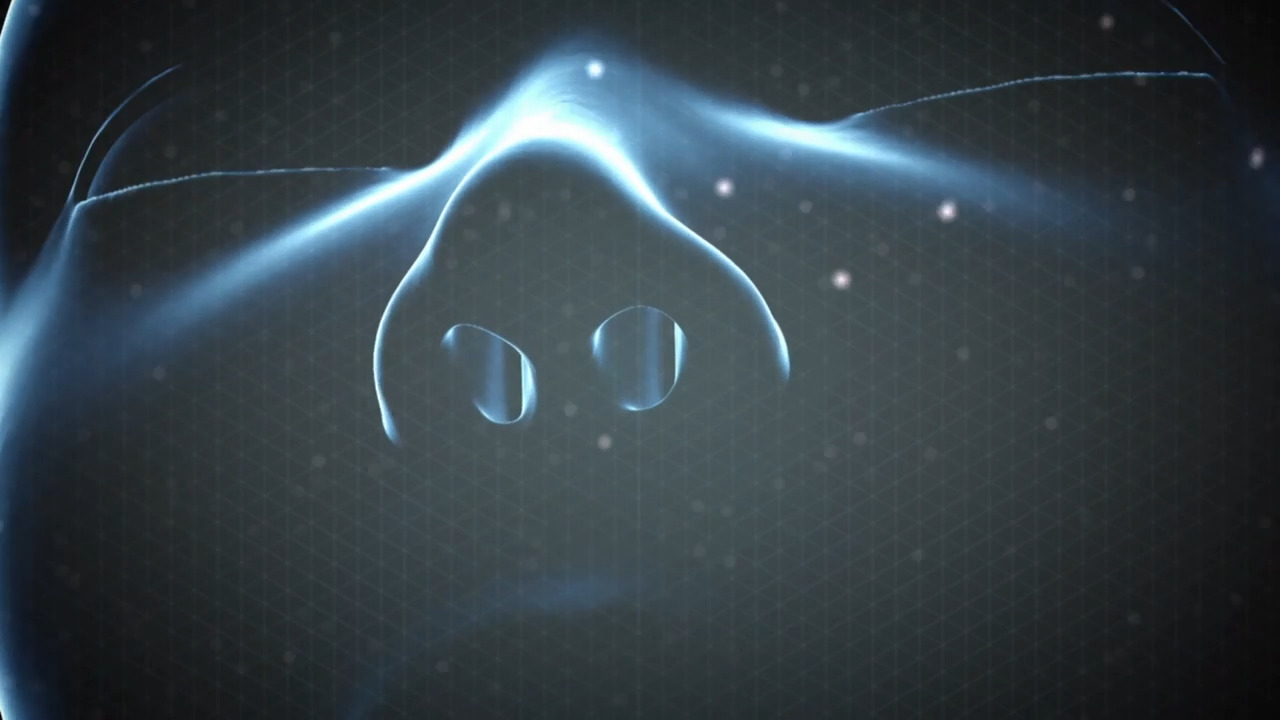
In Treating Parosmia With Smell Training Techniques, learn how smell training can help someone who has lost their sense of smell. Follow Cris Kelly, a person who has experienced a disrupted sense of smell due to parosmia and is using a form of therapy to retrain her olfactory system. The process involves smelling strong scents like lemon, rose, clove, and eucalyptus in a structured way to help the brain reorganize its connections and restore smell. This training shows how neuroplasticity can help retrain the brain after sensory loss. This video is excerpted from BBC’s The World’s Most Extraordinary People, a documentary series revealing how rare medical conditions inspire groundbreaking scientific discoveries.
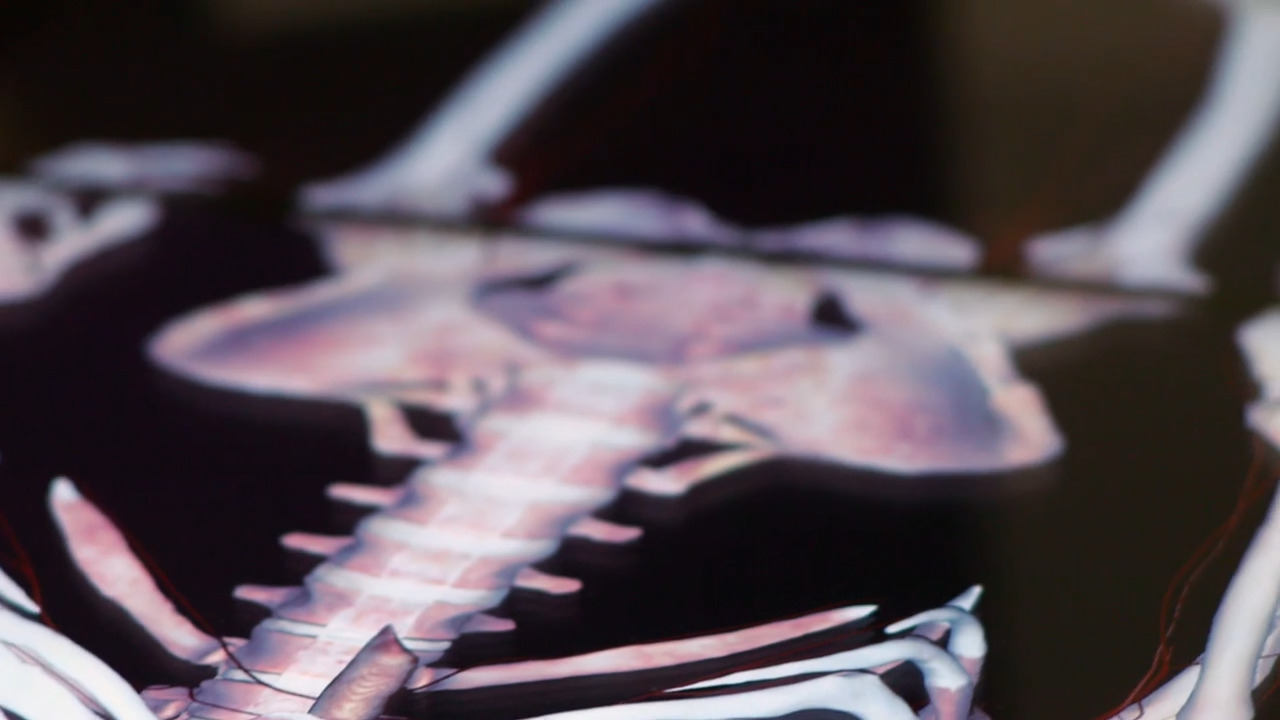
In Understanding Bone Growth Disorders, learn about a rare genetic condition that causes bones to grow abnormally dense. Follow Tim, a man with sclerosteosis, whose bones are 1.5 times denser than granite, which has both advantages and serious medical challenges. His experience with the condition provides insight into how our bones grow and what happens when that growth is excessive. This video is excerpted from BBC’s The World’s Most Extraordinary People, a documentary series revealing how rare medical conditions inspire groundbreaking scientific discoveries.
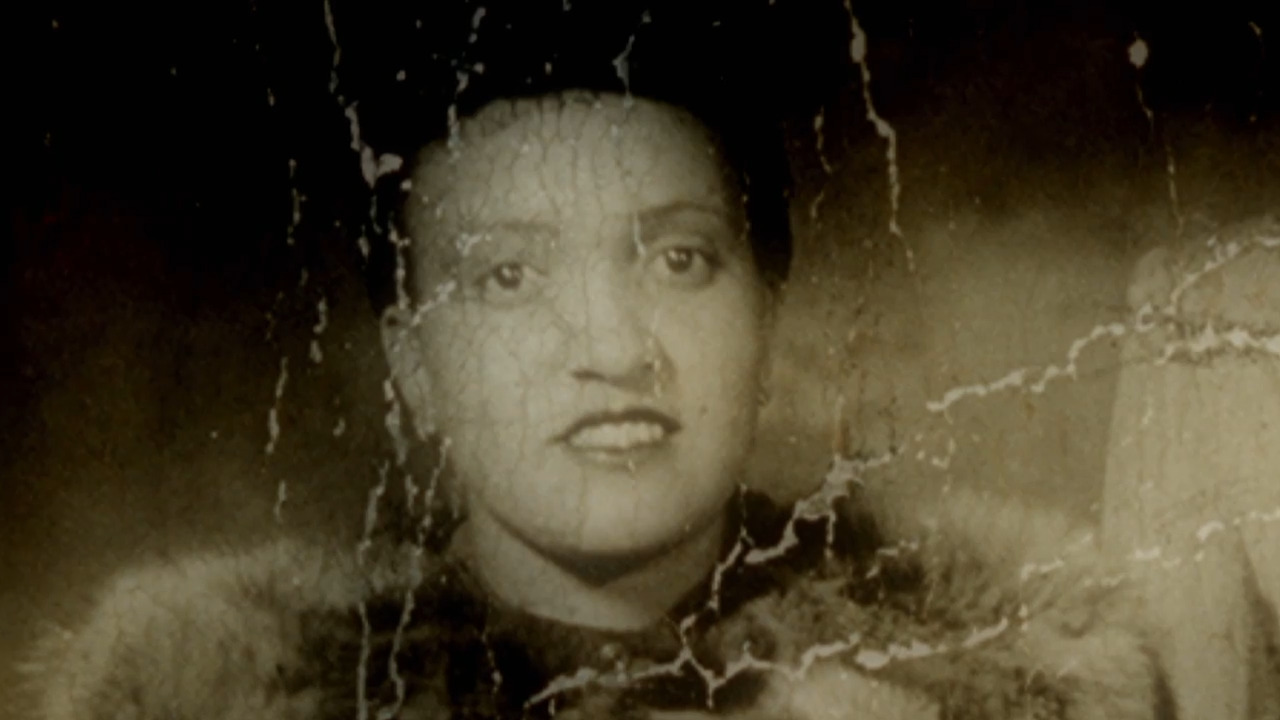
In Henrietta Lacks and the Legacy of Her Extraordinary Cells, learn about Henrietta Lacks, whose cells, taken without her consent during her treatment for cervical cancer, became one of the most important tools in medical research. Henrietta's cells, known as HeLa cells, have continued to divide and grow in laboratories for decades, making them a valuable resource for scientists. Understand the significance of her contribution to science and explore the ethical questions surrounding consent and cell ownership. This video is excerpted from BBC’s The World’s Most Extraordinary People, a documentary series revealing how rare medical conditions inspire groundbreaking scientific discoveries.
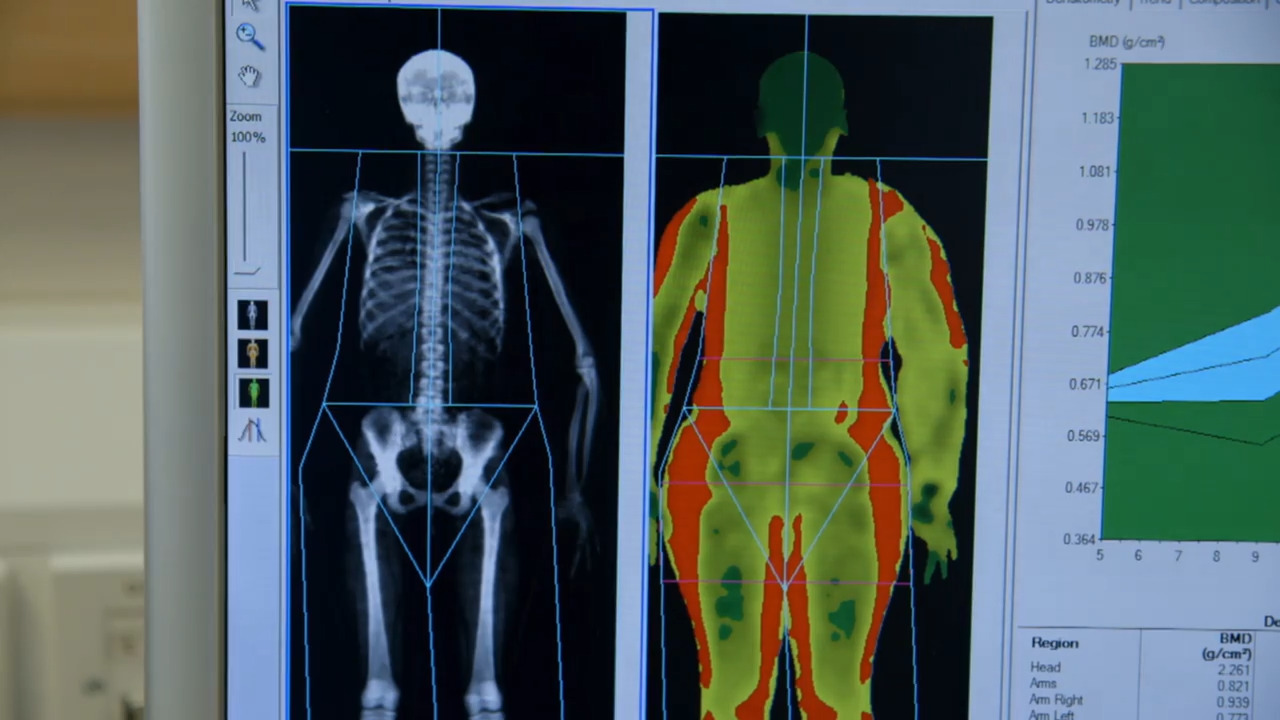
In What Is Segmental Overgrowth?, learn about the fascinating condition that causes certain parts of the body to grow out of proportion. Meet Leah, whose arm is growing abnormally due to a mutation in the PIK3CA gene. Explore the science behind this condition, understanding how cells grow, how mutations in specific genes can affect growth, and the connection between cancer research and segmental overgrowth. This video is excerpted from BBC’s The World’s Most Extraordinary People, a documentary series revealing how rare medical conditions inspire groundbreaking scientific discoveries.
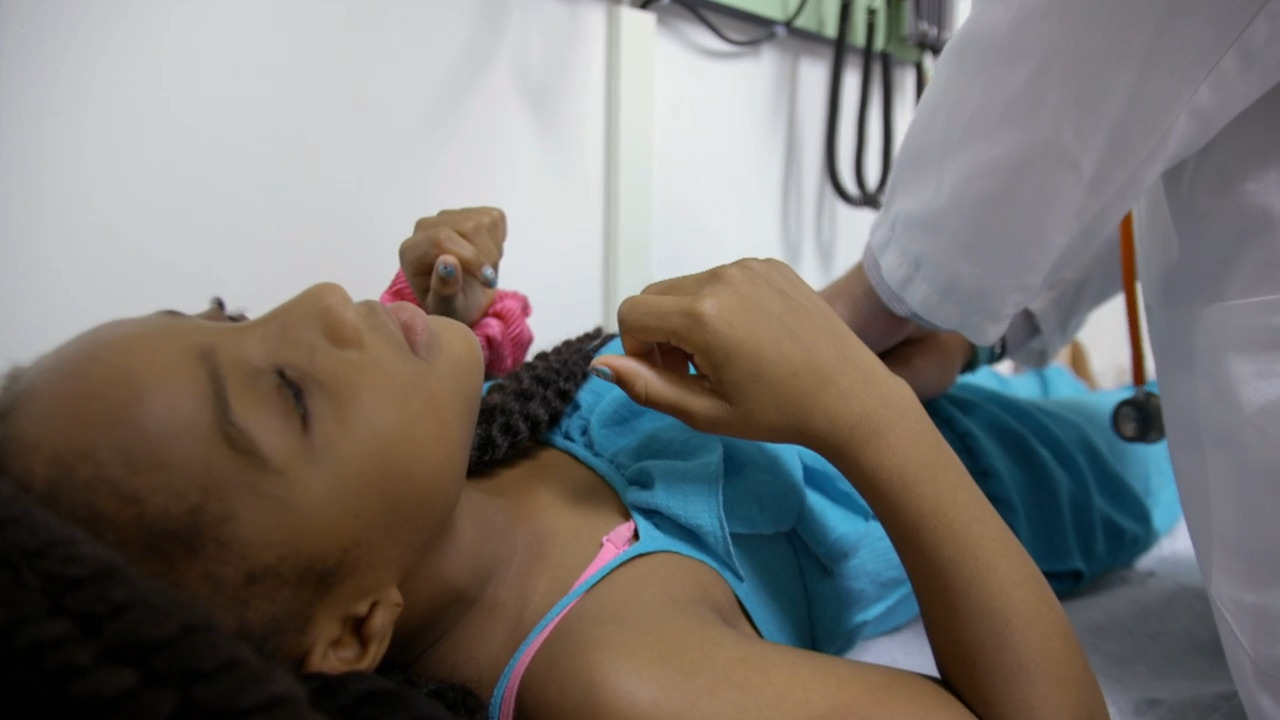
In Understanding Sickle Cell Disease, learn about Sanaya, a young girl whose unique blood helps her avoid symptoms of sickle cell disease. By examining the presence of fetal hemoglobin in her blood, discover how hemoglobin functions in the body and how it can impact individuals with sickle cell disease. This video is excerpted from BBC’s The World’s Most Extraordinary People, a documentary series revealing how rare medical conditions inspire groundbreaking scientific discoveries.
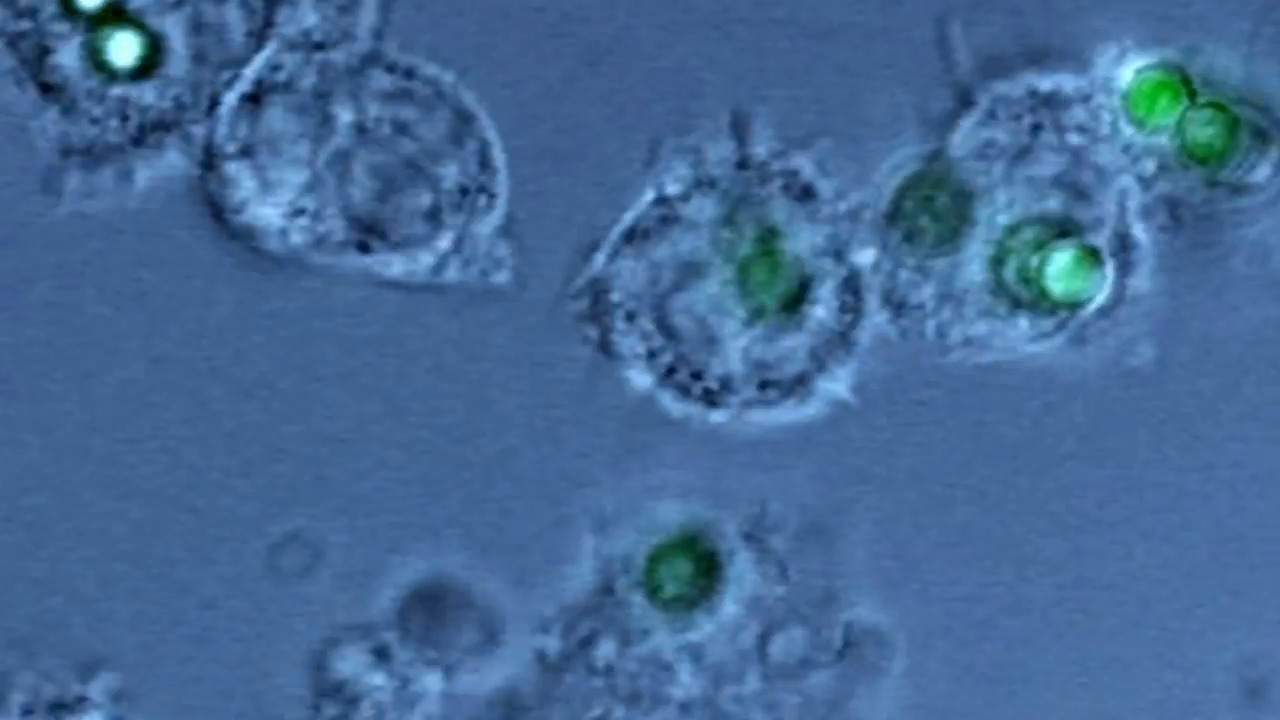
In Treating Severe Combined Immunodeficiency, learn how doctors used gene therapy to fix a boy’s immune system. Meet Reese, a child with severe combined immunodeficiency (SCID), whose immune system was successfully treated through this groundbreaking medical procedure. Discover how gene therapy works, how viruses can be used to deliver genes, and the role of white blood cells in the immune system. This video is excerpted from BBC’s The World’s Most Extraordinary People, a documentary series revealing how rare medical conditions inspire groundbreaking scientific discoveries.
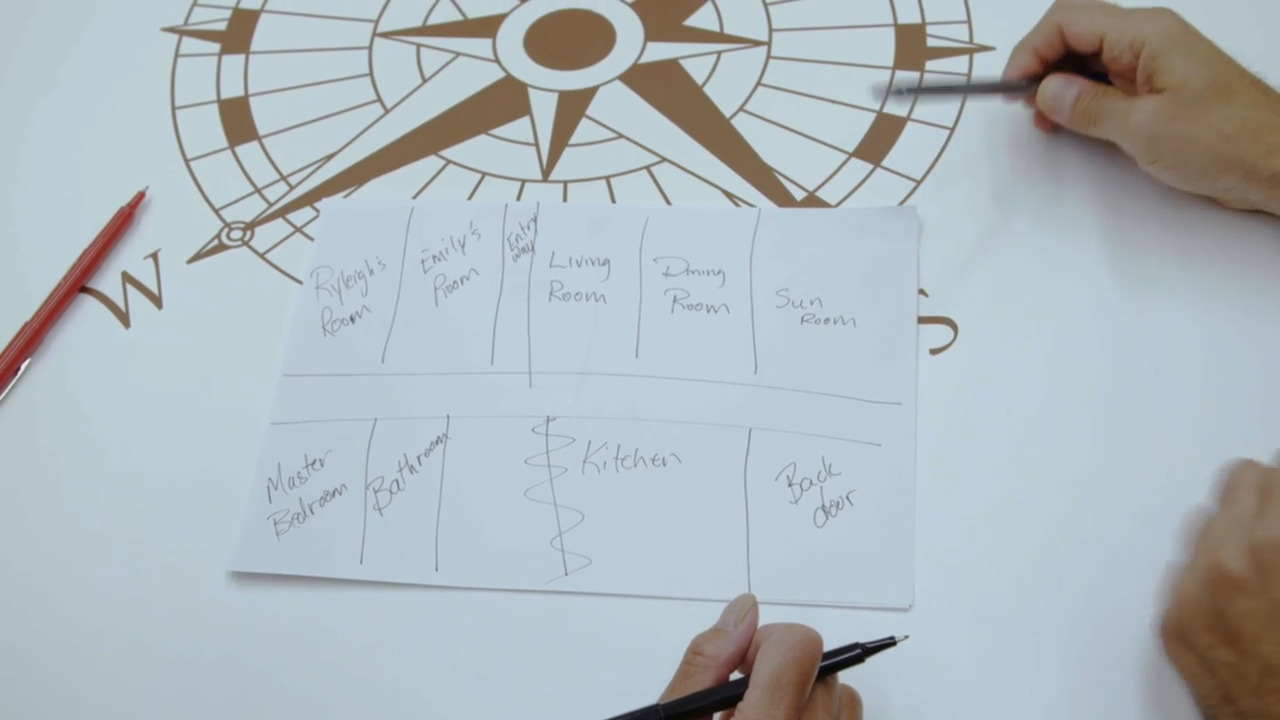
In What Is Developmental Topographical Disorientation, meet Anne, a woman with a condition that makes it difficult for her to orient herself in space, even in familiar environments. Anne’s struggle to form mental maps of her surroundings affects her daily life and employment. This condition, which is only recently being studied, involves a person becoming disoriented without brain damage. Learn about how people typically develop mental maps and how Anne’s experience is challenging for both her and the medical team. This video is excerpted from BBC’s The World’s Most Extraordinary People, a documentary series revealing how rare medical conditions inspire groundbreaking scientific discoveries.

In The Mystery of Severe Allergic Reactions, explore the story of a woman with severe allergic reactions triggered by common substances such as certain foods and sunlight. Her condition, which includes life-threatening anaphylaxis, has baffled doctors, leading to groundbreaking research into mast cells and their role in inflammation and allergic responses. Discover how these cells function and the challenges of diagnosing and managing complex immune conditions. This video is excerpted from BBC’s The World’s Most Extraordinary People, a documentary series revealing how rare medical conditions inspire groundbreaking scientific discoveries.

In Hypermobility and Collagen, learn about the science behind hypermobility. Meet Claudia, a woman whose hypermobile joints allow her to be especially flexible. Explore how collagen, the protein that helps provide structure and elasticity to tissues, contributes to hypermobility. See how the laxity of connective tissue around joints can make some people more flexible but also more prone to injury. This video is excerpted from BBC’s The World’s Most Extraordinary People, a documentary series revealing how rare medical conditions inspire groundbreaking scientific discoveries.
In the video Treating Multiple Sclerosis With Stem Cell Therapy, meet Stephen, a man who lost his ability to move due to multiple sclerosis (MS), an autoimmune disease that attacks the brain and spinal cord. Follow his journey as he undergoes an innovative stem cell treatment to restore his nervous system and regain mobility. Learn about the immune system, autoimmune diseases, and how stem cells can be used to repair damaged systems in the body. This video is excerpted from BBC’s The World’s Most Extraordinary People, a documentary series revealing how rare medical conditions inspire groundbreaking scientific discoveries.
In Understanding the Brain's Unique Sensory Connections, learn how synesthesia occurs in the brain and how it allows people to experience the world in an extraordinary way by connecting senses in unique ways, like seeing colors when hearing sounds. Understanding synesthesia is helping researchers assist individuals with sensory limitations, such as blindness, by expanding our knowledge of how the brain processes stimuli. This insight is leading to advancements in both sensory research and the treatment of sensory disorders. This video is excerpted from BBC’s The World’s Most Extraordinary People, a documentary series revealing how rare medical conditions inspire groundbreaking scientific discoveries.
In Engineering Creative Solutions for Living With Marfan Syndrome, meet Cal, a person with Marfan Syndrome, who creatively solves a medical complication by applying engineering knowledge to his condition. Cal’s condition causes his heart and aorta to stretch due to the structural abnormalities that characterize Marfan Syndrome. Instead of undergoing traditional surgery, Cal takes matters into his own hands, using his engineering background to find a more innovative solution. This video demonstrates the intersection of medicine and engineering, as well as how individuals can advocate for themselves and influence their treatment plans. This video is excerpted from BBC’s The World’s Most Extraordinary People, a documentary series revealing how rare medical conditions inspire groundbreaking scientific discoveries.
In Treating Parosmia With Smell Training Techniques, learn how smell training can help someone who has lost their sense of smell. Follow Cris Kelly, a person who has experienced a disrupted sense of smell due to parosmia and is using a form of therapy to retrain her olfactory system. The process involves smelling strong scents like lemon, rose, clove, and eucalyptus in a structured way to help the brain reorganize its connections and restore smell. This training shows how neuroplasticity can help retrain the brain after sensory loss. This video is excerpted from BBC’s The World’s Most Extraordinary People, a documentary series revealing how rare medical conditions inspire groundbreaking scientific discoveries.
In Understanding Bone Growth Disorders, learn about a rare genetic condition that causes bones to grow abnormally dense. Follow Tim, a man with sclerosteosis, whose bones are 1.5 times denser than granite, which has both advantages and serious medical challenges. His experience with the condition provides insight into how our bones grow and what happens when that growth is excessive. This video is excerpted from BBC’s The World’s Most Extraordinary People, a documentary series revealing how rare medical conditions inspire groundbreaking scientific discoveries.
In Henrietta Lacks and the Legacy of Her Extraordinary Cells, learn about Henrietta Lacks, whose cells, taken without her consent during her treatment for cervical cancer, became one of the most important tools in medical research. Henrietta's cells, known as HeLa cells, have continued to divide and grow in laboratories for decades, making them a valuable resource for scientists. Understand the significance of her contribution to science and explore the ethical questions surrounding consent and cell ownership. This video is excerpted from BBC’s The World’s Most Extraordinary People, a documentary series revealing how rare medical conditions inspire groundbreaking scientific discoveries.
In What Is Segmental Overgrowth?, learn about the fascinating condition that causes certain parts of the body to grow out of proportion. Meet Leah, whose arm is growing abnormally due to a mutation in the PIK3CA gene. Explore the science behind this condition, understanding how cells grow, how mutations in specific genes can affect growth, and the connection between cancer research and segmental overgrowth. This video is excerpted from BBC’s The World’s Most Extraordinary People, a documentary series revealing how rare medical conditions inspire groundbreaking scientific discoveries.
In Understanding Sickle Cell Disease, learn about Sanaya, a young girl whose unique blood helps her avoid symptoms of sickle cell disease. By examining the presence of fetal hemoglobin in her blood, discover how hemoglobin functions in the body and how it can impact individuals with sickle cell disease. This video is excerpted from BBC’s The World’s Most Extraordinary People, a documentary series revealing how rare medical conditions inspire groundbreaking scientific discoveries.
In Treating Severe Combined Immunodeficiency, learn how doctors used gene therapy to fix a boy’s immune system. Meet Reese, a child with severe combined immunodeficiency (SCID), whose immune system was successfully treated through this groundbreaking medical procedure. Discover how gene therapy works, how viruses can be used to deliver genes, and the role of white blood cells in the immune system. This video is excerpted from BBC’s The World’s Most Extraordinary People, a documentary series revealing how rare medical conditions inspire groundbreaking scientific discoveries.
In What Is Developmental Topographical Disorientation, meet Anne, a woman with a condition that makes it difficult for her to orient herself in space, even in familiar environments. Anne’s struggle to form mental maps of her surroundings affects her daily life and employment. This condition, which is only recently being studied, involves a person becoming disoriented without brain damage. Learn about how people typically develop mental maps and how Anne’s experience is challenging for both her and the medical team. This video is excerpted from BBC’s The World’s Most Extraordinary People, a documentary series revealing how rare medical conditions inspire groundbreaking scientific discoveries.
In The Mystery of Severe Allergic Reactions, explore the story of a woman with severe allergic reactions triggered by common substances such as certain foods and sunlight. Her condition, which includes life-threatening anaphylaxis, has baffled doctors, leading to groundbreaking research into mast cells and their role in inflammation and allergic responses. Discover how these cells function and the challenges of diagnosing and managing complex immune conditions. This video is excerpted from BBC’s The World’s Most Extraordinary People, a documentary series revealing how rare medical conditions inspire groundbreaking scientific discoveries.
In Hypermobility and Collagen, learn about the science behind hypermobility. Meet Claudia, a woman whose hypermobile joints allow her to be especially flexible. Explore how collagen, the protein that helps provide structure and elasticity to tissues, contributes to hypermobility. See how the laxity of connective tissue around joints can make some people more flexible but also more prone to injury. This video is excerpted from BBC’s The World’s Most Extraordinary People, a documentary series revealing how rare medical conditions inspire groundbreaking scientific discoveries.