The Planets
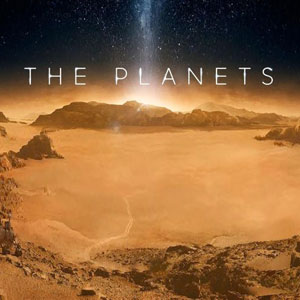
Professor Brian Cox explores the dramatic lives of the eight majestic planets and worlds that make up our Solar System.
The Planets takes learners on an extraordinary journey through our Solar System, exploring the unique features, histories, and mysteries of the planets and other celestial bodies. The show introduces concepts such as planetary formation, gravity, atmospheres, geology, space exploration, and the forces that shape worlds beyond Earth.
Ages 11–18
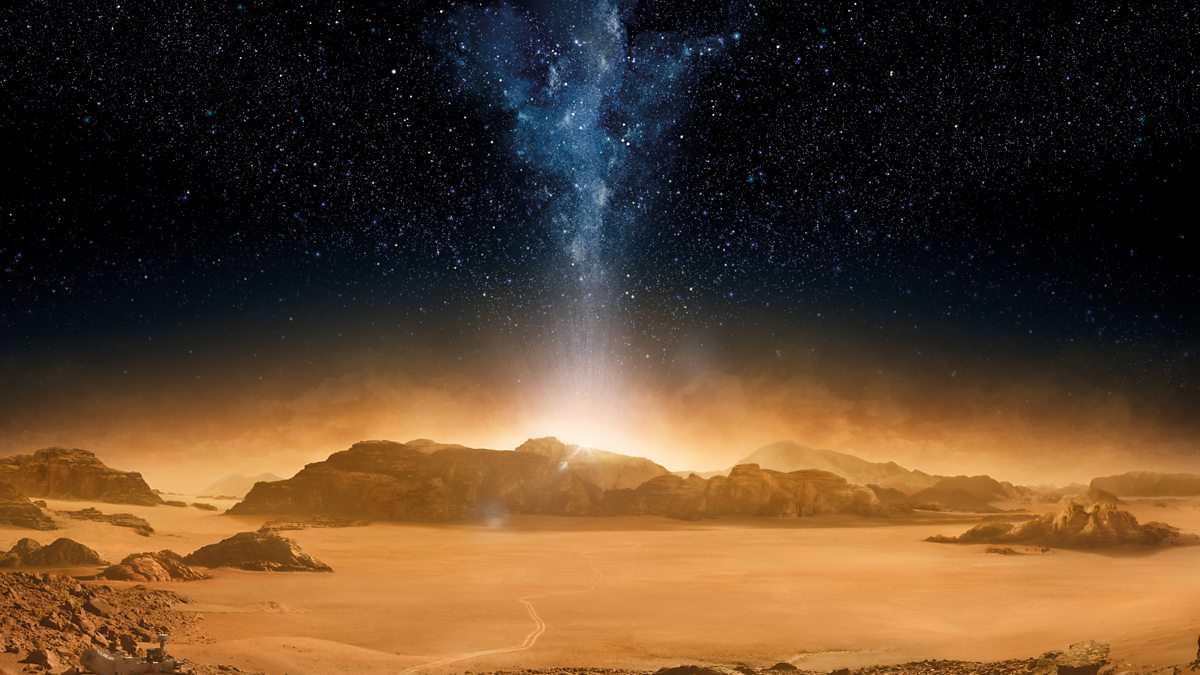
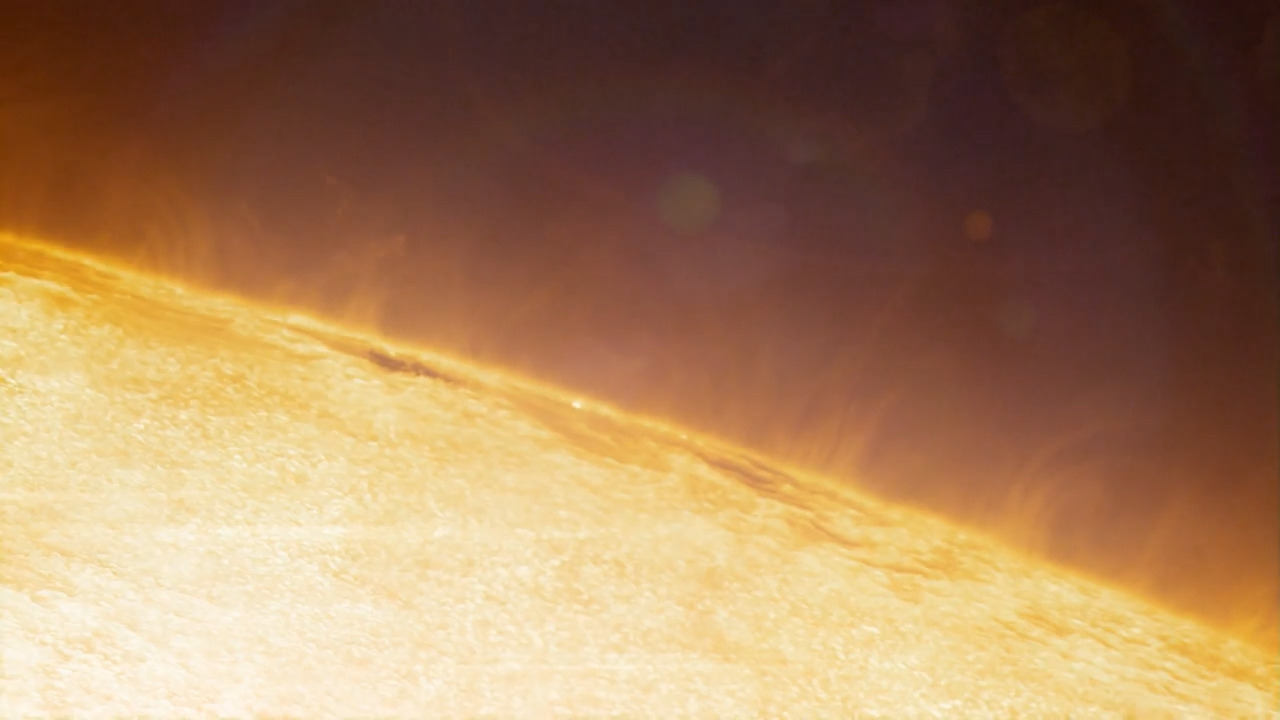
In Mercury, the Solar System's Smallest Planet, narrator Professor Brian Cox highlights the brutal environment of the smallest planet in our Solar System. Its small size meant Mercury didn’t have enough gravity to hang on to its atmosphere. Without the protection of even that thin line of gas, temperatures fluctuate from 842°F (450°C) during the day to -290°F (-180C) degrees at night on the rocky planet. This video is excerpted from BBC’s The Planets, a series that explores the dramatic lives of the eight planets in our Solar System.
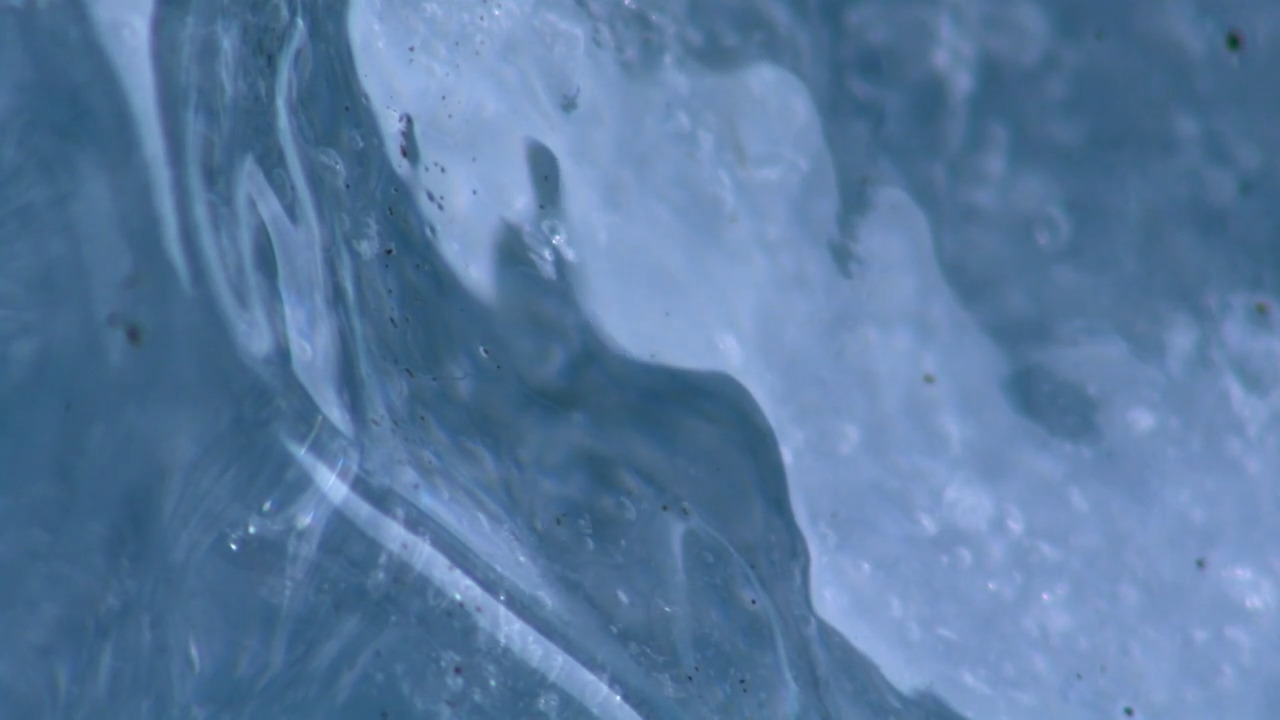
In Microscopic Life in Ice, Professor Brian Cox explores an ice cave and finds microorganisms that are living in the ice. He discusses what this means for life on other planets and moons with scientist Richard Hoover. This video is excerpted from BBC’s The Planets, a series that explores the dramatic lives of the eight planets in our Solar System.
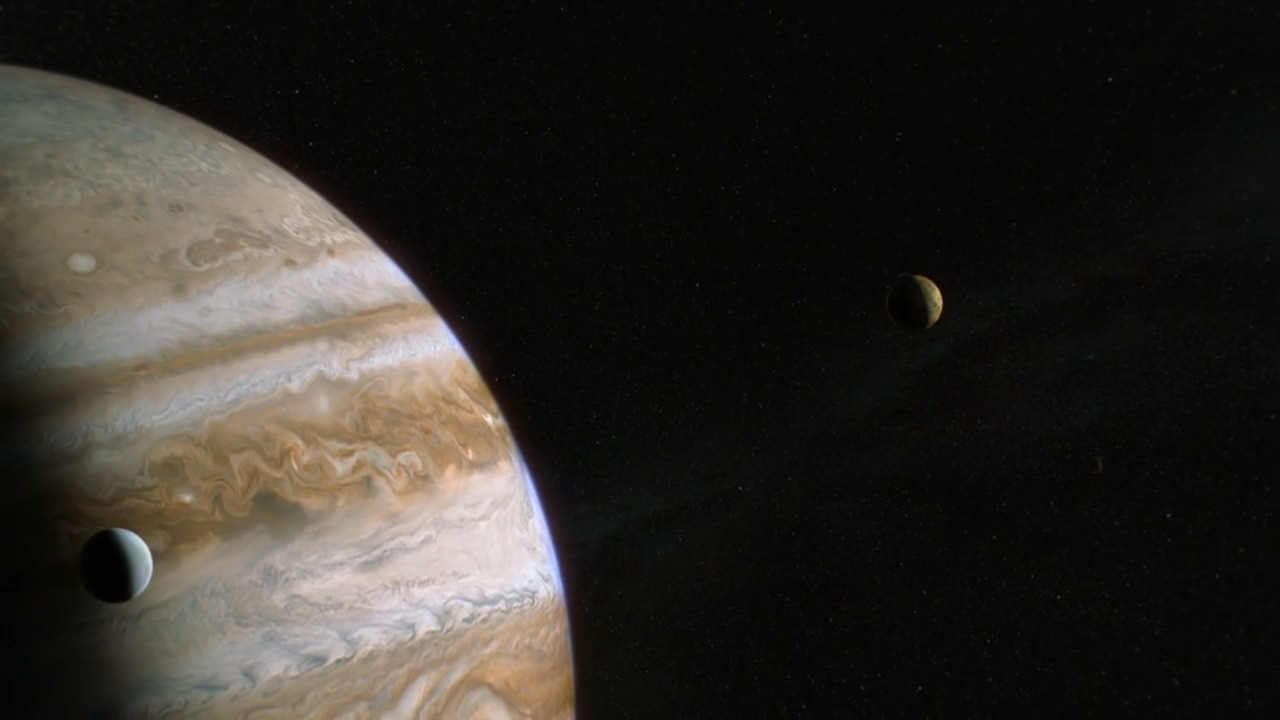
In Europa and Life on Moons, Professor Brian Cox explains how the geological discoveries on faraway moons have impacted what scientists think about them. Then he visits an ice cave in Iceland to discuss how the ice cave can teach us about Europa, Jupiter’s moon. This video is excerpted from BBC’s The Planets, a series that explores the dramatic lives of the eight planets in our Solar System.
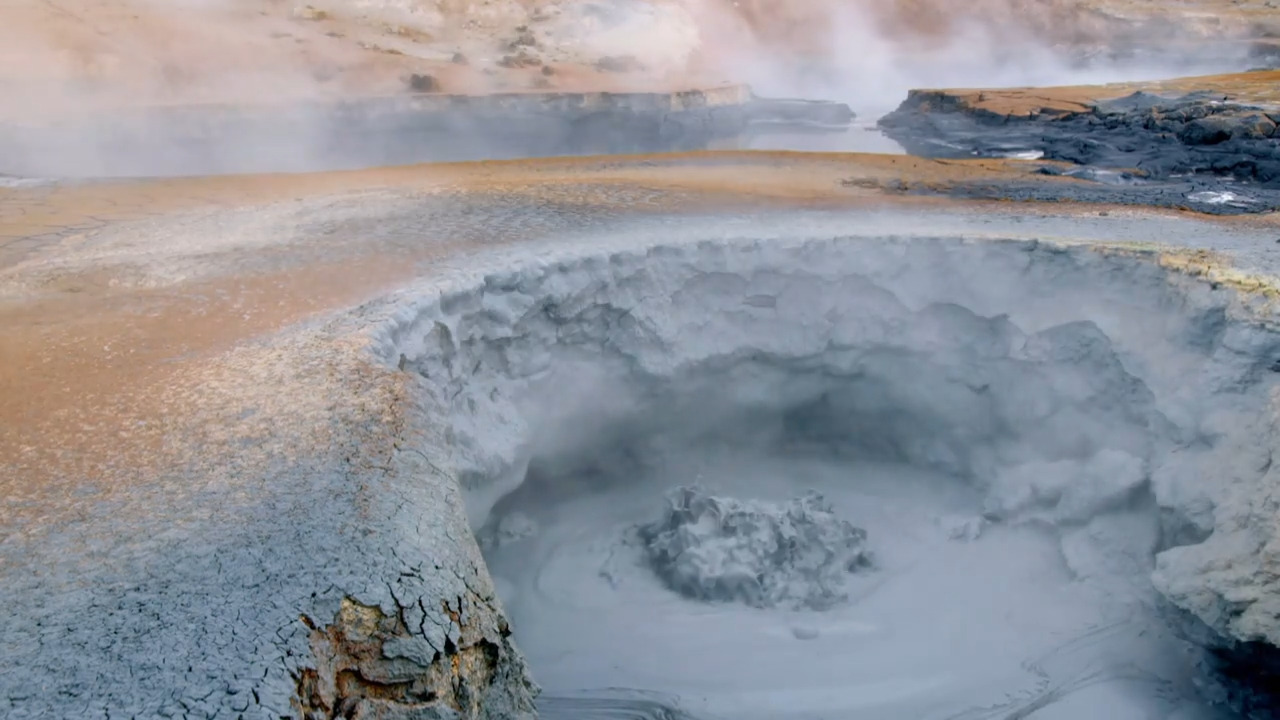
In Energy From the Earth and the Conditions for Life, Professor Brian Cox brings us to Taal Lake in the Philippines. Watch energy bubble up from below the Earth’s surface and learn how this energy creates a natural battery that can be used to power a motor. Where else on Earth can we find these high energy conditions? This video is excerpted from BBC’s The Planets, a series that explores the dramatic lives of the eight planets in our Solar System.

In Landing Curiosity on a Mission to Mars Professor Brian Cox explains what scientists thought about life on Mars in the 1970s, how that changed, and what we learned from the first landing on Mars, the Curiosity rover. This video is excerpted from BBC’s The Planets, a series that explores the dramatic lives of the eight planets in our Solar System.
In The Search for Life Continues, Professor Brian Cox wonders about the possibility of complex life and civilization on other planets. And, if we are, in fact, alone in our galaxy, what does that mean for our value in the Universe? This video is excerpted from BBC’s The Planets, a series that explores the dramatic lives of the eight planets in our Solar System.
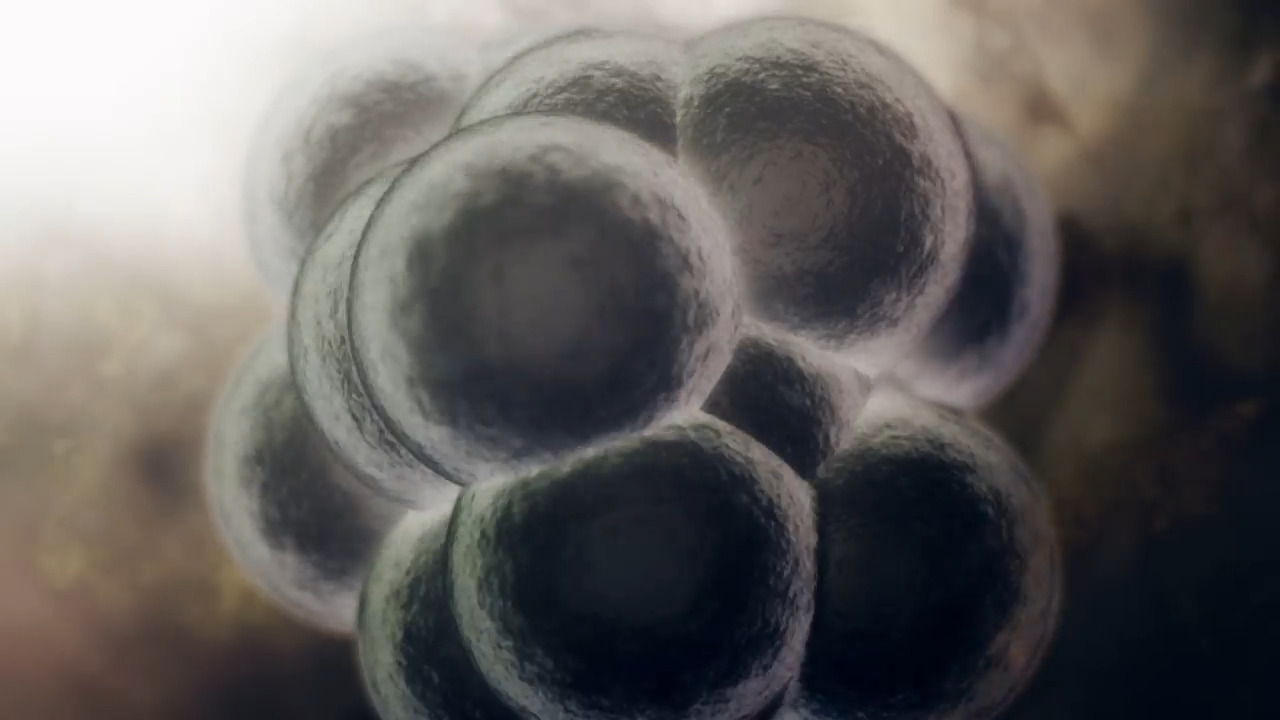
In Intelligent Life — Is It Out There?, Professor Brian Cox explains what happened when complex life developed and what this means for the search for life beyond Earth. This video is excerpted from BBC’s The Planets, a series that explores the dramatic lives of the eight planets in our Solar System.
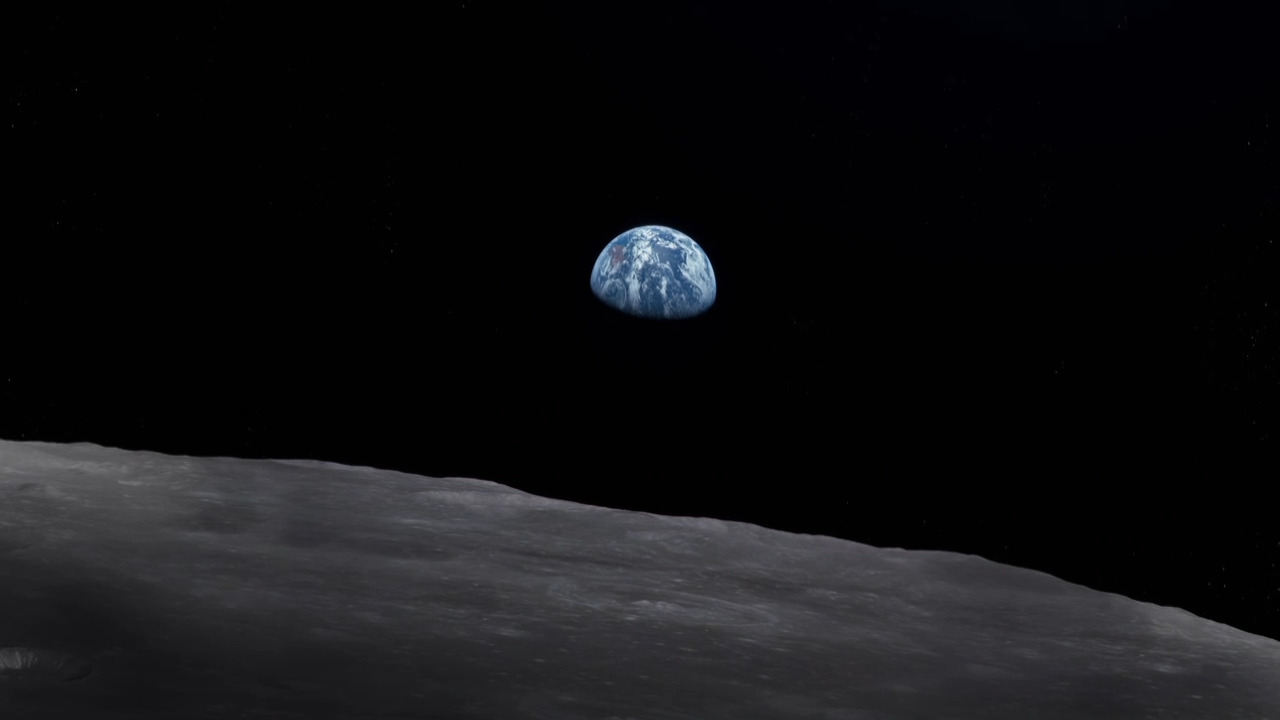
In The Most Profound Question — Are We Alone?, Professor Brian Cox explains the most profound question that we can answer, and how humans can investigate Earth to support discoveries in outer space. This video is excerpted from BBC’s The Planets, a series that explores the dramatic lives of the eight planets in our Solar System.
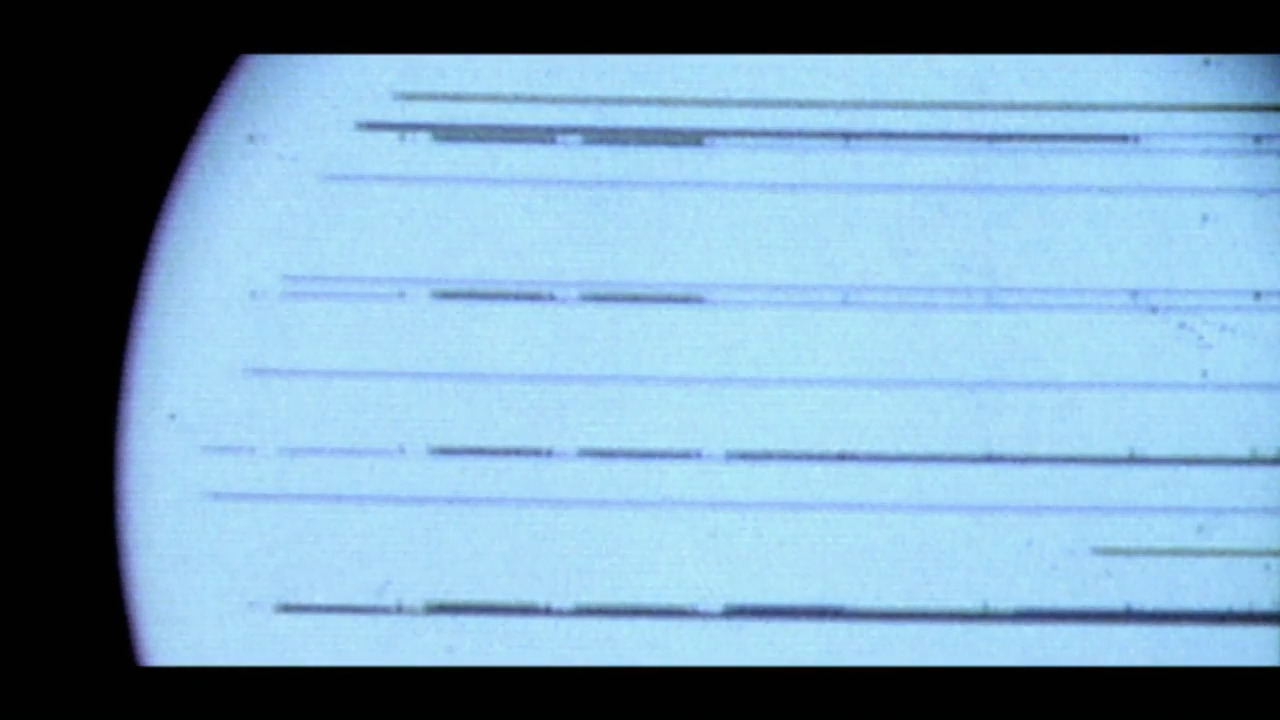
In Uranus, a Boring Planet?, Professor Brian Cox explains what scientists have learned about Uranus, a planet described as featureless and boring. But Uranus does have a mystery! How did it end up tipped on its side with rings that circle it from top to bottom? This video is excerpted from BBC’s The Planets, a series that explores the dramatic lives of the eight planets in our Solar System.

In Neptune, Ice Giant, Professor Brian Cox explains how Neptune is unique because of its atmosphere, cold temperatures, weather, and wind speed. Learn how the pressure and lack of features on Neptune create the highest wind speeds in the Solar System. This video is excerpted from BBC’s The Planets, a series that explores the dramatic lives of the eight planets in our Solar System.
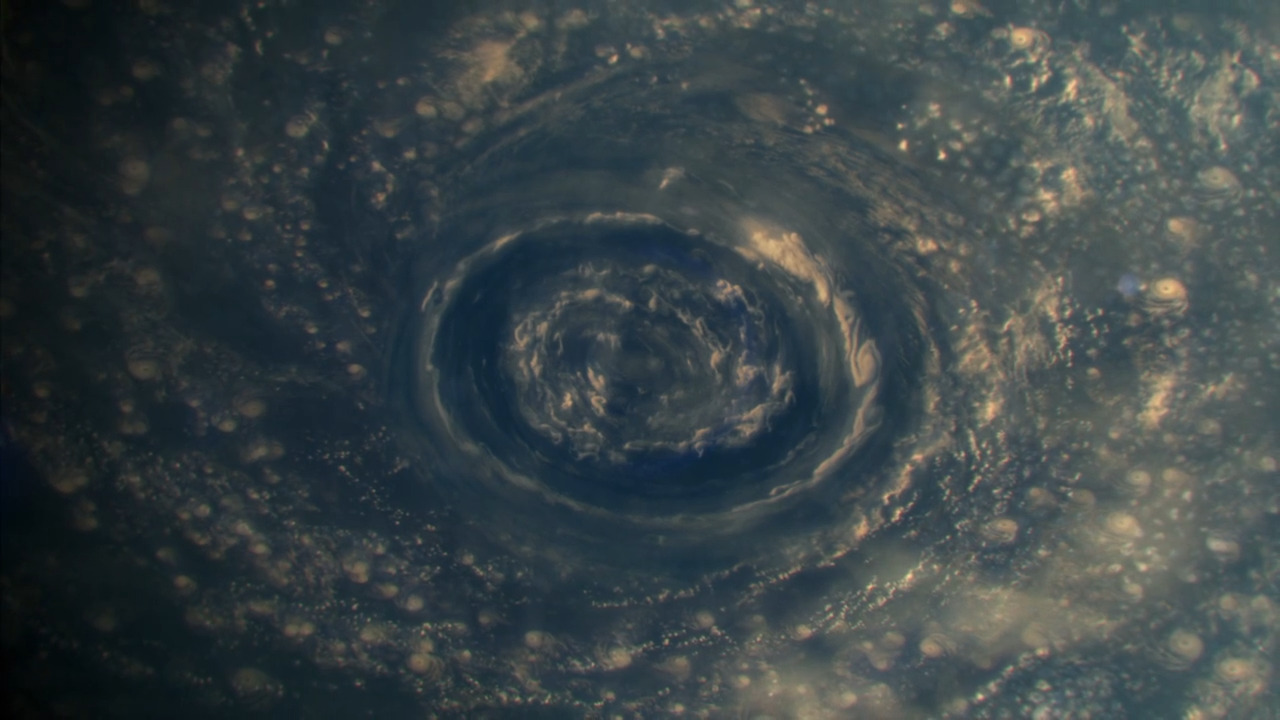
In Saturn's Dramatic Weather, Professor Brian Cox explains how Saturn is able to maintain dramatic weather when it is so far from the Sun. Learn how the pressure on Saturn creates clouds, storms, and diamond rain. This video is excerpted from BBC’s The Planets, a series that explores the dramatic lives of the eight planets in our Solar System.
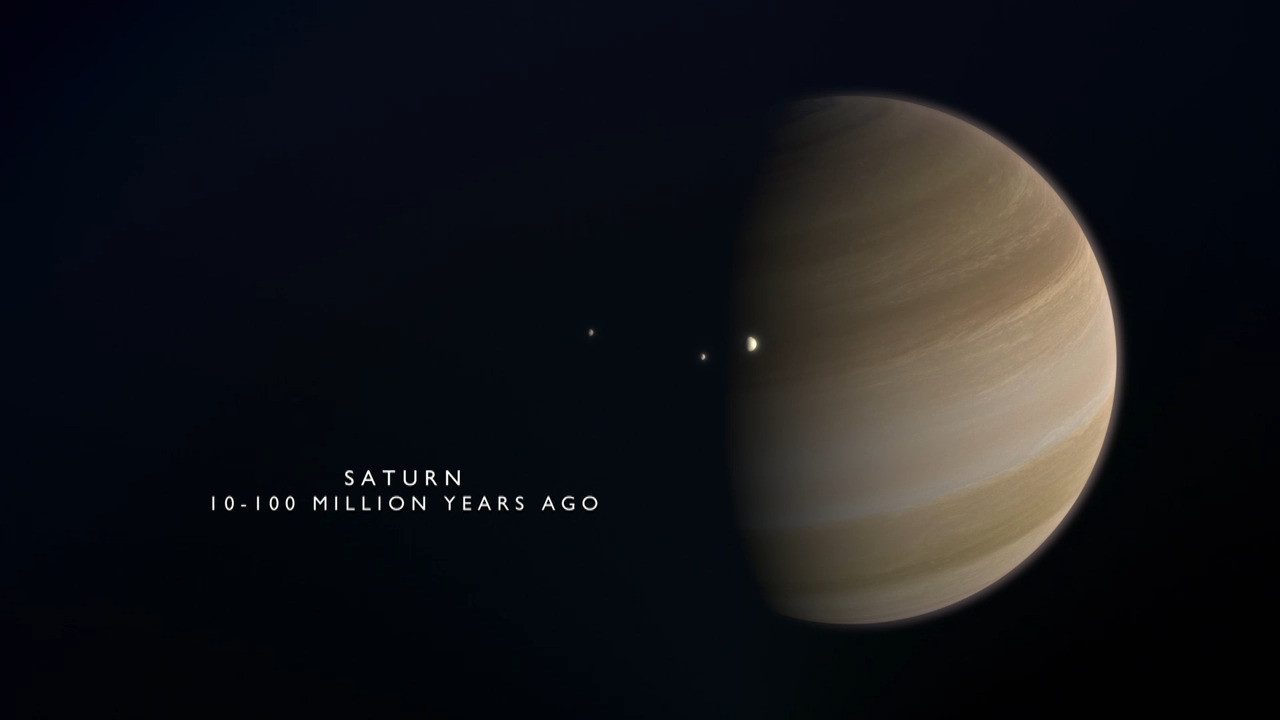
In Fhe Creation of Saturn’s Rings, Professor Brian Cox explains how Saturn’s rings came to be and what scientists have learned from the Cassini mission. Learn how dynamic and dramatic Saturn’s iconic rings are and the role that gravity plays in creating its rings. This video is excerpted from BBC’s The Planets, a series that explores the dramatic lives of the eight planets in our Solar System.
In Mercury, the Solar System's Smallest Planet, narrator Professor Brian Cox highlights the brutal environment of the smallest planet in our Solar System. Its small size meant Mercury didn’t have enough gravity to hang on to its atmosphere. Without the protection of even that thin line of gas, temperatures fluctuate from 842°F (450°C) during the day to -290°F (-180C) degrees at night on the rocky planet. This video is excerpted from BBC’s The Planets, a series that explores the dramatic lives of the eight planets in our Solar System.
In Microscopic Life in Ice, Professor Brian Cox explores an ice cave and finds microorganisms that are living in the ice. He discusses what this means for life on other planets and moons with scientist Richard Hoover. This video is excerpted from BBC’s The Planets, a series that explores the dramatic lives of the eight planets in our Solar System.
In Europa and Life on Moons, Professor Brian Cox explains how the geological discoveries on faraway moons have impacted what scientists think about them. Then he visits an ice cave in Iceland to discuss how the ice cave can teach us about Europa, Jupiter’s moon. This video is excerpted from BBC’s The Planets, a series that explores the dramatic lives of the eight planets in our Solar System.
In Energy From the Earth and the Conditions for Life, Professor Brian Cox brings us to Taal Lake in the Philippines. Watch energy bubble up from below the Earth’s surface and learn how this energy creates a natural battery that can be used to power a motor. Where else on Earth can we find these high energy conditions? This video is excerpted from BBC’s The Planets, a series that explores the dramatic lives of the eight planets in our Solar System.
In Landing Curiosity on a Mission to Mars Professor Brian Cox explains what scientists thought about life on Mars in the 1970s, how that changed, and what we learned from the first landing on Mars, the Curiosity rover. This video is excerpted from BBC’s The Planets, a series that explores the dramatic lives of the eight planets in our Solar System.
In The Search for Life Continues, Professor Brian Cox wonders about the possibility of complex life and civilization on other planets. And, if we are, in fact, alone in our galaxy, what does that mean for our value in the Universe? This video is excerpted from BBC’s The Planets, a series that explores the dramatic lives of the eight planets in our Solar System.
In Intelligent Life — Is It Out There?, Professor Brian Cox explains what happened when complex life developed and what this means for the search for life beyond Earth. This video is excerpted from BBC’s The Planets, a series that explores the dramatic lives of the eight planets in our Solar System.
In The Most Profound Question — Are We Alone?, Professor Brian Cox explains the most profound question that we can answer, and how humans can investigate Earth to support discoveries in outer space. This video is excerpted from BBC’s The Planets, a series that explores the dramatic lives of the eight planets in our Solar System.
In Uranus, a Boring Planet?, Professor Brian Cox explains what scientists have learned about Uranus, a planet described as featureless and boring. But Uranus does have a mystery! How did it end up tipped on its side with rings that circle it from top to bottom? This video is excerpted from BBC’s The Planets, a series that explores the dramatic lives of the eight planets in our Solar System.
In Neptune, Ice Giant, Professor Brian Cox explains how Neptune is unique because of its atmosphere, cold temperatures, weather, and wind speed. Learn how the pressure and lack of features on Neptune create the highest wind speeds in the Solar System. This video is excerpted from BBC’s The Planets, a series that explores the dramatic lives of the eight planets in our Solar System.
In Saturn's Dramatic Weather, Professor Brian Cox explains how Saturn is able to maintain dramatic weather when it is so far from the Sun. Learn how the pressure on Saturn creates clouds, storms, and diamond rain. This video is excerpted from BBC’s The Planets, a series that explores the dramatic lives of the eight planets in our Solar System.
In Fhe Creation of Saturn’s Rings, Professor Brian Cox explains how Saturn’s rings came to be and what scientists have learned from the Cassini mission. Learn how dynamic and dramatic Saturn’s iconic rings are and the role that gravity plays in creating its rings. This video is excerpted from BBC’s The Planets, a series that explores the dramatic lives of the eight planets in our Solar System.