Planet Earth II
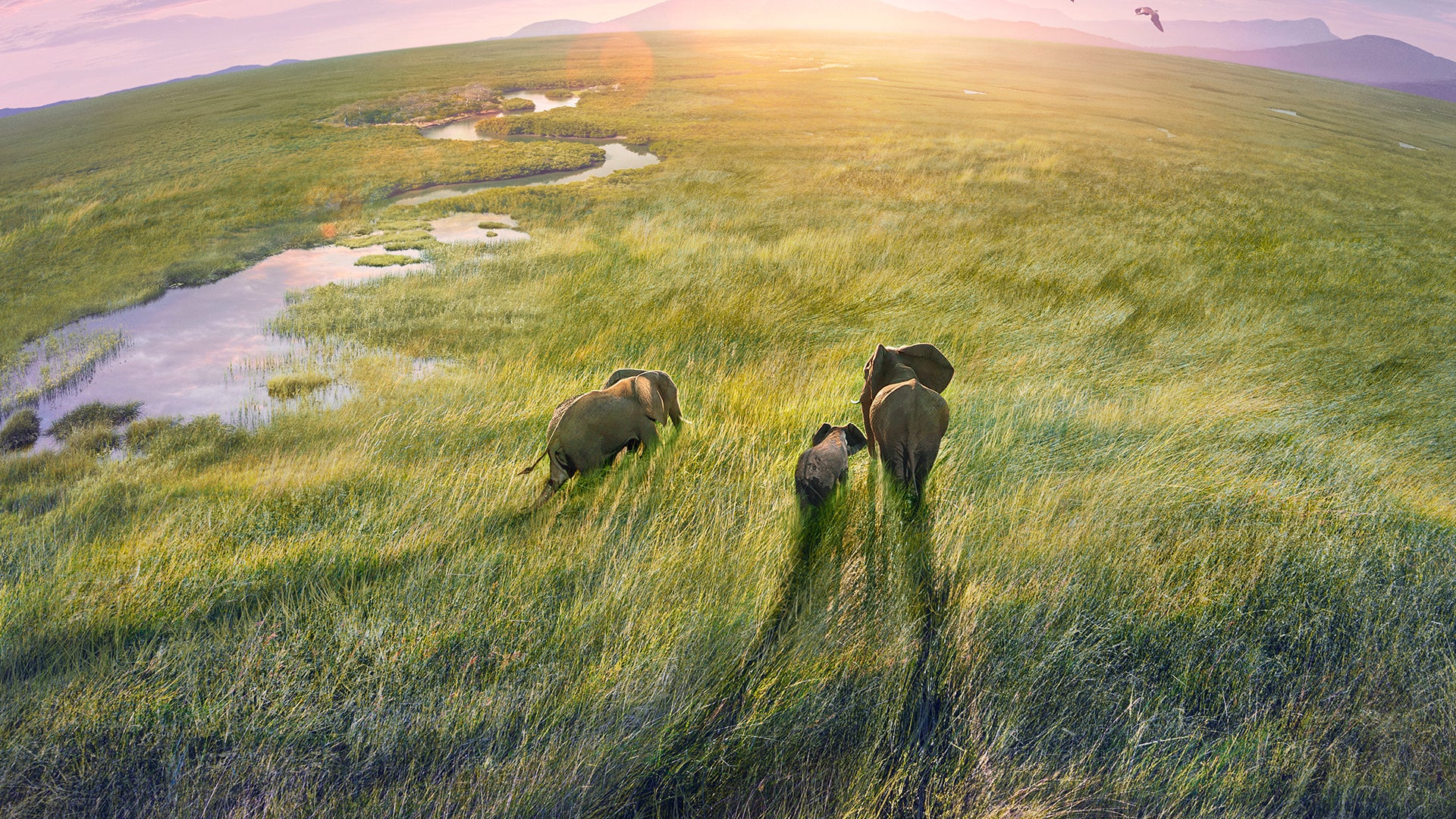
Experience the world from the viewpoint of animals themselves. From spellbinding wildlife spectacle to intimate encounters, Planet Earth II takes you closer than ever before.
Planet Earth II takes learners on a breathtaking journey through some of Earth's most extraordinary habitats, from mountains and jungles to deserts, islands, and cities. Through remarkable wildlife stories, students explore animal adaptations, ecosystems, predator-prey relationships, biodiversity, and the ways living things respond to their environments.
Ages 8–18
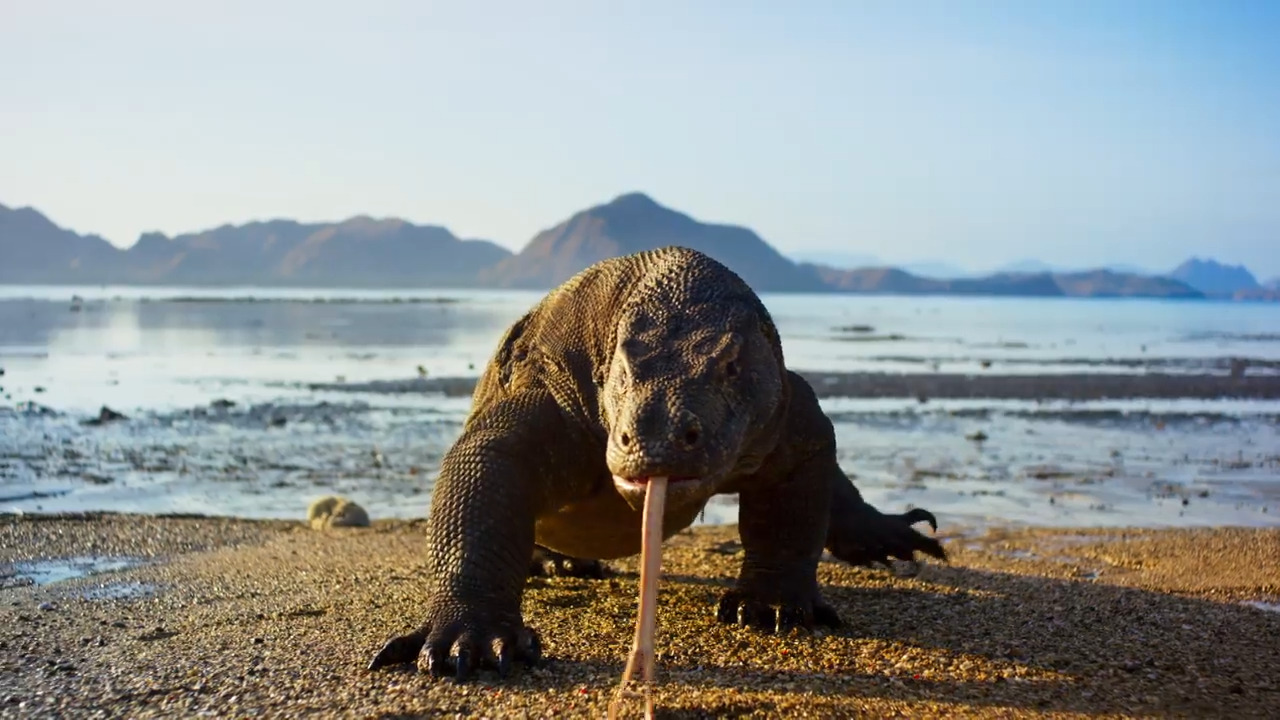
In Battles of the Komodo Dragons, narrator Sir David Attenborough describes the dramatic clashes between these apex predators on Komodo Island. From battles for territory to fierce competition for food and mates, Komodo dragons use their immense strength and strategy to dominate their environment. This video is excerpted from BBC’s Planet Earth II, a breathtaking documentary series that highlights the natural wonders of our planet.
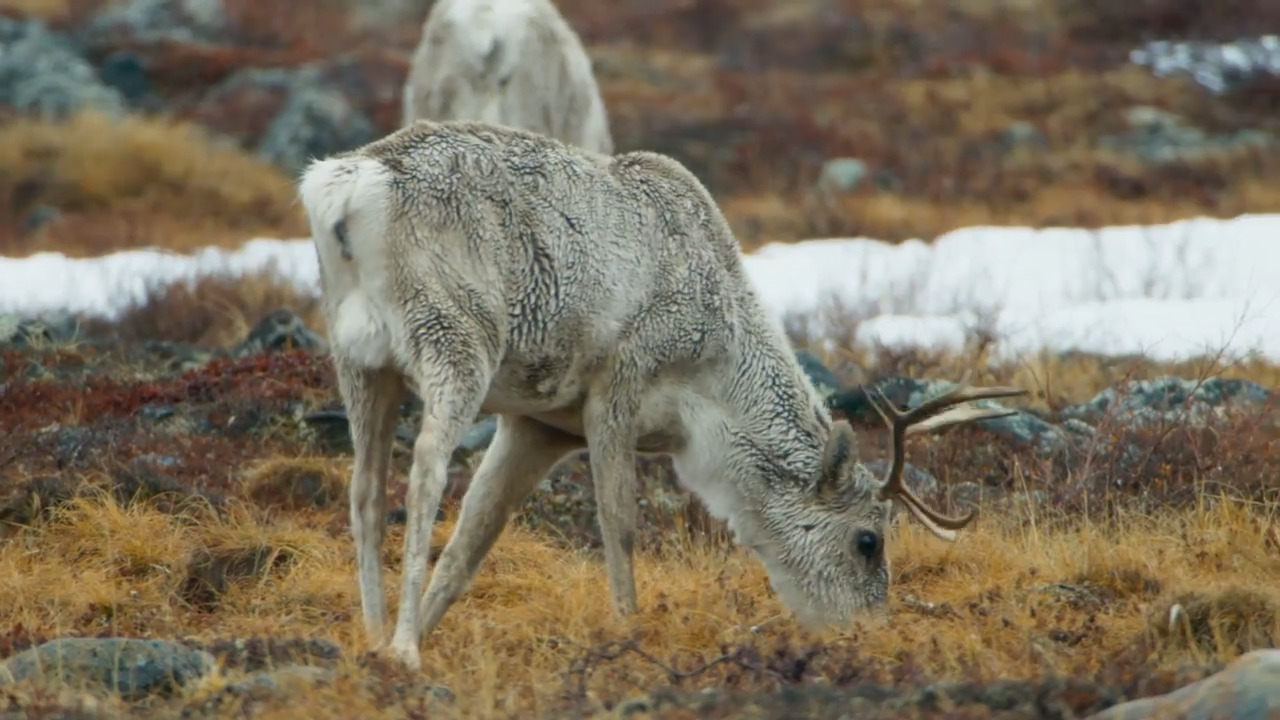
In A Caribou Migration Across the Tundra, follow narrator Sir David Attenborough on an incredible journey as caribou calves embark on their first migration across the Arctic tundra. Watch their determination and resilience as they encounter predators and navigate the difficulties of their surroundings. This video is excerpted from BBC’s Planet Earth II, a breathtaking documentary series that highlights the natural wonders of our planet.
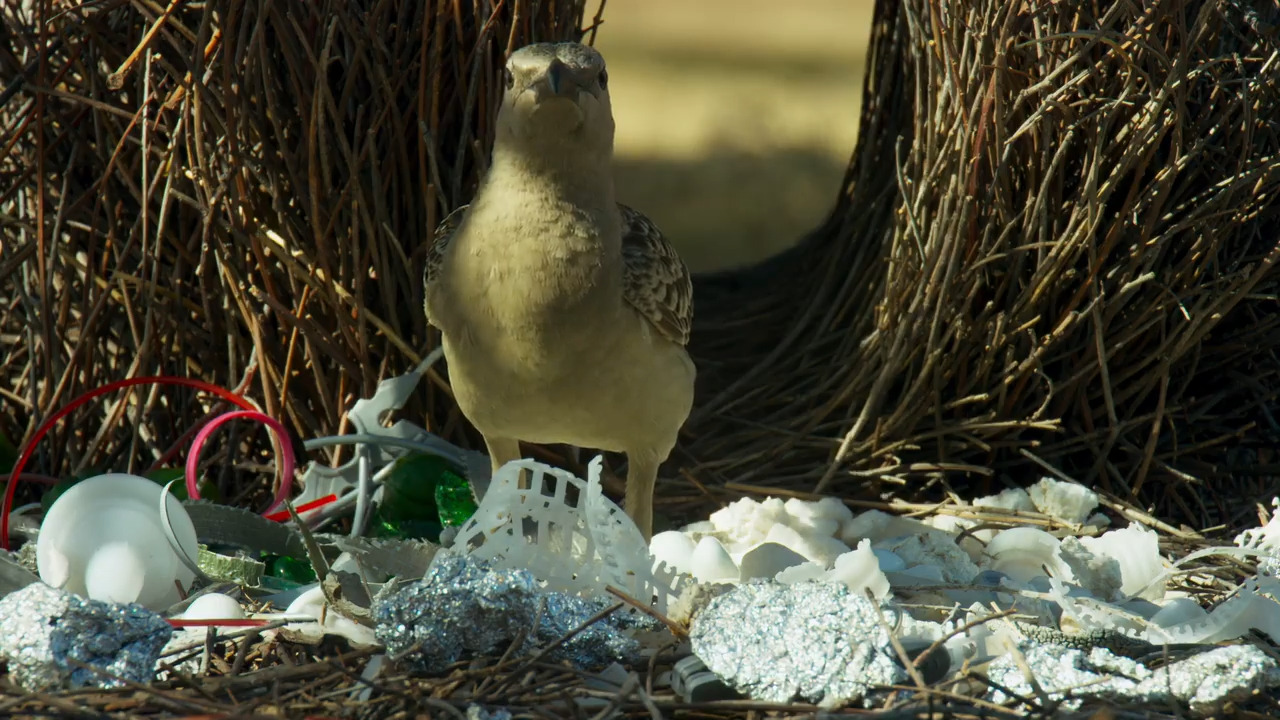
In Starling Murmurations and Bowerbird Romance, narrator Sir David Attenborough presents ways that wildlife adapts to urban environments. Starlings in Rome form massive, swirling flocks for warmth and protection, while in Australia, a bowerbird demonstrates resourcefulness by using discarded objects to build an elaborate courtship display. This video is excerpted from BBC's Planet Earth, a breathtaking documentary series that highlights the natural wonders of our planet.
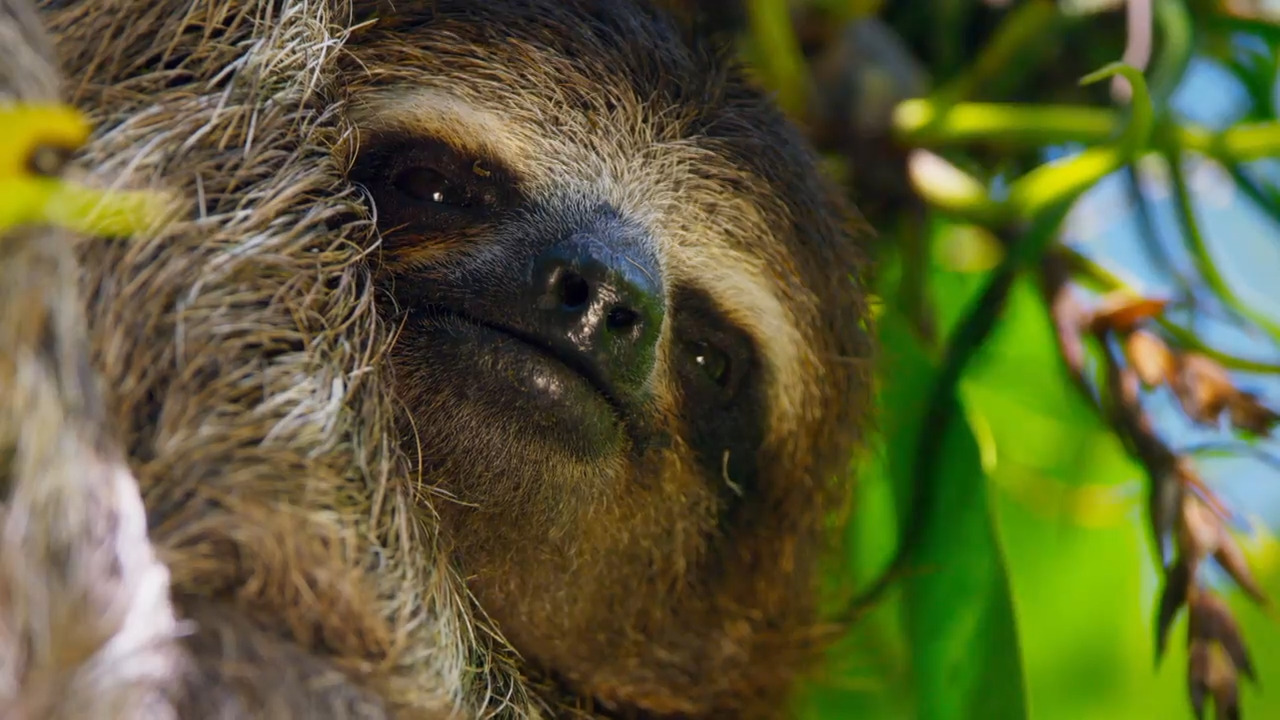
In The Pygmy Sloth's Search for a Mate, narrator Sir David Attenborough explains the unique challenges faced by pygmy sloths on Escudo de Veraguas Island. Although the island offers food and safety, it also creates isolation that makes it difficult for male pygmy sloths to find a mate. This video is excerpted from BBC’s Planet Earth II, a breathtaking documentary series that highlights the natural wonders of our planet.
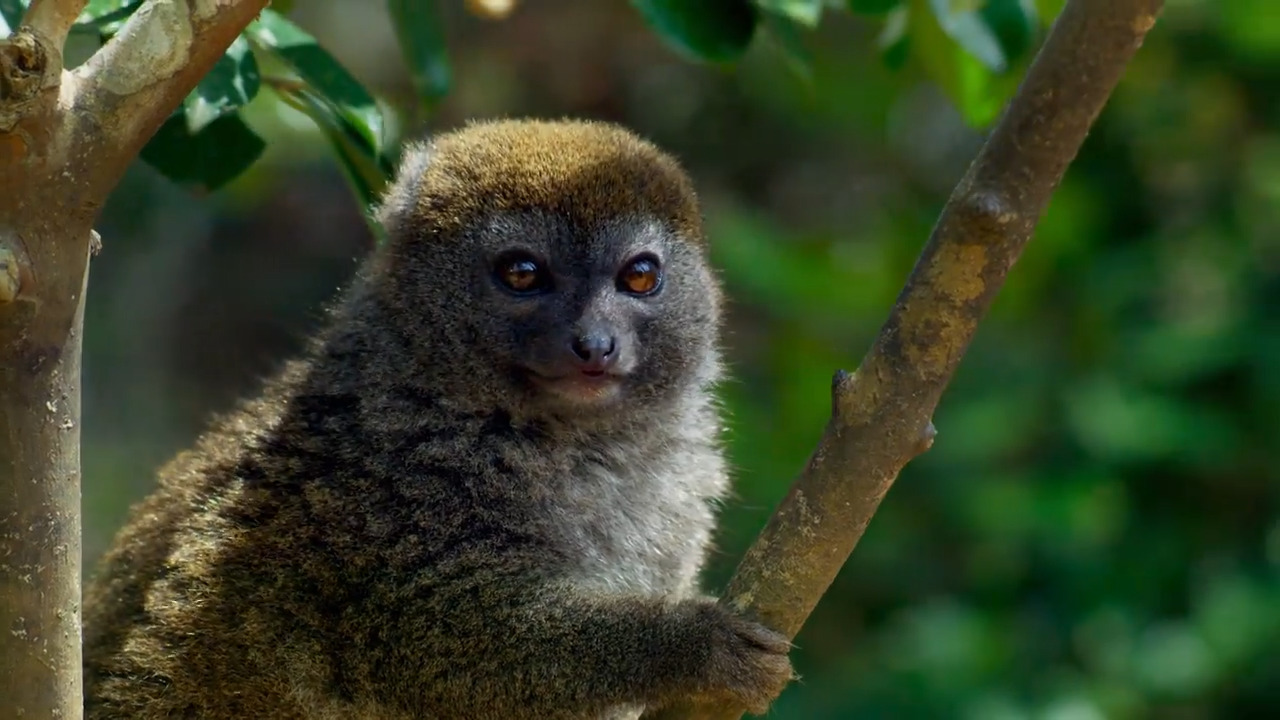
In Finding a Niche in a Crowded Jungle Ecosystem, narrator Sir David Attenborough discovers how animals like the indri — a large lemur native to Madagascar — adapt to survive in one of the most competitive environments on Earth. In the dense jungle, the indri has developed unique strategies to find its place in this crowded ecosystem. This video is excerpted from BBC’s Planet Earth II, a breathtaking documentary series that highlights the natural wonders of our planet.
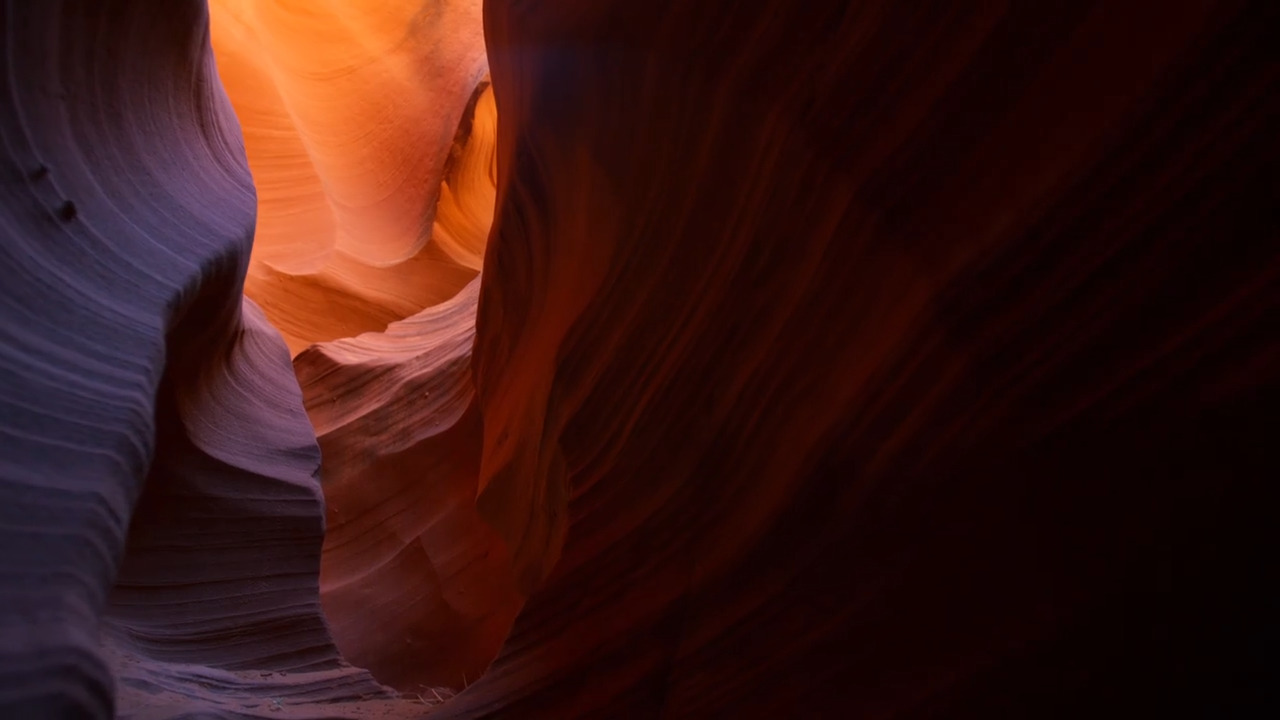
In The Dramatic Landscapes of the American West, narrator Sir David Attenborough explores the desert of the American West as a 10-month drought is ended by an intense thunderstorm. As millions of tons of water are dumped in under an hour, raging rivers form. Over millions of years, raging waters like these have carved slot canyons and shaped a beautiful landscape. This video is excerpted from BBC’s Planet Earth II, a breathtaking documentary series that highlights the natural wonders of our planet.
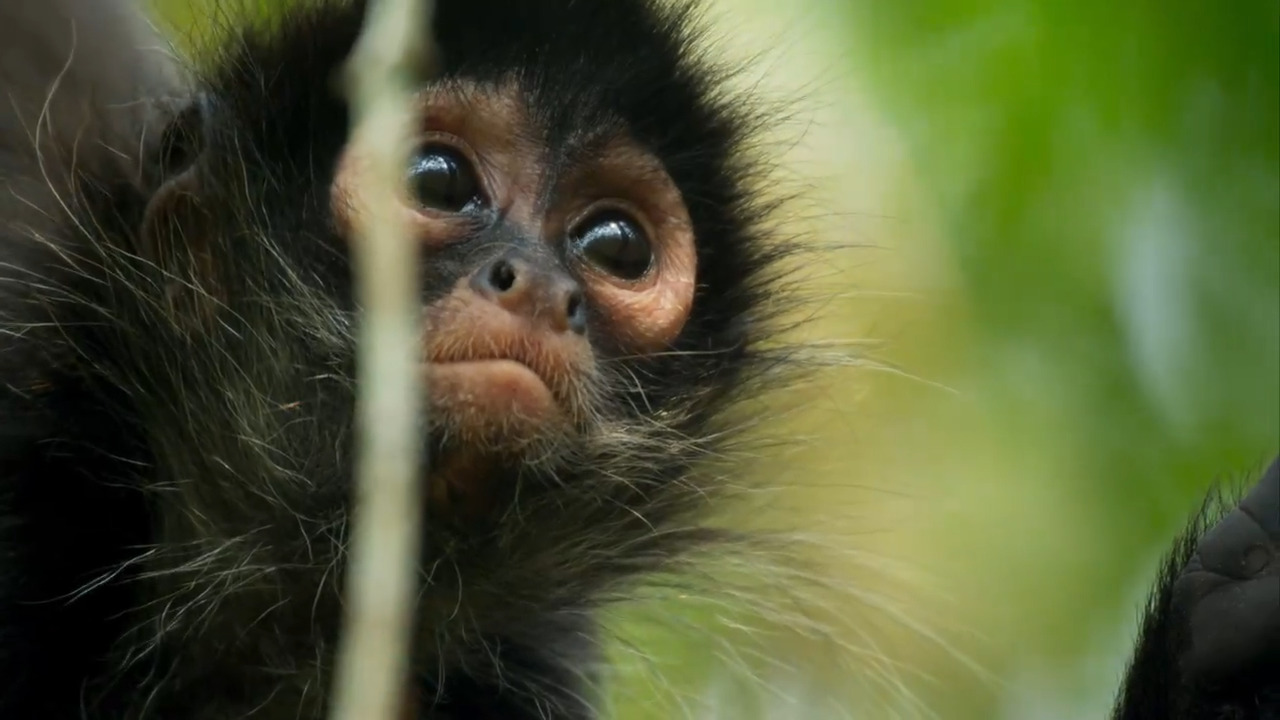
In A Spider Monkey's First Steps, narrator Sir David Attenborough narrates the journey of a young spider monkey as she learns to climb and navigate the rainforest canopy. Learn the importance of family and group behaviors as the young monkey develops the skills necessary for survival in the jungle. This video is excerpted from BBC’s Planet Earth II, a breathtaking documentary series that highlights the natural wonders of our planet.
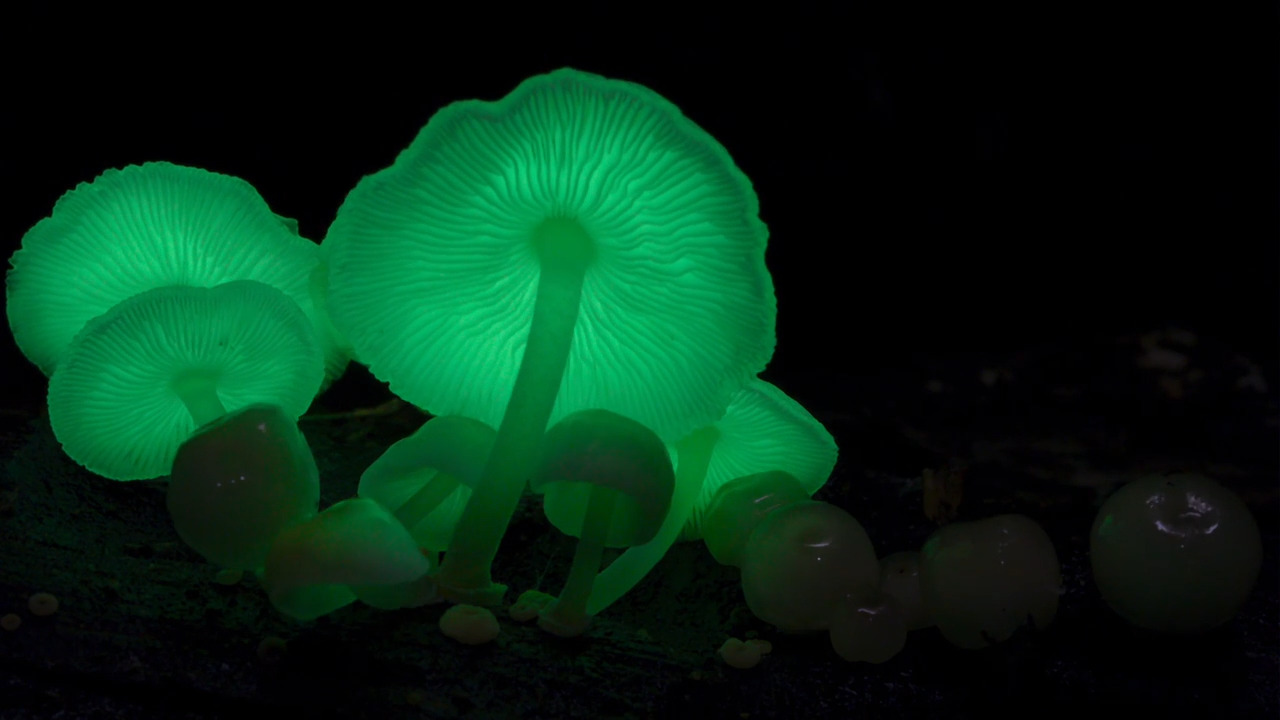
In Bioluminescence and Jungle Predators, narrator Sir David Attenborough explores the fascinating world of bioluminescence in the jungle. The video showcases how glowing fungi lure insects and how the railroad worm uses its colorful glow to hunt in the dark. This video is excerpted from BBC’s Planet Earth II, a breathtaking documentary series that highlights the natural wonders of our planet.
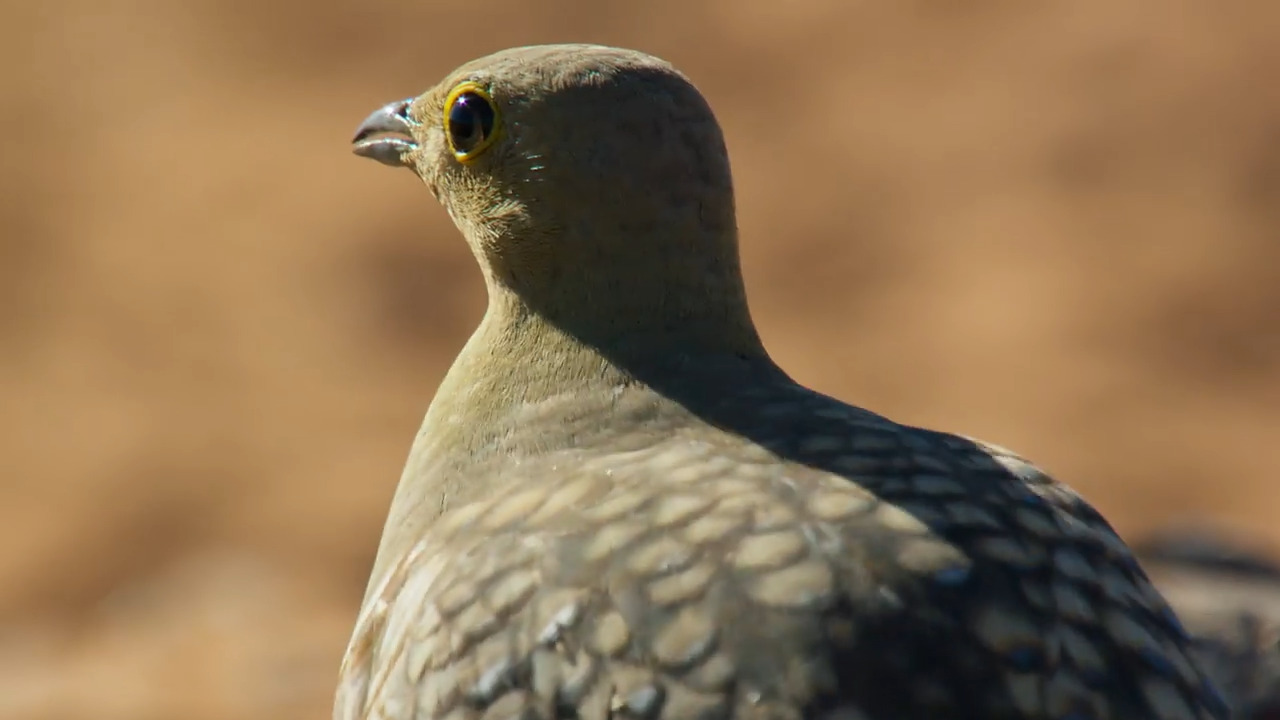
In The Sandgrouse's Daily Search for Water, narrator Sir David Attenborough describes the extraordinary efforts of a male sandgrouse as he embarks on a treacherous 200-kilometer round trip each day through the Kalahari Desert to find water for his chicks. Along the way, he faces dangerous predators like the goshawk, and endures the heat of the desert. This video is excerpted from BBC’s Planet Earth II, a breathtaking documentary series that highlights the natural wonders of our planet.
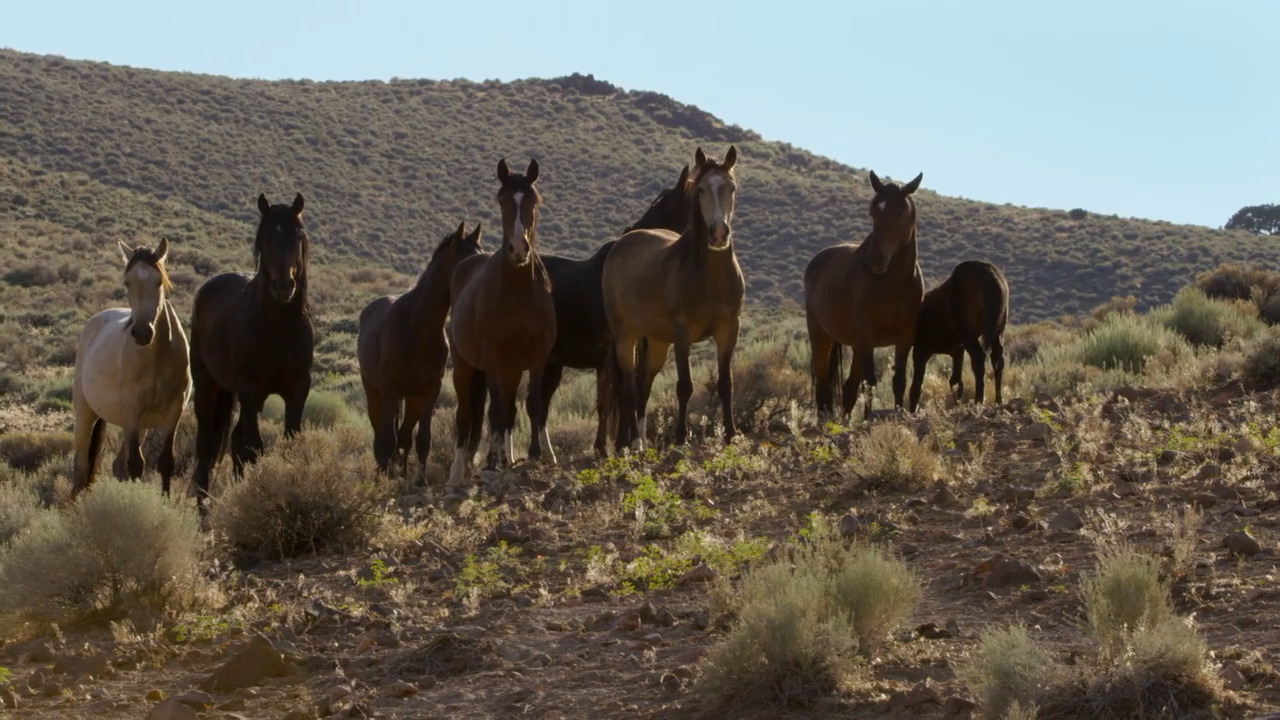
In The Mustangs of Nevada, narrator Sir David Attenborough describes the intense struggle between wild stallions competing for control of a waterhole in the Nevada Desert. These mustangs engage in fierce battles for access to water, a vital resource necessary for their survival in the desert. This video is excerpted from BBC’s Planet Earth II, a breathtaking documentary series that highlights the natural wonders of our planet.
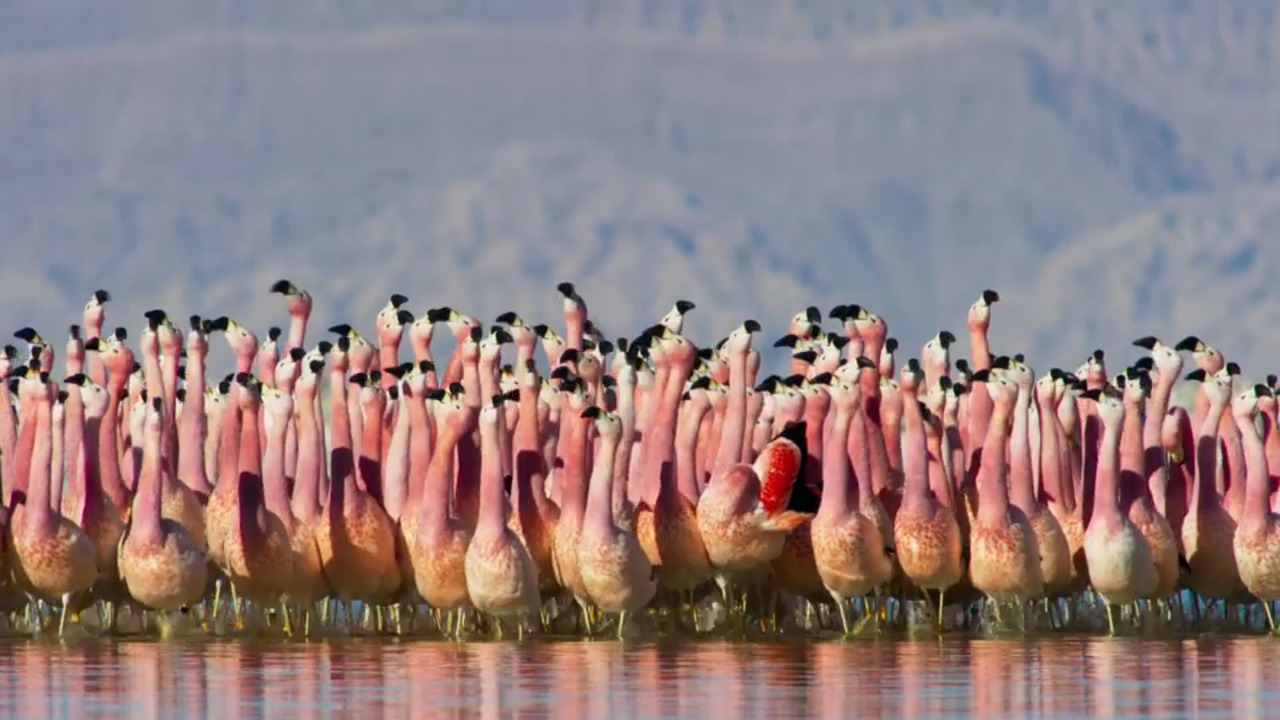
In The World’s Harshest Flamingo Colony, narrator Sir David Attenborough shows how flamingos survive in extreme environments. These flamingos live in the High Andes, where freezing temperatures, high altitudes, and intense UV radiation challenge their survival. This video is excerpted from BBC’s Planet Earth II, a breathtaking documentary series that highlights the natural wonders of our planet.
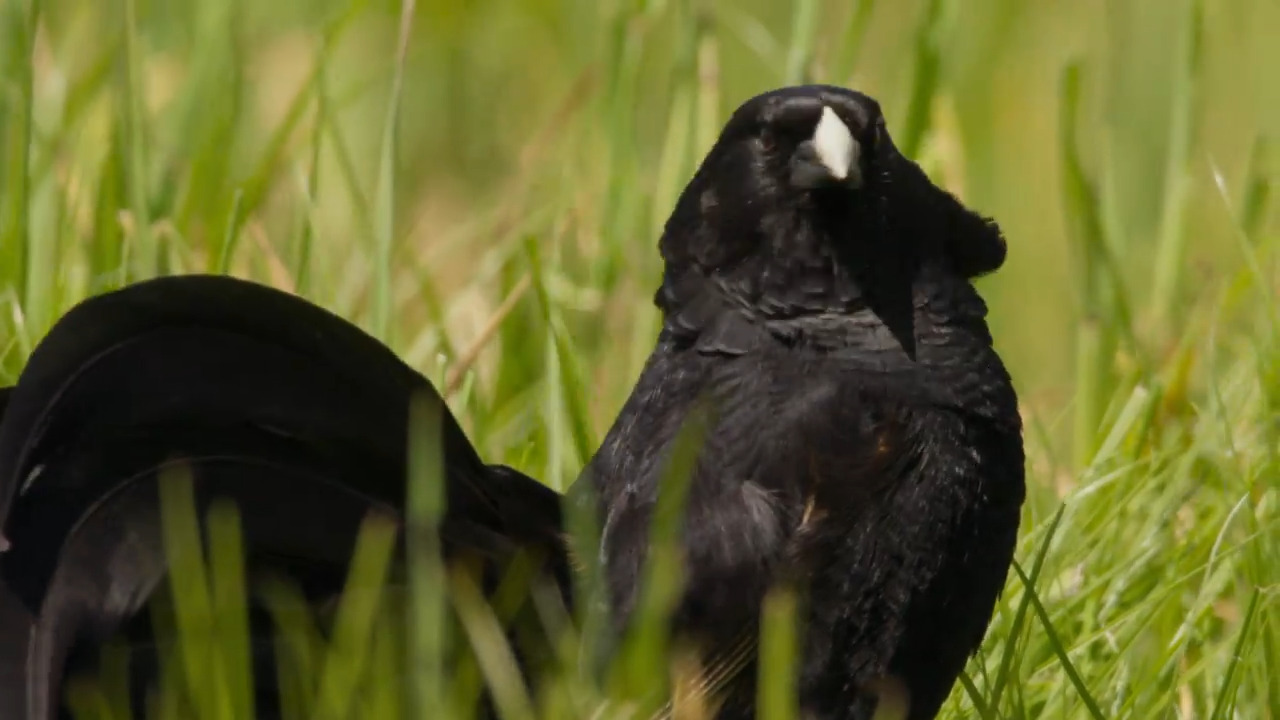
In The Widowbird's Dance, narrator Sir David Attenborough shares how the male Jackson’s widowbird uses an elaborate courtship dance to attract a mate. This extraordinary ritual involves the male displaying his impressive breeding plumage while performing an energetic dance to catch the attention of a female. This video is excerpted from BBC’s Planet Earth II, a breathtaking documentary series that highlights the natural wonders of our planet.
In Battles of the Komodo Dragons, narrator Sir David Attenborough describes the dramatic clashes between these apex predators on Komodo Island. From battles for territory to fierce competition for food and mates, Komodo dragons use their immense strength and strategy to dominate their environment. This video is excerpted from BBC’s Planet Earth II, a breathtaking documentary series that highlights the natural wonders of our planet.
In A Caribou Migration Across the Tundra, follow narrator Sir David Attenborough on an incredible journey as caribou calves embark on their first migration across the Arctic tundra. Watch their determination and resilience as they encounter predators and navigate the difficulties of their surroundings. This video is excerpted from BBC’s Planet Earth II, a breathtaking documentary series that highlights the natural wonders of our planet.
In Starling Murmurations and Bowerbird Romance, narrator Sir David Attenborough presents ways that wildlife adapts to urban environments. Starlings in Rome form massive, swirling flocks for warmth and protection, while in Australia, a bowerbird demonstrates resourcefulness by using discarded objects to build an elaborate courtship display. This video is excerpted from BBC's Planet Earth, a breathtaking documentary series that highlights the natural wonders of our planet.
In The Pygmy Sloth's Search for a Mate, narrator Sir David Attenborough explains the unique challenges faced by pygmy sloths on Escudo de Veraguas Island. Although the island offers food and safety, it also creates isolation that makes it difficult for male pygmy sloths to find a mate. This video is excerpted from BBC’s Planet Earth II, a breathtaking documentary series that highlights the natural wonders of our planet.
In Finding a Niche in a Crowded Jungle Ecosystem, narrator Sir David Attenborough discovers how animals like the indri — a large lemur native to Madagascar — adapt to survive in one of the most competitive environments on Earth. In the dense jungle, the indri has developed unique strategies to find its place in this crowded ecosystem. This video is excerpted from BBC’s Planet Earth II, a breathtaking documentary series that highlights the natural wonders of our planet.
In The Dramatic Landscapes of the American West, narrator Sir David Attenborough explores the desert of the American West as a 10-month drought is ended by an intense thunderstorm. As millions of tons of water are dumped in under an hour, raging rivers form. Over millions of years, raging waters like these have carved slot canyons and shaped a beautiful landscape. This video is excerpted from BBC’s Planet Earth II, a breathtaking documentary series that highlights the natural wonders of our planet.
In A Spider Monkey's First Steps, narrator Sir David Attenborough narrates the journey of a young spider monkey as she learns to climb and navigate the rainforest canopy. Learn the importance of family and group behaviors as the young monkey develops the skills necessary for survival in the jungle. This video is excerpted from BBC’s Planet Earth II, a breathtaking documentary series that highlights the natural wonders of our planet.
In Bioluminescence and Jungle Predators, narrator Sir David Attenborough explores the fascinating world of bioluminescence in the jungle. The video showcases how glowing fungi lure insects and how the railroad worm uses its colorful glow to hunt in the dark. This video is excerpted from BBC’s Planet Earth II, a breathtaking documentary series that highlights the natural wonders of our planet.
In The Sandgrouse's Daily Search for Water, narrator Sir David Attenborough describes the extraordinary efforts of a male sandgrouse as he embarks on a treacherous 200-kilometer round trip each day through the Kalahari Desert to find water for his chicks. Along the way, he faces dangerous predators like the goshawk, and endures the heat of the desert. This video is excerpted from BBC’s Planet Earth II, a breathtaking documentary series that highlights the natural wonders of our planet.
In The Mustangs of Nevada, narrator Sir David Attenborough describes the intense struggle between wild stallions competing for control of a waterhole in the Nevada Desert. These mustangs engage in fierce battles for access to water, a vital resource necessary for their survival in the desert. This video is excerpted from BBC’s Planet Earth II, a breathtaking documentary series that highlights the natural wonders of our planet.
In The World’s Harshest Flamingo Colony, narrator Sir David Attenborough shows how flamingos survive in extreme environments. These flamingos live in the High Andes, where freezing temperatures, high altitudes, and intense UV radiation challenge their survival. This video is excerpted from BBC’s Planet Earth II, a breathtaking documentary series that highlights the natural wonders of our planet.
In The Widowbird's Dance, narrator Sir David Attenborough shares how the male Jackson’s widowbird uses an elaborate courtship dance to attract a mate. This extraordinary ritual involves the male displaying his impressive breeding plumage while performing an energetic dance to catch the attention of a female. This video is excerpted from BBC’s Planet Earth II, a breathtaking documentary series that highlights the natural wonders of our planet.