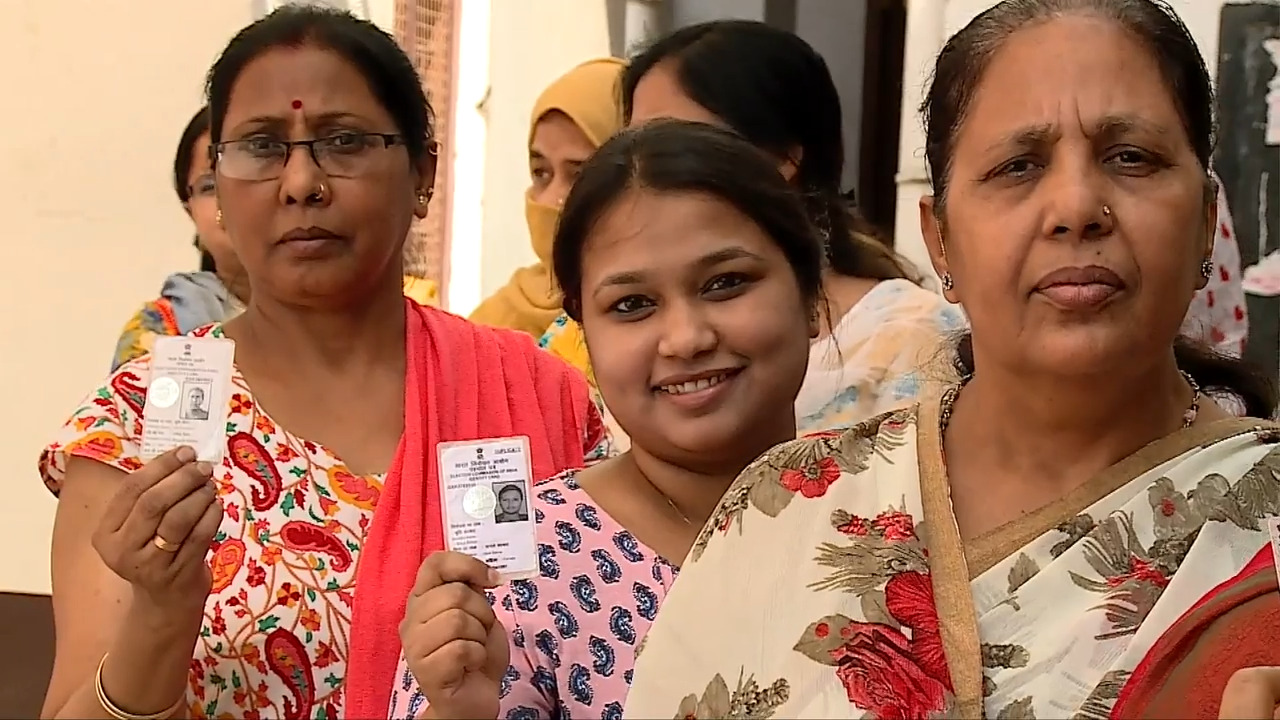
In Women in Politics, host Radzi Chinyanganya explores the current state of gender representation in global politics. At present, 25% of politicians worldwide are women. This video delves into the importance of gender quotas, which aim to ensure more female representation in governments and help level the playing field in leadership positions. This video is excerpted from BBC’s My World, a program created for teenagers eager to learn more about the important stories shaping our world.
Explore the experiences of women who reached the highest levels of political leadership in this Kahoot about power, representation, and social change. Through the stories of Margaret Thatcher, Hillary Clinton, and Michelle Bachelet, students will examine how gender, prejudice, and feminism have shaped women’s paths to leadership in different countries and time periods.
This Kahoot explores the challenges and expectations faced by women in politics, including public perception, stereotypes, representation, and the debate over equality and leadership. Students will build listening skills, vocabulary, and historical awareness while considering how women leaders have influenced politics and challenged traditional ideas about power around the world.
Watch the related BBC video, Margaret Thatcher and Hillary Clinton, Women in Power, then invite your Grade 6–12 students to test their knowledge and explore how leadership and representation continue to shape society today.
Meet Seven Women Leaders From All Around the World Who Broke Barriers.
They navigated crisis, criticism, and political pressure. They were pioneers, reformers, and power brokers — but they were also complex figures shaped by culture, controversy, and the eras in which they governed. In honor of Women’s History Month, this video playlist explores influential leaders from around the globe through BBC clips featuring Hillary Clinton, Margaret Thatcher, Michelle Bachelet, and more.
From national parliaments to international financial institutions, these women led in vastly different political systems and cultural landscapes. Some championed social reform. Others advanced market-driven policies. All faced intense scrutiny — not only for their decisions, but for their leadership styles, identities, and the expectations placed upon women in power.
This thoughtful playlist invites students to examine leadership with nuance: How do gender and politics intersect? How do public expectations shape women leaders differently? And what can we learn from both their accomplishments and their controversies?
In Margaret Thatcher and Hillary Clinton, Women in Power, explore the experiences of female political leaders. Thatcher attributed her success to her abilities, and didn't focus on being a woman, though some critics say she didn’t create paths for other women. Clinton faced criticism for not emphasizing women’s rights in her 2008 presidential campaign. This video is excerpted from BBC's Her Story — The Female Revolution, which explores the history and impact of women’s rights movements and achievements of women.
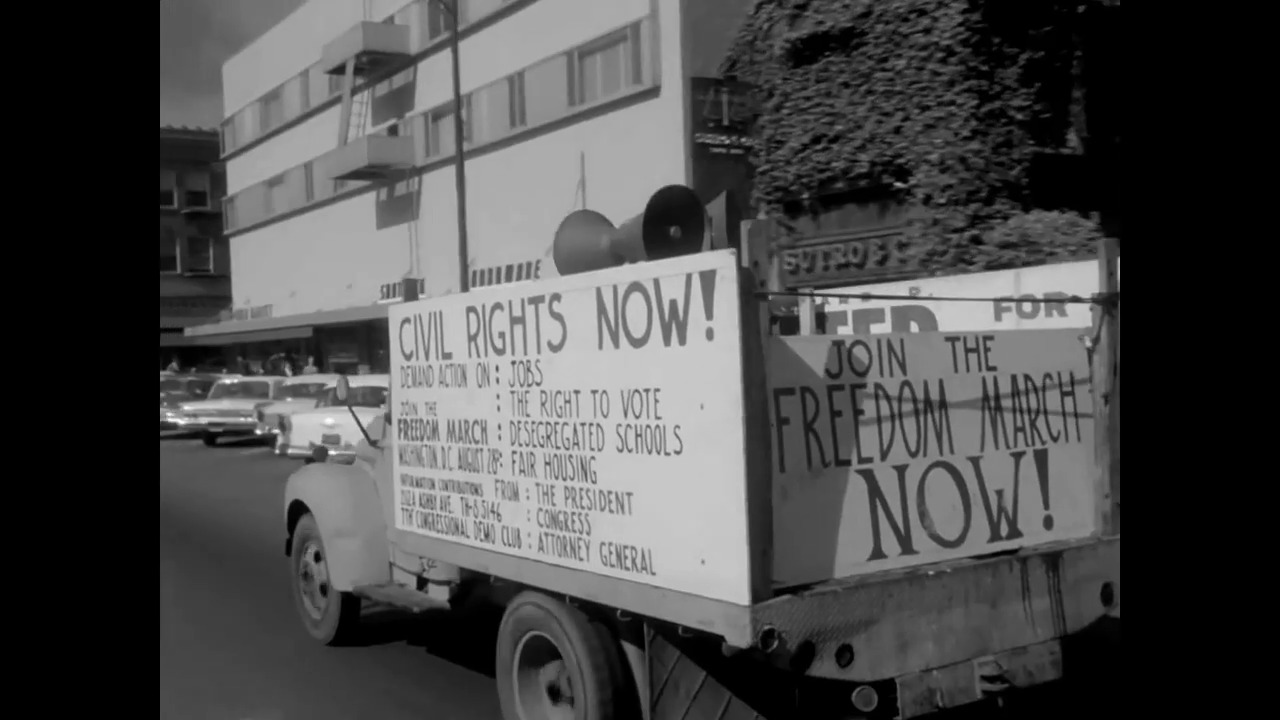
In Martin Luther King Jr.'s Conflicting Politics, historian Lucy Worsley learns that although Martin Luther King Jr. campaigned for Civil Rights, he didn't have the same beliefs of equality for men and women. Women were not allowed to speak at the March in Washington. This video is excerpted from BBC's American History's Biggest Fibs with Lucy Worsley, in which Worsley reveals the myths and manipulations behind American history.
In Margot Wallström, Foreign Minister of Sweden, Wallström, who served from 2014 to 2019, talks about her decision to run a feminist foreign policy. She explains how this policy looks at the world’s problems from a gender perspective, asking whether women have the same rights, representation, and resources as men. Wallström shares how growing up in Sweden, one of Europe’s most equal societies, shaped her beliefs in unrestricted hope for the future. She also reflects on the extra scrutiny women face, such as having their appearance commented on, rather than focusing on their work. This video is excerpted from BBC’s Her Story — The Female Revolution, which explores the history and impact of women’s rights movements and achievements of women.
In Women in Politics, host Radzi Chinyanganya explores the current state of gender representation in global politics. At present, 25% of politicians worldwide are women. This video delves into the importance of gender quotas, which aim to ensure more female representation in governments and help level the playing field in leadership positions. This video is excerpted from BBC’s My World, a program created for teenagers eager to learn more about the important stories shaping our world.
Explore the experiences of women who reached the highest levels of political leadership in this Kahoot about power, representation, and social change. Through the stories of Margaret Thatcher, Hillary Clinton, and Michelle Bachelet, students will examine how gender, prejudice, and feminism have shaped women’s paths to leadership in different countries and time periods.
This Kahoot explores the challenges and expectations faced by women in politics, including public perception, stereotypes, representation, and the debate over equality and leadership. Students will build listening skills, vocabulary, and historical awareness while considering how women leaders have influenced politics and challenged traditional ideas about power around the world.
Watch the related BBC video, Margaret Thatcher and Hillary Clinton, Women in Power, then invite your Grade 6–12 students to test their knowledge and explore how leadership and representation continue to shape society today.
Meet Seven Women Leaders From All Around the World Who Broke Barriers.
They navigated crisis, criticism, and political pressure. They were pioneers, reformers, and power brokers — but they were also complex figures shaped by culture, controversy, and the eras in which they governed. In honor of Women’s History Month, this video playlist explores influential leaders from around the globe through BBC clips featuring Hillary Clinton, Margaret Thatcher, Michelle Bachelet, and more.
From national parliaments to international financial institutions, these women led in vastly different political systems and cultural landscapes. Some championed social reform. Others advanced market-driven policies. All faced intense scrutiny — not only for their decisions, but for their leadership styles, identities, and the expectations placed upon women in power.
This thoughtful playlist invites students to examine leadership with nuance: How do gender and politics intersect? How do public expectations shape women leaders differently? And what can we learn from both their accomplishments and their controversies?
In Margaret Thatcher and Hillary Clinton, Women in Power, explore the experiences of female political leaders. Thatcher attributed her success to her abilities, and didn't focus on being a woman, though some critics say she didn’t create paths for other women. Clinton faced criticism for not emphasizing women’s rights in her 2008 presidential campaign. This video is excerpted from BBC's Her Story — The Female Revolution, which explores the history and impact of women’s rights movements and achievements of women.
In Martin Luther King Jr.'s Conflicting Politics, historian Lucy Worsley learns that although Martin Luther King Jr. campaigned for Civil Rights, he didn't have the same beliefs of equality for men and women. Women were not allowed to speak at the March in Washington. This video is excerpted from BBC's American History's Biggest Fibs with Lucy Worsley, in which Worsley reveals the myths and manipulations behind American history.
In Margot Wallström, Foreign Minister of Sweden, Wallström, who served from 2014 to 2019, talks about her decision to run a feminist foreign policy. She explains how this policy looks at the world’s problems from a gender perspective, asking whether women have the same rights, representation, and resources as men. Wallström shares how growing up in Sweden, one of Europe’s most equal societies, shaped her beliefs in unrestricted hope for the future. She also reflects on the extra scrutiny women face, such as having their appearance commented on, rather than focusing on their work. This video is excerpted from BBC’s Her Story — The Female Revolution, which explores the history and impact of women’s rights movements and achievements of women.