
The article "Amazing Animals of Madagascar and Where To Find Them" from BBC's Discover Wildlife is a guide to the extraordinary animals found only on the island of Madagascar. It describes different species like lemurs, aye-ayes, fossas, and giraffe-necked weevils, and the parks and reserves where visitors can see them in their natural homes.
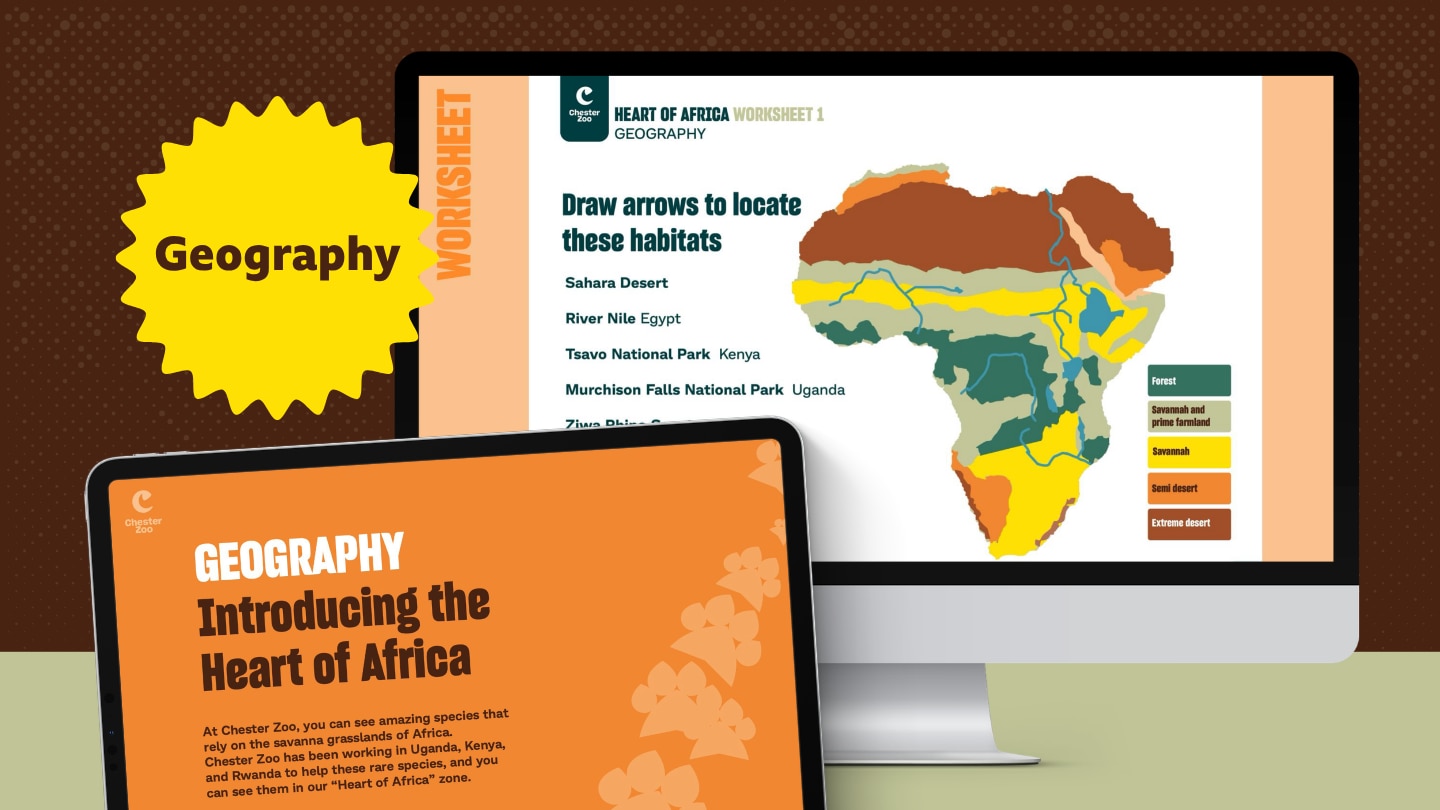
Discover the Heart of Africa! From sweeping savannas and deserts to forests, mountains, and mighty rivers, Africa is home to an incredible variety of landscapes — and an equally incredible variety of wildlife. Travel across the continent with Chester Zoo to explore some of its most fascinating habitats and discover how geography shapes the animals and people who live there.
Explore the countries and landscapes that make up Africa, identify different habitats, and see what makes each one unique. Then zoom in on the savanna to investigate its climate and discover what life is like in one of the world's most iconic ecosystems.
But the savanna is changing. Learn how shifts in climate are affecting this landscape and the wildlife that depends on it, and discover ways people can help protect these important habitats. Along the way, you'll build your geography skills while seeing Africa — and its wildlife — in a whole new way
Don't miss the geography worksheets that go with this lesson!
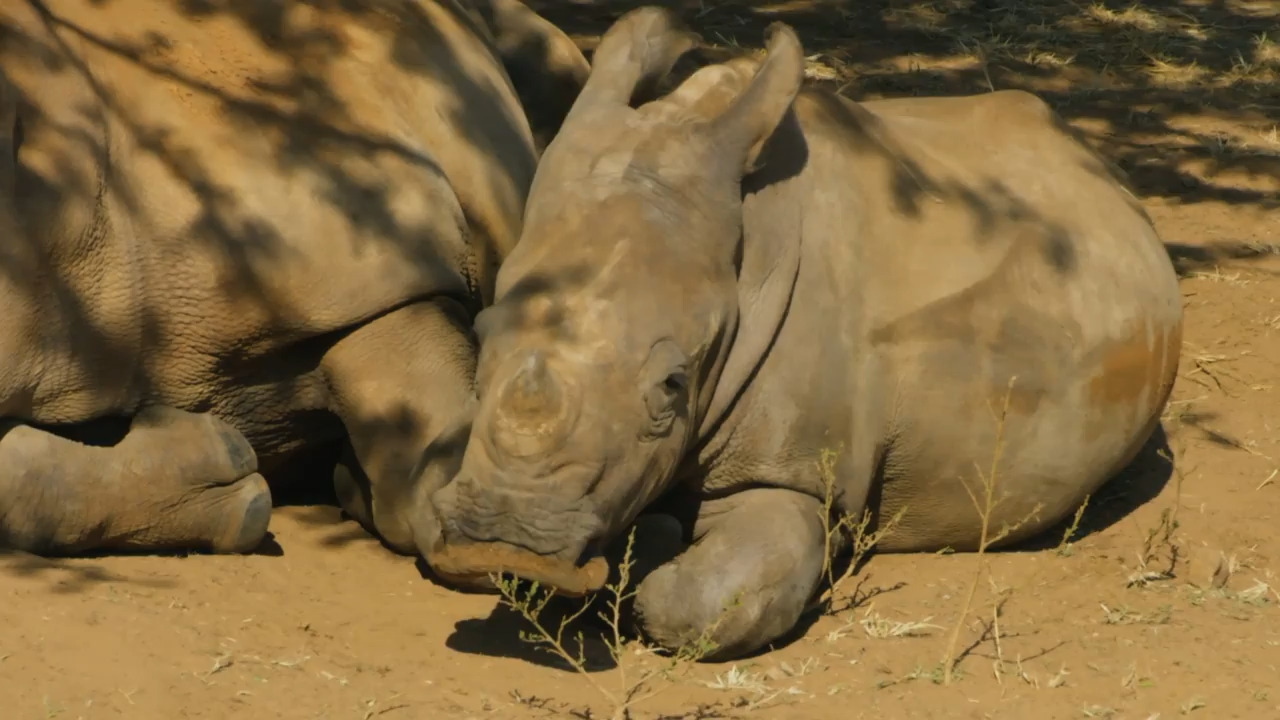
In Inside a Rhino Wildlife Sanctuary, naturalist Steve Backshall visits a high-security wildlife sanctuary in South Africa. Here he meets baby rhinos that have lost their mothers. This video is excerpted from BBC's Deadly 60, an award-winning nature and adventure show for kids in which narrator Steve Backshall has one mission: to travel the globe in search of 60 of the world's deadliest animals.
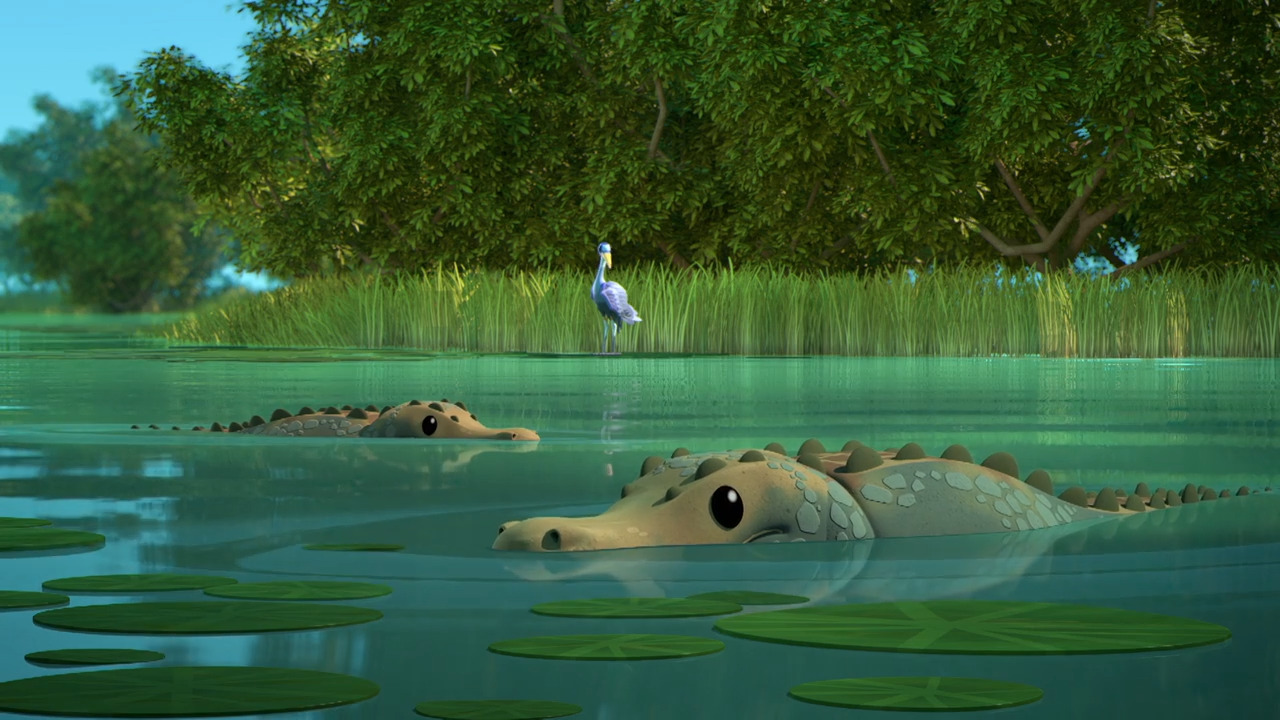
In The Go Jetters Explore the Everglades, the Go Jetters crew visits the Florida Everglades. They encounter a spoonbill and see alligators. Ubercorn shares funky facts about the Everglades, including information about the size of the Everglades National Park and just how diverse the wildlife is in this area. This video is excerpted from BBC’s Go Jetters, a series that follows the adventures of four international heroes as they travel the globe visiting landmarks and solving environmental problems with Ubercorn, a disco-dancing unicorn.
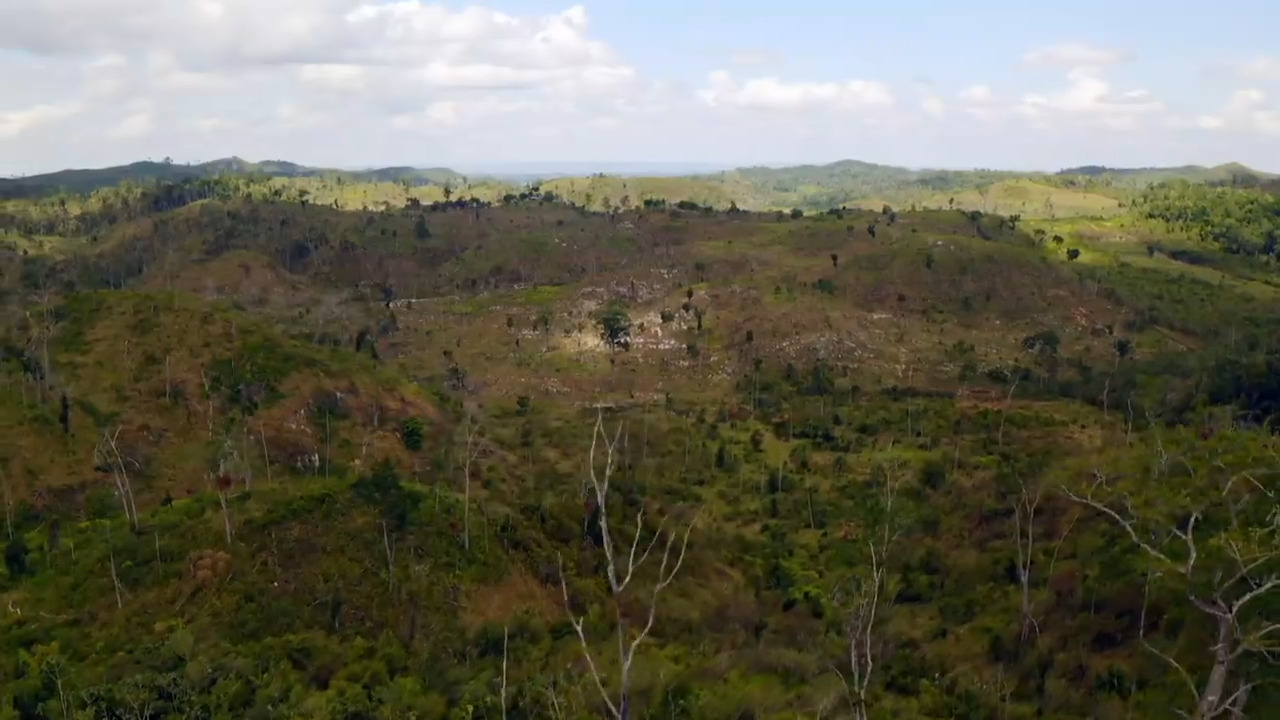
In The Consequences of Deforestation: A Global Problem, host Simon Reeve accompanies conservationists in Belize who have had to resort to drastic measures to protect the forest and its wildlife. This video is excerpted from BBC's Incredible Journeys With Simon Reeve, a series that highlights one journalist’s travels across the globe and the diverse cultures and peoples he meets along the way.
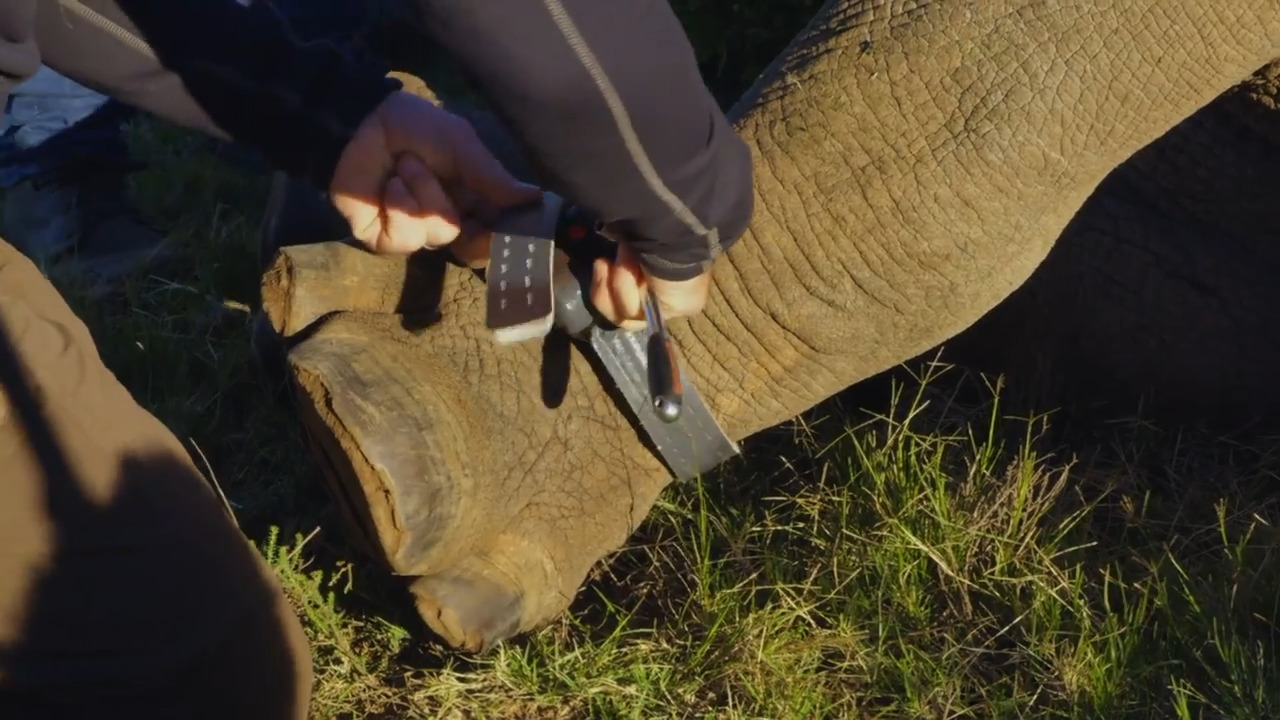
In Protecting Rhinos From Poachers, naturalist Steve Backshall flies across a wildlife reserve to locate Rodney, a male rhino. Rodney is tranquilized, then Steve attaches a collar to him so that he can be located and protected in the future. This video is excerpted from BBC's Deadly 60, an award-winning nature and adventure show for kids in which narrator Steve Backshall has one mission: to travel the globe in search of 60 of the world's deadliest animals.
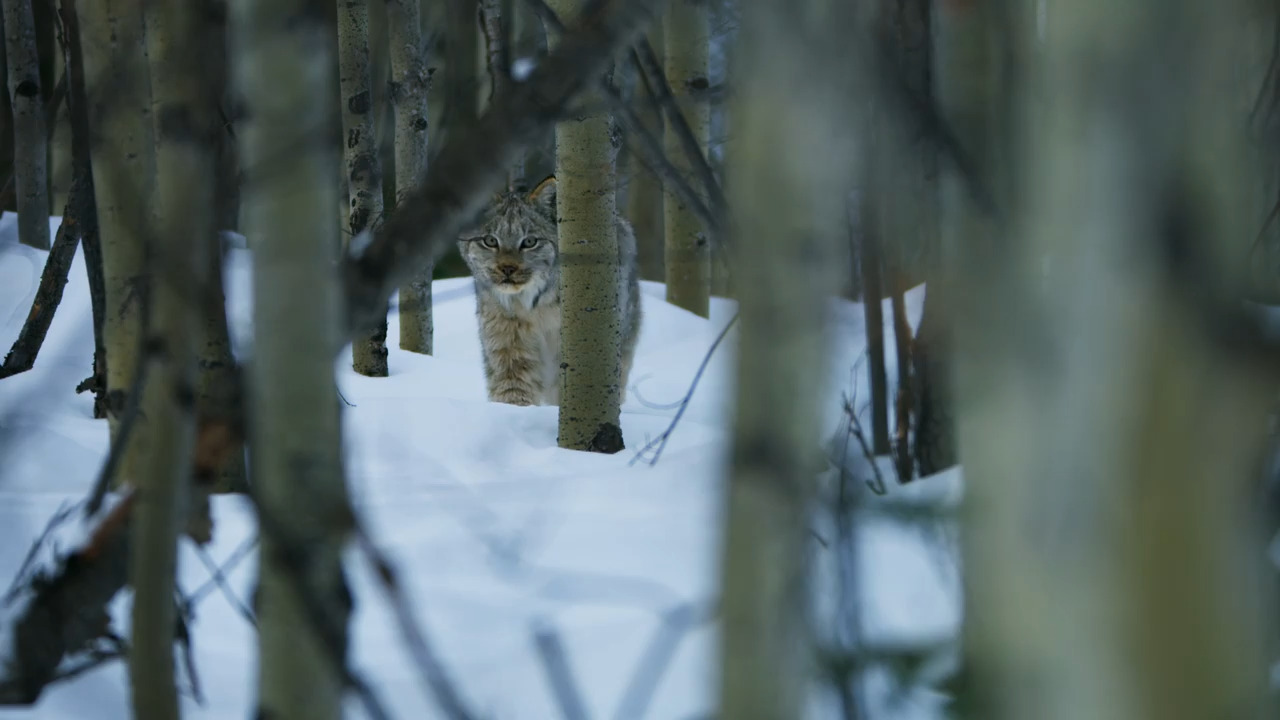
In How Canadian Lynx Survive a Brutal Winter, narrator Sir David Attenborough describes the difficult life of the wildlife that stay in the Arctic North in the winter. A Canadian lynx travels hundreds of miles to hunt for food in order to survive. This video is excerpted from BBC’s Seven Worlds, One Planet, a series featuring remarkable animal behavior from all seven continents.
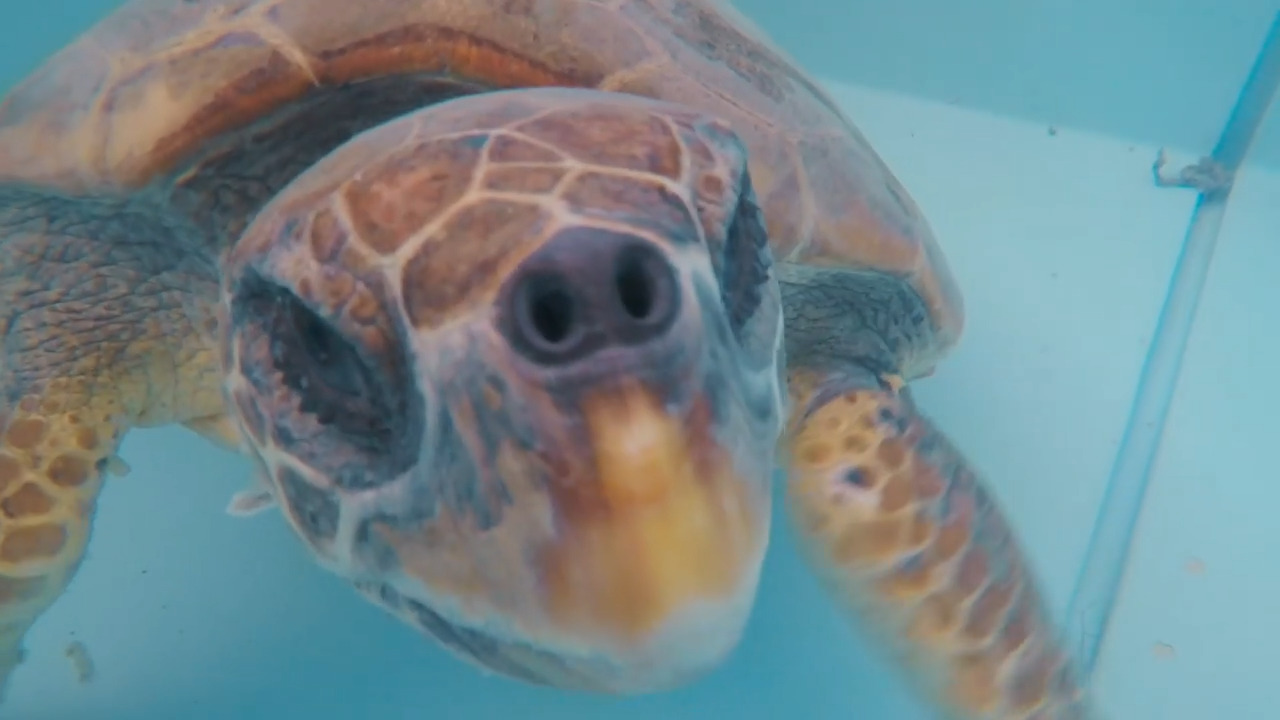
In Turtles and the Problem With Plastic, host Simon Reeve visits a turtle rescue center and observes the devastating ways plastic is harming marine wildlife. This video is excerpted from BBC's Incredible Journeys With Simon Reeve, a series that highlights one journalist’s travels across the globe and the diverse cultures and peoples he meets along the way.
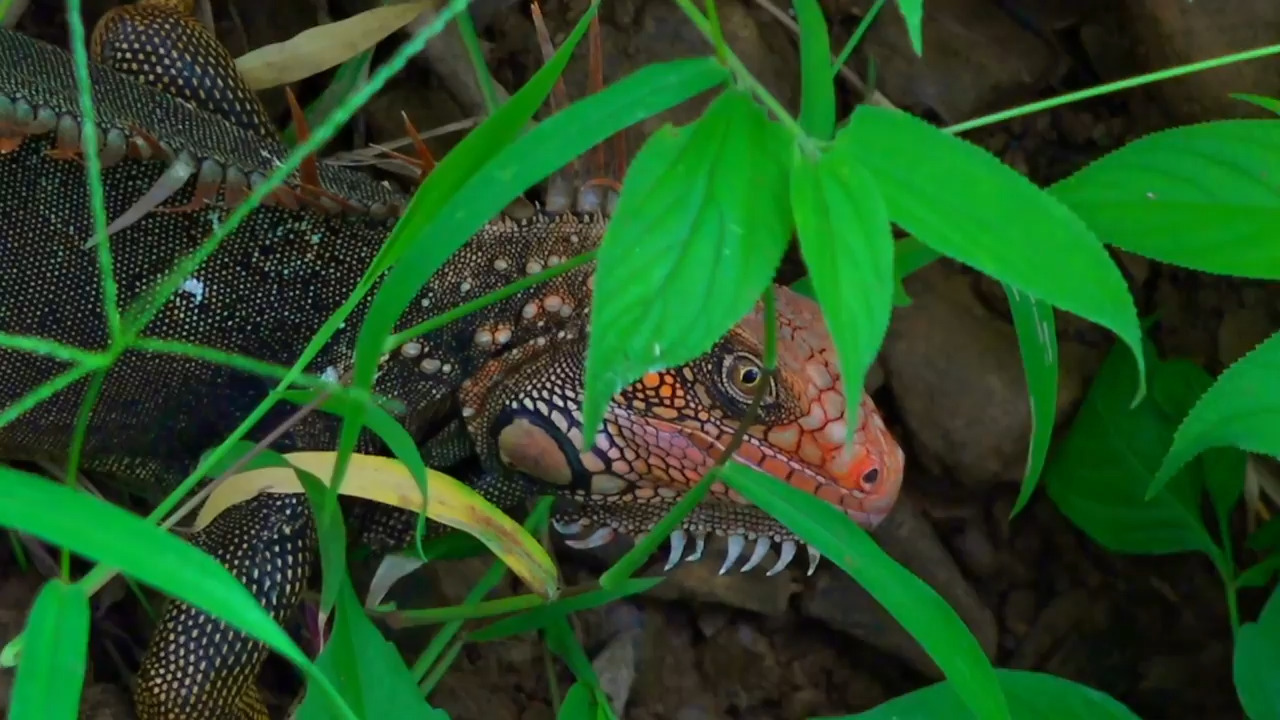
In Incentives for Sustainable Tourism: Economic and Conservation Incentives, host Simon Reeve travels to two developing nations where sustainable tourism has the potential to expand conservation efforts and protect natural lands and wildlife. This video is excerpted from BBC's Incredible Journeys With Simon Reeve, a series that highlights one journalist’s travels across the globe and the diverse cultures and peoples he meets along the way.
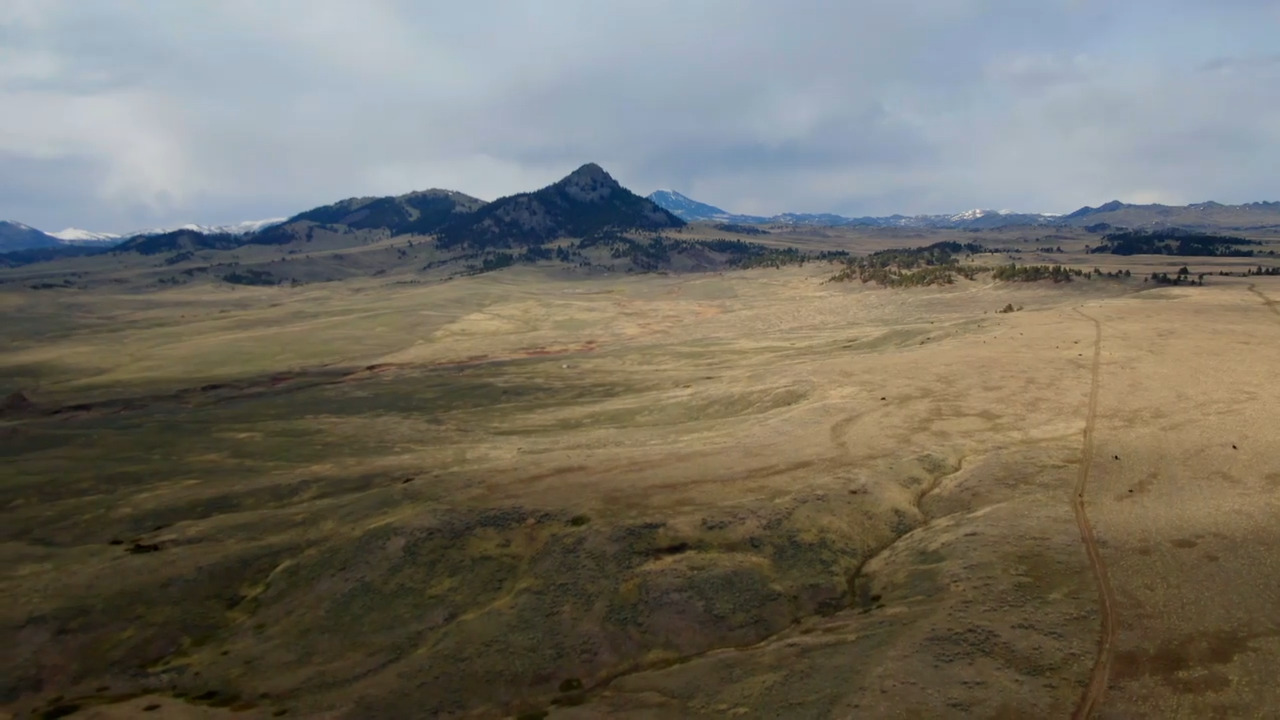
In Cowboys Are Choosing a Sustainable Future in Montana, host Simon Reeve travels through the Rocky Mountains, which stretch from Canada all the way to New Mexico! In Montana, Simon visits the IX Ranch where he learns how cowboys are using sustainable farming to protect the land, and that cattle outnumber people in the state! Simon joins Rich, the ranch manager, as they dive into the importance of caring for the land to ensure it can keep supporting both cows and future generations. This video is excerpted from BBC’s The Americas With Simon Reeve, in which Simon Reeve explores the landscapes, cultures, and wildlife of North and South America.
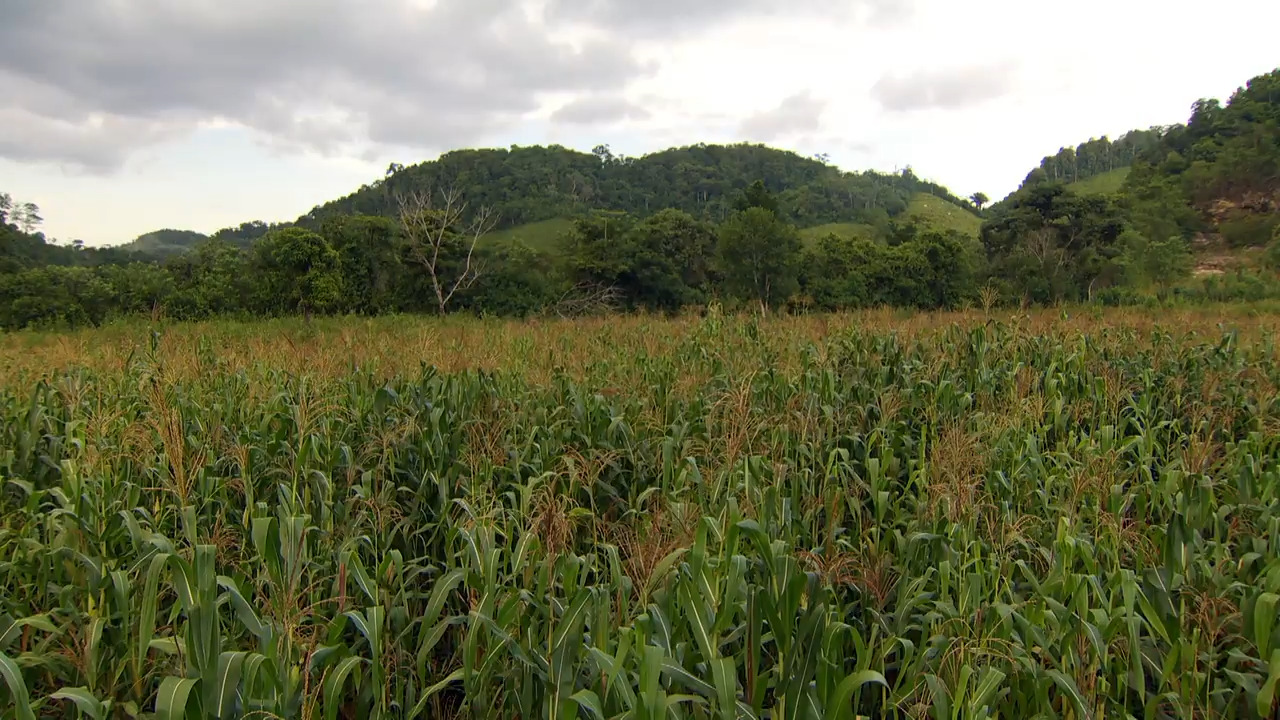
In How Corn Shapes Life in Guatemala, host Simon Reeve travels to Guatemala to meet corn farmers and explore how this crop supports millions of people. As the population has grown, much of the land has been cleared, leading to deforestation. Simon uncovers how corn was shaped over generations to become a staple food and crucial part of Guatemala’s economy and culture. This video is excerpted from BBC’s The Americas With Simon Reeve, in which Simon Reeve explores the landscapes, cultures, and wildlife of North and South America.
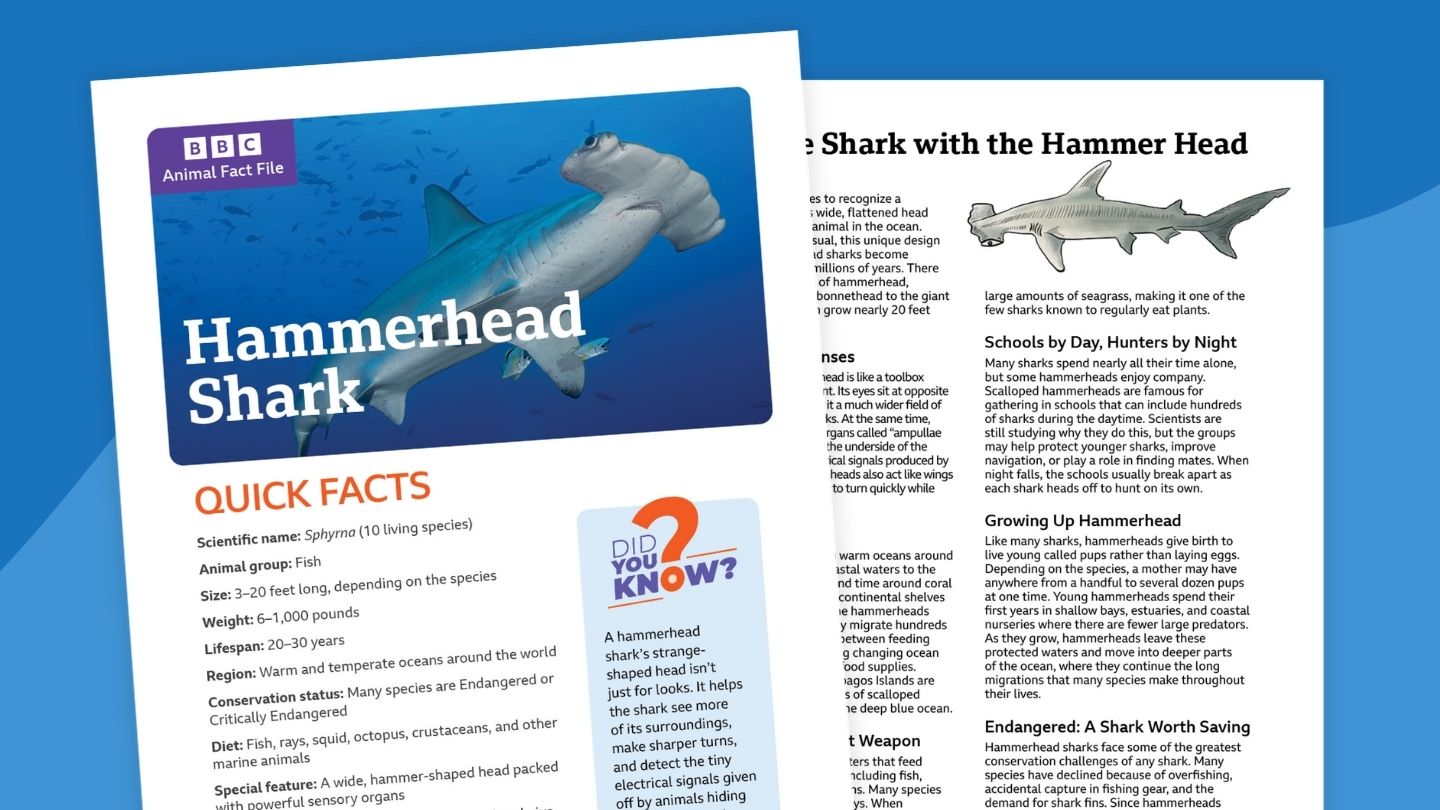
What shark has a head shaped like a hammer — and uses it like a high-tech hunting tool? Hammerhead sharks may look unusual, but every part of their unique design helps them survive.
Explore the fascinating world of these extraordinary sharks and discover how their wide heads help them see more, sense hidden prey, and make sharp turns while hunting. Learn why some hammerheads gather in schools of hundreds, travel thousands of miles across the ocean, and face growing conservation challenges that make protecting them more important than ever.
Teachers and parents, you can use this fact file to:
- Introduce an animal, wildlife, or life science unit
- Support nonfiction reading and vocabulary practice
- Explore animal adaptations, behaviors, and habitats
- Compare animals and the ecosystems they live in
- Practice finding and organizing information from nonfiction texts
- Prepare students for animal research projects or presentations (use our animal report templates!)
- Connect science learning to conservation and environmental issues
- Pair with videos, articles, or other informational texts (see Related Resources below)
The article "Amazing Animals of Madagascar and Where To Find Them" from BBC's Discover Wildlife is a guide to the extraordinary animals found only on the island of Madagascar. It describes different species like lemurs, aye-ayes, fossas, and giraffe-necked weevils, and the parks and reserves where visitors can see them in their natural homes.
Discover the Heart of Africa! From sweeping savannas and deserts to forests, mountains, and mighty rivers, Africa is home to an incredible variety of landscapes — and an equally incredible variety of wildlife. Travel across the continent with Chester Zoo to explore some of its most fascinating habitats and discover how geography shapes the animals and people who live there.
Explore the countries and landscapes that make up Africa, identify different habitats, and see what makes each one unique. Then zoom in on the savanna to investigate its climate and discover what life is like in one of the world's most iconic ecosystems.
But the savanna is changing. Learn how shifts in climate are affecting this landscape and the wildlife that depends on it, and discover ways people can help protect these important habitats. Along the way, you'll build your geography skills while seeing Africa — and its wildlife — in a whole new way
Don't miss the geography worksheets that go with this lesson!
In Inside a Rhino Wildlife Sanctuary, naturalist Steve Backshall visits a high-security wildlife sanctuary in South Africa. Here he meets baby rhinos that have lost their mothers. This video is excerpted from BBC's Deadly 60, an award-winning nature and adventure show for kids in which narrator Steve Backshall has one mission: to travel the globe in search of 60 of the world's deadliest animals.
In The Go Jetters Explore the Everglades, the Go Jetters crew visits the Florida Everglades. They encounter a spoonbill and see alligators. Ubercorn shares funky facts about the Everglades, including information about the size of the Everglades National Park and just how diverse the wildlife is in this area. This video is excerpted from BBC’s Go Jetters, a series that follows the adventures of four international heroes as they travel the globe visiting landmarks and solving environmental problems with Ubercorn, a disco-dancing unicorn.
In The Consequences of Deforestation: A Global Problem, host Simon Reeve accompanies conservationists in Belize who have had to resort to drastic measures to protect the forest and its wildlife. This video is excerpted from BBC's Incredible Journeys With Simon Reeve, a series that highlights one journalist’s travels across the globe and the diverse cultures and peoples he meets along the way.
In Protecting Rhinos From Poachers, naturalist Steve Backshall flies across a wildlife reserve to locate Rodney, a male rhino. Rodney is tranquilized, then Steve attaches a collar to him so that he can be located and protected in the future. This video is excerpted from BBC's Deadly 60, an award-winning nature and adventure show for kids in which narrator Steve Backshall has one mission: to travel the globe in search of 60 of the world's deadliest animals.
In How Canadian Lynx Survive a Brutal Winter, narrator Sir David Attenborough describes the difficult life of the wildlife that stay in the Arctic North in the winter. A Canadian lynx travels hundreds of miles to hunt for food in order to survive. This video is excerpted from BBC’s Seven Worlds, One Planet, a series featuring remarkable animal behavior from all seven continents.
In Turtles and the Problem With Plastic, host Simon Reeve visits a turtle rescue center and observes the devastating ways plastic is harming marine wildlife. This video is excerpted from BBC's Incredible Journeys With Simon Reeve, a series that highlights one journalist’s travels across the globe and the diverse cultures and peoples he meets along the way.
In Incentives for Sustainable Tourism: Economic and Conservation Incentives, host Simon Reeve travels to two developing nations where sustainable tourism has the potential to expand conservation efforts and protect natural lands and wildlife. This video is excerpted from BBC's Incredible Journeys With Simon Reeve, a series that highlights one journalist’s travels across the globe and the diverse cultures and peoples he meets along the way.
In Cowboys Are Choosing a Sustainable Future in Montana, host Simon Reeve travels through the Rocky Mountains, which stretch from Canada all the way to New Mexico! In Montana, Simon visits the IX Ranch where he learns how cowboys are using sustainable farming to protect the land, and that cattle outnumber people in the state! Simon joins Rich, the ranch manager, as they dive into the importance of caring for the land to ensure it can keep supporting both cows and future generations. This video is excerpted from BBC’s The Americas With Simon Reeve, in which Simon Reeve explores the landscapes, cultures, and wildlife of North and South America.
In How Corn Shapes Life in Guatemala, host Simon Reeve travels to Guatemala to meet corn farmers and explore how this crop supports millions of people. As the population has grown, much of the land has been cleared, leading to deforestation. Simon uncovers how corn was shaped over generations to become a staple food and crucial part of Guatemala’s economy and culture. This video is excerpted from BBC’s The Americas With Simon Reeve, in which Simon Reeve explores the landscapes, cultures, and wildlife of North and South America.
What shark has a head shaped like a hammer — and uses it like a high-tech hunting tool? Hammerhead sharks may look unusual, but every part of their unique design helps them survive.
Explore the fascinating world of these extraordinary sharks and discover how their wide heads help them see more, sense hidden prey, and make sharp turns while hunting. Learn why some hammerheads gather in schools of hundreds, travel thousands of miles across the ocean, and face growing conservation challenges that make protecting them more important than ever.
Teachers and parents, you can use this fact file to:
- Introduce an animal, wildlife, or life science unit
- Support nonfiction reading and vocabulary practice
- Explore animal adaptations, behaviors, and habitats
- Compare animals and the ecosystems they live in
- Practice finding and organizing information from nonfiction texts
- Prepare students for animal research projects or presentations (use our animal report templates!)
- Connect science learning to conservation and environmental issues
- Pair with videos, articles, or other informational texts (see Related Resources below)