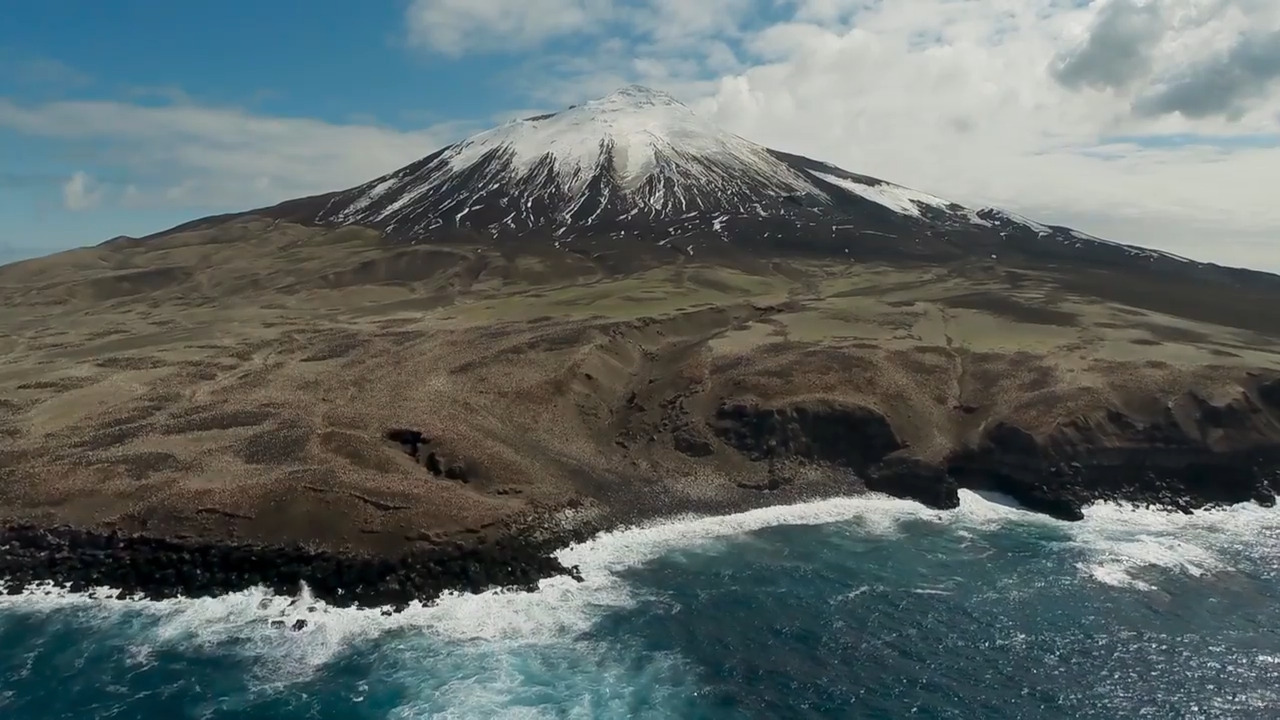
In Volcanic Islands Create a Penguin Sanctuary, narrator Sir David Attenborough tells the fascinating survival story of chinstrap penguins living on Zavodovski Island. This island, located in the Southern Ocean, is home to the world’s largest chinstrap penguin colony, despite its treacherous seas and an active volcano. The penguins have adapted to extreme conditions, using the island’s isolation and volcanic landscape as a refuge from predators. This video is excerpted from BBC’s Planet Earth II, a breathtaking documentary series that highlights the natural wonders of our planet.
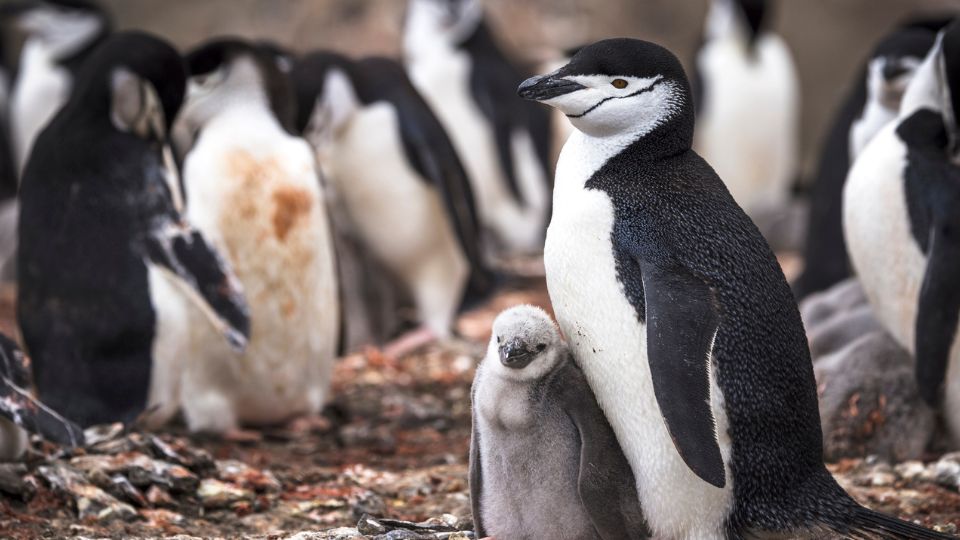
Welcome to Zavodovski — a volcanic island that lives in the icy waters north of Antarctica. First watch Volcanic Islands Create a Penguin Sanctuary, a short clip from the award-winning BBC series Planet Earth. Sir David Attenborough introduces you to the world’s largest chinstrap penguin colony, which thrives despite (and in some cases, because of) its treacherous seas and active volcano.
Once your students have watched the video, invite them to check for understanding with this quick, 8-question quiz!
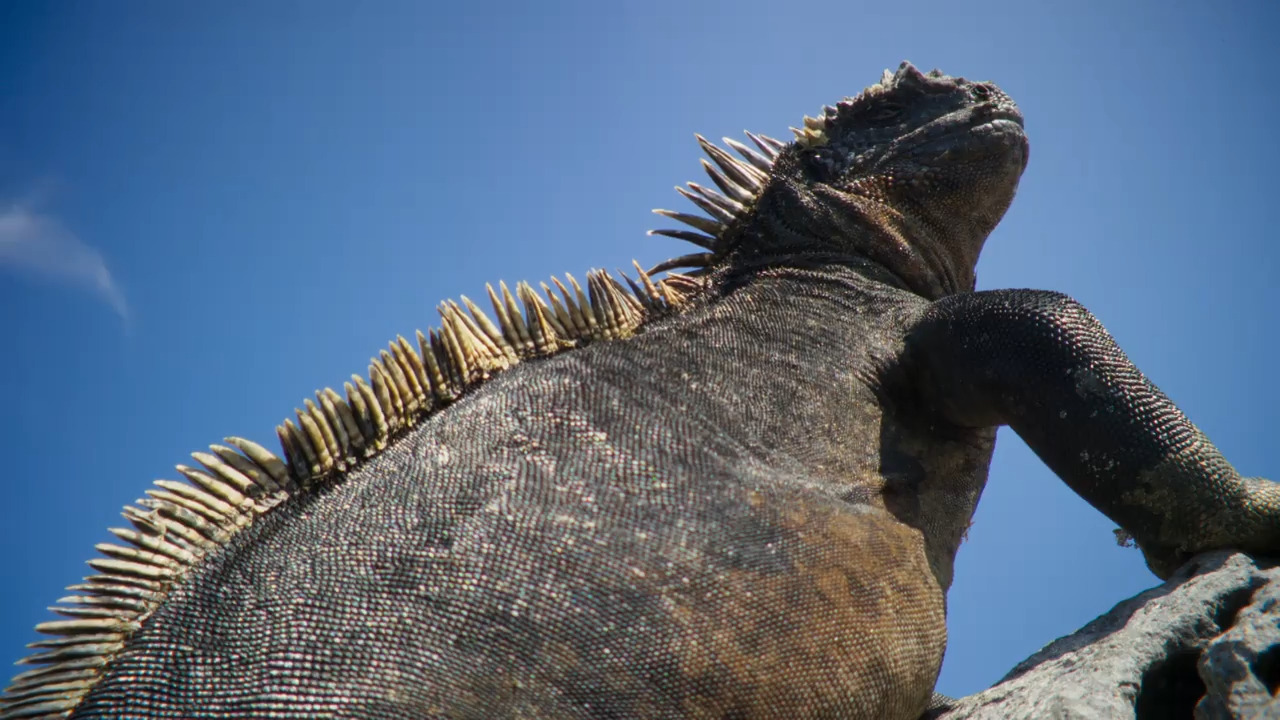
In Marine Iguanas in the Galápagos, narrator Sir David Attenborough tells how marine iguanas survive on a young, volcanic island in the Galápagos. These unique reptiles have adapted to graze on underwater algae, a critical food source in this challenging environment. This video is excerpted from BBC’s Planet Earth II, a breathtaking documentary series that highlights the natural wonders of our planet.
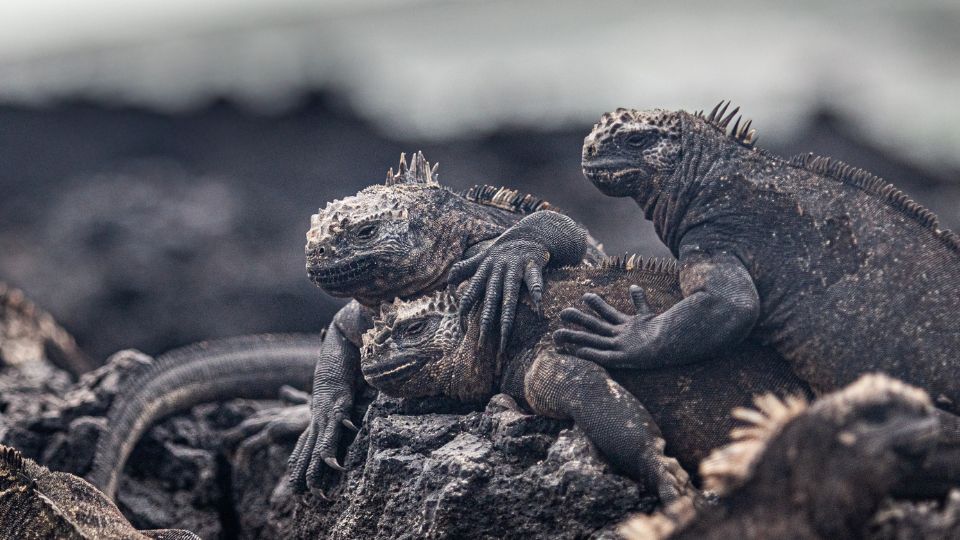
Meet one of the world's strangest reptiles — the seagoing iguana! First watch Marine Iguanas in the Galápagos Quiz, a short clip from the award-winning BBC series Planet Earth. Sir David Attenborough explains how these unique lizards have adapted to graze on underwater algae, a critical food source on this young, volcanic island in the Galápagos.
Once your students have watched the video, invite them to check for understanding with this quick, 8-question quiz!

Get ready to meet the cold-blooded superstars of the animal kingdom! This BBC playlist slinks, scuttles, and snaps through the fascinating lives of cobras, turtles, lizards, and alligators. Whether it's the mesmerizing hood dance of a cobra or the alligator's toothy grin, these clips are perfect for sparking curiosity (and maybe a little squeamishness) in your classroom. Warning: May cause students to say "Whoa!" and "Ew!" in equal measure.
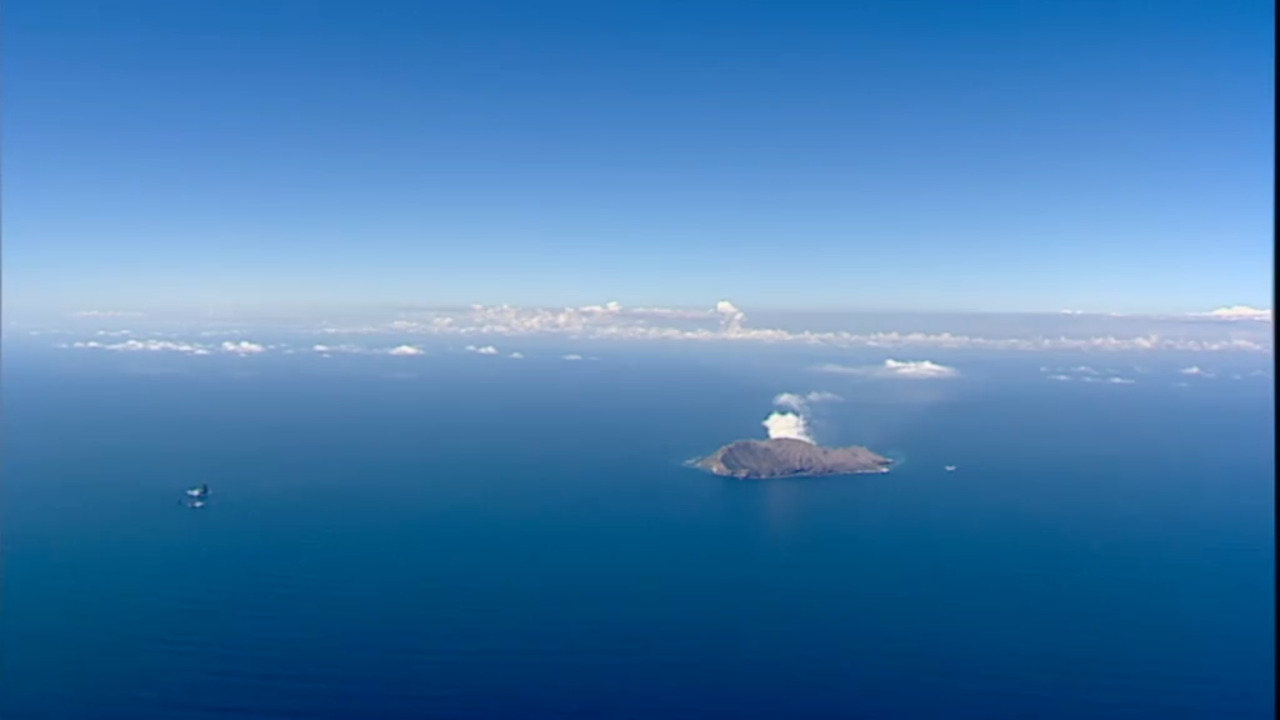
In How Volcanic Islands Form, narrator Sir David Attenborough explains how an island forms in the middle of the ocean, fueling the development of a new ecosystem. This video is excerpted from BBC’s Blue Planet, a definitive documentary series diving into the mysterious depths of the sea to discover the natural history of the world’s oceans and the rarely seen marine life that reside there.
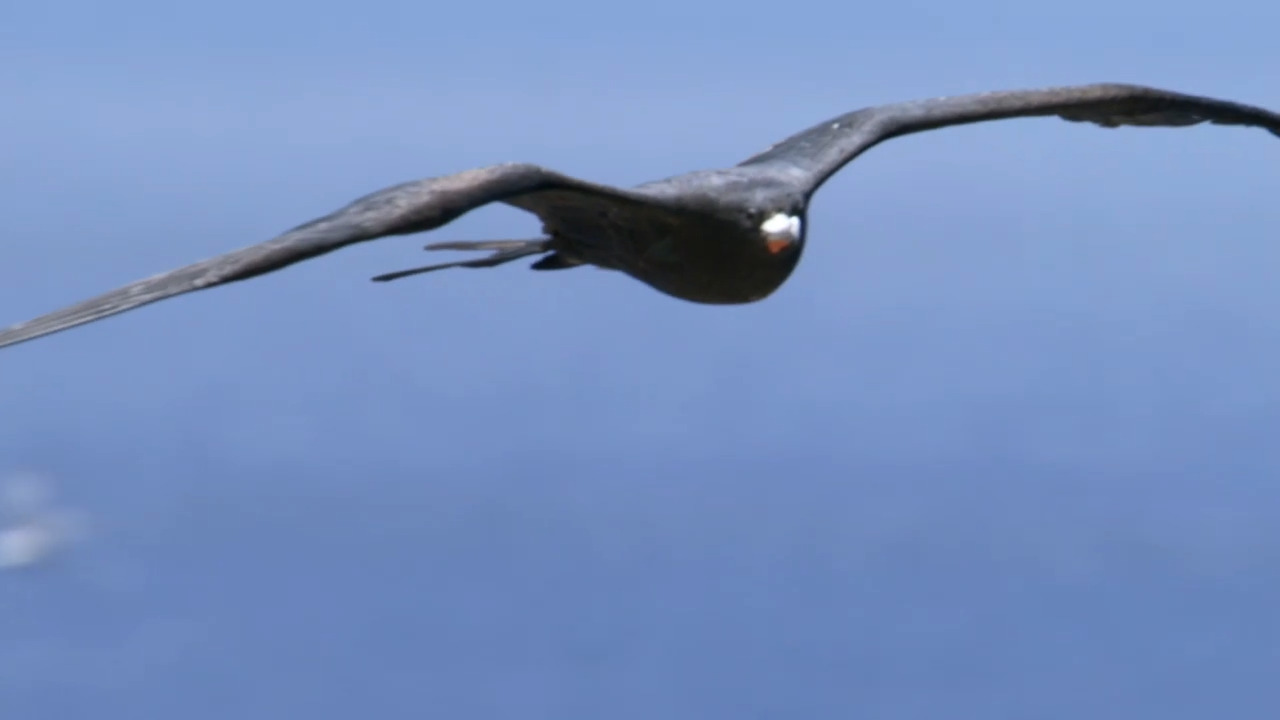
In Frigate Birds Nesting on Ascension Island, narrator David Attenborough highlights frigate birds, who travel across vast stretches of the ocean but return to Ascension Island to nest. This isolated volcanic island, located 800 miles from any other land, provides a vital refuge. Instead of choosing the island's main slopes, frigate birds nest on the even more remote Boatswain Bird Island, a rocky outcrop just off the coast. With the lightest body relative to their wings, these birds can soar for weeks with minimal effort, making them much more at home in the sky than on land. This video is excerpted from BBC’s Planet Earth, a breathtaking documentary series that highlights the natural wonders of our planet.
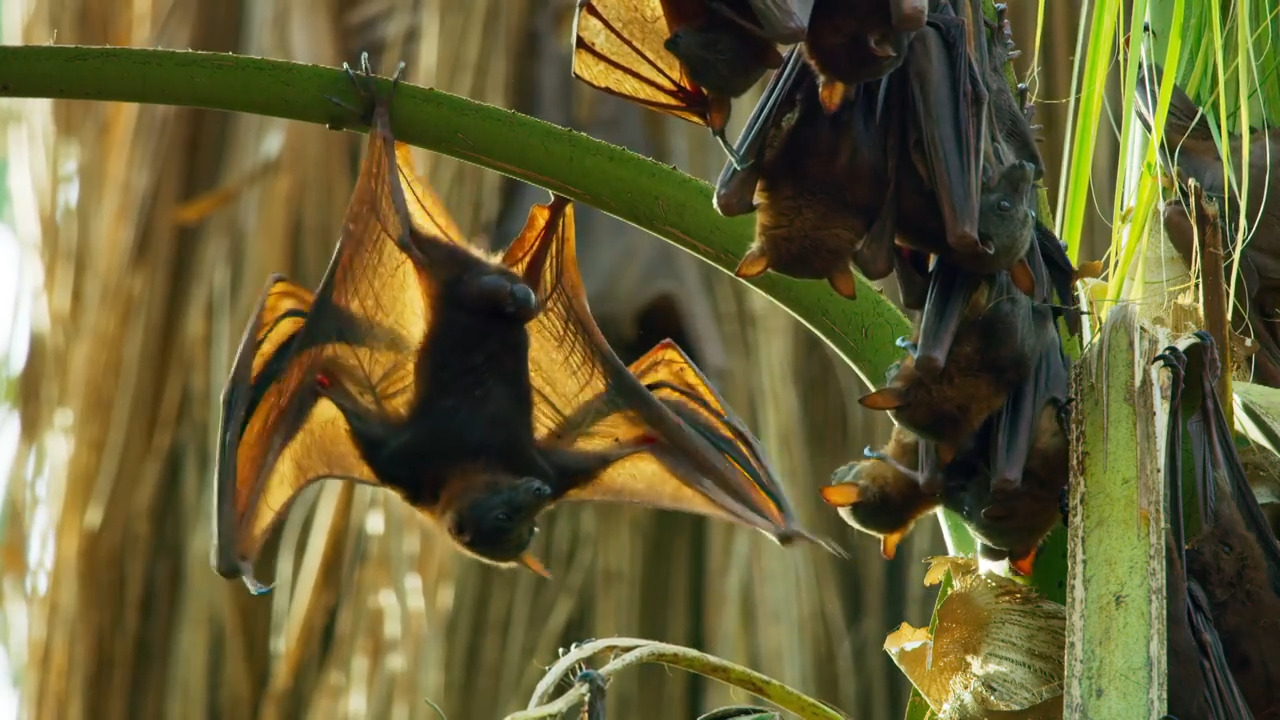
In All About Australian Animals, narrator Sir David Attenborough reveals how the animals living on Australia as it broke away from Gondwanaland have evolved in isolation from the rest of the world. Red flying foxes are newer residents who flew along the chain of volcanic islands linking Asia and Australia. This video is excerpted from BBC’s Seven Worlds, One Planet, a series featuring remarkable animal behavior from all seven continents.
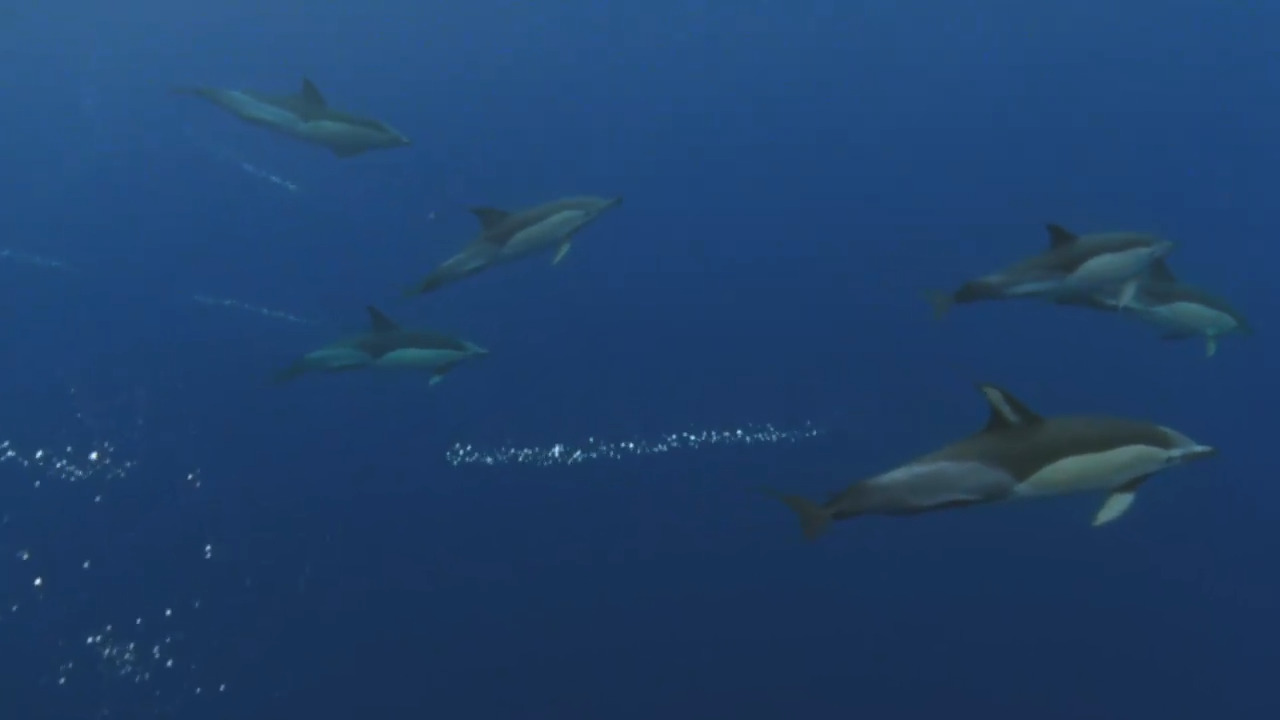
In Dolphin Schools and Cory’s Shearwater Are a Team Effort for Survival, narrator Sir David Attenborough captures an extraordinary sight of 500 dolphins leaping through the water and then hunting in coordination with Cory’s shearwaters — seabirds in the waters around the Azores, volcanic islands located 1,000 miles west of Portugal. The dolphins use teamwork to herd schools of mackerel toward the water's surface, where the fish become easy prey for the diving shearwaters. This video is excerpted from BBC’s Planet Earth, a breathtaking documentary series that highlights the natural wonders of our planet.
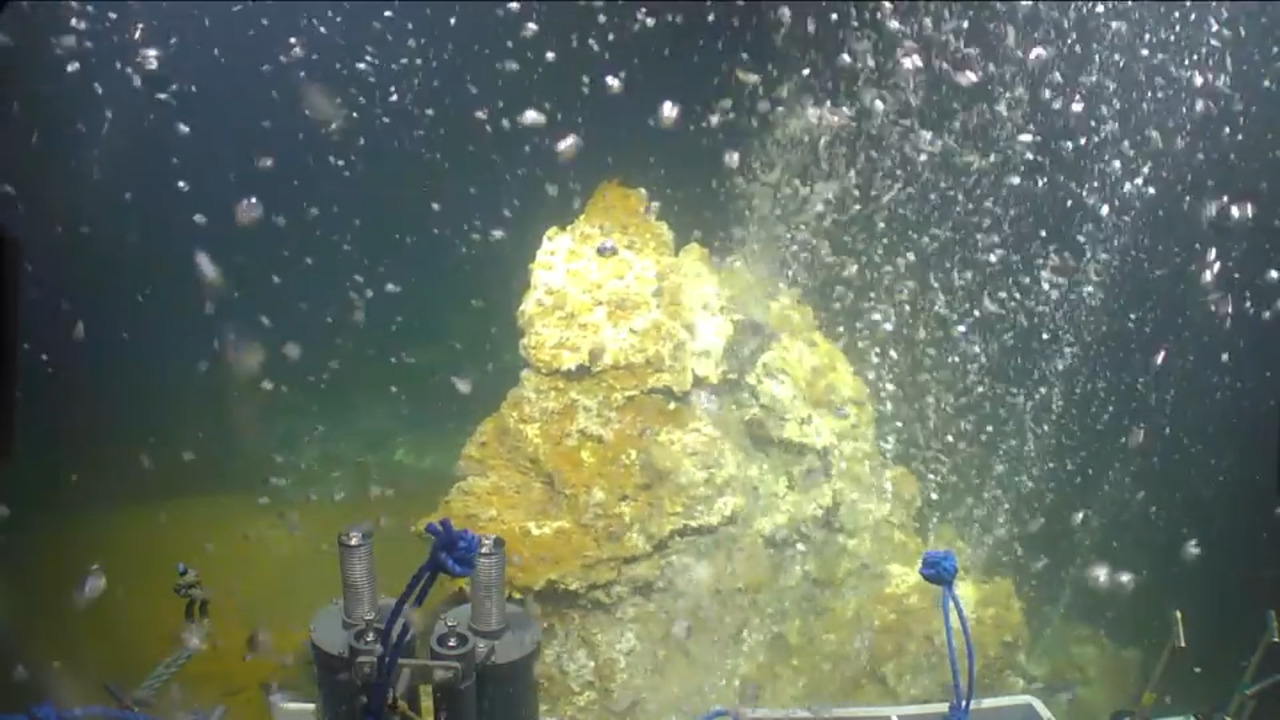
Underwater volcanoes are some of the least visible — but most important — geological features on Earth. Scientist Dr. Isobel Yeo studies these deep-sea volcanoes near the Greek island of Santorini using remotely-operated underwater robots. These robotic tools allow researchers to safely explore volcanic regions and locate hydrothermal vents, where hot gases and fluids escape from cracks in Earth’s crust.
Her team is focused on understanding how underwater eruptions behave differently from those on land. The surrounding water pressure, temperature, and ocean currents can all influence how magma and gases move during an eruption. By studying these systems, scientists can improve predictions of volcanic activity and better understand potential risks.
Although an eruption is not expected soon, this research is important for improving early warning systems and helping nearby coastal communities prepare for future volcanic events.
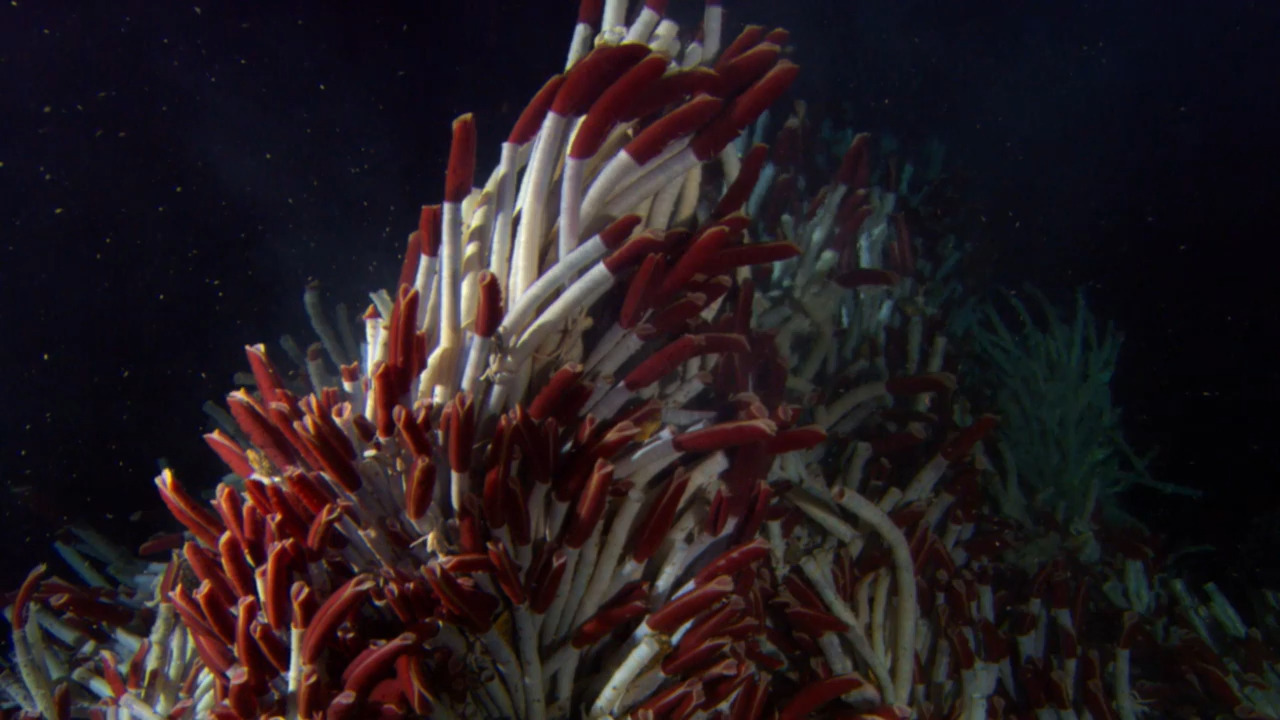
In Nine North Creates an Extraordinary Ecosystem, narrator David Attenborough goes deep beneath the Pacific Ocean near the Galápagos Islands, to examine the hydrothermal vents known as "Nine North." The vents release superheated water, creating an extraordinary ecosystem. Towering mineral chimneys support a thriving community of giant tube-worms, some growing up to three meters long. These deep-sea creatures rely on the energy from the vents to survive, making them some of the fastest-growing marine invertebrates. However, this environment is unpredictable—vents can suddenly go dormant, leading to the rapid extinction of entire micro-worlds. This video is excerpted from BBC’s Planet Earth, a breathtaking documentary series that highlights the natural wonders of our planet.
In Volcanic Islands Create a Penguin Sanctuary, narrator Sir David Attenborough tells the fascinating survival story of chinstrap penguins living on Zavodovski Island. This island, located in the Southern Ocean, is home to the world’s largest chinstrap penguin colony, despite its treacherous seas and an active volcano. The penguins have adapted to extreme conditions, using the island’s isolation and volcanic landscape as a refuge from predators. This video is excerpted from BBC’s Planet Earth II, a breathtaking documentary series that highlights the natural wonders of our planet.
Welcome to Zavodovski — a volcanic island that lives in the icy waters north of Antarctica. First watch Volcanic Islands Create a Penguin Sanctuary, a short clip from the award-winning BBC series Planet Earth. Sir David Attenborough introduces you to the world’s largest chinstrap penguin colony, which thrives despite (and in some cases, because of) its treacherous seas and active volcano.
Once your students have watched the video, invite them to check for understanding with this quick, 8-question quiz!
In Marine Iguanas in the Galápagos, narrator Sir David Attenborough tells how marine iguanas survive on a young, volcanic island in the Galápagos. These unique reptiles have adapted to graze on underwater algae, a critical food source in this challenging environment. This video is excerpted from BBC’s Planet Earth II, a breathtaking documentary series that highlights the natural wonders of our planet.
Meet one of the world's strangest reptiles — the seagoing iguana! First watch Marine Iguanas in the Galápagos Quiz, a short clip from the award-winning BBC series Planet Earth. Sir David Attenborough explains how these unique lizards have adapted to graze on underwater algae, a critical food source on this young, volcanic island in the Galápagos.
Once your students have watched the video, invite them to check for understanding with this quick, 8-question quiz!
Get ready to meet the cold-blooded superstars of the animal kingdom! This BBC playlist slinks, scuttles, and snaps through the fascinating lives of cobras, turtles, lizards, and alligators. Whether it's the mesmerizing hood dance of a cobra or the alligator's toothy grin, these clips are perfect for sparking curiosity (and maybe a little squeamishness) in your classroom. Warning: May cause students to say "Whoa!" and "Ew!" in equal measure.
In How Volcanic Islands Form, narrator Sir David Attenborough explains how an island forms in the middle of the ocean, fueling the development of a new ecosystem. This video is excerpted from BBC’s Blue Planet, a definitive documentary series diving into the mysterious depths of the sea to discover the natural history of the world’s oceans and the rarely seen marine life that reside there.
In Frigate Birds Nesting on Ascension Island, narrator David Attenborough highlights frigate birds, who travel across vast stretches of the ocean but return to Ascension Island to nest. This isolated volcanic island, located 800 miles from any other land, provides a vital refuge. Instead of choosing the island's main slopes, frigate birds nest on the even more remote Boatswain Bird Island, a rocky outcrop just off the coast. With the lightest body relative to their wings, these birds can soar for weeks with minimal effort, making them much more at home in the sky than on land. This video is excerpted from BBC’s Planet Earth, a breathtaking documentary series that highlights the natural wonders of our planet.
In All About Australian Animals, narrator Sir David Attenborough reveals how the animals living on Australia as it broke away from Gondwanaland have evolved in isolation from the rest of the world. Red flying foxes are newer residents who flew along the chain of volcanic islands linking Asia and Australia. This video is excerpted from BBC’s Seven Worlds, One Planet, a series featuring remarkable animal behavior from all seven continents.
In Dolphin Schools and Cory’s Shearwater Are a Team Effort for Survival, narrator Sir David Attenborough captures an extraordinary sight of 500 dolphins leaping through the water and then hunting in coordination with Cory’s shearwaters — seabirds in the waters around the Azores, volcanic islands located 1,000 miles west of Portugal. The dolphins use teamwork to herd schools of mackerel toward the water's surface, where the fish become easy prey for the diving shearwaters. This video is excerpted from BBC’s Planet Earth, a breathtaking documentary series that highlights the natural wonders of our planet.
Underwater volcanoes are some of the least visible — but most important — geological features on Earth. Scientist Dr. Isobel Yeo studies these deep-sea volcanoes near the Greek island of Santorini using remotely-operated underwater robots. These robotic tools allow researchers to safely explore volcanic regions and locate hydrothermal vents, where hot gases and fluids escape from cracks in Earth’s crust.
Her team is focused on understanding how underwater eruptions behave differently from those on land. The surrounding water pressure, temperature, and ocean currents can all influence how magma and gases move during an eruption. By studying these systems, scientists can improve predictions of volcanic activity and better understand potential risks.
Although an eruption is not expected soon, this research is important for improving early warning systems and helping nearby coastal communities prepare for future volcanic events.
In Nine North Creates an Extraordinary Ecosystem, narrator David Attenborough goes deep beneath the Pacific Ocean near the Galápagos Islands, to examine the hydrothermal vents known as "Nine North." The vents release superheated water, creating an extraordinary ecosystem. Towering mineral chimneys support a thriving community of giant tube-worms, some growing up to three meters long. These deep-sea creatures rely on the energy from the vents to survive, making them some of the fastest-growing marine invertebrates. However, this environment is unpredictable—vents can suddenly go dormant, leading to the rapid extinction of entire micro-worlds. This video is excerpted from BBC’s Planet Earth, a breathtaking documentary series that highlights the natural wonders of our planet.