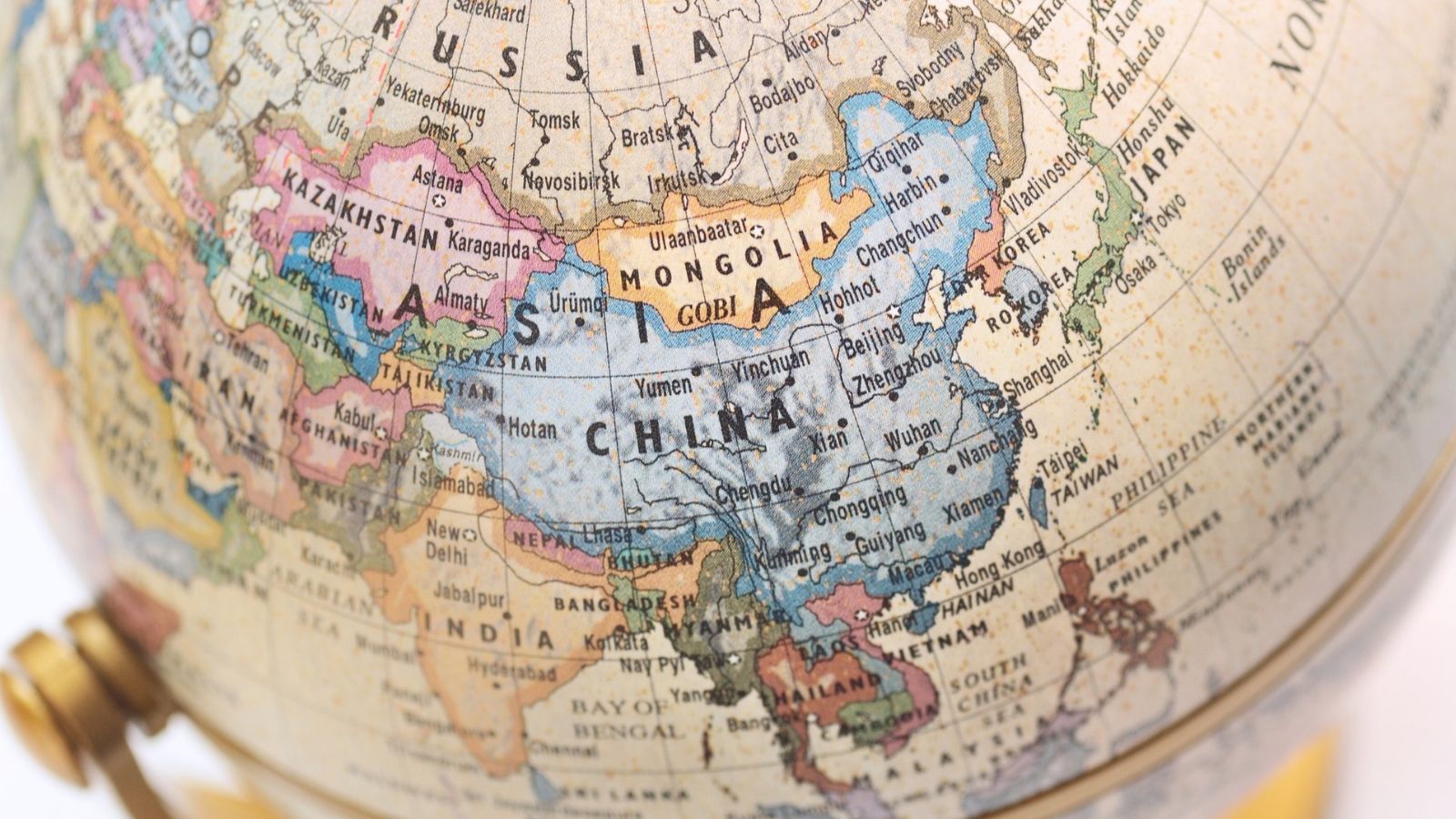
Discover five Asian countries through short, engaging videos from the BBC + country fact files

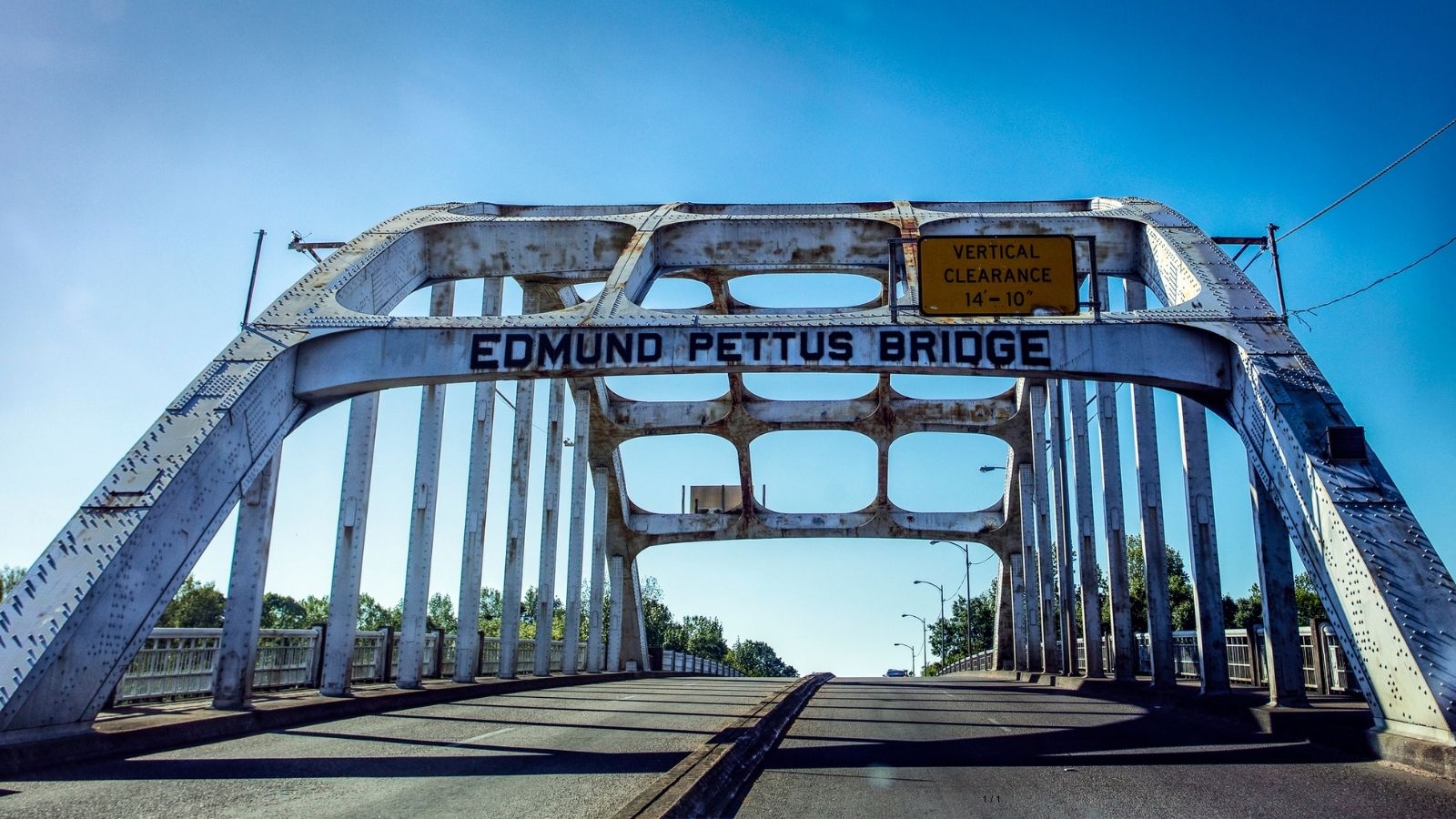
Leveled Articles + BBC Video Clips + Printables + Civil Rights Quiz
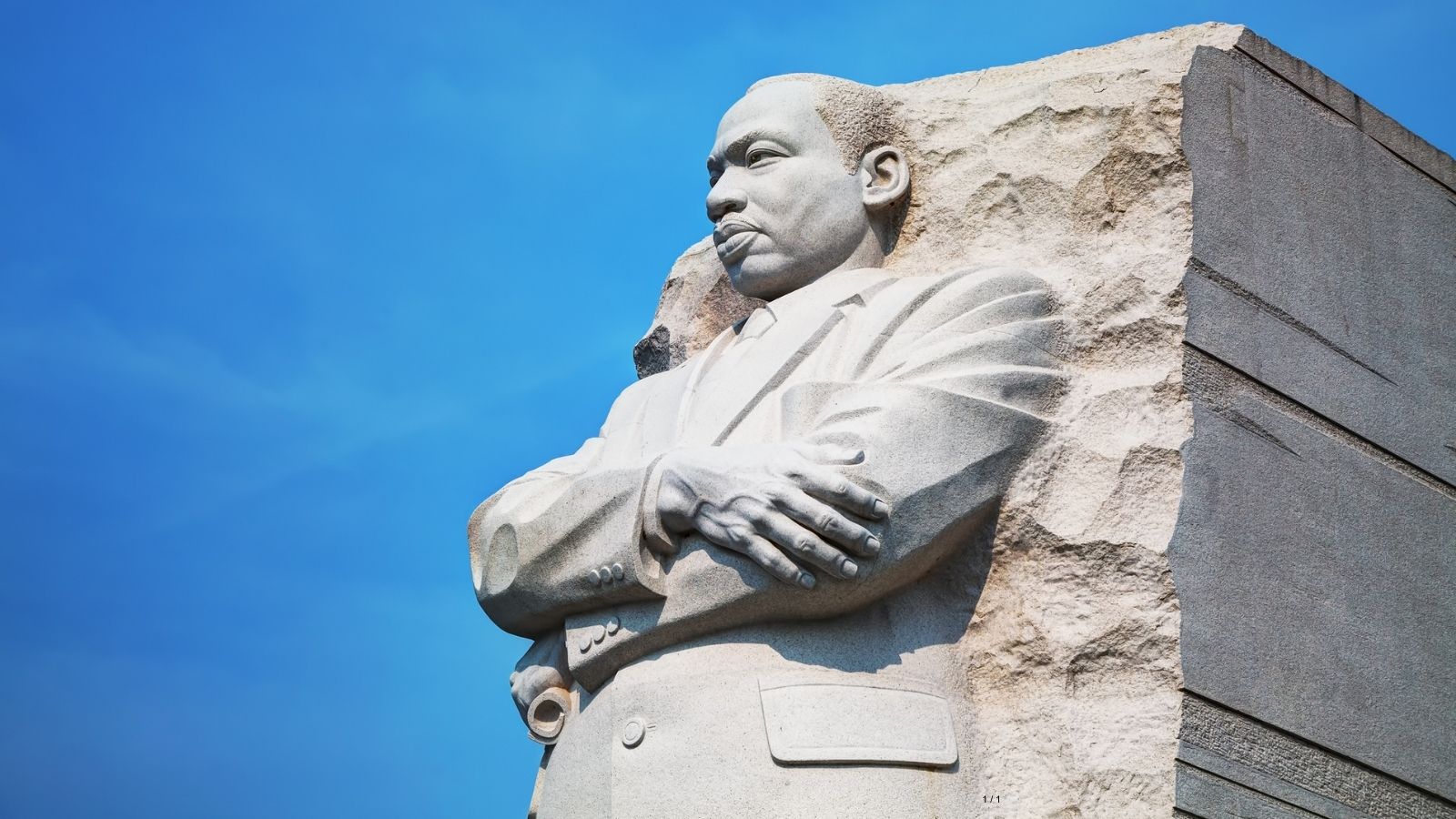
Videos, articles, and printables to help your students engage with MLK's enduring message.
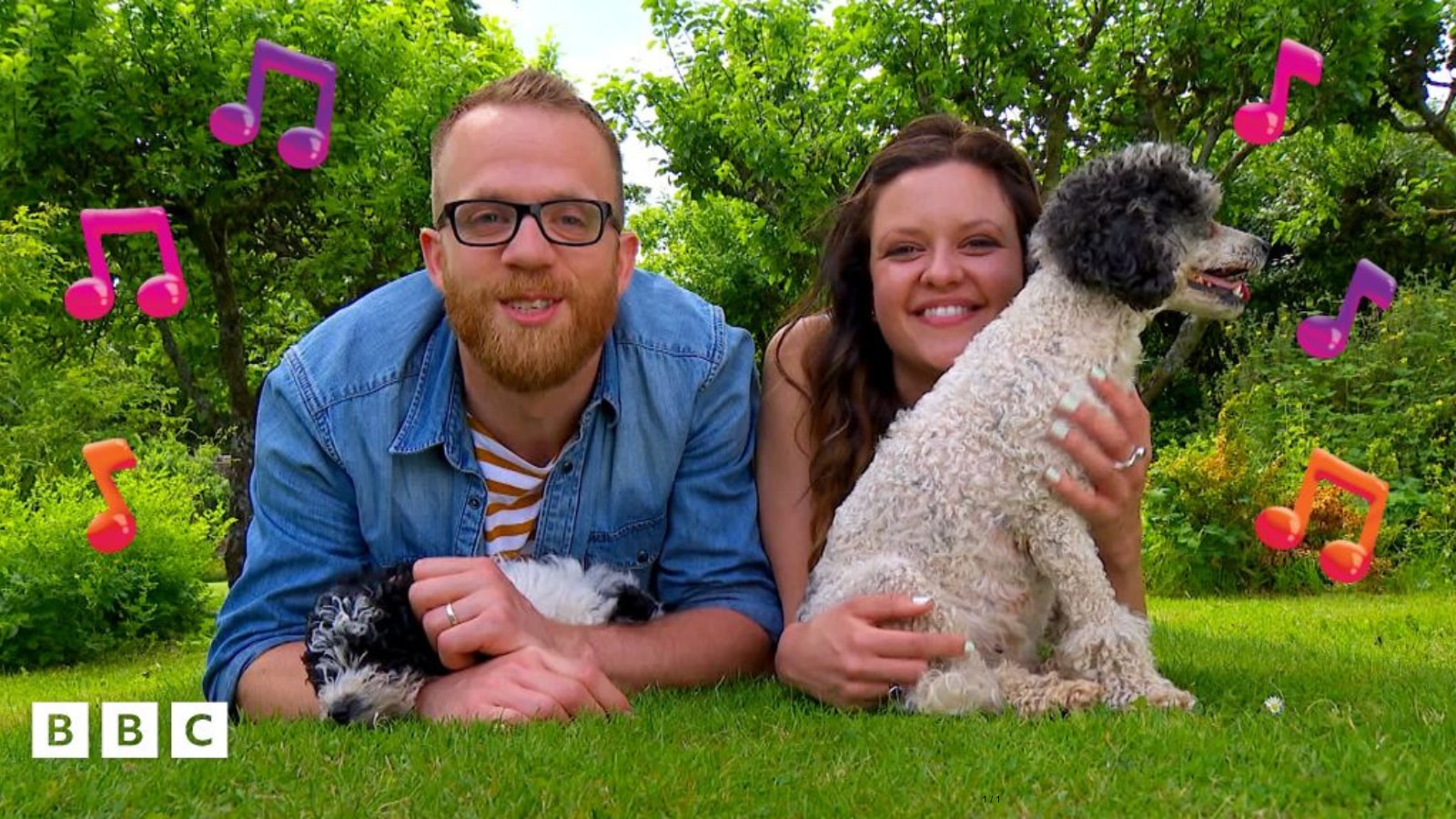
Cats. Dogs. Potbellied pigs?! Kids LOVE pets — and we do too!
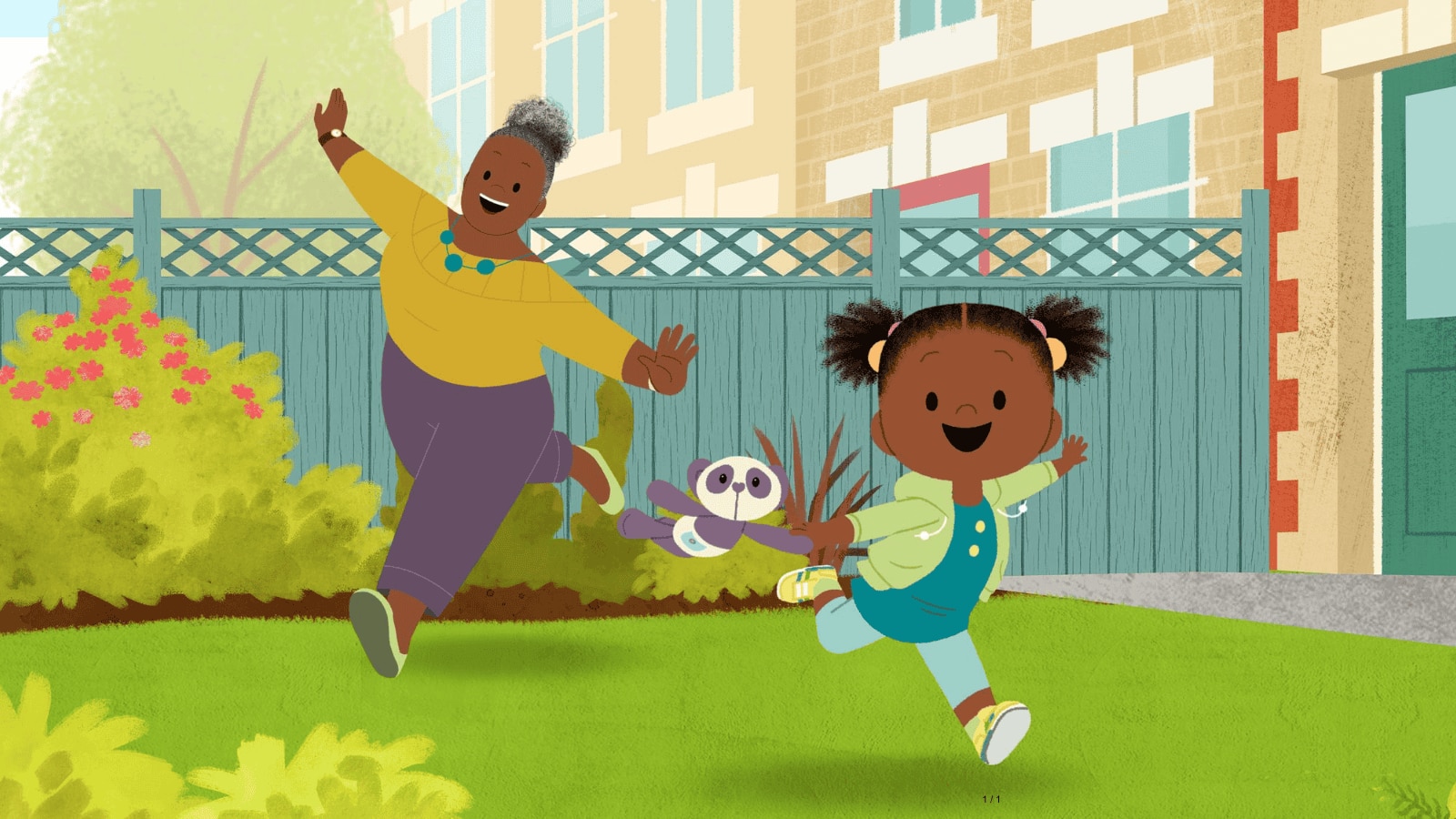
Introducing your new favorite duo! JoJo & Gran Gran is a BBC children's animated television series that follows an inquisitive and cheerful 4-and-a-half-year-old girl and her loving grandmother, who always has something new to teach her. Young learners will love learning alongside the diverse cast of characters as they get to know their community and explore the natural world around them.
This is quick and easy seasonal content — perfect for an intro to a life science (plants, trees, flowers) or social studies (holidays!) lesson. Or watch the video and then try what JoJo and Gran Gran did, whether it's making a fruit crumble or writing a poem.
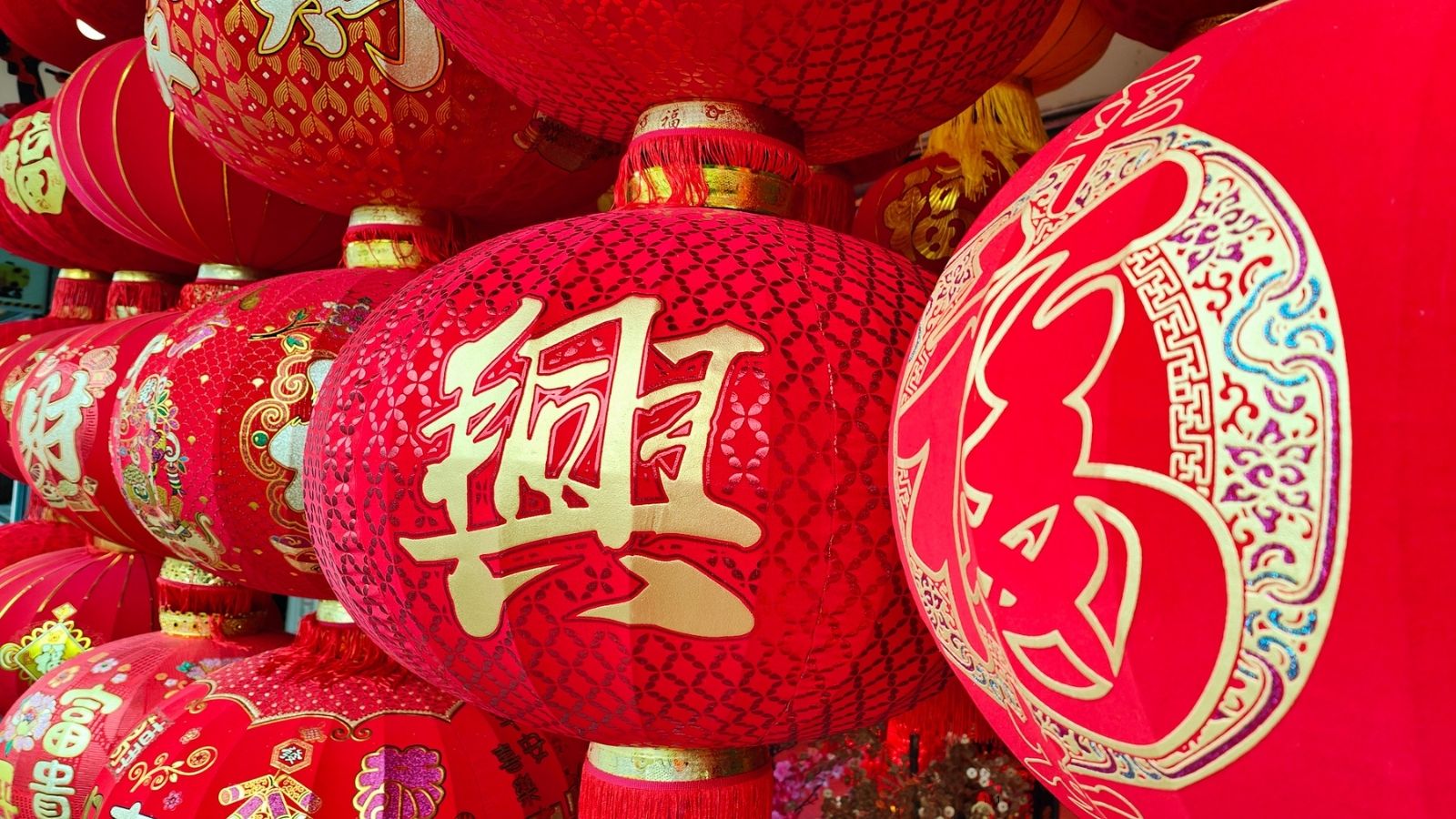
Gung Hei Fat Choy!
Celebrate Lunar New Year with the BBC Learning Hub’s curated resources for students ages 4–14. Through videos, articles, and printables, students can explore the traditions, symbols, and stories that mark this important holiday. From family gatherings and festive foods to lanterns, lion dances, and the Chinese Zodiac, these resources help students understand how Lunar New Year is celebrated across cultures and communities around the world.
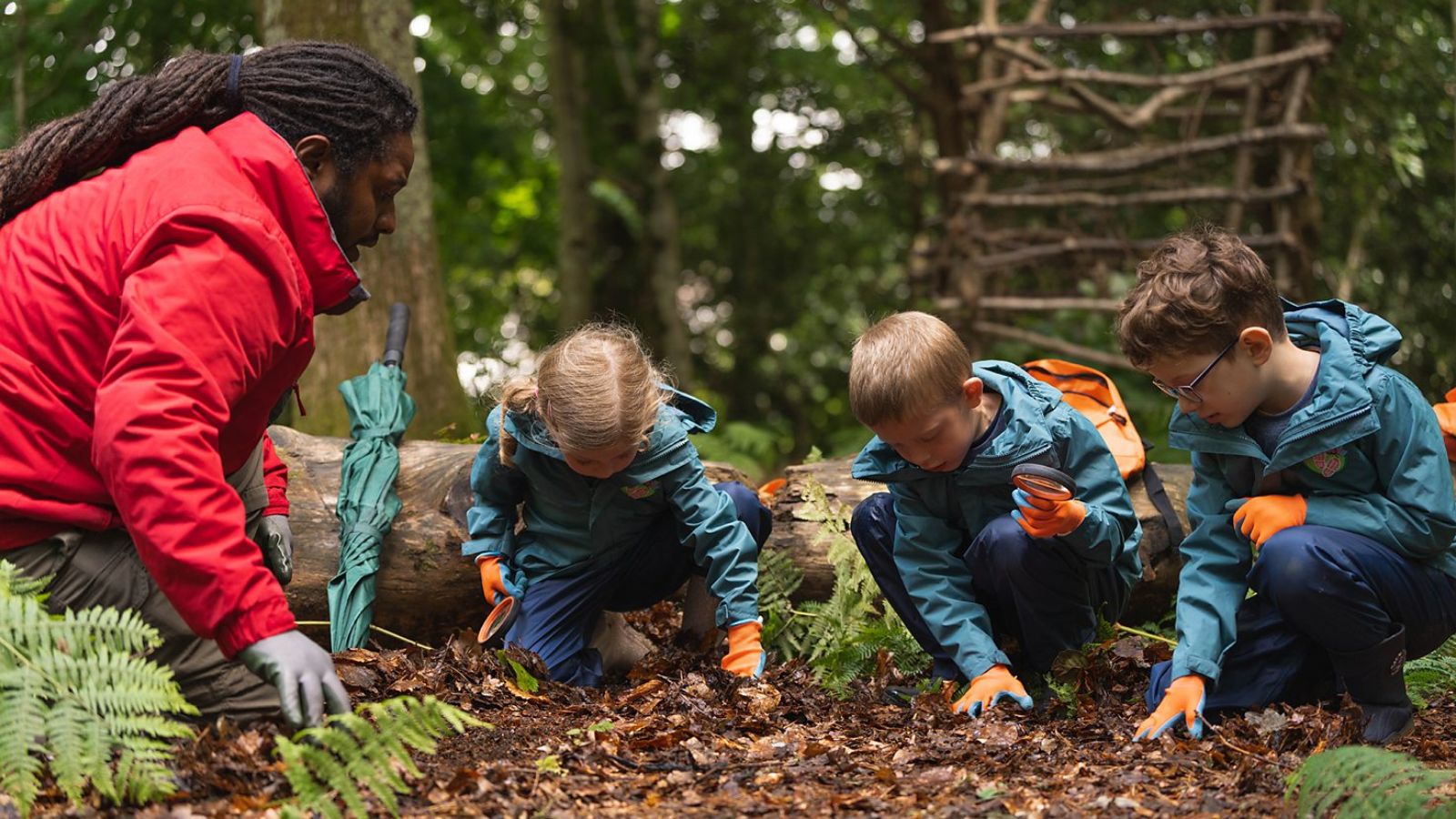
Meet Ranger Hamza, beloved host of BBC's Ranger Hamza's EcoQuest, and his faithful Ramblers. In these short video clips, your young nature explorers can learn all about the natural world around them, from birds and insects to flowers and trees. Make sure you follow up with your own nature walk, and don't miss our free nature walk worksheets!
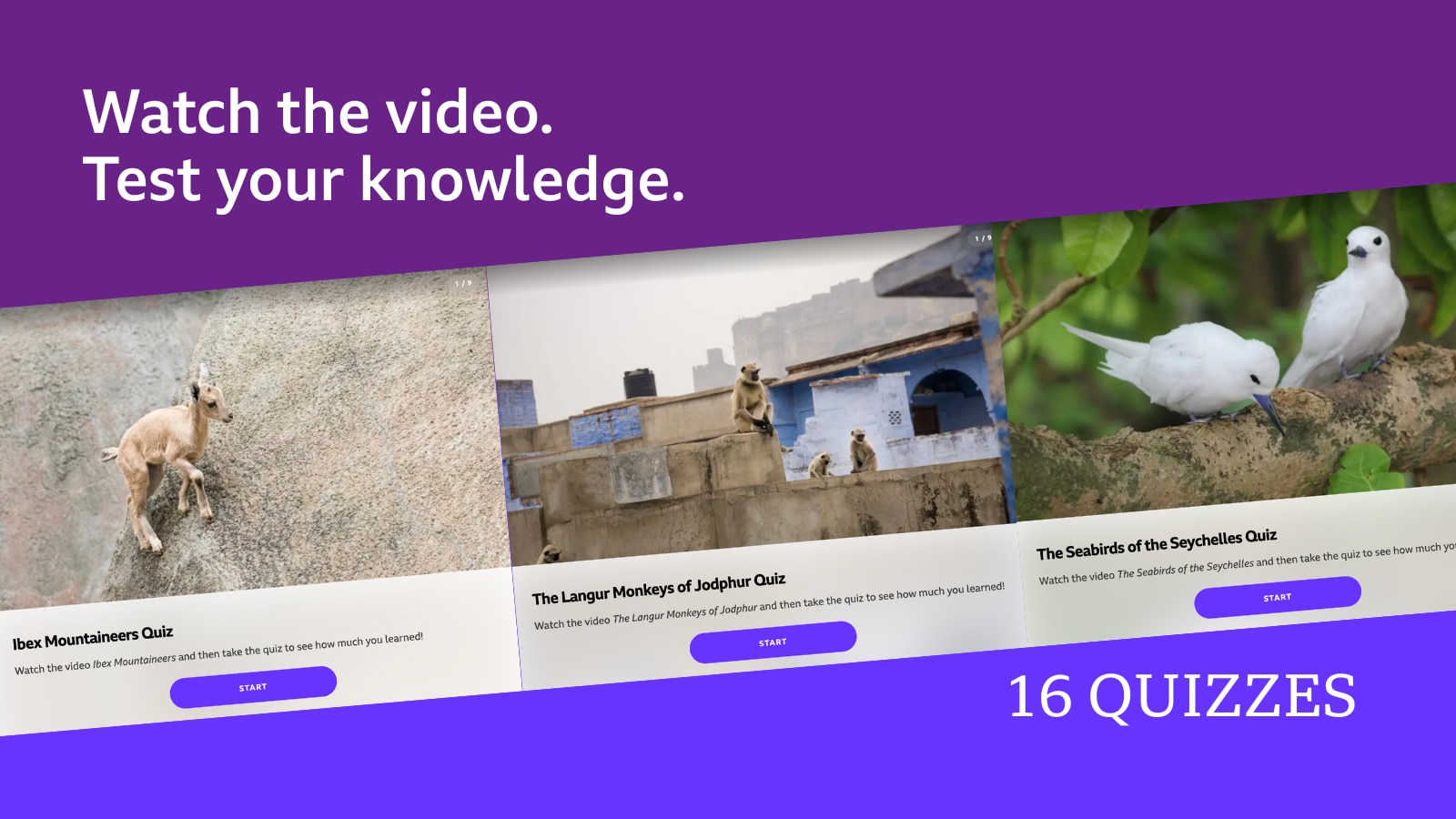
Who doesn't love animal facts? Invite your Grade 3–8 students to watch wildlife videos from the award-winning BBC series Planet Earth, in which Sir David Attenborough takes them up close and personal with incredible animals across awe-inspiring landscapes. Then, they can see how much they learned with one of these 16 engaging quizzes (we're big fans of our guess the image question type!). The videos are linked under each quiz page. Assign one or assign them all!
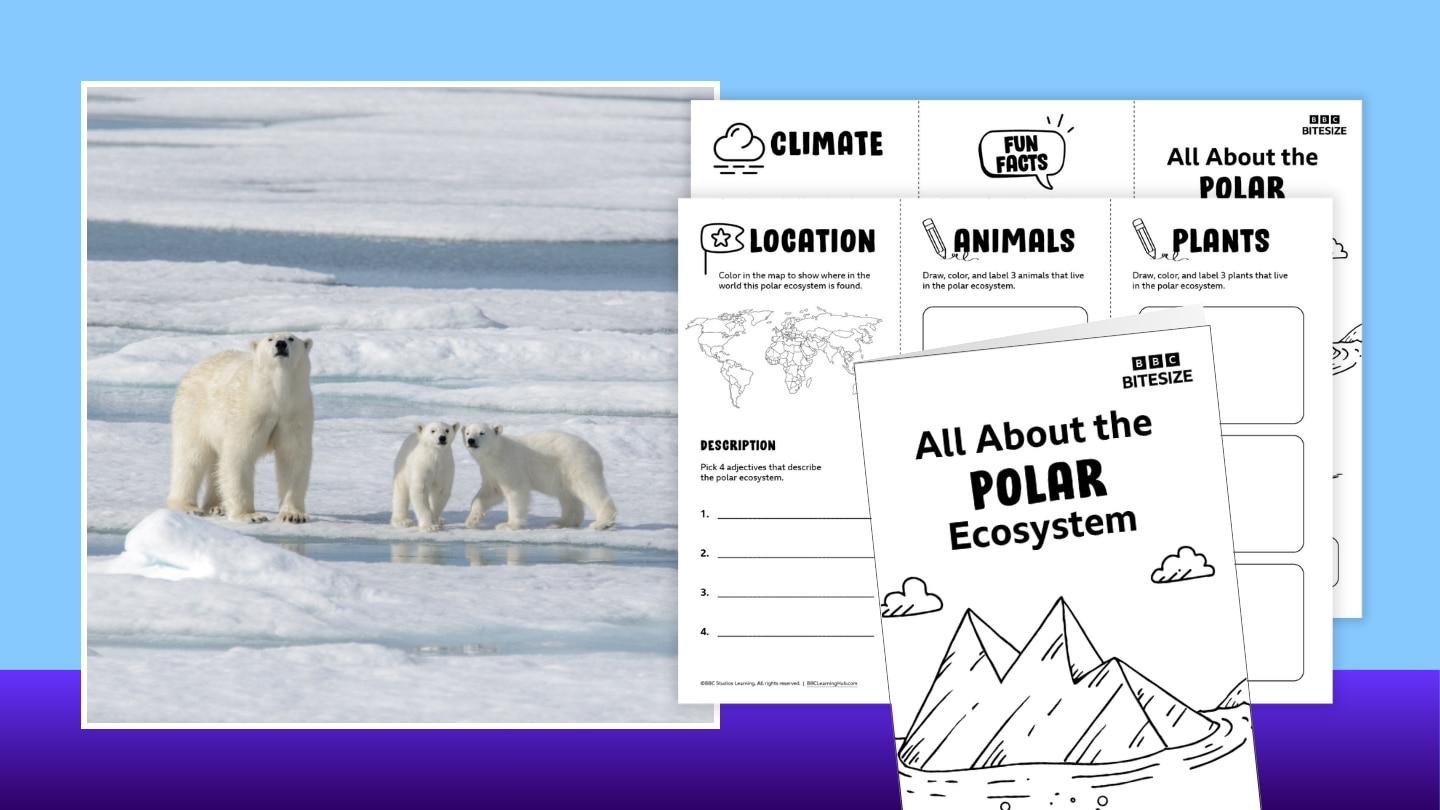
Bring your students on an icy exploration of the polar ecosystem! The Arctic and Antarctica may look frozen and empty at first glance, but they’re full of life perfectly adapted to the cold.
✨ Perfect for grades 3–8, here’s what you need to bring ecosystems to life:
- Iconic BBC Videos: Share the clips on this page to introduce the location, plants, animals, and climate of the polar regions. (Don't miss the narwhals and emperor penguins!) Brought to you by world-class BBC programs like Planet Earth, Frozen Planet, and Seven Worlds, One Planet.
- Free Printable: Use the Polar Brochure Template to help students pull it all together in an ecosystem report with facts they’ve learned (and a little extra research).
It’s everything you need to make ecosystems easy to teach and truly memorable for your students.
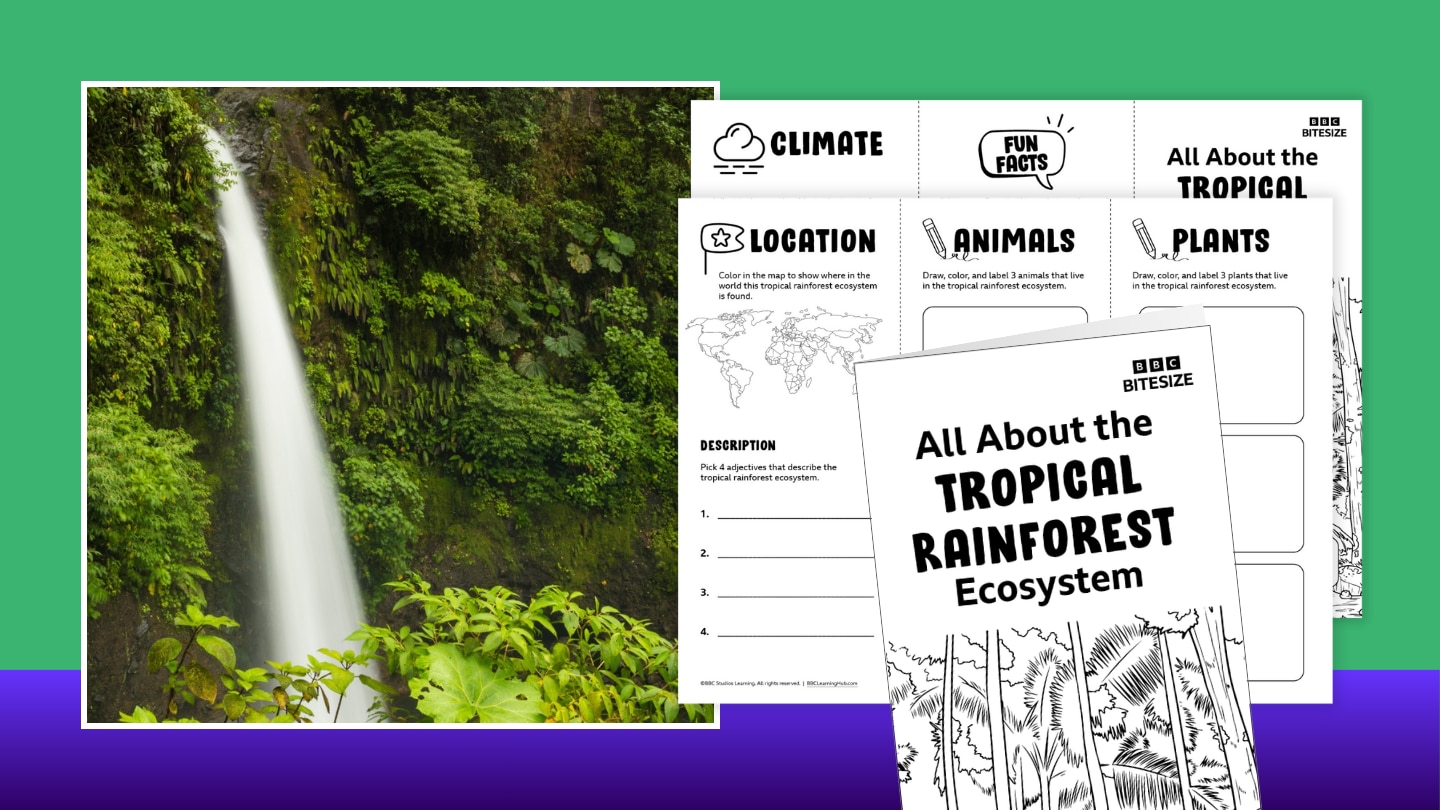
Guide your students on a hike through the tropical rainforest ecosystem! From the Amazon in South America to the jungles of Southeast Asia, rainforests are full of unique and amazing species.
✨ Perfect for grades 3–8, here’s what you need to bring ecosystems to life:
- Iconic BBC Videos: Share the clips on this page to introduce the location, plants, animals, and climate of the rainforest. (Don't miss the spider monkeys and waterfall toads!) Brought to you by world-class BBC programs like Planet Earth, Deadly 60, Seven Worlds, One Planet, and Life.
- Free Printable: Use the Tropical Rainforest Brochure Template to help students pull it all together in an ecosystem report with facts they’ve learned (and a little extra research).
It’s everything you need to make ecosystems easy to teach and truly memorable for your students.
Discover five Asian countries through short, engaging videos from the BBC + country fact files
Leveled Articles + BBC Video Clips + Printables + Civil Rights Quiz
Videos, articles, and printables to help your students engage with MLK's enduring message.
Cats. Dogs. Potbellied pigs?! Kids LOVE pets — and we do too!
Introducing your new favorite duo! JoJo & Gran Gran is a BBC children's animated television series that follows an inquisitive and cheerful 4-and-a-half-year-old girl and her loving grandmother, who always has something new to teach her. Young learners will love learning alongside the diverse cast of characters as they get to know their community and explore the natural world around them.
This is quick and easy seasonal content — perfect for an intro to a life science (plants, trees, flowers) or social studies (holidays!) lesson. Or watch the video and then try what JoJo and Gran Gran did, whether it's making a fruit crumble or writing a poem.
Gung Hei Fat Choy!
Celebrate Lunar New Year with the BBC Learning Hub’s curated resources for students ages 4–14. Through videos, articles, and printables, students can explore the traditions, symbols, and stories that mark this important holiday. From family gatherings and festive foods to lanterns, lion dances, and the Chinese Zodiac, these resources help students understand how Lunar New Year is celebrated across cultures and communities around the world.
Meet Ranger Hamza, beloved host of BBC's Ranger Hamza's EcoQuest, and his faithful Ramblers. In these short video clips, your young nature explorers can learn all about the natural world around them, from birds and insects to flowers and trees. Make sure you follow up with your own nature walk, and don't miss our free nature walk worksheets!
Who doesn't love animal facts? Invite your Grade 3–8 students to watch wildlife videos from the award-winning BBC series Planet Earth, in which Sir David Attenborough takes them up close and personal with incredible animals across awe-inspiring landscapes. Then, they can see how much they learned with one of these 16 engaging quizzes (we're big fans of our guess the image question type!). The videos are linked under each quiz page. Assign one or assign them all!
Bring your students on an icy exploration of the polar ecosystem! The Arctic and Antarctica may look frozen and empty at first glance, but they’re full of life perfectly adapted to the cold.
✨ Perfect for grades 3–8, here’s what you need to bring ecosystems to life:
- Iconic BBC Videos: Share the clips on this page to introduce the location, plants, animals, and climate of the polar regions. (Don't miss the narwhals and emperor penguins!) Brought to you by world-class BBC programs like Planet Earth, Frozen Planet, and Seven Worlds, One Planet.
- Free Printable: Use the Polar Brochure Template to help students pull it all together in an ecosystem report with facts they’ve learned (and a little extra research).
It’s everything you need to make ecosystems easy to teach and truly memorable for your students.
Guide your students on a hike through the tropical rainforest ecosystem! From the Amazon in South America to the jungles of Southeast Asia, rainforests are full of unique and amazing species.
✨ Perfect for grades 3–8, here’s what you need to bring ecosystems to life:
- Iconic BBC Videos: Share the clips on this page to introduce the location, plants, animals, and climate of the rainforest. (Don't miss the spider monkeys and waterfall toads!) Brought to you by world-class BBC programs like Planet Earth, Deadly 60, Seven Worlds, One Planet, and Life.
- Free Printable: Use the Tropical Rainforest Brochure Template to help students pull it all together in an ecosystem report with facts they’ve learned (and a little extra research).
It’s everything you need to make ecosystems easy to teach and truly memorable for your students.