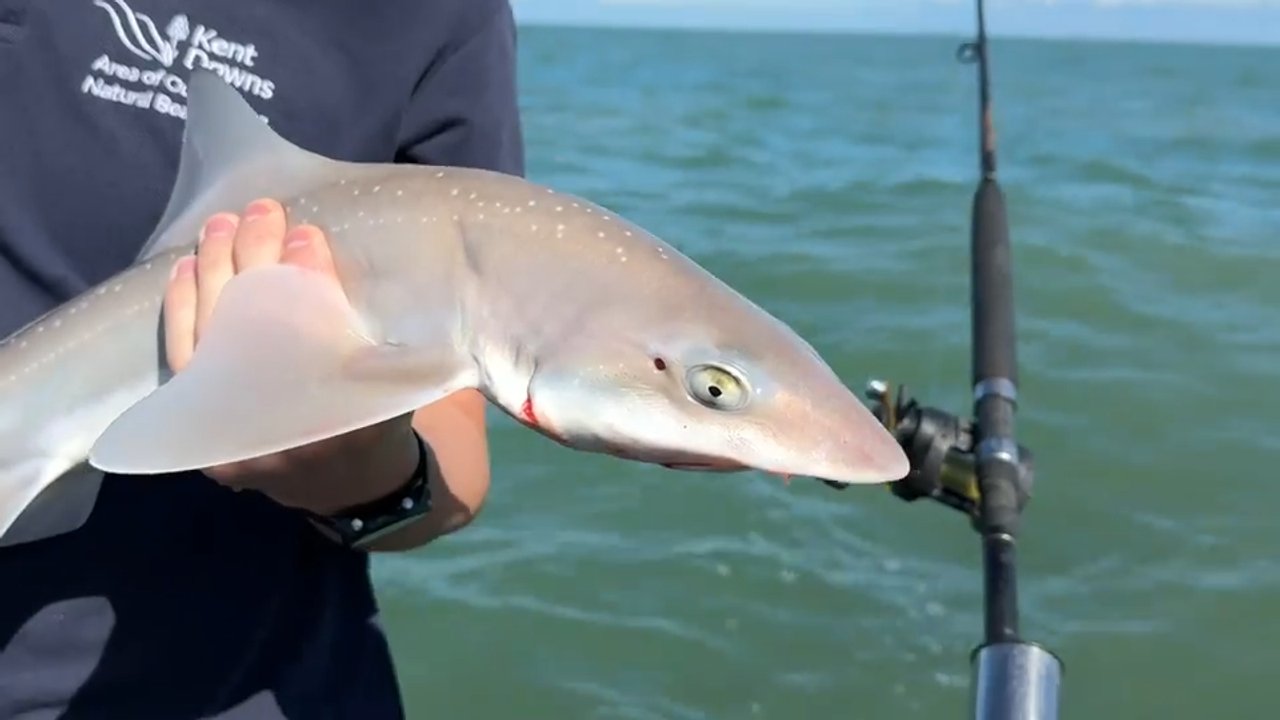
There are sharks swimming off the coast of Kent, a county in the southeast corner of England. Scientists say that’s good news. Sharks have been around for more than 400 million years, and as predators, they help keep the ocean food chain in balance. The UK has more than 40 shark species, but about half of them are at risk of extinction.
A new project called Sharks of Kent is studying the starry smoothhound, a small shark that’s harmless to people. Researchers think Kent’s waters may be a nursery where young sharks grow up before they head out to sea. The team catches a shark, weighs it, and if it’s big enough, attaches a tag before letting it go. If the shark is caught again, the tag shows how much it has grown and where it has been.
Scientists can’t be out on the water every day, so they’ve trained local fishing crews and anglers to tag sharks too. They’ve tagged more than 30 so far. One angler says shark numbers and sizes dropped this year, maybe because of overfishing or warmer water. The project could also help the region earn UNESCO Global Geopark status. That’s a United Nations label for places with internationally important natural features, and this area stretches across the English Channel to France.
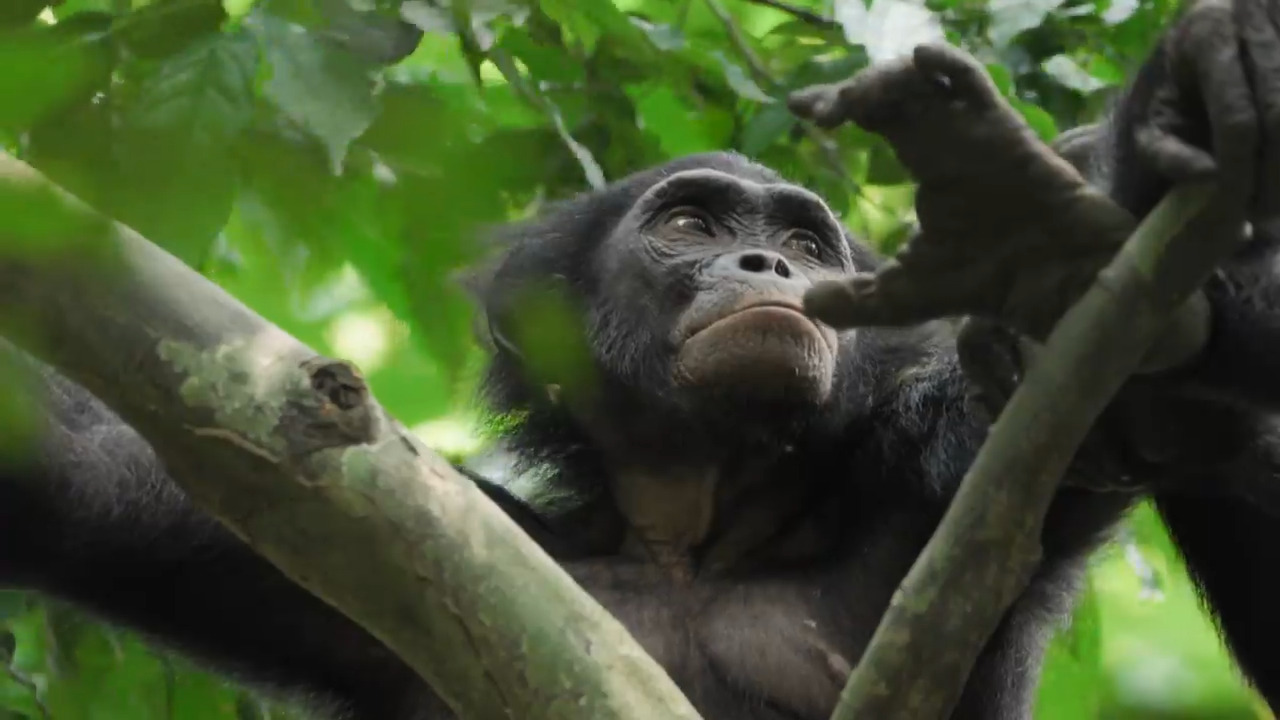
In Congo Adventures: Tracking Bonobos, host Simon Reeve treks through the rainforests of the Congo in search of bonobos, a gentle species of apes only found in this region. Along the way, he battles swarms of bees and tough terrain but finally discovers a family of bonobos living peacefully in the trees. These animals play a crucial role in the rainforest’s survival by spreading seeds as they eat, helping new plants and trees grow. Without the bonobos and other wildlife, the rainforest wouldn’t be able to thrive! This video is excerpted from BBC’s Wilderness With Simon Reeve, an epic adventure into the heart of Earth’s last great wild areas, where nature is at its most beautiful and fragile.
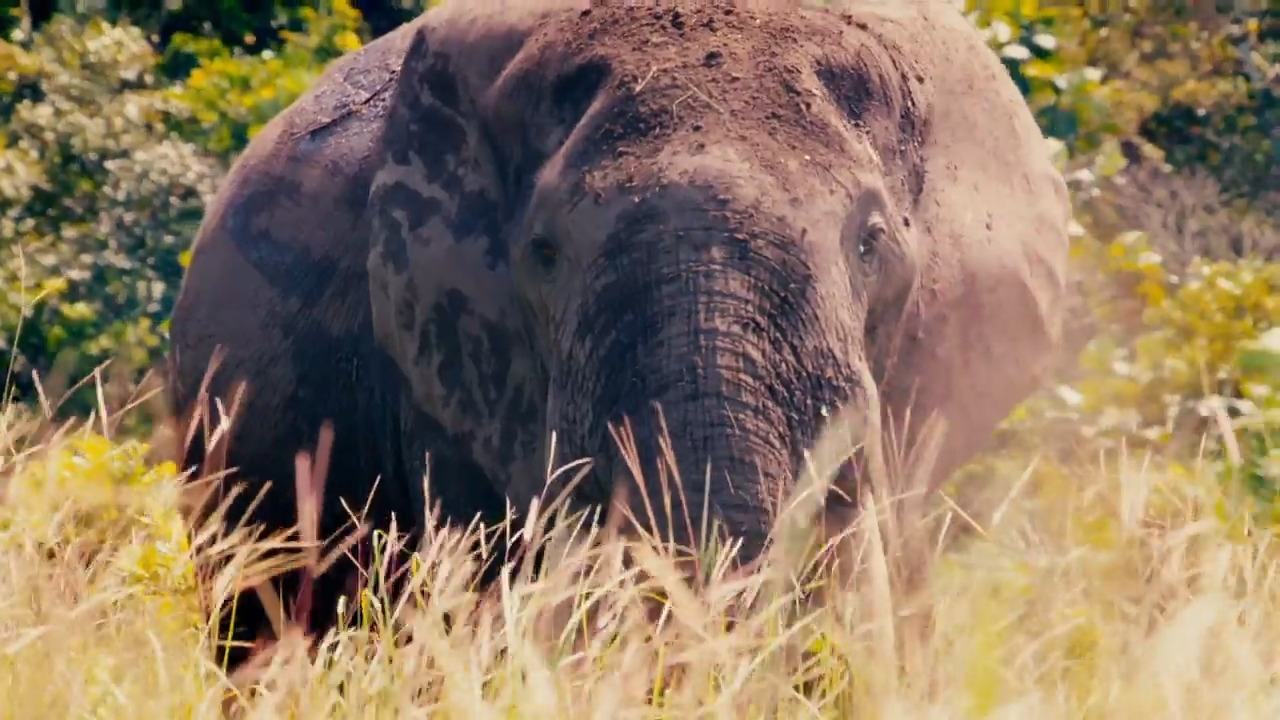
In Tracking Forest Elephants, naturalist Steve Backshall searches for forest elephants in the Loango National Park in Gabon. Together with two guides who are former poachers, they come across a forest elephant in its element. This video is excerpted from BBC's Deadly 60, an award-winning nature and adventure show for kids in which narrator Steve Backshall has one mission: to travel the globe in search of 60 of the world's deadliest animals.
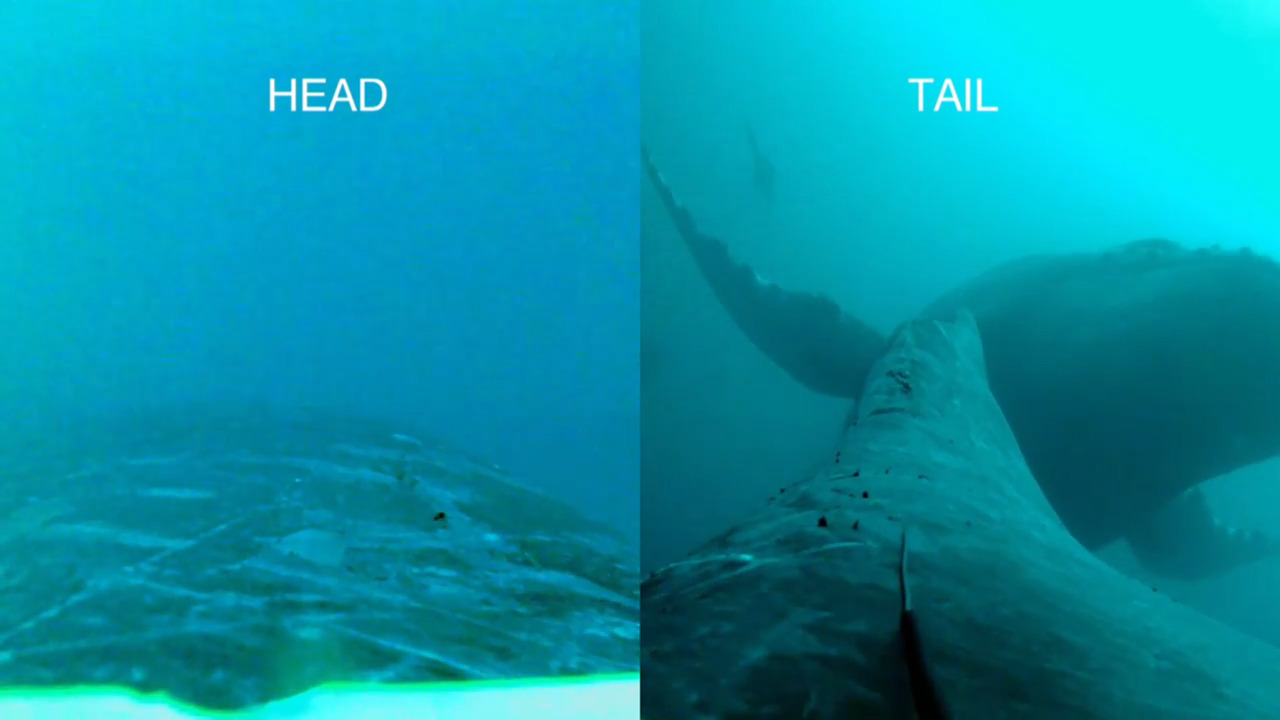
In Tagging and Tracking Whales, ecologist Ari Friedlander discusses how he tags whales to study their behavior. He aims to protect whales by making people care more about them. This video is excerpted from BBC’s Natural World: Humpback Whales - A Detective Story,, a documentary about our relationship with whales and their future alongside us.
There are sharks swimming off the coast of Kent, a county in the southeast corner of England. Scientists say that’s good news. Sharks have been around for more than 400 million years, and as predators, they help keep the ocean food chain in balance. The UK has more than 40 shark species, but about half of them are at risk of extinction.
A new project called Sharks of Kent is studying the starry smoothhound, a small shark that’s harmless to people. Researchers think Kent’s waters may be a nursery where young sharks grow up before they head out to sea. The team catches a shark, weighs it, and if it’s big enough, attaches a tag before letting it go. If the shark is caught again, the tag shows how much it has grown and where it has been.
Scientists can’t be out on the water every day, so they’ve trained local fishing crews and anglers to tag sharks too. They’ve tagged more than 30 so far. One angler says shark numbers and sizes dropped this year, maybe because of overfishing or warmer water. The project could also help the region earn UNESCO Global Geopark status. That’s a United Nations label for places with internationally important natural features, and this area stretches across the English Channel to France.
In Congo Adventures: Tracking Bonobos, host Simon Reeve treks through the rainforests of the Congo in search of bonobos, a gentle species of apes only found in this region. Along the way, he battles swarms of bees and tough terrain but finally discovers a family of bonobos living peacefully in the trees. These animals play a crucial role in the rainforest’s survival by spreading seeds as they eat, helping new plants and trees grow. Without the bonobos and other wildlife, the rainforest wouldn’t be able to thrive! This video is excerpted from BBC’s Wilderness With Simon Reeve, an epic adventure into the heart of Earth’s last great wild areas, where nature is at its most beautiful and fragile.
In Tracking Forest Elephants, naturalist Steve Backshall searches for forest elephants in the Loango National Park in Gabon. Together with two guides who are former poachers, they come across a forest elephant in its element. This video is excerpted from BBC's Deadly 60, an award-winning nature and adventure show for kids in which narrator Steve Backshall has one mission: to travel the globe in search of 60 of the world's deadliest animals.
In Tagging and Tracking Whales, ecologist Ari Friedlander discusses how he tags whales to study their behavior. He aims to protect whales by making people care more about them. This video is excerpted from BBC’s Natural World: Humpback Whales - A Detective Story,, a documentary about our relationship with whales and their future alongside us.