Cholesterol is tricky — your body needs the waxy substance to build cells and make hormones, but there’s a bad type of cholesterol called “LDL” (low-density lipoprotein). Too much LDL can put people at risk for heart attacks or stroke, so controlling cholesterol levels can be life-saving.
Luckily, a new gene editing therapy called VERVE-102 may be able to help with high cholesterol. There’s a trial running now that’s small but mighty, involving only 35 patients, all of whom have either inherited high cholesterol or have had a heart attack at a young age. They continued their regular medication but added this new gene editing therapy to their treatment.
Not only did results show levels of bad cholesterol reduced by up to 62%, but the level continued to remain low after a year, suggesting that patients may only need one treatment to feel the effects of this treatment for the rest of their lives. Is it magic? Close! It’s science!
The idea behind the gene editing plays off of the liver’s role. It’s supposed to clear bad cholesterol from the blood and stop it from clogging up vessels, unless a protein called PCSK9 gets in the way. PCSK9! It even kind of sounds like “pesky”! The new medicine edits PCSK9’s gene, so that it stays out of the way and the liver can do its job.
Don’t you hate it when you’re late for work, but you just can’t find your bone and lunch bag of kibble? That may be the case for a group of dogs in Gulu, Northern Uganda, who work as therapy dogs, helping people with tough upbringings navigate their trauma and adjust to a happy life. To support a population that grew up in a war (and the unsafe conditions that came with it), a charity has paired them with dogs.
What’s better? The dogs benefit, too! We’re not talking about an end-of-the-week paycheck or big office parties, but something better: overdue love and affection. All the dogs are former street dogs, so they weren’t properly cared for, and these have helped more than 120 people and dogs find healing bonds with each other.
Dogs are superheroes! Well, kind of. They have a sort of superpower — an amazing ability to make people happy.
Now, they’re using that ability in hospitals to bring joy to patients, visitors, and employees who could use a smile. 11 therapy dogs make up a team that has completed over 800 hours of volunteer work at local hospitals, spreading joy to hospital staff and visitors and collecting belly scratches while they're at it. There have even been incredible reports of unconscious patients who stretch out for the dogs. Stock up on treats, because the network of hospitals hopes to add more dogs to the team soon. Thanks, Doctor! Or should we say, Dog-tor?
The article "Confronting Trauma With Virtual Reality Therapy" from BBC's Science Focus is about how virtual reality (VR) is being used to treat post-traumatic stress disorder (PTSD) in returning service personnel.
In the video Treating Multiple Sclerosis With Stem Cell Therapy, meet Stephen, a man who lost his ability to move due to multiple sclerosis (MS), an autoimmune disease that attacks the brain and spinal cord. Follow his journey as he undergoes an innovative stem cell treatment to restore his nervous system and regain mobility. Learn about the immune system, autoimmune diseases, and how stem cells can be used to repair damaged systems in the body. This video is excerpted from BBC’s The World’s Most Extraordinary People, a documentary series revealing how rare medical conditions inspire groundbreaking scientific discoveries.
In Treating Parosmia With Smell Training Techniques, learn how smell training can help someone who has lost their sense of smell. Follow Cris Kelly, a person who has experienced a disrupted sense of smell due to parosmia and is using a form of therapy to retrain her olfactory system. The process involves smelling strong scents like lemon, rose, clove, and eucalyptus in a structured way to help the brain reorganize its connections and restore smell. This training shows how neuroplasticity can help retrain the brain after sensory loss. This video is excerpted from BBC’s The World’s Most Extraordinary People, a documentary series revealing how rare medical conditions inspire groundbreaking scientific discoveries.
In Treating Severe Combined Immunodeficiency, learn how doctors used gene therapy to fix a boy’s immune system. Meet Reese, a child with severe combined immunodeficiency (SCID), whose immune system was successfully treated through this groundbreaking medical procedure. Discover how gene therapy works, how viruses can be used to deliver genes, and the role of white blood cells in the immune system. This video is excerpted from BBC’s The World’s Most Extraordinary People, a documentary series revealing how rare medical conditions inspire groundbreaking scientific discoveries.
Cholesterol is tricky — your body needs the waxy substance to build cells and make hormones, but there’s a bad type of cholesterol called “LDL” (low-density lipoprotein). Too much LDL can put people at risk for heart attacks or stroke, so controlling cholesterol levels can be life-saving.
Luckily, a new gene editing therapy called VERVE-102 may be able to help with high cholesterol. There’s a trial running now that’s small but mighty, involving only 35 patients, all of whom have either inherited high cholesterol or have had a heart attack at a young age. They continued their regular medication but added this new gene editing therapy to their treatment.
Not only did results show levels of bad cholesterol reduced by up to 62%, but the level continued to remain low after a year, suggesting that patients may only need one treatment to feel the effects of this treatment for the rest of their lives. Is it magic? Close! It’s science!
The idea behind the gene editing plays off of the liver’s role. It’s supposed to clear bad cholesterol from the blood and stop it from clogging up vessels, unless a protein called PCSK9 gets in the way. PCSK9! It even kind of sounds like “pesky”! The new medicine edits PCSK9’s gene, so that it stays out of the way and the liver can do its job.
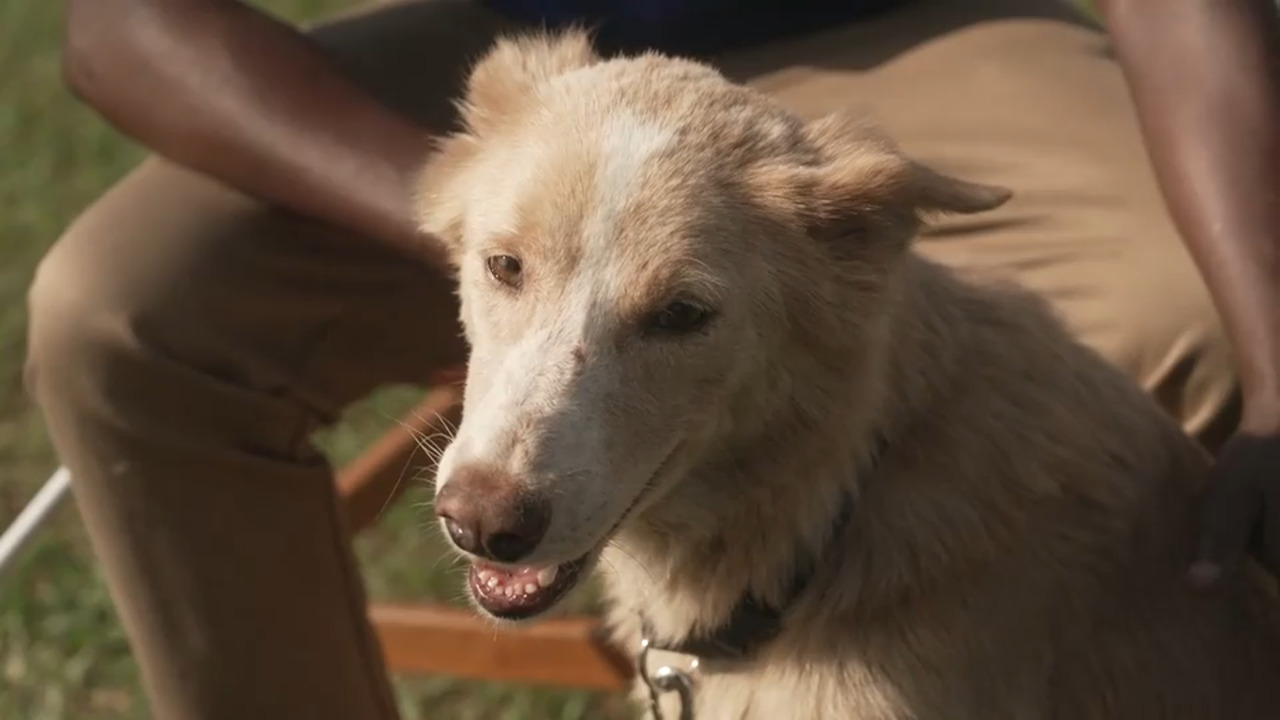
Don’t you hate it when you’re late for work, but you just can’t find your bone and lunch bag of kibble? That may be the case for a group of dogs in Gulu, Northern Uganda, who work as therapy dogs, helping people with tough upbringings navigate their trauma and adjust to a happy life. To support a population that grew up in a war (and the unsafe conditions that came with it), a charity has paired them with dogs.
What’s better? The dogs benefit, too! We’re not talking about an end-of-the-week paycheck or big office parties, but something better: overdue love and affection. All the dogs are former street dogs, so they weren’t properly cared for, and these have helped more than 120 people and dogs find healing bonds with each other.
Dogs are superheroes! Well, kind of. They have a sort of superpower — an amazing ability to make people happy.
Now, they’re using that ability in hospitals to bring joy to patients, visitors, and employees who could use a smile. 11 therapy dogs make up a team that has completed over 800 hours of volunteer work at local hospitals, spreading joy to hospital staff and visitors and collecting belly scratches while they're at it. There have even been incredible reports of unconscious patients who stretch out for the dogs. Stock up on treats, because the network of hospitals hopes to add more dogs to the team soon. Thanks, Doctor! Or should we say, Dog-tor?
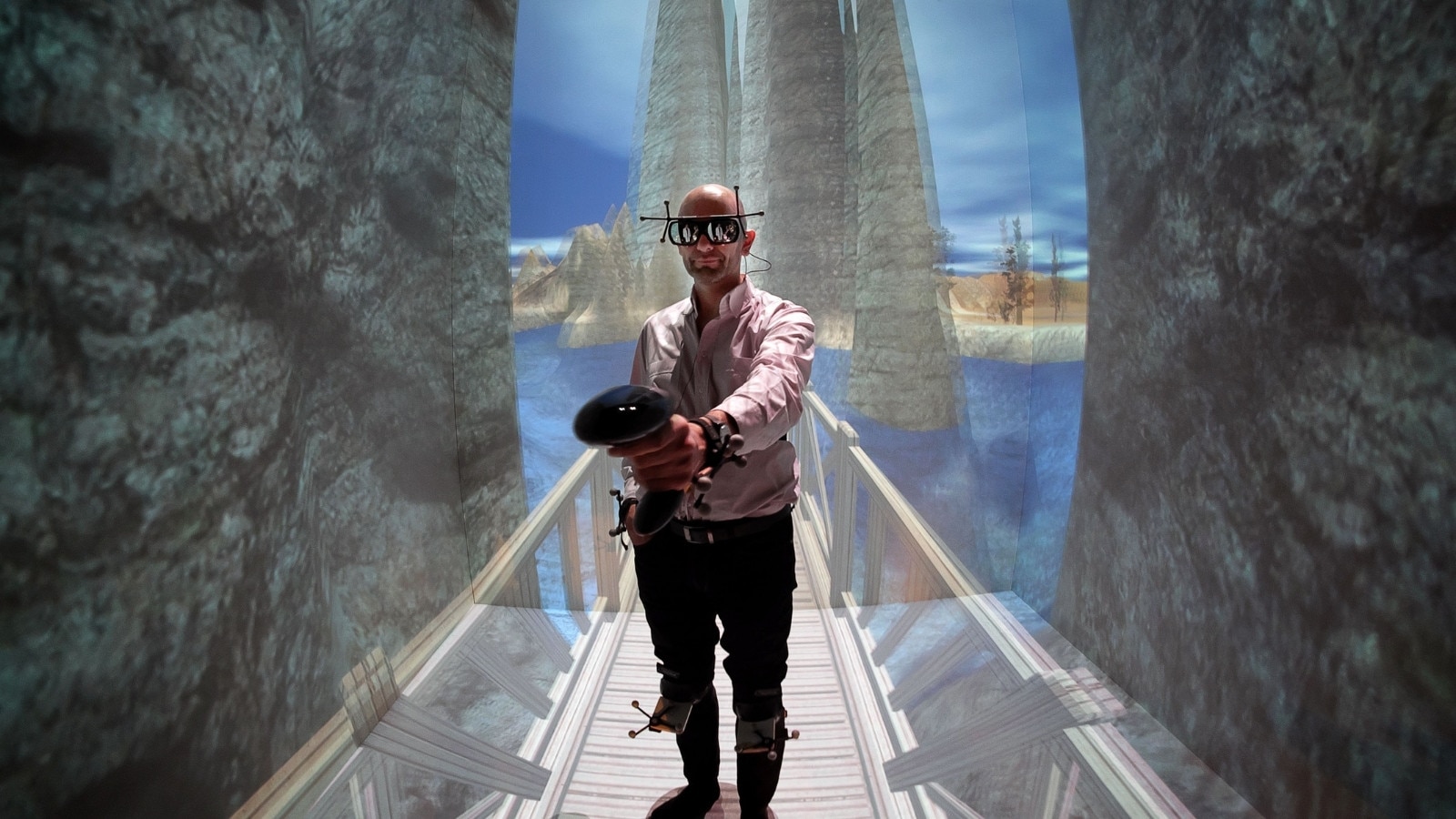
The article "Confronting Trauma With Virtual Reality Therapy" from BBC's Science Focus is about how virtual reality (VR) is being used to treat post-traumatic stress disorder (PTSD) in returning service personnel.
In the video Treating Multiple Sclerosis With Stem Cell Therapy, meet Stephen, a man who lost his ability to move due to multiple sclerosis (MS), an autoimmune disease that attacks the brain and spinal cord. Follow his journey as he undergoes an innovative stem cell treatment to restore his nervous system and regain mobility. Learn about the immune system, autoimmune diseases, and how stem cells can be used to repair damaged systems in the body. This video is excerpted from BBC’s The World’s Most Extraordinary People, a documentary series revealing how rare medical conditions inspire groundbreaking scientific discoveries.
In Treating Parosmia With Smell Training Techniques, learn how smell training can help someone who has lost their sense of smell. Follow Cris Kelly, a person who has experienced a disrupted sense of smell due to parosmia and is using a form of therapy to retrain her olfactory system. The process involves smelling strong scents like lemon, rose, clove, and eucalyptus in a structured way to help the brain reorganize its connections and restore smell. This training shows how neuroplasticity can help retrain the brain after sensory loss. This video is excerpted from BBC’s The World’s Most Extraordinary People, a documentary series revealing how rare medical conditions inspire groundbreaking scientific discoveries.
In Treating Severe Combined Immunodeficiency, learn how doctors used gene therapy to fix a boy’s immune system. Meet Reese, a child with severe combined immunodeficiency (SCID), whose immune system was successfully treated through this groundbreaking medical procedure. Discover how gene therapy works, how viruses can be used to deliver genes, and the role of white blood cells in the immune system. This video is excerpted from BBC’s The World’s Most Extraordinary People, a documentary series revealing how rare medical conditions inspire groundbreaking scientific discoveries.