

Dive into the wonders of Antarctica with this multi-grade lesson collection! Tailored for K–2, 3–5, 6–8, and 9–12, each unit includes engaging activities, thought-provoking discussions, and hands-on projects to uncover the mysteries of the frozen continent. Enhance your teaching with stunning BBC video clips showcasing Antarctic wildlife, research stations, and breathtaking icy landscapes. Printable resources like animal fact sheets, scientist journal templates, and conservation challenges bring the learning to life for your students. Perfect for science, geography, and environmental lessons!
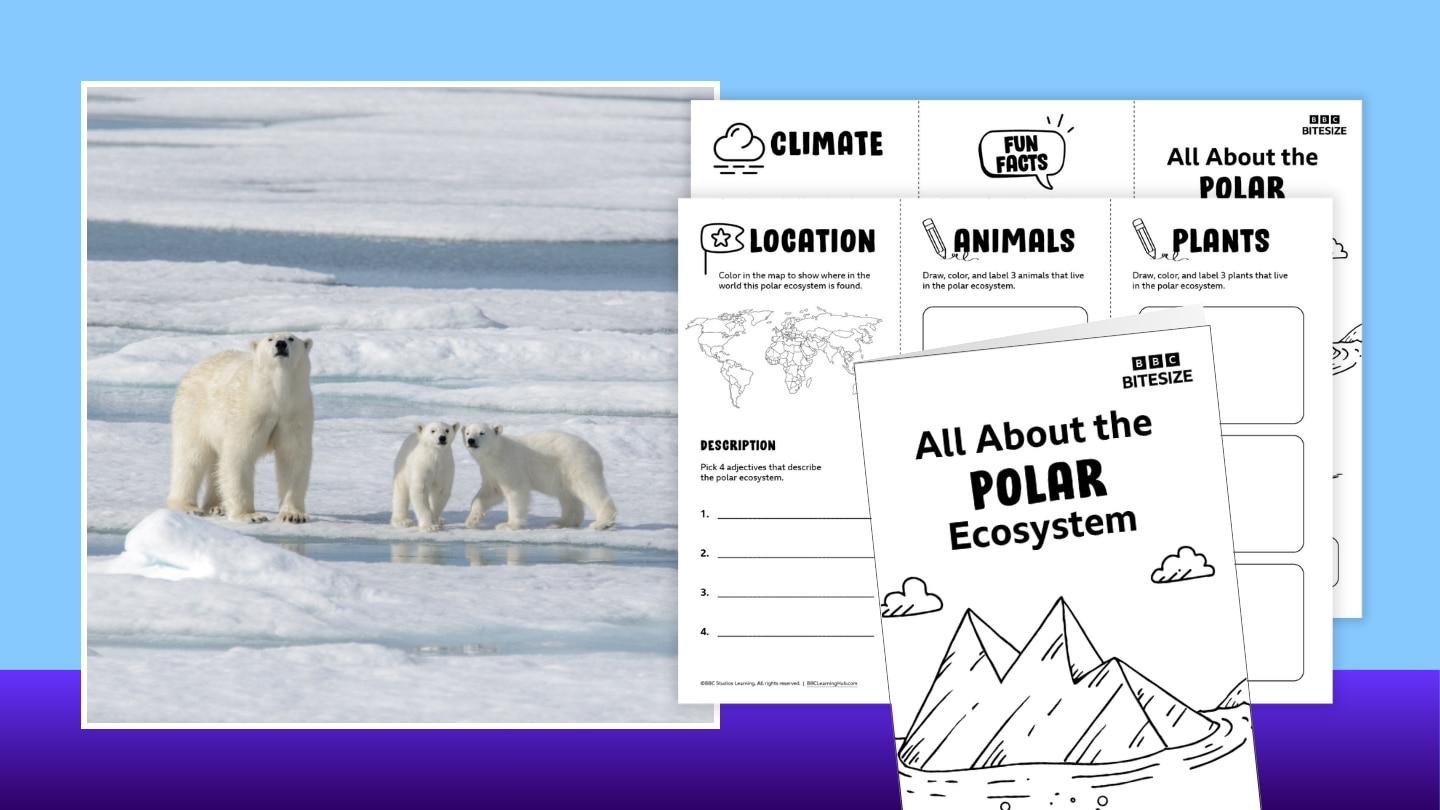
Bring your students on an icy exploration of the polar ecosystem! The Arctic and Antarctica may look frozen and empty at first glance, but they’re full of life perfectly adapted to the cold.
✨ Perfect for grades 3–8, here’s what you need to bring ecosystems to life:
- Iconic BBC Videos: Share the clips on this page to introduce the location, plants, animals, and climate of the polar regions. (Don't miss the narwhals and emperor penguins!) Brought to you by world-class BBC programs like Planet Earth, Frozen Planet, and Seven Worlds, One Planet.
- Free Printable: Use the Polar Brochure Template to help students pull it all together in an ecosystem report with facts they’ve learned (and a little extra research).
It’s everything you need to make ecosystems easy to teach and truly memorable for your students.
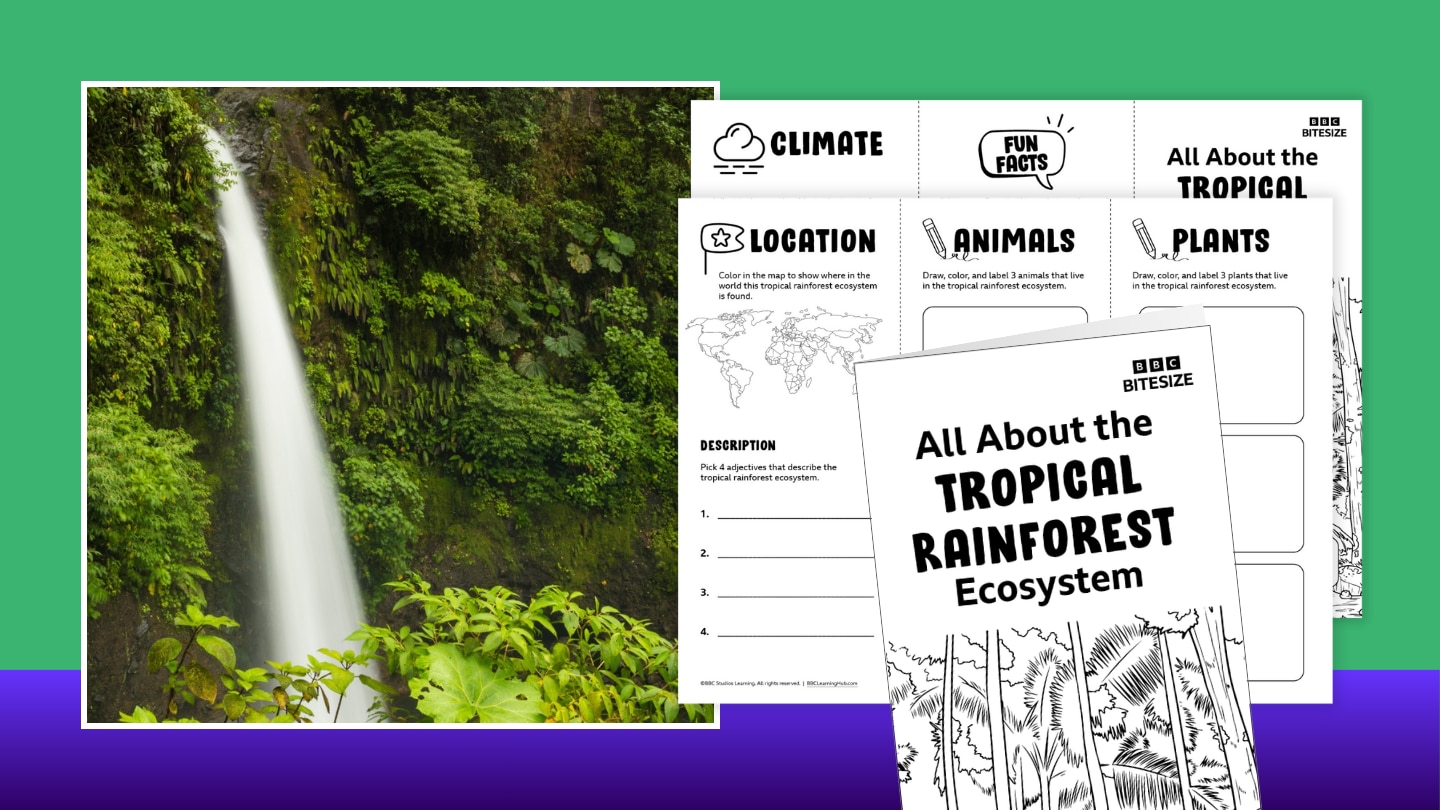
Guide your students on a hike through the tropical rainforest ecosystem! From the Amazon in South America to the jungles of Southeast Asia, rainforests are full of unique and amazing species.
✨ Perfect for grades 3–8, here’s what you need to bring ecosystems to life:
- Iconic BBC Videos: Share the clips on this page to introduce the location, plants, animals, and climate of the rainforest. (Don't miss the spider monkeys and waterfall toads!) Brought to you by world-class BBC programs like Planet Earth, Deadly 60, Seven Worlds, One Planet, and Life.
- Free Printable: Use the Tropical Rainforest Brochure Template to help students pull it all together in an ecosystem report with facts they’ve learned (and a little extra research).
It’s everything you need to make ecosystems easy to teach and truly memorable for your students.
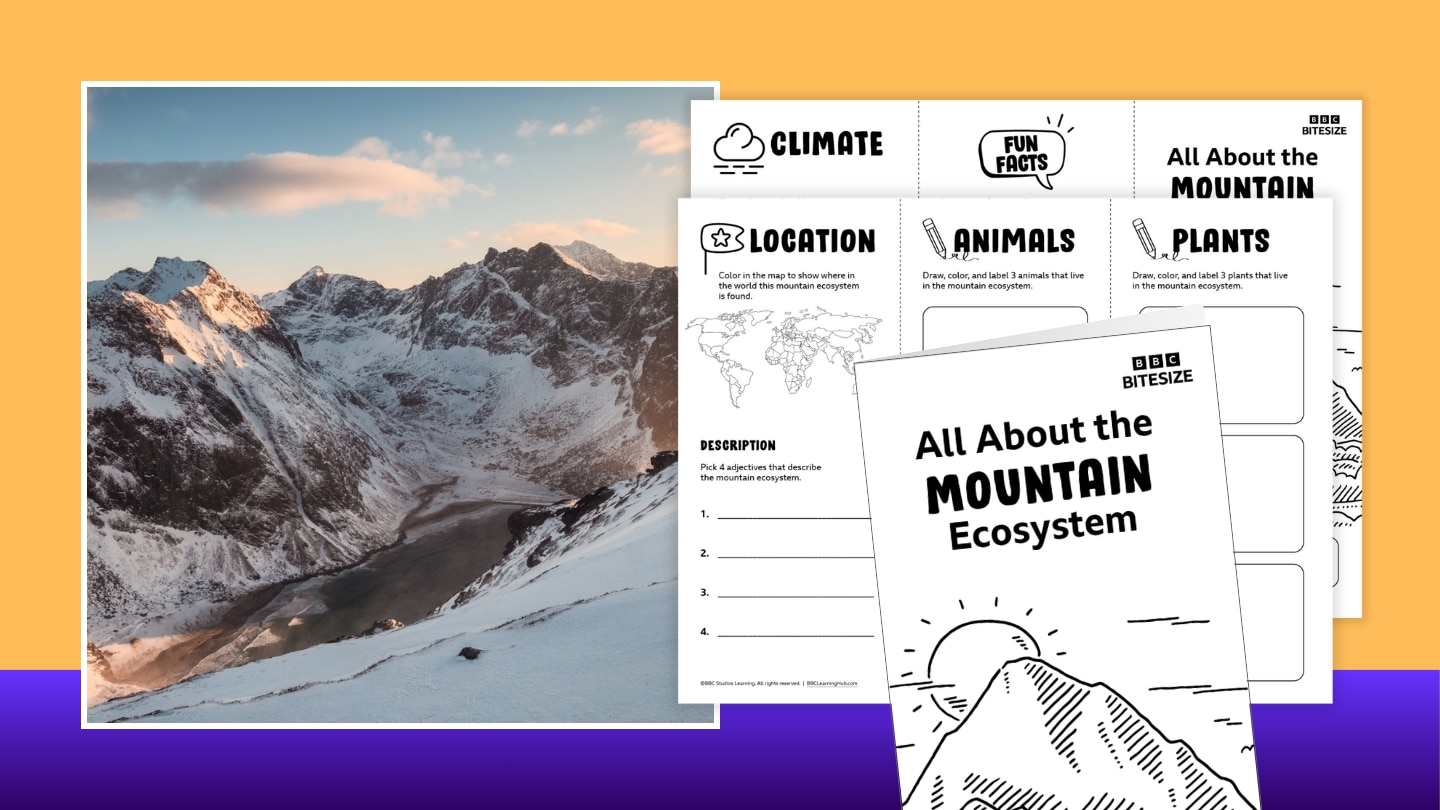
Take your students on a climb through the mountain ecosystem! From the towering Himalayas to the snowy Rockies, mountain ecosystems change as you climb, starting with green forests down low and ending with bare, windswept summits at the top.
✨ Perfect for grades 3–8, here’s what you need to bring ecosystems to life:
- Iconic BBC Videos: Share the clips on this page to introduce the location, plants, animals, and climate of the mountains. (Don't miss the grizzlies and snow leopards!) Brought to you by world-class BBC programs like Planet Earth.
- Free Printable: Use the Mountain Brochure Template to help students pull it all together in an ecosystem report with facts they’ve learned (and a little extra research).
It’s everything you need to make ecosystems easy to teach and truly memorable for your students.
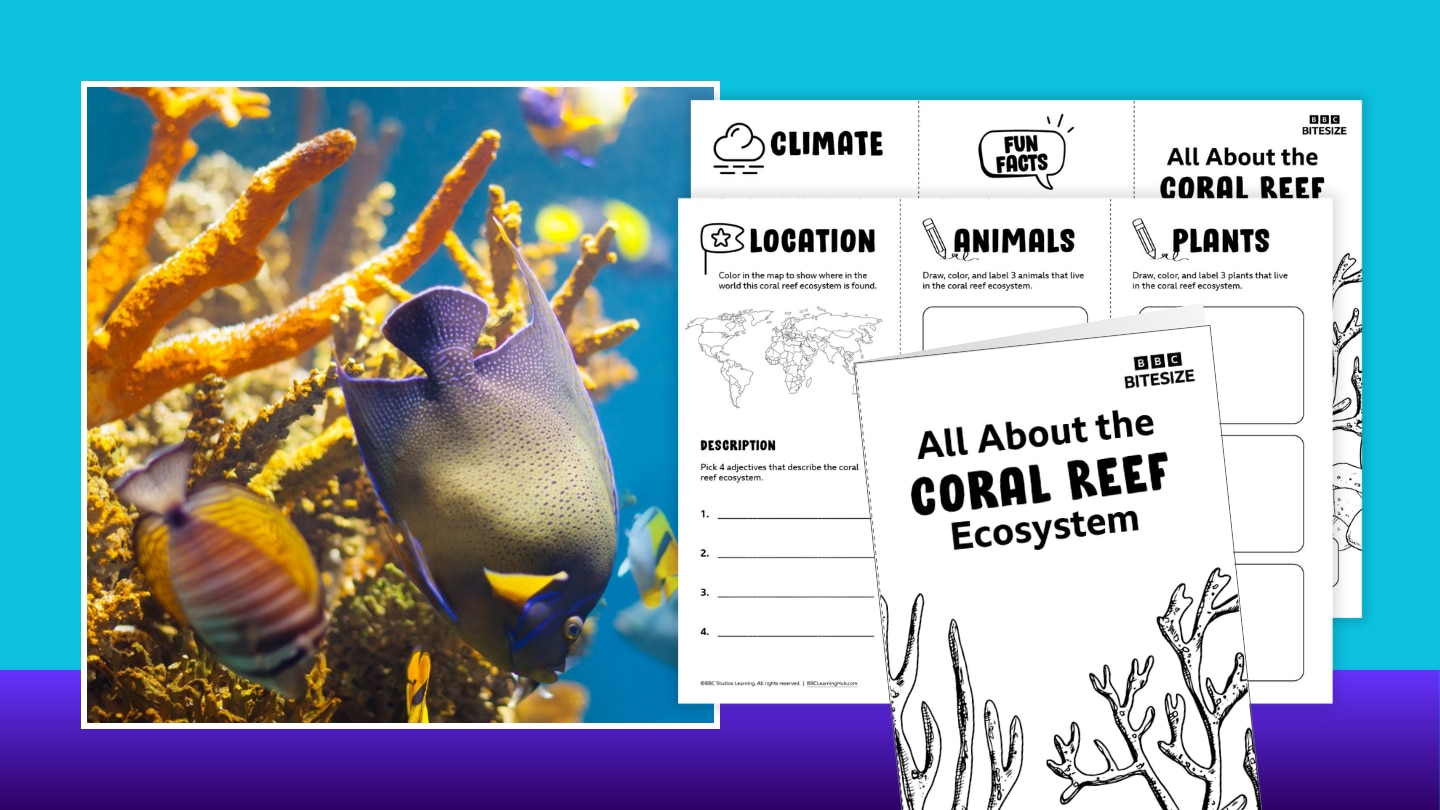
Bring your students on an underwater adventure into the coral reef ecosystem! Whether you're exploring the vast beauty of the Great Barrier Reef in Australia or diving into the rich, biodiverse waters of Indonesia, coral reefs are some of the most vibrant and important ecosystems on Earth.
✨ Perfect for grades 3–8, here’s what you need to bring ecosystems to life:
- Iconic BBC Videos: Share the clips on this page to introduce the location, plants, animals, and climate of the coral reefs. (Don't miss the tusk fish and octopuses!) Brought to you by world-class BBC programs like Planet Earth, Blue Planet, Animal Babies, and Life.
- Free Printable: Use the Coral Reef Brochure Template to help students pull it all together in an ecosystem report with facts they’ve learned (and a little extra research).
It’s everything you need to make ecosystems easy to teach and truly memorable for your students.
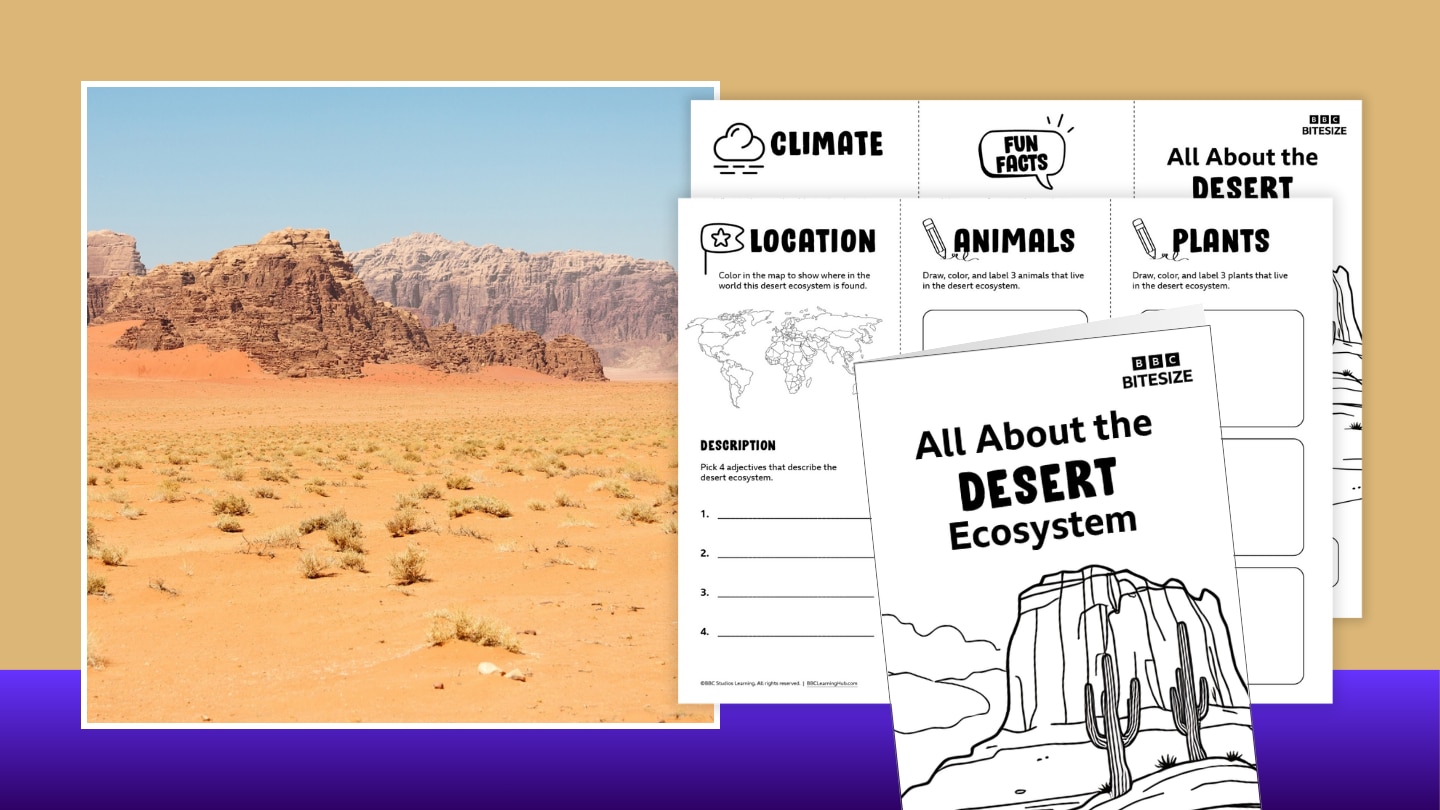
Guide your students on a journey through the desert ecosystem! From the sweeping sands of the Namib and Kalahari in southern Africa, to the dry heart of Australia’s Outback, and the rocky cold of the Gobi, deserts come in many forms.
✨ Perfect for grades 3–8, here’s what you need to bring ecosystems to life:
- Iconic BBC Videos: Share the clips on this page to introduce the location, plants, animals, and climate of the desert. (Don't miss the lions and lizards!) Brought to you by world-class BBC programs like Planet Earth, Wilderness With Simon Reeve, Africa, and Seven Worlds, One Planet.
- Free Printable: Use the Desert Brochure Template to help students pull it all together in an ecosystem report with facts they’ve learned (and a little extra research).
It’s everything you need to make ecosystems easy to teach and truly memorable for your students.
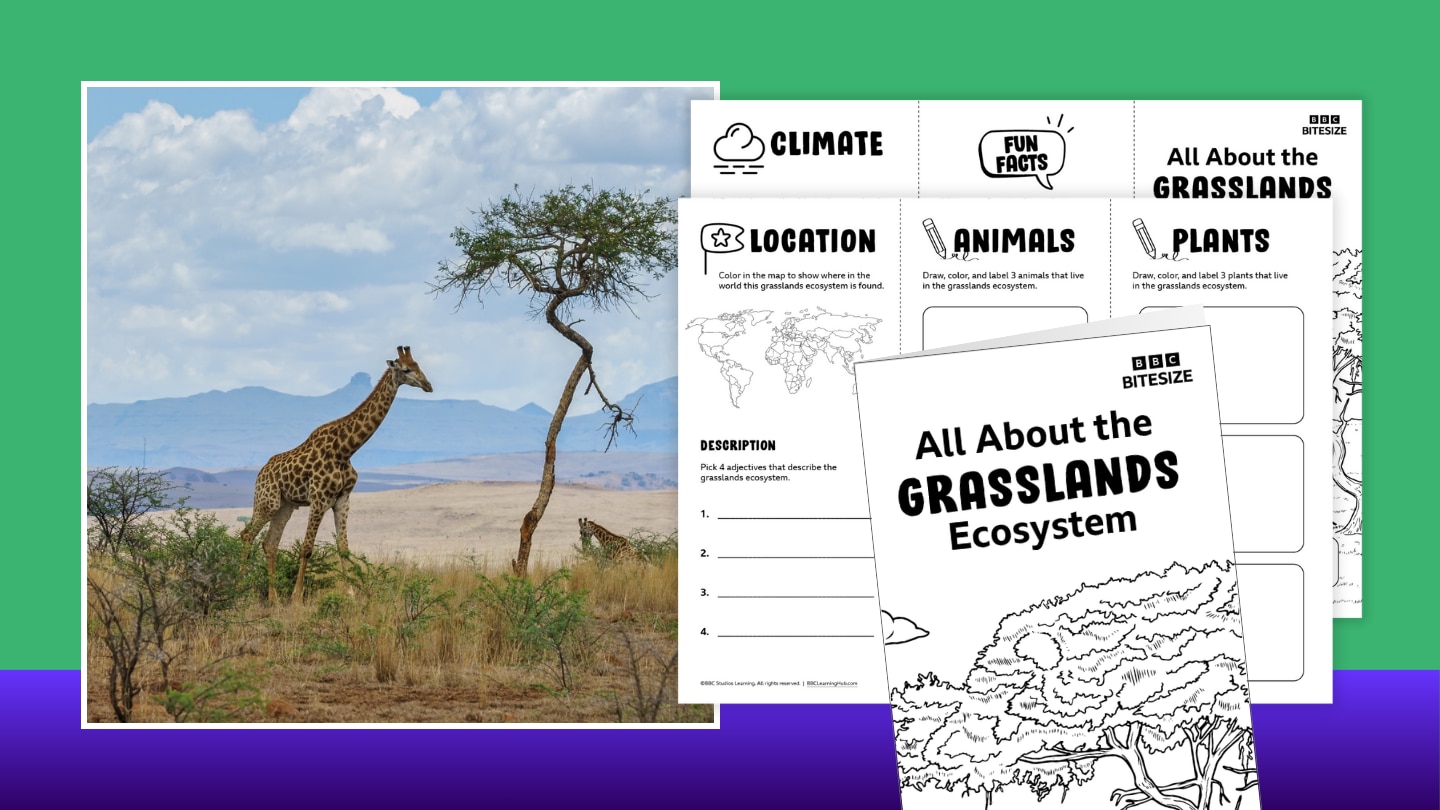
Take your students on a romp through the grasslands! From the African savanna to the Great Plains of North America grasslands are nature’s wide-open playground.
✨ Perfect for grades 3–8, here’s what you need to bring ecosystems to life:
- Iconic BBC Videos: Share the clips on this page to introduce the location, plants, animals, and climate of the grasslands. (Don't miss the giraffes and bison!) Brought to you by world-class BBC programs such as Planet Earth, The Americas With Simon Reeve, and Seven Worlds, One Planet.
- Free Printable: Use the Grasslands Brochure Template to help students pull it all together in an ecosystem report with facts they’ve learned (and a little extra research).
It’s everything you need to make ecosystems easy to teach and truly memorable for your students.

How ya goin'? This page is for making your very own Bluey. Read a fruit-batty story, color in a keepy-uppy ballon, and drop Bluey off at school. All you need is a cereal box, paint, glue, and this Make Your Own Bluey template. Did you know that Bluey is a 6-year-old blue heeler? She has three spots on her back. Her bedding has bone pics on it and her bed has a big B!

Not sure what to play? Let the chatterbox decide. Use this fun Bluey template to make your own. All you need is a pair of scissors and a bit of grown-up help. Once it's done, you start with the chatterbox closed. Ask someone their age. Count to that age out loud. As you say each number, open the chatterbox one way, then the other. Ask your partner to choose a color. Open the flap to see what you've got to do!
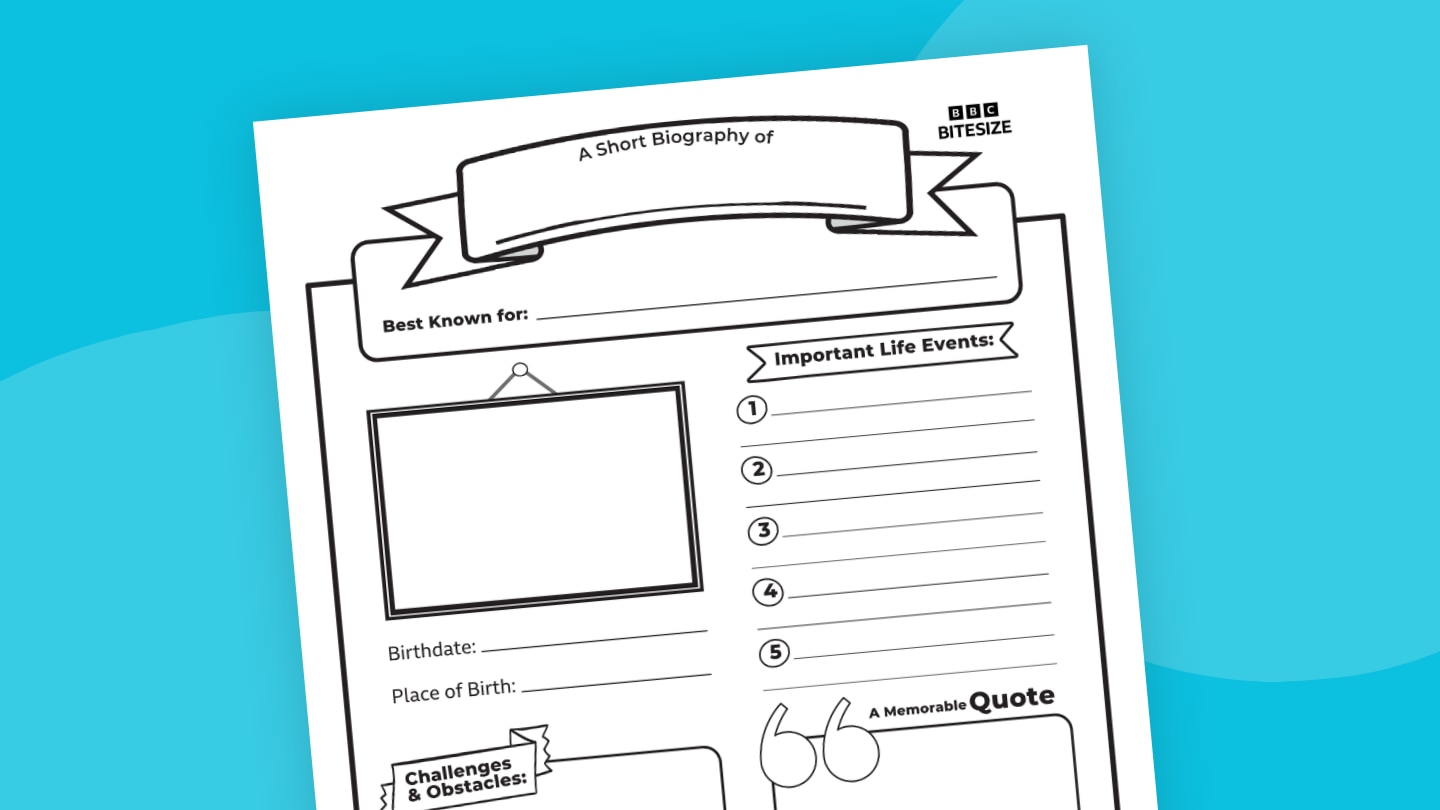
This mini biography template is a flexible, engaging tool designed to help students in Grades 3–8 explore the lives of important historical figures. With sections like Best Known For, Important Life Events, Challenges and Obstacles, Memorable Quote, and Legacy and Achievements, students are guided to think beyond basic facts and develop a deeper understanding of a person’s impact.
This template can be used with any historical figure and pairs especially well with video-based research. Encourage students to explore our BBC video library to gather key details, hear stories in context, and build stronger connections to the people they’re studying.
Here are a few ways you can use this template in your classroom:
- Celebrate special months: Have students research and complete biographies for influential figures during observances like Women’s History Month or Black History Month.
- Scientist spotlights: Use the template to profile important scientists, inventors, or innovators throughout history.
- “Living museum” projects: Have students complete the template, then present their figure in a short first-person speech or display as part of a classroom museum exhibit.
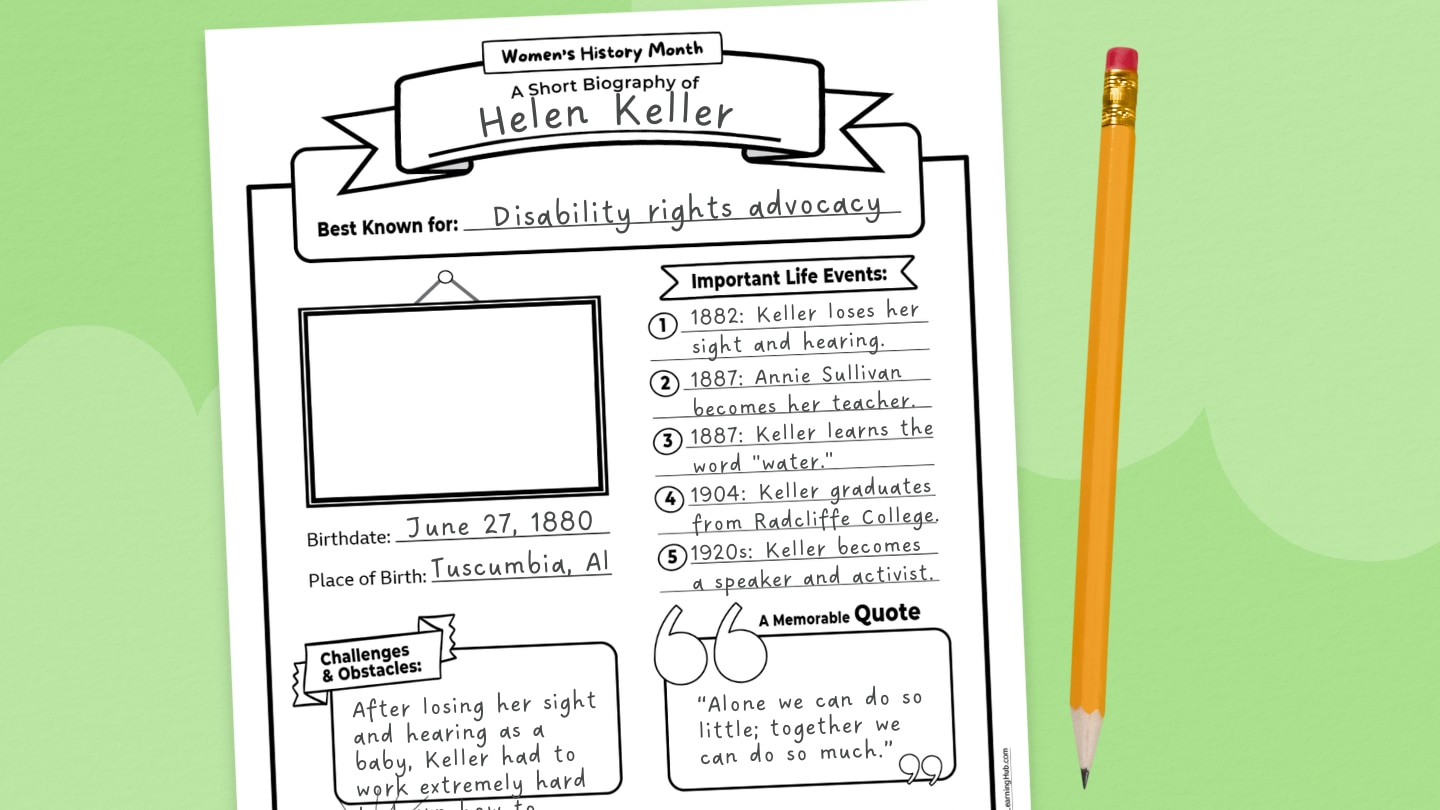
This Women’s History Month, invite your students to step into the role of historian, storyteller, and researcher as they create profiles of extraordinary women in history. Our Women’s History Biography Template is designed for ages 8–14 and helps students organize key facts, explore challenges and accomplishments, and reflect on why these figures still matter today. With guided sections for important life events, obstacles overcome, and lasting impact, this ready-to-use template supports research skills, critical thinking, and strong writing.
To get started, visit our Figures in Women’s History microsite and explore a rich video library featuring trailblazing leaders, artists, scientists, and activists. Learn about Jane Goodall and her pioneering work in conservation and animal behavior, or dive into the groundbreaking research and storytelling of Zora Neale Hurston, who preserved and celebrated African American folklore and culture. Students can also discover figures who fought for women's suffrage, advanced medicine, and transformed sports. This is a great jumping off point for students to begin further research on their chosen icon.
Dive into the wonders of Antarctica with this multi-grade lesson collection! Tailored for K–2, 3–5, 6–8, and 9–12, each unit includes engaging activities, thought-provoking discussions, and hands-on projects to uncover the mysteries of the frozen continent. Enhance your teaching with stunning BBC video clips showcasing Antarctic wildlife, research stations, and breathtaking icy landscapes. Printable resources like animal fact sheets, scientist journal templates, and conservation challenges bring the learning to life for your students. Perfect for science, geography, and environmental lessons!
Bring your students on an icy exploration of the polar ecosystem! The Arctic and Antarctica may look frozen and empty at first glance, but they’re full of life perfectly adapted to the cold.
✨ Perfect for grades 3–8, here’s what you need to bring ecosystems to life:
- Iconic BBC Videos: Share the clips on this page to introduce the location, plants, animals, and climate of the polar regions. (Don't miss the narwhals and emperor penguins!) Brought to you by world-class BBC programs like Planet Earth, Frozen Planet, and Seven Worlds, One Planet.
- Free Printable: Use the Polar Brochure Template to help students pull it all together in an ecosystem report with facts they’ve learned (and a little extra research).
It’s everything you need to make ecosystems easy to teach and truly memorable for your students.
Guide your students on a hike through the tropical rainforest ecosystem! From the Amazon in South America to the jungles of Southeast Asia, rainforests are full of unique and amazing species.
✨ Perfect for grades 3–8, here’s what you need to bring ecosystems to life:
- Iconic BBC Videos: Share the clips on this page to introduce the location, plants, animals, and climate of the rainforest. (Don't miss the spider monkeys and waterfall toads!) Brought to you by world-class BBC programs like Planet Earth, Deadly 60, Seven Worlds, One Planet, and Life.
- Free Printable: Use the Tropical Rainforest Brochure Template to help students pull it all together in an ecosystem report with facts they’ve learned (and a little extra research).
It’s everything you need to make ecosystems easy to teach and truly memorable for your students.
Take your students on a climb through the mountain ecosystem! From the towering Himalayas to the snowy Rockies, mountain ecosystems change as you climb, starting with green forests down low and ending with bare, windswept summits at the top.
✨ Perfect for grades 3–8, here’s what you need to bring ecosystems to life:
- Iconic BBC Videos: Share the clips on this page to introduce the location, plants, animals, and climate of the mountains. (Don't miss the grizzlies and snow leopards!) Brought to you by world-class BBC programs like Planet Earth.
- Free Printable: Use the Mountain Brochure Template to help students pull it all together in an ecosystem report with facts they’ve learned (and a little extra research).
It’s everything you need to make ecosystems easy to teach and truly memorable for your students.
Bring your students on an underwater adventure into the coral reef ecosystem! Whether you're exploring the vast beauty of the Great Barrier Reef in Australia or diving into the rich, biodiverse waters of Indonesia, coral reefs are some of the most vibrant and important ecosystems on Earth.
✨ Perfect for grades 3–8, here’s what you need to bring ecosystems to life:
- Iconic BBC Videos: Share the clips on this page to introduce the location, plants, animals, and climate of the coral reefs. (Don't miss the tusk fish and octopuses!) Brought to you by world-class BBC programs like Planet Earth, Blue Planet, Animal Babies, and Life.
- Free Printable: Use the Coral Reef Brochure Template to help students pull it all together in an ecosystem report with facts they’ve learned (and a little extra research).
It’s everything you need to make ecosystems easy to teach and truly memorable for your students.
Guide your students on a journey through the desert ecosystem! From the sweeping sands of the Namib and Kalahari in southern Africa, to the dry heart of Australia’s Outback, and the rocky cold of the Gobi, deserts come in many forms.
✨ Perfect for grades 3–8, here’s what you need to bring ecosystems to life:
- Iconic BBC Videos: Share the clips on this page to introduce the location, plants, animals, and climate of the desert. (Don't miss the lions and lizards!) Brought to you by world-class BBC programs like Planet Earth, Wilderness With Simon Reeve, Africa, and Seven Worlds, One Planet.
- Free Printable: Use the Desert Brochure Template to help students pull it all together in an ecosystem report with facts they’ve learned (and a little extra research).
It’s everything you need to make ecosystems easy to teach and truly memorable for your students.
Take your students on a romp through the grasslands! From the African savanna to the Great Plains of North America grasslands are nature’s wide-open playground.
✨ Perfect for grades 3–8, here’s what you need to bring ecosystems to life:
- Iconic BBC Videos: Share the clips on this page to introduce the location, plants, animals, and climate of the grasslands. (Don't miss the giraffes and bison!) Brought to you by world-class BBC programs such as Planet Earth, The Americas With Simon Reeve, and Seven Worlds, One Planet.
- Free Printable: Use the Grasslands Brochure Template to help students pull it all together in an ecosystem report with facts they’ve learned (and a little extra research).
It’s everything you need to make ecosystems easy to teach and truly memorable for your students.
How ya goin'? This page is for making your very own Bluey. Read a fruit-batty story, color in a keepy-uppy ballon, and drop Bluey off at school. All you need is a cereal box, paint, glue, and this Make Your Own Bluey template. Did you know that Bluey is a 6-year-old blue heeler? She has three spots on her back. Her bedding has bone pics on it and her bed has a big B!
Not sure what to play? Let the chatterbox decide. Use this fun Bluey template to make your own. All you need is a pair of scissors and a bit of grown-up help. Once it's done, you start with the chatterbox closed. Ask someone their age. Count to that age out loud. As you say each number, open the chatterbox one way, then the other. Ask your partner to choose a color. Open the flap to see what you've got to do!
This mini biography template is a flexible, engaging tool designed to help students in Grades 3–8 explore the lives of important historical figures. With sections like Best Known For, Important Life Events, Challenges and Obstacles, Memorable Quote, and Legacy and Achievements, students are guided to think beyond basic facts and develop a deeper understanding of a person’s impact.
This template can be used with any historical figure and pairs especially well with video-based research. Encourage students to explore our BBC video library to gather key details, hear stories in context, and build stronger connections to the people they’re studying.
Here are a few ways you can use this template in your classroom:
- Celebrate special months: Have students research and complete biographies for influential figures during observances like Women’s History Month or Black History Month.
- Scientist spotlights: Use the template to profile important scientists, inventors, or innovators throughout history.
- “Living museum” projects: Have students complete the template, then present their figure in a short first-person speech or display as part of a classroom museum exhibit.
This Women’s History Month, invite your students to step into the role of historian, storyteller, and researcher as they create profiles of extraordinary women in history. Our Women’s History Biography Template is designed for ages 8–14 and helps students organize key facts, explore challenges and accomplishments, and reflect on why these figures still matter today. With guided sections for important life events, obstacles overcome, and lasting impact, this ready-to-use template supports research skills, critical thinking, and strong writing.
To get started, visit our Figures in Women’s History microsite and explore a rich video library featuring trailblazing leaders, artists, scientists, and activists. Learn about Jane Goodall and her pioneering work in conservation and animal behavior, or dive into the groundbreaking research and storytelling of Zora Neale Hurston, who preserved and celebrated African American folklore and culture. Students can also discover figures who fought for women's suffrage, advanced medicine, and transformed sports. This is a great jumping off point for students to begin further research on their chosen icon.