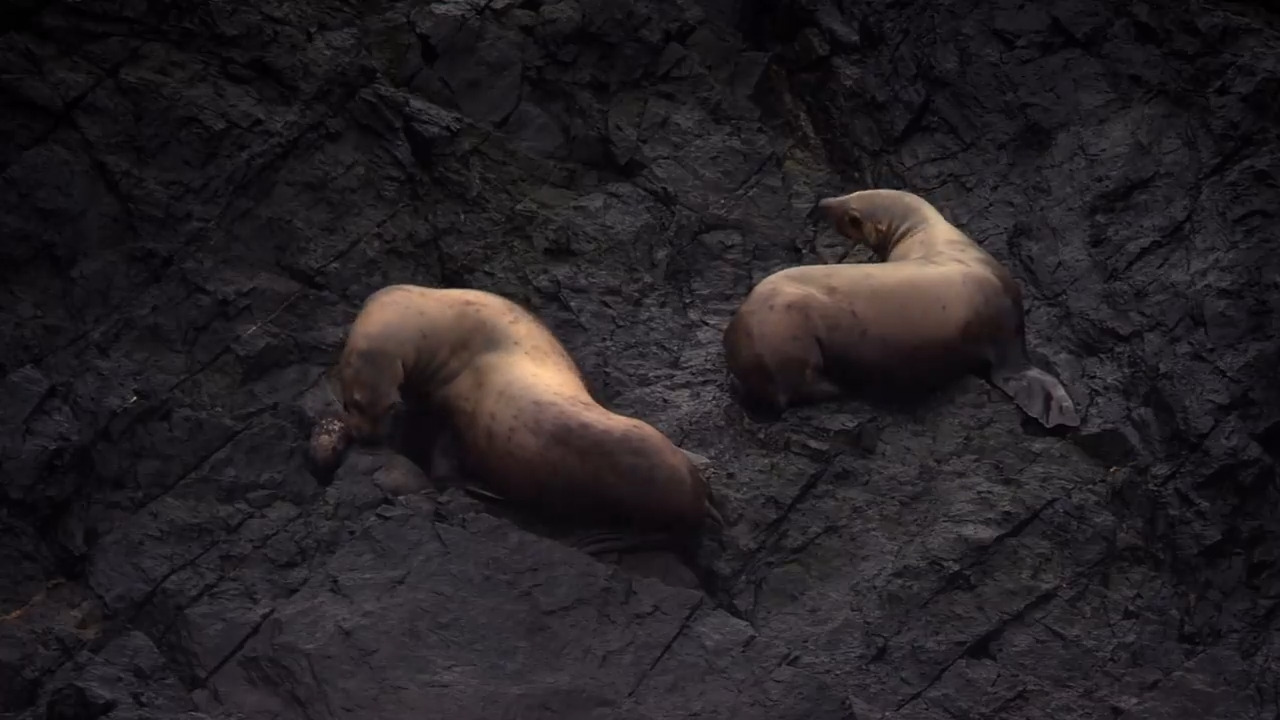
In Sea Lions and Storms, narrator Sir David Attenborough explains how mother sea lions try to shield their pups from harsh storms hitting the coast where they are raising their young. This video is an excerpt from BBC’s Nature's Great Events, a documentary series that showcases some of the most dramatic wildlife spectacles on Earth, exploring how life adapts to natural events that can transform entire landscapes.

In Inside Planetary Storms, Professor Brian Cox explores the extreme weather conditions on Jupiter, a planet with an incredibly thick atmosphere that fuels its intense storms. Despite being far from the Sun, Jupiter’s storms are powered by immense surface pressure. This atmospheric pressure causes hydrogen gas to transform into a liquid, releasing vast amounts of energy and creating some of the most powerful storms in the Solar System. This video is excerpted from BBC’s Wonders of the Solar System, a spellbinding documentary series that explores the most extreme locations on Earth to explain how the laws of physics carved natural wonders across the Solar System.
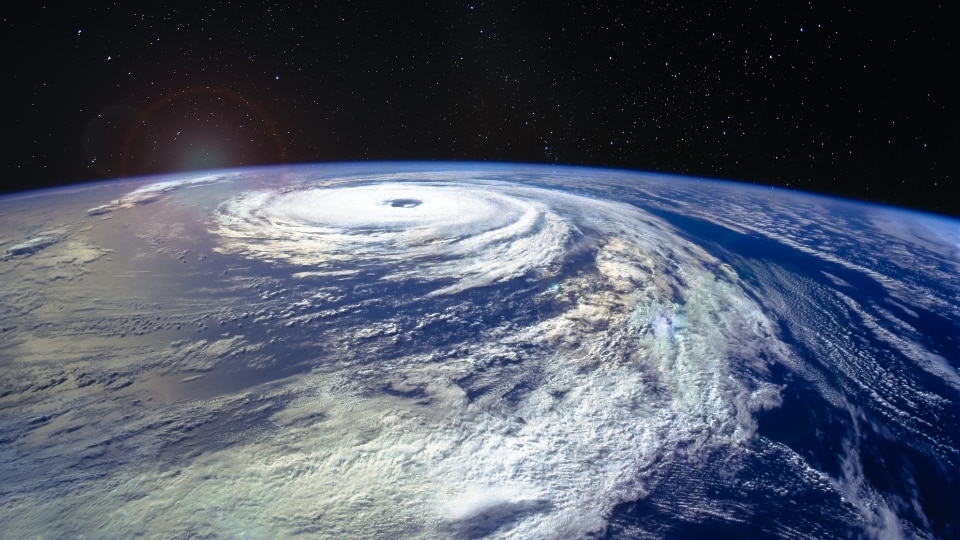
Explore the most powerful weather in the solar system in this Kahoot about planetary storms, extreme environments, and the forces that shape other worlds. From Jupiter's Great Red Spot to planet-wide dust storms on Mars, discover how weather behaves in places far different from Earth.
This Kahoot explores winds, clouds, atmospheres, and storms across the solar system while revealing some of the largest and longest-lasting weather events ever observed.
Watch the Planets of Our Solar System playlist and related videos linked below, then take the Kahoot and see how much you know about the extreme weather in our cosmic neighborhood.
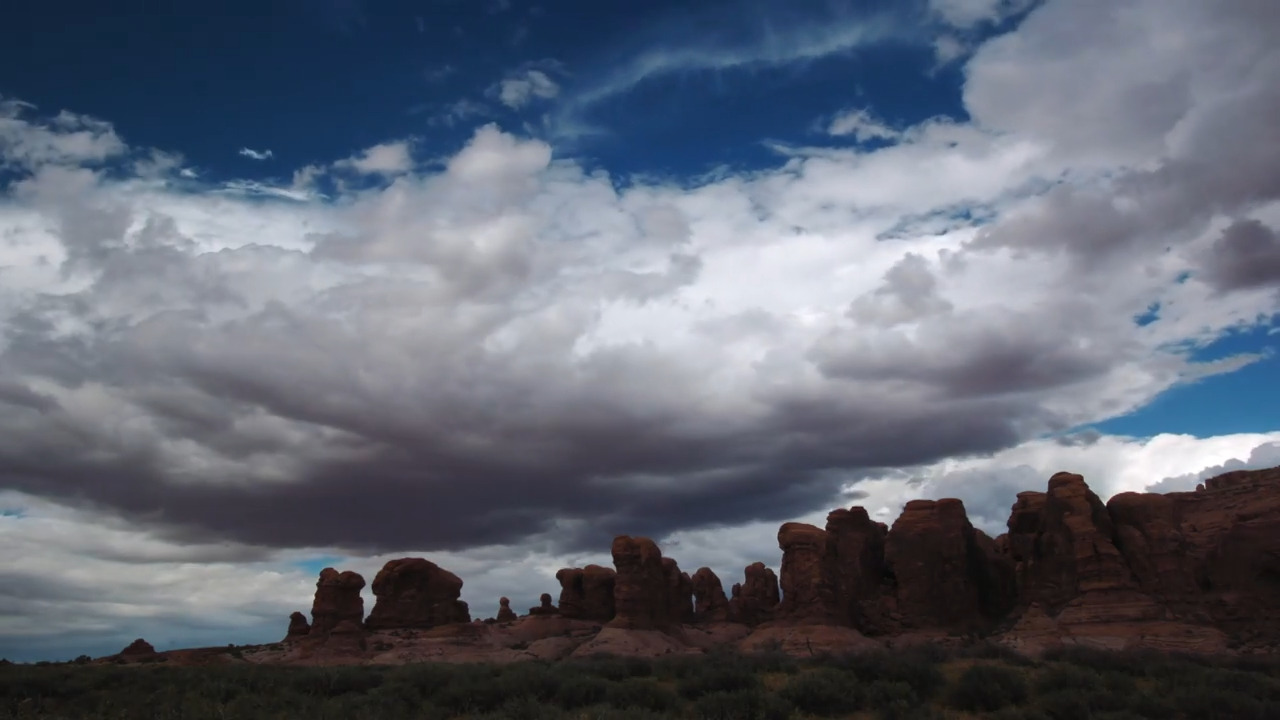
In Weather Systems of the Globe, Sir David Attenborough describes air currents as they form Earth’s storms. Circle the globe to see hurricanes, sandstorms, monsoons, and tornadoes! This video is excerpted from BBC's Planet Earth, a breathtaking documentary series that highlights the natural wonders of our planet.
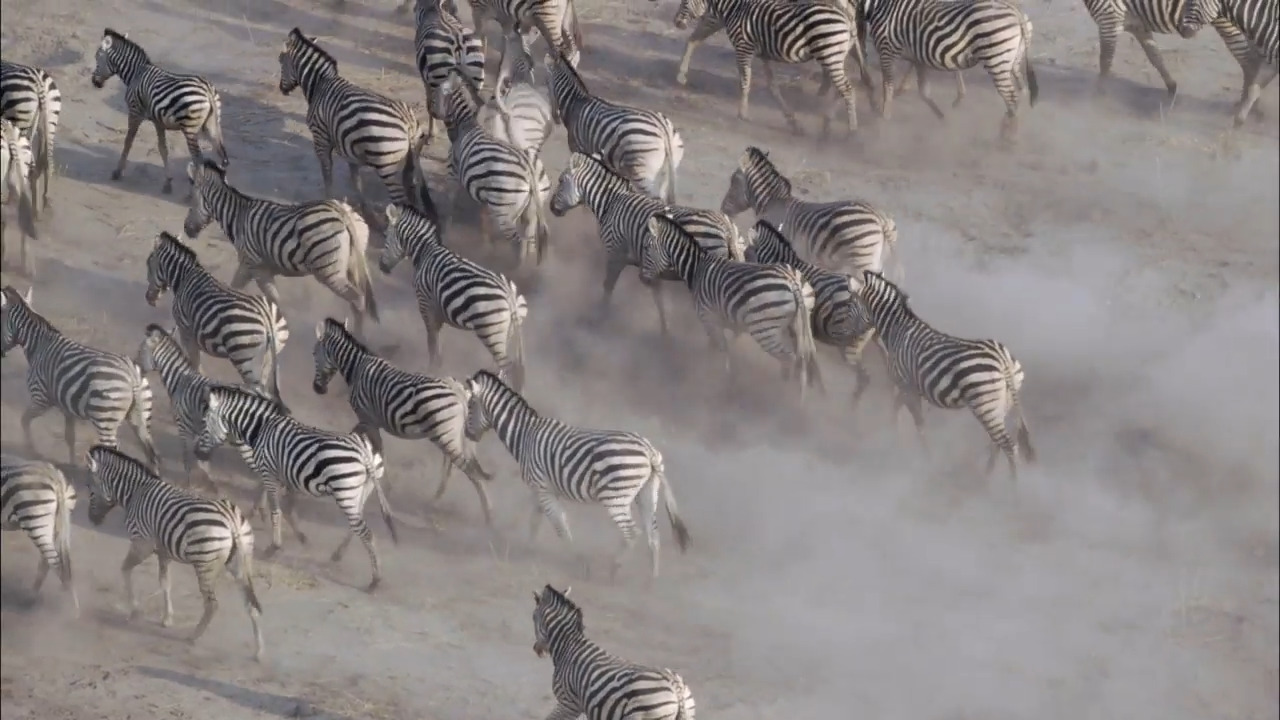
In The Desperate Search for Water in the Desert, narrator Sir David Attenborough details the race for survival in one of the harshest environments on Earth. A mother elephant and her calf, separated from their herd by a dust storm, press on toward a life-giving river delta. This video is excerpted from BBC's Planet Earth, a breathtaking documentary series that highlights the natural wonders of our planet.
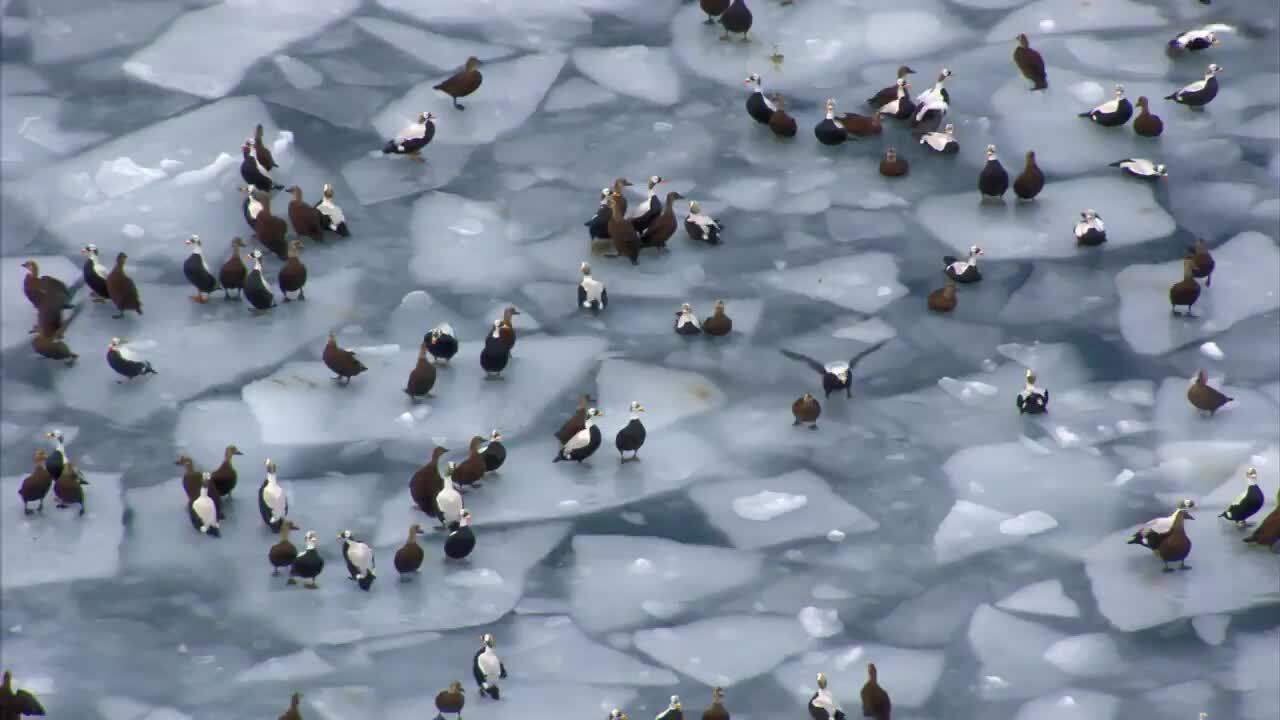
In Ducks in the Arctic, narrator Sir David Attenborough shows ducks on their annual migration through the Arctic. They stop to rest and eat where gaps in the ice allow them to access the rich waters below. But the ocean is freezing over and when a winter storm comes, the gamble of staying longer in the freezing Arctic will not pay off for some of them. This video is excerpted from BBC’s Frozen Planet, a series that shows a fragile world of beauty and hostility, where nature finds a way to survive and thrive in frigid conditions.
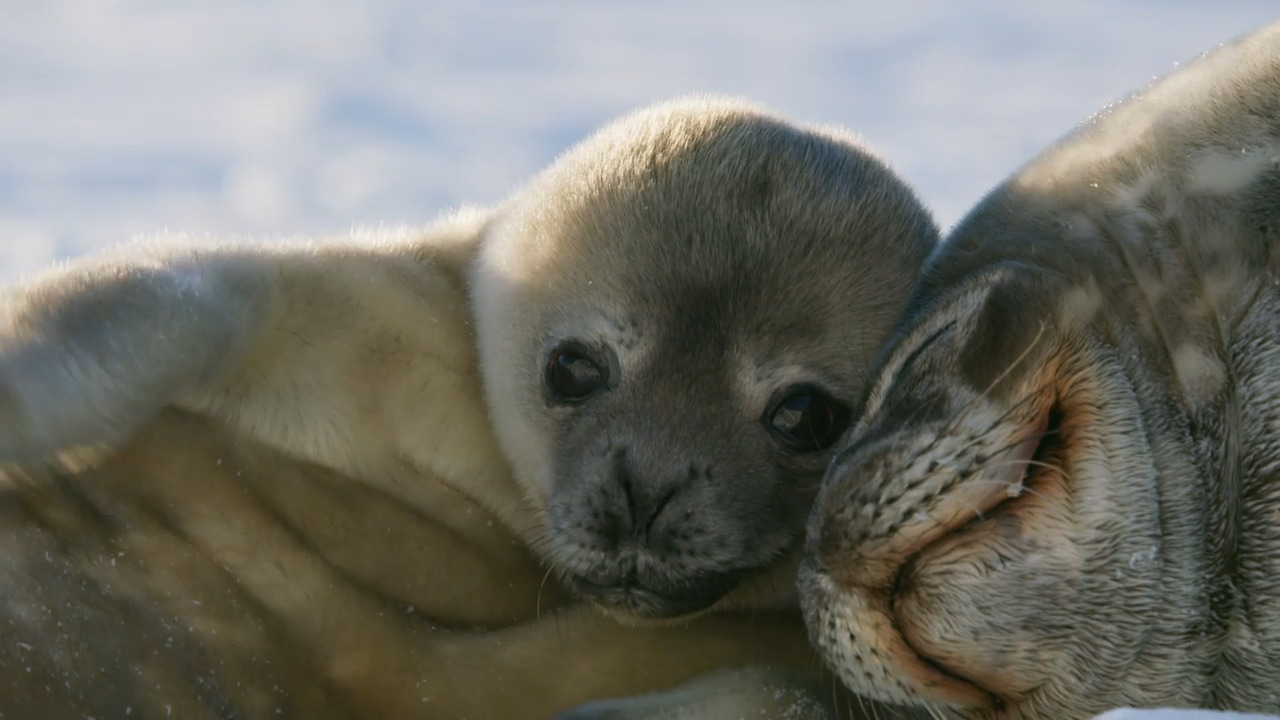
In Weddell Seal Pups in Antarctica, narrator Sir David Attenborough reveals the challenges newborn seal pups face in one of the harshest environments on Earth. From enduring subzero temperatures and blizzards to entering the icy water for the first time, every decision impacts their survival. This video is excerpted from BBC’s Seven Worlds, One Planet, a series featuring remarkable animal behavior from all seven continents.
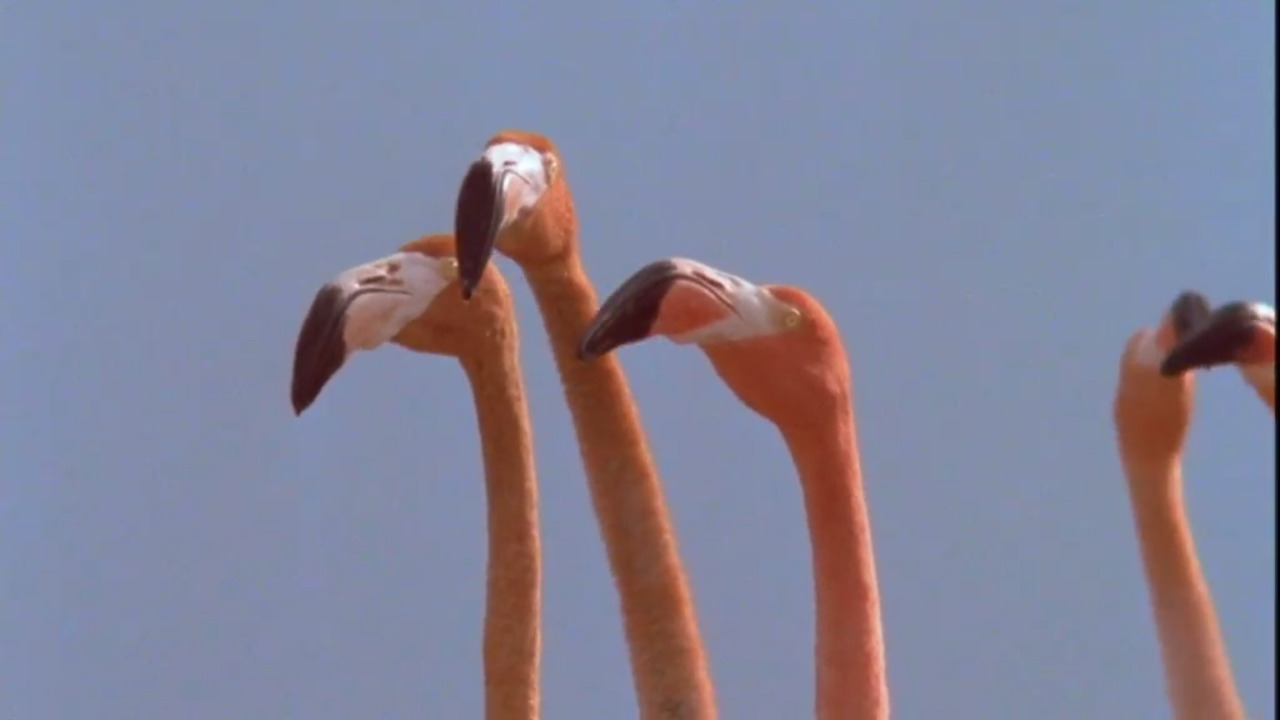
In Flamingos Thrive in Post-Storm Brine, narrator Sir David Attenborough explains how the aftermath of hurricanes, and a briny, corrosive environment, benefits flamingos. This video is excerpted from BBC’s Blue Planet, a definitive documentary series diving into the mysterious depths of the sea to discover the natural history of the world’s oceans and the rarely seen marine life that reside there.
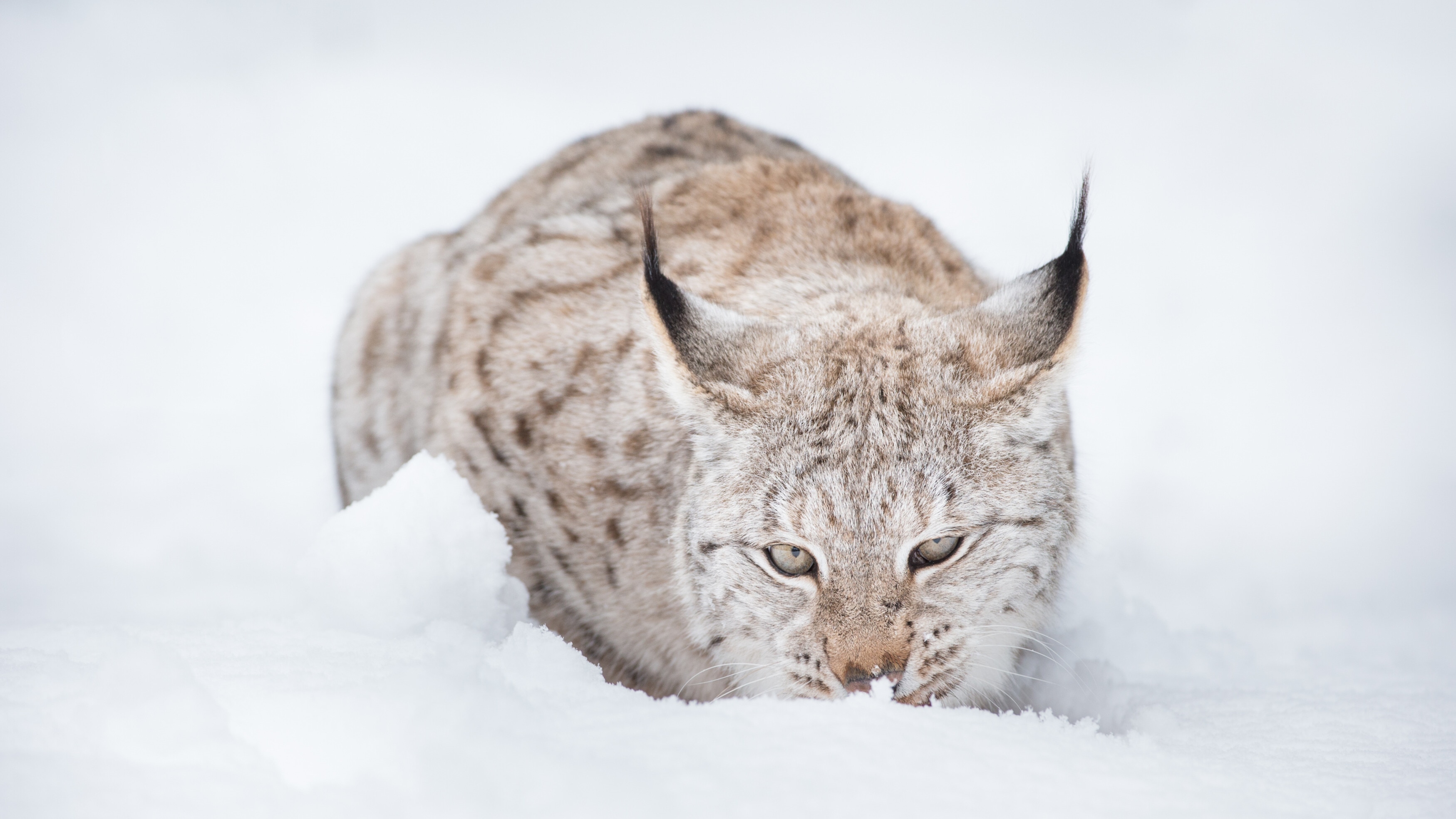
Brave the chill and meet the coolest creatures on Earth! This playlist of 11 frosty video clips from BBC landmark shows like Frozen Planet and Planet Earth explores how animals survive some of the coldest places on the planet. Students will learn about adaptations, seasonal behaviors, and the survival strategies that help bison, foxes, seals, grizzlies, snow monkeys, polar bears, lynx, and more thrive in freezing climates.
They’ll discover how winter weather shapes each animal’s daily life; how they find food, conserve energy, protect themselves from predators; and why these icy habitats play a vital role in Earth’s systems.
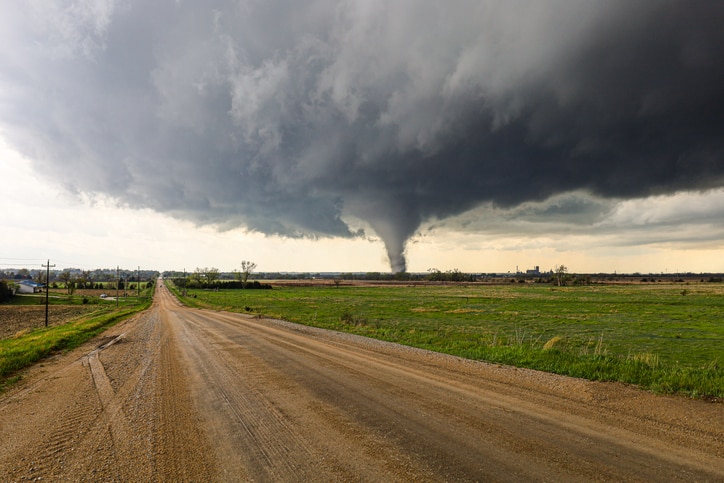
Get swept up in the drama of Earth’s extreme weather! This BBC video clip collection — featuring clips from Blue Planet, Blue Planet II, and other acclaimed BBC series — takes you into the heart of hurricanes, tornadoes, blizzards, and more. Discover how these powerful forces shape our planet, challenge wildlife, and reveal the awe-inspiring power of nature.
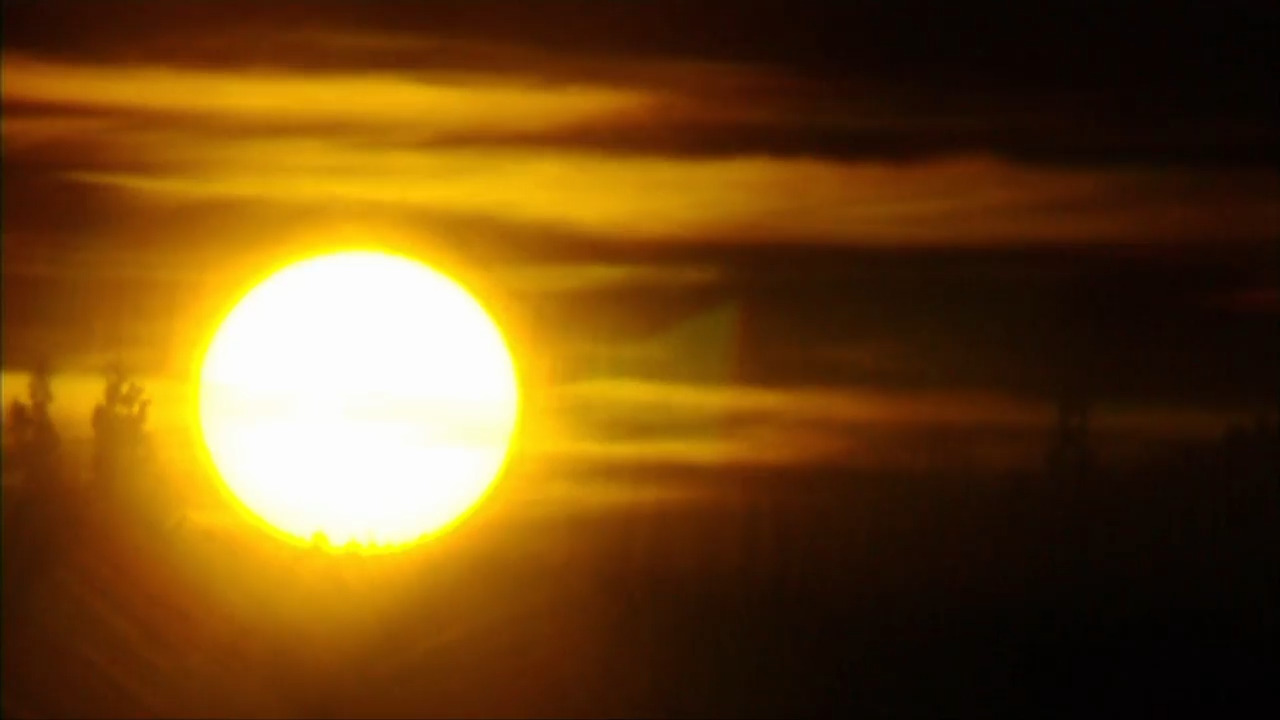
In Uncovering the Sun’s Most Magnetic Secrets, narrator Richard Hammond explains how the Sun gives us warmth and light, but up close, it's a raging fireball that can unleash powerful solar storms, disrupting electricity and communication on Earth. To understand these storms, scientists launched the world’s most powerful solar telescope using a helium balloon and sending it 23 miles into the sky. This video is excerpted from BBC’s Richard Hammond's Invisible Worlds, which uncovers the hidden forces and unseen phenomena shaping our world.
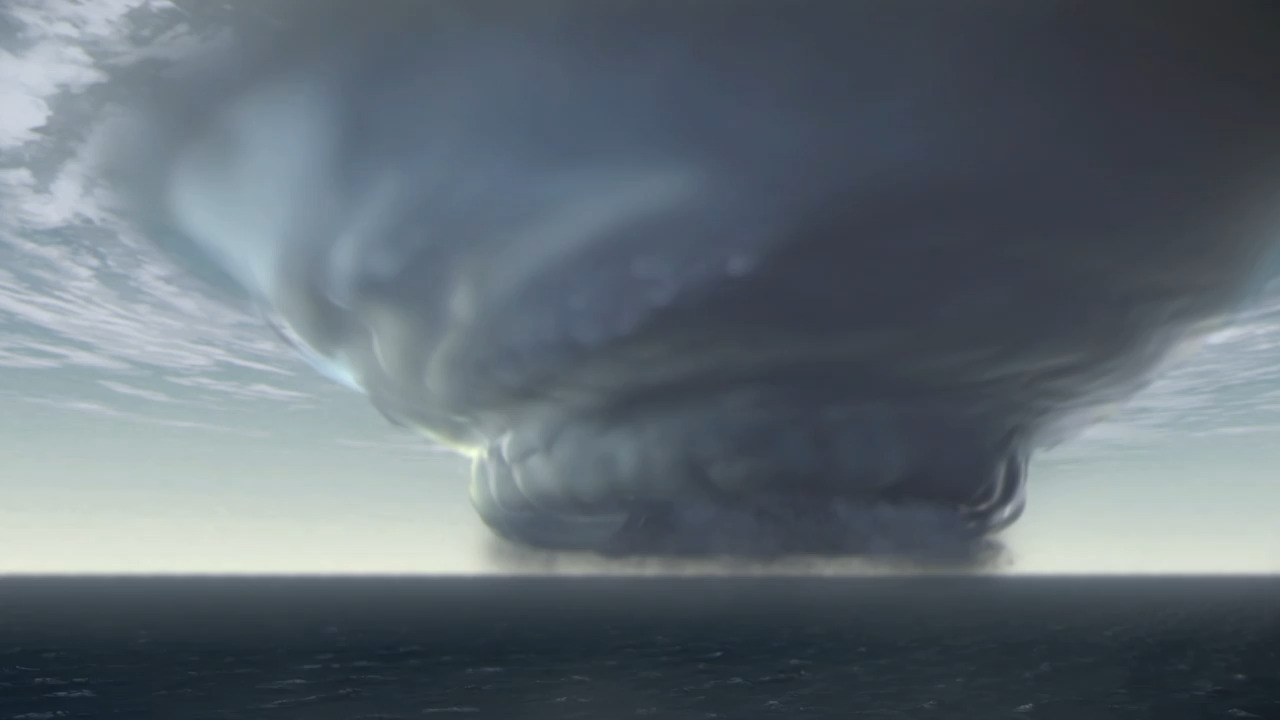
In The Go Jetters Brave the Eye of a Hurricane, the Go Jetters crew rescues a missing Grimbot from a hurricane. Ubercorn shares funky facts about hurricanes. Then the Go Jetters brave the hurricane to reach the eye of the storm and rescue the Grimbot. This video is excerpted from BBC’s Go Jetters, a series that follows the adventures of four international heroes as they travel the globe visiting landmarks and solving environmental problems with Ubercorn, a disco-dancing unicorn.
In Sea Lions and Storms, narrator Sir David Attenborough explains how mother sea lions try to shield their pups from harsh storms hitting the coast where they are raising their young. This video is an excerpt from BBC’s Nature's Great Events, a documentary series that showcases some of the most dramatic wildlife spectacles on Earth, exploring how life adapts to natural events that can transform entire landscapes.
In Inside Planetary Storms, Professor Brian Cox explores the extreme weather conditions on Jupiter, a planet with an incredibly thick atmosphere that fuels its intense storms. Despite being far from the Sun, Jupiter’s storms are powered by immense surface pressure. This atmospheric pressure causes hydrogen gas to transform into a liquid, releasing vast amounts of energy and creating some of the most powerful storms in the Solar System. This video is excerpted from BBC’s Wonders of the Solar System, a spellbinding documentary series that explores the most extreme locations on Earth to explain how the laws of physics carved natural wonders across the Solar System.
Explore the most powerful weather in the solar system in this Kahoot about planetary storms, extreme environments, and the forces that shape other worlds. From Jupiter's Great Red Spot to planet-wide dust storms on Mars, discover how weather behaves in places far different from Earth.
This Kahoot explores winds, clouds, atmospheres, and storms across the solar system while revealing some of the largest and longest-lasting weather events ever observed.
Watch the Planets of Our Solar System playlist and related videos linked below, then take the Kahoot and see how much you know about the extreme weather in our cosmic neighborhood.
In Weather Systems of the Globe, Sir David Attenborough describes air currents as they form Earth’s storms. Circle the globe to see hurricanes, sandstorms, monsoons, and tornadoes! This video is excerpted from BBC's Planet Earth, a breathtaking documentary series that highlights the natural wonders of our planet.
In The Desperate Search for Water in the Desert, narrator Sir David Attenborough details the race for survival in one of the harshest environments on Earth. A mother elephant and her calf, separated from their herd by a dust storm, press on toward a life-giving river delta. This video is excerpted from BBC's Planet Earth, a breathtaking documentary series that highlights the natural wonders of our planet.
In Ducks in the Arctic, narrator Sir David Attenborough shows ducks on their annual migration through the Arctic. They stop to rest and eat where gaps in the ice allow them to access the rich waters below. But the ocean is freezing over and when a winter storm comes, the gamble of staying longer in the freezing Arctic will not pay off for some of them. This video is excerpted from BBC’s Frozen Planet, a series that shows a fragile world of beauty and hostility, where nature finds a way to survive and thrive in frigid conditions.
In Weddell Seal Pups in Antarctica, narrator Sir David Attenborough reveals the challenges newborn seal pups face in one of the harshest environments on Earth. From enduring subzero temperatures and blizzards to entering the icy water for the first time, every decision impacts their survival. This video is excerpted from BBC’s Seven Worlds, One Planet, a series featuring remarkable animal behavior from all seven continents.
In Flamingos Thrive in Post-Storm Brine, narrator Sir David Attenborough explains how the aftermath of hurricanes, and a briny, corrosive environment, benefits flamingos. This video is excerpted from BBC’s Blue Planet, a definitive documentary series diving into the mysterious depths of the sea to discover the natural history of the world’s oceans and the rarely seen marine life that reside there.
Brave the chill and meet the coolest creatures on Earth! This playlist of 11 frosty video clips from BBC landmark shows like Frozen Planet and Planet Earth explores how animals survive some of the coldest places on the planet. Students will learn about adaptations, seasonal behaviors, and the survival strategies that help bison, foxes, seals, grizzlies, snow monkeys, polar bears, lynx, and more thrive in freezing climates.
They’ll discover how winter weather shapes each animal’s daily life; how they find food, conserve energy, protect themselves from predators; and why these icy habitats play a vital role in Earth’s systems.
Get swept up in the drama of Earth’s extreme weather! This BBC video clip collection — featuring clips from Blue Planet, Blue Planet II, and other acclaimed BBC series — takes you into the heart of hurricanes, tornadoes, blizzards, and more. Discover how these powerful forces shape our planet, challenge wildlife, and reveal the awe-inspiring power of nature.
In Uncovering the Sun’s Most Magnetic Secrets, narrator Richard Hammond explains how the Sun gives us warmth and light, but up close, it's a raging fireball that can unleash powerful solar storms, disrupting electricity and communication on Earth. To understand these storms, scientists launched the world’s most powerful solar telescope using a helium balloon and sending it 23 miles into the sky. This video is excerpted from BBC’s Richard Hammond's Invisible Worlds, which uncovers the hidden forces and unseen phenomena shaping our world.
In The Go Jetters Brave the Eye of a Hurricane, the Go Jetters crew rescues a missing Grimbot from a hurricane. Ubercorn shares funky facts about hurricanes. Then the Go Jetters brave the hurricane to reach the eye of the storm and rescue the Grimbot. This video is excerpted from BBC’s Go Jetters, a series that follows the adventures of four international heroes as they travel the globe visiting landmarks and solving environmental problems with Ubercorn, a disco-dancing unicorn.