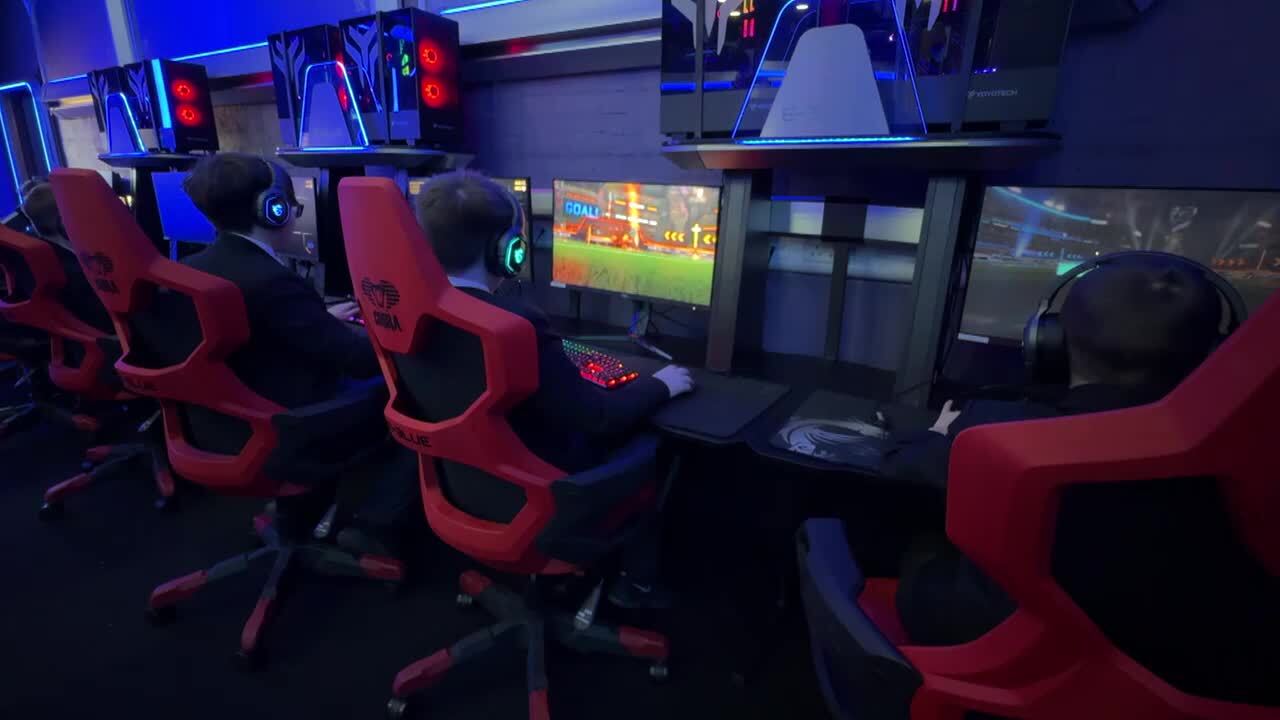
Football, rugby… esports? At Countesthorpe Academy, a secondary school in the UK, students can step into a full esports arena packed with high-end gaming computers — but it’s about a lot more than just playing games.
The school is one of the first to offer an esports qualification, helping students explore how the gaming industry really works and what kinds of careers exist behind the screens.
Esports might feel like entertainment, but it’s also a fast-growing global industry. In fact, the video game industry is now worth several times more than both the music and movie industries combined.
Students studying esports look at everything from how games make money and the strategies players use, to teamwork, mental health, and building skills like focus and resilience — skills that matter in gaming and way beyond it.
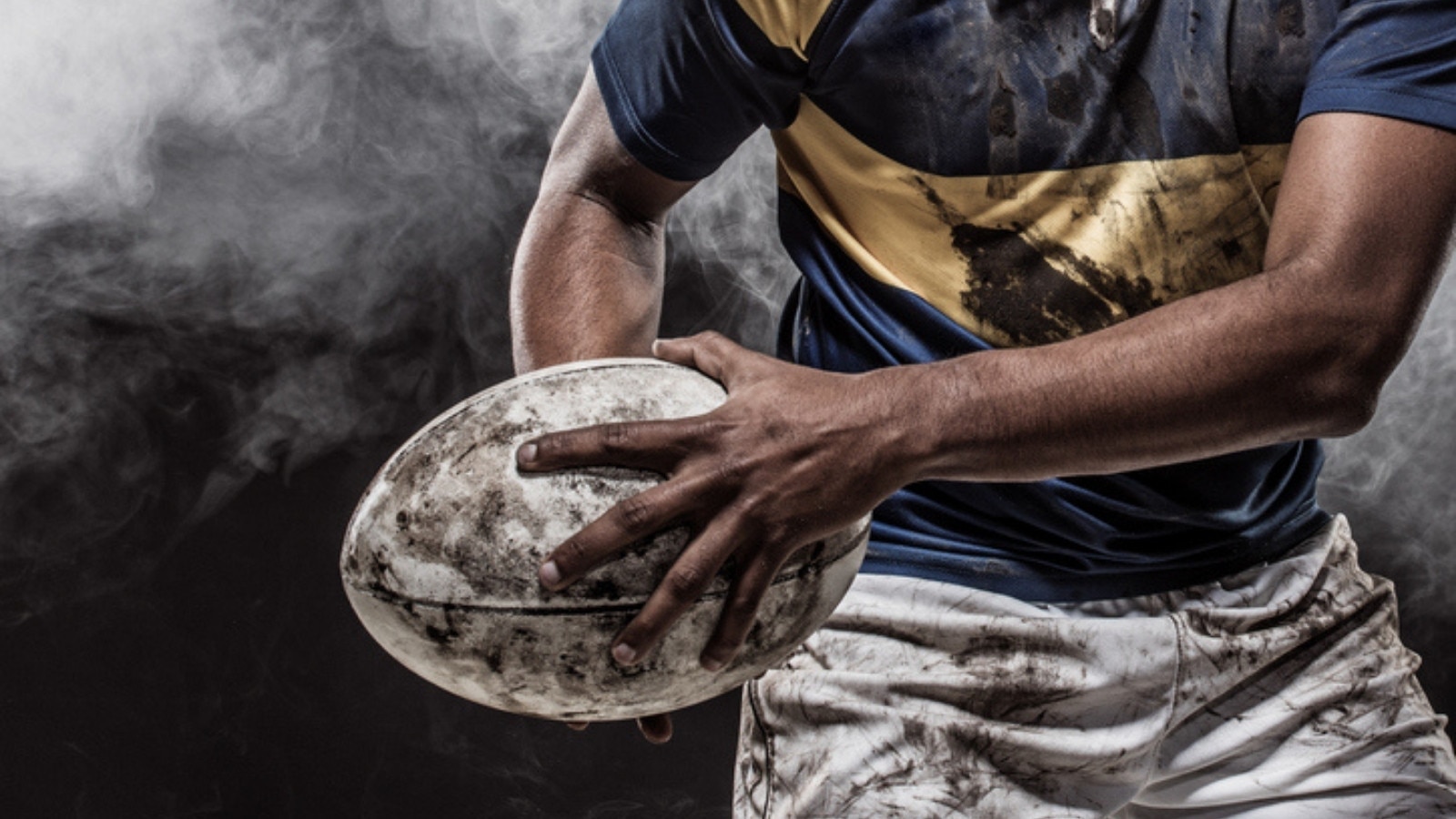
The article "The First Rugby Match Between Nations: Scotland vs. England, 1871" from BBC's HistoryExtra explores the events of March 27, 1871, when the very first international rugby game was played in Edinburgh. It covers the background, gameplay, and how the match marked the beginning of one of the sport’s greatest rivalries.
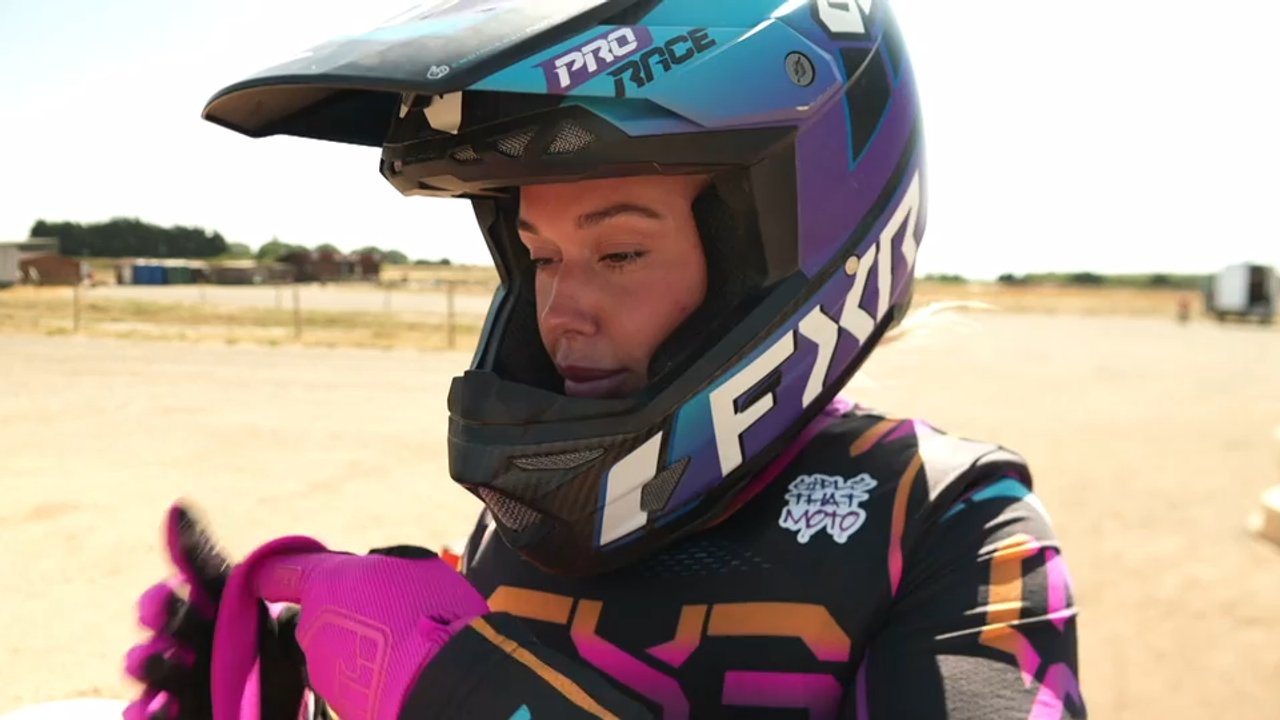
Motocross is a sport where riders race motorcycles around dirt tracks packed with jumps, sharp turns, and bumpy ground. For a long time, most of the racers have been men. Lauren Collingwood wants to change that.
Lauren has been racing motocross for more than 20 years and has won the British women's championship five times. Now she's helping the next generation of girls get into the sport through Girls That Moto, which she describes as the first all-girls motocross training academy in the United Kingdom.
At the academy, girls and women learn the skills Lauren picked up during her career. They practice things like keeping their speed through corners, and they learn to handle the physical demands of racing. They also learn to deal with the extra pressure girls can face in a sport where they're often outnumbered. That's one reason having a female coach matters. As one student put it, Lauren has helped show that motocross isn't "just men."
There's still a big gap at the top of the sport. Only three or four British women race at the professional level, and none of them are paid to ride. Lauren and her students hope to change that, and one of them could become the first.
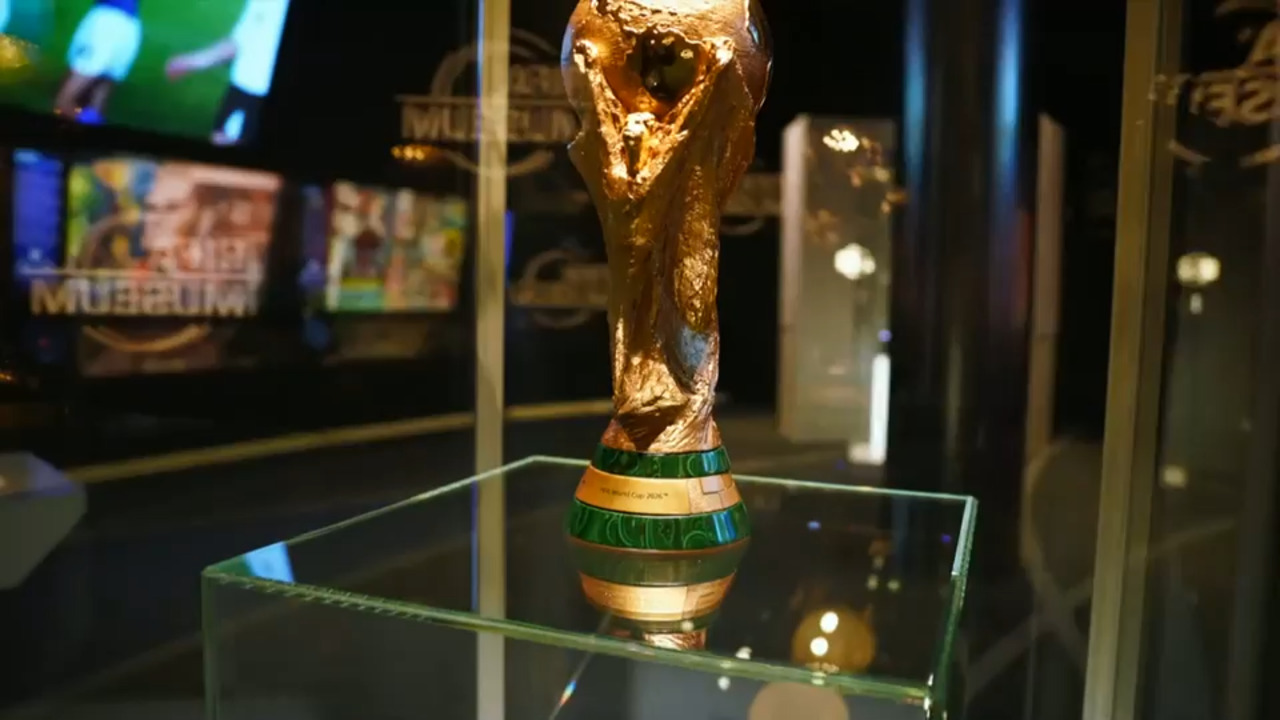
Football is thousands of years old, but who says there's no room for a little new technology? And there's no better place to explore the advancements in football tech than FIFA’s global headquarters in Zurich, where the research team has been paying special attention to the MVP of every match: the football itself.
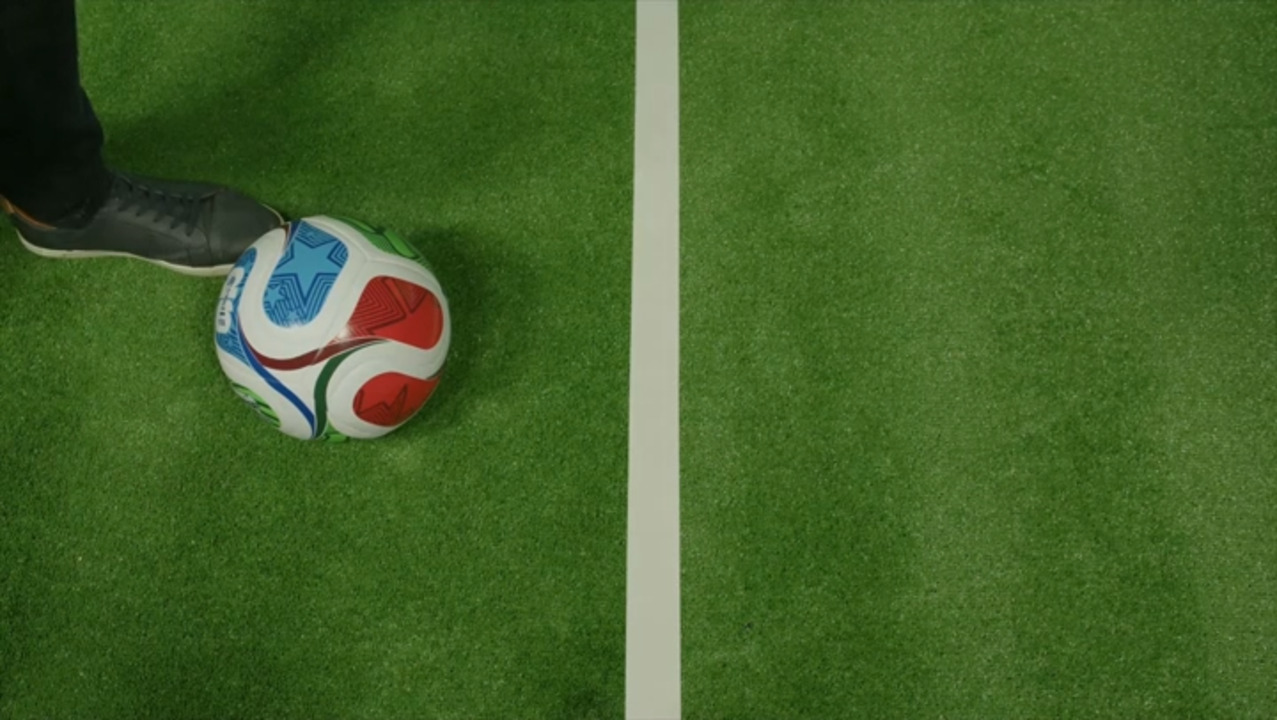
Meet the Trionda ball. It may look like a standard football, until you open it up to reveal a sensor inside the ball. It’s synced to a computer, and tracks the ball’s behavior on a graph that shows when contact is made with the ball — light touches are small peaks, hard hits are big spikes. This will make it easier to see if a player has actually touched the ball, which is sometimes hard to determine with the naked eye.
For those who are always squinting to watch those teeny tiny players on that giant field, FIFA is also introducing a ref cam. The head-mounted technology lets broadcasters record first-person footage, so spectators can see the game from the referee’s point of view. This means they can get an on-field perspective of the action, even if means an up-close look of players getting mad at the refs! Nothing more authentic than that!
Are you watching the 2026 World Cup?! We hope so, because it’s a big one. The biggest one, actually. It’s the first with three countries co-hosting (Canada, the U.S., and Mexico), and it’s been expanded to 48 teams (from 32).
But the size of the tournament isn’t where the differences end, not by a long shot! This year, the World Cup is also introducing new rules, like a possible red card for players covering their mouths! If you gasped and covered your own mouth, don’t worry. First because you’re probably not playing in the World Cup (yet), but also because this penalty is only given to players who are being confrontational.
Other additions include the VAR (Video Assistant Referee) getting the power to check second yellow cards and corners, a 5-second countdown on goal kicks and throw-ins, and a rule that players being subbed will have just 10 seconds to leave the pitch. No time for dilly dallying, we’ve got 16 more teams to watch this year!
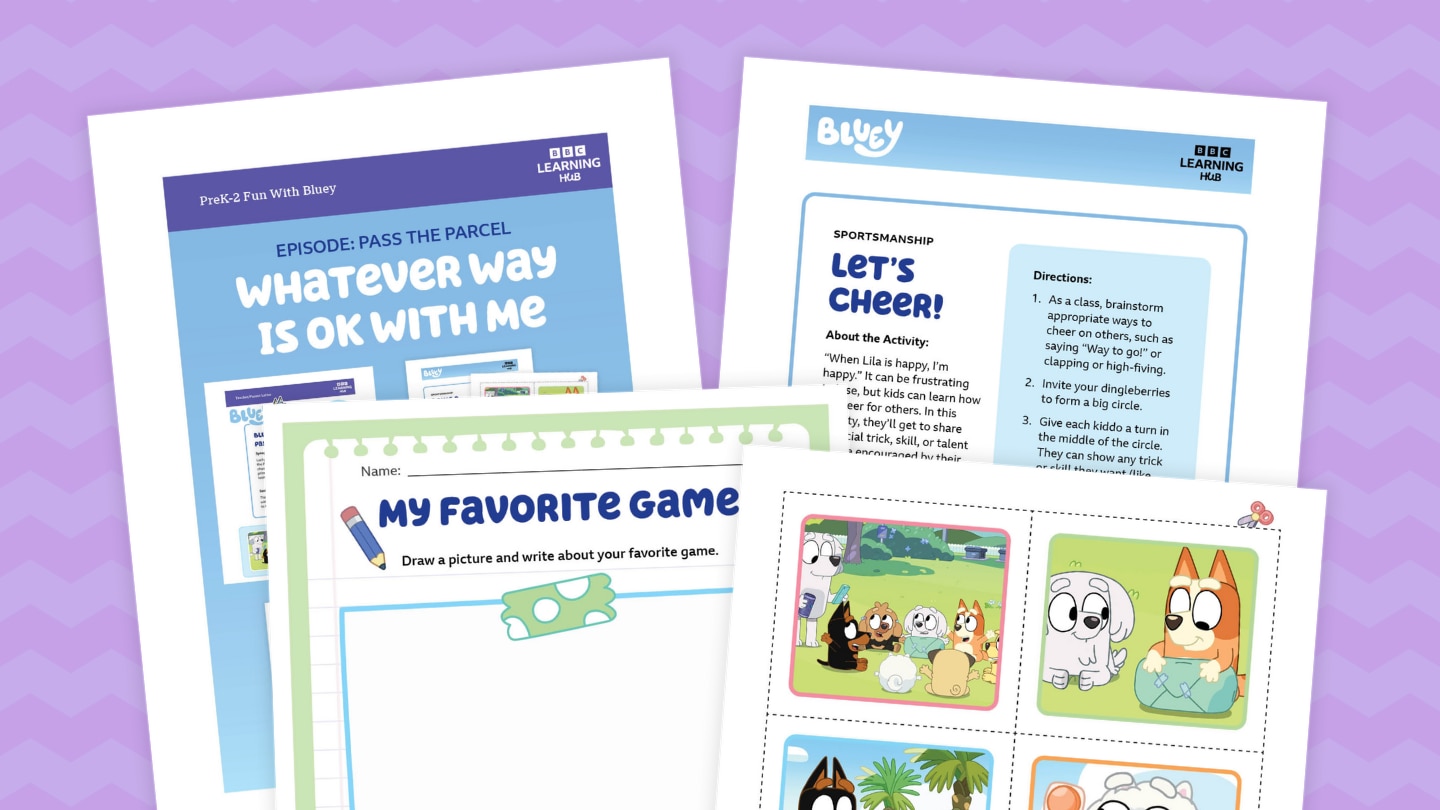
Whether you play Lucky's dad's way or not, you have to be a good sport! Watch the Bluey episode "Pass the Parcel" before you teach this lesson about how to handle it when things don’t go as expected. The lesson includes printables for three activities in which kids look for examples of good sportsmanship in the episode, draw themselves playing their favorite game or sport, and take turns sharing a special skill or talent while being encouraged by friends.
Pass the Parcel Episode Summary: Lucky’s Dad is outraged that modern Pass the Parcel has a present in every layer and changes the rules back to only having one prize in the middle, but Bingo is forever losing.
Watch the episode here! (Click here to watch in Australia.)
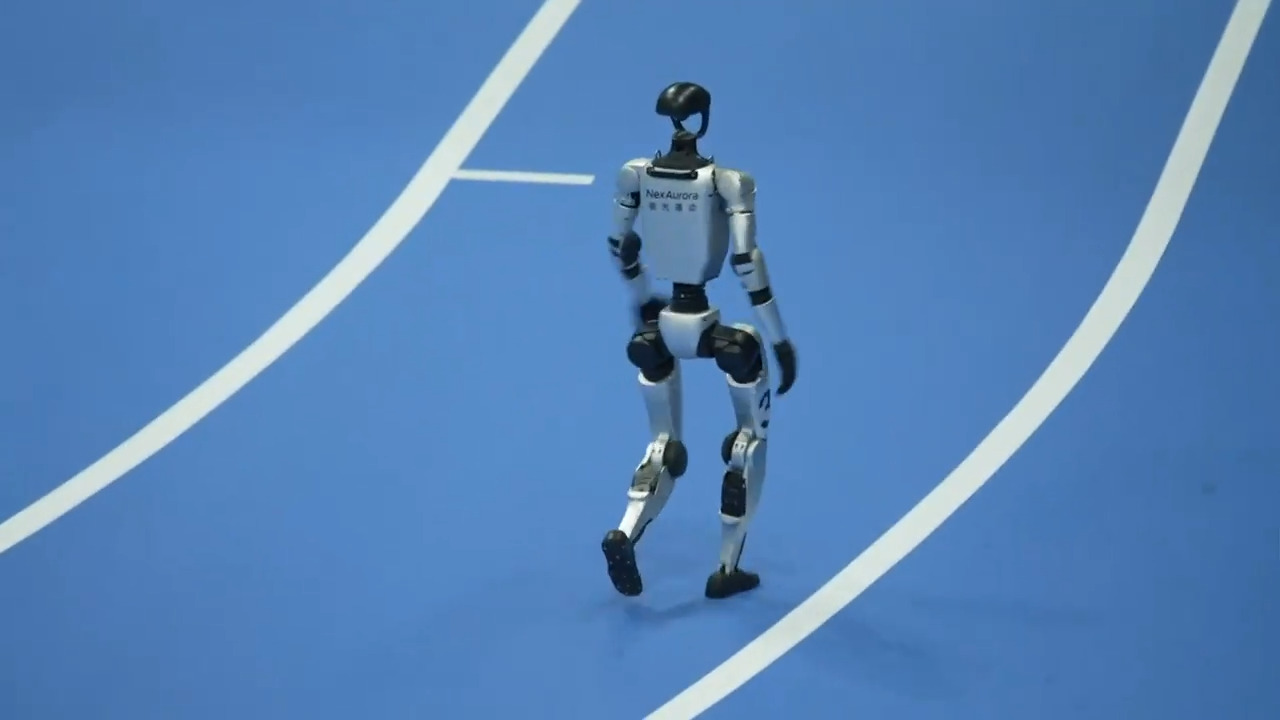
If humans have the Olympics, robots have their own ultimate showdown: the World Humanoid Robot Games in Beijing, China. It’s a high-energy mix of sport and science where humanoid robots sprint, box, and compete in athletic challenges designed to test just how “human-like” they really are.
But this isn’t just for fun (though it definitely looks fun to watch). Engineers use the competition to push their robots to the limit — testing speed, balance, coordination, and decision-making. Every stumble or success helps them figure out how to build smarter, stronger machines for the future. There’s prize money and recognition on the line too, which helps fuel a fast-growing robotics industry already backed by billions of dollars.
And no, this doesn’t mean robot athletes are about to take over your school sports day. Experts say humanoid robots are still mostly heading toward factories and specialized jobs — not everyday life. So for now, the biggest robot “athlete” you’ll probably meet is still your vacuum cleaner doing laps around the living room.

What happens when you mix theatre with soccer, or football as they call in the UK? You get a play that turns women’s soccer into a live story of grit, pressure, and ambition — no stadium required. This new production brings the energy of the game to the stage, spotlighting the real experiences of female athletes in sport.
The story doesn’t shy away from reality. Women footballers around the world have faced uneven playing conditions, from ill-fitting men’s kits to poorly maintained pitches and training setups that simply weren’t built with them in mind. Even small things — like long walks between facilities or limited access to resources — add up and shape the experience of being a professional athlete.
What makes the play feel especially authentic is the lead actor, who actually played semi-pro football before moving into acting. That real-life experience gives the performance extra edge, blending sport and storytelling in a way that feels lived-in, not just acted.
At its core, the production is about more than football. It’s about visibility, opportunity, and challenging the idea of who gets to have a future in sport — and who gets to be seen on stage telling that story.

In How Pelé Brought Soccer to the U.S., sports journalist Clare Balding discusses Pelé's contributions to the popularity of soccer. Pelé’s last World Cup match in 1970 helped him emerge as a hero, and in 1971 he brought the game to the United States. This video is excerpted from BBC’s Icons: The Greatest Person of the 20th Century, a documentary series celebrating the achievements of the most influential figures of the era.

The RSPB (Royal Society for the Protection of Birds) is investigating attacks on birds of prey, also called raptors. Raptors hunt and feed on other animals, but even though they're near the top of the food chain, one of their biggest threats is humans.
There have been reports of raptors found dead in suspicious circumstances or caught in illegal traps. Investigators are reviewing footage from cameras near some traps to help identify who's responsible. The traps themselves are legal when used correctly, and any animal that isn't the intended target must be released unharmed. But footage has shown some people mistreating or killing these protected birds instead.
Investigators believe money is behind some of the attacks. Raptors sometimes hunt game birds, which people also hunt for sport or profit. By illegally removing birds of prey, some people may be trying to leave more game birds available for shooting. Officials are struggling to find ways to reduce these attacks — fines and prosecution haven't been very effective so far. Some campaigners want stronger licensing rules for trap use, while others argue that would be hard to enforce and might not stop illegal attacks either.
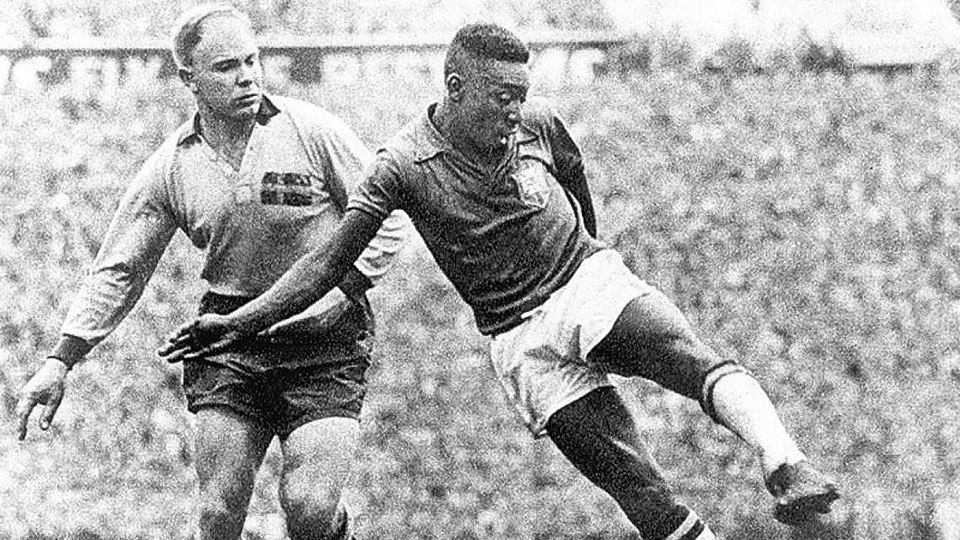
Explore the incredible life and global influence of Pelé, from his rise as a young football star in Brazil to his unforgettable World Cup victories and worldwide fame. Students will discover how Pelé’s extraordinary skill, creativity, and sportsmanship helped transform football into the world’s most popular sport.
This Kahoot examines key moments in Pelé’s career, including his record-breaking achievements, his role in Brazil’s World Cup success, and his impact on the international growth of the game. Students will build listening skills, vocabulary, and historical awareness while exploring how Pelé influenced culture, identity, and the global popularity of football across generations.
Watch the related BBC videos, Pelé's Pledge to His Father and How Pelé Brought Soccer to the U.S., then invite your Grade 6–12 students to test their knowledge and explore the legacy of one of the greatest athletes in sports history.
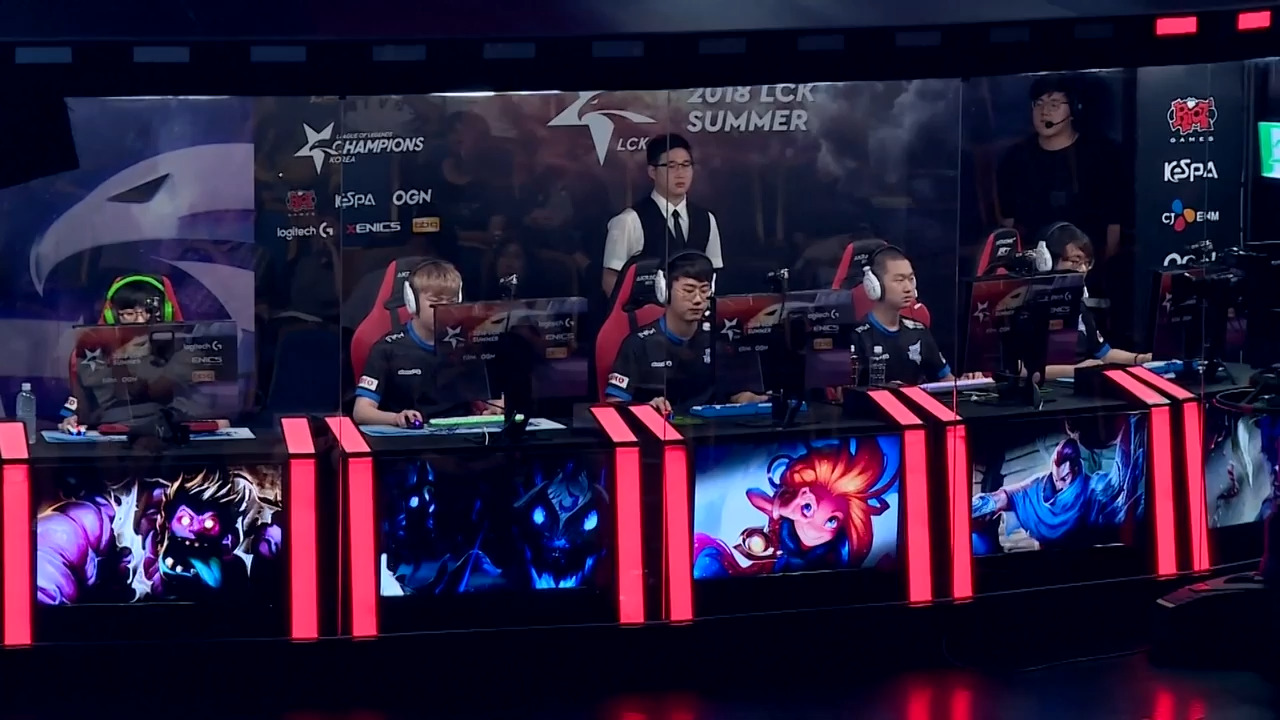
In Should Esports Be an Olympic Sport?, some wonder if competitive gaming should join the Olympics, which could give it global recognition. While esports already has huge international competitions, the Olympic Committee isn’t interested in these games yet. But with esports growing fast and players making millions, some say it doesn’t even need the Olympics to succeed! This video is excerpted from BBC’s My World, a program created for teenagers eager to learn more about the important stories shaping our world.
Football, rugby… esports? At Countesthorpe Academy, a secondary school in the UK, students can step into a full esports arena packed with high-end gaming computers — but it’s about a lot more than just playing games.
The school is one of the first to offer an esports qualification, helping students explore how the gaming industry really works and what kinds of careers exist behind the screens.
Esports might feel like entertainment, but it’s also a fast-growing global industry. In fact, the video game industry is now worth several times more than both the music and movie industries combined.
Students studying esports look at everything from how games make money and the strategies players use, to teamwork, mental health, and building skills like focus and resilience — skills that matter in gaming and way beyond it.
The article "The First Rugby Match Between Nations: Scotland vs. England, 1871" from BBC's HistoryExtra explores the events of March 27, 1871, when the very first international rugby game was played in Edinburgh. It covers the background, gameplay, and how the match marked the beginning of one of the sport’s greatest rivalries.
Motocross is a sport where riders race motorcycles around dirt tracks packed with jumps, sharp turns, and bumpy ground. For a long time, most of the racers have been men. Lauren Collingwood wants to change that.
Lauren has been racing motocross for more than 20 years and has won the British women's championship five times. Now she's helping the next generation of girls get into the sport through Girls That Moto, which she describes as the first all-girls motocross training academy in the United Kingdom.
At the academy, girls and women learn the skills Lauren picked up during her career. They practice things like keeping their speed through corners, and they learn to handle the physical demands of racing. They also learn to deal with the extra pressure girls can face in a sport where they're often outnumbered. That's one reason having a female coach matters. As one student put it, Lauren has helped show that motocross isn't "just men."
There's still a big gap at the top of the sport. Only three or four British women race at the professional level, and none of them are paid to ride. Lauren and her students hope to change that, and one of them could become the first.
Football is thousands of years old, but who says there's no room for a little new technology? And there's no better place to explore the advancements in football tech than FIFA’s global headquarters in Zurich, where the research team has been paying special attention to the MVP of every match: the football itself.
Meet the Trionda ball. It may look like a standard football, until you open it up to reveal a sensor inside the ball. It’s synced to a computer, and tracks the ball’s behavior on a graph that shows when contact is made with the ball — light touches are small peaks, hard hits are big spikes. This will make it easier to see if a player has actually touched the ball, which is sometimes hard to determine with the naked eye.
For those who are always squinting to watch those teeny tiny players on that giant field, FIFA is also introducing a ref cam. The head-mounted technology lets broadcasters record first-person footage, so spectators can see the game from the referee’s point of view. This means they can get an on-field perspective of the action, even if means an up-close look of players getting mad at the refs! Nothing more authentic than that!
Are you watching the 2026 World Cup?! We hope so, because it’s a big one. The biggest one, actually. It’s the first with three countries co-hosting (Canada, the U.S., and Mexico), and it’s been expanded to 48 teams (from 32).
But the size of the tournament isn’t where the differences end, not by a long shot! This year, the World Cup is also introducing new rules, like a possible red card for players covering their mouths! If you gasped and covered your own mouth, don’t worry. First because you’re probably not playing in the World Cup (yet), but also because this penalty is only given to players who are being confrontational.
Other additions include the VAR (Video Assistant Referee) getting the power to check second yellow cards and corners, a 5-second countdown on goal kicks and throw-ins, and a rule that players being subbed will have just 10 seconds to leave the pitch. No time for dilly dallying, we’ve got 16 more teams to watch this year!
Whether you play Lucky's dad's way or not, you have to be a good sport! Watch the Bluey episode "Pass the Parcel" before you teach this lesson about how to handle it when things don’t go as expected. The lesson includes printables for three activities in which kids look for examples of good sportsmanship in the episode, draw themselves playing their favorite game or sport, and take turns sharing a special skill or talent while being encouraged by friends.
Pass the Parcel Episode Summary: Lucky’s Dad is outraged that modern Pass the Parcel has a present in every layer and changes the rules back to only having one prize in the middle, but Bingo is forever losing.
Watch the episode here! (Click here to watch in Australia.)
If humans have the Olympics, robots have their own ultimate showdown: the World Humanoid Robot Games in Beijing, China. It’s a high-energy mix of sport and science where humanoid robots sprint, box, and compete in athletic challenges designed to test just how “human-like” they really are.
But this isn’t just for fun (though it definitely looks fun to watch). Engineers use the competition to push their robots to the limit — testing speed, balance, coordination, and decision-making. Every stumble or success helps them figure out how to build smarter, stronger machines for the future. There’s prize money and recognition on the line too, which helps fuel a fast-growing robotics industry already backed by billions of dollars.
And no, this doesn’t mean robot athletes are about to take over your school sports day. Experts say humanoid robots are still mostly heading toward factories and specialized jobs — not everyday life. So for now, the biggest robot “athlete” you’ll probably meet is still your vacuum cleaner doing laps around the living room.
What happens when you mix theatre with soccer, or football as they call in the UK? You get a play that turns women’s soccer into a live story of grit, pressure, and ambition — no stadium required. This new production brings the energy of the game to the stage, spotlighting the real experiences of female athletes in sport.
The story doesn’t shy away from reality. Women footballers around the world have faced uneven playing conditions, from ill-fitting men’s kits to poorly maintained pitches and training setups that simply weren’t built with them in mind. Even small things — like long walks between facilities or limited access to resources — add up and shape the experience of being a professional athlete.
What makes the play feel especially authentic is the lead actor, who actually played semi-pro football before moving into acting. That real-life experience gives the performance extra edge, blending sport and storytelling in a way that feels lived-in, not just acted.
At its core, the production is about more than football. It’s about visibility, opportunity, and challenging the idea of who gets to have a future in sport — and who gets to be seen on stage telling that story.
In How Pelé Brought Soccer to the U.S., sports journalist Clare Balding discusses Pelé's contributions to the popularity of soccer. Pelé’s last World Cup match in 1970 helped him emerge as a hero, and in 1971 he brought the game to the United States. This video is excerpted from BBC’s Icons: The Greatest Person of the 20th Century, a documentary series celebrating the achievements of the most influential figures of the era.
The RSPB (Royal Society for the Protection of Birds) is investigating attacks on birds of prey, also called raptors. Raptors hunt and feed on other animals, but even though they're near the top of the food chain, one of their biggest threats is humans.
There have been reports of raptors found dead in suspicious circumstances or caught in illegal traps. Investigators are reviewing footage from cameras near some traps to help identify who's responsible. The traps themselves are legal when used correctly, and any animal that isn't the intended target must be released unharmed. But footage has shown some people mistreating or killing these protected birds instead.
Investigators believe money is behind some of the attacks. Raptors sometimes hunt game birds, which people also hunt for sport or profit. By illegally removing birds of prey, some people may be trying to leave more game birds available for shooting. Officials are struggling to find ways to reduce these attacks — fines and prosecution haven't been very effective so far. Some campaigners want stronger licensing rules for trap use, while others argue that would be hard to enforce and might not stop illegal attacks either.
Explore the incredible life and global influence of Pelé, from his rise as a young football star in Brazil to his unforgettable World Cup victories and worldwide fame. Students will discover how Pelé’s extraordinary skill, creativity, and sportsmanship helped transform football into the world’s most popular sport.
This Kahoot examines key moments in Pelé’s career, including his record-breaking achievements, his role in Brazil’s World Cup success, and his impact on the international growth of the game. Students will build listening skills, vocabulary, and historical awareness while exploring how Pelé influenced culture, identity, and the global popularity of football across generations.
Watch the related BBC videos, Pelé's Pledge to His Father and How Pelé Brought Soccer to the U.S., then invite your Grade 6–12 students to test their knowledge and explore the legacy of one of the greatest athletes in sports history.
In Should Esports Be an Olympic Sport?, some wonder if competitive gaming should join the Olympics, which could give it global recognition. While esports already has huge international competitions, the Olympic Committee isn’t interested in these games yet. But with esports growing fast and players making millions, some say it doesn’t even need the Olympics to succeed! This video is excerpted from BBC’s My World, a program created for teenagers eager to learn more about the important stories shaping our world.