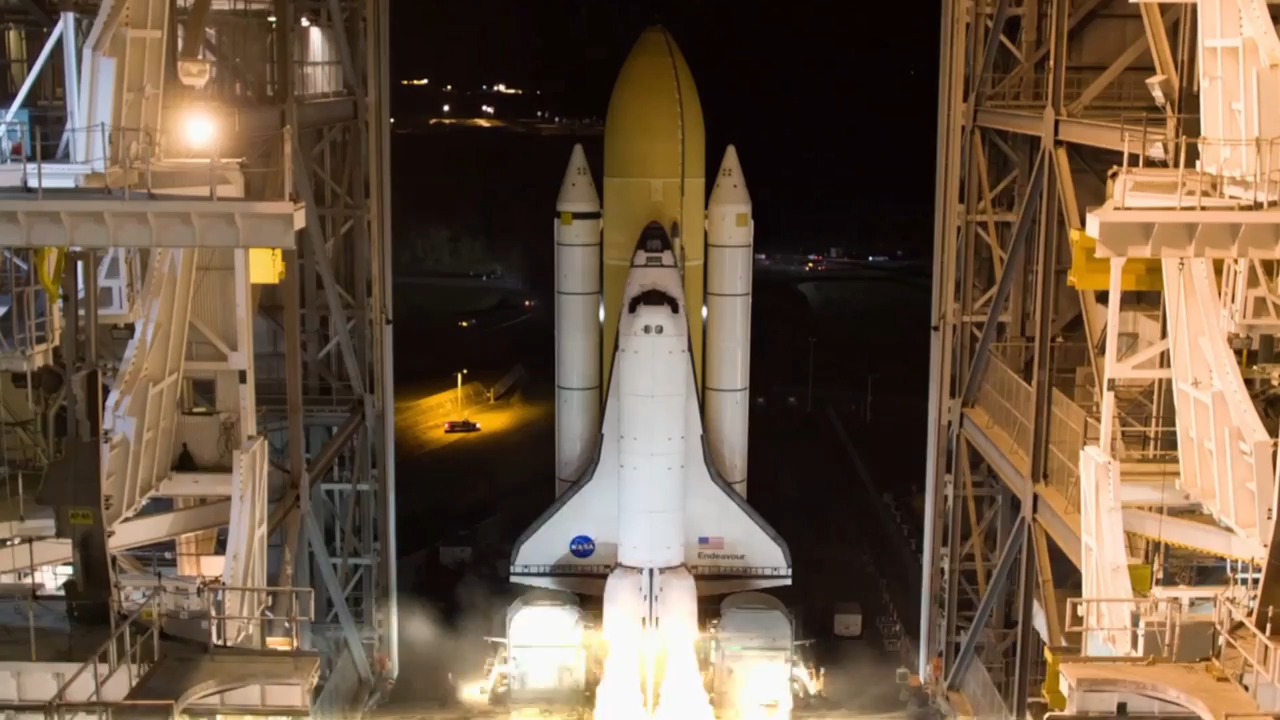
In How the Human Body Adjusts to Space Travel, host Harith Iskander explains the challenges astronauts face when traveling in space. These challenges include nausea, dizziness, and disorientation due to the lack of gravity. This video is excerpted from BBC’s Got Science?, a science magazine series that explores and explains science in everyday life.

The article "Everything You Need to Know About Space Travel (Almost)" from BBC's Science Focus covers the history of space travel, its importance for science and humanity, the challenges of interstellar travel, and the benefits of space exploration.
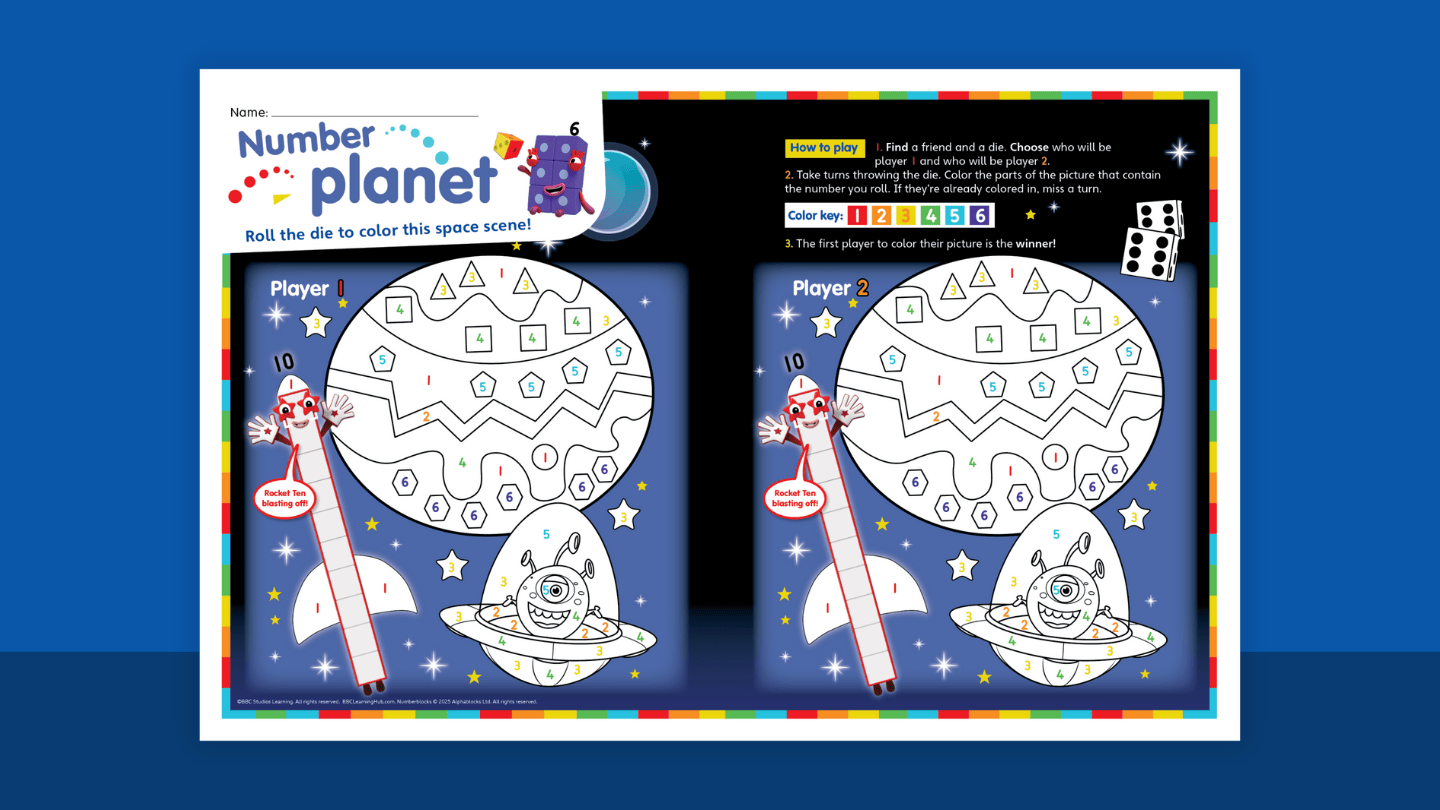
Roll the die to color this space scene! Here's how to play:
- Find a friend and a die to roll. Choose who will be player 1 and who will be player 2.
- Take turns throwing the die. Color the parts of the picture that contain the number you roll. If they’re already colored in, miss a turn.
- The first player to color their picture is the winner!
Watch full episodes of Numberblocks on their official YouTube channel!
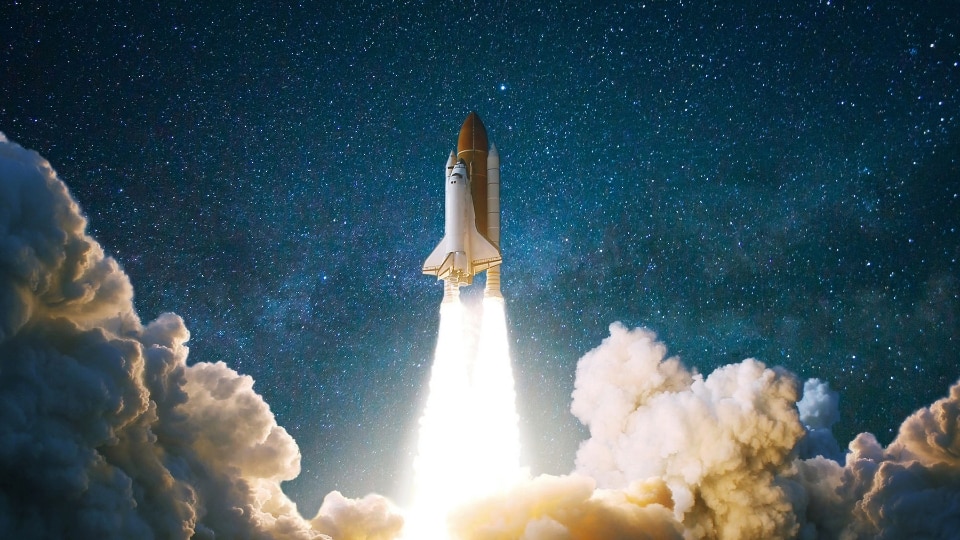
Journey beyond the Solar System to explore exoplanets, distant stars, and the search for new worlds. From planets orbiting faraway suns to potentially habitable worlds light-years from Earth, discover how astronomers are uncovering new corners of the universe.
This Kahoot explores the science of exoplanet discovery, space exploration, and the technologies that allow us to detect and study worlds we cannot directly see while revealing how each new discovery expands our understanding of the cosmos.
Watch the related videos linked below, then take the Kahoot and see how much you know about the incredible worlds waiting to be discovered beyond our Solar System.

This video playlist brings together 10 fascinating clips from the BBC’s Got Science? series, where everyday questions lead to surprising scientific discoveries. Students explore what’s really happening in the body and brain — from what your brain is doing during sleep paralysis to what it truly means to be “left-brained” or “right-brained.” They’ll investigate what happens when the body becomes dehydrated, how cold temperatures and high altitudes affect how we function, and the unexpected ways our bodies trick us every single day. Packed with “What! Really?” moments, this weird-but-wonderful playlist helps learners connect real science to daily life in unforgettable ways. Get ready to see the familiar become fascinating.
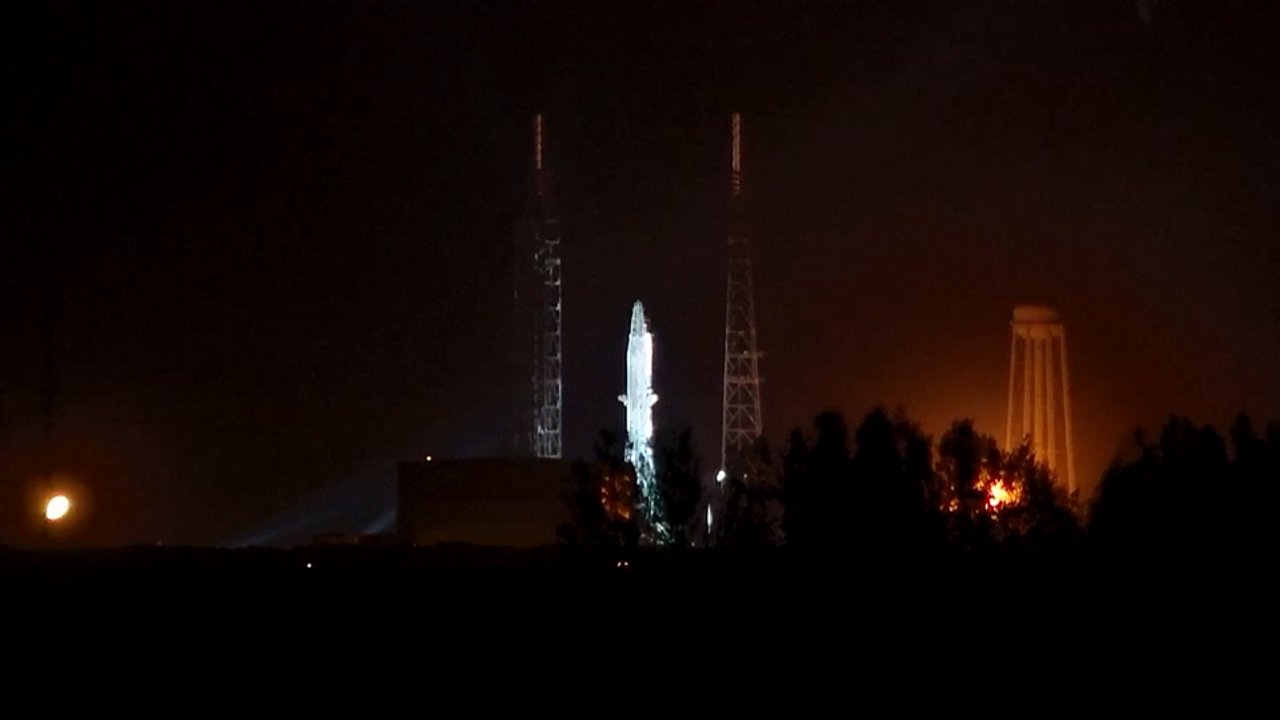
In late May, Blue Origin's New Glenn rocket exploded during a routine engine test. No one was hurt. But the explosion badly damaged the launch pad, and that's a serious problem.
New Glenn had flown once before, in a test flight in January 2025. Now the next flight is delayed by months. That delay affects more than just Blue Origin — it pushes back NASA's entire Moon program.
Here's the plan that's now on hold: a robotic lander was set to touch down near the Moon's south pole later this year, scouting the best site for a future Moon base. A crewed mission would follow in 2027. Then two more astronaut landings. Then, in 2028, construction would begin on the base itself.
Each step in that timeline now needs to move back.
Not all the news is bad. While Blue Origin investigates what went wrong, rival company SpaceX successfully launched its own rocket, a Falcon 9. One setback hasn't slowed the space industry down.
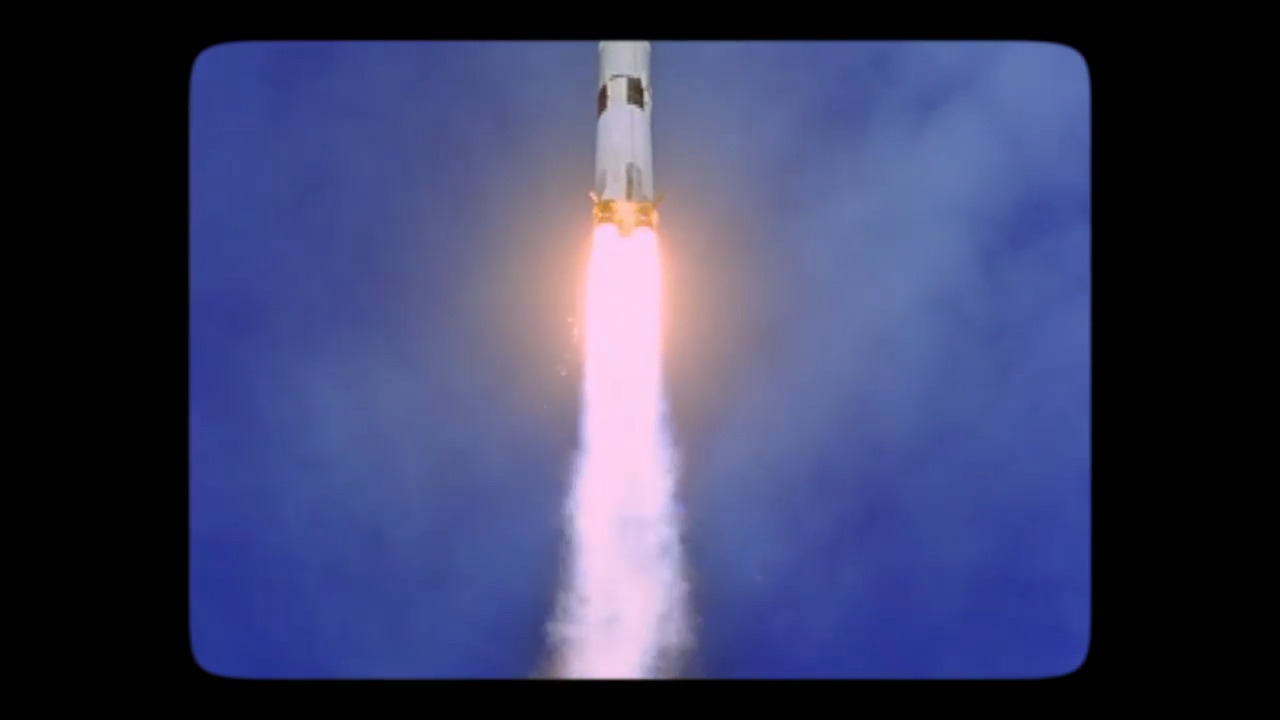
In The Challenges of Sending a Crewed Flight to Mars, learn how sending a crewed flight to Mars requires a large cargo and even larger rocket power. To overcome the difficult initial part of the journey, NASA is building the largest rocket ever. Explore how the challenges of launching a mission to Mars are being addressed by organizations like NASA and SpaceX, including innovative approaches to rocket design and space travel logistics. This video is excerpted from BBC’s The Big Thinkers, Should We Go to Mars?, where Dr. Kevin Fong explores the complex scientific and technological hurdles of space exploration.
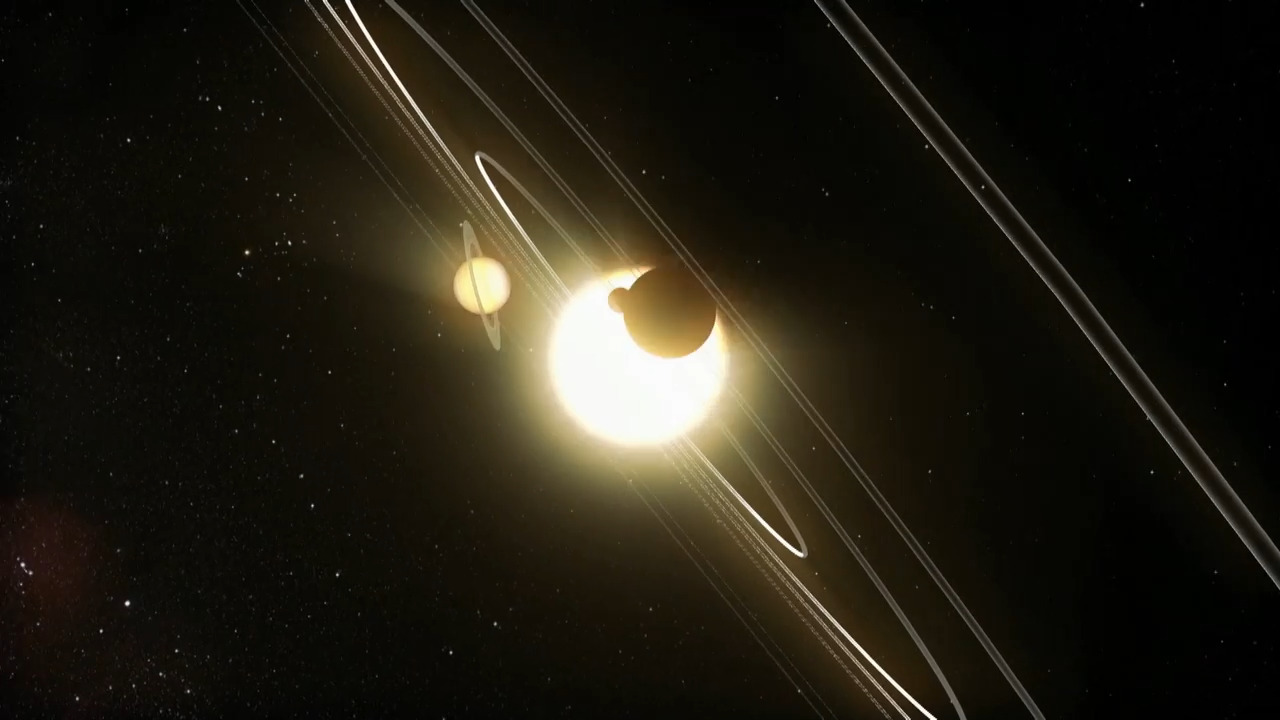
In The Journey to Mars, scientists explore the challenges astronauts face on a long journey to Mars, including radiation exposure, weightlessness, isolation, and confinement. A journey to Mars could take one to three years, and scientists are working on solutions to these obstacles to make human space travel to Mars possible. This video is excerpted from BBC’s The Big Thinkers, Should We Go to Mars?, where Dr. Kevin Fong explores the complex scientific and technological hurdles of space exploration.
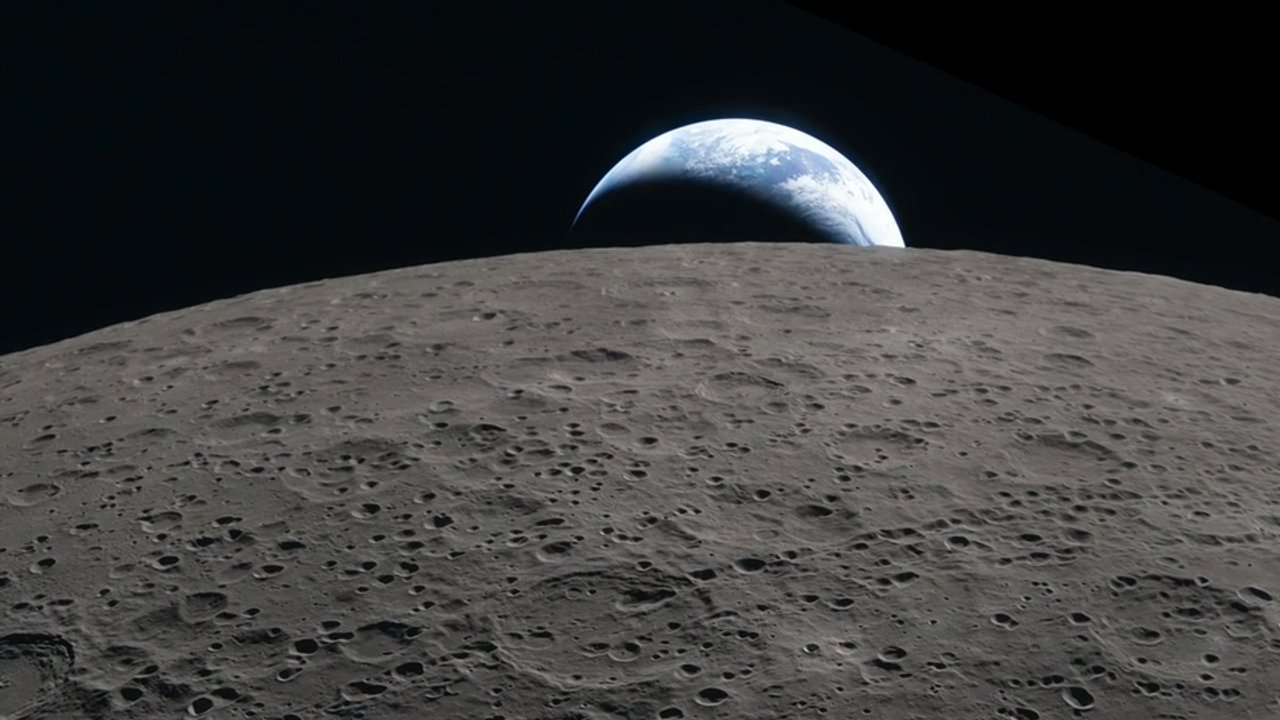
After a historic 10-day mission around the Moon — the first time humans have traveled so far into space since the 70s — the Artemis II crew came away with crucial knowledge: appreciate doors on bathrooms.
Commander Reid Wiseman dished on some other reflections about the trip. For example, the crew didn’t even realize what a big deal this was to people on Earth and didn’t hear much of the news until they talked to their families a few days into the mission. We suppose that’s what happens when you literally have your head in the clouds.
Not only was the journey unforgettable for science, but it was also personally significant for the crew members. One of the most powerful moments came when astronaut Jeremy Hansen named a lunar crater after Wiseman’s late wife, Carroll, a pivotal moment that solidified the crew’s bond.
But that bond wasn’t just to make things more fun — getting along in space is actually a matter of safety, and life inside a spacecraft requires serious teamwork. Think about sharing a room with a stinky sibling or living with a roommate who keeps eating your snacks. Now imagine that, in a room one-fifth the size and no way to escape! The astronauts lived, slept, and worked in extremely close quarters, so it was important to deal with disagreements immediately instead of letting tension build.
As exciting as it was to orbit the Moon, the return to Earth may have been just as intense. The crew re-entered the atmosphere at about 39 times the speed of sound. That’s about 30,000 miles per hour. They experienced forces of about four times normal gravity — about what you feel during the most intense parts of a roller coaster, but the astronauts felt this way for about 13 minutes. Nonstop! And that’s all before parachuting into the Pacific Ocean. All that probably makes it just a little more exhilarating than your bus ride to school.
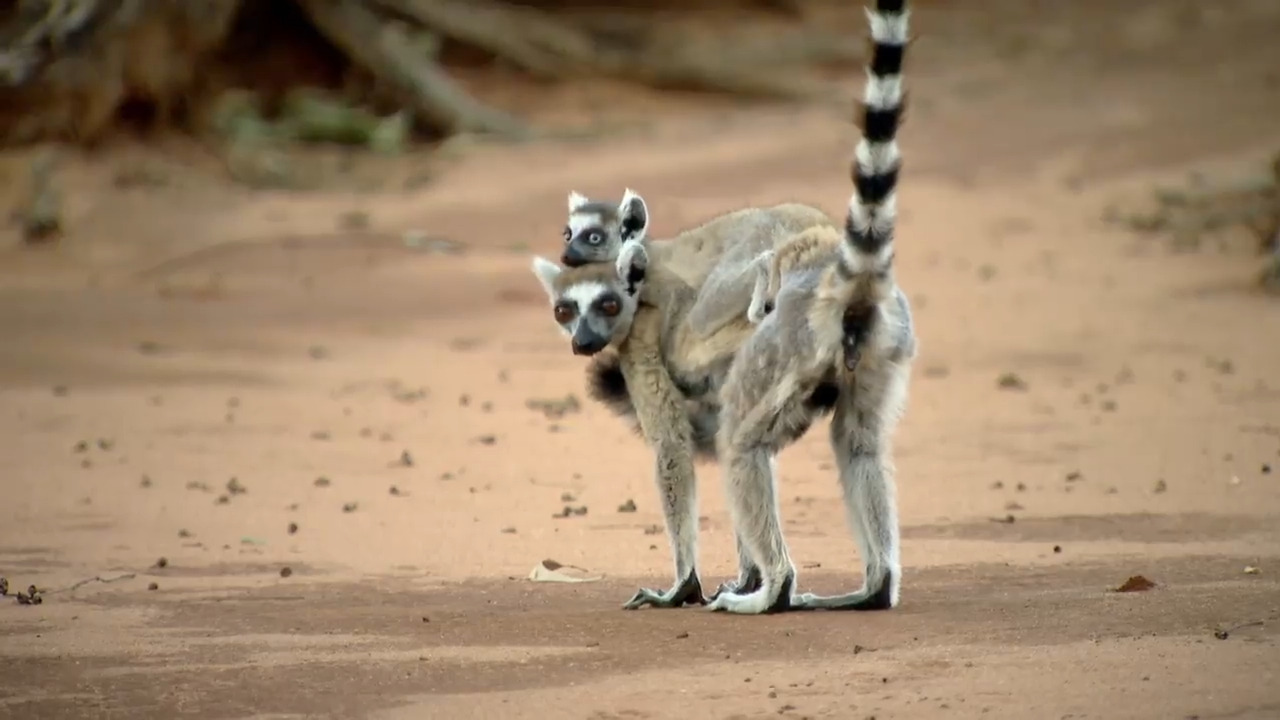
In Losing Land Space for Lemurs in Madagascar, host Simon Reeve travels to the Berenty Reserve, home to the lemur, and a shockingly small area of land where human development continues to encroach upon the lemur’s habitat. This video is excerpted from BBC's Incredible Journeys With Simon Reeve, a series that highlights one journalist’s travels across the globe and the diverse cultures and peoples he meets along the way.

In The Go Jetters at the Top of the Seattle Space Needle, the Go Jetters crew visits the Seattle Space Needle in the state of Washington. Ubercorn shares funky facts about this interesting building, including that it was designed to look like a spaceship and that it is earthquake-proof. This video is excerpted from BBC’s Go Jetters, a series that follows the adventures of four international heroes as they travel the globe visiting landmarks and solving environmental problems with Ubercorn, a disco-dancing unicorn.
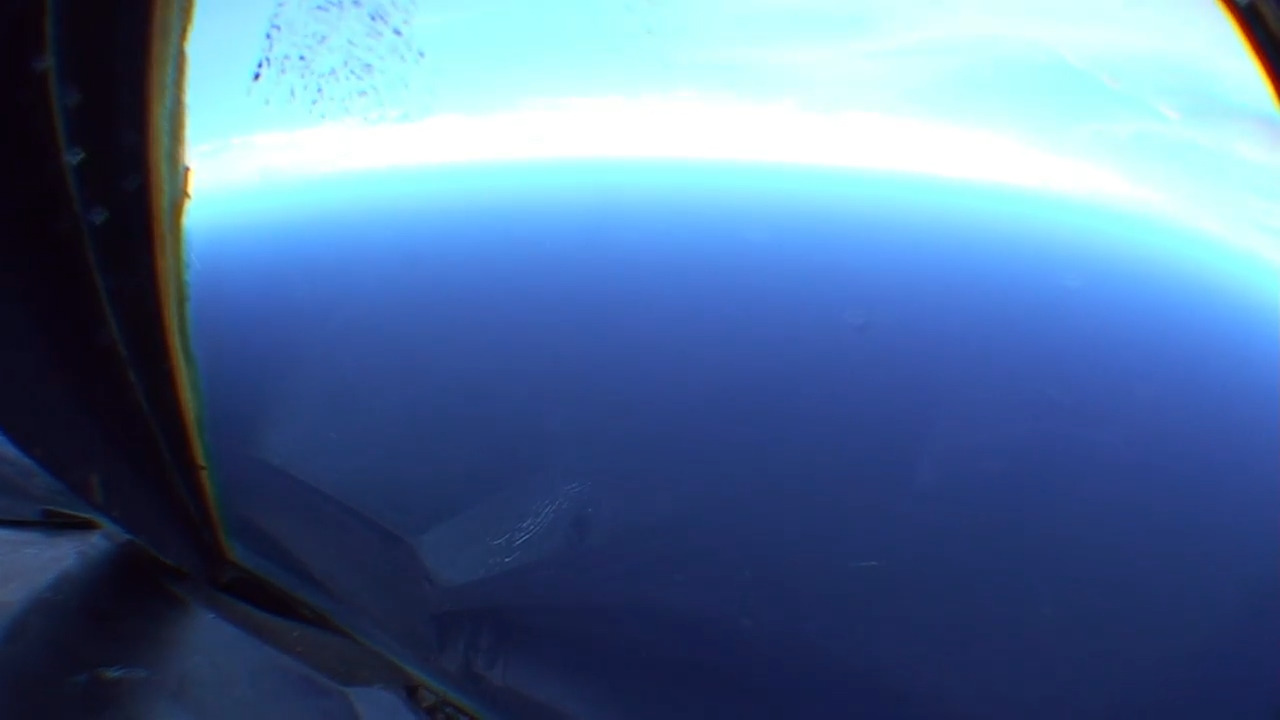
In Witness the Thin Blue Line, Professor Brian Cox experiences a vertical take-off on the English Electric Lightning, which travels 11 miles into the upper edge of Earth’s atmosphere, where the atmosphere appears as a delicate "thin blue line" separating Earth from space. As the aircraft soars to the edge of space, gain a new perspective on the vital role of Earth’s atmosphere in sustaining life and protecting against the harshness of space. This video is excerpted from BBC’s Wonders of the Solar System, a spellbinding documentary series that explores the most extreme locations on Earth to explain how the laws of physics carved natural wonders across the Solar System.
In How the Human Body Adjusts to Space Travel, host Harith Iskander explains the challenges astronauts face when traveling in space. These challenges include nausea, dizziness, and disorientation due to the lack of gravity. This video is excerpted from BBC’s Got Science?, a science magazine series that explores and explains science in everyday life.
The article "Everything You Need to Know About Space Travel (Almost)" from BBC's Science Focus covers the history of space travel, its importance for science and humanity, the challenges of interstellar travel, and the benefits of space exploration.
Roll the die to color this space scene! Here's how to play:
- Find a friend and a die to roll. Choose who will be player 1 and who will be player 2.
- Take turns throwing the die. Color the parts of the picture that contain the number you roll. If they’re already colored in, miss a turn.
- The first player to color their picture is the winner!
Watch full episodes of Numberblocks on their official YouTube channel!
Journey beyond the Solar System to explore exoplanets, distant stars, and the search for new worlds. From planets orbiting faraway suns to potentially habitable worlds light-years from Earth, discover how astronomers are uncovering new corners of the universe.
This Kahoot explores the science of exoplanet discovery, space exploration, and the technologies that allow us to detect and study worlds we cannot directly see while revealing how each new discovery expands our understanding of the cosmos.
Watch the related videos linked below, then take the Kahoot and see how much you know about the incredible worlds waiting to be discovered beyond our Solar System.
This video playlist brings together 10 fascinating clips from the BBC’s Got Science? series, where everyday questions lead to surprising scientific discoveries. Students explore what’s really happening in the body and brain — from what your brain is doing during sleep paralysis to what it truly means to be “left-brained” or “right-brained.” They’ll investigate what happens when the body becomes dehydrated, how cold temperatures and high altitudes affect how we function, and the unexpected ways our bodies trick us every single day. Packed with “What! Really?” moments, this weird-but-wonderful playlist helps learners connect real science to daily life in unforgettable ways. Get ready to see the familiar become fascinating.
In late May, Blue Origin's New Glenn rocket exploded during a routine engine test. No one was hurt. But the explosion badly damaged the launch pad, and that's a serious problem.
New Glenn had flown once before, in a test flight in January 2025. Now the next flight is delayed by months. That delay affects more than just Blue Origin — it pushes back NASA's entire Moon program.
Here's the plan that's now on hold: a robotic lander was set to touch down near the Moon's south pole later this year, scouting the best site for a future Moon base. A crewed mission would follow in 2027. Then two more astronaut landings. Then, in 2028, construction would begin on the base itself.
Each step in that timeline now needs to move back.
Not all the news is bad. While Blue Origin investigates what went wrong, rival company SpaceX successfully launched its own rocket, a Falcon 9. One setback hasn't slowed the space industry down.
In The Challenges of Sending a Crewed Flight to Mars, learn how sending a crewed flight to Mars requires a large cargo and even larger rocket power. To overcome the difficult initial part of the journey, NASA is building the largest rocket ever. Explore how the challenges of launching a mission to Mars are being addressed by organizations like NASA and SpaceX, including innovative approaches to rocket design and space travel logistics. This video is excerpted from BBC’s The Big Thinkers, Should We Go to Mars?, where Dr. Kevin Fong explores the complex scientific and technological hurdles of space exploration.
In The Journey to Mars, scientists explore the challenges astronauts face on a long journey to Mars, including radiation exposure, weightlessness, isolation, and confinement. A journey to Mars could take one to three years, and scientists are working on solutions to these obstacles to make human space travel to Mars possible. This video is excerpted from BBC’s The Big Thinkers, Should We Go to Mars?, where Dr. Kevin Fong explores the complex scientific and technological hurdles of space exploration.
After a historic 10-day mission around the Moon — the first time humans have traveled so far into space since the 70s — the Artemis II crew came away with crucial knowledge: appreciate doors on bathrooms.
Commander Reid Wiseman dished on some other reflections about the trip. For example, the crew didn’t even realize what a big deal this was to people on Earth and didn’t hear much of the news until they talked to their families a few days into the mission. We suppose that’s what happens when you literally have your head in the clouds.
Not only was the journey unforgettable for science, but it was also personally significant for the crew members. One of the most powerful moments came when astronaut Jeremy Hansen named a lunar crater after Wiseman’s late wife, Carroll, a pivotal moment that solidified the crew’s bond.
But that bond wasn’t just to make things more fun — getting along in space is actually a matter of safety, and life inside a spacecraft requires serious teamwork. Think about sharing a room with a stinky sibling or living with a roommate who keeps eating your snacks. Now imagine that, in a room one-fifth the size and no way to escape! The astronauts lived, slept, and worked in extremely close quarters, so it was important to deal with disagreements immediately instead of letting tension build.
As exciting as it was to orbit the Moon, the return to Earth may have been just as intense. The crew re-entered the atmosphere at about 39 times the speed of sound. That’s about 30,000 miles per hour. They experienced forces of about four times normal gravity — about what you feel during the most intense parts of a roller coaster, but the astronauts felt this way for about 13 minutes. Nonstop! And that’s all before parachuting into the Pacific Ocean. All that probably makes it just a little more exhilarating than your bus ride to school.
In Losing Land Space for Lemurs in Madagascar, host Simon Reeve travels to the Berenty Reserve, home to the lemur, and a shockingly small area of land where human development continues to encroach upon the lemur’s habitat. This video is excerpted from BBC's Incredible Journeys With Simon Reeve, a series that highlights one journalist’s travels across the globe and the diverse cultures and peoples he meets along the way.
In The Go Jetters at the Top of the Seattle Space Needle, the Go Jetters crew visits the Seattle Space Needle in the state of Washington. Ubercorn shares funky facts about this interesting building, including that it was designed to look like a spaceship and that it is earthquake-proof. This video is excerpted from BBC’s Go Jetters, a series that follows the adventures of four international heroes as they travel the globe visiting landmarks and solving environmental problems with Ubercorn, a disco-dancing unicorn.
In Witness the Thin Blue Line, Professor Brian Cox experiences a vertical take-off on the English Electric Lightning, which travels 11 miles into the upper edge of Earth’s atmosphere, where the atmosphere appears as a delicate "thin blue line" separating Earth from space. As the aircraft soars to the edge of space, gain a new perspective on the vital role of Earth’s atmosphere in sustaining life and protecting against the harshness of space. This video is excerpted from BBC’s Wonders of the Solar System, a spellbinding documentary series that explores the most extreme locations on Earth to explain how the laws of physics carved natural wonders across the Solar System.