
The article "Why We Sleep: How Rest Helps Our Body and Brain" from BBC's Science Focus explains why sleep is essential for our physical and mental well-being. It explores sleep stages, how much rest we need, what dreams might mean, and why sleep evolved.
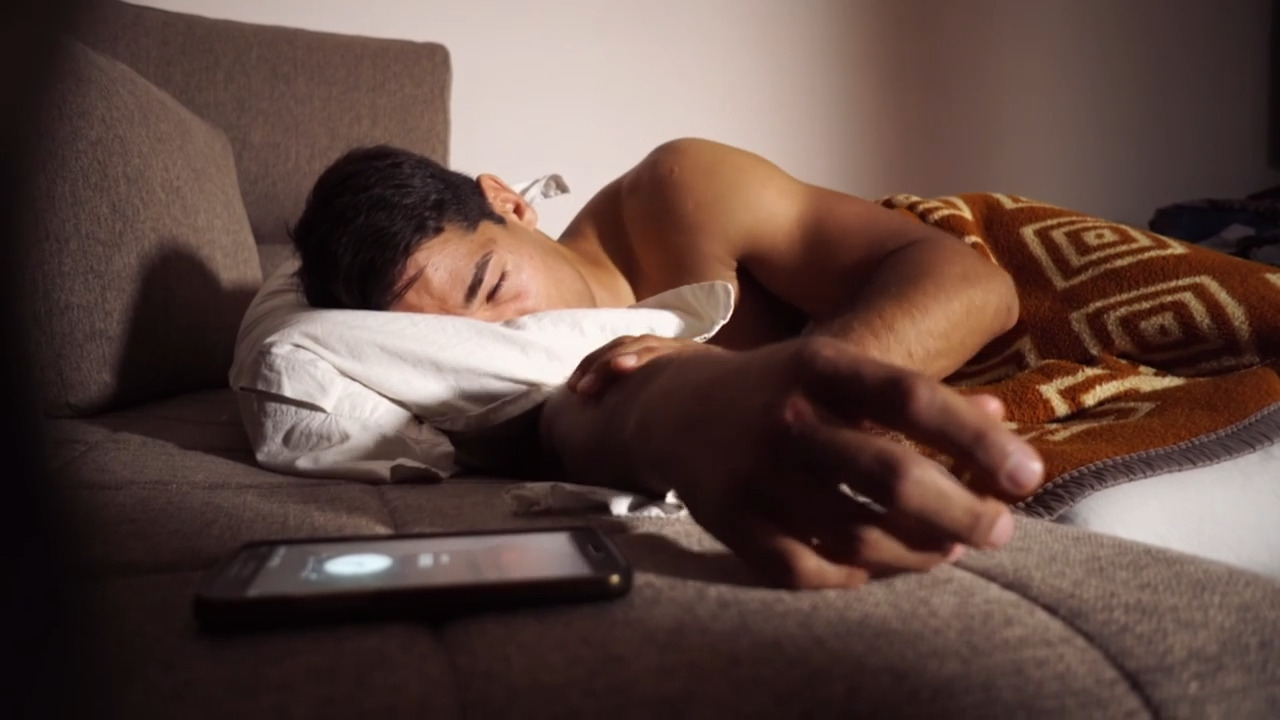
In Why Hitting the Snooze Button Makes You Sleepier, host Harith Iskander explains what happens when we hit the snooze button in the morning. Science shows that the body starts preparing to wake up when the alarm rings, but pressing snooze resets the body’s sleep cycle. This causes the body to go back to the beginning of the cycle, making you feel even sleepier. This video is excerpted from BBC’s Got Science?, a science magazine series that explores and explains science in everyday life.
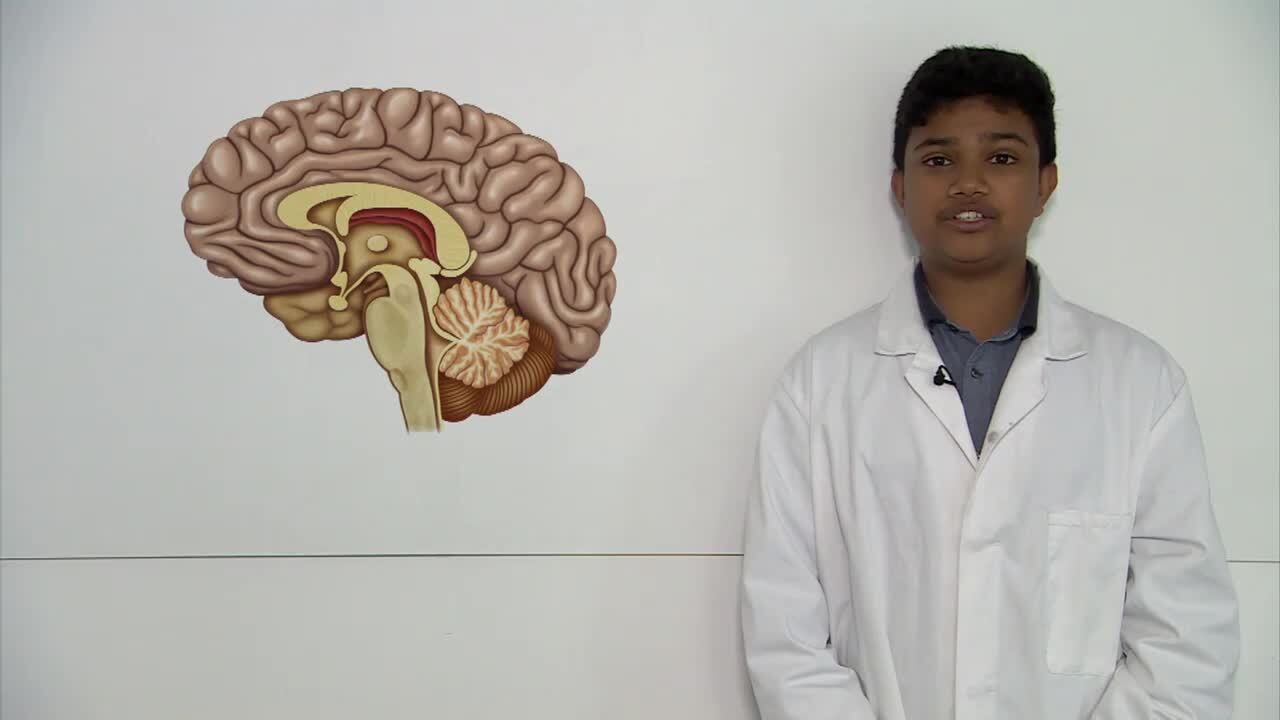
What if school started so early that your brain felt like it was the middle of the night? For a lot of teens, that’s actually what’s happening.
One school decided to take the science seriously. Researchers have found that during adolescence, your body clock shifts later — meaning you naturally fall asleep later and wake up later. So when teens are forced to get up at 7 a.m., it’s not just “early”… it’s the biological equivalent of an adult waking up at 4:30 a.m. Imagine trying to learn, focus, and take tests at that hour every single day.
Instead of ignoring this, the school changed its start time to better match how teenage brains actually work. The goal? Help students get enough sleep, feel more awake in class, and stop the cycle of constant exhaustion.
It raises a big question: if we know teens’ brains are wired this way, should more schools rethink their schedules too?
The article "Why We Sleep: How Rest Helps Our Body and Brain" from BBC's Science Focus explains why sleep is essential for our physical and mental well-being. It explores sleep stages, how much rest we need, what dreams might mean, and why sleep evolved.
In Why Hitting the Snooze Button Makes You Sleepier, host Harith Iskander explains what happens when we hit the snooze button in the morning. Science shows that the body starts preparing to wake up when the alarm rings, but pressing snooze resets the body’s sleep cycle. This causes the body to go back to the beginning of the cycle, making you feel even sleepier. This video is excerpted from BBC’s Got Science?, a science magazine series that explores and explains science in everyday life.
What if school started so early that your brain felt like it was the middle of the night? For a lot of teens, that’s actually what’s happening.
One school decided to take the science seriously. Researchers have found that during adolescence, your body clock shifts later — meaning you naturally fall asleep later and wake up later. So when teens are forced to get up at 7 a.m., it’s not just “early”… it’s the biological equivalent of an adult waking up at 4:30 a.m. Imagine trying to learn, focus, and take tests at that hour every single day.
Instead of ignoring this, the school changed its start time to better match how teenage brains actually work. The goal? Help students get enough sleep, feel more awake in class, and stop the cycle of constant exhaustion.
It raises a big question: if we know teens’ brains are wired this way, should more schools rethink their schedules too?