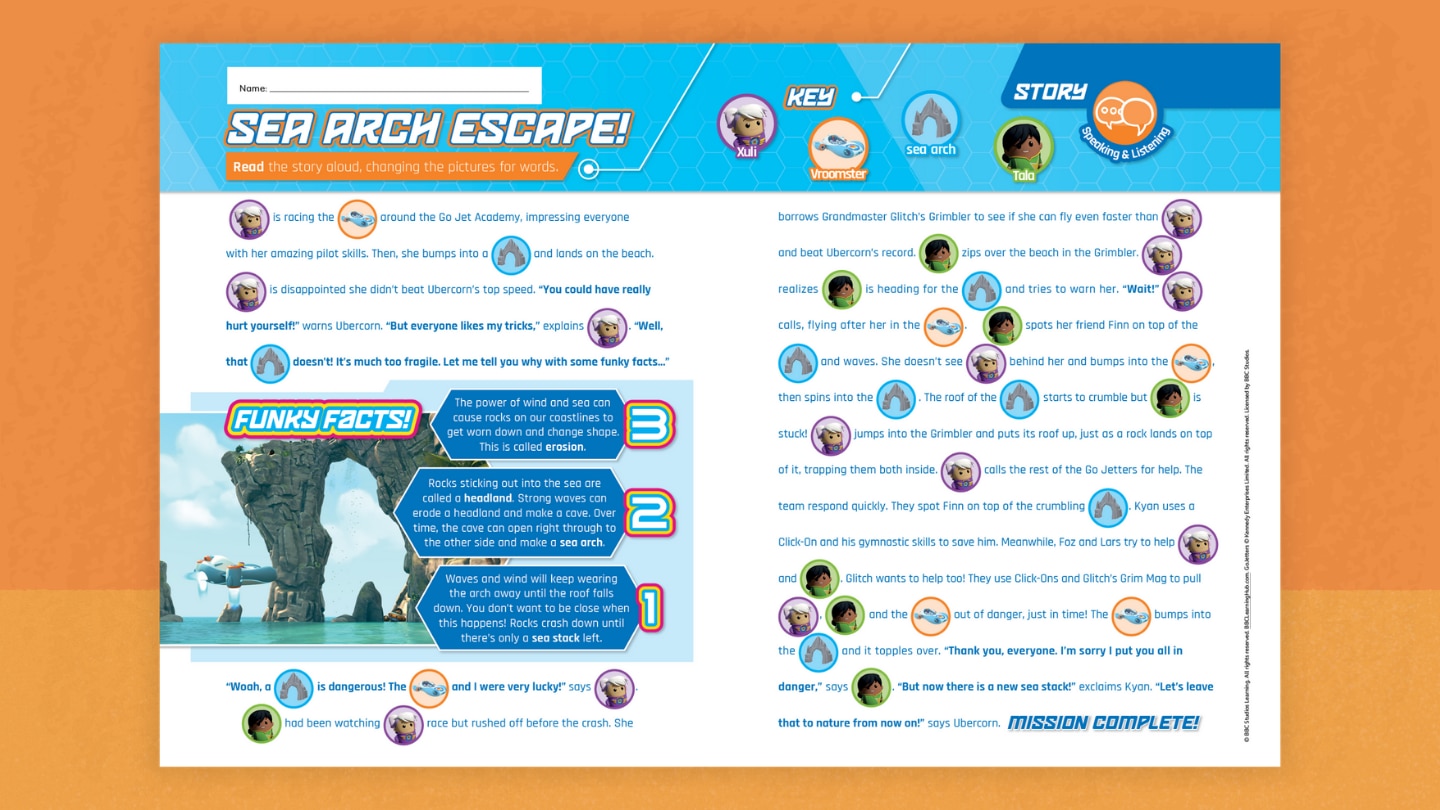
Join the Go Jetters on a flying adventure around a fragile sea arch. In this fun story, you'll:
- Read out loud, changing the pictures for words.
- Learn how erosion transforms rocks into caves, arches, and stacks.
- Discover funky facts about rock formations.
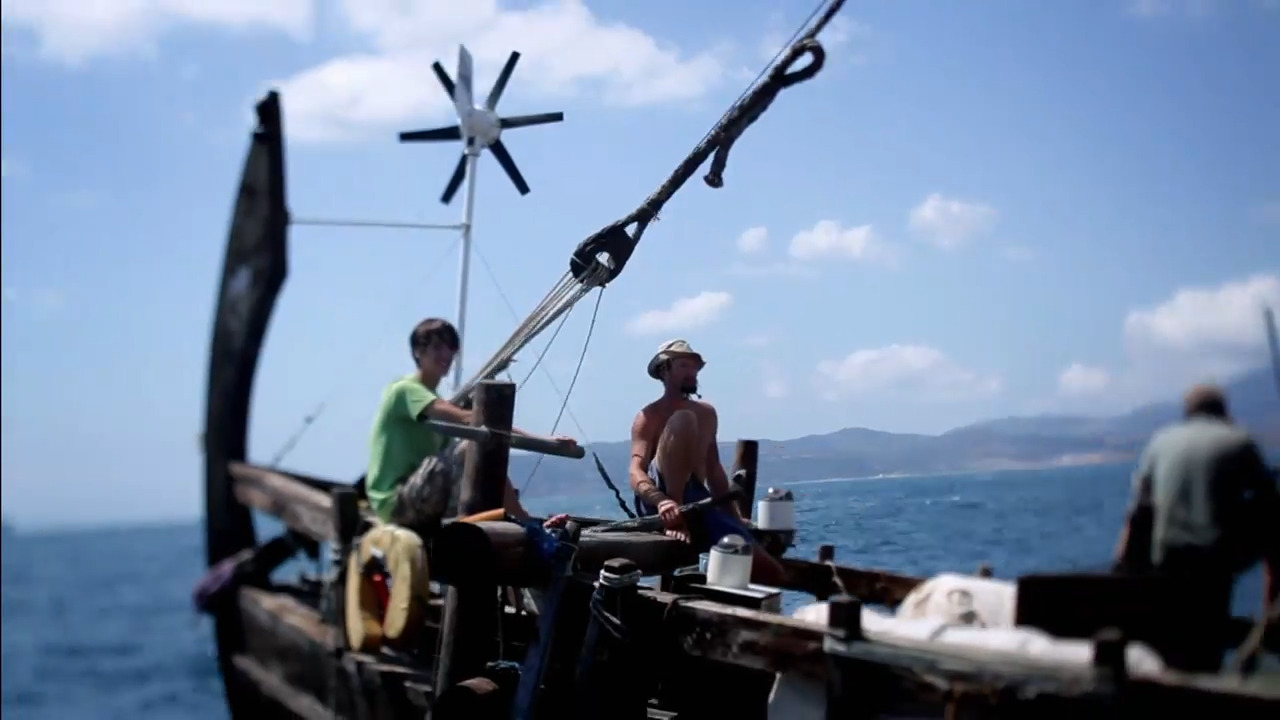
In Silver, Tribute, and the Fall of Assyria, archaeologist and historian Richard Miles explains the economic relationship between the Phoenicians and the Assyrians. As the Assyrians demanded more and more tribute from the Phoenicians, the Phoenicians were forced to the sea to bring back silver. Eventually, they brought so much silver that there was a surplus which destabilized the economy. This video is excerpted from BBC’s Ancient Worlds, an epic series with archaeologist and historian Richard Miles as he explores the roots of civilization from Mesopotamia to the fall of the Roman Empire.
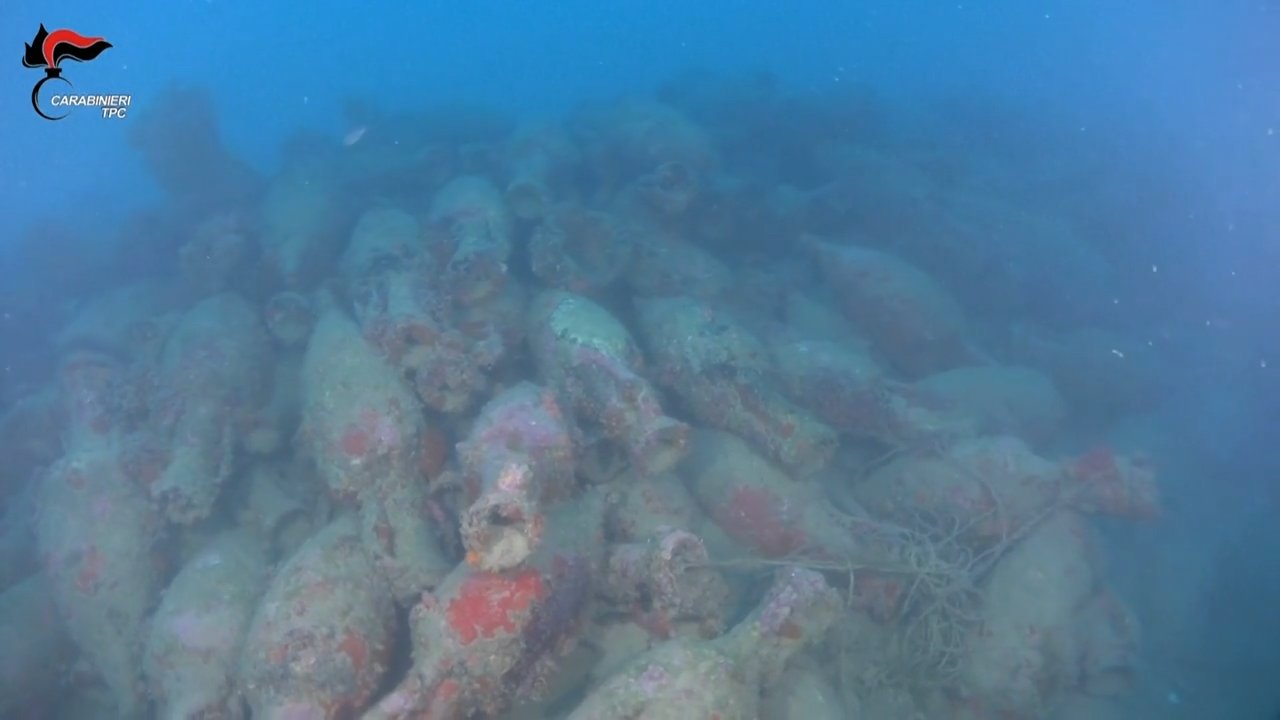
Off the coast of Italy, divers have found a Roman ship that sank more than 2,000 years ago, still loaded with its cargo. Italy's culture minister called it "one of the most important underwater archaeological discoveries of recent years."
The wreck lies about 150 feet underwater, roughly three miles off the coast of Sicily, the island at the tip of Italy's "boot." Fishermen diving in the area spotted it and reported it to authorities. The ship was covered in hundreds of well-preserved amphorae. These were tall clay jars Romans used to store and ship goods, especially wine.
Specialist divers from a branch of Italy's police that protects historical treasures are now studying and recording the site.
Researchers believe more ancient shipwrecks may still be hidden beneath the Mediterranean Sea. These could offer clues about what people traded, transported, and valued thousands of years ago.
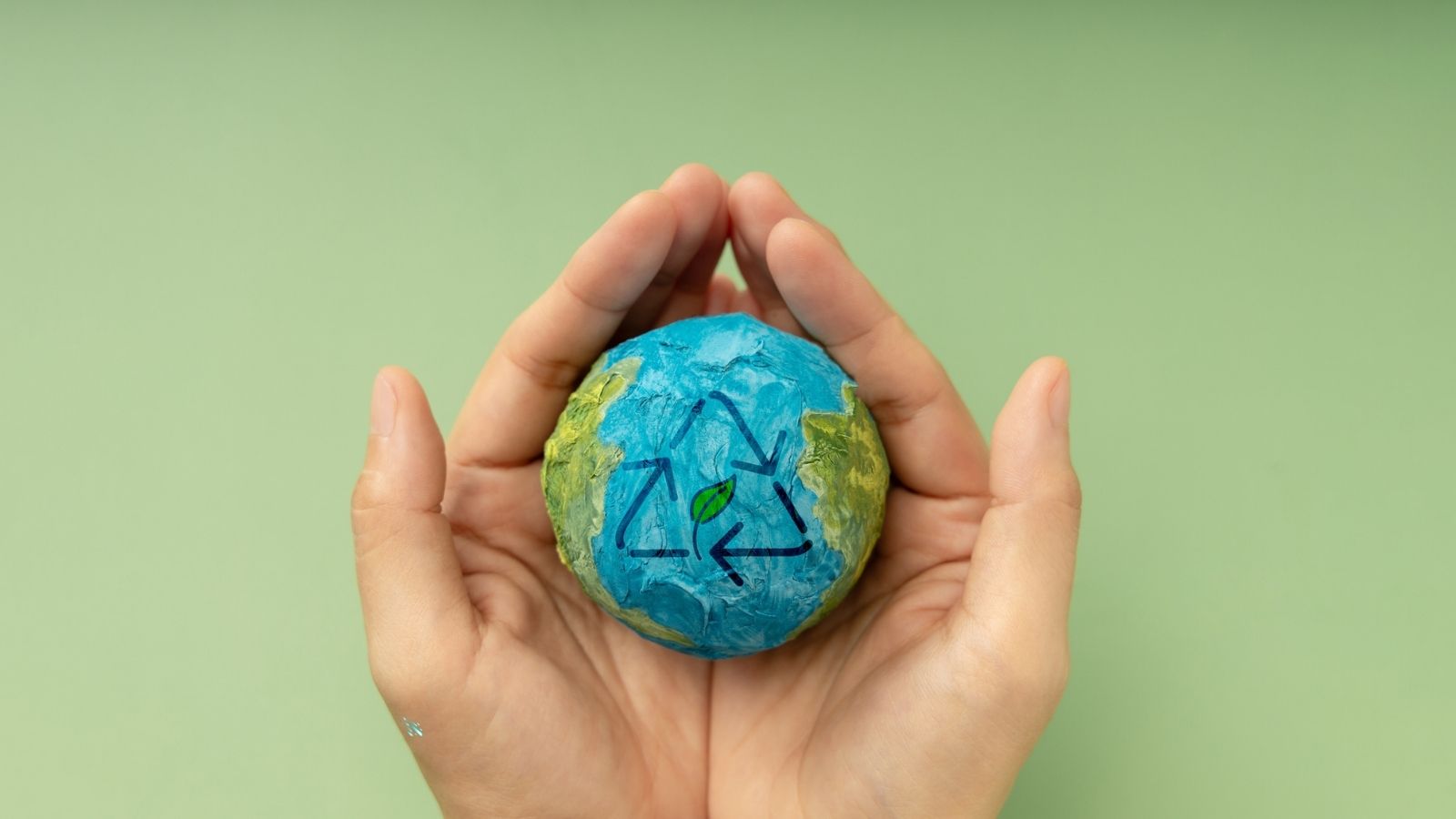
This BBC video playlist travels from forests and wildlife habitats to communities developing new solutions to environmental challenges. Discover how healthy forests support life on Earth, see conservationists working to protect endangered species and restore damaged habitats, and explore how renewable energy can help reduce our reliance on fossil fuels.
Along the way, meet people taking action to address real environmental problems and discover how science, technology, conservation, and everyday choices can all play a role in protecting the planet.
Earth Day is a chance to appreciate the natural world, understand the challenges it faces, and imagine what a healthier future could look like. Whether it’s Earth Day or any day of the year, these BBC videos show that caring for our planet starts with understanding how it works — and how our actions can make a difference.
Join the Go Jetters on a flying adventure around a fragile sea arch. In this fun story, you'll:
- Read out loud, changing the pictures for words.
- Learn how erosion transforms rocks into caves, arches, and stacks.
- Discover funky facts about rock formations.
In Silver, Tribute, and the Fall of Assyria, archaeologist and historian Richard Miles explains the economic relationship between the Phoenicians and the Assyrians. As the Assyrians demanded more and more tribute from the Phoenicians, the Phoenicians were forced to the sea to bring back silver. Eventually, they brought so much silver that there was a surplus which destabilized the economy. This video is excerpted from BBC’s Ancient Worlds, an epic series with archaeologist and historian Richard Miles as he explores the roots of civilization from Mesopotamia to the fall of the Roman Empire.
Off the coast of Italy, divers have found a Roman ship that sank more than 2,000 years ago, still loaded with its cargo. Italy's culture minister called it "one of the most important underwater archaeological discoveries of recent years."
The wreck lies about 150 feet underwater, roughly three miles off the coast of Sicily, the island at the tip of Italy's "boot." Fishermen diving in the area spotted it and reported it to authorities. The ship was covered in hundreds of well-preserved amphorae. These were tall clay jars Romans used to store and ship goods, especially wine.
Specialist divers from a branch of Italy's police that protects historical treasures are now studying and recording the site.
Researchers believe more ancient shipwrecks may still be hidden beneath the Mediterranean Sea. These could offer clues about what people traded, transported, and valued thousands of years ago.
This BBC video playlist travels from forests and wildlife habitats to communities developing new solutions to environmental challenges. Discover how healthy forests support life on Earth, see conservationists working to protect endangered species and restore damaged habitats, and explore how renewable energy can help reduce our reliance on fossil fuels.
Along the way, meet people taking action to address real environmental problems and discover how science, technology, conservation, and everyday choices can all play a role in protecting the planet.
Earth Day is a chance to appreciate the natural world, understand the challenges it faces, and imagine what a healthier future could look like. Whether it’s Earth Day or any day of the year, these BBC videos show that caring for our planet starts with understanding how it works — and how our actions can make a difference.