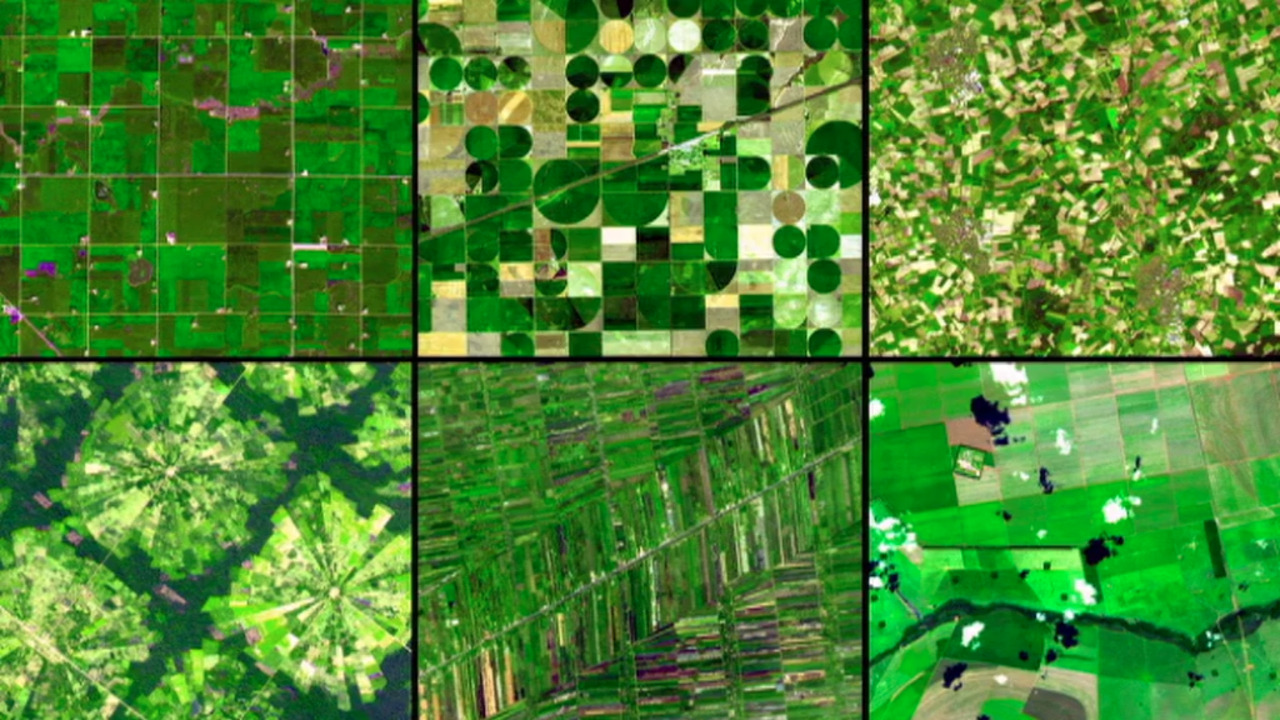
In Making Smart Choices for Our Planet, narrator Sir David Attenborough explains how important it is to understand and take care of the natural world as we rely on it for things like air, food, and even our happiness. As the world’s population grows, we are using more and more resources like water and food sources, which could lead to problems in the future. But there’s hope! If we use science and technology wisely, we can make better choices and live more sustainably, helping the Earth for future generations. This video is excerpted from BBC’s Horizon: How Many People Can Live on Planet Earth?, which explores the challenges of supporting a growing global population.
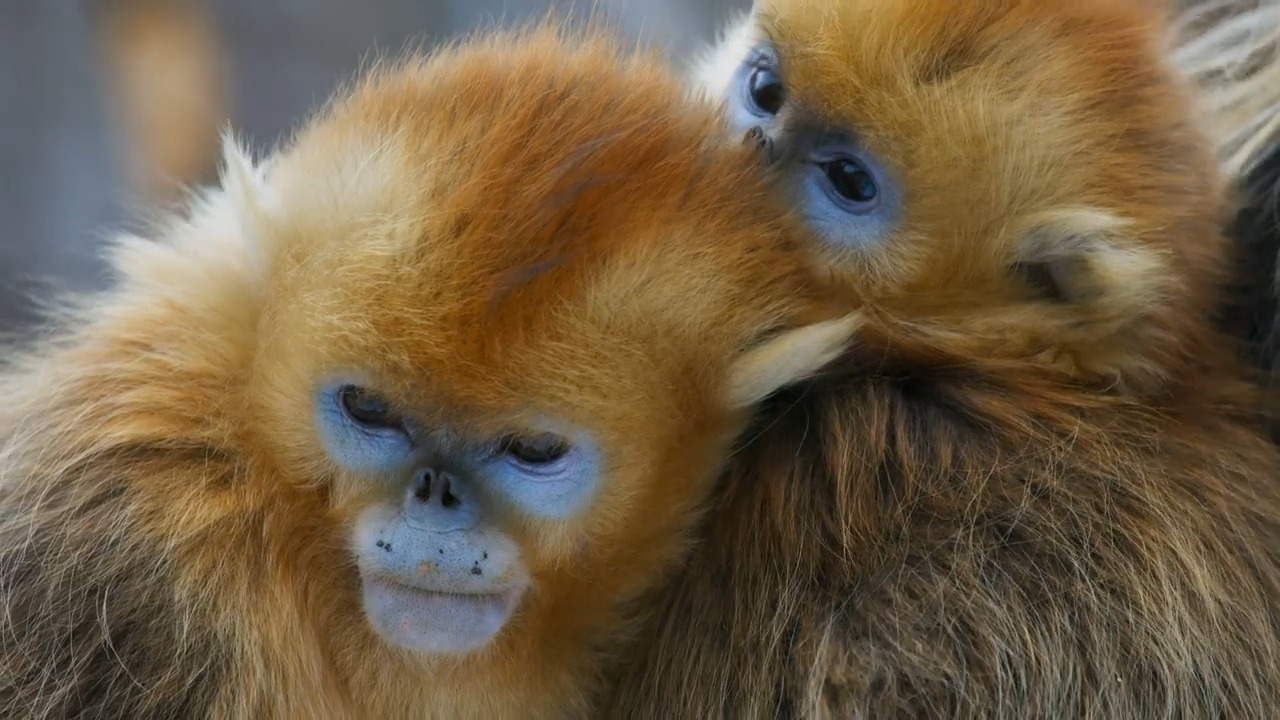
In Snow Monkeys in the Mountains, narrator Sir David Attenborough introduces the blue-faced, golden-coated snow monkeys, who thrive in the coldest conditions. He explains how these large monkeys use their size to stay warm and rely on the group for survival in harsh, food-scarce winters. This video is excerpted from BBC’s Seven Worlds, One Planet, a series featuring remarkable animal behavior from all seven continents

In Toilets of the Future, presenter Cherry Healey learns about a Toto toilet that has lots of cool features that improve hygiene and the experience of visiting the bathroom. She visits Cranfield University to get a glimpse of the toilet of the future, one that doesn’t use water. This video is excerpted from BBC’s Inside the Factory, a series that takes viewers behind the scenes in the factories that make our favorite products.
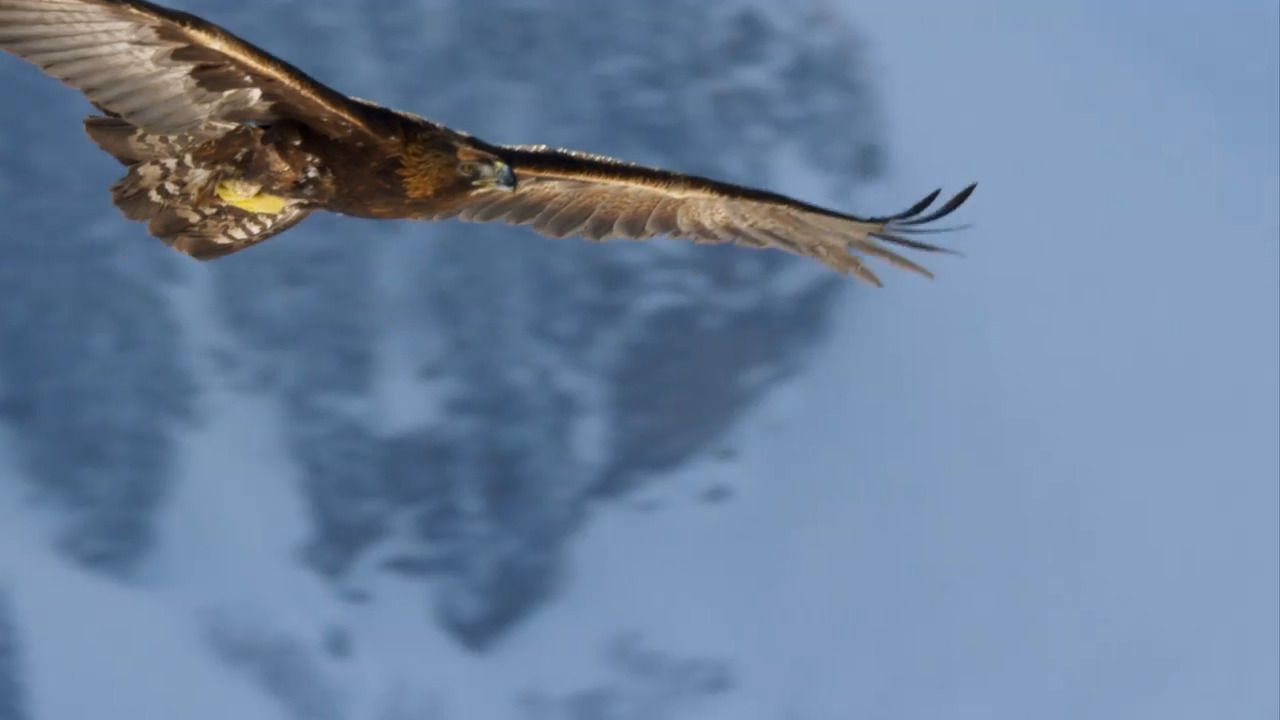
In The Golden Eagle, a Fierce Competitor, narrator Sir David Attenborough examines winter in the Alps where food is scarce and competition fierce. Watch as a golden eagle spots a dead fox but must fight off several crows who also want to eat it. Eventually, the golden eagle is chased off by another golden eagle. This video is excerpted from BBC’s Planet Earth II, a breathtaking documentary series that highlights the natural wonders of our planet.
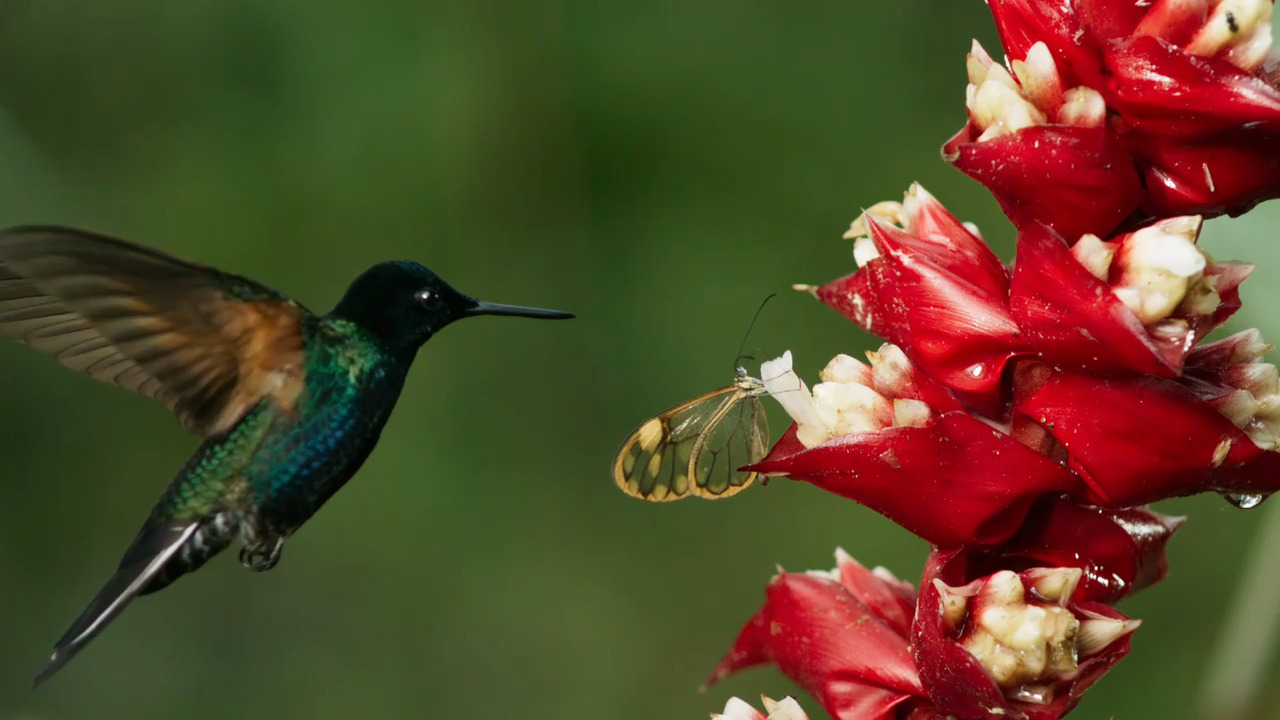
In The Swordbill Hummingbird's Specialized Beak, narrator Sir David Attenborough visits Ecuador, where over 100 species of hummingbirds compete for limited nectar in flowers. Learn about the swordbill hummingbird, which has a beak longer than its body, and can reach nectar in flowers that other hummingbirds can’t. Though it has an exclusive food supply, the long beak is hard to keep clean and makes it difficult for the bird to preen feathers. This video is excerpted from BBC’s Planet Earth II, a breathtaking documentary series that highlights the natural wonders of our planet.
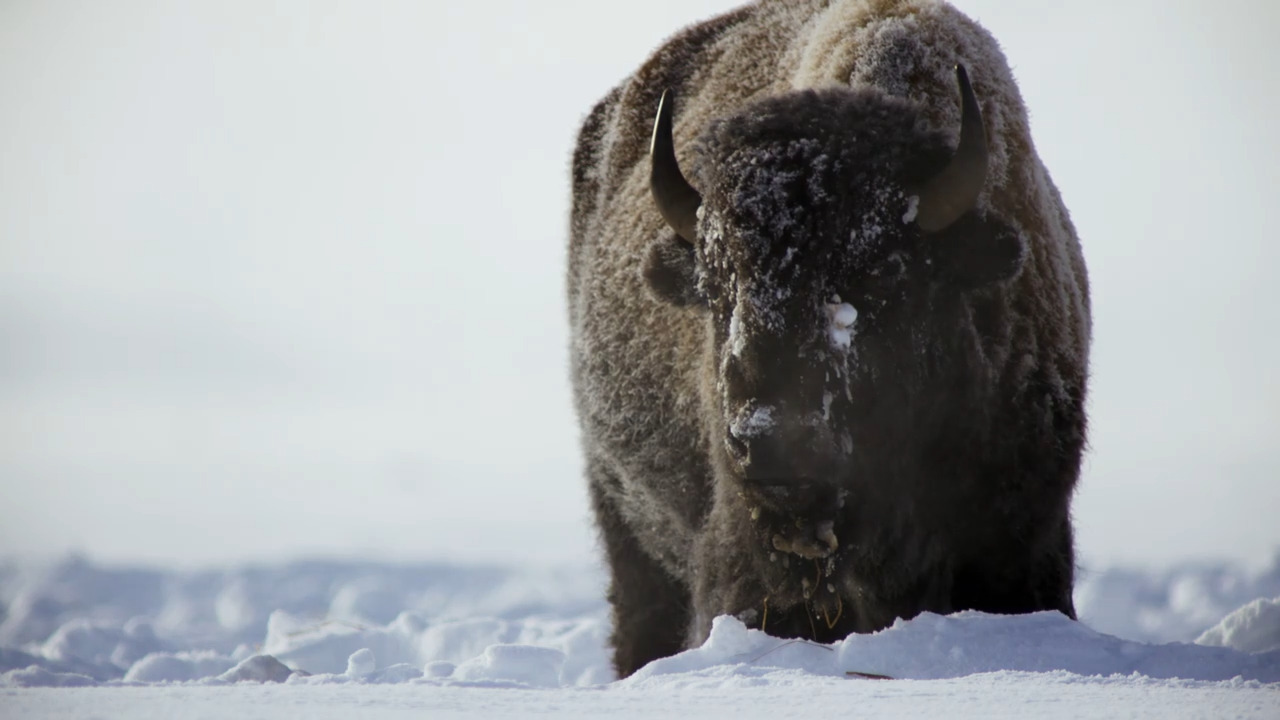
In Bison and Foxes Battle the Cold, narrator Sir David Attenborough takes us through the harsh conditions of the North American prairies, where bison use their strength to uncover food buried beneath the snow, and foxes rely on skill and precision to hunt for meals. This video is excerpted from BBC’s Planet Earth II, a breathtaking documentary series that highlights the natural wonders of our planet.
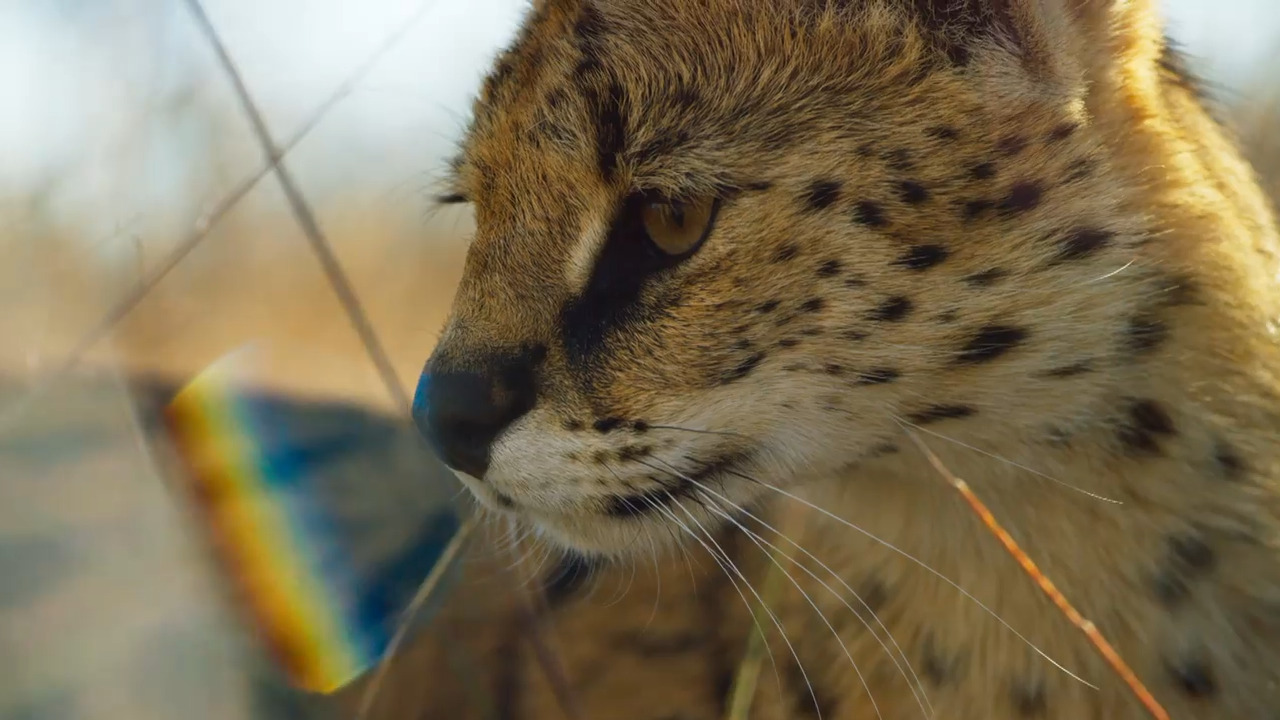
In The Serval's Hunt, narrator Sir David Attenborough shows how the serval cat uses its long legs and radarlike ears to hunt with precision in the African savanna. The serval’s ability to hear the smallest sounds helps it track its prey, like the vlei rat, even in tall grass. This video is excerpted from BBC’s Planet Earth II, a breathtaking documentary series that highlights the natural wonders of our planet.

This Earth Day (or anytime this month), share this inspiring video playlist designed to spark curiosity and action in students ages 8–14. From incredible wildlife conservation stories to real-world environmental solutions, each clip invites students to explore the beauty of our planet — and the challenges it faces.
Get a closer look at how forests support life on Earth, discover innovative ideas like renewable energy, and meet the people working to protect endangered species and restore habitats. Along the way, students will see how small choices can make a big difference for our world.
Packed with powerful moments and meaningful learning, this playlist encourages students not just to learn about the Earth — but to think about how they can help protect it.
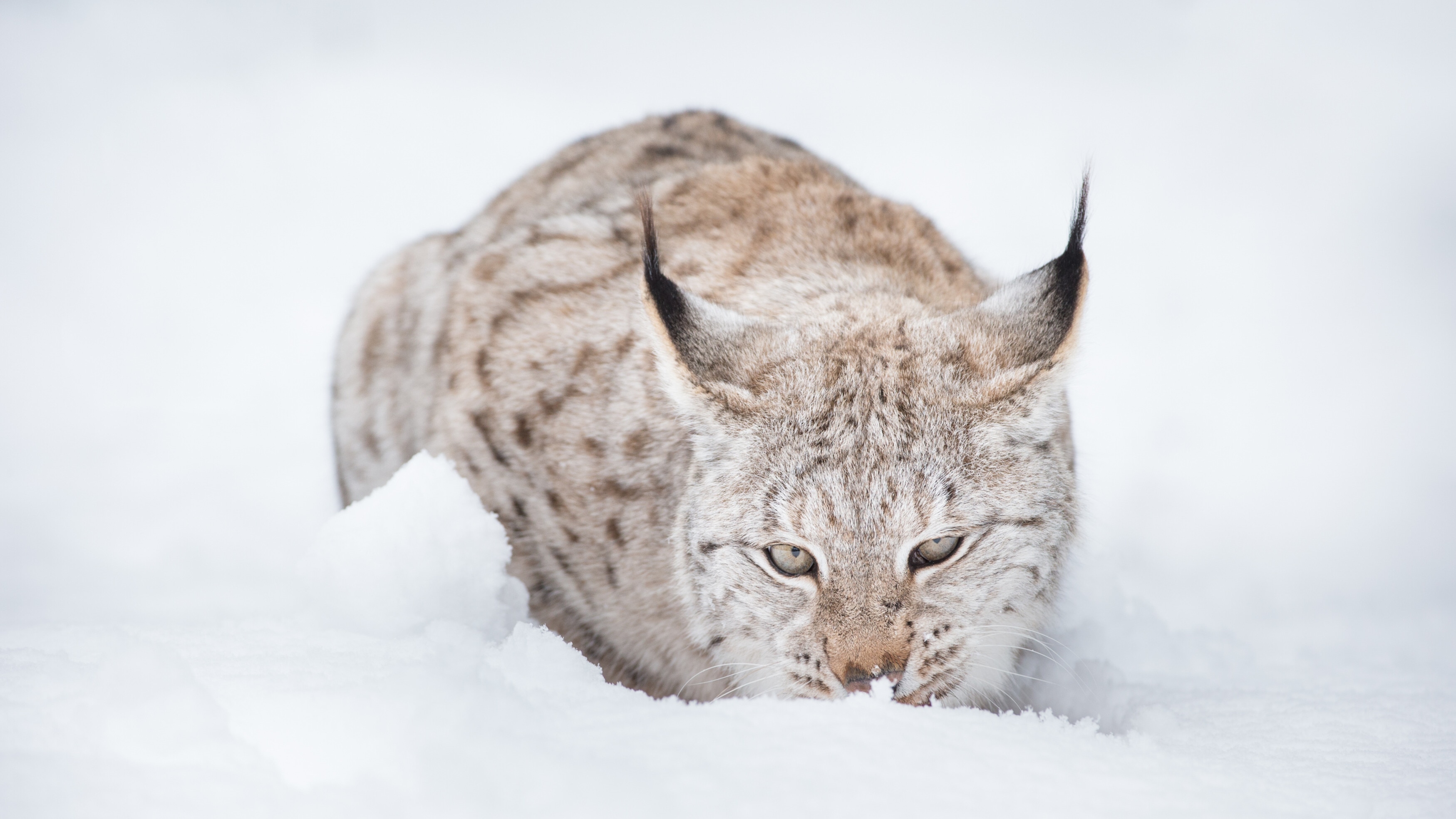
Brave the chill and meet the coolest creatures on Earth! This playlist of 11 frosty video clips from BBC landmark shows like Frozen Planet and Planet Earth explores how animals survive some of the coldest places on the planet. Students will learn about adaptations, seasonal behaviors, and the survival strategies that help bison, foxes, seals, grizzlies, snow monkeys, polar bears, lynx, and more thrive in freezing climates.
They’ll discover how winter weather shapes each animal’s daily life; how they find food, conserve energy, protect themselves from predators; and why these icy habitats play a vital role in Earth’s systems.
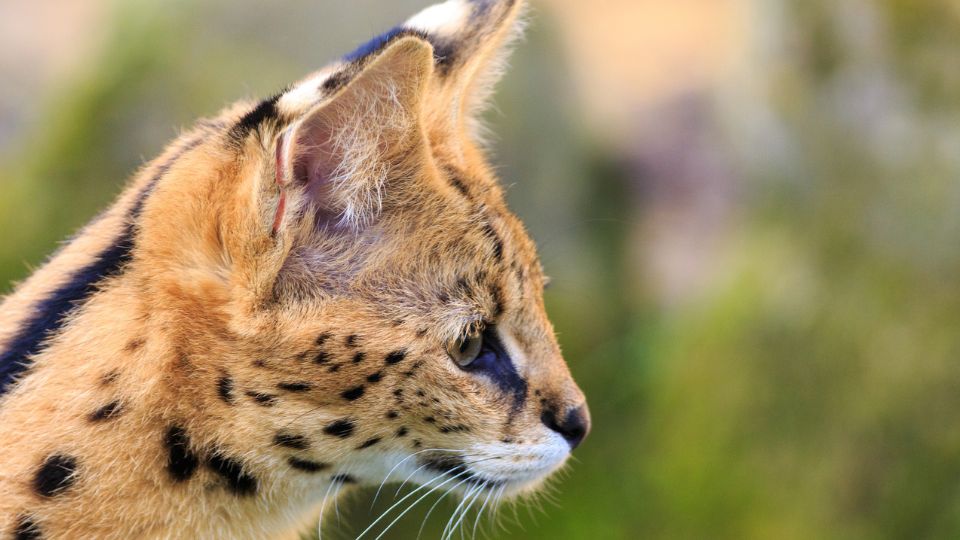
Introducing the grassland's small but mighty hunter! First watch The Serval's Hunt, a short clip from the award-winning BBC series Planet Earth. Sir David Attenborough takes you up close and personal with the serval which uses its long legs and radarlike ears to hunt with precision in the African savanna. The serval’s ability to hear the smallest sounds helps it track its prey, like the vlei rat, even in tall grass.
Once your students have watched the video, invite them to check for understanding with this quick, 8-question quiz!
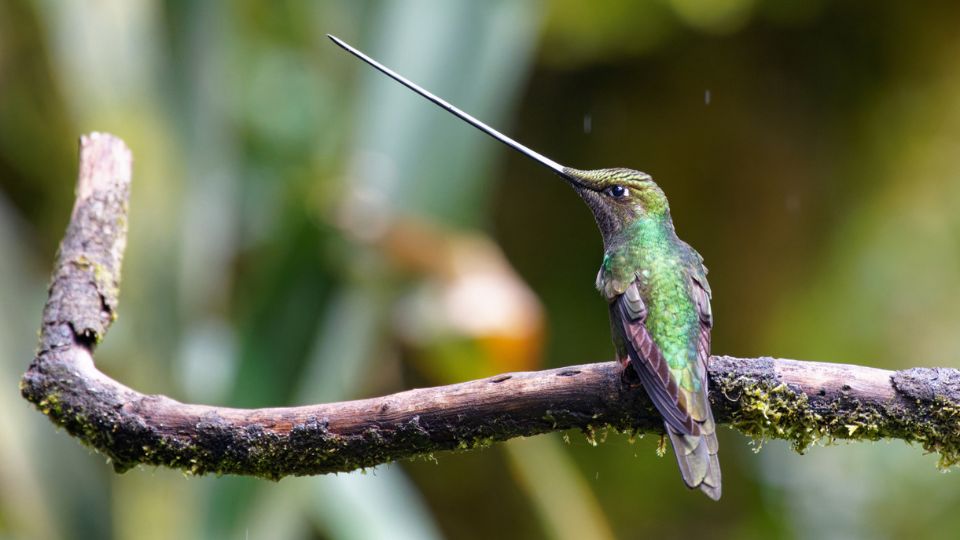
It's a bird with a beak longer than its body! First watch The Swordbill Hummingbird's Specialized Beak, a short clip from the award-winning BBC series Planet Earth. Sir David Attenborough takes you deep into Ecuador, where over 100 species of hummingbirds compete for limited nectar in flowers.
Once your students have watched the video, invite them to check for understanding with this quick, 8-question quiz!
In Making Smart Choices for Our Planet, narrator Sir David Attenborough explains how important it is to understand and take care of the natural world as we rely on it for things like air, food, and even our happiness. As the world’s population grows, we are using more and more resources like water and food sources, which could lead to problems in the future. But there’s hope! If we use science and technology wisely, we can make better choices and live more sustainably, helping the Earth for future generations. This video is excerpted from BBC’s Horizon: How Many People Can Live on Planet Earth?, which explores the challenges of supporting a growing global population.
In Snow Monkeys in the Mountains, narrator Sir David Attenborough introduces the blue-faced, golden-coated snow monkeys, who thrive in the coldest conditions. He explains how these large monkeys use their size to stay warm and rely on the group for survival in harsh, food-scarce winters. This video is excerpted from BBC’s Seven Worlds, One Planet, a series featuring remarkable animal behavior from all seven continents
In Toilets of the Future, presenter Cherry Healey learns about a Toto toilet that has lots of cool features that improve hygiene and the experience of visiting the bathroom. She visits Cranfield University to get a glimpse of the toilet of the future, one that doesn’t use water. This video is excerpted from BBC’s Inside the Factory, a series that takes viewers behind the scenes in the factories that make our favorite products.
In The Golden Eagle, a Fierce Competitor, narrator Sir David Attenborough examines winter in the Alps where food is scarce and competition fierce. Watch as a golden eagle spots a dead fox but must fight off several crows who also want to eat it. Eventually, the golden eagle is chased off by another golden eagle. This video is excerpted from BBC’s Planet Earth II, a breathtaking documentary series that highlights the natural wonders of our planet.
In The Swordbill Hummingbird's Specialized Beak, narrator Sir David Attenborough visits Ecuador, where over 100 species of hummingbirds compete for limited nectar in flowers. Learn about the swordbill hummingbird, which has a beak longer than its body, and can reach nectar in flowers that other hummingbirds can’t. Though it has an exclusive food supply, the long beak is hard to keep clean and makes it difficult for the bird to preen feathers. This video is excerpted from BBC’s Planet Earth II, a breathtaking documentary series that highlights the natural wonders of our planet.
In Bison and Foxes Battle the Cold, narrator Sir David Attenborough takes us through the harsh conditions of the North American prairies, where bison use their strength to uncover food buried beneath the snow, and foxes rely on skill and precision to hunt for meals. This video is excerpted from BBC’s Planet Earth II, a breathtaking documentary series that highlights the natural wonders of our planet.
In The Serval's Hunt, narrator Sir David Attenborough shows how the serval cat uses its long legs and radarlike ears to hunt with precision in the African savanna. The serval’s ability to hear the smallest sounds helps it track its prey, like the vlei rat, even in tall grass. This video is excerpted from BBC’s Planet Earth II, a breathtaking documentary series that highlights the natural wonders of our planet.
This Earth Day (or anytime this month), share this inspiring video playlist designed to spark curiosity and action in students ages 8–14. From incredible wildlife conservation stories to real-world environmental solutions, each clip invites students to explore the beauty of our planet — and the challenges it faces.
Get a closer look at how forests support life on Earth, discover innovative ideas like renewable energy, and meet the people working to protect endangered species and restore habitats. Along the way, students will see how small choices can make a big difference for our world.
Packed with powerful moments and meaningful learning, this playlist encourages students not just to learn about the Earth — but to think about how they can help protect it.
Brave the chill and meet the coolest creatures on Earth! This playlist of 11 frosty video clips from BBC landmark shows like Frozen Planet and Planet Earth explores how animals survive some of the coldest places on the planet. Students will learn about adaptations, seasonal behaviors, and the survival strategies that help bison, foxes, seals, grizzlies, snow monkeys, polar bears, lynx, and more thrive in freezing climates.
They’ll discover how winter weather shapes each animal’s daily life; how they find food, conserve energy, protect themselves from predators; and why these icy habitats play a vital role in Earth’s systems.
Introducing the grassland's small but mighty hunter! First watch The Serval's Hunt, a short clip from the award-winning BBC series Planet Earth. Sir David Attenborough takes you up close and personal with the serval which uses its long legs and radarlike ears to hunt with precision in the African savanna. The serval’s ability to hear the smallest sounds helps it track its prey, like the vlei rat, even in tall grass.
Once your students have watched the video, invite them to check for understanding with this quick, 8-question quiz!
It's a bird with a beak longer than its body! First watch The Swordbill Hummingbird's Specialized Beak, a short clip from the award-winning BBC series Planet Earth. Sir David Attenborough takes you deep into Ecuador, where over 100 species of hummingbirds compete for limited nectar in flowers.
Once your students have watched the video, invite them to check for understanding with this quick, 8-question quiz!