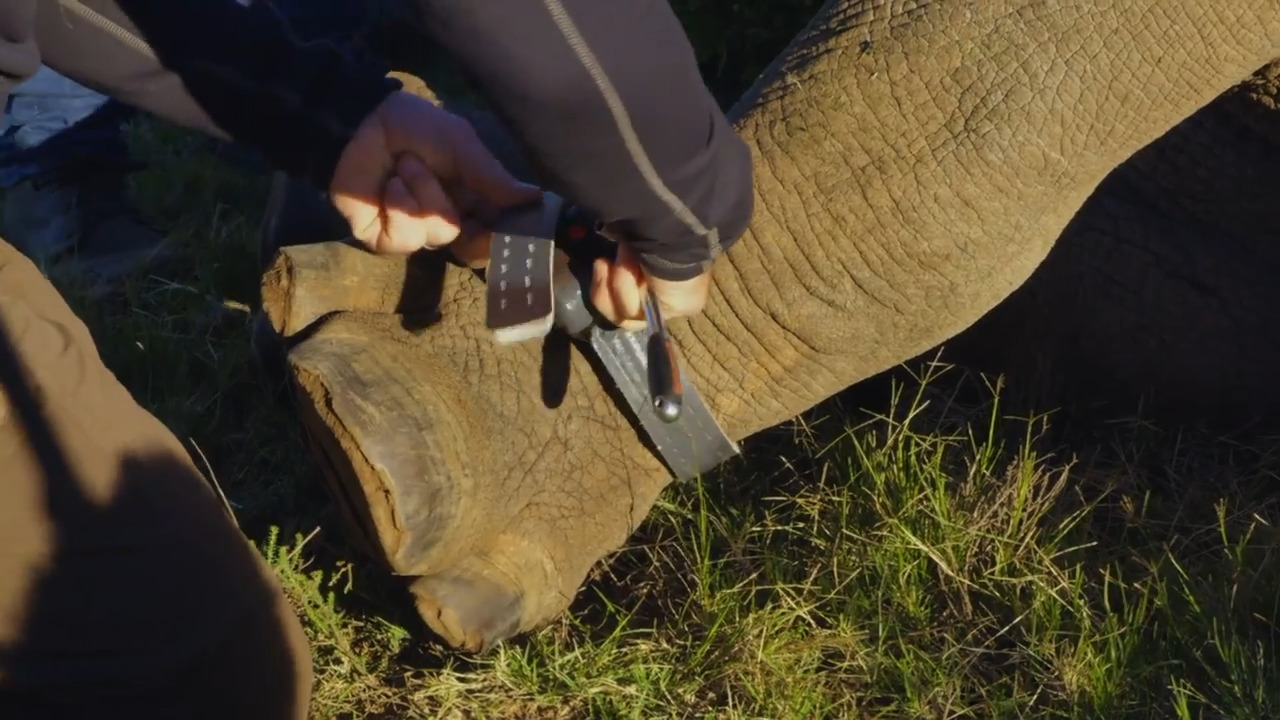
In Protecting Rhinos From Poachers, naturalist Steve Backshall flies across a wildlife reserve to locate Rodney, a male rhino. Rodney is tranquilized, then Steve attaches a collar to him so that he can be located and protected in the future. This video is excerpted from BBC's Deadly 60, an award-winning nature and adventure show for kids in which narrator Steve Backshall has one mission: to travel the globe in search of 60 of the world's deadliest animals.
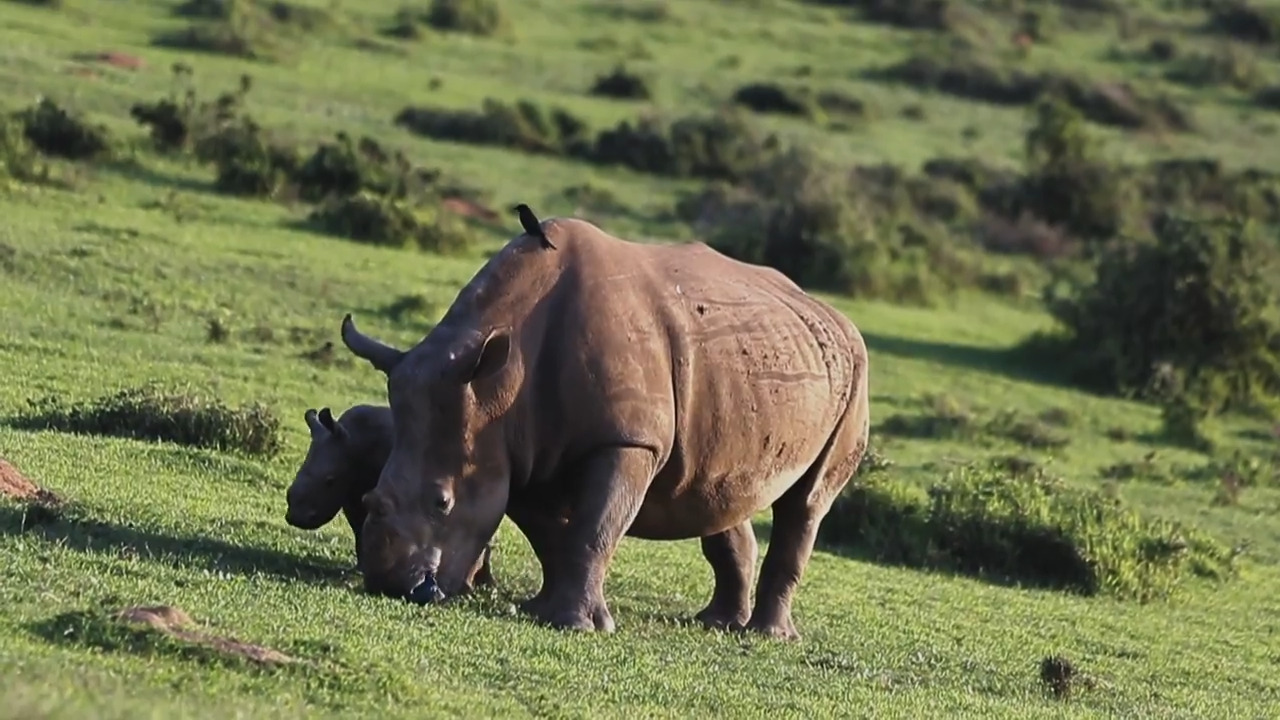
In The Story of Thandi the Rhino, naturalist Steve Backshall goes in search of Thandi, one of the only white rhinos known to have survived a poacher attack. This video is excerpted from BBC's Deadly 60, an award-winning nature and adventure show for kids in which narrator Steve Backshall has one mission: to travel the globe in search of 60 of the world's deadliest animals.
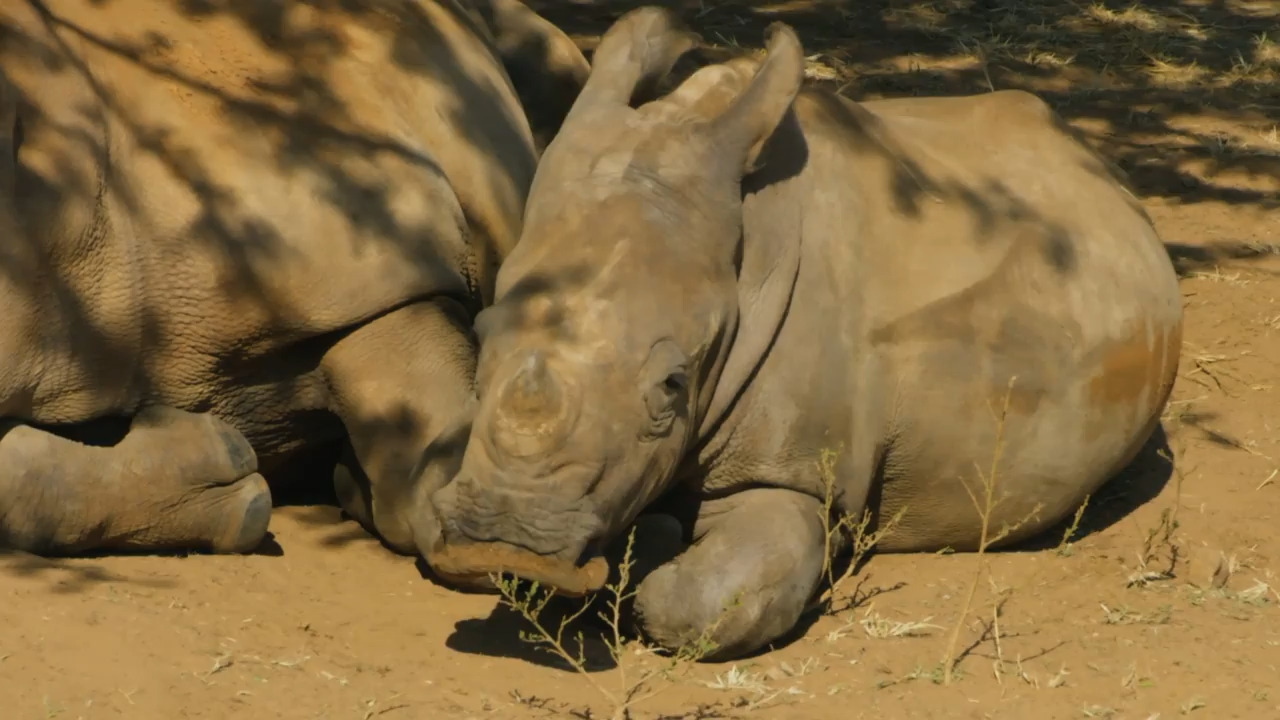
In Inside a Rhino Wildlife Sanctuary, naturalist Steve Backshall visits a high-security wildlife sanctuary in South Africa. Here he meets baby rhinos that have lost their mothers. This video is excerpted from BBC's Deadly 60, an award-winning nature and adventure show for kids in which narrator Steve Backshall has one mission: to travel the globe in search of 60 of the world's deadliest animals.
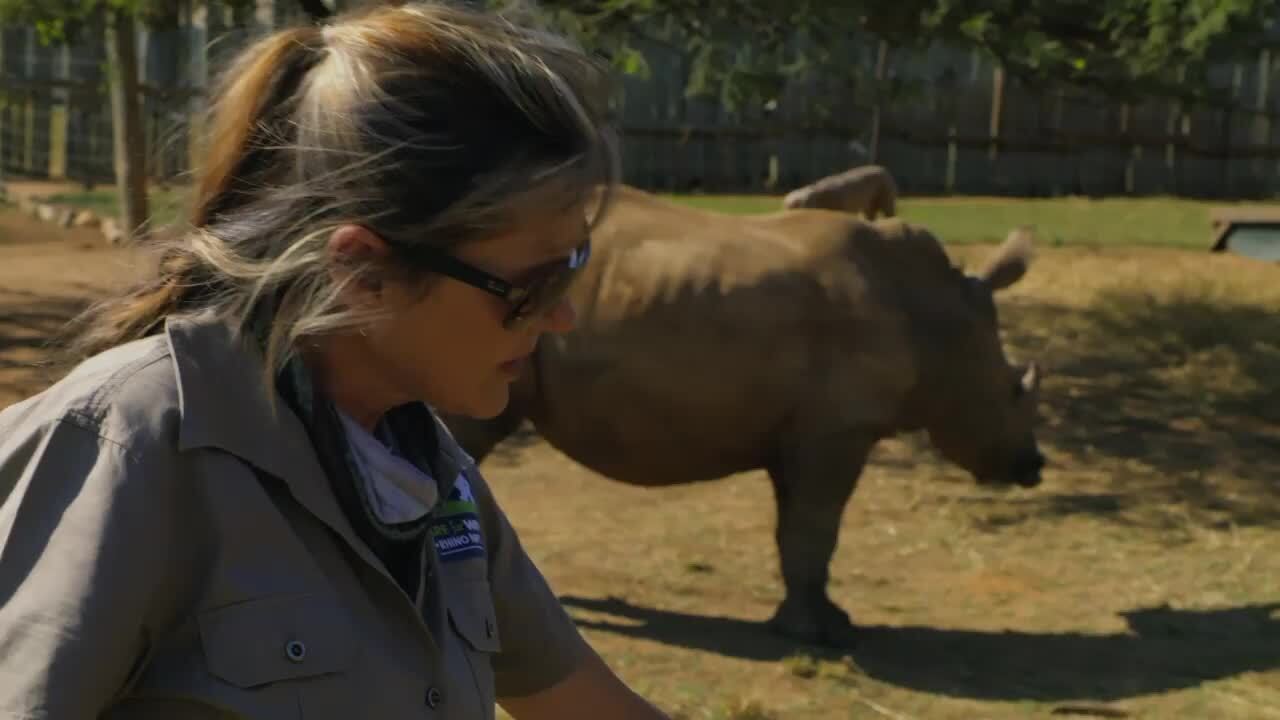
In Rhino Poaching in Africa, naturalist Steve Backshall explains the impact that poachers are having on the endangered white rhinoceros. Poachers kill rhinos to sell their horns. This video is excerpted from BBC's Deadly 60, an award-winning nature and adventure show for kids in which narrator Steve Backshall has one mission: to travel the globe in search of 60 of the world's deadliest animals.
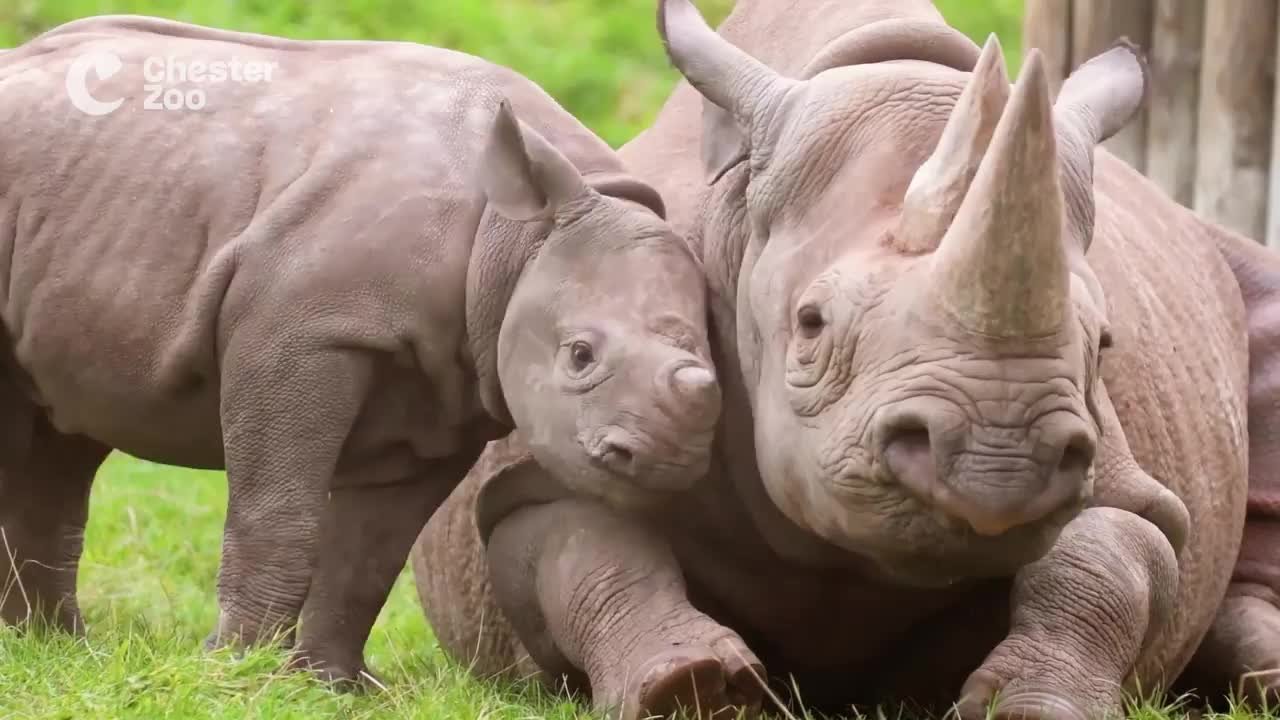
Rhinos are among the oldest groups of mammals on Earth, with ancestors that roamed the planet millions of years before humans. Today, however, these iconic animals are among the world's most endangered species.
In this fact file video from Chester Zoo, discover the remarkable adaptations of the eastern black rhinoceros, from its iconic double horns and swiveling ears to its unique prehensile lip that helps it feed on leaves and branches. Learn how these solitary giants communicate, care for their calves, and survive in the grasslands and savannas of eastern Africa, while exploring the conservation efforts working to protect this critically endangered species from extinction.

In The Sumatran Rhinoceros Faces Extinction, narrator Sir David Attenborough highlights the dire situation of the Sumatran rhinoceros, with fewer than 70 individuals left. The rapid destruction of South East Asia’s forests, driven by deforestation for timber and agriculture, has led to the loss of habitats for many species, including the rhino. This video is excerpted from BBC’s Seven Worlds, One Planet, a series featuring remarkable animal behavior from all seven continents.

We’re live from the newsroom! Introduce your students to jobs, workflows, and decision-making processes of newsrooms. In this lesson, they’ll take on various roles and learn what makes up a functioning newsroom.
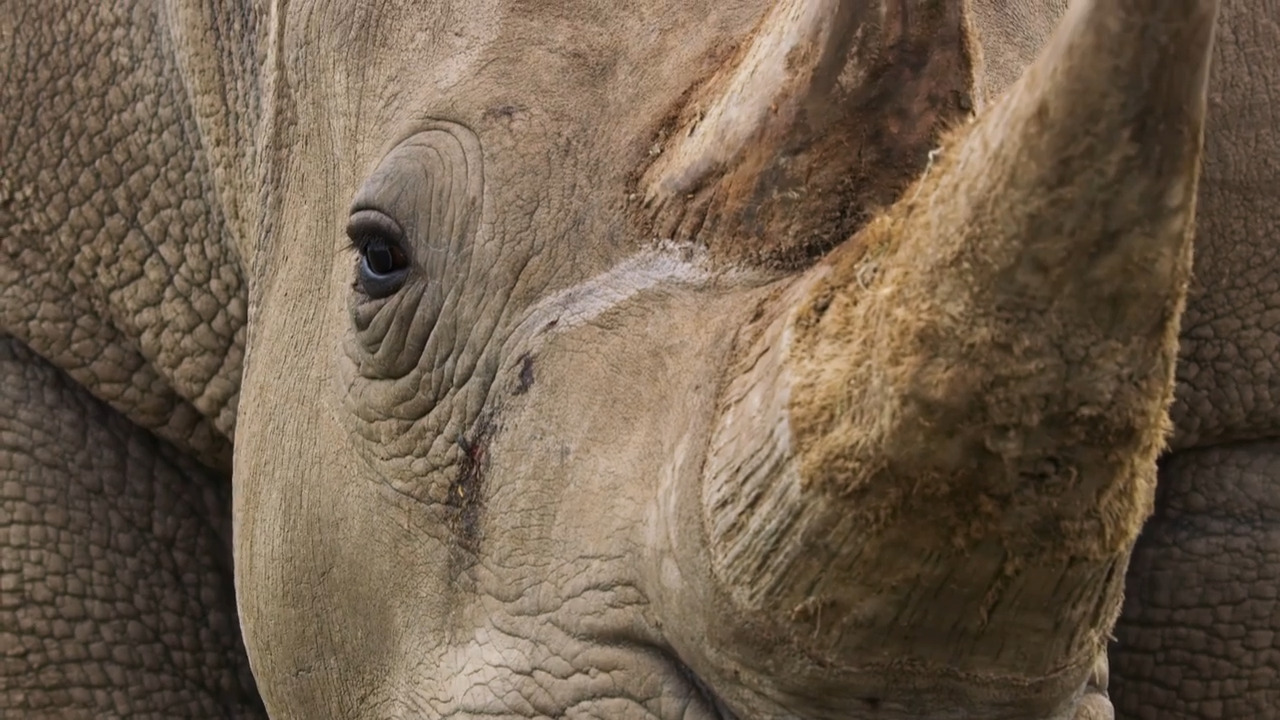
In The White Rhino Faces Extinction, narrator Sir David Attenborough tells the sad tale of how elephants and rhinos are killed for their tusks and horns. The northern white rhinoceros is now facing extinction. This video is excerpted from BBC’s Seven Worlds, One Planet, a series featuring remarkable animal behavior from all seven continents.
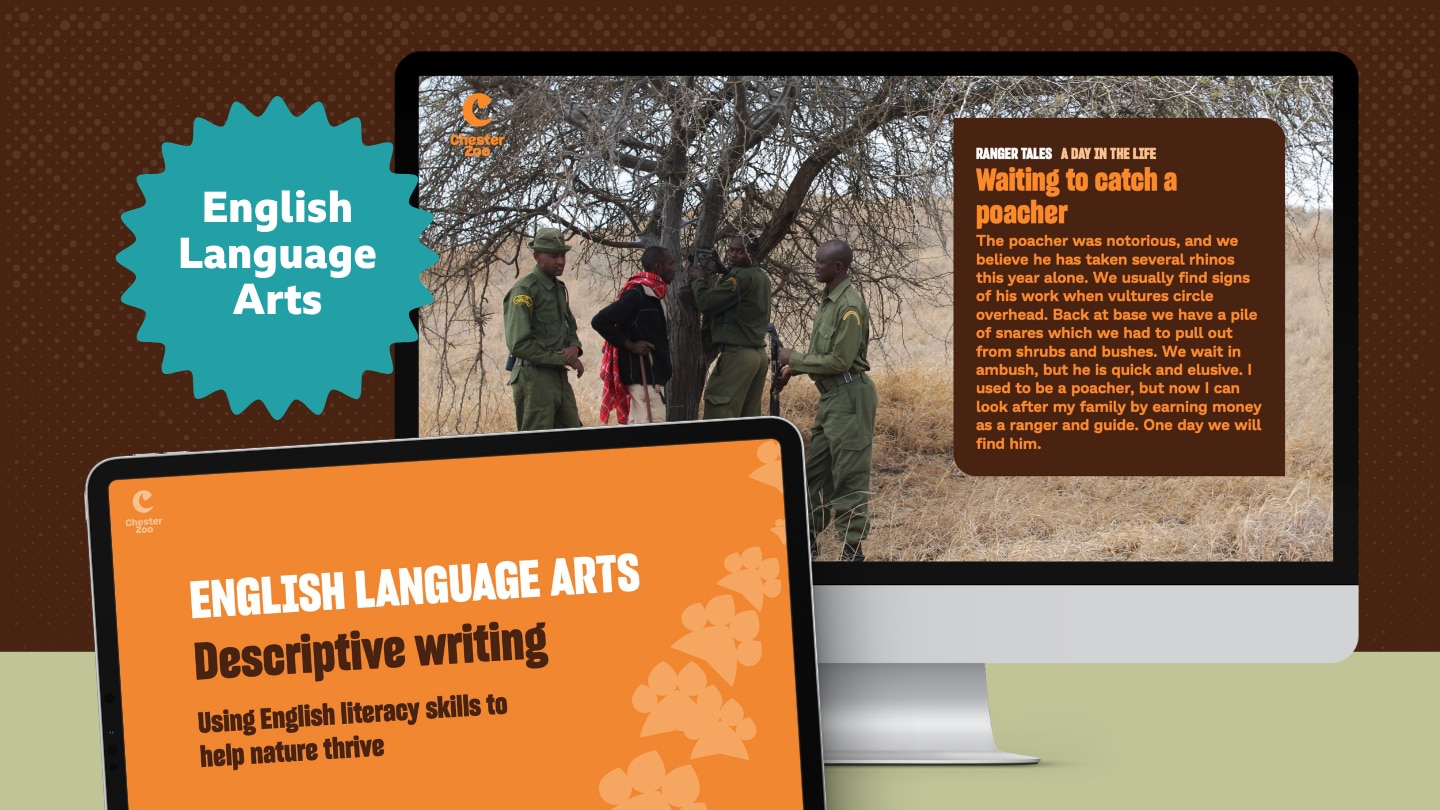
What can English language skills teach us about protecting wildlife? Head to the African savanna with Chester Zoo and discover the lives of the people working on the front lines of conservation. Start with a close-up look at a rhino, then explore real-life stories from rangers who protect animals and their habitats.
Read about the challenges rangers face and the incredible encounters they have, from tracking poachers and finding snares to caring for newborn animals and following the clues left behind by elephants. Along the way, you'll discover how vivid, descriptive language can help readers picture a place, understand an experience, and connect with the people and animals at the heart of a story.
Then it's your turn! Use the African savanna as inspiration to experiment with descriptive language, imagine what happens next, and create your own account of an encounter in the wild.
Don't miss the descriptive writing worksheets that go with this lesson!
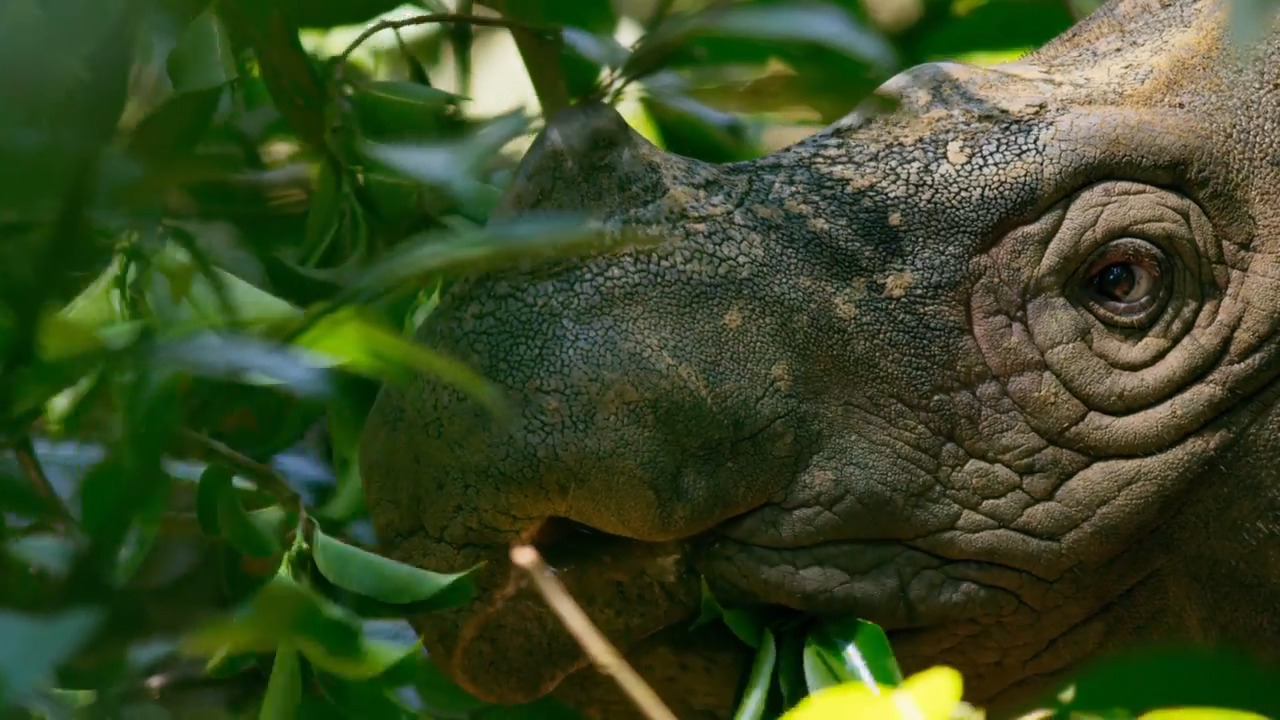
In The Call of the Rhinoceros, narrator Sir David Attenborough introduces the elusive Sumatran rhinoceros, whose unique call echoes through the dense Indonesian forests. This fascinating creature is not only a rare sight but also plays a vital role in sustaining the forest ecosystem. This video is excerpted from BBC’s Seven Worlds, One Planet, a series featuring remarkable animal behavior from all seven continents.
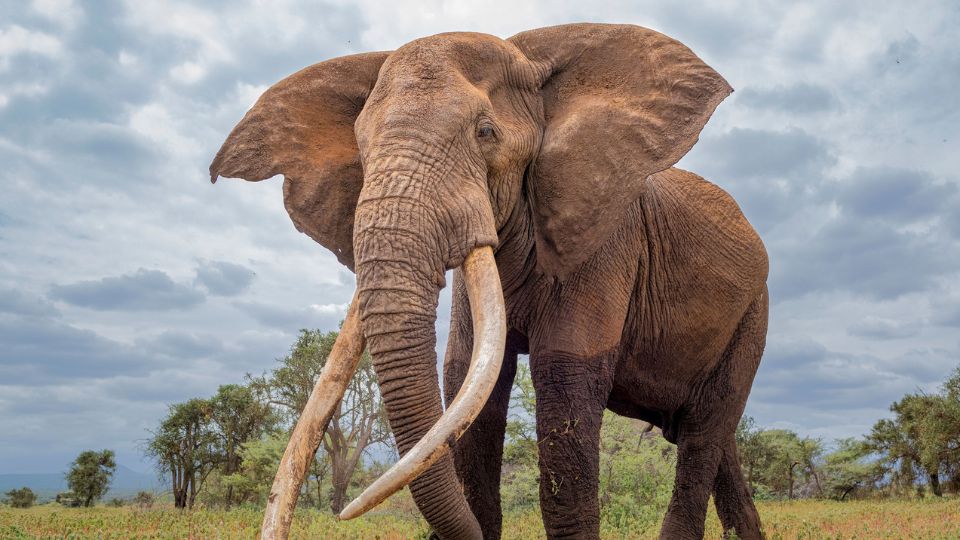
Explore the wide-open world of grasslands and discover the amazing animals that live in one of Earth’s largest biomes. From enormous elephants and powerful buffalo to towering Kori bustards, hardworking leafcutter ants, and rare Saiga antelope, students will learn how animals survive and thrive in these vast landscapes of grasses and few trees.
This Kahoot explores the unique features of grassland ecosystems, including climate, food chains, migration, and the special adaptations that help animals find food, avoid predators, and survive changing seasons. Students will also discover the differences between tropical savannas and temperate grasslands and the incredible diversity of life found in each.
Watch the related BBC videos (below), then invite your Grade 3–8 students to test their knowledge and uncover the wonders of life on the grasslands.
In Protecting Rhinos From Poachers, naturalist Steve Backshall flies across a wildlife reserve to locate Rodney, a male rhino. Rodney is tranquilized, then Steve attaches a collar to him so that he can be located and protected in the future. This video is excerpted from BBC's Deadly 60, an award-winning nature and adventure show for kids in which narrator Steve Backshall has one mission: to travel the globe in search of 60 of the world's deadliest animals.
In The Story of Thandi the Rhino, naturalist Steve Backshall goes in search of Thandi, one of the only white rhinos known to have survived a poacher attack. This video is excerpted from BBC's Deadly 60, an award-winning nature and adventure show for kids in which narrator Steve Backshall has one mission: to travel the globe in search of 60 of the world's deadliest animals.
In Inside a Rhino Wildlife Sanctuary, naturalist Steve Backshall visits a high-security wildlife sanctuary in South Africa. Here he meets baby rhinos that have lost their mothers. This video is excerpted from BBC's Deadly 60, an award-winning nature and adventure show for kids in which narrator Steve Backshall has one mission: to travel the globe in search of 60 of the world's deadliest animals.
In Rhino Poaching in Africa, naturalist Steve Backshall explains the impact that poachers are having on the endangered white rhinoceros. Poachers kill rhinos to sell their horns. This video is excerpted from BBC's Deadly 60, an award-winning nature and adventure show for kids in which narrator Steve Backshall has one mission: to travel the globe in search of 60 of the world's deadliest animals.
Rhinos are among the oldest groups of mammals on Earth, with ancestors that roamed the planet millions of years before humans. Today, however, these iconic animals are among the world's most endangered species.
In this fact file video from Chester Zoo, discover the remarkable adaptations of the eastern black rhinoceros, from its iconic double horns and swiveling ears to its unique prehensile lip that helps it feed on leaves and branches. Learn how these solitary giants communicate, care for their calves, and survive in the grasslands and savannas of eastern Africa, while exploring the conservation efforts working to protect this critically endangered species from extinction.
In The Sumatran Rhinoceros Faces Extinction, narrator Sir David Attenborough highlights the dire situation of the Sumatran rhinoceros, with fewer than 70 individuals left. The rapid destruction of South East Asia’s forests, driven by deforestation for timber and agriculture, has led to the loss of habitats for many species, including the rhino. This video is excerpted from BBC’s Seven Worlds, One Planet, a series featuring remarkable animal behavior from all seven continents.
We’re live from the newsroom! Introduce your students to jobs, workflows, and decision-making processes of newsrooms. In this lesson, they’ll take on various roles and learn what makes up a functioning newsroom.
In The White Rhino Faces Extinction, narrator Sir David Attenborough tells the sad tale of how elephants and rhinos are killed for their tusks and horns. The northern white rhinoceros is now facing extinction. This video is excerpted from BBC’s Seven Worlds, One Planet, a series featuring remarkable animal behavior from all seven continents.
What can English language skills teach us about protecting wildlife? Head to the African savanna with Chester Zoo and discover the lives of the people working on the front lines of conservation. Start with a close-up look at a rhino, then explore real-life stories from rangers who protect animals and their habitats.
Read about the challenges rangers face and the incredible encounters they have, from tracking poachers and finding snares to caring for newborn animals and following the clues left behind by elephants. Along the way, you'll discover how vivid, descriptive language can help readers picture a place, understand an experience, and connect with the people and animals at the heart of a story.
Then it's your turn! Use the African savanna as inspiration to experiment with descriptive language, imagine what happens next, and create your own account of an encounter in the wild.
Don't miss the descriptive writing worksheets that go with this lesson!
In The Call of the Rhinoceros, narrator Sir David Attenborough introduces the elusive Sumatran rhinoceros, whose unique call echoes through the dense Indonesian forests. This fascinating creature is not only a rare sight but also plays a vital role in sustaining the forest ecosystem. This video is excerpted from BBC’s Seven Worlds, One Planet, a series featuring remarkable animal behavior from all seven continents.
Explore the wide-open world of grasslands and discover the amazing animals that live in one of Earth’s largest biomes. From enormous elephants and powerful buffalo to towering Kori bustards, hardworking leafcutter ants, and rare Saiga antelope, students will learn how animals survive and thrive in these vast landscapes of grasses and few trees.
This Kahoot explores the unique features of grassland ecosystems, including climate, food chains, migration, and the special adaptations that help animals find food, avoid predators, and survive changing seasons. Students will also discover the differences between tropical savannas and temperate grasslands and the incredible diversity of life found in each.
Watch the related BBC videos (below), then invite your Grade 3–8 students to test their knowledge and uncover the wonders of life on the grasslands.