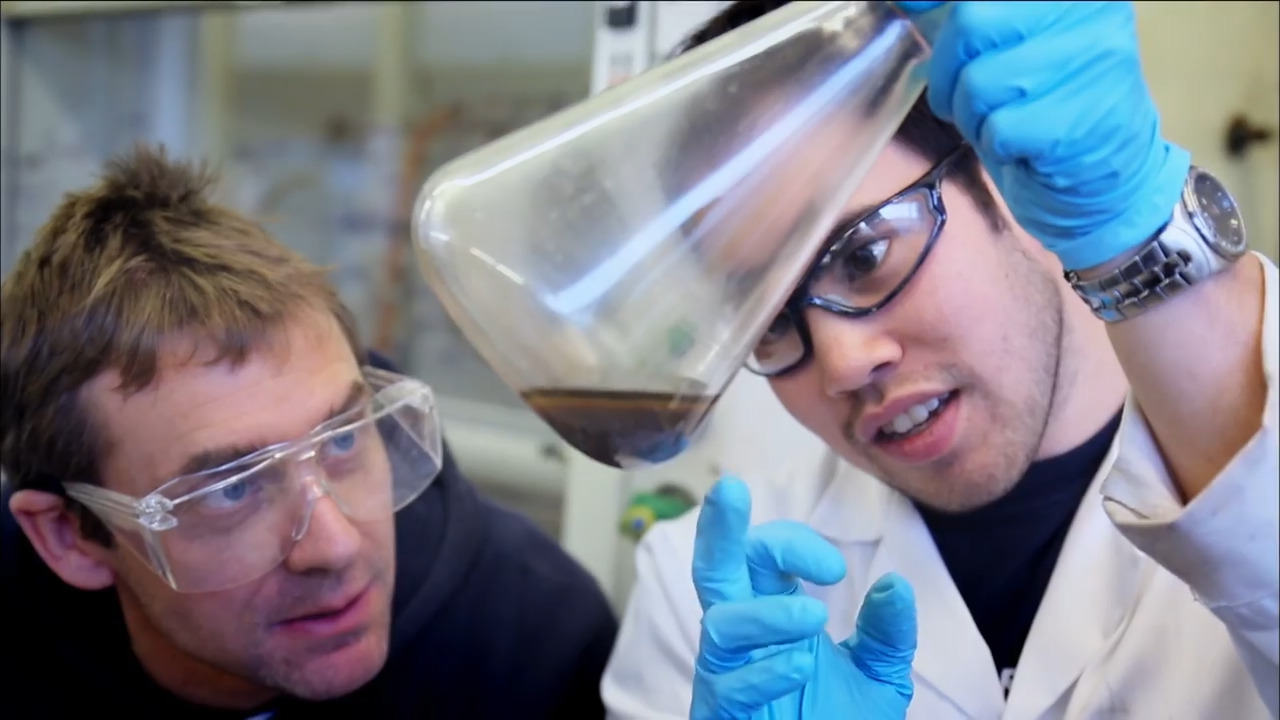
In Inside a Super Recycling Plant, plastic is everywhere, and while it’s bad for wildlife, many people wonder — how bad is it for us? Every year, millions of tons of plastic end up in landfills, but new technology is making recycling more effective. At a cutting-edge plant, 5 million plastic bottles are cleaned, chopped up, and turned into brand-new, food-safe bottles every day — without any waste! This process gives old plastic a fresh start and shows progress in tackling the massive plastic problem. This video is excerpted from BBC’s Bang Goes the Theory, a series that delves into the ways science impacts our lives and shapes the world we experience every day.
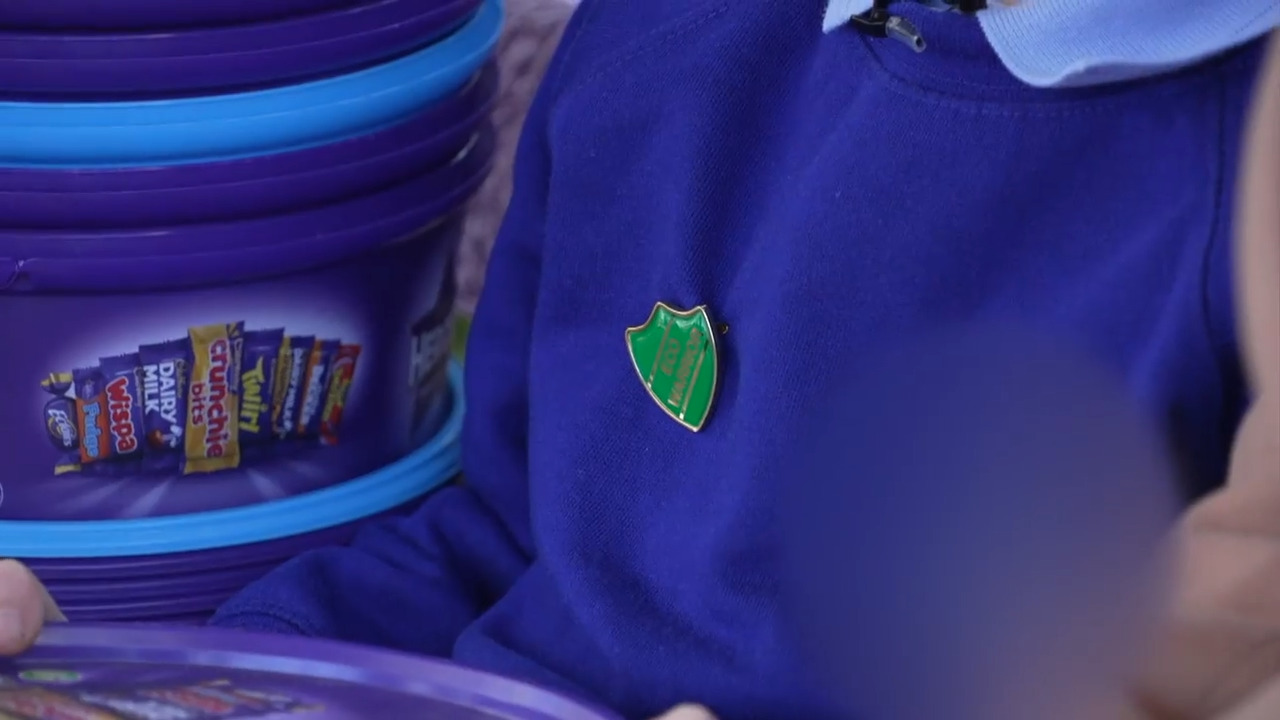
Think a kid can’t save the world? Think again! “Sweet Tub Teddy” is a young man who made quite the impression when he saved over 2,000 plastic tubs from going to a landfill. When Teddy heard that these tubs weren’t recyclable in the traditional sense, he sprang into action, keeping stacks and stacks of plastic from being dumped into a landfill.
As a reward, Teddy got to visit a factory that turns plastic tubs like these into outdoor furniture and dog show equipment, where he got to see what a difference he made. In fact, he collected 75 kilograms — enough to make a sturdy, full-sized bench. The factory even gifted him one of his own! It now sits at his school as a reminder of Teddy’s accomplishments and inspiration for other kids to go out and make a change.
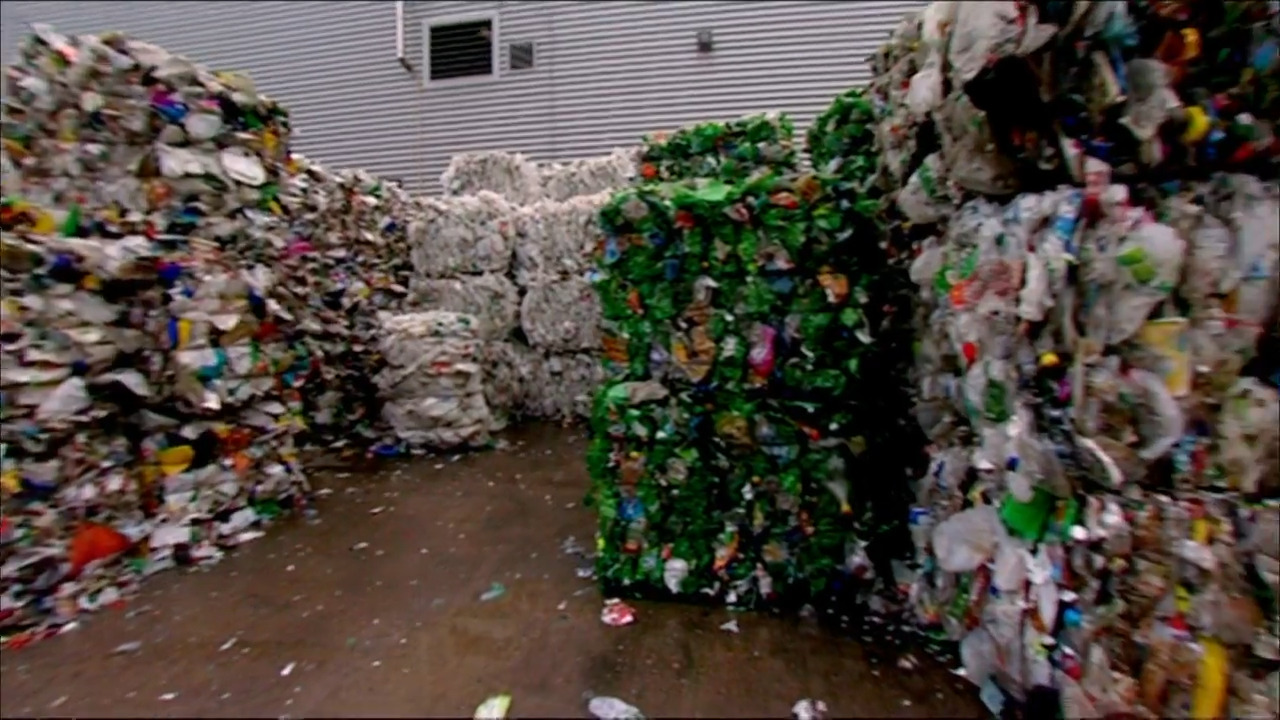
In Turning Plastic Waste Into Diesel Fuel, dive into the world of crude oil and how it's used to make plastic through a process that creates long chains called polymers. Jem tries to turn waste plastic back into something useful: diesel fuel! Using a hot, oxygen-free oven, he cooks the plastic to turn it into liquid fuel, and with help from chemists, he successfully gets a car to run on the diesel made from waste plastic. It’s a cool experiment showing how we can recycle plastic into something powerful! This video is excerpted from BBC’s Bang Goes the Theory, a series that delves into the ways science impacts our lives and shapes the world we experience every day.
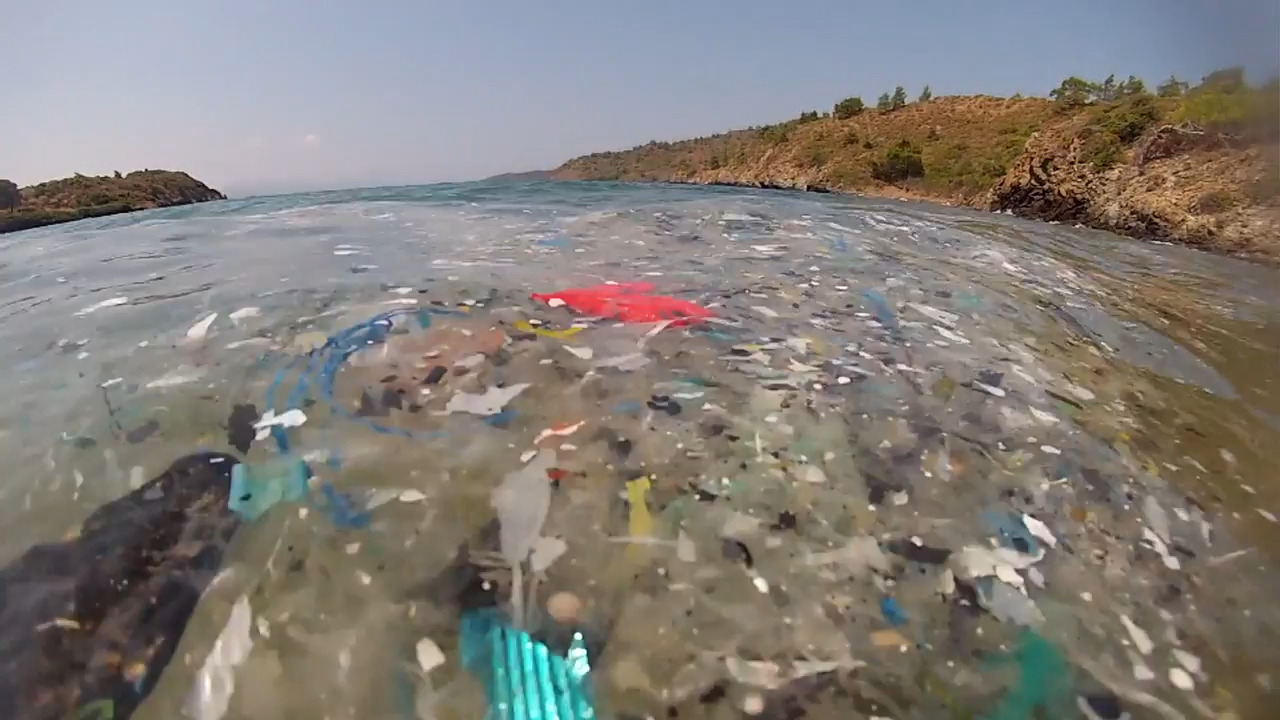
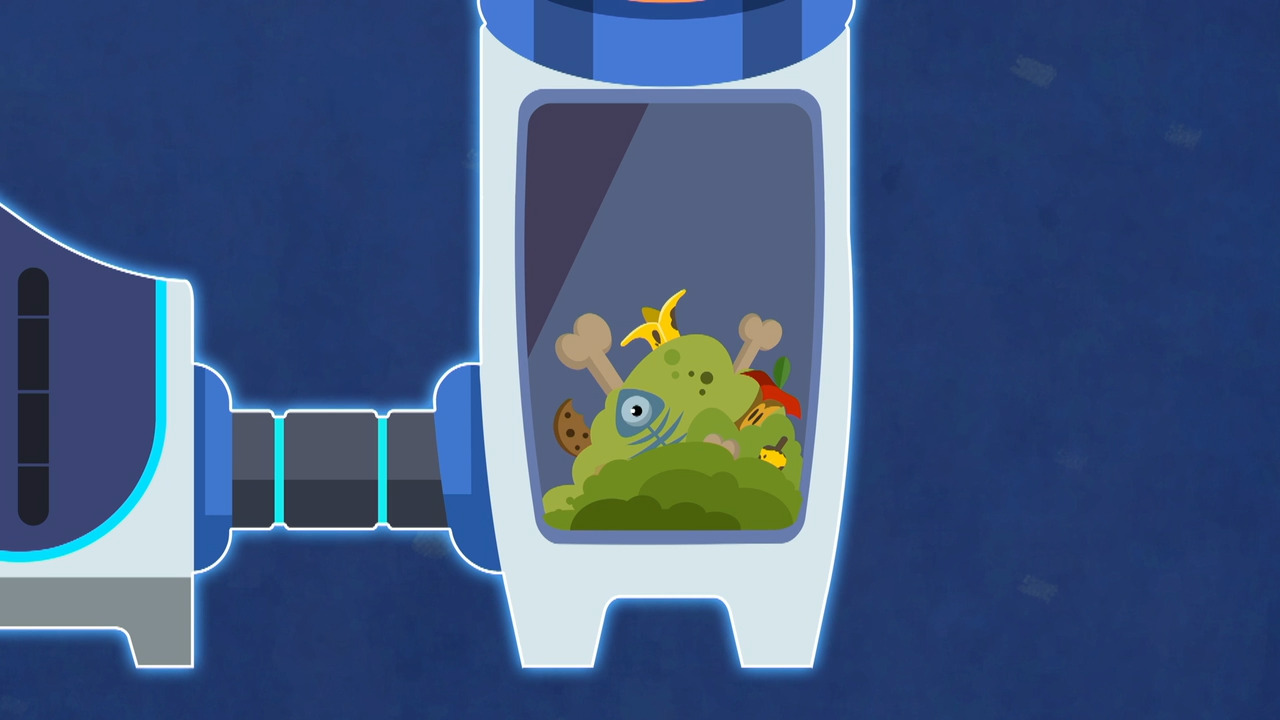
In The Go Jetters Turn Trash Into Energy , the Go Jetters learn how food waste can be recycled back into heating, cooking, and even powering vehicles. Ubercorn shares three funky facts about biogas. This video is excerpted from BBC’s Go Jetters, a series that follows the adventures of four international heroes as they travel the globe visiting landmarks and solving environmental problems with Ubercorn, a disco-dancing unicorn.
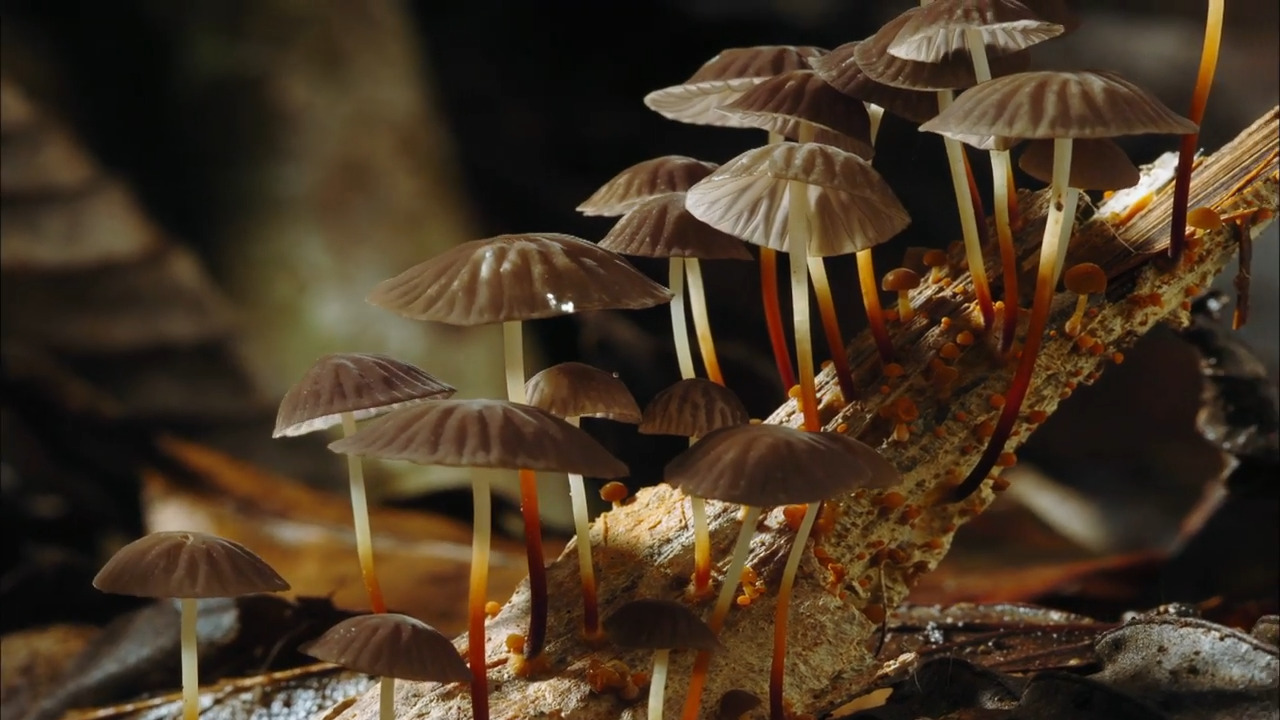
In Watch a Life Built on Decay in the Rainforests, narrator Sir David Attenborough notes that the nutrient recycling rate in rainforests happens faster than anywhere else. Learn how slime mold, fungi, and beetle larvae interact to decompose leaf litter. This video is excerpted from BBC's Planet Earth, a breathtaking documentary series that highlights the natural wonders of our planet.
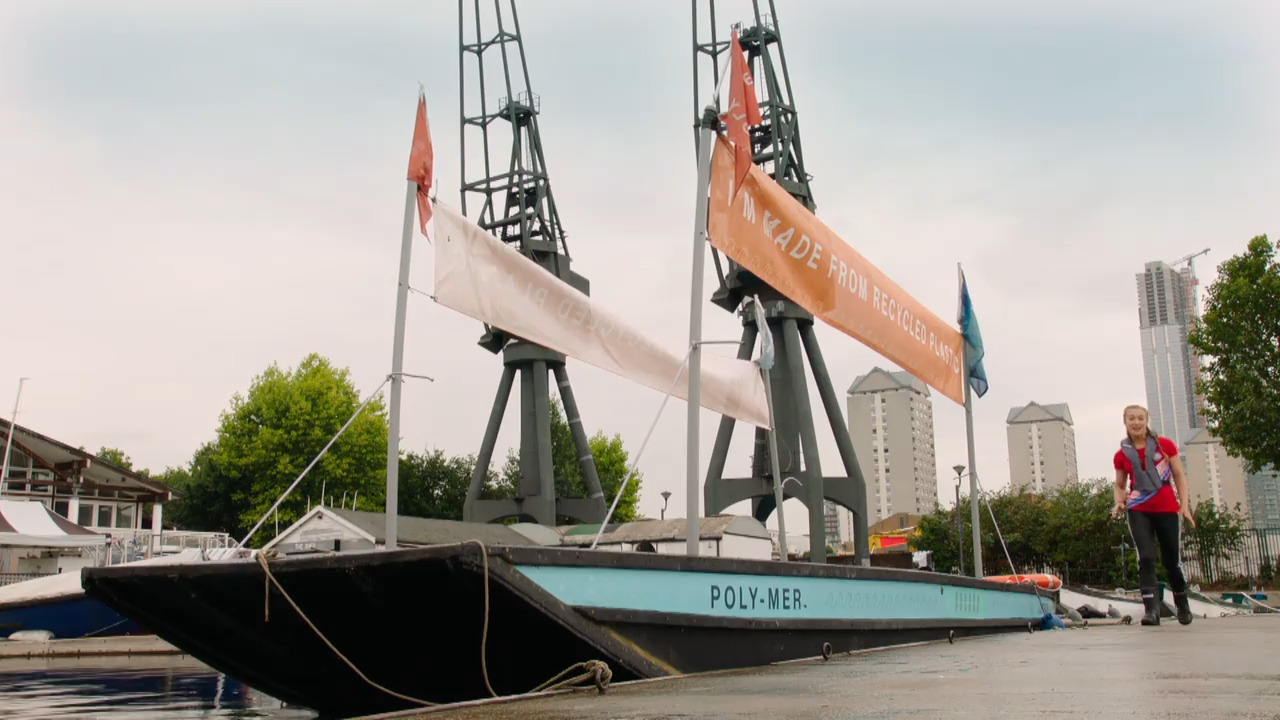
In A Boat Made of Plastic, presenter and motorbike racer Grace Webb looks at a boat constructed using 8,000 recycled plastic bottles. The electric boat is used to collect waste plastics from rivers. This video is excerpted from BBC’s Grace’s Amazing Machines, a children’s show that introduces kids to some of the biggest, fastest, and most amazing machines in the world.
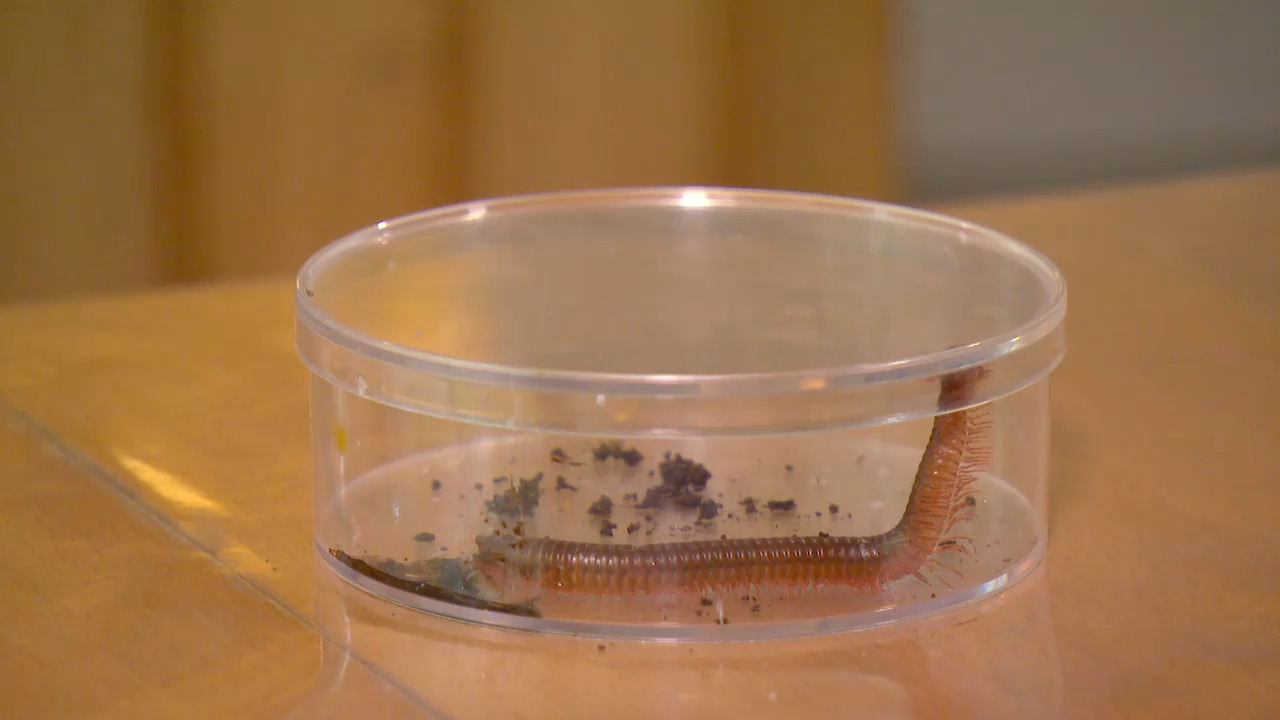
In Meet the Mighty Millipede, host Rory Crawford introduces Ginger, the Giant African Millipede, who zooms around with her super-speedy legs. In fact, some millipedes have over 1,000 legs! Learn how to care for these creatures in their warm, damp home called a vivarium, and discover their favorite snacks like cucumbers, strawberries, and even browning apple cores! This video is excerpted from BBC’s My Pet and Me, a children’s show that introduces kids to the rewards and responsibilities involved when having a pet.
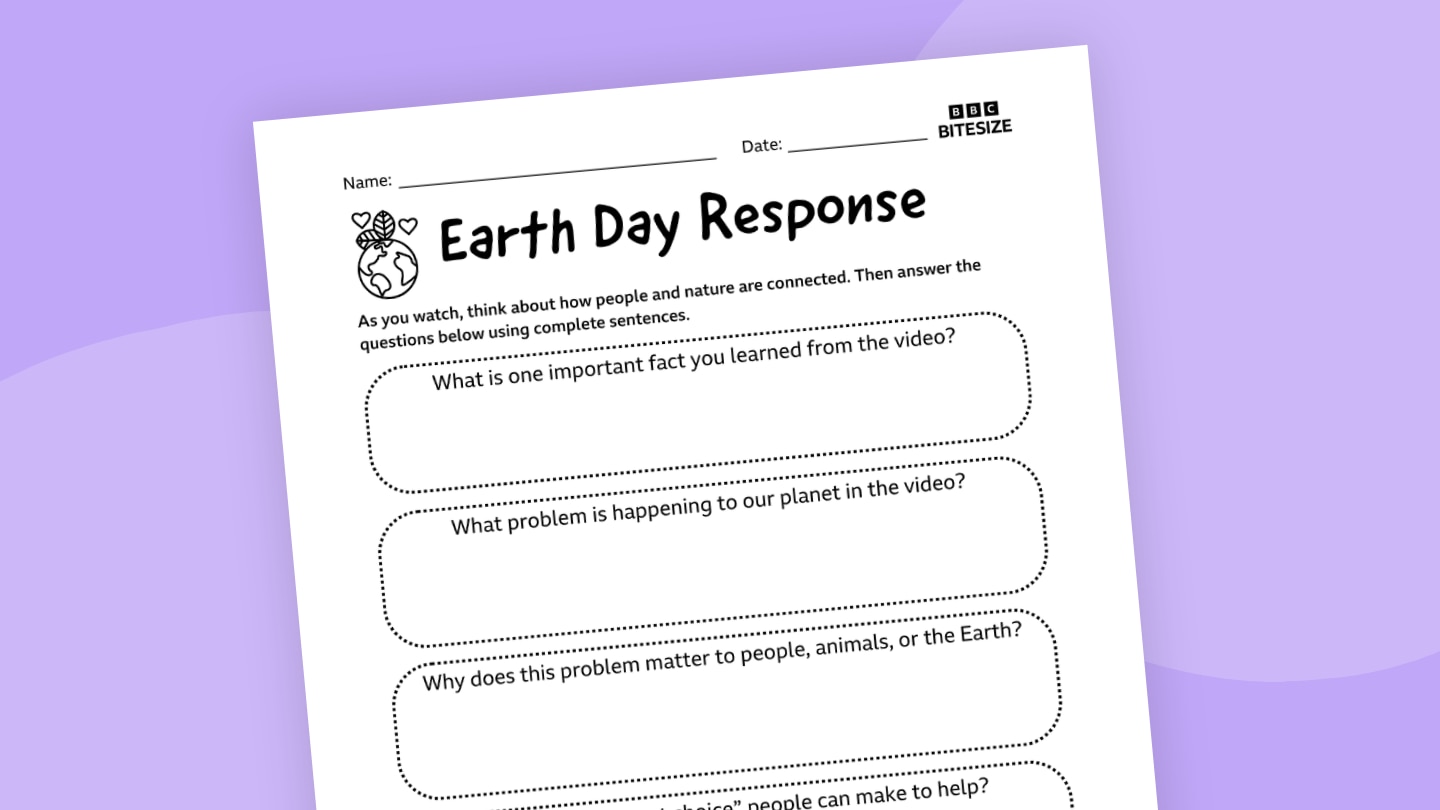
Earth Day is April 20, and we’re celebrating all month long with engaging activities — like our Earth Day video response worksheet! Start by choosing one of the incredible BBC videos from our Earth Day Collection, featuring topics like protecting our planet, innovative ideas for a better future, and inspiring conservation stories.
After watching, have your Grade 3–8 students complete the worksheet questions. You can also give students the option to choose their own video — either from the collection or another relevant clip in our extensive library — since the worksheet is designed to work with any selection.
It’s a simple, meaningful way to spark curiosity and help students connect with real-world environmental issues.
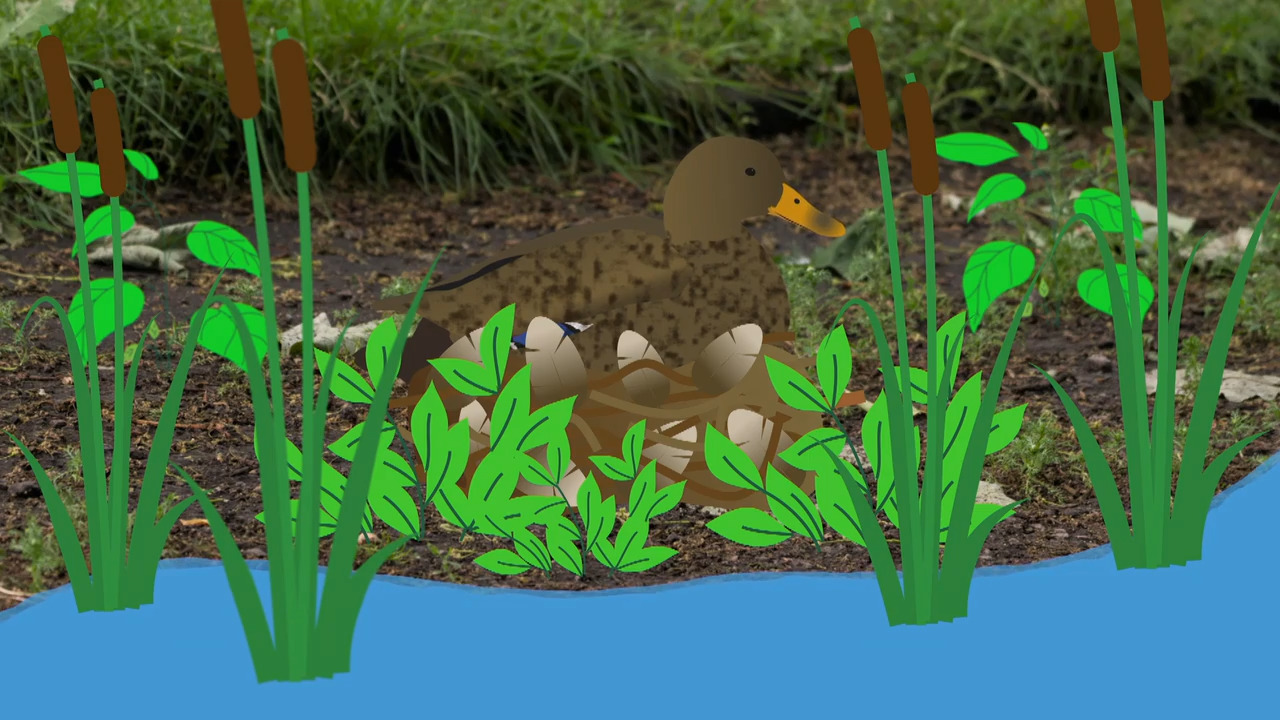
In A Close Look at Duck Nests and Down Feathers, Ranger Hamza and the Ramblers have found a duck nest! Tag along as they learn how ducks make nests and take a close look at ducks’ down feathers. This video is excerpted from BBC's Ranger Hamza’s Eco Quest, a nature exploration show in which Ranger Hamza and the Ramblers go on quests to discover nature’s wonders and the important role they play in our environment.

In Hey Blackbird, City Bird!, Ranger Hamza and the Ramblers search for a bird that has adapted to life in the city — the blackbird! They experience one way that the blackbird has adapted to life in the city: by singing. This video is excerpted from BBC's Ranger Hamza’s Eco Quest, a nature exploration show in which Ranger Hamza and the Ramblers go on quests to discover nature’s wonders and the important role they play in our environment.

In this lesson, students will collaborate to understand how marine life is affected by human actions. The Dive into this engaging lesson where your students will uncover how human actions affect marine life. Kick things off with a fun game of Three Truths and a Lie about the ocean to spark curiosity and get everyone talking. Then, break into small groups and tackle a jigsaw activity as students watch short, thought-provoking videos about ocean animals and human impact. Together, they’ll share insights, tackle discussion questions, and use their newfound knowledge to create eye-catching infographics. These creations will inspire others to take action and protect our incredible oceans!
In Inside a Super Recycling Plant, plastic is everywhere, and while it’s bad for wildlife, many people wonder — how bad is it for us? Every year, millions of tons of plastic end up in landfills, but new technology is making recycling more effective. At a cutting-edge plant, 5 million plastic bottles are cleaned, chopped up, and turned into brand-new, food-safe bottles every day — without any waste! This process gives old plastic a fresh start and shows progress in tackling the massive plastic problem. This video is excerpted from BBC’s Bang Goes the Theory, a series that delves into the ways science impacts our lives and shapes the world we experience every day.
Think a kid can’t save the world? Think again! “Sweet Tub Teddy” is a young man who made quite the impression when he saved over 2,000 plastic tubs from going to a landfill. When Teddy heard that these tubs weren’t recyclable in the traditional sense, he sprang into action, keeping stacks and stacks of plastic from being dumped into a landfill.
As a reward, Teddy got to visit a factory that turns plastic tubs like these into outdoor furniture and dog show equipment, where he got to see what a difference he made. In fact, he collected 75 kilograms — enough to make a sturdy, full-sized bench. The factory even gifted him one of his own! It now sits at his school as a reminder of Teddy’s accomplishments and inspiration for other kids to go out and make a change.
In Turning Plastic Waste Into Diesel Fuel, dive into the world of crude oil and how it's used to make plastic through a process that creates long chains called polymers. Jem tries to turn waste plastic back into something useful: diesel fuel! Using a hot, oxygen-free oven, he cooks the plastic to turn it into liquid fuel, and with help from chemists, he successfully gets a car to run on the diesel made from waste plastic. It’s a cool experiment showing how we can recycle plastic into something powerful! This video is excerpted from BBC’s Bang Goes the Theory, a series that delves into the ways science impacts our lives and shapes the world we experience every day.
In The Go Jetters Turn Trash Into Energy , the Go Jetters learn how food waste can be recycled back into heating, cooking, and even powering vehicles. Ubercorn shares three funky facts about biogas. This video is excerpted from BBC’s Go Jetters, a series that follows the adventures of four international heroes as they travel the globe visiting landmarks and solving environmental problems with Ubercorn, a disco-dancing unicorn.
In Watch a Life Built on Decay in the Rainforests, narrator Sir David Attenborough notes that the nutrient recycling rate in rainforests happens faster than anywhere else. Learn how slime mold, fungi, and beetle larvae interact to decompose leaf litter. This video is excerpted from BBC's Planet Earth, a breathtaking documentary series that highlights the natural wonders of our planet.
In A Boat Made of Plastic, presenter and motorbike racer Grace Webb looks at a boat constructed using 8,000 recycled plastic bottles. The electric boat is used to collect waste plastics from rivers. This video is excerpted from BBC’s Grace’s Amazing Machines, a children’s show that introduces kids to some of the biggest, fastest, and most amazing machines in the world.
In Meet the Mighty Millipede, host Rory Crawford introduces Ginger, the Giant African Millipede, who zooms around with her super-speedy legs. In fact, some millipedes have over 1,000 legs! Learn how to care for these creatures in their warm, damp home called a vivarium, and discover their favorite snacks like cucumbers, strawberries, and even browning apple cores! This video is excerpted from BBC’s My Pet and Me, a children’s show that introduces kids to the rewards and responsibilities involved when having a pet.
Earth Day is April 20, and we’re celebrating all month long with engaging activities — like our Earth Day video response worksheet! Start by choosing one of the incredible BBC videos from our Earth Day Collection, featuring topics like protecting our planet, innovative ideas for a better future, and inspiring conservation stories.
After watching, have your Grade 3–8 students complete the worksheet questions. You can also give students the option to choose their own video — either from the collection or another relevant clip in our extensive library — since the worksheet is designed to work with any selection.
It’s a simple, meaningful way to spark curiosity and help students connect with real-world environmental issues.
In A Close Look at Duck Nests and Down Feathers, Ranger Hamza and the Ramblers have found a duck nest! Tag along as they learn how ducks make nests and take a close look at ducks’ down feathers. This video is excerpted from BBC's Ranger Hamza’s Eco Quest, a nature exploration show in which Ranger Hamza and the Ramblers go on quests to discover nature’s wonders and the important role they play in our environment.
In Hey Blackbird, City Bird!, Ranger Hamza and the Ramblers search for a bird that has adapted to life in the city — the blackbird! They experience one way that the blackbird has adapted to life in the city: by singing. This video is excerpted from BBC's Ranger Hamza’s Eco Quest, a nature exploration show in which Ranger Hamza and the Ramblers go on quests to discover nature’s wonders and the important role they play in our environment.
In this lesson, students will collaborate to understand how marine life is affected by human actions. The Dive into this engaging lesson where your students will uncover how human actions affect marine life. Kick things off with a fun game of Three Truths and a Lie about the ocean to spark curiosity and get everyone talking. Then, break into small groups and tackle a jigsaw activity as students watch short, thought-provoking videos about ocean animals and human impact. Together, they’ll share insights, tackle discussion questions, and use their newfound knowledge to create eye-catching infographics. These creations will inspire others to take action and protect our incredible oceans!