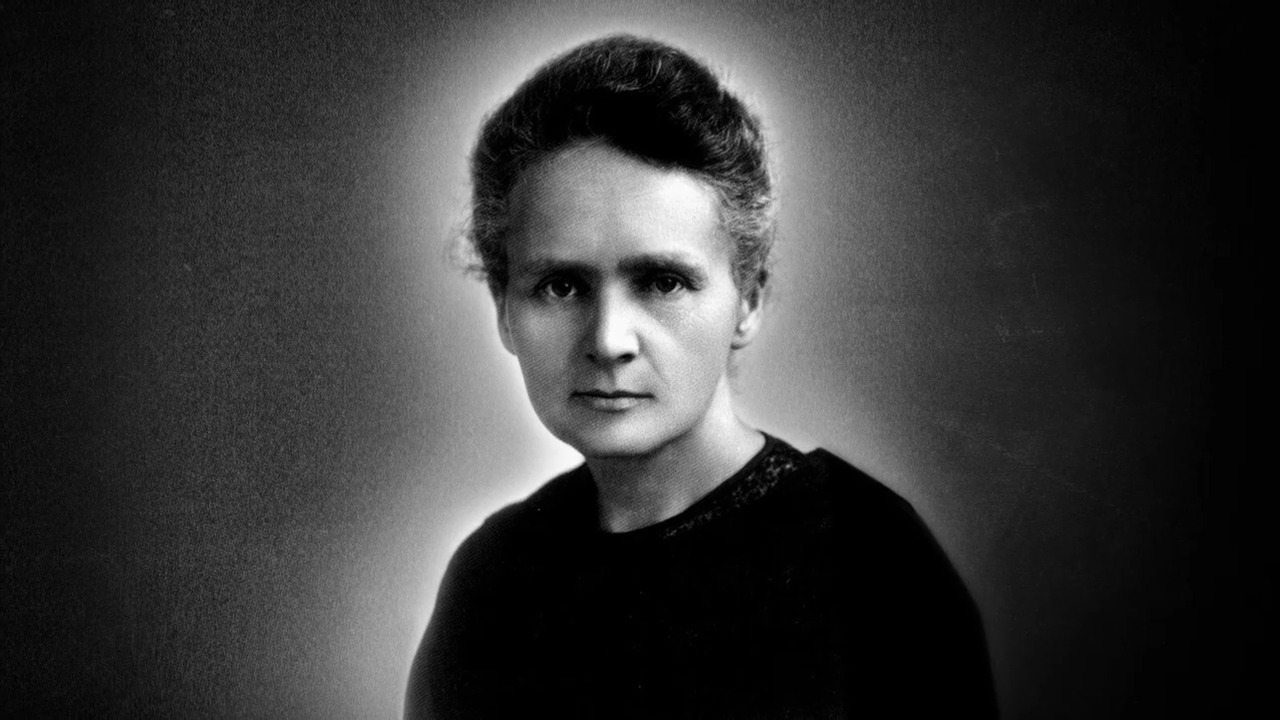
In Marie Curie Discovers Radioactivity, Chris Packham highlights the journey of a brilliant immigrant who transformed science. From discovering radioactivity to developing pioneering cancer treatments, Marie Curie challenged conventions and inspired breakthroughs in atomic science. This video is excerpted from BBC’s Icons: The Greatest Person of the 20th Century, a documentary series celebrating the achievements of the most influential figures of the era.

The article “Marie Curie: A Scientific Legacy Who Changed the World” from BBC's HistoryExtra explores the life and groundbreaking scientific achievements of Marie Curie. From her difficult childhood in Russian-occupied Poland to her pioneering work in radioactivity, Curie defied gender norms and political obstacles to become one of the most celebrated scientists in history.
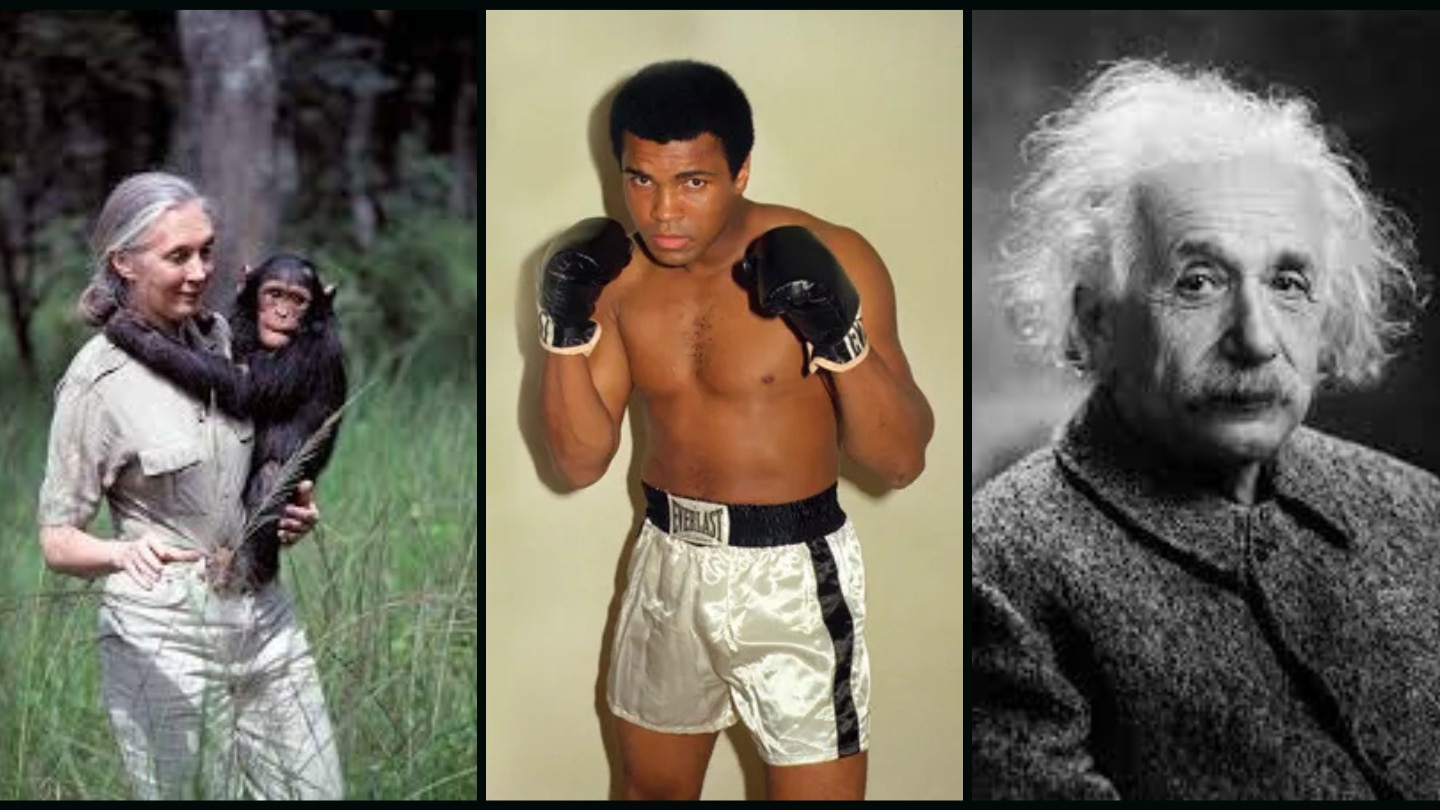
Drawn from the BBC series Icons: The Greatest Person of the 20th Century, this video playlist introduces influential figures from science, politics, civil rights, sports, art, music, exploration, and more. Meet Muhammad Ali, Helen Keller, Albert Einstein, Martin Luther King Jr., Jane Goodall, Pelé, and others whose work challenged conventions, broke barriers, or changed how people understood the world.
Explore the discoveries and ideas that transformed science, the movements that pushed societies toward change, and the creative achievements that reshaped art and culture. Along the way, consider the historical circumstances these figures lived through, the obstacles they faced, and the choices that shaped their public legacies.
What makes someone an icon? Is it achievement, influence, courage, originality — or something more complicated? These BBC videos invite viewers to look beyond famous names and consider how individuals can shape history, as well as how history shapes the way we remember them.
In Marie Curie Discovers Radioactivity, Chris Packham highlights the journey of a brilliant immigrant who transformed science. From discovering radioactivity to developing pioneering cancer treatments, Marie Curie challenged conventions and inspired breakthroughs in atomic science. This video is excerpted from BBC’s Icons: The Greatest Person of the 20th Century, a documentary series celebrating the achievements of the most influential figures of the era.
The article “Marie Curie: A Scientific Legacy Who Changed the World” from BBC's HistoryExtra explores the life and groundbreaking scientific achievements of Marie Curie. From her difficult childhood in Russian-occupied Poland to her pioneering work in radioactivity, Curie defied gender norms and political obstacles to become one of the most celebrated scientists in history.
Drawn from the BBC series Icons: The Greatest Person of the 20th Century, this video playlist introduces influential figures from science, politics, civil rights, sports, art, music, exploration, and more. Meet Muhammad Ali, Helen Keller, Albert Einstein, Martin Luther King Jr., Jane Goodall, Pelé, and others whose work challenged conventions, broke barriers, or changed how people understood the world.
Explore the discoveries and ideas that transformed science, the movements that pushed societies toward change, and the creative achievements that reshaped art and culture. Along the way, consider the historical circumstances these figures lived through, the obstacles they faced, and the choices that shaped their public legacies.
What makes someone an icon? Is it achievement, influence, courage, originality — or something more complicated? These BBC videos invite viewers to look beyond famous names and consider how individuals can shape history, as well as how history shapes the way we remember them.