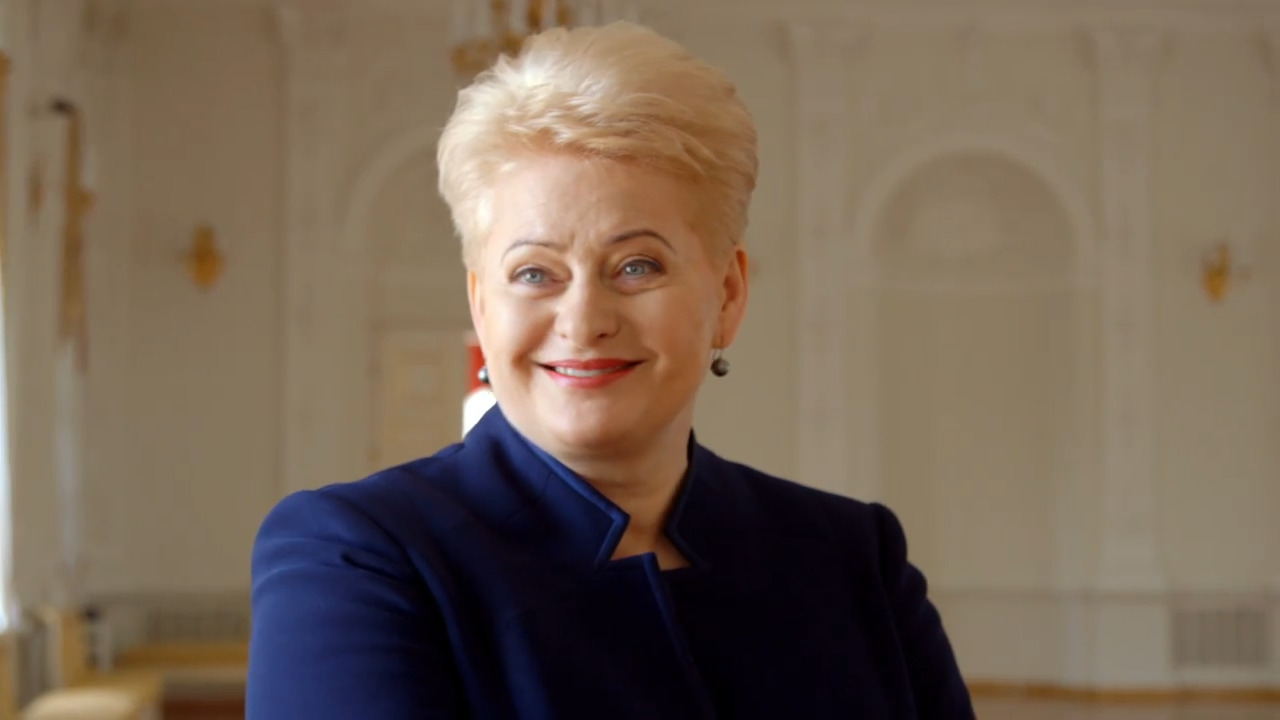
In Dalia Grybauskaitė, President of Lithuania, learn how Grybauskaitė rose to leadership in a country shaped by Soviet control and conflict. Although she never planned to become a leader, she accepted the responsibility and later defended Lithuania’s independence with confidence, even when facing powerful leaders who expected her to be afraid. This video is excerpted from BBC's Her Story: The Female Revolution, which explores the history and impact of women’s rights movements and achievements of women.
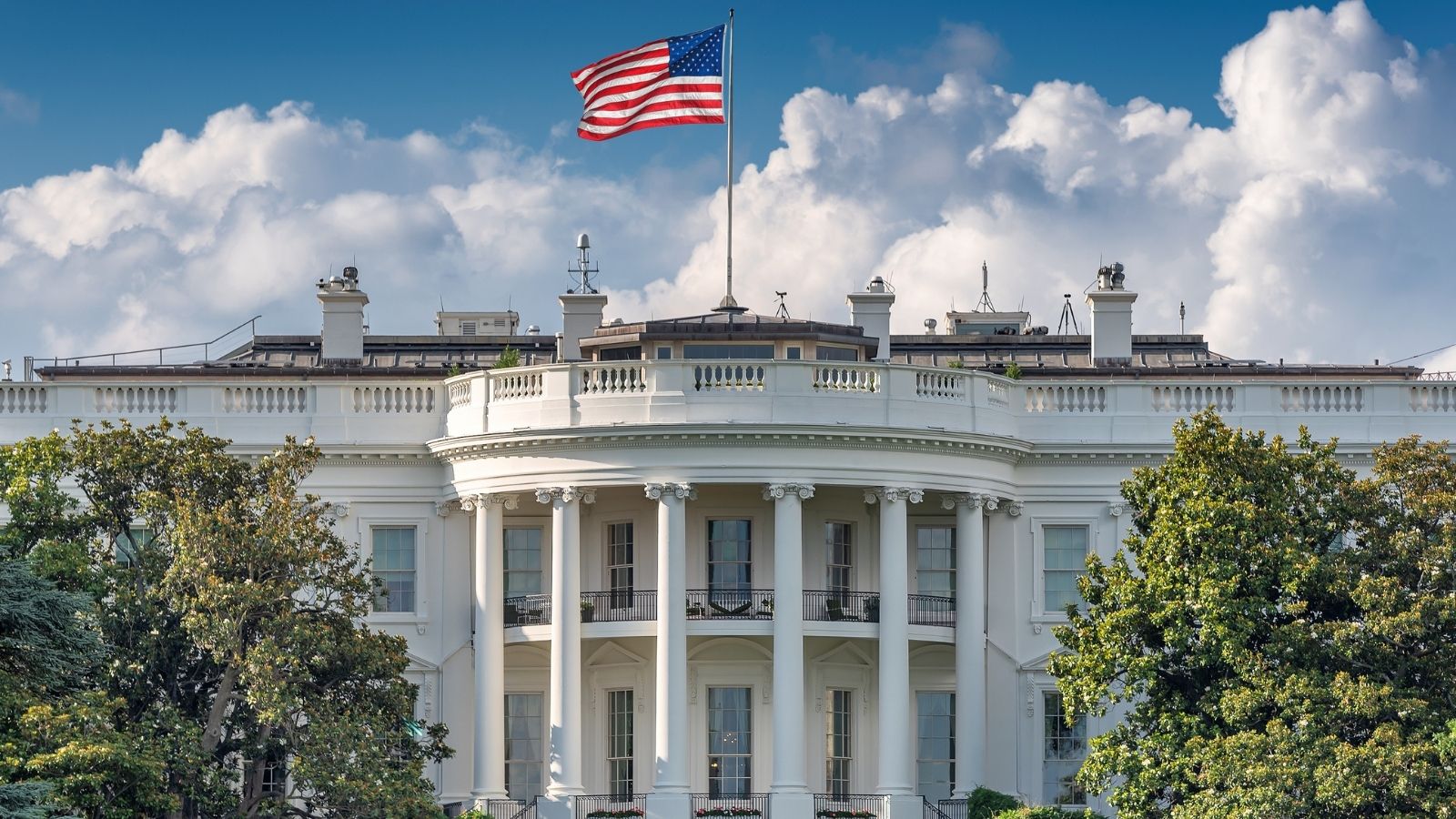
Meet the Leaders Who Shaped a Nation.
They were visionaries and leaders, but they were also imperfect people shaped by their times. From bold founders and wartime decision-makers to reformers and risk-takers, these U.S. presidents guided the nation through moments of hope, conflict, and change.
In this video playlist, explore BBC clips featuring George Washington, Thomas Jefferson, Abraham Lincoln, Theodore Roosevelt, and others, examining both their achievements and their shortcomings. A thoughtful playlist that encourages students to see history with nuance, question leadership, and understand that progress is often driven by complicated people making difficult choices.
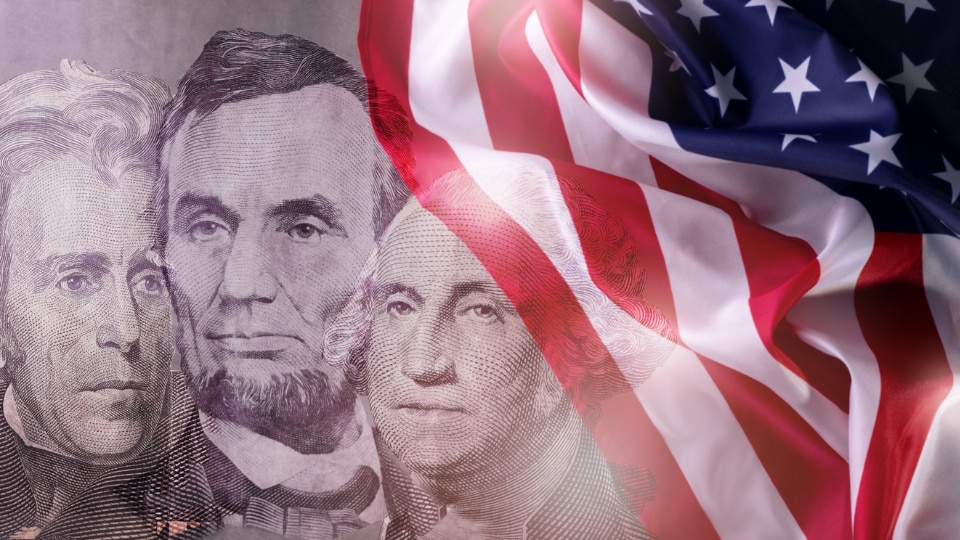
How Well Do You Know U.S. Presidents?
Presidents’ Day is a time to celebrate the leaders who have shaped the United States — from George Washington, the very first president, to Abraham Lincoln, who kept the country together, and Barack Obama, the first Black president. But how much do you really know about these famous figures, their fun hobbies, surprising pets, and historic accomplishments?
From presidential inventions and favorite pastimes to clever facts about the White House and the people who have lived there, this quiz is packed with fun and a few tricky twists. Will you be the Commander-in-Chief of Trivia?
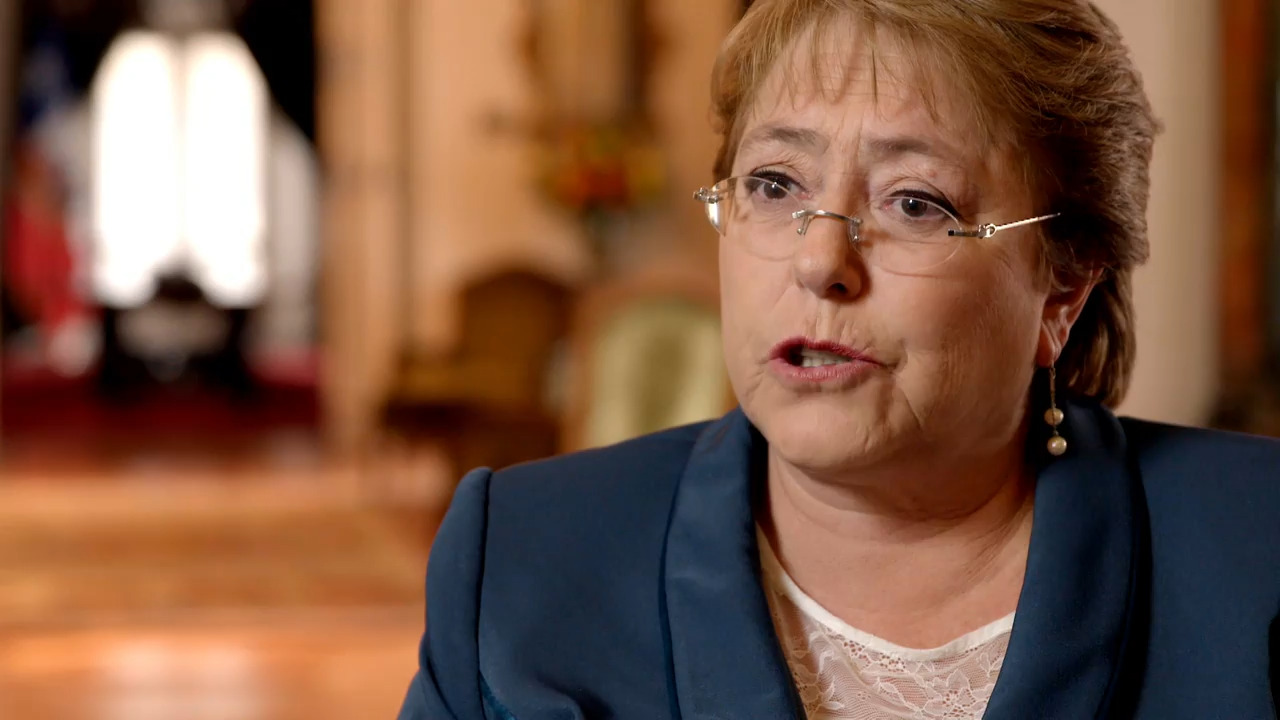
In Michelle Bachelet, Chile's First Woman President, learn how Michelle Bachelet challenged traditional expectations in a conservative country. As an atheist and a divorced single mother, she promoted gender equality by appointing an equal number of men and women to her cabinet, reshaping leadership norms. This video is excerpted from BBC's Her Story: The Female Revolution, which explores the history and impact of women’s rights movements and achievements of women.
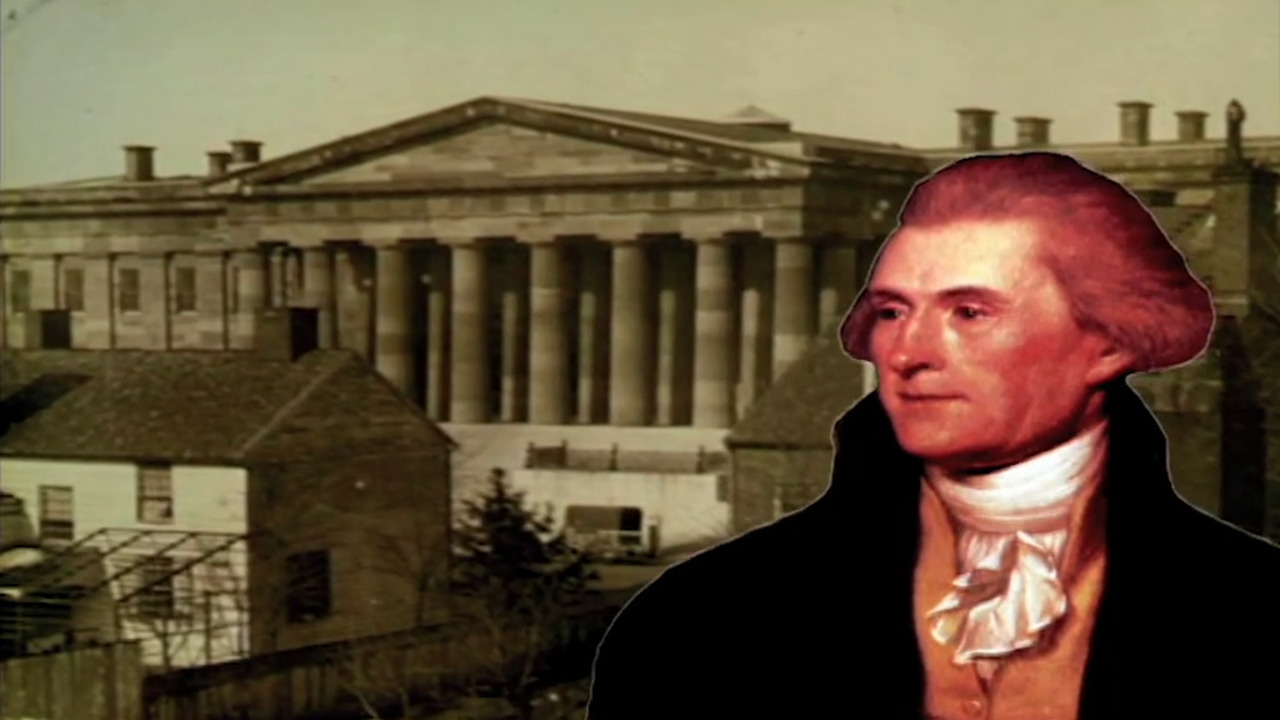
In Thomas Jefferson Takes Power, learn how Thomas Jefferson became the first president inaugurated in Washington, D.C., and promoted freedom of religion and the separation of church and state. He significantly reduced the national debt, reformed taxes, and faced early foreign challenges, including confrontations with Barbary pirates. Jefferson also oversaw the Louisiana Purchase, doubling the size of the United States, and commissioned exploration of the Mississippi River.
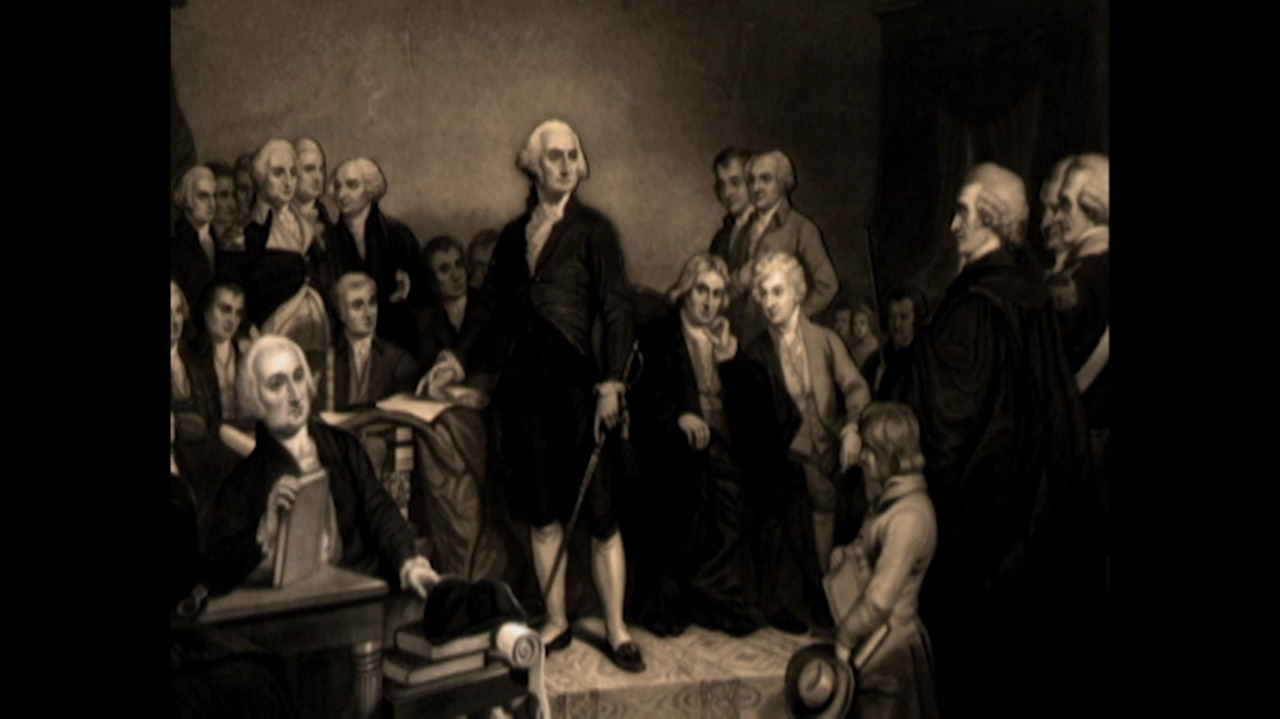
In George Washington Takes Office, as the United States forms, George Washington is voted unanimously into the presidency. He reluctantly takes office, and uses his two terms to set many of the norms of the office and set the young nation on its path.
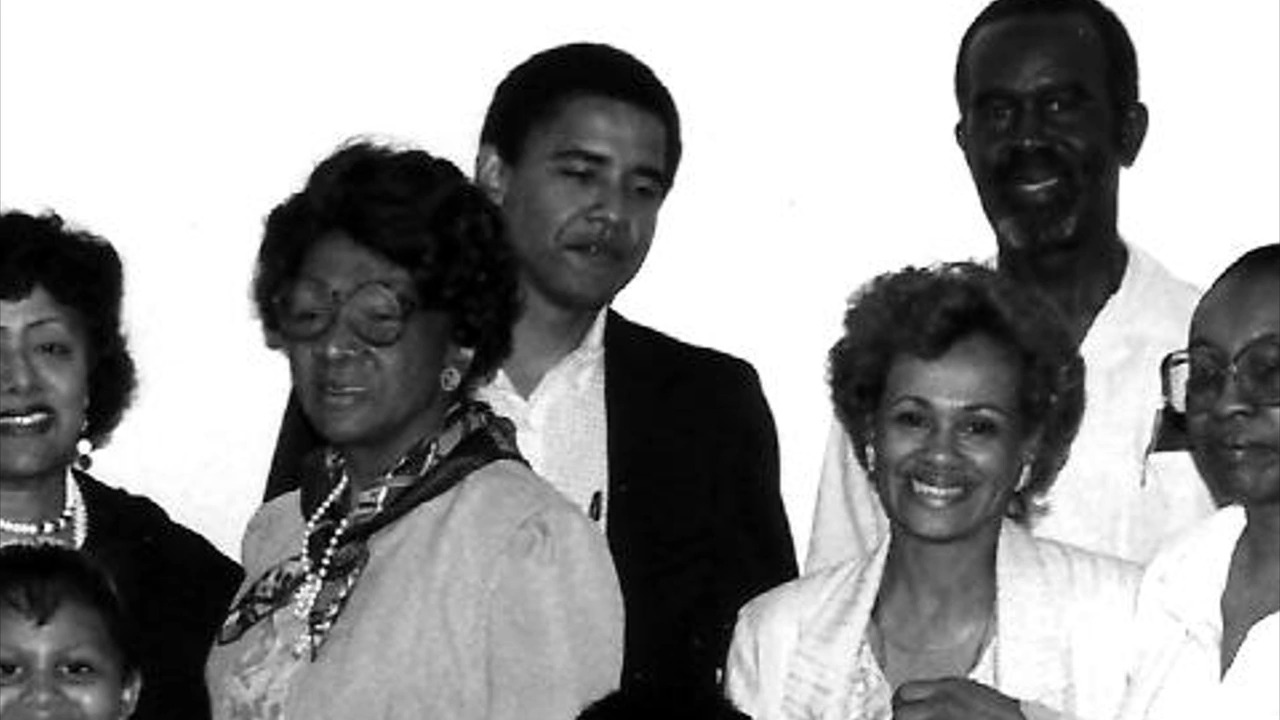
In Obama’s Political Beginnings, historian Simon Schama explains how before Barack Obama was president, he worked to organize laid off factory workers in the South Side of Chicago. As a community organizer, Obama learned how to build alliances and the importance of being at the table. This video is excerpted from BBC’s Obama’s America, in which Simon Schama examines the challenges faced by Barack Obama on the world stage and at home.
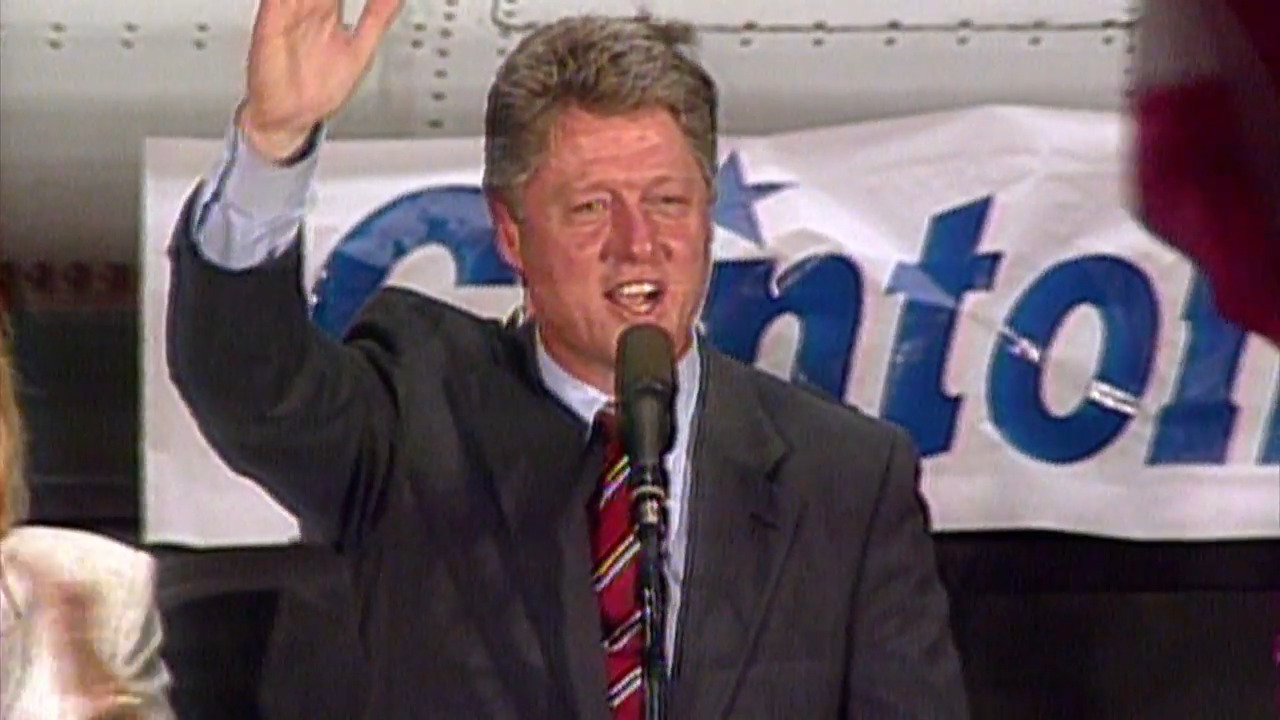
In American Optimism Under Clinton, historian Simon Schama explains how Bill Clinton’s own rise to power had echoes of the American dream of equal opportunity. Clinton had an optimistic message during a time of economic expansion, rising stock markets, and a strong economy. This video is excerpted from BBC’s Obama’s America, in which Simon Schama examines the challenges faced by Barack Obama on the world stage and at home.
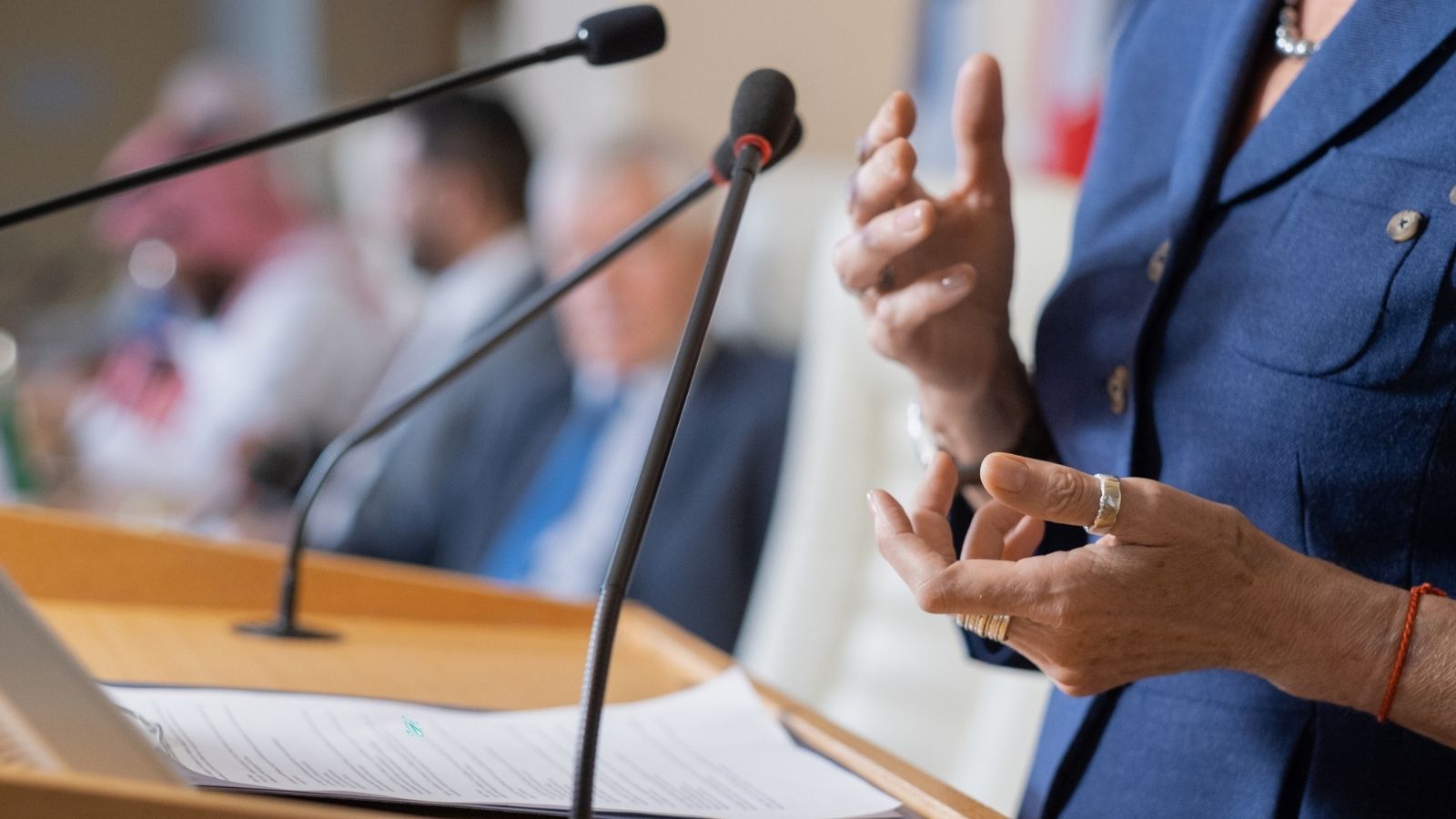
Meet Seven Women Leaders From All Around the World Who Broke Barriers.
They navigated crisis, criticism, and political pressure. They were pioneers, reformers, and power brokers — but they were also complex figures shaped by culture, controversy, and the eras in which they governed. In honor of Women’s History Month, this video playlist explores influential leaders from around the globe through BBC clips featuring Hillary Clinton, Margaret Thatcher, Michelle Bachelet, and more.
From national parliaments to international financial institutions, these women led in vastly different political systems and cultural landscapes. Some championed social reform. Others advanced market-driven policies. All faced intense scrutiny — not only for their decisions, but for their leadership styles, identities, and the expectations placed upon women in power.
This thoughtful playlist invites students to examine leadership with nuance: How do gender and politics intersect? How do public expectations shape women leaders differently? And what can we learn from both their accomplishments and their controversies?
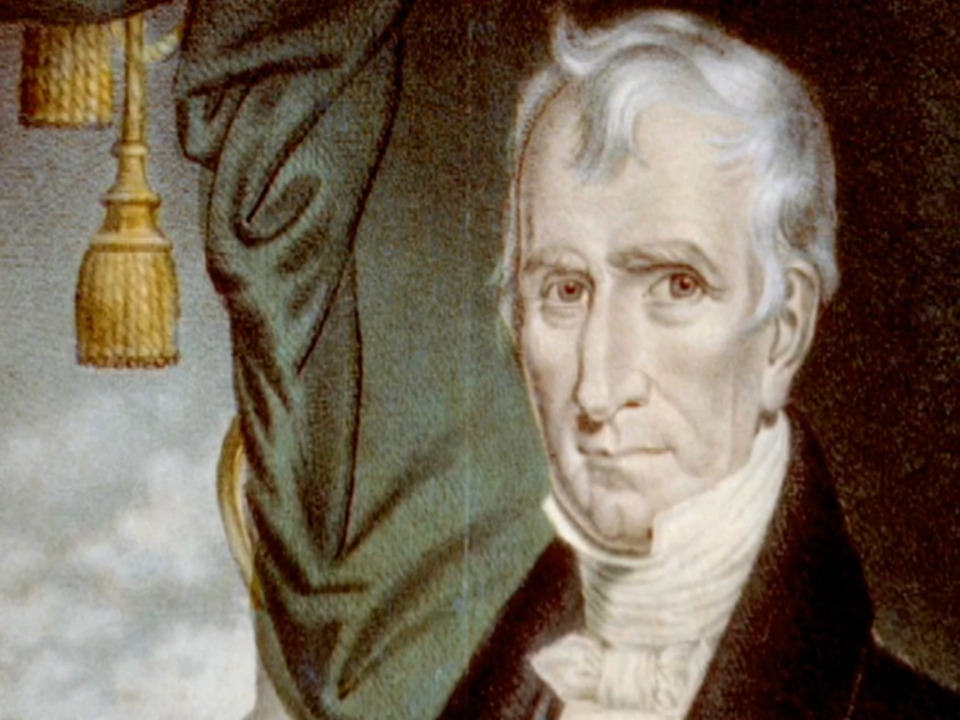
In William Henry Harrison and a Presidency Cut Short, learn how a military leader from the War of 1812 rose to national fame and became the ninth president of the United States. His campaign presented him as a common man, and his sudden death just months into office made him the shortest-serving president in U.S. history.

The article "Charlotta Bass: The Civil Rights Fighter Who Ran for U.S. Vice President" from BBC's HistoryExtra is a compelling story about Charlotta Bass, the first Black woman to run for vice president in the U.S. It traces her journey from journalist to political pioneer, highlighting her activism, bravery against the Ku Klux Klan, and surveillance by the FBI during the height of the Civil Rights Movement.
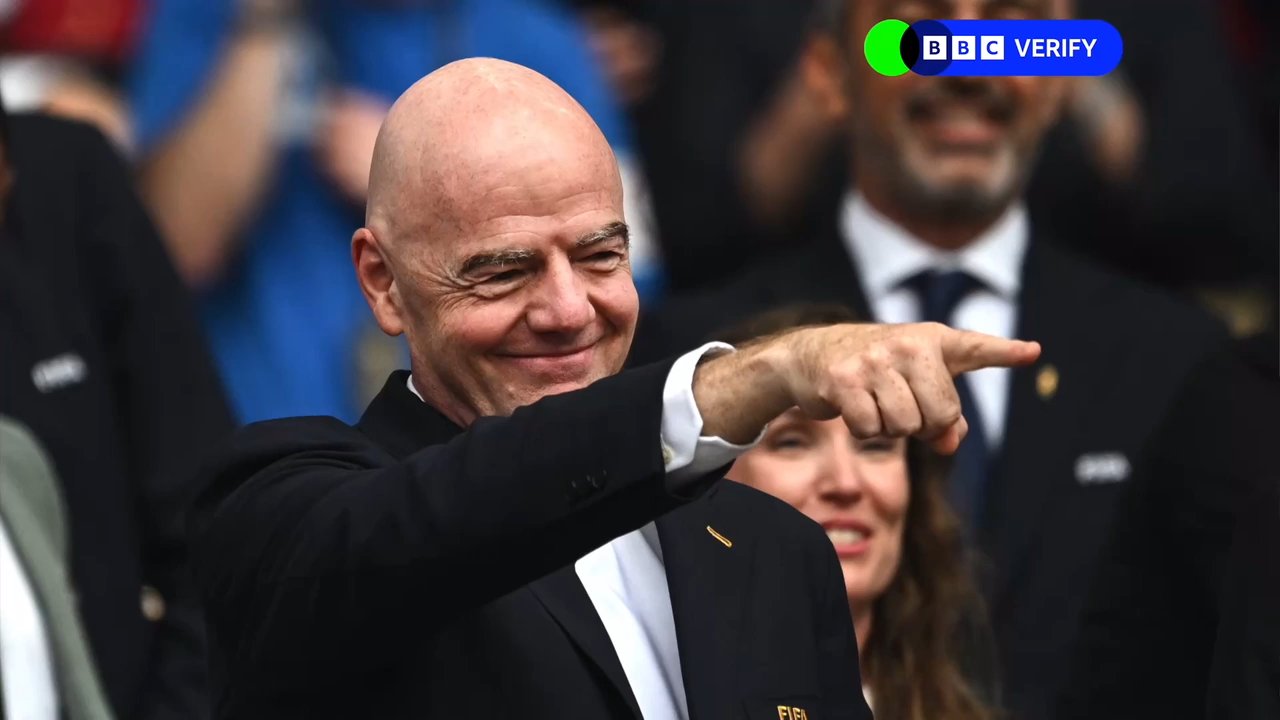
50,000 air miles. That's enough to circle the entire planet twice — and it's how far a private jet reportedly linked to FIFA President Gianni Infantino flew during the 2026 World Cup. In just over a month, Infantino attended 41 matches across North America, sometimes appearing at games in cities hundreds of miles apart on the same day. No, he didn't discover teleportation, and he definitely didn't outrun Messi or Mbappé. The real answer is a lot simpler — and a lot more expensive for the planet.
FIFA wouldn't confirm Infantino was on board, but BBC Verify tracked flight data from a private jet reportedly linked to him. The plane's movements lined up with Infantino's appearances in host cities. Over about a month, that jet flew 46 times — sometimes three flights in a single day.
All that flying comes at a real cost to the climate. Experts estimate the jet's emissions were roughly equal to one year's carbon footprint for 135 average people. That's a striking number, especially since FIFA had made environmental promises for the tournament, including grouping teams regionally — specifically to cut down on long-distance travel.
In Dalia Grybauskaitė, President of Lithuania, learn how Grybauskaitė rose to leadership in a country shaped by Soviet control and conflict. Although she never planned to become a leader, she accepted the responsibility and later defended Lithuania’s independence with confidence, even when facing powerful leaders who expected her to be afraid. This video is excerpted from BBC's Her Story: The Female Revolution, which explores the history and impact of women’s rights movements and achievements of women.
Meet the Leaders Who Shaped a Nation.
They were visionaries and leaders, but they were also imperfect people shaped by their times. From bold founders and wartime decision-makers to reformers and risk-takers, these U.S. presidents guided the nation through moments of hope, conflict, and change.
In this video playlist, explore BBC clips featuring George Washington, Thomas Jefferson, Abraham Lincoln, Theodore Roosevelt, and others, examining both their achievements and their shortcomings. A thoughtful playlist that encourages students to see history with nuance, question leadership, and understand that progress is often driven by complicated people making difficult choices.
How Well Do You Know U.S. Presidents?
Presidents’ Day is a time to celebrate the leaders who have shaped the United States — from George Washington, the very first president, to Abraham Lincoln, who kept the country together, and Barack Obama, the first Black president. But how much do you really know about these famous figures, their fun hobbies, surprising pets, and historic accomplishments?
From presidential inventions and favorite pastimes to clever facts about the White House and the people who have lived there, this quiz is packed with fun and a few tricky twists. Will you be the Commander-in-Chief of Trivia?
In Michelle Bachelet, Chile's First Woman President, learn how Michelle Bachelet challenged traditional expectations in a conservative country. As an atheist and a divorced single mother, she promoted gender equality by appointing an equal number of men and women to her cabinet, reshaping leadership norms. This video is excerpted from BBC's Her Story: The Female Revolution, which explores the history and impact of women’s rights movements and achievements of women.
In Thomas Jefferson Takes Power, learn how Thomas Jefferson became the first president inaugurated in Washington, D.C., and promoted freedom of religion and the separation of church and state. He significantly reduced the national debt, reformed taxes, and faced early foreign challenges, including confrontations with Barbary pirates. Jefferson also oversaw the Louisiana Purchase, doubling the size of the United States, and commissioned exploration of the Mississippi River.
In George Washington Takes Office, as the United States forms, George Washington is voted unanimously into the presidency. He reluctantly takes office, and uses his two terms to set many of the norms of the office and set the young nation on its path.
In Obama’s Political Beginnings, historian Simon Schama explains how before Barack Obama was president, he worked to organize laid off factory workers in the South Side of Chicago. As a community organizer, Obama learned how to build alliances and the importance of being at the table. This video is excerpted from BBC’s Obama’s America, in which Simon Schama examines the challenges faced by Barack Obama on the world stage and at home.
In American Optimism Under Clinton, historian Simon Schama explains how Bill Clinton’s own rise to power had echoes of the American dream of equal opportunity. Clinton had an optimistic message during a time of economic expansion, rising stock markets, and a strong economy. This video is excerpted from BBC’s Obama’s America, in which Simon Schama examines the challenges faced by Barack Obama on the world stage and at home.
Meet Seven Women Leaders From All Around the World Who Broke Barriers.
They navigated crisis, criticism, and political pressure. They were pioneers, reformers, and power brokers — but they were also complex figures shaped by culture, controversy, and the eras in which they governed. In honor of Women’s History Month, this video playlist explores influential leaders from around the globe through BBC clips featuring Hillary Clinton, Margaret Thatcher, Michelle Bachelet, and more.
From national parliaments to international financial institutions, these women led in vastly different political systems and cultural landscapes. Some championed social reform. Others advanced market-driven policies. All faced intense scrutiny — not only for their decisions, but for their leadership styles, identities, and the expectations placed upon women in power.
This thoughtful playlist invites students to examine leadership with nuance: How do gender and politics intersect? How do public expectations shape women leaders differently? And what can we learn from both their accomplishments and their controversies?
In William Henry Harrison and a Presidency Cut Short, learn how a military leader from the War of 1812 rose to national fame and became the ninth president of the United States. His campaign presented him as a common man, and his sudden death just months into office made him the shortest-serving president in U.S. history.
The article "Charlotta Bass: The Civil Rights Fighter Who Ran for U.S. Vice President" from BBC's HistoryExtra is a compelling story about Charlotta Bass, the first Black woman to run for vice president in the U.S. It traces her journey from journalist to political pioneer, highlighting her activism, bravery against the Ku Klux Klan, and surveillance by the FBI during the height of the Civil Rights Movement.
50,000 air miles. That's enough to circle the entire planet twice — and it's how far a private jet reportedly linked to FIFA President Gianni Infantino flew during the 2026 World Cup. In just over a month, Infantino attended 41 matches across North America, sometimes appearing at games in cities hundreds of miles apart on the same day. No, he didn't discover teleportation, and he definitely didn't outrun Messi or Mbappé. The real answer is a lot simpler — and a lot more expensive for the planet.
FIFA wouldn't confirm Infantino was on board, but BBC Verify tracked flight data from a private jet reportedly linked to him. The plane's movements lined up with Infantino's appearances in host cities. Over about a month, that jet flew 46 times — sometimes three flights in a single day.
All that flying comes at a real cost to the climate. Experts estimate the jet's emissions were roughly equal to one year's carbon footprint for 135 average people. That's a striking number, especially since FIFA had made environmental promises for the tournament, including grouping teams regionally — specifically to cut down on long-distance travel.