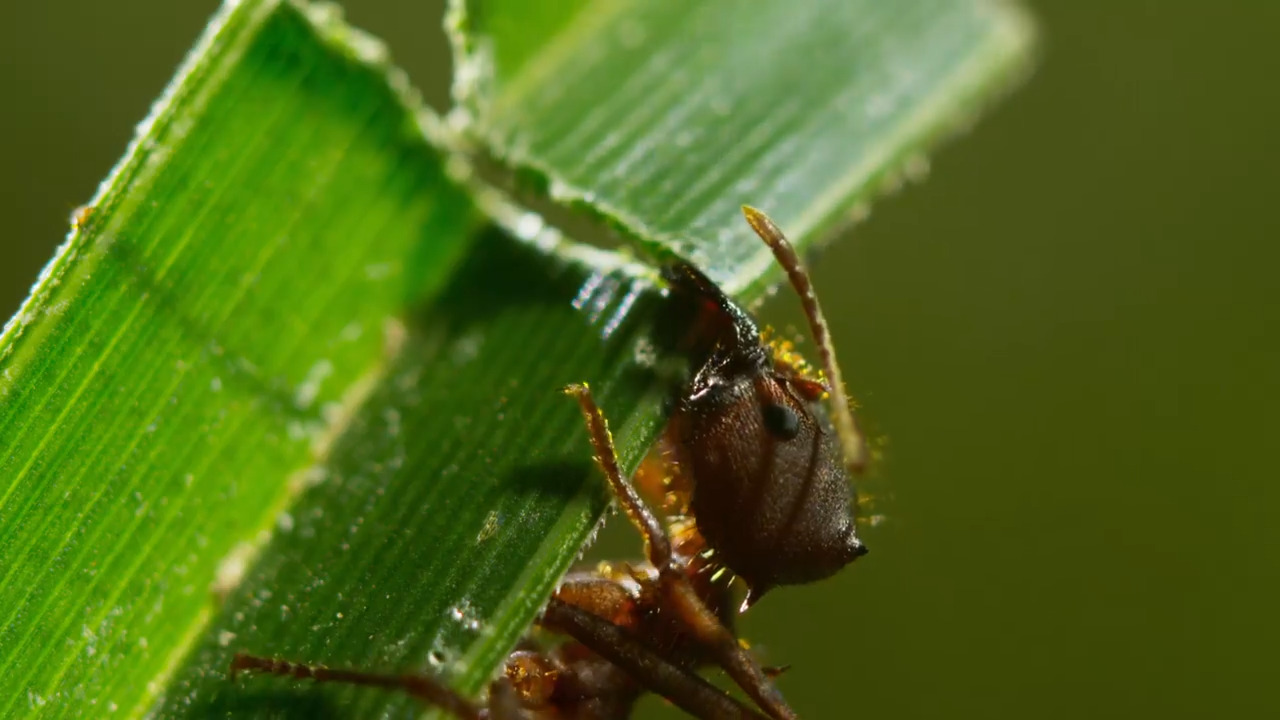
In The Industrious Insects of the Grasslands, narrator Sir David Attenborough explains that around the world, over one-third of the grass that grows will be harvested by insects. Grass cutter ants harvest grass to feed underground fungus that they feed upon. Termites can digest grass, and they in turn become food for the giant anteater. After a prairie fire, termites and anteaters must wait for living roots to regenerate grass. This video is excerpted from BBC’s Planet Earth II, a breathtaking documentary series that highlights the natural wonders of our planet.
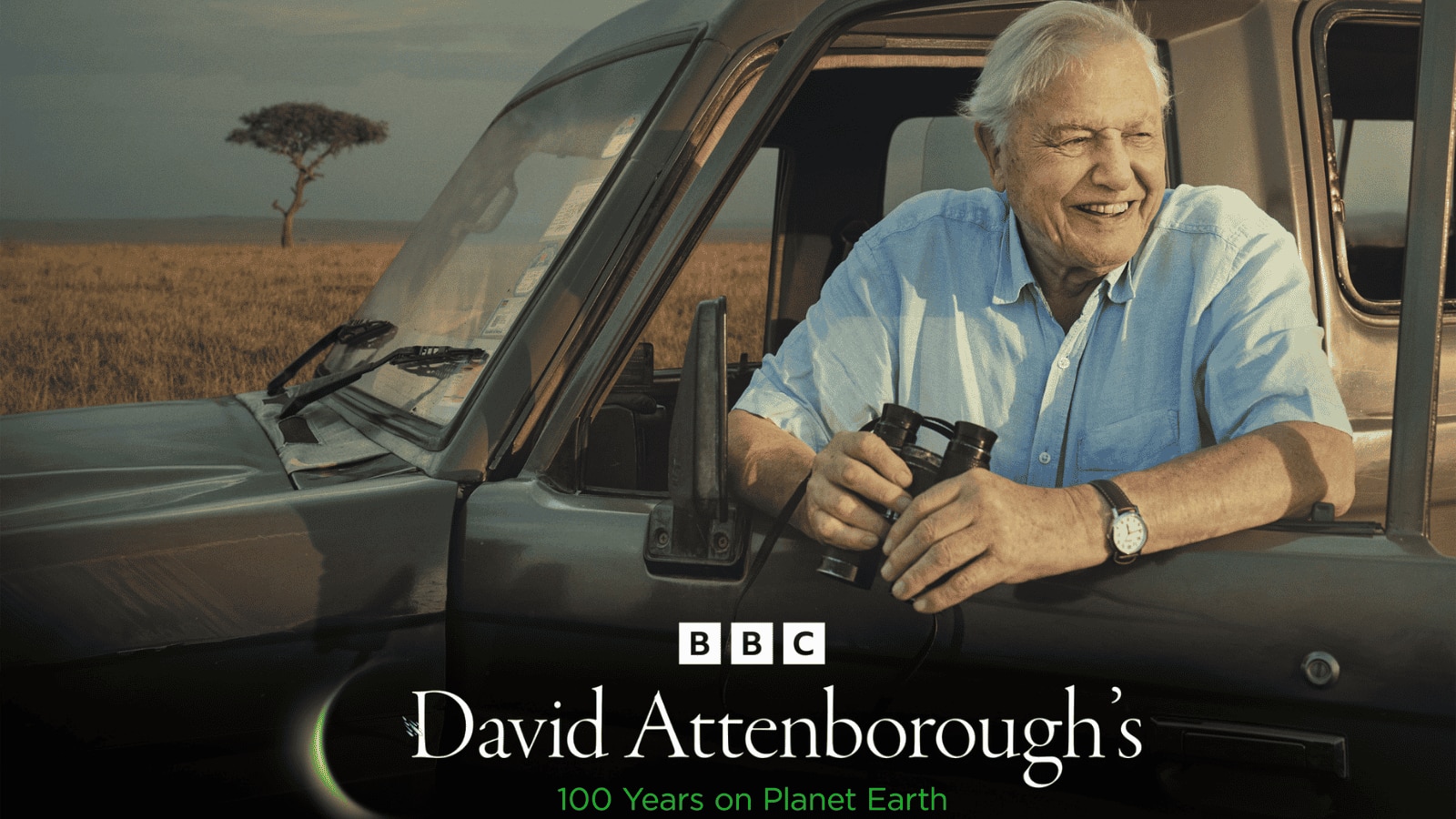
In honor of his 100th birthday on May 8, 2026, this special playlist brings together 10 unforgettable videos from landmark BBC series including Planet Earth, Blue Planet, and Frozen Planet. Journey from the deepest oceans to frozen polar landscapes and some of the wildest places on Earth, encountering extraordinary animals and the remarkable behaviors that help them survive.
Over a broadcasting career spanning more than seven decades, Attenborough has transformed the way audiences experience nature on screen. His distinctive narration and passion for the natural world have brought viewers closer to wildlife while drawing attention to biodiversity, conservation, and the environmental changes affecting our planet.
Explore some of the spectacular moments that have made his work so enduring — and celebrate a century of curiosity, discovery, and wonder.
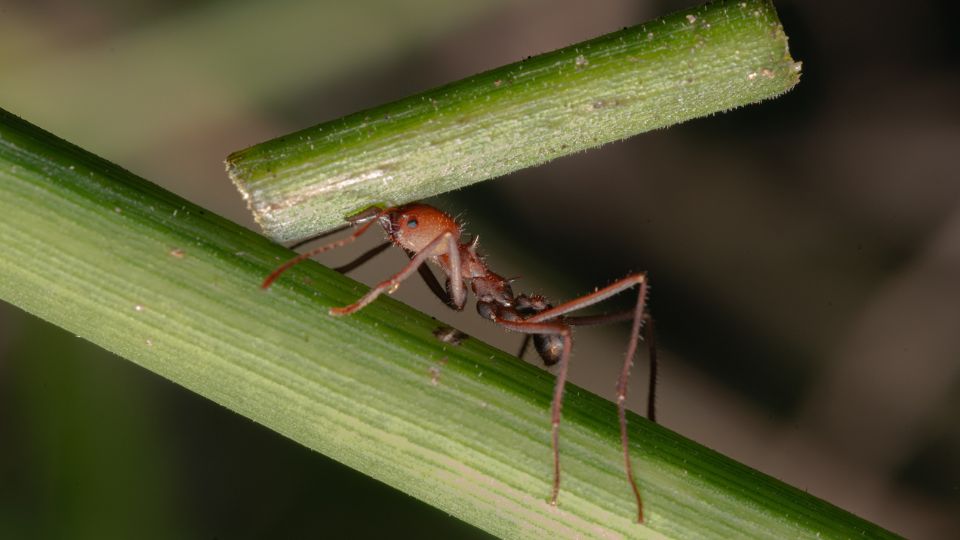
Around the world, over one-third of the grass that grows will be harvested by insects! First watch The Industrious Insects of the Grasslands, a short clip from the award-winning BBC series Planet Earth. Sir David Attenborough introduces you to grass cutter ants, who harvest grass to feed underground fungus that they feed upon, and termites, who can digest grass and in turn become food for the giant anteater.
Once your students have watched the video, invite them to check for understanding with this quick, 8-question quiz!
In The Industrious Insects of the Grasslands, narrator Sir David Attenborough explains that around the world, over one-third of the grass that grows will be harvested by insects. Grass cutter ants harvest grass to feed underground fungus that they feed upon. Termites can digest grass, and they in turn become food for the giant anteater. After a prairie fire, termites and anteaters must wait for living roots to regenerate grass. This video is excerpted from BBC’s Planet Earth II, a breathtaking documentary series that highlights the natural wonders of our planet.
In honor of his 100th birthday on May 8, 2026, this special playlist brings together 10 unforgettable videos from landmark BBC series including Planet Earth, Blue Planet, and Frozen Planet. Journey from the deepest oceans to frozen polar landscapes and some of the wildest places on Earth, encountering extraordinary animals and the remarkable behaviors that help them survive.
Over a broadcasting career spanning more than seven decades, Attenborough has transformed the way audiences experience nature on screen. His distinctive narration and passion for the natural world have brought viewers closer to wildlife while drawing attention to biodiversity, conservation, and the environmental changes affecting our planet.
Explore some of the spectacular moments that have made his work so enduring — and celebrate a century of curiosity, discovery, and wonder.
Around the world, over one-third of the grass that grows will be harvested by insects! First watch The Industrious Insects of the Grasslands, a short clip from the award-winning BBC series Planet Earth. Sir David Attenborough introduces you to grass cutter ants, who harvest grass to feed underground fungus that they feed upon, and termites, who can digest grass and in turn become food for the giant anteater.
Once your students have watched the video, invite them to check for understanding with this quick, 8-question quiz!