
Explore the impact of human activity on our oceans with this comprehensive lesson collection. Featuring curated BBC video clips and printable activities, these resources dive into topics like pollution, overfishing, and ocean habitats, helping students understand the challenges facing ocean life and inspiring them to become ocean conservation advocates.
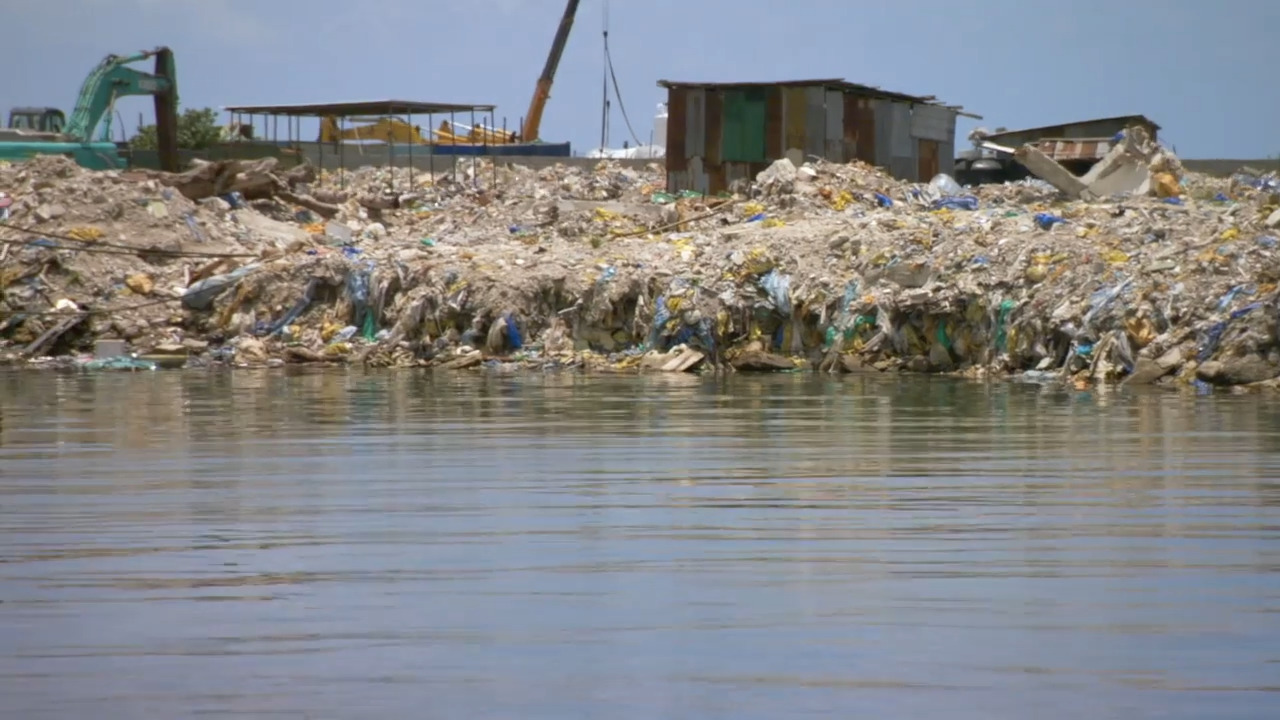
In Plastic Pollution in the Oceans Is a Growing Crisis, host Simon Reeve encounters the devastating effects of the plastic trash that is overwhelming islands like the Maldives and Hawaii. This video is excerpted from BBC's Incredible Journeys With Simon Reeve, a series that highlights one journalist’s travels across the globe and the diverse cultures and peoples he meets along the way.
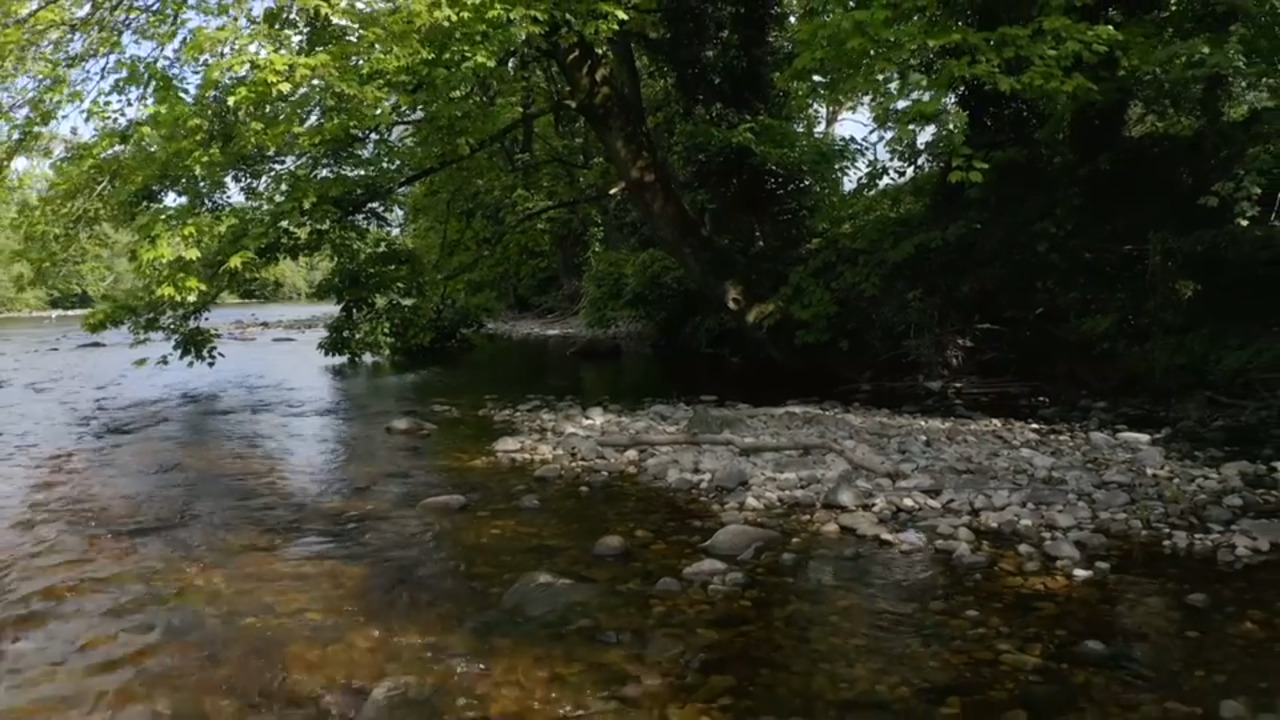
When it comes to gathering water data, the “employee of the month” may look a little on the “green and cubical” side. Alongside Yorkshire rivers, there are multiple green boxes working hard to gather data on river quality that should, in a couple years, be available for river users and potential swimmers to access through an app that tracks pollution.
Though there are currently apps that show pollution data, that information is old and outdated. This upcoming app is special, because it will use live data from an on-site sensor to provide real-time pollution levels in the water. It’s not meant to tell people “safe” or “not safe” or “swim” or “don’t swim,” but it can give people what they need to make an informed decision... mostly.
The green boxes have a big shortcoming: they’re unable to detect some really nasty bacteria like E.coli, which can only be measured in a lab. But don’t worry, old-school scientists are on the case, manually taking samples to send away for analysis. These findings will be used to build a data set that will be combined with green box data, and AI learning will infer when E.coli (and other bugs) are present in the river.
So, today, we celebrate a beautiful marriage — one of traditional testing, new technology, and AI. It may not be the pairing you’re rooting for on Love Island, but it shows great promise for water safety!
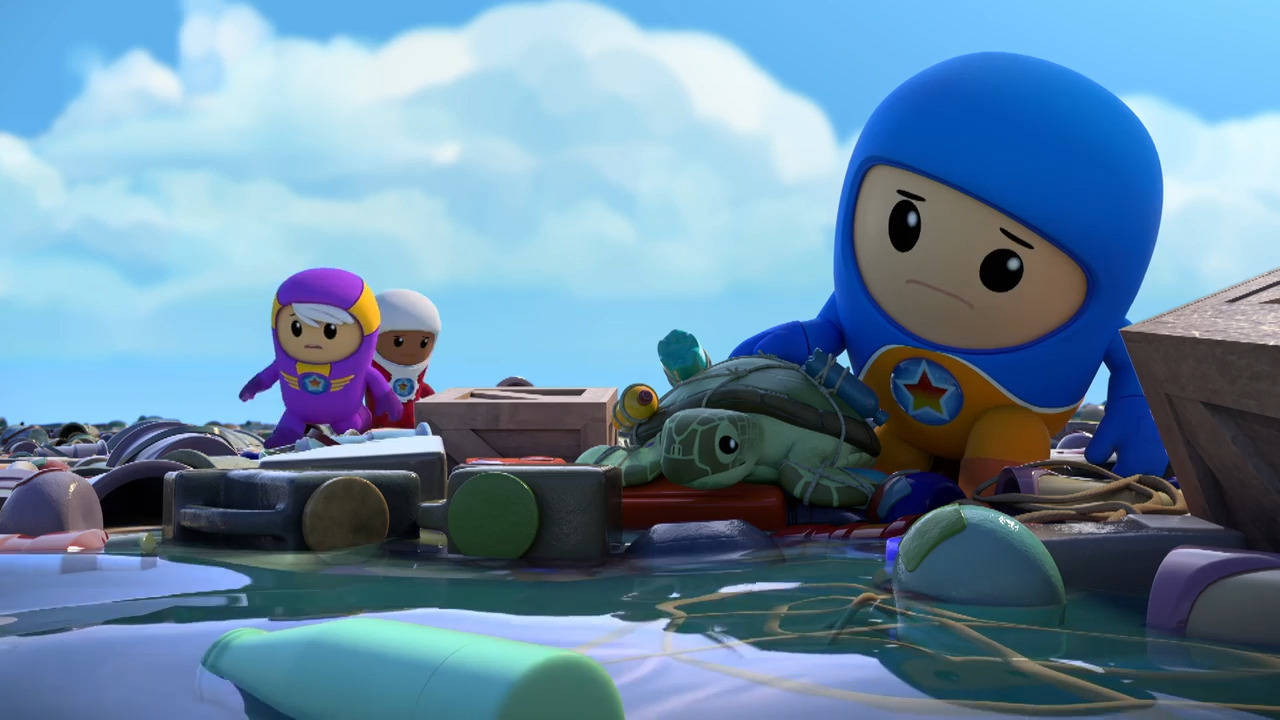
In The Go Jetters' Sea Turtle Rescue, the Go Jetters crew finds a sea turtle that is trapped on the Great Pacific Garbage Patch, a mass of plastic pollution floating in the ocean. They work together to free the sea turtle. This video is excerpted from BBC’s Go Jetters, a series that follows the adventures of four international heroes as they travel the globe visiting landmarks and solving environmental problems with Ubercorn, a disco-dancing unicorn.
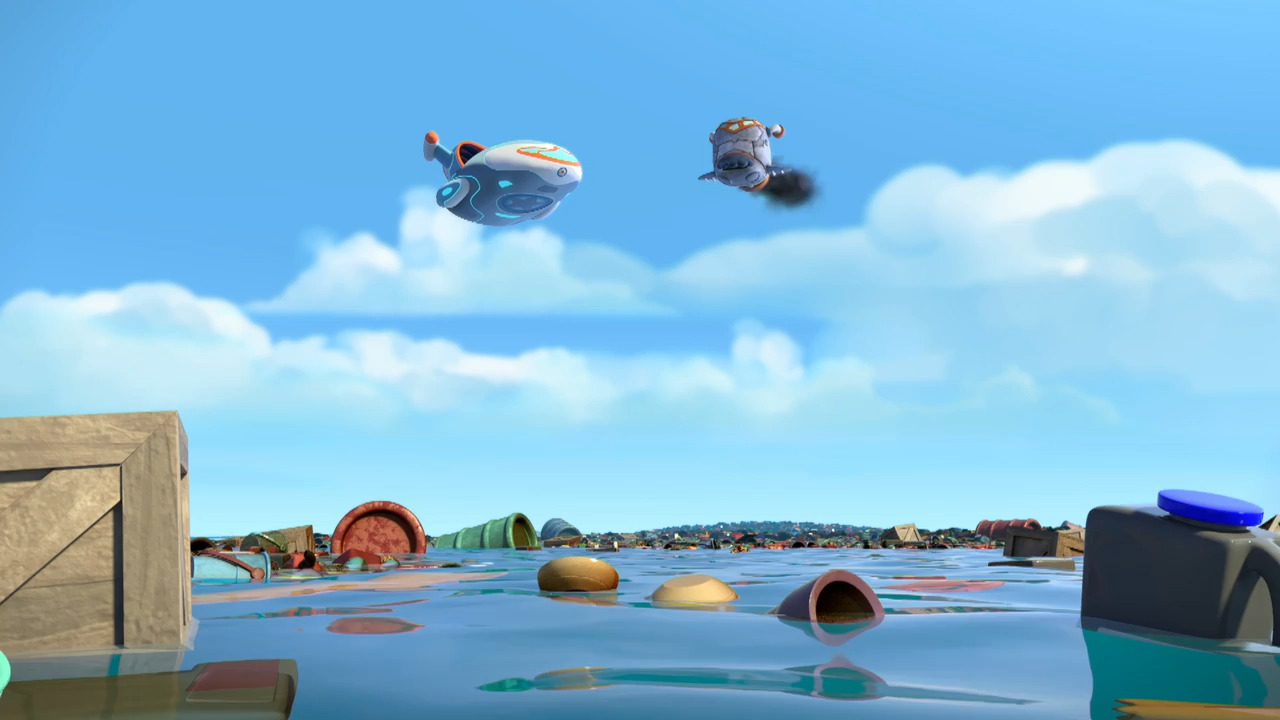
In The Go Jetters Tackle Plastic Waste, the Go Jetters crew observes the Great Pacific Garbage Patch, a mass of plastic pollution floating in the ocean. The Go Jetters talk about how they can work together to stop plastic pollution. This video is excerpted from BBC’s Go Jetters, a series that follows the adventures of four international heroes as they travel the globe visiting landmarks and solving environmental problems with Ubercorn, a disco-dancing unicorn.
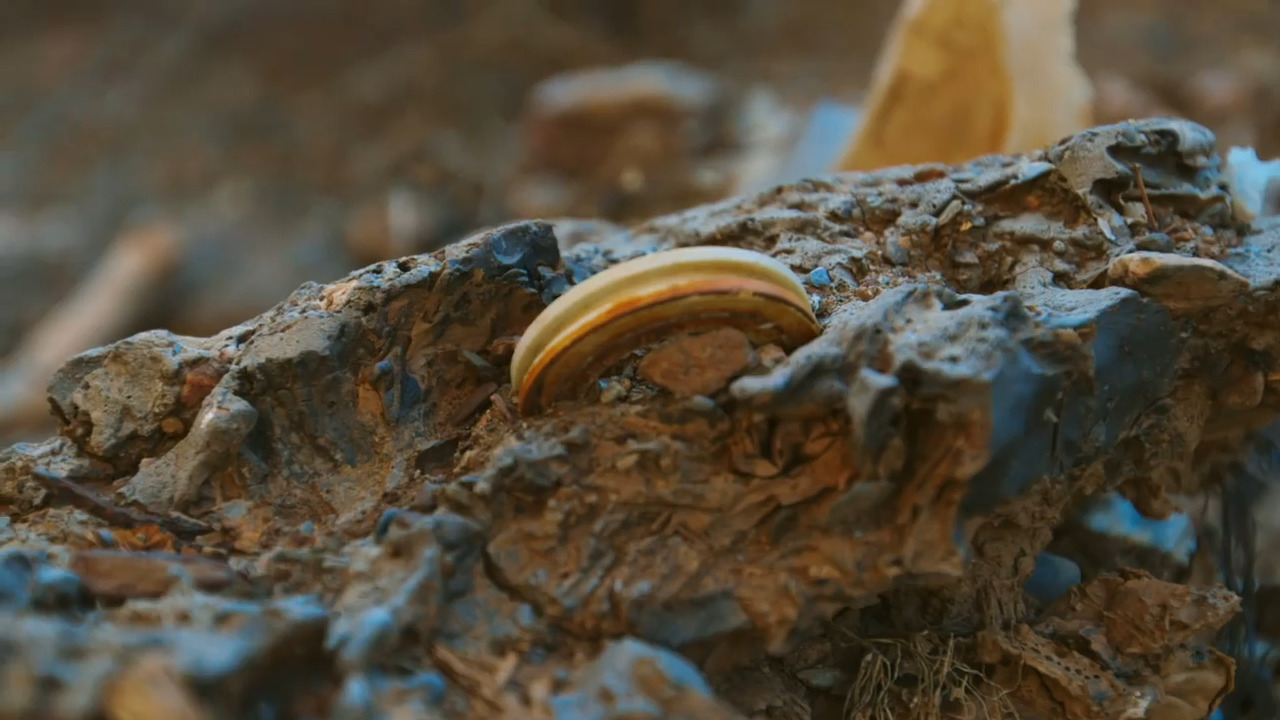
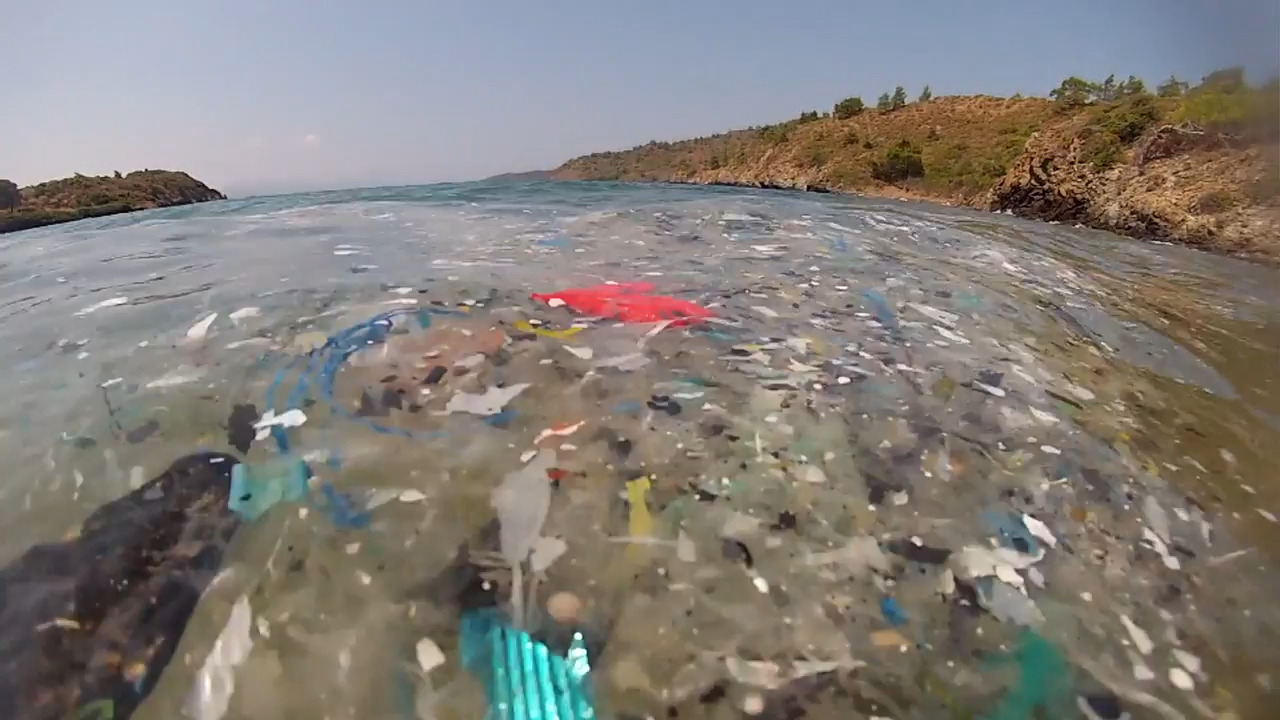
In Plastic in the Ocean Is Creating a New Geological Era, host Simon Reeve visits with an expert on plastic pollution and observes visible integration of plastics into the soil and even the food chain in the Mediterranean Sea. This video is excerpted from BBC's Incredible Journeys With Simon Reeve, a series that highlights one journalist’s travels across the globe and the diverse cultures and peoples he meets along the way.
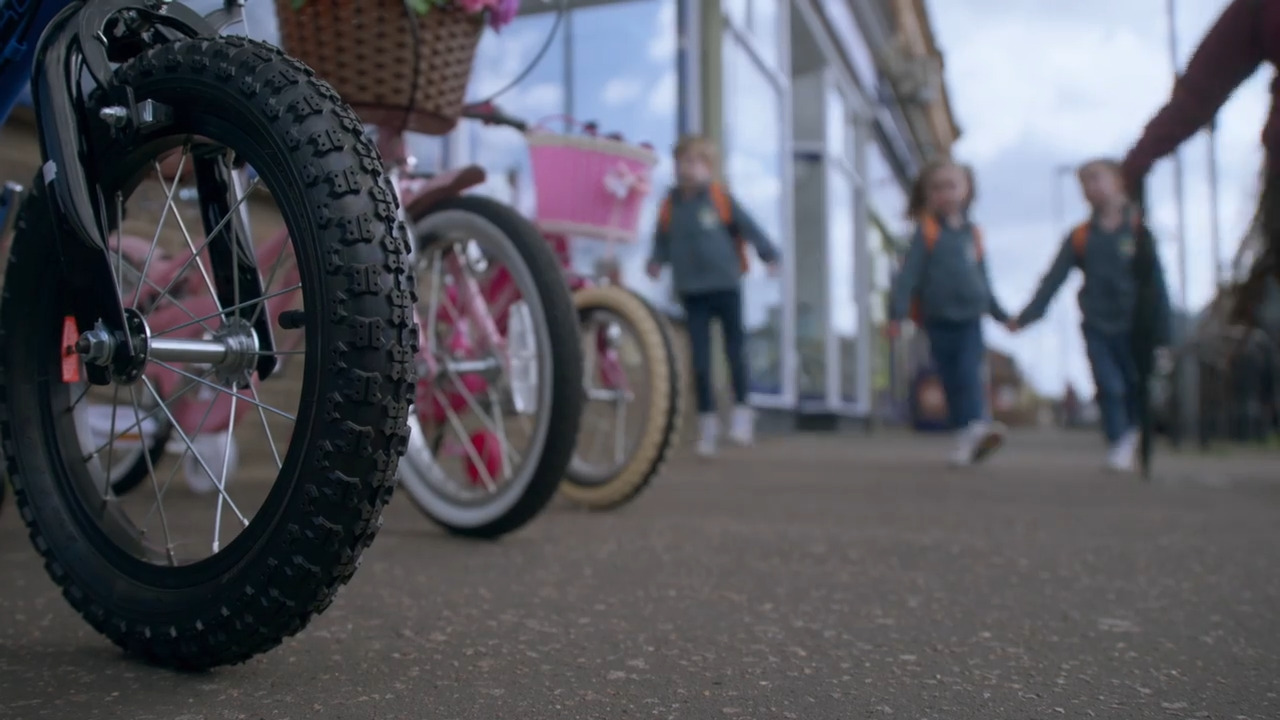
In Sustainable Transportation in the City, Ranger Hamza and the Ramblers brainstorm ways to move around the city without producing pollution. Learn how sustainable transportation helps our environment. This video is excerpted from BBC's Ranger Hamza’s Eco Quest, a nature exploration show in which Ranger Hamza and the Ramblers go on quests to discover nature’s wonders and the important role they play in our environment.
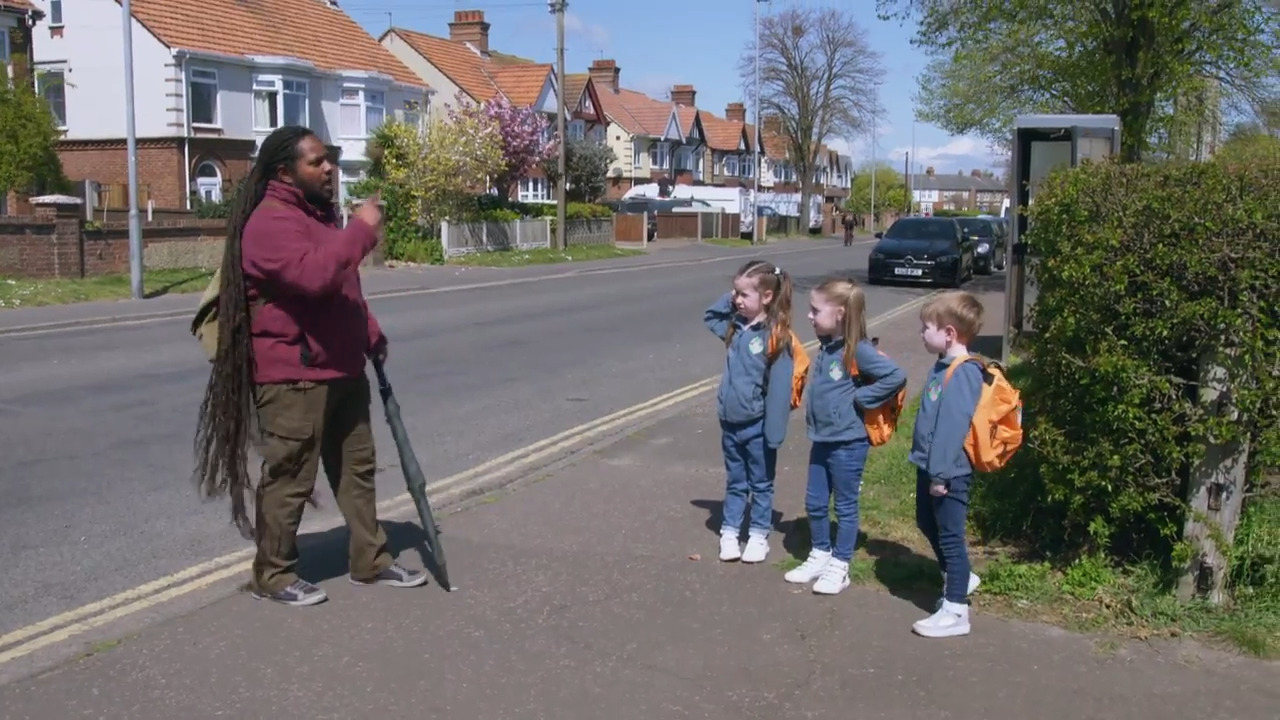
In Hedge Helpers, Ranger Hamza and the Ramblers explore the benefits of hedges. Tag along as the Ramblers learn how hedges help humans by reducing pollution. This video is excerpted from BBC's Ranger Hamza’s Eco Quest, a nature exploration show in which Ranger Hamza and the Ramblers go on quests to discover nature’s wonders and the important role they play in our environment.
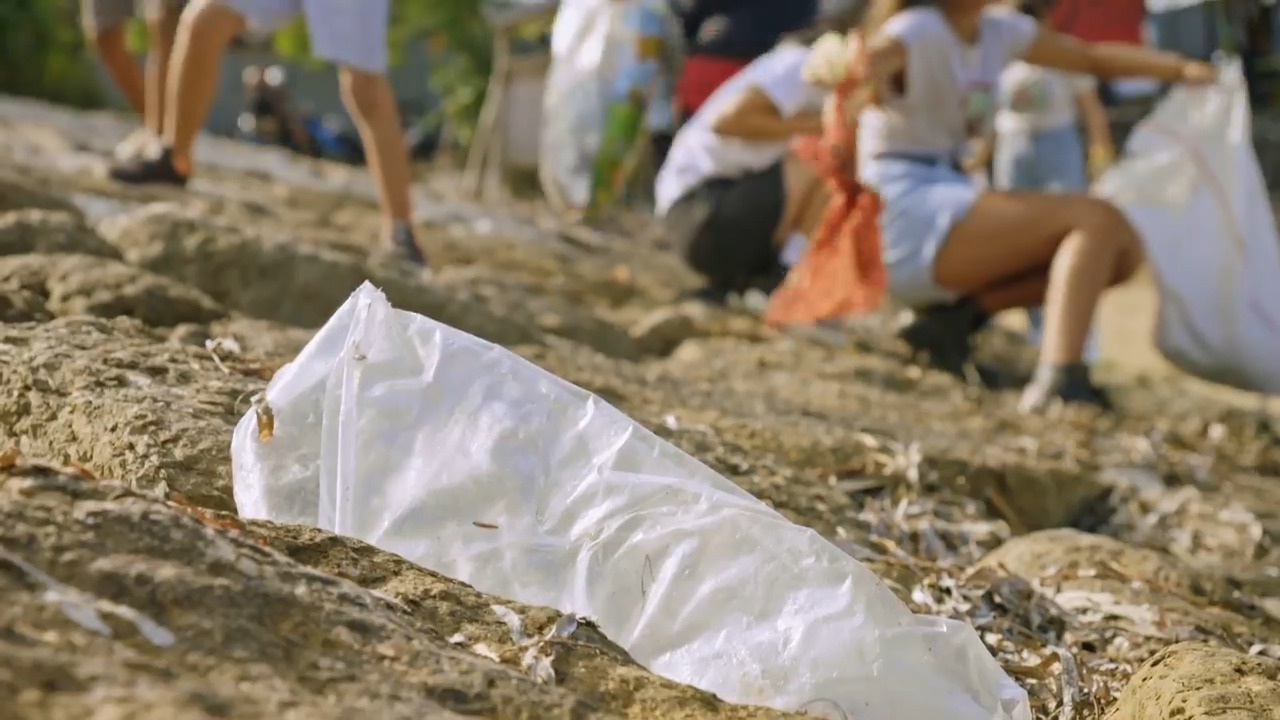
In Saving Our Beaches from Plastic Pollution, naturalist Steve Backshall meets some young Bali residents who are cleaning up the beach to minimize the environmental impact of plastic. This video is excerpted from BBC's Deadly 60, an award-winning nature and adventure show for kids in which narrator Steve Backshall has one mission: to travel the globe in search of 60 of the world's deadliest animals.
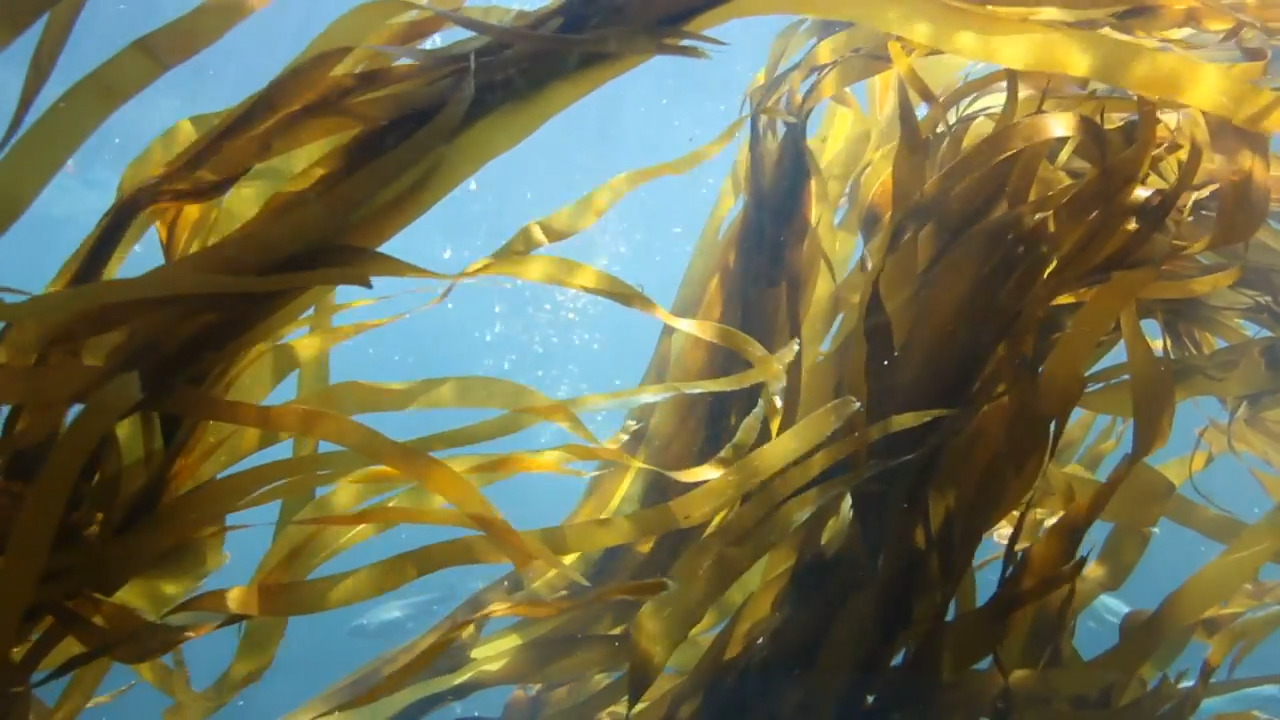
Scientists are exploring an interesting idea: what if we could replace regular plastic with something made from seaweed?
Unlike traditional plastic — which is made from fossil fuels and can take hundreds of years to break down — seaweed-based plastic is designed to decompose naturally over time. That means it could help reduce the amount of plastic waste that ends up in oceans and landfills.
But there are still challenges. Right now, seaweed plastic is expensive to produce — somewhere between two and 10 times more costly than plastic. Scientists are also working on how to grow more seaweed efficiently and make sure large-scale farming doesn’t harm ocean ecosystems.
So while seaweed plastic isn’t widely used yet, it’s a promising idea that could help tackle one of the world’s biggest pollution problems.
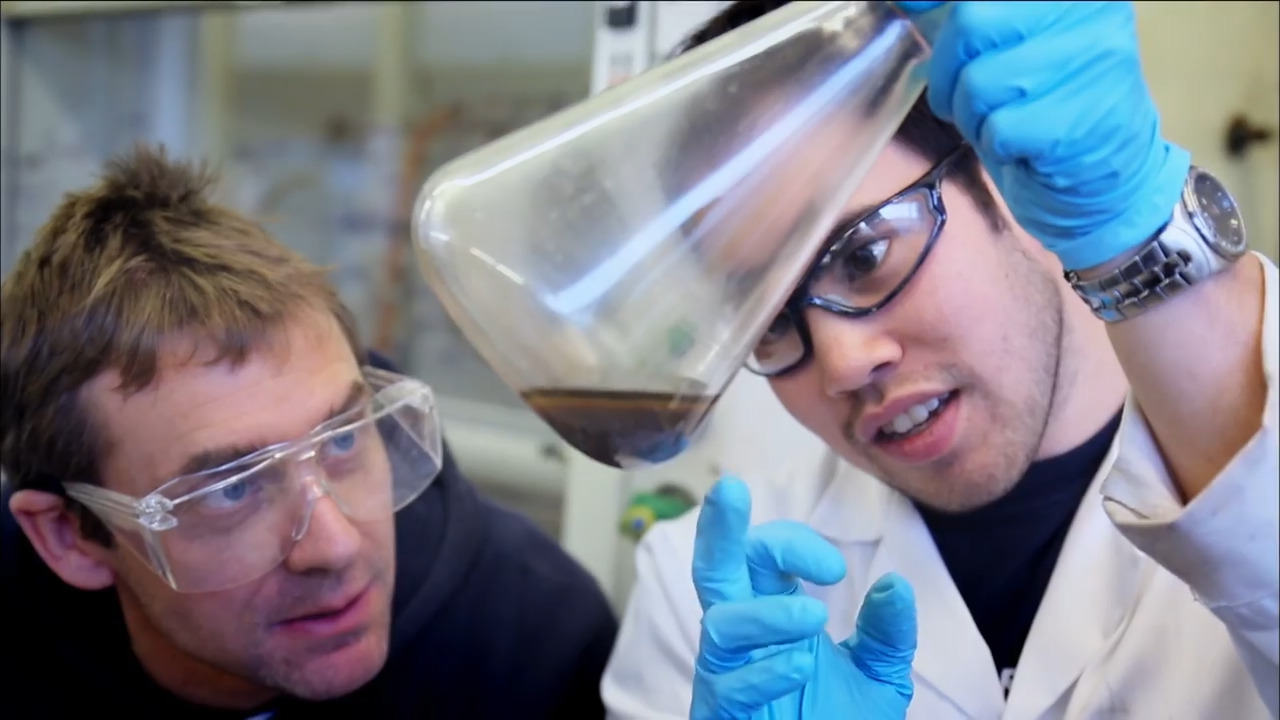
In Inside a Super Recycling Plant, plastic is everywhere, and while it’s bad for wildlife, many people wonder — how bad is it for us? Every year, millions of tons of plastic end up in landfills, but new technology is making recycling more effective. At a cutting-edge plant, 5 million plastic bottles are cleaned, chopped up, and turned into brand-new, food-safe bottles every day — without any waste! This process gives old plastic a fresh start and shows progress in tackling the massive plastic problem. This video is excerpted from BBC’s Bang Goes the Theory, a series that delves into the ways science impacts our lives and shapes the world we experience every day.
Explore the impact of human activity on our oceans with this comprehensive lesson collection. Featuring curated BBC video clips and printable activities, these resources dive into topics like pollution, overfishing, and ocean habitats, helping students understand the challenges facing ocean life and inspiring them to become ocean conservation advocates.
In Plastic Pollution in the Oceans Is a Growing Crisis, host Simon Reeve encounters the devastating effects of the plastic trash that is overwhelming islands like the Maldives and Hawaii. This video is excerpted from BBC's Incredible Journeys With Simon Reeve, a series that highlights one journalist’s travels across the globe and the diverse cultures and peoples he meets along the way.
When it comes to gathering water data, the “employee of the month” may look a little on the “green and cubical” side. Alongside Yorkshire rivers, there are multiple green boxes working hard to gather data on river quality that should, in a couple years, be available for river users and potential swimmers to access through an app that tracks pollution.
Though there are currently apps that show pollution data, that information is old and outdated. This upcoming app is special, because it will use live data from an on-site sensor to provide real-time pollution levels in the water. It’s not meant to tell people “safe” or “not safe” or “swim” or “don’t swim,” but it can give people what they need to make an informed decision... mostly.
The green boxes have a big shortcoming: they’re unable to detect some really nasty bacteria like E.coli, which can only be measured in a lab. But don’t worry, old-school scientists are on the case, manually taking samples to send away for analysis. These findings will be used to build a data set that will be combined with green box data, and AI learning will infer when E.coli (and other bugs) are present in the river.
So, today, we celebrate a beautiful marriage — one of traditional testing, new technology, and AI. It may not be the pairing you’re rooting for on Love Island, but it shows great promise for water safety!
In The Go Jetters' Sea Turtle Rescue, the Go Jetters crew finds a sea turtle that is trapped on the Great Pacific Garbage Patch, a mass of plastic pollution floating in the ocean. They work together to free the sea turtle. This video is excerpted from BBC’s Go Jetters, a series that follows the adventures of four international heroes as they travel the globe visiting landmarks and solving environmental problems with Ubercorn, a disco-dancing unicorn.
In The Go Jetters Tackle Plastic Waste, the Go Jetters crew observes the Great Pacific Garbage Patch, a mass of plastic pollution floating in the ocean. The Go Jetters talk about how they can work together to stop plastic pollution. This video is excerpted from BBC’s Go Jetters, a series that follows the adventures of four international heroes as they travel the globe visiting landmarks and solving environmental problems with Ubercorn, a disco-dancing unicorn.
In Plastic in the Ocean Is Creating a New Geological Era, host Simon Reeve visits with an expert on plastic pollution and observes visible integration of plastics into the soil and even the food chain in the Mediterranean Sea. This video is excerpted from BBC's Incredible Journeys With Simon Reeve, a series that highlights one journalist’s travels across the globe and the diverse cultures and peoples he meets along the way.
In Sustainable Transportation in the City, Ranger Hamza and the Ramblers brainstorm ways to move around the city without producing pollution. Learn how sustainable transportation helps our environment. This video is excerpted from BBC's Ranger Hamza’s Eco Quest, a nature exploration show in which Ranger Hamza and the Ramblers go on quests to discover nature’s wonders and the important role they play in our environment.
In Hedge Helpers, Ranger Hamza and the Ramblers explore the benefits of hedges. Tag along as the Ramblers learn how hedges help humans by reducing pollution. This video is excerpted from BBC's Ranger Hamza’s Eco Quest, a nature exploration show in which Ranger Hamza and the Ramblers go on quests to discover nature’s wonders and the important role they play in our environment.
In Saving Our Beaches from Plastic Pollution, naturalist Steve Backshall meets some young Bali residents who are cleaning up the beach to minimize the environmental impact of plastic. This video is excerpted from BBC's Deadly 60, an award-winning nature and adventure show for kids in which narrator Steve Backshall has one mission: to travel the globe in search of 60 of the world's deadliest animals.
Scientists are exploring an interesting idea: what if we could replace regular plastic with something made from seaweed?
Unlike traditional plastic — which is made from fossil fuels and can take hundreds of years to break down — seaweed-based plastic is designed to decompose naturally over time. That means it could help reduce the amount of plastic waste that ends up in oceans and landfills.
But there are still challenges. Right now, seaweed plastic is expensive to produce — somewhere between two and 10 times more costly than plastic. Scientists are also working on how to grow more seaweed efficiently and make sure large-scale farming doesn’t harm ocean ecosystems.
So while seaweed plastic isn’t widely used yet, it’s a promising idea that could help tackle one of the world’s biggest pollution problems.
In Inside a Super Recycling Plant, plastic is everywhere, and while it’s bad for wildlife, many people wonder — how bad is it for us? Every year, millions of tons of plastic end up in landfills, but new technology is making recycling more effective. At a cutting-edge plant, 5 million plastic bottles are cleaned, chopped up, and turned into brand-new, food-safe bottles every day — without any waste! This process gives old plastic a fresh start and shows progress in tackling the massive plastic problem. This video is excerpted from BBC’s Bang Goes the Theory, a series that delves into the ways science impacts our lives and shapes the world we experience every day.